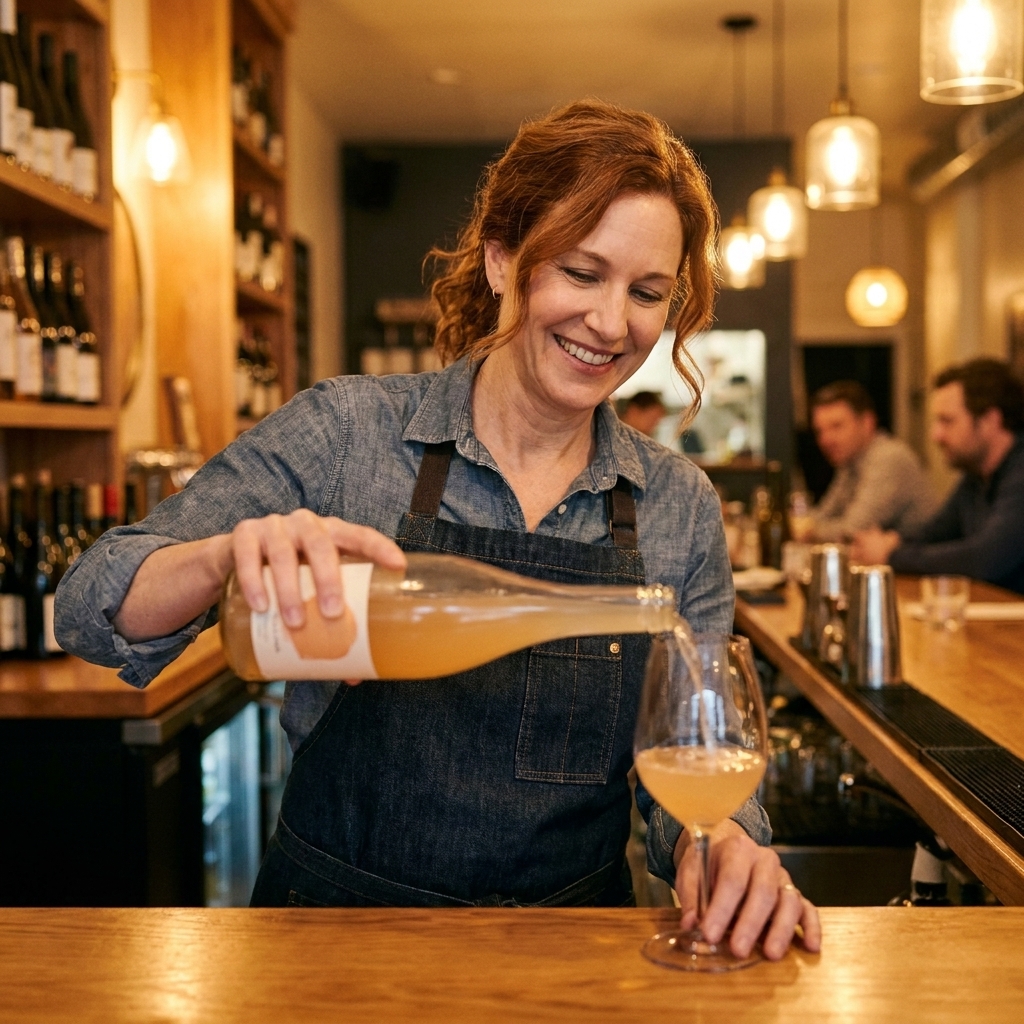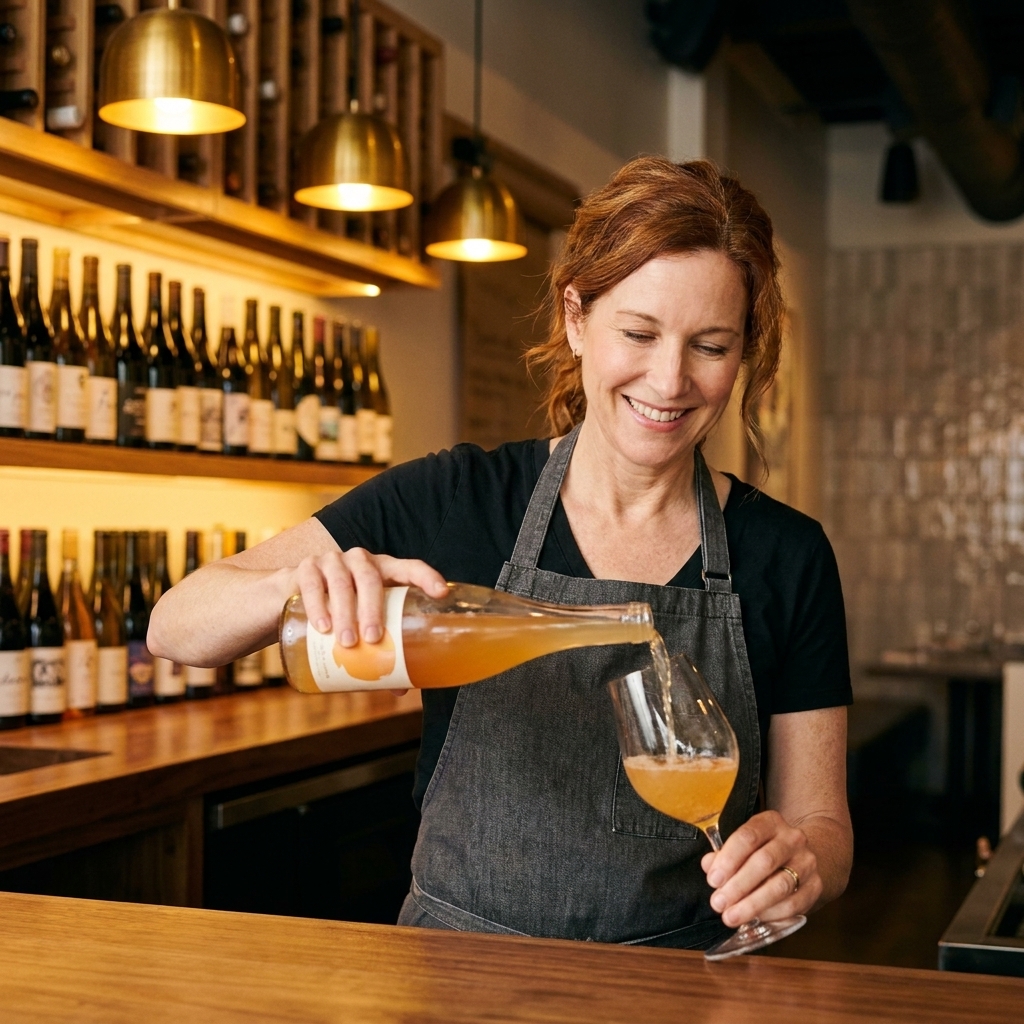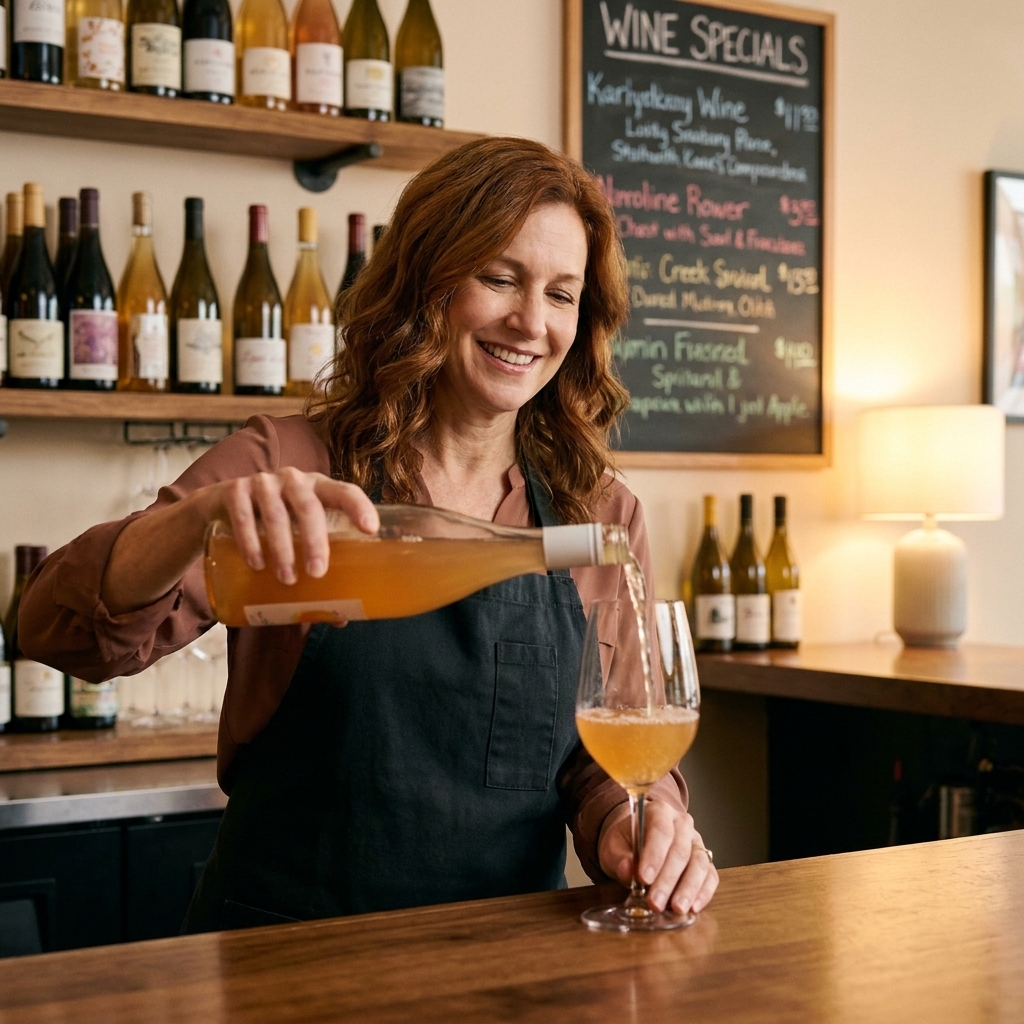
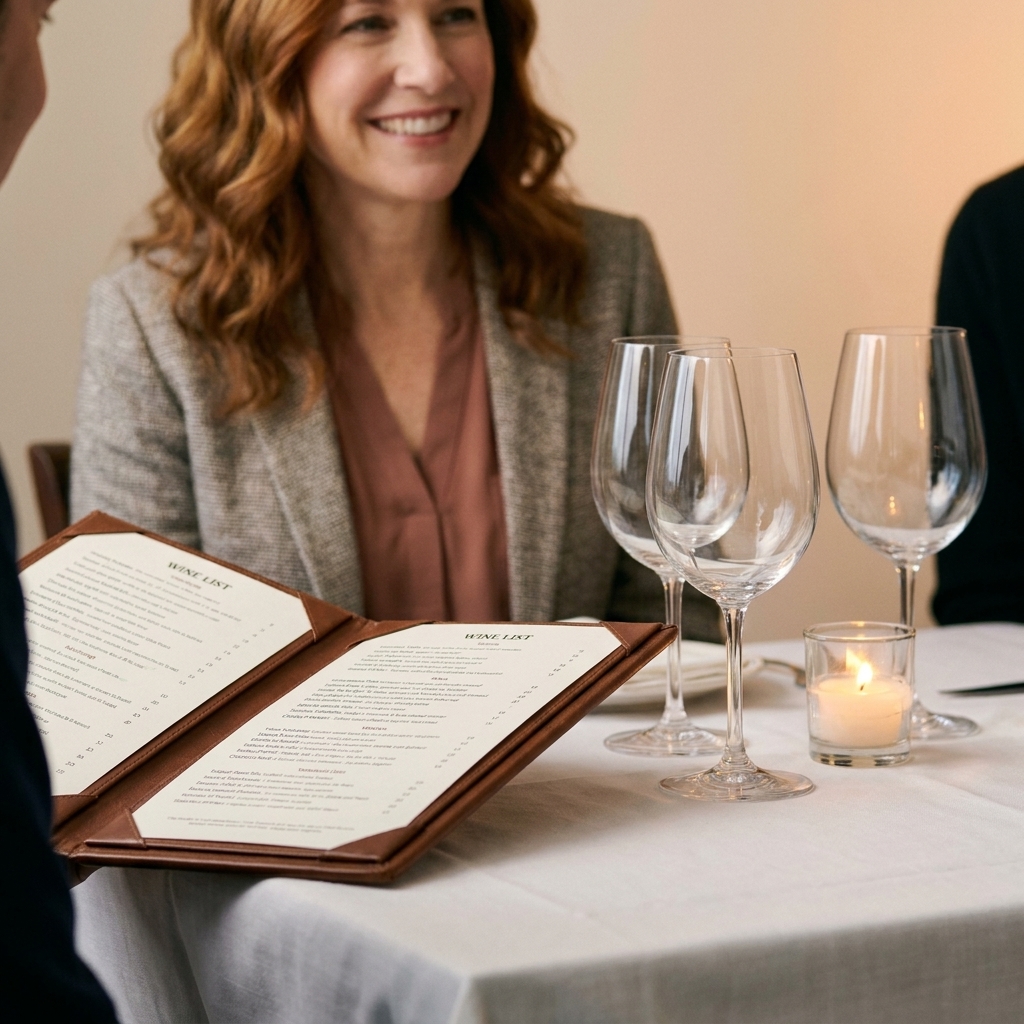
There is a specific kind of panic that hits when the server drops a wine list that reads like a passport stamp collection. Regions you have never visited. Grapes you cannot pronounce. Prices that make you wonder if the glass comes with a small equity stake.
Here is the secret most top sommeliers will tell you off the clock: a wine list is not a test. It is a map, and it is designed to be navigated with help. The best lists have plenty of hidden value, you just need to know where to look and how to ask.

First: What the List Is Doing
Most restaurant wine programs are built on three pillars: crowd-pleasers, credibility bottles, and discovery picks. If you only shop the first two, you are more likely to overpay. If you learn to spot the third, you can drink very well for the money.
- Crowd-pleasers are the familiar grapes and famous regions that move fast: big-name Napa Cabernet, recognizable Champagne houses, popular Pinot Noir appellations.
- Credibility bottles are the flex: rare Burgundy, cult producers, trophy vintages. Sometimes fairly priced, often not meant to be your Tuesday order.
- Discovery picks are where sommeliers tuck their personality and their value: lesser-known regions, under-hyped producers, alternative grapes, smaller importers.
If the list feels intimidating, it is usually because it is organized like a library instead of a menu. Once you stop trying to “know” everything and start trying to “find the lane,” it gets easier.
Sommelier Shortcuts
1) Find the restaurant’s point of view
Flip through and ask: what is this place excited about? Some lists lean coastal, mineral-driven, others go all-in on rich reds, others are natural-leaning with lots of skin-contact whites and chillable reds. Value tends to show up where the buyer is most passionate, because they are often willing to keep margins reasonable to get people drinking those bottles.
2) Scan by importer or producer
If you recognize even one producer you like, use it like a breadcrumb. Restaurants often buy from portfolios, and the bottles clustered around that producer can be similar in style and often similarly priced.
3) Skip the famous stuff when you want value
This is not shade, it is math. The more a label is used as a status signal, the more it can carry a premium. If you love Napa Cab, great. But ask for a Cabernet from Washington, Argentina, or South Africa that drinks in the same lane, and you often pay less for equal pleasure.
4) Hunt the off-vintage gems
When everyone is chasing the same benchmark years, the “less hyped” vintages can be the best buys. A good sommelier will tell you which years are drinking beautifully now, even if they were not a critic darling on release.
Where Value Hides
If you want the kind of bottle that makes you feel like you got away with something, aim for categories that are beloved by wine people but not always ordered by the general public.
Sparkling without Champagne pricing
- Crémant (Loire, Burgundy, Alsace)
- Cava (Spain) from traditional-method-focused producers
- Franciacorta (Italy) when the list is thoughtfully curated
Crisp whites that overdeliver
- Muscadet (Loire) with oysters, fries, anything salty
- Grüner Veltliner (Austria) for acid, lift, and food-friendliness
- Assyrtiko (Greece) when you want “mineral” without the markup
- Albariño (Rías Baixas) for seafood nights and patio energy
Pinot Noir energy without Burgundy prices
- Etna Rosso (Sicily) for perfume and structure
- Gamay (Beaujolais) for bright, juicy, restaurant-friendly reds
- Blaufränkisch (Austria) for spice, snap, and versatility
Cabernet vibes that can be a deal
- Cabernet Franc (Loire or New World) for herbal, graphite energy
- Priorat or Montsant (Spain) when you want depth and heat
- Chile for Bordeaux varieties with serious value, especially from cooler sites
Ask for Value, Nicely
You do not need to say “best bang for your buck,” though honestly, most sommeliers have heard worse. The key is to give them a style target and a ceiling. Then let them do their job.
Try these scripts
- “We like bright, not oaky. Can you point us to something under $80?”
- “I usually drink Sancerre. What is your favorite similar white that is a little less?”
- “We are celebrating, but I do not need the famous label. What is the most exciting bottle around $120?”
- “I want a red that works with steak and also won’t bully the vegetables. Any ideas in the $70 range?”
The more you describe the experience you want, the better the recommendation. “Smooth” can mean a hundred things. “Medium-bodied, not too tannic, not jammy” is a gift.
Ideally, a sommelier is there to matchmake, not just upsell. Give them your budget like it is an ingredient, not a confession.
Pricing, Explained
Restaurant wine pricing varies wildly, and it is influenced by overhead, glassware programs, storage, breakage, staffing, and the simple fact that hospitality is expensive. You will often see bottles priced around 2 to 3 times retail, sometimes higher on small, in-demand labels, and sometimes lower multiples on very expensive bottles. That said, you can still order smart.
Value signals
- Deep by-the-glass selections often indicate a serious program, which can mean more thoughtfully priced bottles too.
- Less familiar regions are frequently priced more gently because demand is lower.
- Half bottles can be sneaky-good when you want quality without committing to 750ml.
- Sommelier picks or staff favorites are not always the cheapest, but they are often the best ratio of excitement to cost.
When to pivot to by the glass
If the bottle list feels aggressively marked up, ask what is pouring by the glass and choose the best producer in your style lane. Sometimes by-the-glass is priced to encourage exploration, but it can also be a higher-margin format. If you are deciding between two glasses each versus a bottle, a quick comparison can save you money.
Decode the Words
Wine list descriptions are written by humans, and sometimes by humans who have had to describe 120 wines before service. Here is the quick translation that saves you from a gamble.
- “Mineral”: high acid, stony, salty, refreshing. Not literally licking a rock, unless the rock is delicious.
- “Elegant”: lighter body, more aroma than brute force, often lower alcohol.
- “Structured”: tannin and or acid that frames the wine. Great with food, can feel intense alone.
- “Juicy”: fruit-forward, usually lower tannin, often a crowd-pleaser.
- “Earthy”: mushroom, forest floor, savory notes. Not a flaw, a style.
- “Natural”: low-intervention winemaking. Can be stunning. Can be funky. Ask if it is “clean and bright” or “wild and funky.”
Dietary Needs Count
This is my soapbox, because I learned it the hard way after developing a severe gluten intolerance: the beverage order is part of accessibility.
Wine is generally considered gluten-free. If you are highly sensitive, it is still worth flagging it, especially with flavored or ready-to-drink products, beer, and specialty cocktails where ingredients and cross-contact are more relevant. If you are gluten-free, sober-curious, pregnant, on medication, or managing allergies, tell your server or sommelier early. A good team will guide you toward options that keep you safe without making you feel like the complicated table.
If you are not drinking alcohol
Ask what they have that is thoughtful, not just an afterthought: NA pairings, NA sparkling, verjus spritzes, hops waters, or a house-made tea program. Great restaurants increasingly take this seriously, and you deserve the good glassware too.
Order Like a Regular
- Pick a price, then ask for two options: one classic, one adventurous. It keeps you in control while letting the pro shine.
- If you are splitting a bottle, order for the food, not your mood: the best restaurant wine is the one that makes the meal taste better.
- Trust second-tier regions: if the list is heavy on Burgundy, try a killer Beaujolais. If it is heavy on Champagne, try Crémant.
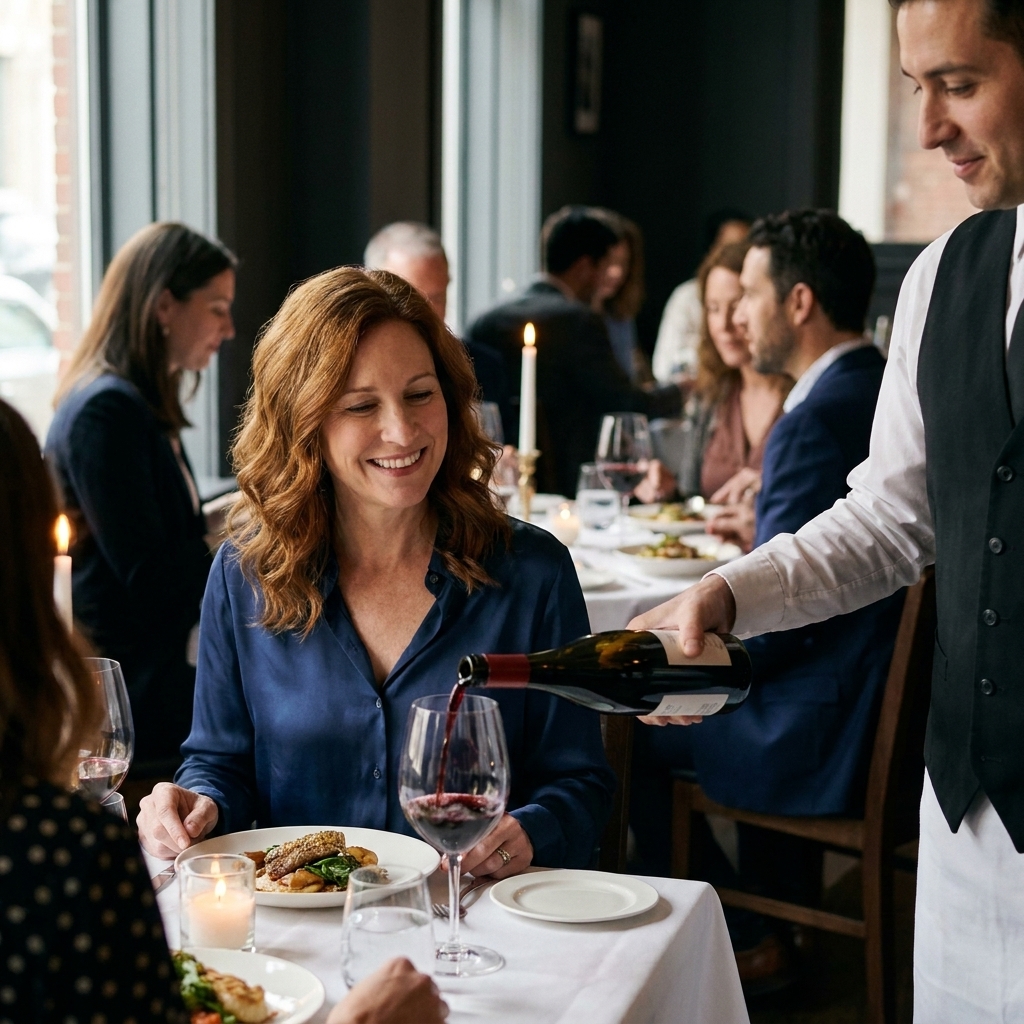
- Ask what is drinking best tonight: bottles change, vintages change, storage and openness matter. A sommelier knows what is singing.
Two common pain points
- Spicy food: go lower alcohol, higher acid, and a touch of sweetness if possible. Riesling, Grüner, Chenin Blanc, and some rosés are your friends.
- Dessert: the wine should be at least as sweet as the dessert. Ask for a dessert wine pour, Madeira, Sauternes-style, Vin Santo, or a bitter-sweet amaro pairing if that is the house move.
FAQ
Is the cheapest bottle always a bad idea?
Not always, but it is often the safest-for-the-restaurant choice, not the most exciting-for-you choice. If you want value, ask for the best bottle close to the bottom of the list in your preferred style.
How do I avoid overpaying for a hype label?
Tell the sommelier what you like about the label, not the label itself. “I like big Cab with black fruit and firm tannin” gets you better alternatives than “I like Caymus.”
What if I do not want to talk to anyone?
Go region-adjacent. If you love Chablis, look for other high-acid whites like Muscadet, Grüner Veltliner, or Assyrtiko. If you love Pinot Noir, look for Gamay or Etna Rosso.
Is it okay to ask for a taste first?
With by-the-glass pours, sometimes. With bottles, the tasting pour is traditionally to check for flaws, not preference. If you are unsure, ask questions first. A good sommelier can steer you without needing a sip test.
The Real Secret
The best wine list hack is relational, not technical: be clear, be kind, and be curious. Sommeliers love a table that wants to learn, and they are often happiest when they can pour you something you would never pick on your own, at a price that feels like a win.
Because at its best, ordering wine out is not about proving you belong. It is about letting the room take care of you, one glass at a time.