Natural wine can feel like the restaurant world’s inside joke. The server says “It’s a little wild,” you nod like you totally know what that means, and then your glass tastes like cider, beach rocks, and the memory of a barn. Sometimes it is glorious. Sometimes it is confusing. The good news: none of this is mystical. It is just farming, fermentation, and a few choices that winemakers either make or avoid.
I spent years as a beverage director watching guests fall into two camps: the instant converts and the people who swear natural wine is “broken.” Both are reacting to the same thing: minimal intervention wines can be less standardized, so the highs are high, and the weird can be, well, weird.
Below is a beginner’s map. Not a rulebook. Just enough context to help you read labels, decode the funk, and order thoughtfully made bottles like you have been doing it for years.
What it is (and is not)
There is no single global legal definition for “natural wine.” That is part of the chaos and part of the charm. (There are a few emerging and voluntary frameworks in certain places, like France’s Vin Méthode Nature, but nothing universal.) In most wine circles, natural wine means:
- Grapes farmed with minimal synthetic inputs (often organic or biodynamic, sometimes in transition)
- Native fermentation (using the yeasts naturally present on the grapes and in the cellar, rather than cultured commercial yeast)
- Minimal additives (little to no acid adjustment, enzymes, tannin powder, concentrated color, oak chips, and other tools used to standardize flavor)
- Low to no added sulfites (more on this in a minute)
- Less manipulation (often unfiltered and unfined, sometimes with a little cloudiness or sediment)
What it does not automatically mean: “better,” “healthier,” “hangover-free,” “always funky,” or “always cloudy.” It is a winemaking philosophy, not a wellness plan.
Biodynamic vs organic vs minimal
These terms get tossed around like everyone was born knowing them. Here is the cleanest way to think about it.
Organic wine
Organic farming generally means avoiding synthetic pesticides, herbicides, and fertilizers in the vineyard, with rules that vary by country. Most organic programs still allow certain approved, naturally derived treatments (like copper and sulfur) within specific limits. Organic tells you most about how the grapes were grown. It tells you less about what happened in the cellar unless the label also specifies organic winemaking requirements.
Biodynamic wine
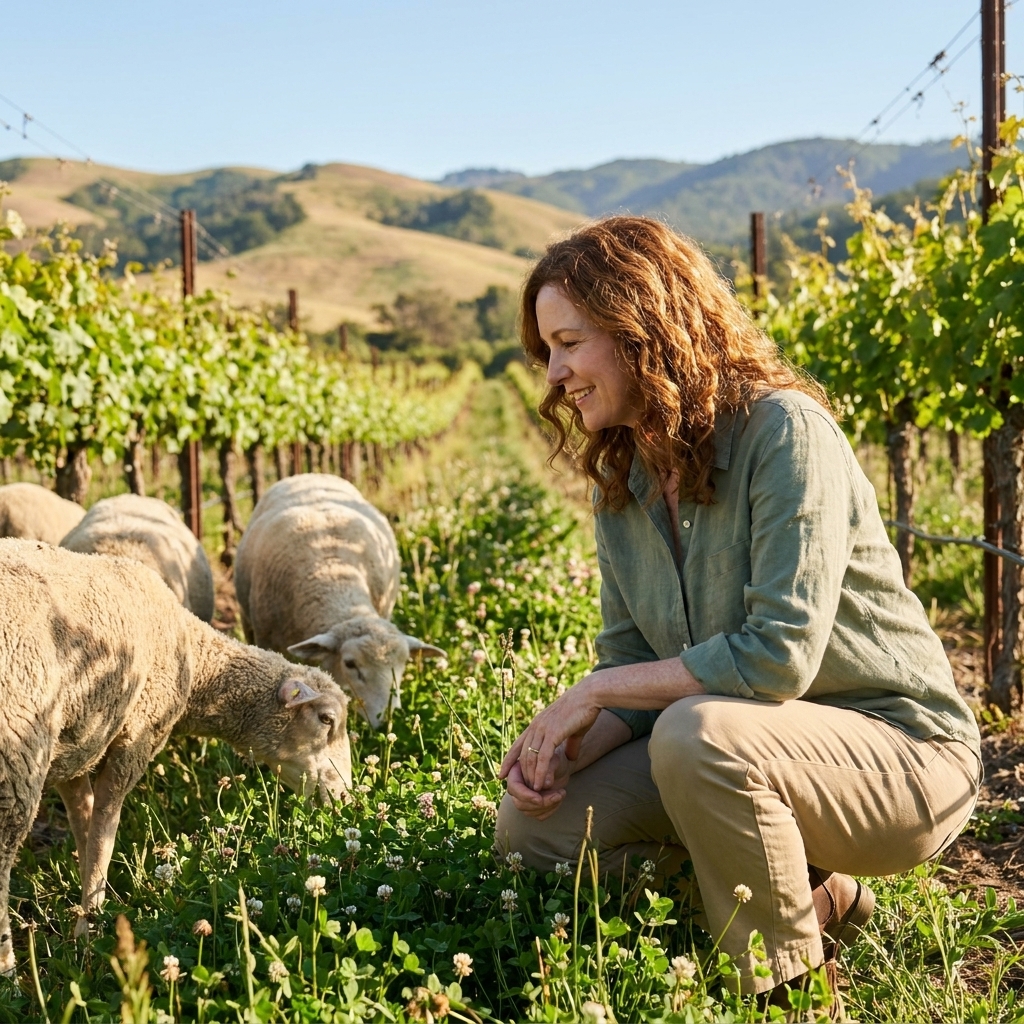
Biodynamic takes organic principles and turns the vineyard into a whole ecosystem: composting, biodiversity, livestock integration, and soil health, often guided by a farm calendar. It is the most polarizing term because it has spiritual roots, but in practice, many biodynamic producers are simply obsessive farmers with vibrant vineyards and living soils.
Look for certifications like Demeter or Biodyvin. Not every biodynamic producer certifies, but when you see these seals, you are looking at a verified framework rather than vibes.
Minimal intervention
Minimal intervention speaks to what happens in the winery. You can have organically grown grapes and still make a highly manipulated wine. You can also have a minimal intervention approach from a small farmer who is not certified. “Minimal intervention” is closer to the natural wine ethos, but it is also loosely used, so ask questions.
My beverage-director translation: organic and biodynamic describe the farming. Minimal intervention describes the winemaking. Natural wine is the messy overlap where both matter.
How to read a label
Natural wine labels are famous for being… unhelpful. Cute animals, abstract art, no grape listed, and a name like “Moon Juice.” Here is what actually gives you useful info, even when the front label is coy.
1) Region can beat grape
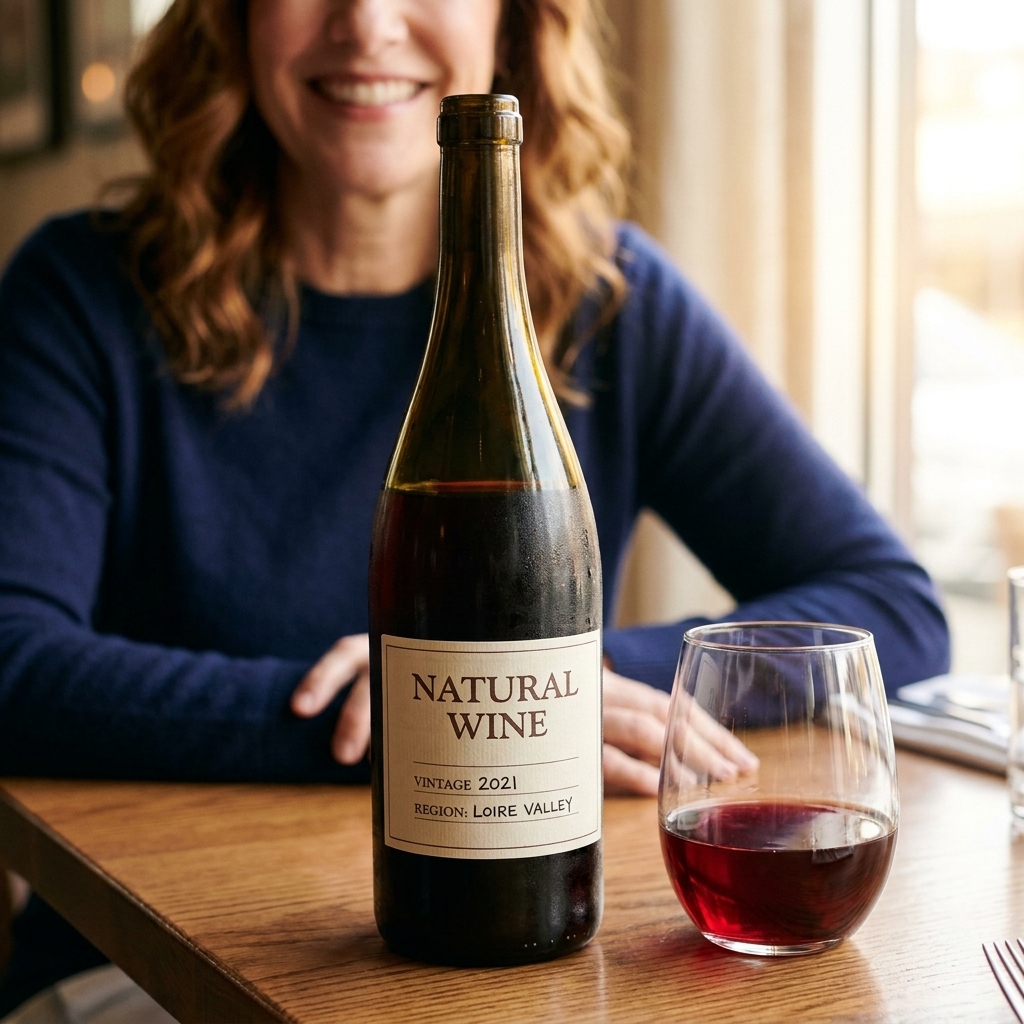
If the label gives you a place, it gives you a clue. Some regions have classic styles even when the producer is experimental. For beginners, regions can be more predictive than a grape you have never heard of. One caveat: natural producers can absolutely subvert regional expectations, so treat this as a helpful starting point, not a guarantee.
2) Look for “method” words
- Pét-nat or méthode ancestrale: sparkling wine finished in bottle, sometimes cloudy, bright, and casually fizzy
- Skin-contact or orange wine: white grapes fermented on skins, usually more texture and tannin
- Unfiltered or unfined: may be hazy with sediment, and can feel more textured or expressive, though it can also be more fragile
- Carbonic or semi-carbonic: a technique that can bring juicy, bubblegum, violet, or fresh berry notes
3) ABV is a quiet clue
Lower alcohol (10 to 12 percent) often reads lighter and fresher. Higher alcohol (13.5 percent and up) can signal riper fruit and a more powerful frame, even in natural wines. If a wine feels slightly spritzy, that is usually about dissolved CO2 from fermentation or bottling choices, not the ABV itself.
4) Vintage matters more here
In heavily standardized wine, vintage can be a footnote. In natural wine, vintage is mood. Cooler years can be lean, herbal, and nervy. Warmer years can be plush, tropical, and higher in alcohol. If you love a bottle, take a photo and note the year.
5) Sulfites: what “no added” means
Sulfites are a preservative. They help wine travel, age, and stay stable after bottling. “No added sulfites” means the winemaker did not add extra, but small amounts can occur naturally during fermentation. Low sulfite wines can be beautiful, but they are also more sensitive to heat and oxygen. If a bottle tastes sharply bruised-apple-like and tired, that might be oxidation, not “funk.”
The funk spectrum
“Funky” is the most overused word in natural wine service. It can mean ten different things. Here is a more helpful translation guide.
Funk many people love
- Farmhouse or cider-like notes: tart apple, hay, chamomile, a little tang
- Yeasty bread dough: common in pét-nat and bottle-conditioned styles
- Light VA (volatile acidity): a tiny lift that reads like balsamic or strawberry vinegar. A little can add brightness. Too much takes over.
- Mineral and savory edges: wet stone, salt, olive, tea, smoke
Signs it might be flawed
- Wet cardboard, basement, musty cork: possible cork taint (TCA)
- Mousey aftertaste: a weird popcorn-rind, hamster-cage note that shows up after you swallow. It is a known fault, and you are not imagining it. In some cases, air can reduce how obvious it feels, but it is still considered a flaw.
- Sherry-like browning and flat fruit (when the style is not oxidative): possible premature oxidation
- Nail polish remover intensity: VA that has gone too far
If you think something is off, it is completely fair to say: “Can you taste this with me?” A good bar team would rather swap a flawed bottle than have you suffer through a glass you did not actually want.
Ordering without roulette
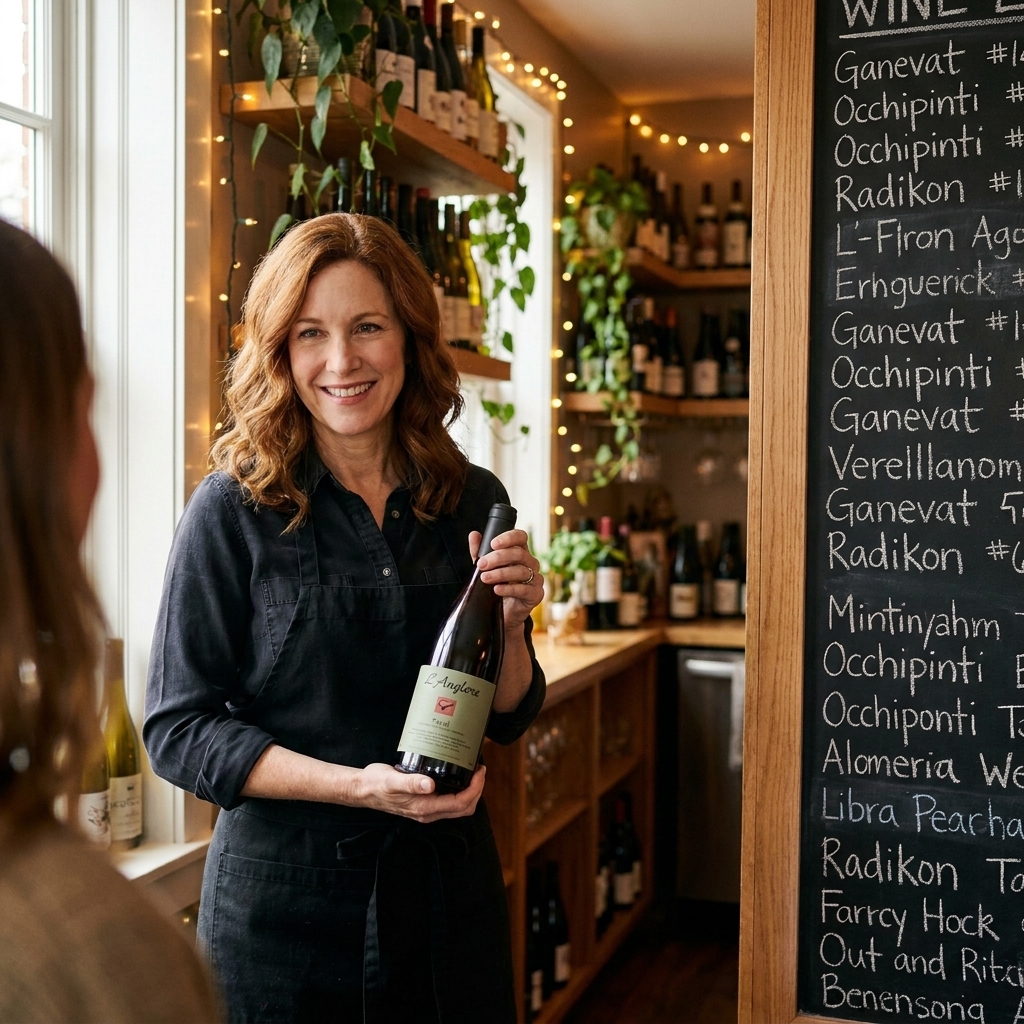
Natural wine bars are often friendly, but the menus can read like poetry. Use these simple prompts to get what you actually want.
Start with the vibe
- “I want something crisp, not funky.” You will likely land in Loire whites, alpine varieties, lean Italian whites, or cleaner pét-nats.
- “I like juicy reds, low tannin.” Think chilled reds, carbonic blends, Gamay-adjacent energy, and bright Mediterranean light reds.
- “I want texture and food-friendliness.” Ask for skin-contact whites or structured rosés.
- “Surprise me but keep it balanced.” This is the best version of “surprise me.” It gives boundaries.
Ask two questions
- “Is it volatile or more clean?” (You are politely asking about vinegar-lift and overall stability.)
- “Is it oxidative?” Some producers intentionally make oxidative styles. If you do not like bruised apple and nutty notes, you want to know.
When you want biodynamic
Try: “Do you have anything biodynamic by certification, like Demeter or Biodyvin, that drinks pretty classic?” This gets you the farming philosophy without forcing you into the deep end of the weird pool.
Easy styles to start with
If you are new, you do not have to start with the cloudiest bottle in the fridge. These styles tend to be the easiest on-ramp.
- Bright, salty whites: citrus, green apple, herbs, often very food-friendly
- Chillable light reds: crunchy berry fruit, low tannin, great with fries and roast chicken
- Rosé that tastes like actual wine: not candy, more like strawberry, grapefruit, and spice
- Pét-nat with a clean profile: floral, lemony bubbles, playful without being chaotic
- Balanced orange wine: apricot, tea, citrus peel, and grip without heavy funk
If you want to avoid the deep funk early on, steer away from: aggressively mousy bottles, heavily oxidative whites unless you love sherry, and anything described as “barnyard” if you are already nervous.
Serving tips
Minimal intervention wines are more sensitive. A few small moves can make a huge difference.
- Mind the temperature. Slightly cooler than you think for whites and even many reds. Too warm makes funk louder and alcohol hotter.
- Let it breathe, but do not punish it. Some bottles open up with 10 to 20 minutes of air. Others fade fast. When in doubt, pour a little, taste, then decide.
- Do not fear sediment. It is common in unfiltered wines. Pour gently at the end, or stop before the last ounce.
- Store carefully. Keep bottles cool and out of sunlight. Natural wine left in a hot car is a tragedy.
One more hospitality note: if you are bringing natural wine to a dinner party, tell the host if it is pét-nat (it can foam) or if it is intentionally cloudy. Nobody needs a surprise geyser over the cheese board.
Allergies and sensitivities
Because I live in the gluten-intolerance universe now, I always ask the practical questions. Wine is generally considered gluten-free by most reputable sources. In very rare cases, extremely sensitive drinkers may want to verify barrel practices or processing aids with the producer or importer.
- Sulfite sensitivity is real for a small number of people, but it is not the same as a wine headache for everyone. If you have asthma or known sensitivity, ask questions, drink with food, and pace yourself.
- Fining agents (like egg, milk, fish bladder) are used in some winemaking, though many natural wines are unfined. If you have allergies or dietary restrictions, ask whether the wine is vegan and unfined.
- If you have celiac disease, ask the bar team if they have any specific product notes from the importer or producer and avoid any flavored wine-based beverages unless confirmed gluten-free.
Good bars will not make you feel high-maintenance for asking. If they do, that is a service issue, not a you issue.
Small glossary
- Lees: spent yeast cells that can add texture and bready aromas
- Native yeast: fermentation driven by naturally occurring yeasts
- VA: volatile acidity, can smell like vinegar when high
- Oxidative: intentionally exposed to oxygen for nutty, apple-y, sherry-like notes
- Reduction: a tight, struck-match or rubber note from low oxygen conditions, often blows off with air
- Carbonic: fermentation method that boosts juicy fruit and floral notes
FAQ
Is natural wine healthier?
It is usually lower in additives and sometimes lower in sulfites, but “healthier” depends on your body and your drinking habits. If you drink, drink because you like it, not because you think it is a loophole.
Why is some natural wine cloudy?
Often because it is unfiltered and unfined. That haze can carry texture and flavor compounds. It is not automatically a flaw.
Why does it taste like cider?
Higher acidity, lower sulfur, and certain fermentation choices can push wines toward apple-y, tart, lightly funky notes. Some producers also make wine in a more oxidative or pét-nat-adjacent style that overlaps with cider flavors.
What should I say if I want natural wine but not the funky stuff?
Try: “I like natural wines, but I prefer clean and bright. Any low-intervention bottles that drink classic?” It is clear, kind, and gets you a great pour fast.
The bottom line
Natural wine is not a secret handshake. It is a spectrum of choices that prioritize farming and fermentation over polish. Sometimes that creates the most alive glass in the room. Sometimes it creates a bottle that tastes like it is having a complicated day.
If you take one thing with you: order with adjectives, not anxiety. Crisp or round. Clean or wild. Fresh fruit or savory. A good bar team will meet you where you are and pour you something that makes sense, not something that proves a point.