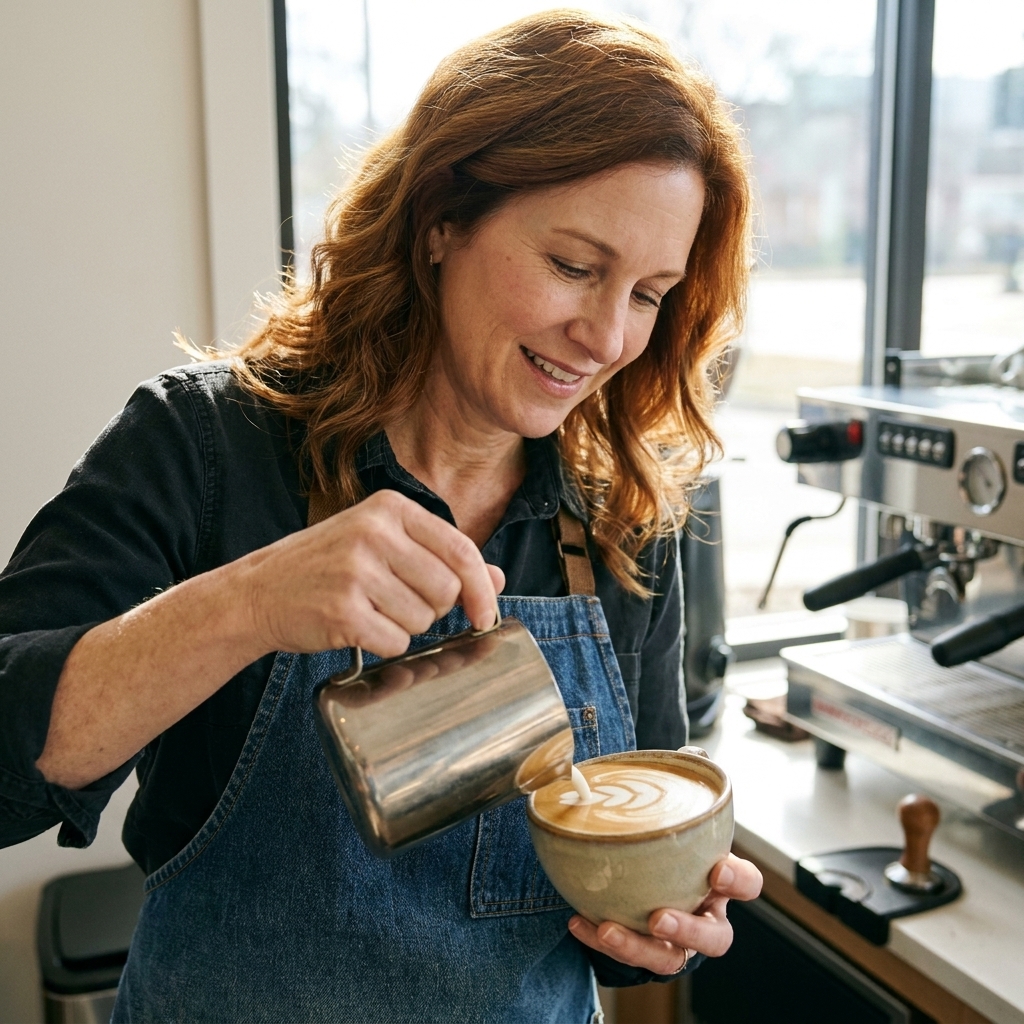
Walking into a third-wave coffee shop can feel like stepping up to a cocktail bar where the menu is written in a new language. Single origins. Processing methods. A flight of pour-overs with tasting notes that sound like a farmers’ market and a perfume counter had a baby.
Here’s the good news, from someone who’s spent years on the other side of the bar. You don’t need to know everything. You just need to know how to order with intention, ask the right questions, and communicate what you like without apologizing for it. The best baristas love a clear brief. It’s how they can nail your cup.
First, a quick menu translation
Most specialty menus are built around three things: where the coffee is from, how it was processed, and how it’s brewed. Once you can spot those signals, the rest is just preference.
Origin: country, region, and sometimes farm
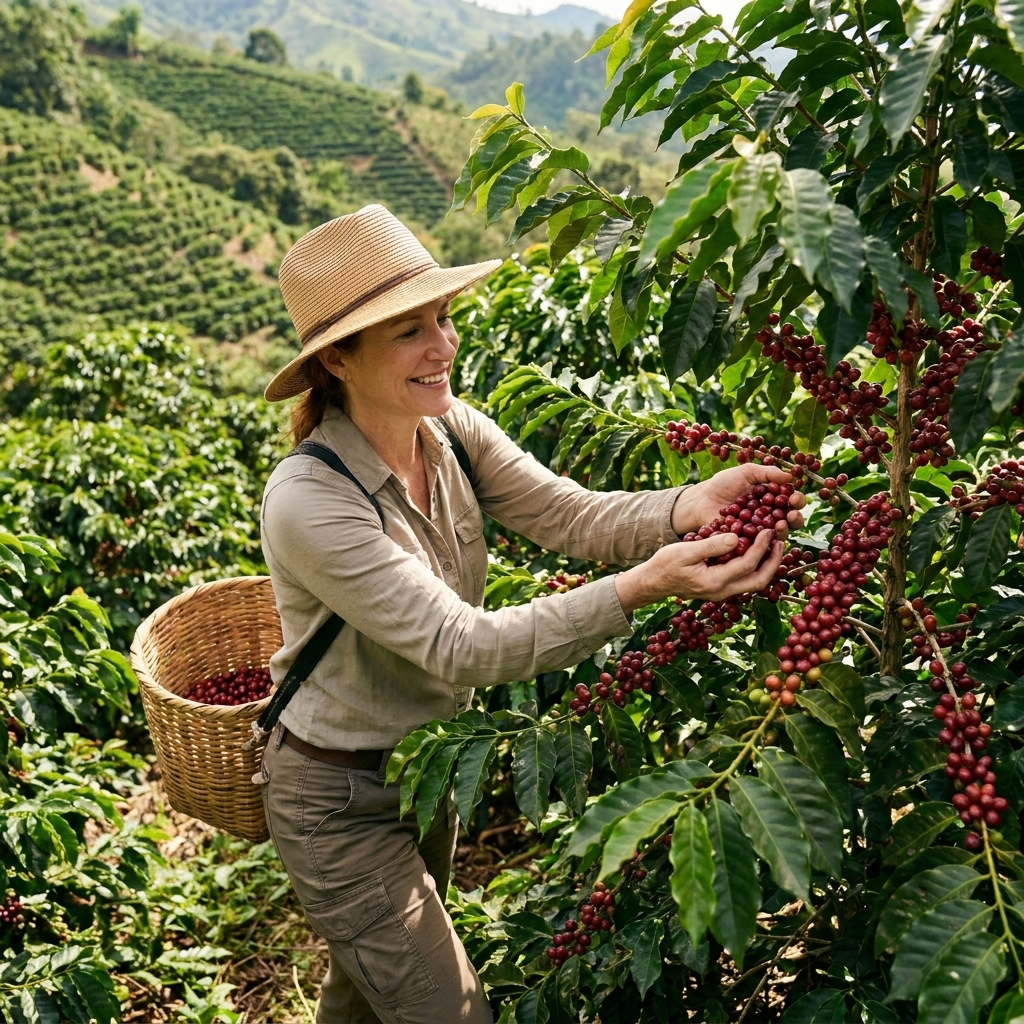
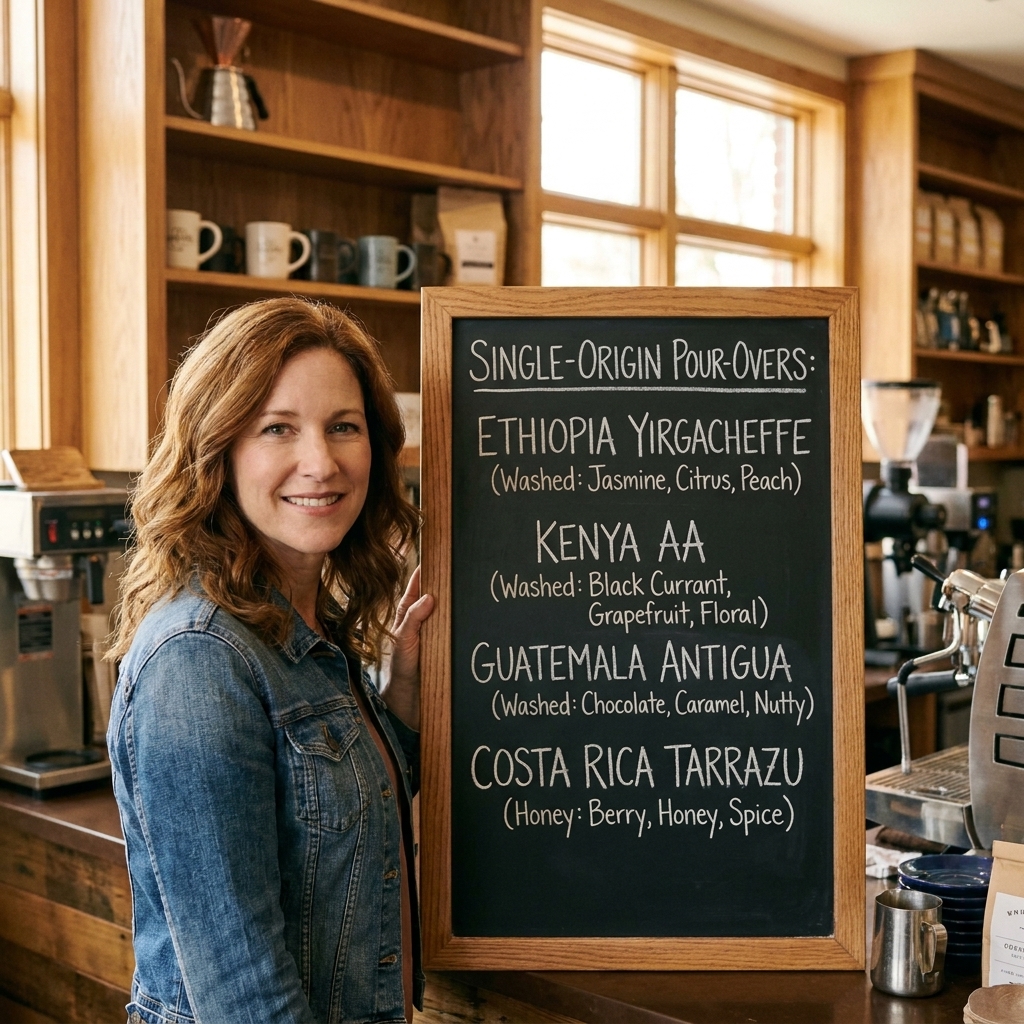
You might see “Ethiopia, Guji” or “Colombia, Huila” or a specific producer name. Think of origin like grape varietal and vineyard in wine. It’s not a flex. It’s a flavor map.
- Ethiopia often leans floral, citrusy, tea-like, or berry-forward.
- Colombia is frequently balanced, with caramel sweetness and fruit that can swing from apple to tropical.
- Kenya can be bright and punchy, with blackcurrant or grapefruit energy.
- Brazil often reads chocolatey, nutty, and comfortable, especially in espresso.
Processing: how the fruit becomes a bean
This is one of the biggest “Why does this taste like this?” drivers, and it shows up on menus more now because it matters.
- Washed: cleaner, brighter, more structured. If you like crisp, this is your lane.
- Natural: fruit-forward and sometimes funky, with bigger sweetness. If you like “blueberry” notes that actually show up, try this.
- Honey: a middle path, often syrupy and sweet with softer acidity.
- Anaerobic or experimental: can be wildly expressive, sometimes boozy or spicy. High reward, occasionally polarizing.
Roast level: not just light or dark
Third-wave shops tend to roast lighter than traditional cafes. That doesn’t mean weak. It means the roaster is trying to preserve origin character, not cover it with roast flavor.
- Light roast: more acidity and fruit, more clarity. Can read “bright” to some people.
- Medium roast: more caramelization and body, still origin-driven.
- Dark roast: more smoke, cocoa, and roast bitterness. Less origin nuance.
If you’ve ever said “I want something strong” and ended up with a dark roast that tastes burnt, you’re not alone. In specialty coffee, “strong” is usually about concentration (espresso, smaller drinks) or body (some origins, some brew methods), not roast darkness.
Pick your lane: espresso, filter, or milk
When you order like a pro, you start with the drink format that matches your palate and your mood. This is the part where you stop letting the menu intimidate you and start treating it like a choose-your-own-adventure.
Espresso drinks: small and intense
If you want concentrated flavor, order:
- Espresso: the purest snapshot of how a shop dials in coffee. It’s basically their baseline.
- Americano: espresso + hot water. More volume, same general profile. Depending on the shot and the dilution, it can read a bit more bitter to some people, or just less intense overall.
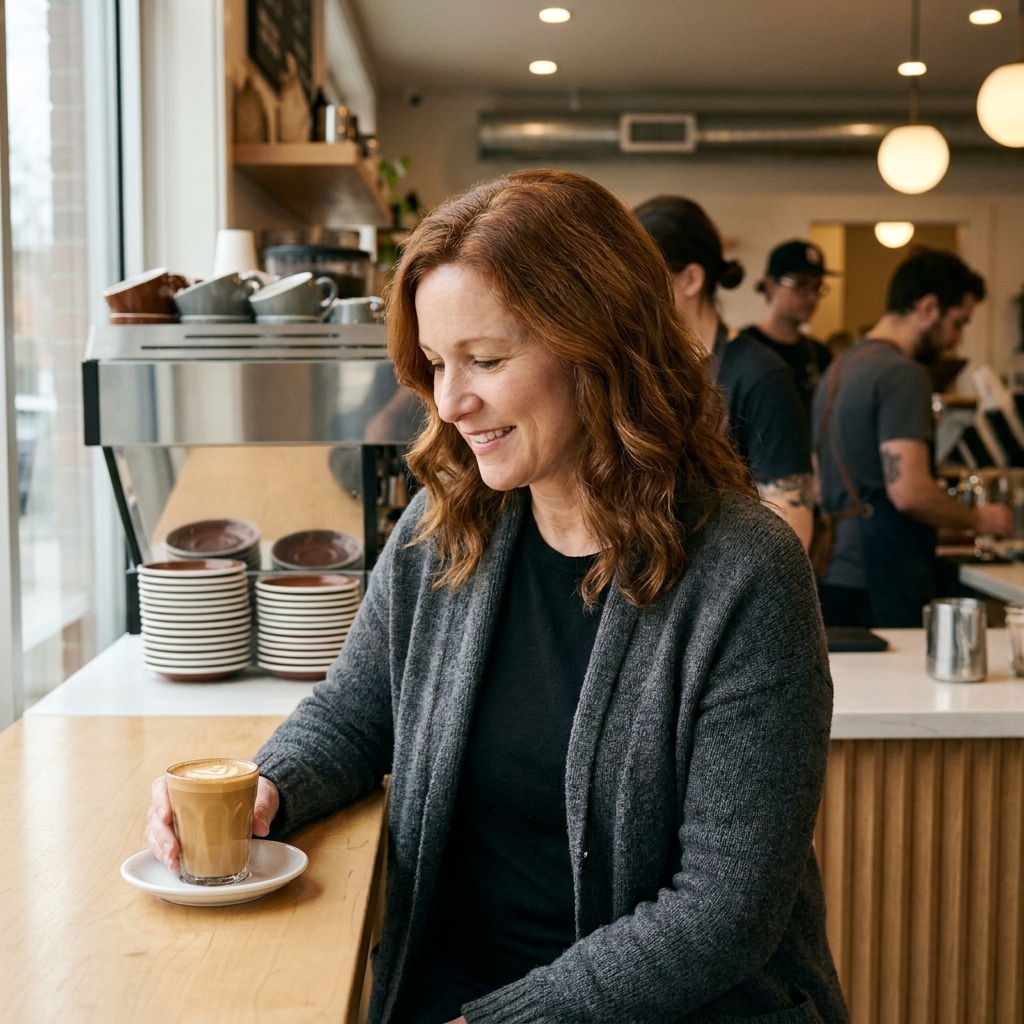
- Cortado: espresso + a small amount of steamed milk. Balanced, not dessert.
- Flat white: similar family, typically a bit more milk and a velvety texture.
Pro move: If you’re espresso-curious but hate being sucker-punched by acidity, ask for something “chocolate-forward” or “more classic” for espresso. Many shops have an espresso blend designed for that.
Filter coffee: the clearest expression
This is where the tasting notes make the most sense. If you want to actually taste “peach” or “jasmine,” filter is your best bet.
- Batch brew (drip): consistent, fast, usually great value. A great starting point.
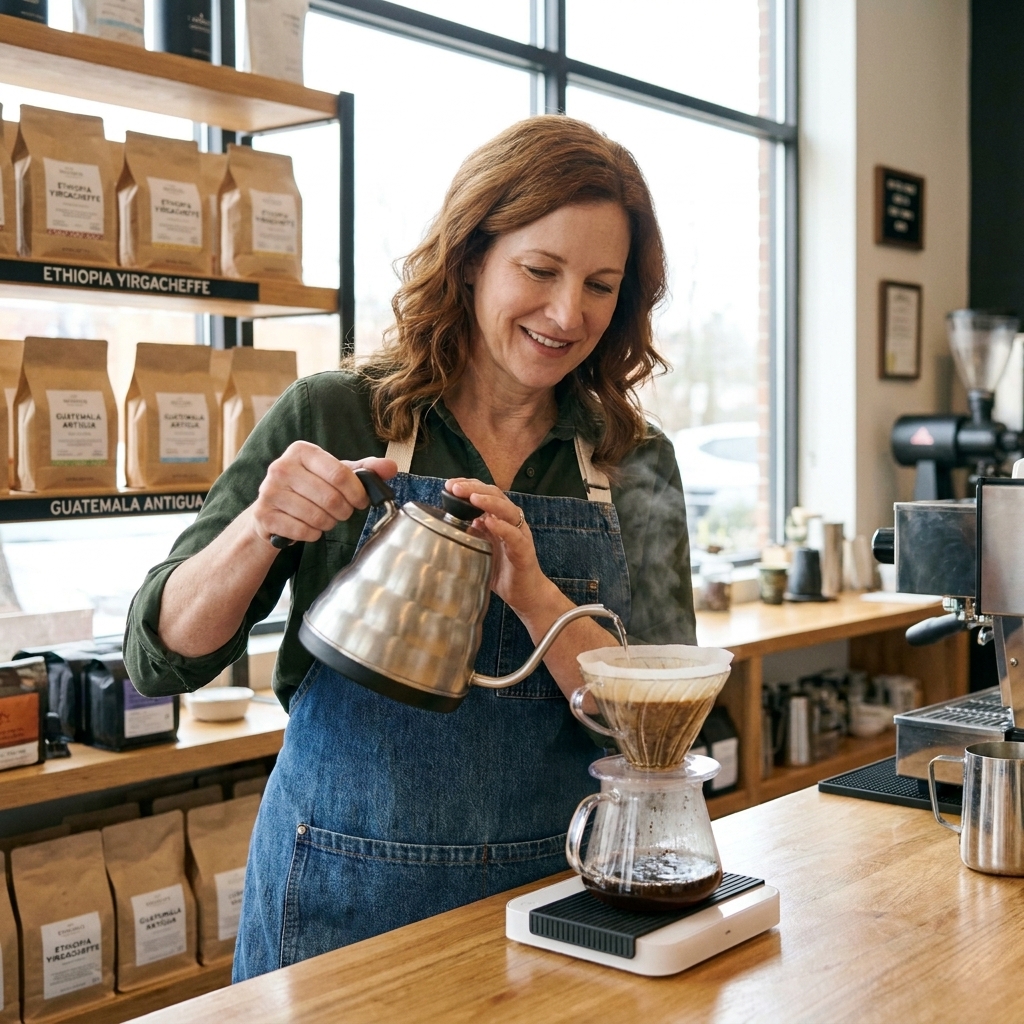
- Pour-over: brewed to order. Can be stunning, takes longer.
Reality check: Pour-over costs more because it’s labor and time. If the cafe’s slammed and you’re on a tight timeline, batch brew is the respectful order and often still excellent.
Milk drinks: comfort with craft
Milk changes everything. It softens acidity and highlights caramel and cocoa notes. If you want cozy, order:
- Latte: milk-forward, the easiest entry point.
- Cappuccino: more foam, slightly more espresso presence.
- Mocha: chocolate + espresso. Ask what chocolate they use if you’re picky, because it varies a lot.
Heads up on alternatives: Oat milk tends to be the most forgiving with espresso, especially for texture. Almond can run a little thinner, and some brands can split or curdle in more acidic coffees. Soy can taste more prominent, although many “barista” soy options are very stable. None of this is a moral issue. It’s chemistry.
Tasting notes, without overthinking
Tasting notes aren’t ingredients. Nobody’s adding blueberries to your coffee. They’re comparisons, like when a sommelier says a wine smells like cherry. The trick is knowing which notes matter to you.
Look for the category
- Citrus, green apple, cranberry usually signals higher acidity and a crisp finish.
- Stone fruit, tropical fruit often means juicy sweetness and a softer, rounder acidity.
- Chocolate, caramel, nuts points to comfort and body.
- Floral, tea-like is delicate and aromatic.
- Spice, ferment, rum-like can indicate experimental processing.
Use the three-word compass
If you only remember one tool, make it this. Tell the barista what you like using three anchors:
- Sweetness: “dessert-like” or “subtle”
- Acidity: “bright” or “smooth”
- Body: “tea-like” or “creamy”
That gives them more to work with than “I want something good,” and it doesn’t require a coffee PhD.
Roast descriptors, decoded
Specialty shops don’t always label coffee “light” or “dark.” Instead, you might see words like “bright,” “round,” “sweet,” “structured,” or “developed.” Here’s how to translate without feeling like you’re reading a horoscope.
If you like classic diner coffee
Ask for:
- “Something lower-acid”
- “More chocolate and nuts”
- “A more developed roast”
- “Your most classic espresso”
If you like bright, fruity coffee
Ask for:
- “Something juicy and fruit-forward”
- “Washed Ethiopian or Kenyan?”
- “A natural that’s clean, not too funky”
If you’re sensitive to acidity
This is more common than people admit. If coffee upsets your stomach or tastes sharp, try:
- Milk-based drinks (latte, cortado)
- Medium roast options
- Cold brew (often perceived as smoother, though measured acidity isn’t consistently lower across methods; temperature and extraction style change how it hits)
And yes, you can say it plainly: “I’m sensitive to acidity. What would you recommend?” Any decent barista will know exactly what you mean.
What to ask your barista
Baristas are like bartenders in one key way. We can make magic when we know what you actually want. The fastest path to that is a simple question with a preference attached.
Three questions that always work
- “What are you excited about right now?” Great when you’re open-minded.
- “If I usually drink a latte, what would you give me that shows off the coffee?” Great for leveling up without jumping off a cliff.
- “Which one is the sweetest cup today?” Great when you hate sour coffee.
Order scripts you can steal
For espresso: “Can I get a double espresso? I like it more chocolatey than bright, if you’ve got a choice.”
For pour-over: “I’d love a pour-over that’s fruity but not funky. What would you pick?”
For milk drinks: “Oat latte, please. I usually like things smooth and not too acidic. Is your espresso blend a good fit?”
For the anxious overthinker: “I’m new to single-origin menus. If you were making one drink to win me over, what would it be?”
One etiquette note
If there’s a long line behind you, keep the back-and-forth short. You can always step aside, let the next person order, and circle back with questions. It’s the same courtesy you’d want at a busy bar on a Saturday night.
Terms that trip people up
- Single origin: Coffee from one place (sometimes one farm). More distinct flavors.
- Blend: A mix of coffees designed for balance, consistency, and often espresso performance.
- Dialed in: The barista has adjusted grind, dose, yield, and time to make the coffee taste its best.
- Extraction: How much flavor is pulled from the grounds. Under-extracted can taste sour or thin. Over-extracted can taste bitter or dry.
- Ratio (espresso): Coffee in vs espresso out. Impacts strength and flavor.
- Seasonal: Coffees change throughout the year, like produce. A favorite might rotate out, and that’s a feature, not a failure.
Find your house order
If you want to become the person who walks in and orders with calm confidence, build a default that works almost anywhere, then riff from there.
One safe, one adventurous
- Safe: oat cortado, or a latte with the house espresso, or batch brew “whatever’s freshest.”
- Adventurous: a single-origin pour-over, or a natural processed coffee, or an espresso shot from a rotating single origin.
Keep low-stakes notes
You don’t need an app. A single note on your phone helps: origin, drink, and whether you liked it. After three visits, patterns show up fast.

FAQ
Is light roast always more caffeinated?
Not reliably. Caffeine varies more by dose and drink size than roast level. A big drip coffee often has more caffeine than a small espresso, even though espresso tastes stronger.
Why does some specialty coffee taste sour to me?
It might be a coffee with higher acidity by nature (origin and roast), or it could be under-extraction. If you dislike that sharpness, ask for “sweeter, more rounded” coffees or choose milk-based drinks. And if you get a cup that’s aggressively sour or bitter, it’s okay to politely ask if they’d recommend a different coffee or remake. Good shops want you to enjoy it.
What’s the difference between a flat white and a latte?
It varies by cafe and by country. In many US shops, a flat white is often smaller than a latte and has a higher coffee-to-milk ratio with a silky texture. In Australia, New Zealand, and parts of the UK, definitions can be more standardized, but still not universal. If size matters, just ask what ounces they serve.
Should I tip at a coffee shop?
If you can, yes. Especially for drinks that take skill and time like espresso and pour-over. Think of it like tipping for a well-made cocktail. Not obligatory everywhere, but always appreciated.
How do I order if I have a gluten intolerance?
Coffee itself is gluten-free, but flavored syrups, toppings, and powders can contain gluten, and cross-contact can happen with pastries, shared tongs, and prep surfaces. Also, oat milk can be an issue unless it’s certified gluten-free. If you’re sensitive like I am, ask: “Do you have any gluten-free syrups or toppings, and can you use clean tools for my drink?” Most shops can accommodate when they know what you need.
The real secret
You don’t need to perform expertise. You need to be specific about your preferences and open to the barista’s guidance. That’s it. The best third-wave coffee shops aren’t trying to gatekeep. They’re trying to serve you a cup that tastes like something, and maybe, if you’re lucky, a cup that tastes like somewhere.