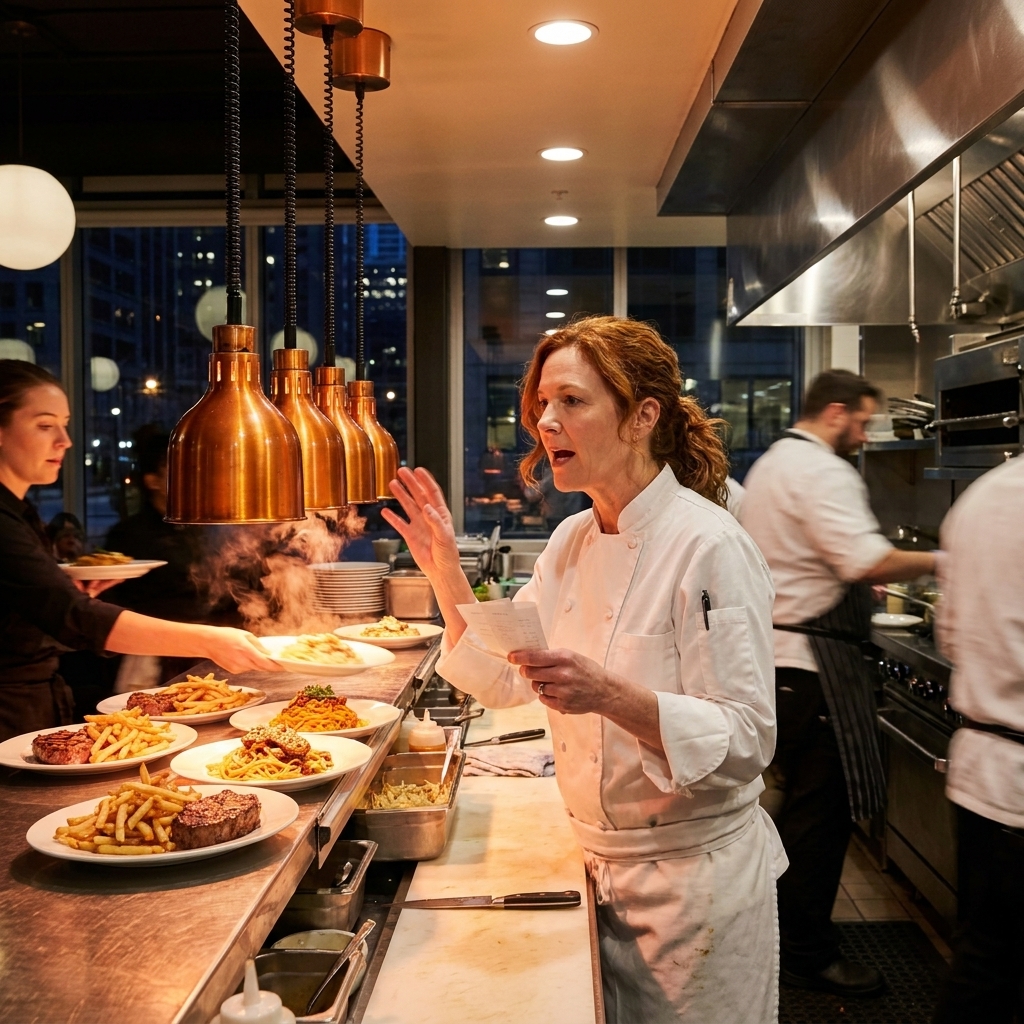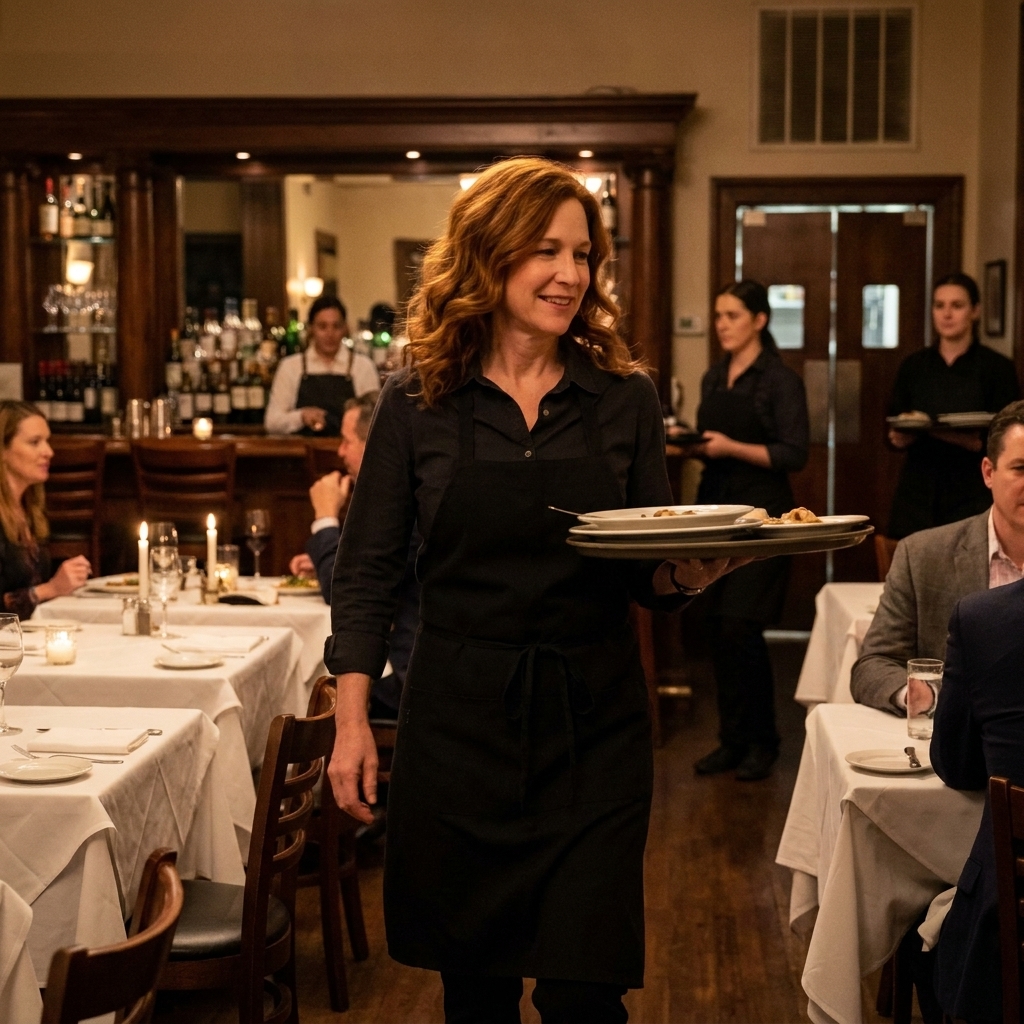
I learned to read a dining room the way some people read a weather app. You can feel the pressure systems. The four-top that wants to camp. The bar guest who is deciding whether they are a two-drink night or a mocktail night. The server calculating, in real time, whether tonight’s tips will cover rent.
For most of modern American dining, tipping has been the quiet math that makes the restaurant world run. It is also the quiet math that makes it unpredictable, inequitable, and exhausting. Now, more restaurants are experimenting with service charges, “fair wage” pledges, and tip-free models that promise stability for workers and less awkwardness for guests.
The catch is that the new systems can be confusing. They can also be implemented thoughtfully or poorly. Let’s break down what is actually changing, why it is happening, and how your check turns into someone’s paycheck.
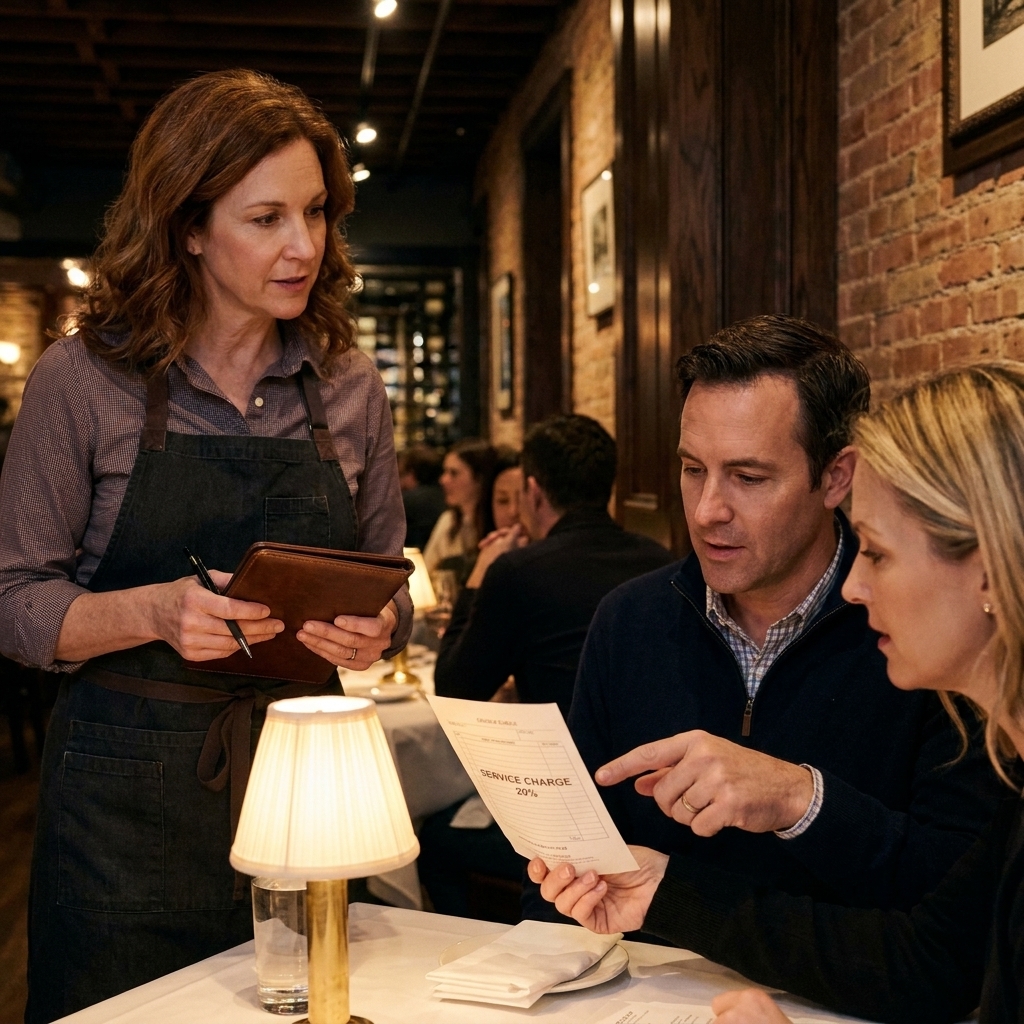
Why tipping became the default
In the U.S., tipping is not just a custom. It is a wage system. In many states, restaurants can pay a lower cash wage to tipped employees and count tips toward meeting minimum wage requirements. Rules vary by state, and some states do not allow a tip credit at all. Laws can also change, so treat any one-liner you hear online as a starting point, not gospel.
For guests, tipping feels like a direct thank you. For workers, it can mean real earning power on a great night. But it also means your income is tied to the weather, the schedule, the manager’s floor plan, the guest’s mood, and the biases we all carry, whether we admit it or not.
What tipping gets right
- Potential upside. In busy, high-check restaurants, experienced servers and bartenders can earn strong money.
- Immediate feedback. Guests feel they are rewarding good service.
- Familiarity. Everyone knows the script, even if they hate it.
What tipping gets wrong
- Income volatility. Two slow Tuesdays can erase a good Saturday.
- Bias and unevenness. Tips can reflect race, gender, accent, appearance, and stereotypes more than performance.
- Back-of-house imbalance. In many restaurants, cooks and dishwashers earn steadier wages but have historically been left out of tip upside, despite being essential to the guest experience.
- Emotional toll. When your pay depends on being liked, it changes what “service” feels like in your body.
What “fair wage” can mean
“Fair wage” is not one single model. It is a promise, sometimes a marketing line, and sometimes a full operational overhaul. In practice, it usually falls into one of these buckets:
1) Tip-free with higher prices
Restaurants raise prices and pay employees higher hourly wages or salaries. Guests do not tip, or tipping is explicitly discouraged. This is the cleanest conceptually, but it can be the hardest to sell culturally, especially in cities where diners are used to seeing lower sticker prices and deciding the final number later.
2) A service charge (automatic percentage)
You might see 18%, 20%, 22%, or a different number added to every check. The restaurant then distributes that money according to its policy. It may be intended to replace a tip, but if it is mandatory it is usually processed as a service charge rather than a tip in legal and payroll terms.
Why that matters in real life: mandatory fees are commonly treated as restaurant revenue first, then paid out as wages or bonuses through payroll. Details can vary by state, by how the fee is disclosed, and by the guidance that applies to that workplace. When in doubt, assume a mandatory fee is not a “tip” legally, even if the receipt uses tip-adjacent language.
It also affects timing and optics. That is why your receipt might show a service charge tonight, but the staff sees it on a paycheck later.
Common ways restaurants use service-charge money include:
- Service team pay. Distributed to front-of-house roles like servers, bartenders, bussers, and runners.
- House pool. Shared across front- and back-of-house hourly staff.
- Benefits support. Used to help fund health insurance, paid time off, or other programs, with some portion still distributed as wages.
One more wrinkle: receipts do not always use consistent language. Some places write “gratuity included” or “auto-gratuity” for something that functions like a service charge. Others call it an “administrative fee” while describing it like a tip. The label matters, but so does whether it is optional, how it is disclosed, and how the restaurant says it is distributed.
3) A hybrid model
Some places add a smaller service charge and still allow tipping. Others keep tipping but add a “wellness fee” or “kitchen equity fee.” Hybrids can be a bridge, but they can also be where confusion lives if the restaurant does not communicate clearly.

How the money moves
Here is the plain-language version of what your dollars are doing.
Traditional tipping
- You pay: menu price + tax + tip
- Where it goes: tip is intended for tipped workers, often shared via tip-out with bartenders, bussers, food runners, and sometimes others
- What it can feel like: direct and personal, but inconsistent and vulnerable to bias
Service charge or fair wage fee
- You pay: menu price + tax + service charge (and sometimes an optional tip line)
- Where it goes: depends on restaurant policy, which should be spelled out
- What it can feel like: predictable for payroll, potentially fairer across roles, but only if the policy is transparent and the distribution is equitable
If you remember one thing, make it this: the model matters less than the integrity. A tipping system can be run ethically. A service charge can be run cynically. The diner cannot see the difference unless the restaurant tells you.
Why restaurants are changing
This shift is not happening because owners woke up one day and decided to be philosophical about labor. It is happening because the current system is strained.
- Retention is harder. Workers want stability, benefits, and schedules that do not require gambling on weekends.
- Pay equity is under a microscope. The pay gap between the dining room and the kitchen has long been a tension point, especially as menu prices rise and labor gets tighter.
- Guests are burnt out too. Tip prompts show up everywhere now, and people are tired of feeling like every transaction comes with a moral quiz.
- Costs are real. Health insurance, paid time off, and higher base wages have to be funded somehow. Service charges are one way restaurants try to make that math visible.
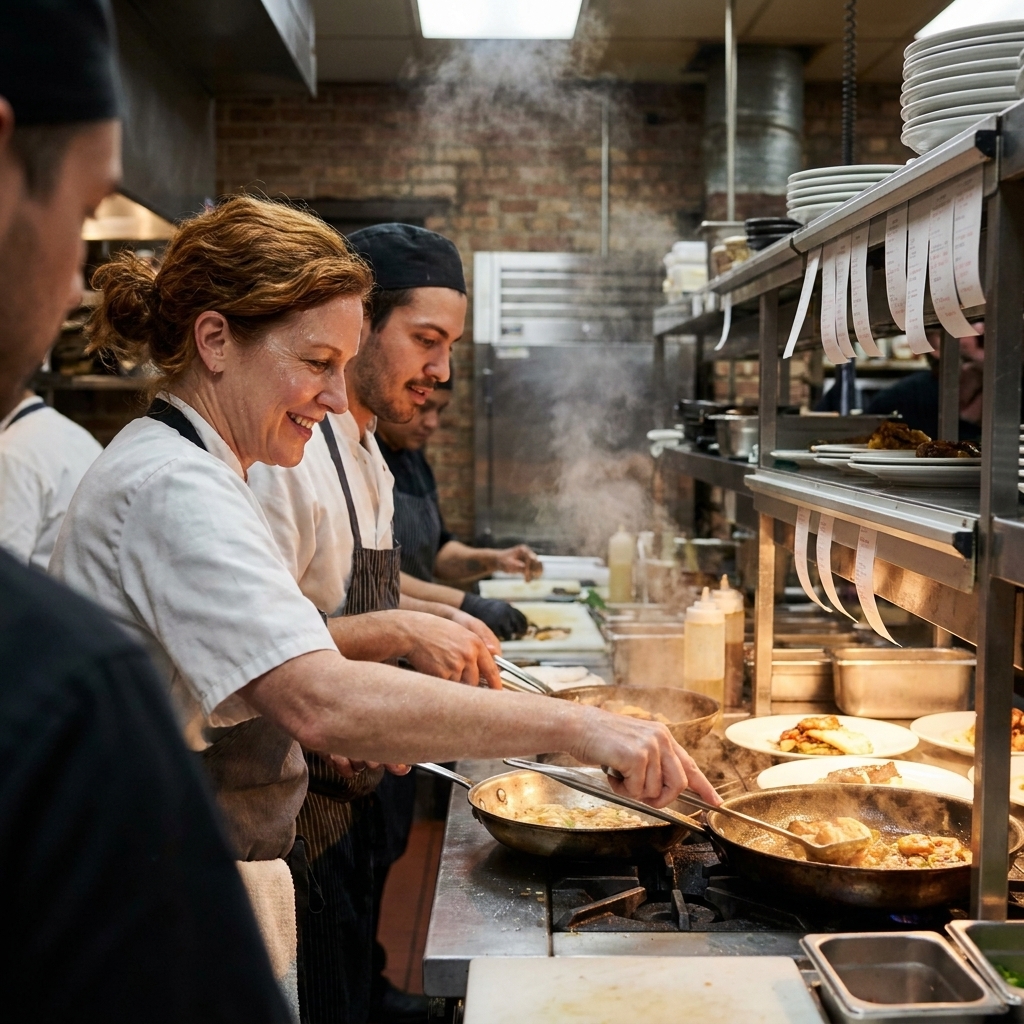
What to look for
If a restaurant is using a nontraditional model, the communication should not be buried like fine print on a concert ticket. You deserve to know what you are paying and who it supports. Here are signals of a thoughtful approach:
- Clear language on the menu and the website that explains the fee or policy in one or two sentences.
- Specificity about where the money goes, even if it is broad. Example: “This service charge is distributed among hourly front- and back-of-house staff.”
- No double-dipping pressure. If there is a service charge, any additional tip line should be labeled as optional and not guilt-driven.
- Staff can explain it comfortably. If employees look nervous when you ask, that is usually a sign the policy has created conflict behind the scenes.
Red flags include vague claims like “supports our team” with no explanation, or a service charge plus aggressive tablet prompts for extra tipping without context.
Know what to expect
- Check for an automatic charge before you tip. Look for lines like “service charge,” “gratuity included,” “auto-gratuity,” “administrative fee,” or “hospitality fee.” Remember: the wording on the check does not always tell you how it is treated behind the scenes.
- Disclosure should be upfront. Many places put it on the menu, the website, and the check. Some jurisdictions scrutinize fee disclosures more closely than others, and rules vary. If you only learn about a 20% charge at the bottom of the receipt, that is not great hospitality.
- Tipping is usually voluntary unless stated. If the restaurant adds a mandatory charge, it should be clearly labeled as such.
How to tip with a charge
This is the moment most diners get stuck. You want to do the right thing without accidentally subsidizing a broken system. My bartender-brain rule is simple: follow the house policy, and if it is unclear, ask.
Practical guidelines
- If there is an 18% to 22% service charge and the restaurant says it replaces gratuity: treat it as your tip. Add extra only if you truly want to, not because you feel cornered.
- If the restaurant says the service charge supports wages or benefits and tipping is still part of pay: consider leaving a smaller direct tip if you can, especially for full-service dining. If the restaurant indicates staff do not rely on tips, treat the charge as the service component.
- If you see a small fee (3% to 5%) labeled as wellness or kitchen equity: tip as you normally would unless the restaurant explicitly says it replaces tipping.
- If you are unsure: a simple, kind question works: “Is the service charge distributed to the service team like a tip, or is tipping still expected?”
No good manager should punish a guest for asking. The industry chose complexity. Diners did not.
If something feels shady
- Ask to see the written note. A thoughtful policy is usually printed on the menu or posted online.
- Ask a manager, not your server, to clarify. Staff should not have to litigate the business model tableside.
- Decide with your dollars. If the answers are evasive or the pressure feels like a trap, it is fair to leave feedback and spend your next night out somewhere more transparent.
The worker tradeoff
When restaurants move away from tipping, you often hear two truths that can both be real:
- “Finally, I can predict my paycheck.” This matters if you have kids, chronic health issues, or just a nervous system that has had enough of financial roulette.
- “I lost earning power.” In high-volume, high-end rooms, a talented server or bartender can make more with tips than with a flat wage.
The most sustainable models acknowledge both. They build compensation packages that include competitive base pay, transparent bonus structures, and benefits that hospitality has historically treated like a luxury.
And speaking as someone who has watched brilliant people leave the industry because the money came with too much stress: stability is not just economics. It is mental health.
For diners who care
You do not need a spreadsheet to be a conscientious guest. You just need curiosity and consistency.
How to support fair pay
- Read the policy before you book if it is posted online, especially for special occasions.
- Budget for the true cost of dining out. Whether it shows up as a tip or a service charge, labor is part of the meal.
- Reward transparency by returning to restaurants that explain their model clearly and treat staff well.
- Be kind in the gray zones. Many staff members did not choose the policy. They are the ones explaining it tableside.
FAQ
Is a service charge the same as a tip?
Not always. A tip is generally understood as money left voluntarily for service staff. A service charge is an automatic fee set by the business. Because it is typically treated as restaurant revenue and then paid out through payroll, you cannot assume it functions like a traditional tip unless the restaurant says so. Details can vary based on local rules and disclosures.
Are tip-free restaurants more expensive?
The menu prices can look higher, but the total can be similar once you factor in a standard tip. The difference is that the cost of labor is baked in upfront instead of decided at the end.
Does eliminating tipping help kitchen staff?
It can, especially if the restaurant uses service charges or higher prices to raise back-of-house wages. But it only helps if the policy is designed to share revenue more evenly and the business follows through.
What should I do if a policy feels unclear?
Ask politely while you are there, then consider giving feedback to management after your meal. If you felt pressured to tip on top of an automatic charge with no explanation, you are not alone, and that is useful information for the restaurant to hear.
The bottom line
Tipping is familiar. Fair wage pledges are a work in progress. Both are attempts to answer the same question: who bears the risk of paying the people who make your night out feel effortless?
If the industry is changing, it is because guests want hospitality and workers want a life. Those goals are not enemies. But the path from your card swipe to someone’s paycheck should be honest, legible, and humane. Anything less is just math with better lighting.