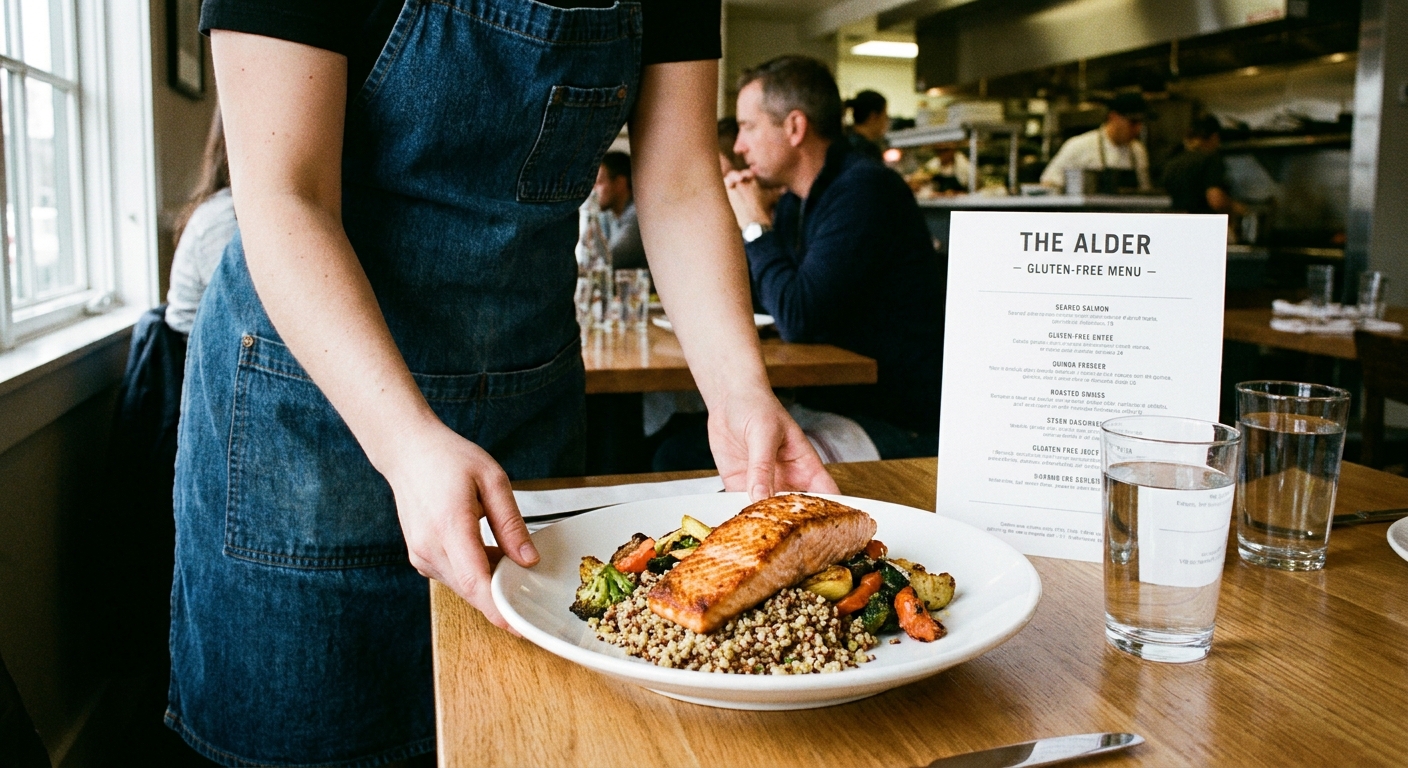
I learned to read menus like a detective after I developed a severe gluten intolerance. Behind the bar, I had spent years preaching, “Distilled spirits are gluten-free.” In broad strokes, that’s still true. In real life, where bottles get infused, cocktails get batched, and bar tools touch everything, the answer becomes: most plain distilled spirits are generally considered gluten-free, but the details matter.
Let’s break down what distillation removes from wheat, barley, and rye mashes, where gluten can sneak back in, and how to order with fewer surprises once flavorings and added ingredients show up.
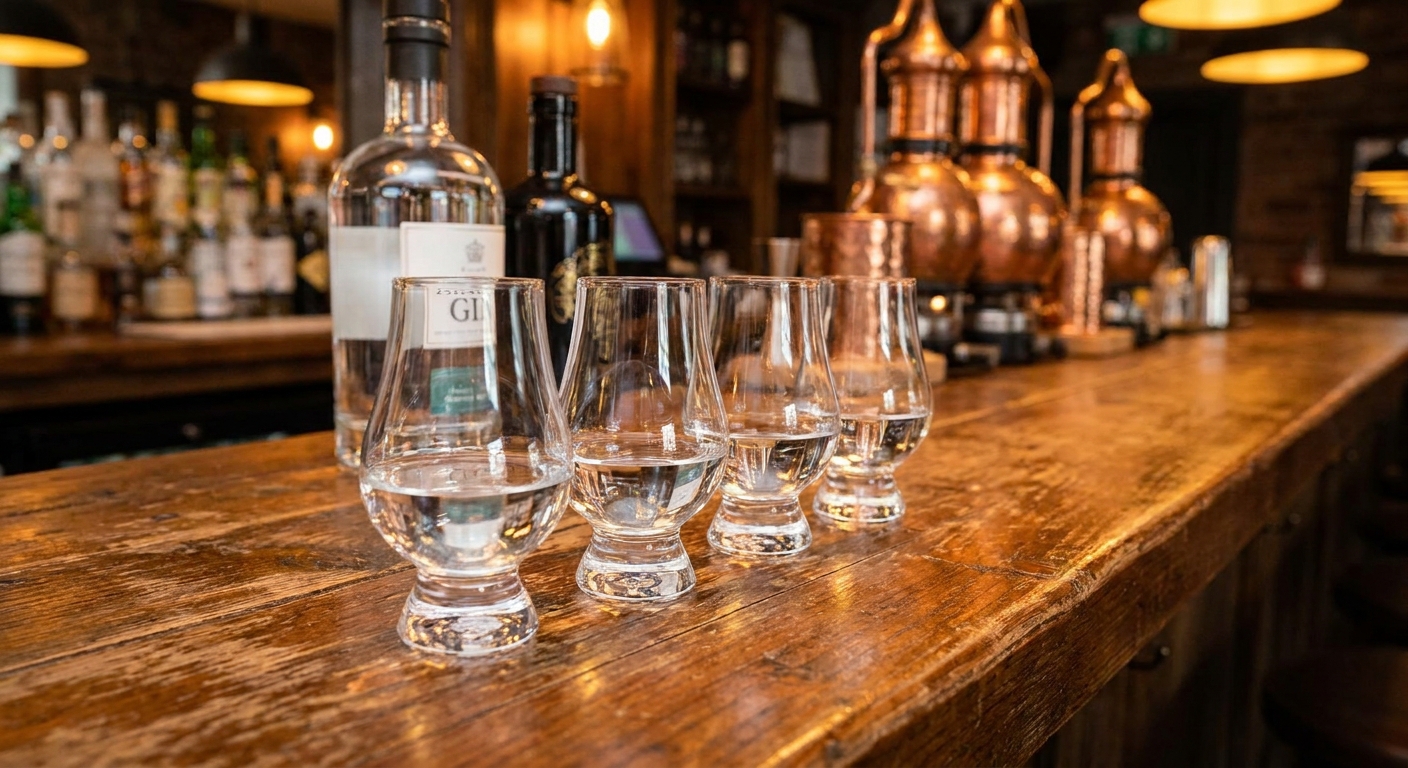
What distillation removes
Gluten is a group of proteins found in wheat, barley, and rye. Proteins are large, non-volatile molecules. Distillation works by separating alcohol and other volatile compounds from a fermented mash by heating it and capturing the vapor. Ethanol and many aroma compounds evaporate, travel through the still, then condense back into liquid. Most proteins, including gluten proteins, do not volatilize and are left behind in the stillage.
That is why a spirit distilled from a wheat or barley mash is generally regarded as gluten-free once it has been distilled. Many people with celiac disease report tolerating unflavored spirits distilled from gluten grains. Still, individual sensitivity varies, and celiac disease management should follow your clinician’s guidance and your own risk tolerance.
Why some people still react
In my experience, reactions after “just vodka” usually come down to one of these:
- Something was added after distillation (flavorings, coloring, sweeteners, cream, malt, or “natural flavors” that are not clearly sourced).
- Cross-contact at the bar or in production (shared infusion containers, poorly cleaned tools, or garnishes handled right after beer and pretzels).
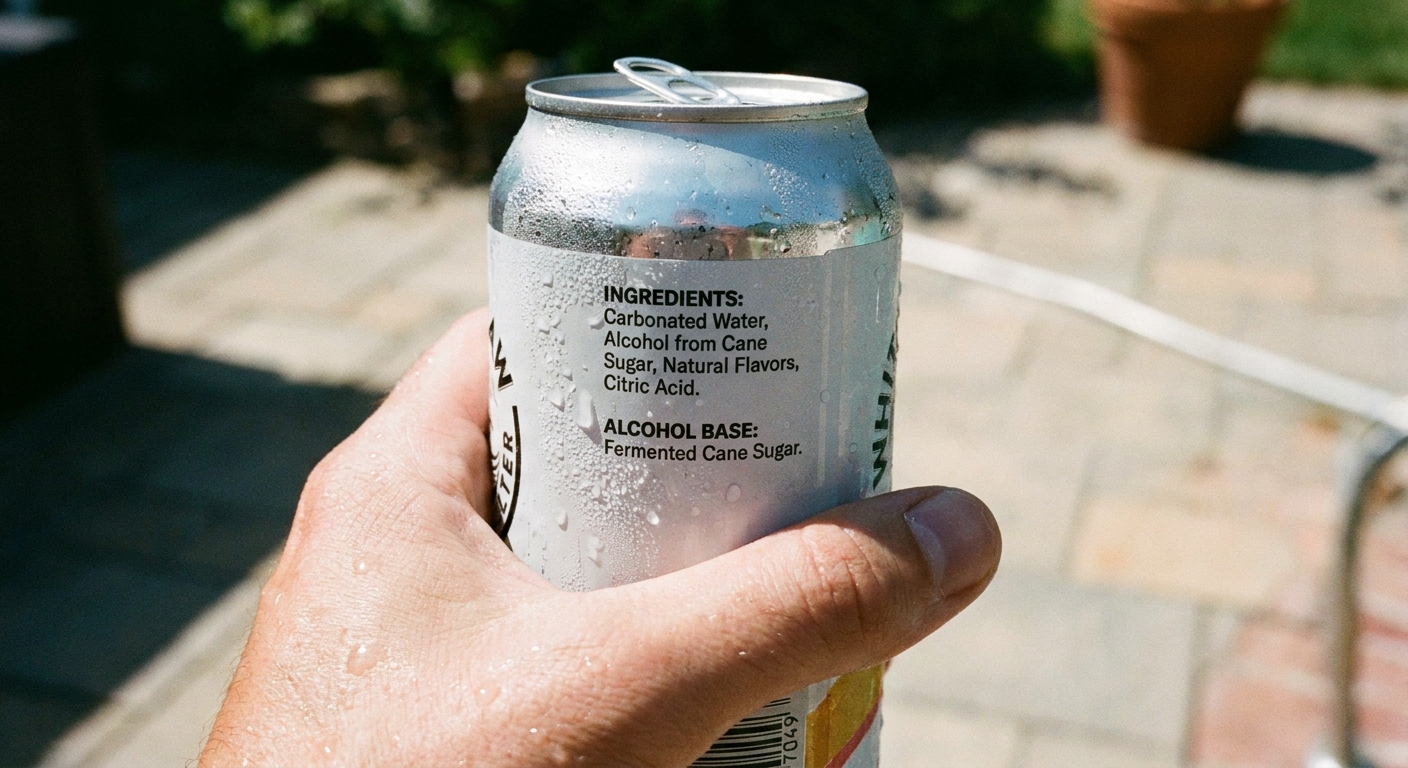
- It is not actually a distilled spirit (some canned cocktails are malt beverages, which are fermented from barley and not distilled in the same way).
- It is a different intolerance altogether (congeners, histamines, sulfites, or FODMAP issues can feel like a gluten reaction).
Also, a quick reality check from someone who has worked service: infusions and batching are extremely common in cocktail bars. “House” anything is where I pause and ask a question.
Where gluten can return
Plain, unflavored spirits are the simplest bet. The complications start when the label begins to sound like dessert.
Flavored spirits
Flavored vodka, flavored whiskey, and many liqueur-style “spirit drinks” can include added ingredients after distillation. Those add-ins might be gluten-free, but they might also include:
- Malt-based flavor or malt extract (barley).
- Cookie, cake, cereal, or graham flavors that may use gluten-containing sources.
- Caramel color, which is generally regarded as gluten-free, but can make ingredient sourcing feel opaque if you are highly sensitive or you are dealing with a product that does not disclose much.
- “Natural flavors” that are not fully disclosed.
If you are highly sensitive, treat flavored spirits as “ask first” bottles, not automatic yeses.
Barrel finishing
Most traditional barrel aging is not a gluten issue. Even finishing in a barrel that previously held beer is usually a low-risk scenario for many people because the spirit is distilled and the contact is indirect. That said, if you have celiac disease and you are strict about trace risk, this falls into the “some people prefer to verify” category, especially if a producer uses additions or blends during finishing.
Liqueurs and cream bottles
Liqueurs are a different category than straight spirits. They are typically distilled alcohol plus sugar and flavorings, and sometimes dairy, emulsifiers, or thickeners. Many are gluten-free, some are not, and many are hard to confirm without contacting the producer.
When I’m ordering out, I assume liqueurs are higher risk than base spirits unless I know the brand well.
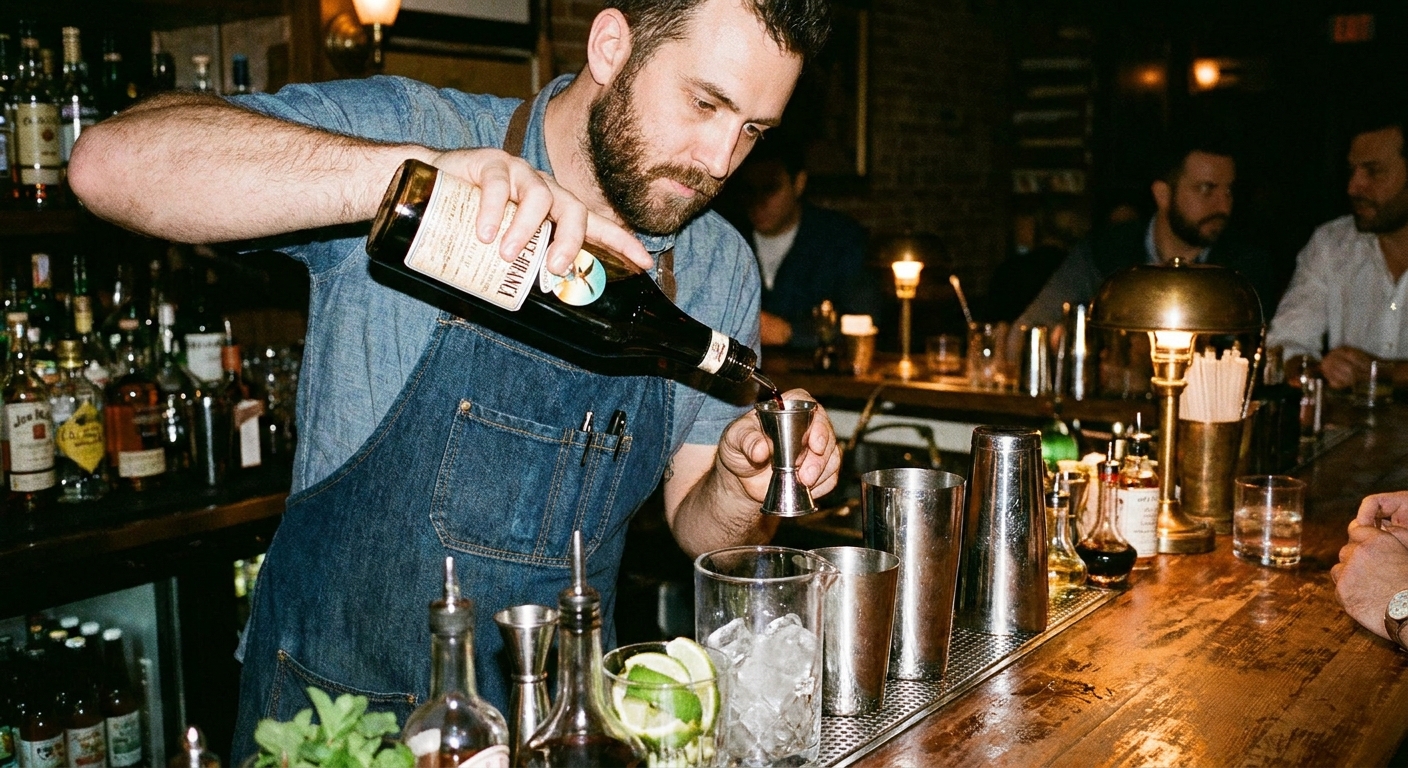
How to order at a bar
If you want the bartender-friendly, low-drama approach: order a plain, unflavored spirit with a gluten-free mixer you can identify.
My go-to script when I do not want a whole medical monologue at the bar: “I have a gluten intolerance. Can we keep this simple with an unflavored spirit and soda water, and use a clean glass?” Most pros will immediately understand what you need.
Watchouts
- Bloody Mary mixes with malt vinegar or soy sauce containing wheat.
- Rim salts and sugar rims that share containers or tools with cookie crumbs or beer salt blends.
- Bar snacks like pretzels or crackers on the same cutting board as your citrus.
- Shared shakers after a cocktail that used beer syrup, cookie rims, or anything suspect.
- “House” syrups and infusions (think: cereal syrup, “toasted” anything, or infused bottles that get topped off all night).
Common cocktail ingredients to double-check
- Vermouth is typically gluten-free, but if you are extremely sensitive, ask about the brand and any house aromatized wine blends.
- Bitters are usually made with neutral spirits and botanicals, and gluten is uncommon in commercial brands. The risk goes up with house bitters or house tinctures where recipes vary.
- Orgeat and flavored syrups can be gluten-free, but “house-made” can mean anything from simple syrup to cookie syrup.
- Creamers and foams can hide thickeners or flavor bases. Ask if it is not a straight dairy product.
Whiskey
Whiskey is often made from gluten grains, then distilled and aged. The distillate itself is typically considered gluten-free. The risk tends to come from what happens afterward.
Best bets
- Unflavored bourbon, rye, Scotch, Irish whiskey, and most single malts or blends.
- Classic highballs like whiskey soda or whiskey with ginger ale (confirm the ginger ale if you are very sensitive and avoid anything labeled “malt”).
Proceed with caution
- Flavored whiskey (honey, cinnamon, peanut butter, “apple pie,” and similar).
- Pre-batched whiskey cocktails or canned whiskey drinks, which can include malt-based components.
- Specialty releases described as “finished with,” “infused,” or “flavored,” if you prefer to confirm production notes.
Vodka
Vodka can be made from wheat, rye, barley, corn, potatoes, grapes, or pretty much any fermentable sugar source. For gluten questions, the key point is: a properly distilled, unflavored vodka is generally considered gluten-free regardless of starting grain.
Best bets
- Unflavored vodka with soda water and citrus.
- Vodka martinis (if you are extremely sensitive, ask about the vermouth brand and keep it simple).
Proceed with caution
- Flavored vodkas.
- “Vodka-based” canned drinks that might actually be malt beverages depending on labeling.
Gin
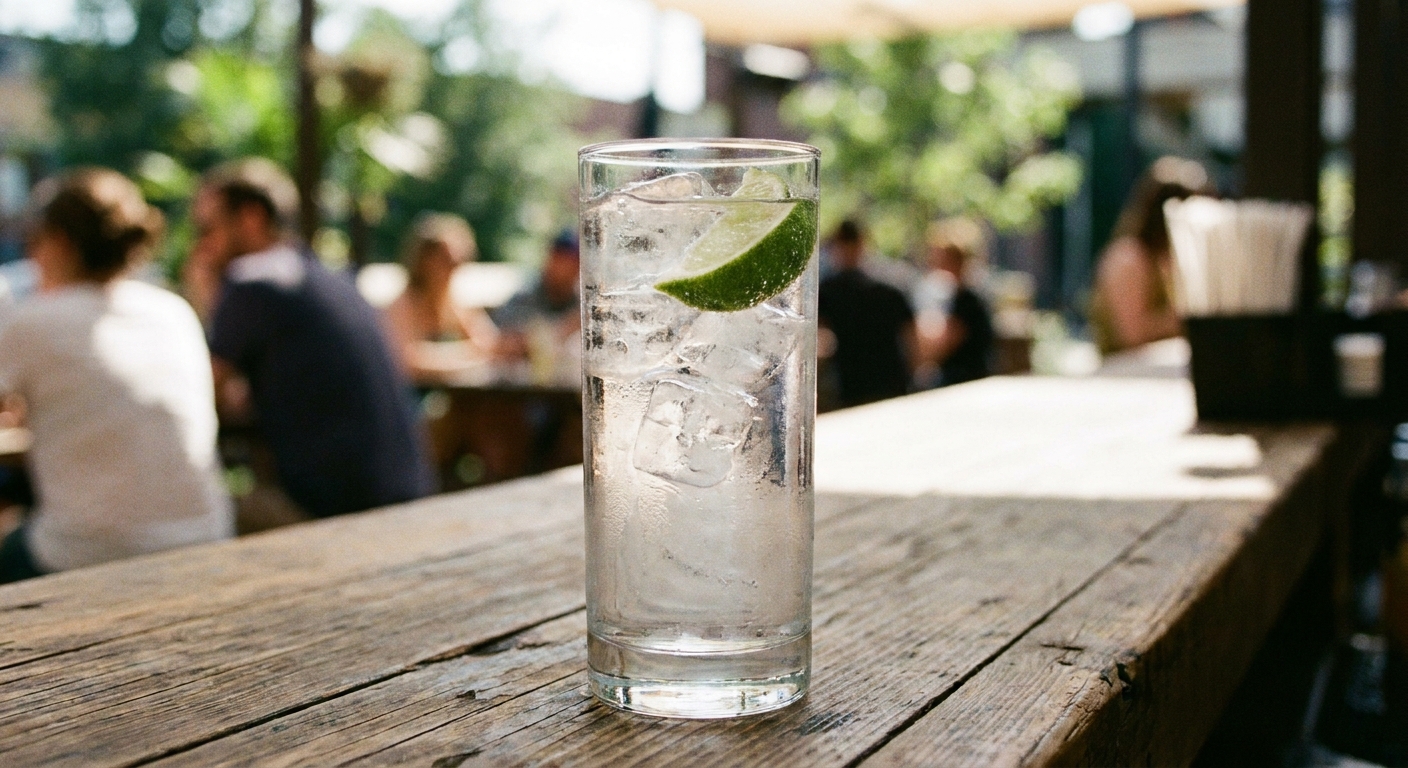
Gin starts as a neutral spirit that is redistilled or compounded with botanicals like juniper, citrus peel, coriander, and roots. If the base neutral spirit was distilled, gin is typically considered gluten-free.
Best bets
- Classic London dry style gin and soda.
- Gin martinis and gin and tonics (tonic is usually gluten-free, but check if you are ordering a craft tonic or an on-tap mixer).
Proceed with caution
- Sweetened or flavored gins where ingredients are less transparent.
- Specialty gins with added flavoring post-distillation.
Rum
Most rum is distilled from sugarcane byproducts like molasses or from fresh sugarcane juice. That means rum is gluten-free by ingredient in its typical base form, and it is a great option for many gluten-sensitive drinkers.
Best bets
- Unflavored white, gold, and aged rum.
- Daiquiris made with rum, lime, and simple syrup (ask if the bar uses any premix).
Proceed with caution
- Spiced rum (spice blends and added coloring can be unclear).
- Flavored rum (coconut, pineapple, “cake,” and similar).
- Rum cream liqueurs.
Tequila and mezcal
Tequila and mezcal are distilled from agave. In their traditional forms, they are gluten-free by ingredient and by process. The main risks tend to be with flavored expressions or cocktail ingredients.
Best bets
- 100% agave tequila blanco, reposado, or añejo.
- Mezcal with soda water or in a simple margarita.
Proceed with caution
- “Tequila” that is not labeled 100% agave (mixto tequilas include added sugars; gluten is not typical, but transparency drops).
- Flavored tequilas and ready-to-pour margaritas.
- Margarita mixers with added thickeners or unclear flavor bases.
Cross-contact
Even if the spirit itself is gluten-free, bars are chaotic ecosystems. A few practical, non-awkward moves can lower your risk:
- Ask for a clean glass (not the one that sat under the beer taps).
- Skip the cocktail shaker if you are very sensitive and the bar is slammed. A spirit-and-soda build in-glass is easier to keep clean.
- Avoid muddled, rimmed, or blended drinks unless you trust the program. Crumbs and cross-contact love garnish stations and blender jars.
- Watch the garnish tray. If the bartender is also handling beer-and-shot specials, citrus can pick up cross-contact fast.
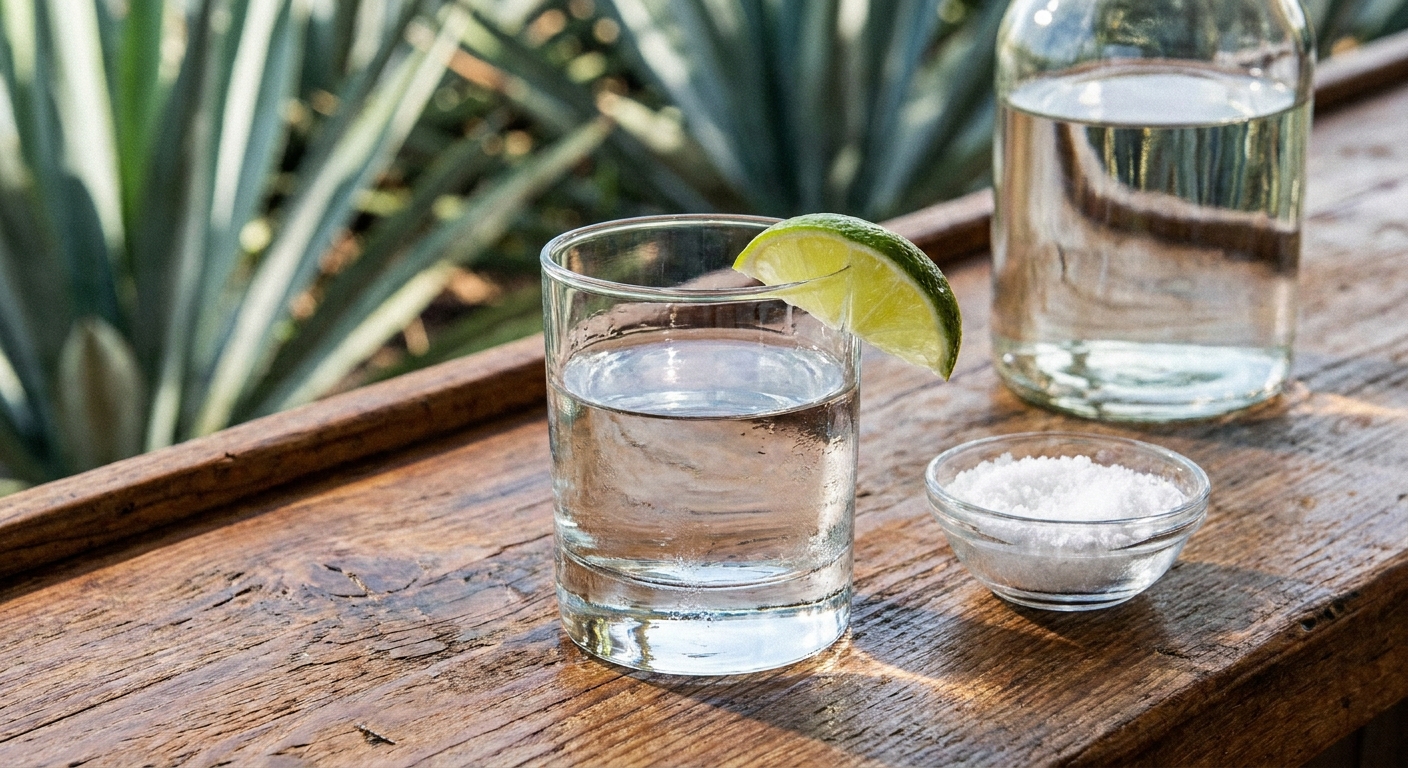
When I’m in doubt, I order: tequila soda with lime or unflavored vodka soda. Boring? Maybe. Peaceful? Always.
Packaged drinks
Canned cocktails are where people get burned, because the front of the can can say one thing and the legal category says another.
- Look for “malt beverage” on the label. That usually means a fermented malt base (often barley), not a straight spirit base.
- Look for “spirit-based” language, or a clear statement that it contains vodka, tequila, gin, rum, or whiskey as the alcohol base.
- Watch “spirit drink” wording and anything described as “flavored” or “hard” without clarity on the base.
- Gluten-free claims vary by country and by testing standards, so if you rely on labeling, use the rules where you live and buy.
Quick cheat sheet
- Safest default: Unflavored tequila, mezcal, rum, vodka, gin, or whiskey with soda water and citrus.
- Highest risk categories: Flavored spirits, liqueurs, cream liqueurs, dessert-style shots, and canned cocktails with unclear bases.
- When to ask questions: Anything labeled “spiced,” “flavored,” “ready-to-drink,” “premix,” “special release,” or “finished with.”
FAQ
Are spirits distilled from wheat, barley, or rye gluten-free?
Generally, yes. Distillation separates alcohol from the fermented mash, and gluten proteins do not typically carry over into the distillate. Many gluten-sensitive and celiac drinkers choose unflavored distilled spirits for this reason.
Can a spirit test as gluten-free and still bother me?
Yes. Some people react to additives, flavorings, or cross-contact rather than gluten itself. Others react to congeners, histamines, or high-proof alcohol.
Is whiskey safe for someone with celiac disease?
Many people with celiac disease drink unflavored whiskey without issues, but risk tolerance varies. If you have celiac disease, consider sticking to unflavored bottles and confirm any flavored, infused, or mixed products with the producer.
Are flavored vodkas gluten-free?
Sometimes, sometimes not. Flavorings and added ingredients are where gluten can be introduced. If the brand does not clearly confirm gluten-free status, consider choosing an unflavored vodka instead.
What is the simplest gluten-free bar order?
An unflavored spirit with soda water and a citrus wedge in a clean glass. It is easy for the bartender to execute without cross-contact-heavy steps.
Is this medical advice?
No. I’m sharing how I navigate spirits and bar reality with a gluten intolerance. If you have celiac disease or medical concerns, follow your clinician’s guidance.