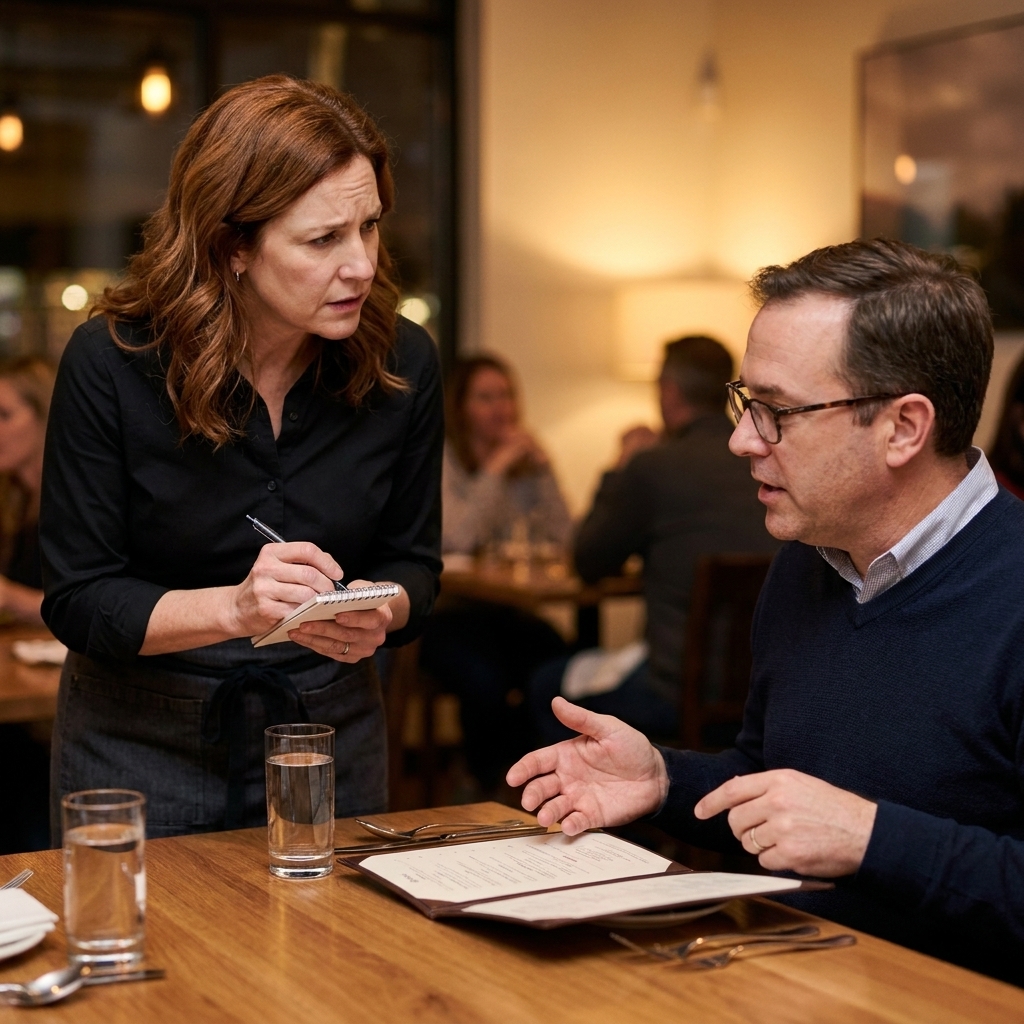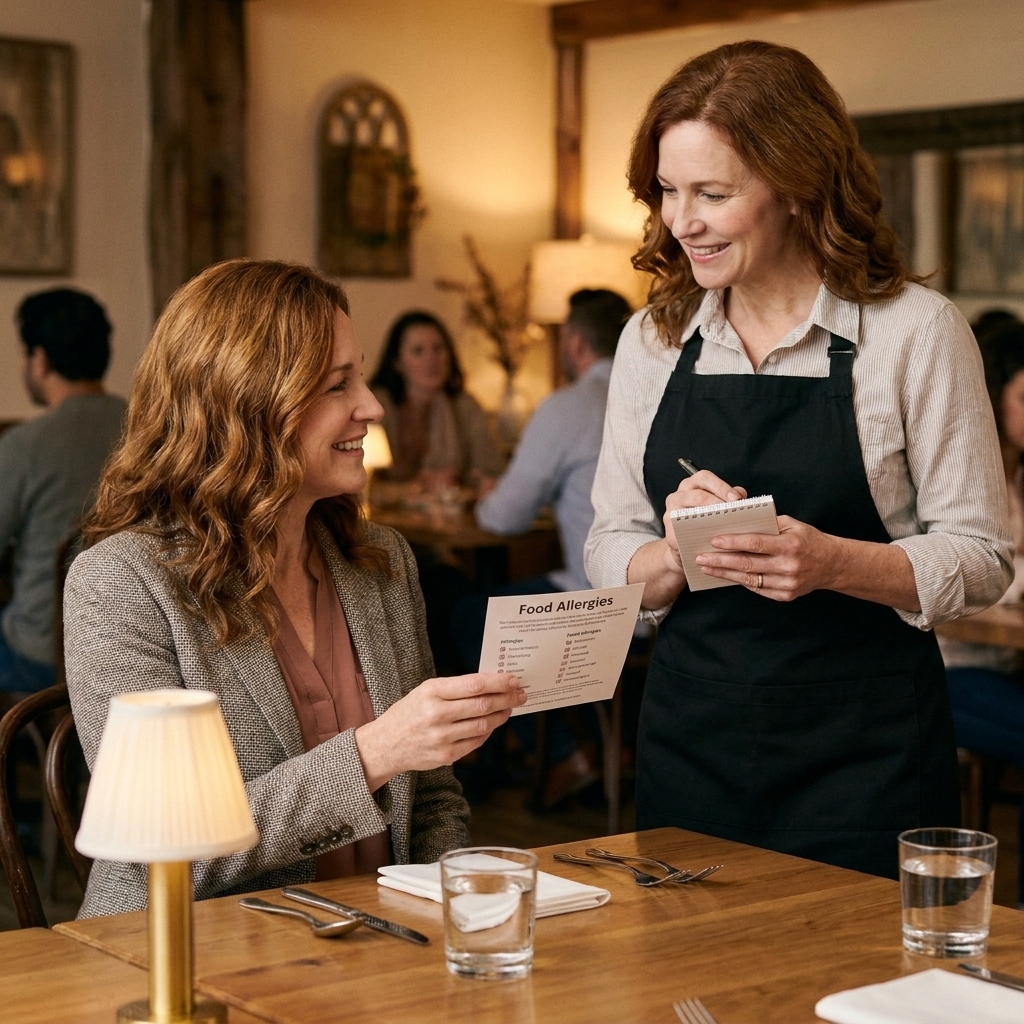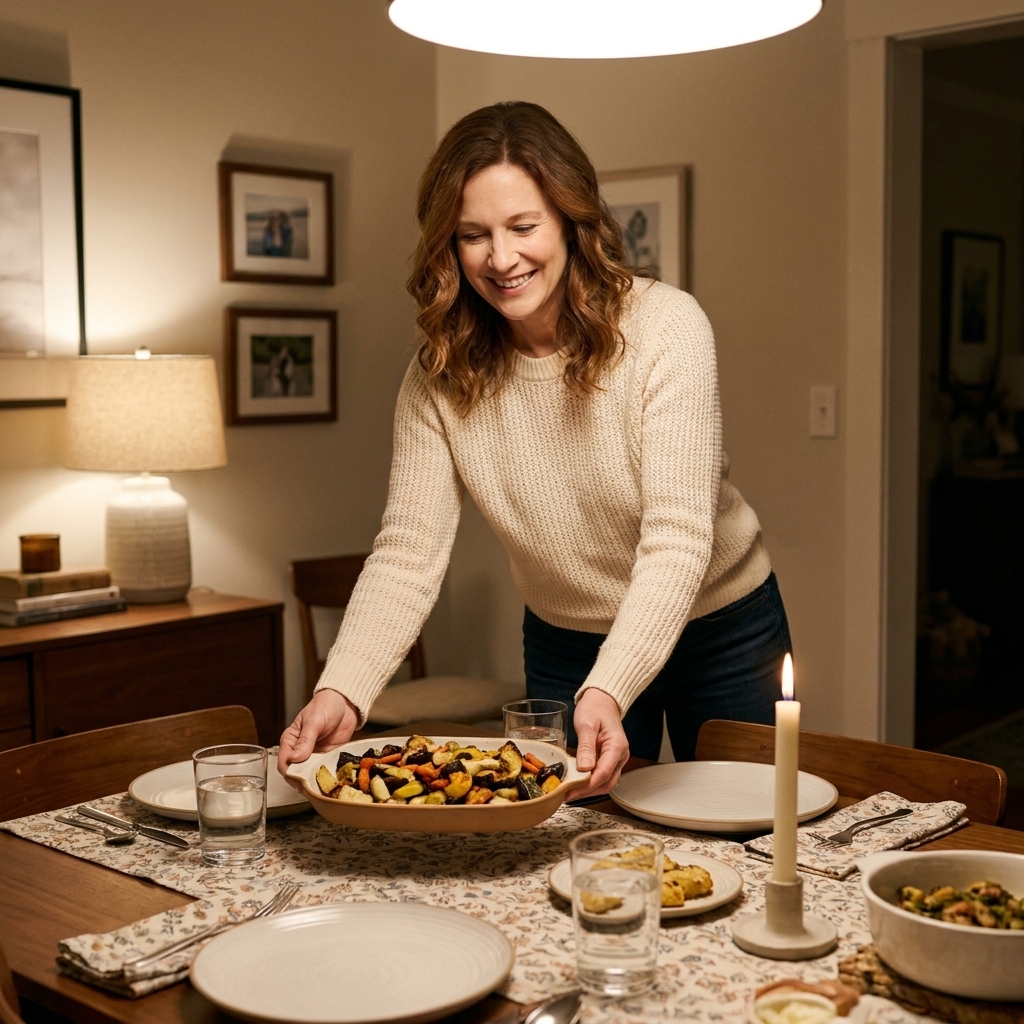
There is a specific kind of stress that hits when the calendar invite says “Lunch provided” and you live with severe food allergies. Everyone else sees free tacos. You see a roulette wheel of cross-contact (when an allergen accidentally gets into food through shared surfaces, utensils, or oil), mystery sauces, and well-meaning coworkers who say, “It’s probably fine.”
I’ve been on both sides of this. I ran beverage programs where “a little flour dust” could ruin someone’s night, and later I became the guest who has to ask the extra questions because gluten stopped being an inconvenience and became a consequence. Corporate catering can absolutely be safer and more inclusive, but it requires a plan that is practical, clear, and repeatable.
It is safety, not preference
If you take one thing from this, let it be this line: you do not need to apologize for needing safe food. Severe allergies can be a workplace accessibility and duty-of-care issue. In many jurisdictions, they may also qualify for legal protections and accommodations (for example, under the ADA in the US), depending on your role and situation.
That said, the fastest path to safer events is usually proactive collaboration, not last-minute panic. Most HR teams and office managers want to get it right, but they need information early enough to act on it.
How to tell HR
Send one calm, reusable message
Keep it short. You are not writing your memoir, you are setting requirements. Here is a template you can copy, paste, and tweak:
Hi [Name], I have a medically diagnosed severe allergy to [allergen(s)]. For any company-provided meals or events, I need either (1) an individually packaged meal from the caterer that is labeled with ingredients and prepared with allergen cross-contact controls, or (2) approval to expense a safe alternative when that cannot be confirmed. I’m happy to share what’s worked well at past events and answer any questions.
Ask for a process, not a favor
Office food is recurring: onboarding lunches, quarterly meetings, holiday parties, client visits, the “just because” donut box. Request a standing accommodation so you are not re-litigating your health every time someone orders sandwiches.
- Request an accommodation note on your profile (whatever your company uses, even if informal).
- Ask who owns catering decisions (HR, office manager, executive assistant, facilities).
- Confirm the lead time you need (48 hours, one week, etc.).
Share your non-negotiables
These are the points that actually move safety forward:
- Ingredient transparency: full ingredient lists for anything you might eat.
- Cross-contact controls: separate prep area, clean utensils, glove changes, and no shared fryers, grills, or toasters when relevant.
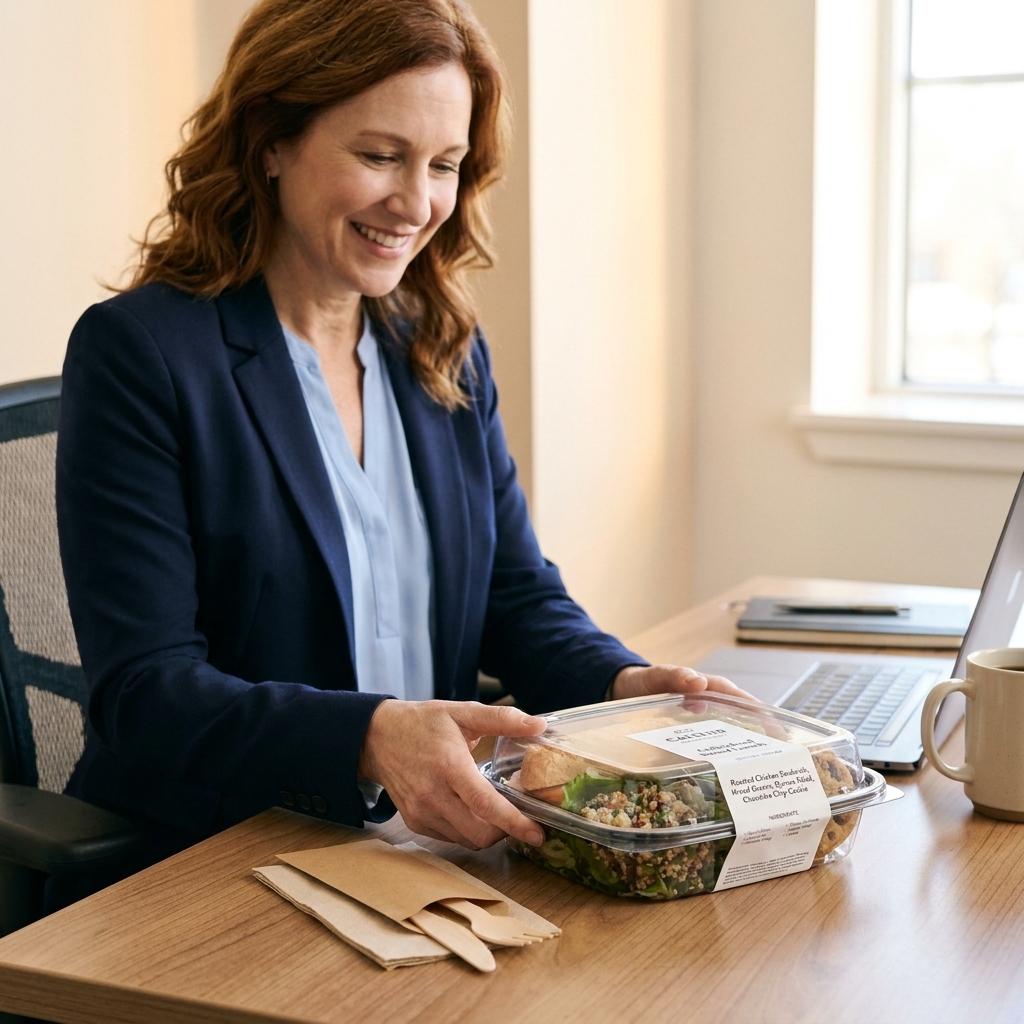
- Sealed, named meal: a closed container with your name on it beats any buffet workaround.
- Clear labeling: labels that say more than “GF” or “nut-free” without context.
Vetting a caterer
You should not have to interrogate a restaurant to attend your own workplace event, but if you have severe allergies, a few targeted questions can prevent a bad outcome. If you feel comfortable, offer to provide HR or the organizer a short checklist to pass along.
Five questions that matter
- Who is the point person for allergen orders? You want a manager or chef, not a game of telephone.
- How do you prevent cross-contact in prep? Listen for specifics: dedicated tools, sanitized surfaces, separate storage.
- Do you use shared fryers, grills, or toaster ovens? This is where “gluten-free” on paper can diverge from “safe for celiac” in practice if cross-contact controls are not in place.
- Can you provide a sealed, individually labeled meal? “Yes, we do that all the time” is the gold standard answer.
- Can you confirm ingredients for sauces and spice blends? Hidden allergens live here.
If any answer feels slippery, rushed, or overly confident without details, that is your cue to choose the sealed meal option or opt out of the catered food.
Green flags and red flags
- Green flag: They ask clarifying questions and repeat your allergens back to you.
- Green flag: They offer sealed meals and ingredient documentation without drama.
- Red flag: “We can’t guarantee anything” plus pressure to “just pick around it.”
- Red flag: “It’s allergy-friendly” as a vibe, not a protocol.
Buffets and potlucks
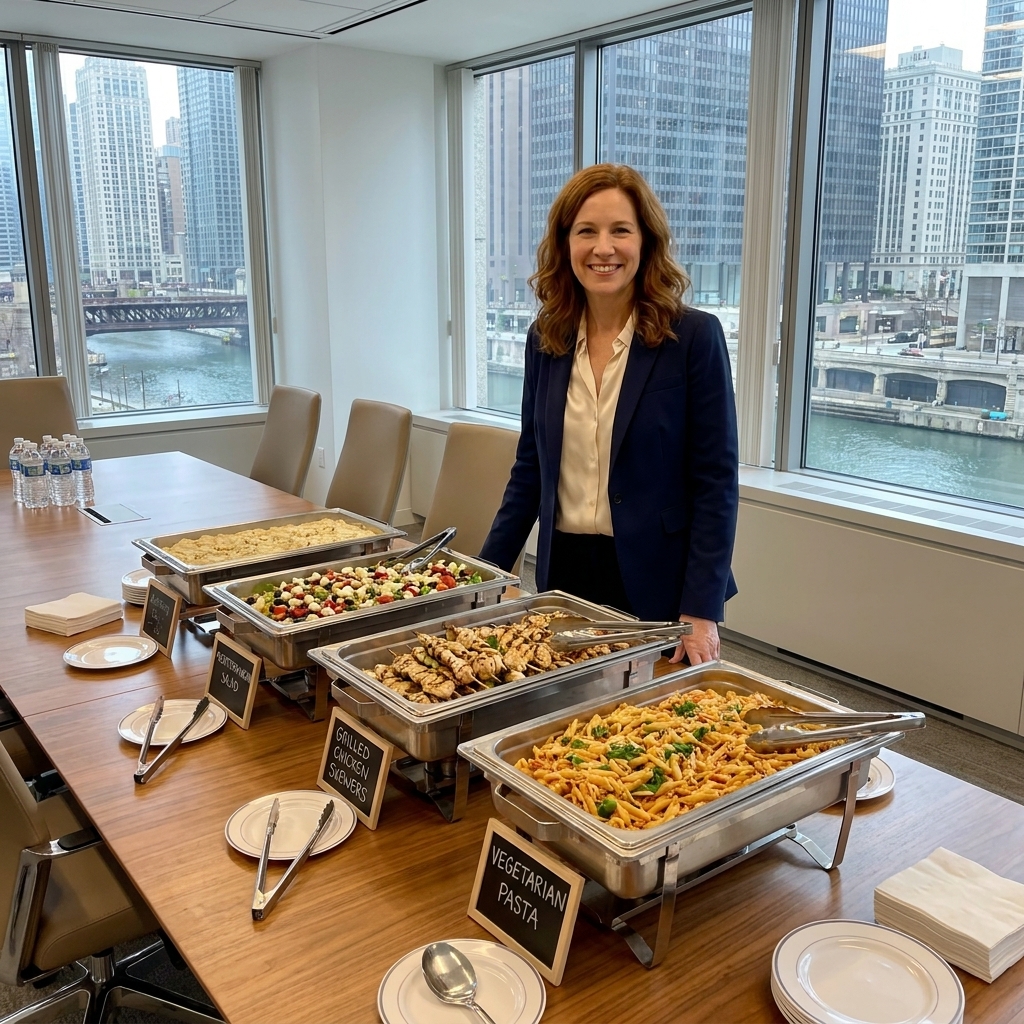
Buffets are where good intentions get messy. Shared tongs migrate. Breadcrumbs travel. Someone uses the spoon from the pasta salad in the “safe” quinoa bowl because it is closer. If you have severe allergies, the default stance is: buffets are high risk unless there is a protected, separate meal for you.
If you have to navigate a buffet
- Avoid shared platters that could have been touched by other utensils.
- Skip sauces unless you have confirmed ingredients and handling.
- Avoid build-your-own stations (taco bars, slider bars, sundae bars). They are cross-contact magnets.
- Arrive early if you are trying to safely grab a pre-set portion before utensils start traveling.
- Choose sealed beverages when glassware or pitchers might be shared and contaminated by garnishes.
Better yet, advocate for a simple operational fix: a reserved, labeled meal handed to you directly. It protects you and helps reduce risk for everyone.
For organizers: event-day setup
- Assign one person to hand off sealed accommodation meals directly.
- Create a separate, labeled spot for accommodation meals (not in the buffet line).
- Use dedicated serving utensils for each dish and place them so they do not wander.
- Avoid communal condiment bottles or label individual packets.
- Post the menu with allergens noted and ingredients available on request.
When you do not eat
This is the part people do not talk about enough. The hardest thing about corporate food is not always the food. It is the social layer. When you are the one holding a seltzer while everyone else is passing apps, it can feel like you are opting out of bonding, even when you are just trying to stay alive.
Bring a quiet backup
I keep what I call a “quiet plan”:
- A protein bar or safe snack in my bag that I actually like.
- Electrolyte packets (especially for long events).
- Mints or gum so I feel less like I am just spectating.
The goal is not to hide your allergy. The goal is to remove the urgency and keep you present.
Anchor yourself with a role
If eating is complicated, give yourself another way to participate:
- Be the person who starts the birthday card.
- Offer to cue the toast, the team photo, or the trivia game.
- Ask the new hire questions and help them feel welcome. It is hospitality, just in office clothes.
Use a one-sentence script
You do not owe anyone your medical chart. Pick a line and repeat it like a pro:
- “I have a severe allergy, so I’m sticking to what I brought. I’m just happy to be here.”
- “Looks great, but I can’t risk cross-contact. Tell me what you tried.”
Non-alcoholic drinks
When food is a minefield, having a good drink in hand can keep you from feeling stranded. Corporate events are finally catching up to the sober-curious reality, but you might still see the same old soda-and-ice situation.
What to request
- Sealed sparkling water with lime wedges served separately.
- Cold brew or iced coffee with individually packaged dairy and non-dairy options.
- Batch mocktail in a dispenser only if it is clearly labeled and poured by a server, not self-serve with shared cups.
One note from the bar world: if you have an allergy to certain syrups, botanicals, or nut-based “milks,” ask for ingredient lists here too. Fancy zero-proof does not automatically mean safer.

Emergency readiness
Being prepared is not being dramatic. It is being realistic in a world where mistakes happen. Your emergency plan should be individualized and guided by your clinician. If you have been prescribed epinephrine, carry it and know when you are supposed to use it.
Your minimum kit
- Your prescribed medication (for many people, that means carrying epinephrine).
- Any antihistamines your clinician recommends.
- A card in your wallet with your allergens and emergency contacts.
Know the room
- Where is the nearest urgent care or hospital?
- Who at the event would help you if you needed to leave quickly?
- If you are comfortable, does one trusted coworker know what to do in an emergency?
If you are thinking, “This is a lot for a bagel meeting,” you are right. Which is why the long-term answer is not just personal vigilance. It is better systems.
Better catering habits
If you have the bandwidth, you can nudge your workplace toward practices that help everyone, not just the allergy crew. Inclusive catering tends to be clearer, calmer, and frankly more professional.
Policies that help by default
- Standardize labeled menus with top allergens and ingredient lists available upon request.
- Offer an opt-in accommodation form for events so people are not forced into public disclosure.
- Build a preferred vendor list that has demonstrated allergen protocols.
- Budget for sealed, labeled meals when needed, no questions, no guilt.
And if you are the organizer reading this: the kindest thing you can do is ask early, plan clearly, and never make someone explain their medical reality in front of a line of coworkers holding plates.
Quick FAQ
Should I disclose my allergy to my whole team?
Only if you want to. A private accommodation with HR or the organizer is usually enough. If you do share, keep it brief and frame it as safety, not preference.
What if HR says they cannot guarantee allergen-free food?
“Allergen-free” is a high bar. Ask for what is realistic: a sealed, individually labeled meal prepared with cross-contact controls, plus permission to expense a safe alternative when the caterer cannot meet your needs.
Is it rude to bring my own food to a catered event?
No. It is responsible. If you want to smooth the social edges, give the organizer a heads up and show up with a plate that looks like you are participating, even if it came from your own kitchen.
What do I do at a potluck?
Potlucks are notoriously risky for severe allergies because you cannot verify ingredients or kitchen practices. Bring your own full meal and treat the potluck as a social event, not a dining one.
The bottom line
You deserve to be included in the culture of your workplace without gambling with your health. The most powerful shift is moving from improvisation to infrastructure: a clear note with HR, a predictable process for catered meals, and a default expectation that safety and hospitality belong together.
Because whether it is a Michelin dining room or a Tuesday conference room lunch, the job is the same: take care of people.