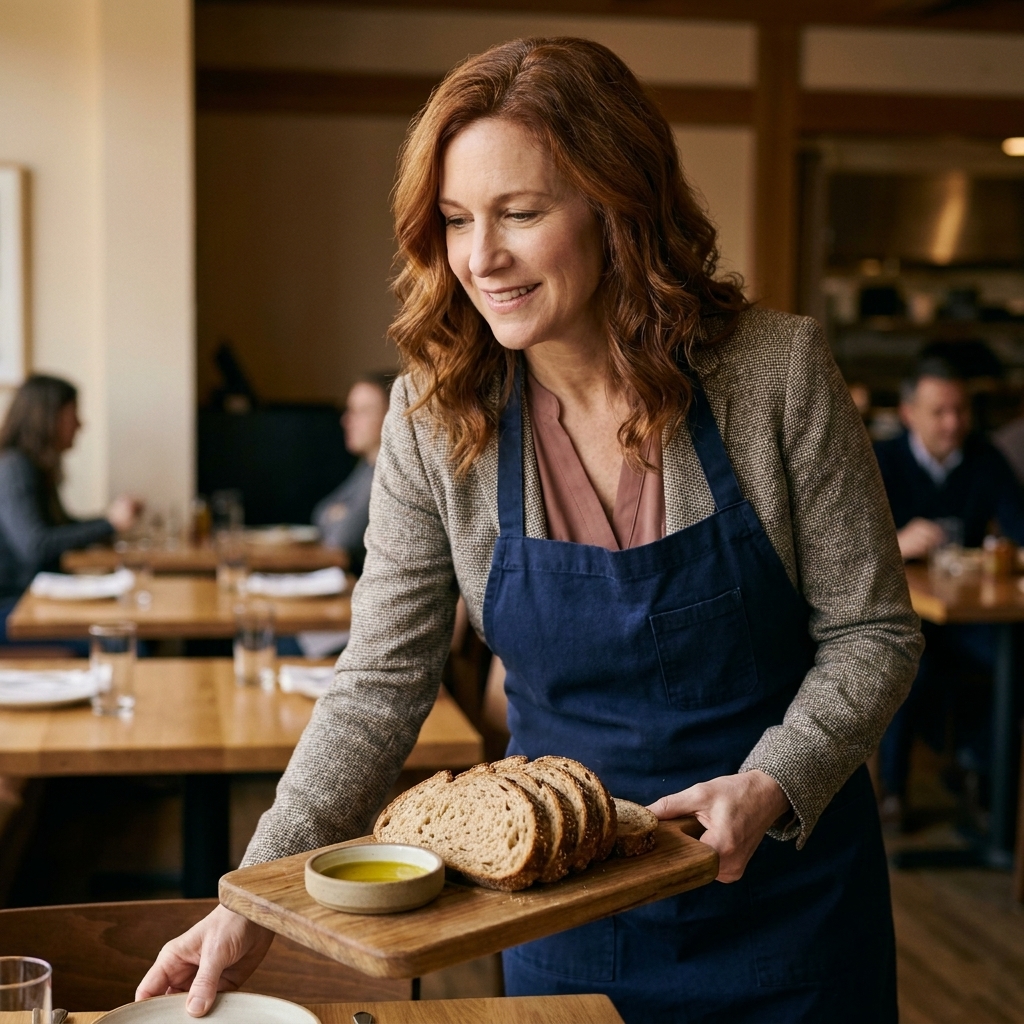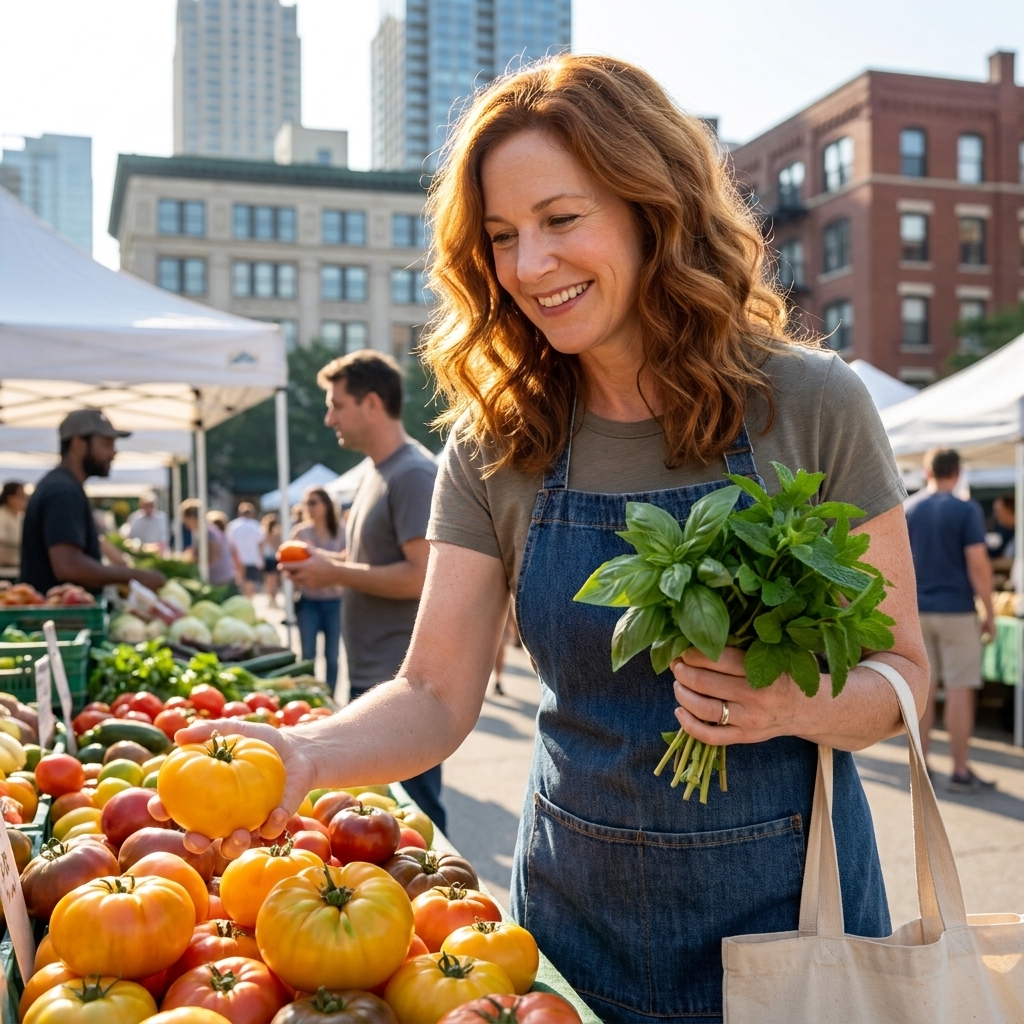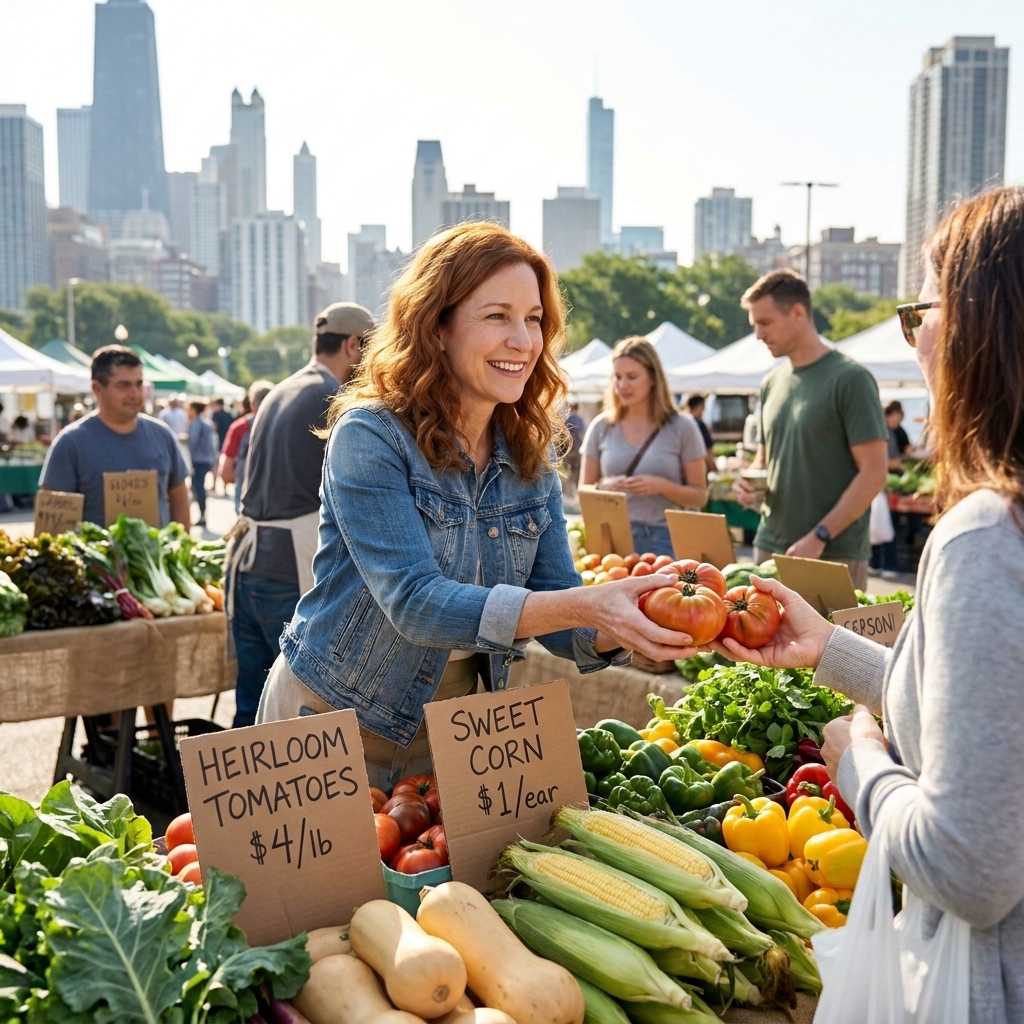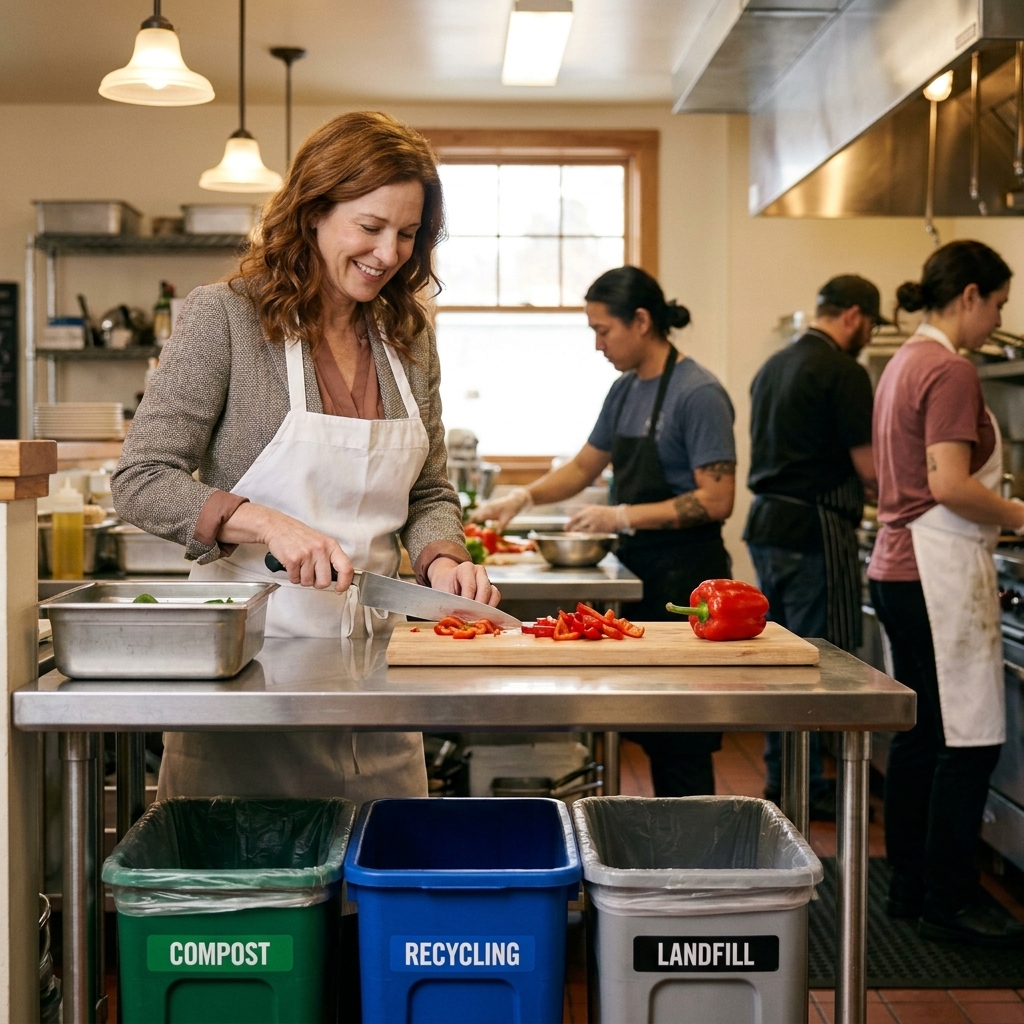
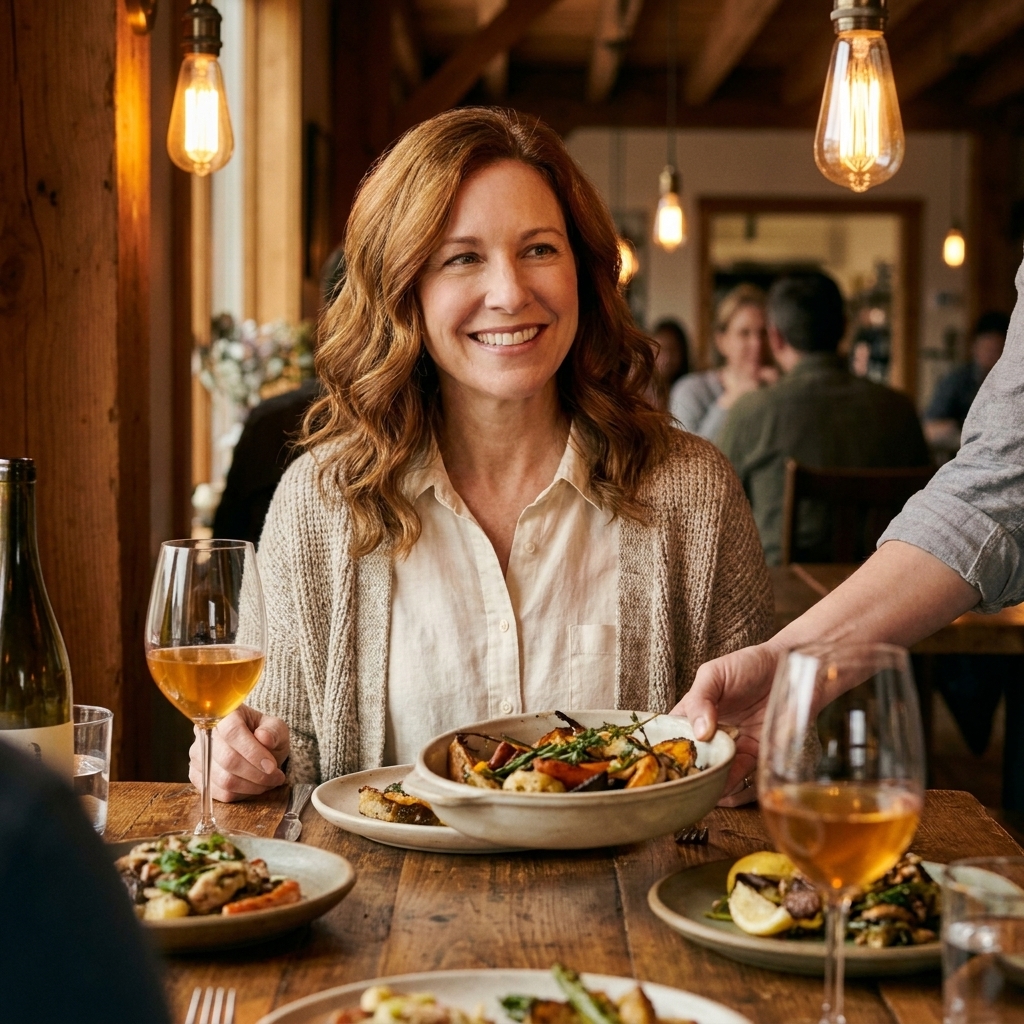
There is a certain kind of meal that makes you sit up a little straighter. Not because it is fussy or expensive, but because you can feel the care in it. The tomato tastes like July instead of a supply chain. The server knows where the trout came from and says it like it matters. And the room has that quiet confidence of a place doing the right thing even when it is not the easiest thing.
That is the slow food movement at its best: a push toward food that is good (flavorful and rooted in craft), clean (produced in a way that protects the environment and biodiversity), and fair (respectful of workers and producers). If you have ever wanted to support that with your actual dinner plans, here is how to find restaurants aligned with Slow Food values, how to verify the connection when possible, and how to back them up in ways that really count.
What “Slow Food” means for restaurants
Slow Food is a global organization with local chapters, often called convivia, plus projects that support regional foodways, biodiversity, and ethical production. Here is the important nuance: in many regions, Slow Food is not a single universal restaurant certification with one official badge you can reliably filter for everywhere.
So when people say a restaurant is “Slow Food recognized,” it can mean a few different things depending on where you live and what programs are active locally.
Common connections you might see
- Listed or promoted by a local chapter: Some convivia share partner lists, dining recommendations, or event collaborators. Some do not, and some lists are not updated.
- Participation in Slow Food events: Chef collaborations, tastings, seasonal dinners, educational programming, and producer nights that directly support local producers and regional traditions.
- Sourcing tied to Slow Food projects: Ingredients and products connected to biodiversity work, like Ark of Taste items or Presidia supported foods (where applicable).
The key: Slow Food is about more than local. “Local” can still be wasteful, extractive, or exclusionary. Slow Food asks deeper questions about ecology, cultural tradition, and labor. The best-aligned restaurants show you their values in what they buy, how they cook, and how they treat people.
How to verify (without guessing)
If you want something more solid than a vibe, look for touchpoints that can be checked.
Slow Food signals you can actually confirm
- Local convivium channels: Chapter websites, newsletters, and social accounts. Even when there is no “approved list,” event posts and collaborator tags can be a clean breadcrumb trail.
- Ark of Taste and Presidia mentions: Some restaurants call this out directly on menus or websites. If you see “Ark of Taste,” “Presidio,” or a specific heritage product named with context, that is a stronger signal than generic sustainability language.
- Event lineups and partner pages: Past dinners, festivals, and educational events often list chefs, restaurants, farms, and sponsors.
One caution: plenty of great restaurants share Slow Food values without using Slow Food language. Verification is helpful, but alignment is often best judged by consistent sourcing transparency and long-term relationships.
Where to look first
As someone who has written menus and lived through the “we are farm-to-table” era from behind the bar, I can tell you this: the best leads tend to come from the community, not from a perfectly optimized directory. Start here.
1) Check your local chapter
Search for your city or region plus “Slow Food” and “convivium” or “chapter,” then check their recent posts and event calendars. If you do not see an updated list, send a short message.
Script you can copy: “Hi! I’m looking for restaurants in [city] that align with Slow Food values or collaborate with the convivium. Are there any places or upcoming events you recommend?”
2) Look at who shows up at events
If your area hosts Slow Food dinners, tastings, or seasonal festivals, scan past lineups. The chefs and restaurants who volunteer time for these are often doing the work year-round. Even when an event is one night, it can signal deeper sourcing relationships.
3) Follow the producers
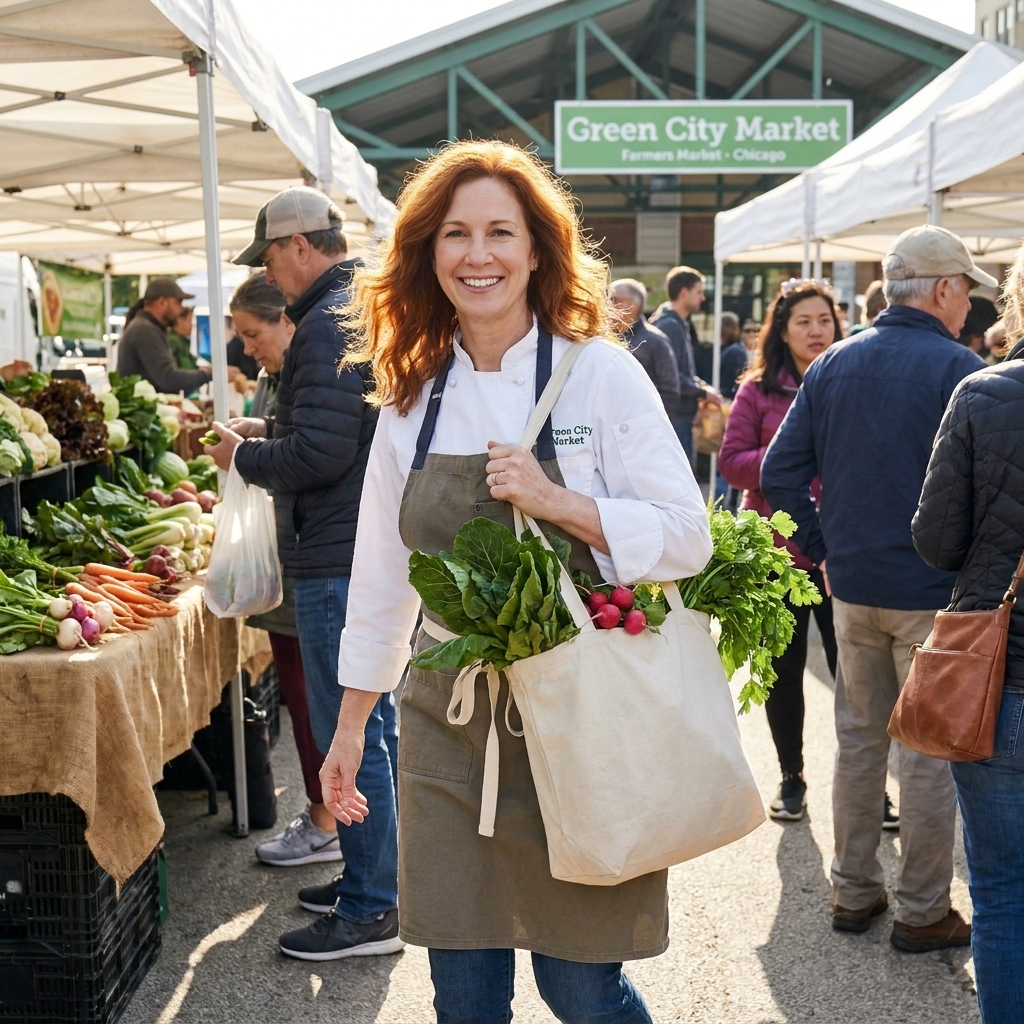
Find a local heritage grain mill, regenerative farm, or responsible fishmonger and see which restaurants they tag. Producers do not casually recommend partners. If a farm is proud of a restaurant relationship, it is often because the restaurant pays on time, buys consistently, and treats ingredients like the living things they are.
4) Ask one smart question
When you call or message a restaurant, skip the vague “are you local?” and ask something that reveals systems:
- “Do you work with any specific farms or fisheries year-round?”
- “What is changing on the menu right now with the season?”
- “Do you source any heritage varieties or Ark of Taste style ingredients?”
Script you can copy: “Hi! I love restaurants that cook seasonally and name their producers. Do you have a few farms or purveyors you work with consistently, and is the menu shifting right now?”
The goal is not to interrogate. It is to see whether the restaurant has real relationships and a clear way of talking about them.
What to look for on a menu
You do not need a manifesto to tell when a kitchen is built around Slow Food principles. You can see it in the details, especially in what the restaurant chooses to name, explain, and price.
Green flags
- Specific sourcing: Farm names, fisheries, mills, and ranches listed with intention, not as a giant paragraph of “partners” that never changes.
- Seasonal constraints: The menu embraces what is available now, not what can be flown in at any moment. Limited runs are normal.
- Biodiversity in action: Heritage beans, lesser-known lake fish, regional apples, unusual greens, or grains beyond the default wheat-rice-corn loop. Bonus points if the menu notes Ark of Taste, a specific heritage variety, or a preservation-minded producer.
- Whole-animal and low-waste cooking: Broths, terrines, pickles, ferments, and rotating specials that reflect using what comes in the door.
- Drinks with the same care as food: Thoughtful low-intervention wine, local cider, house shrubs, or seasonal NA options that look like they belong.
Red flags (localwashing edition)
- Big claims, no details: “Sustainable” and “ethical” without any farms, fisheries, or practices named.
- “Seasonal” that never changes: If the menu reads identical in February and August, something is off.
- Producer name-dropping without specificity: A wall of logos or a vague “we partner with local farms” instead of dish-by-dish sourcing.
Keep it simple: the more a restaurant can tell you, calmly and specifically, where things come from and why they chose them, the more likely you are in Slow Food territory.
Fair labor matters
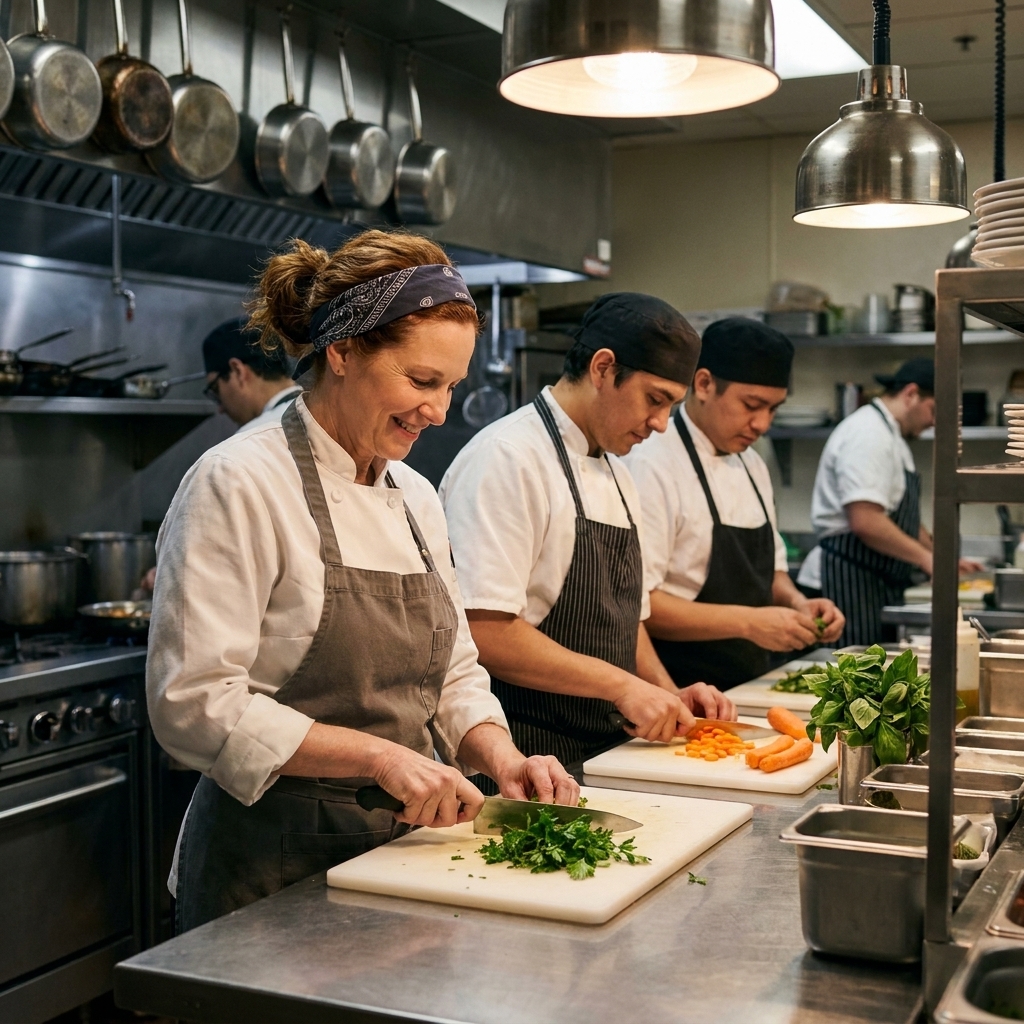
Slow food is not slow if the people making it are sprinting toward burnout. In my years managing beverage programs, I learned that “values-driven” restaurants can still quietly run on low wages, tip dependence, or a culture of silence. Supporting slow food means paying attention to the humans behind it.
Signals a restaurant may be taking fairness seriously
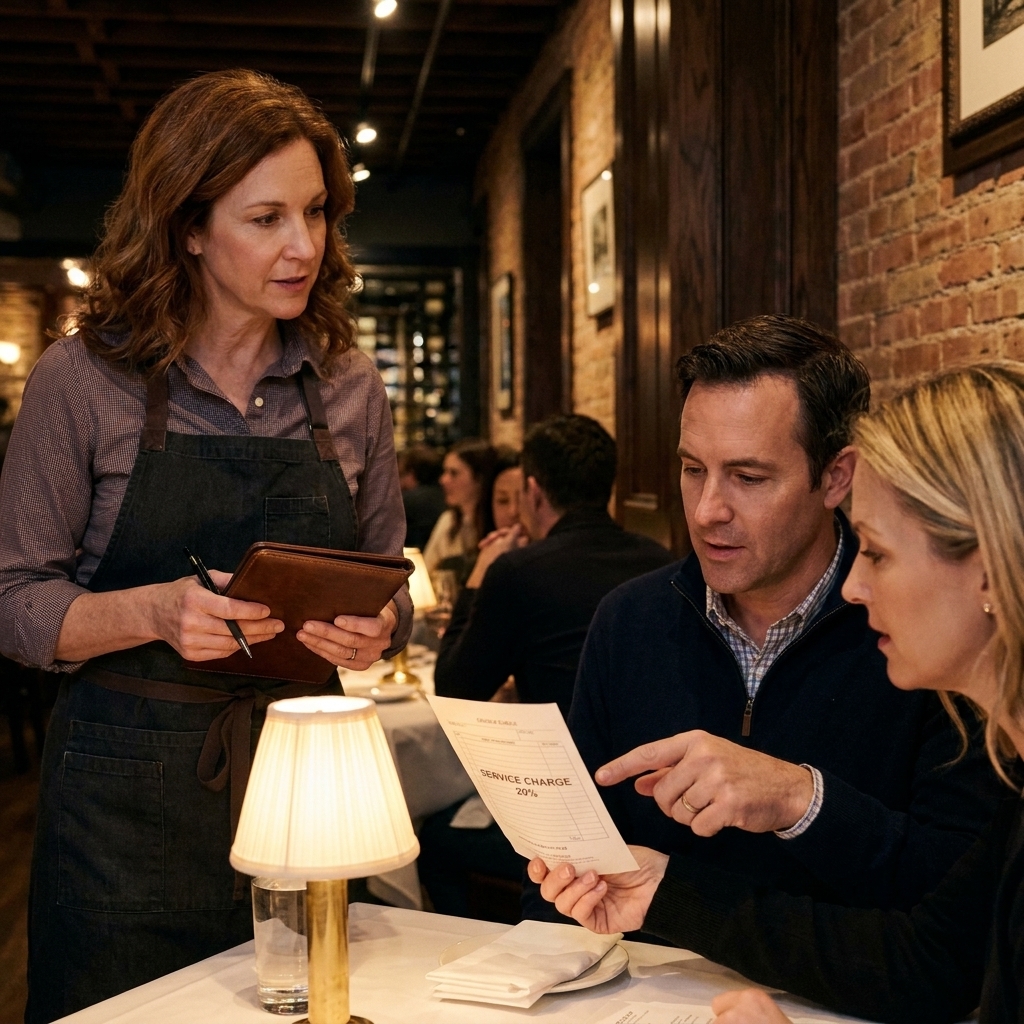
- Clear pricing or service charge explanations: If there is a service fee, the restaurant should explain where it goes and how it supports staff.
- Stable presence: You can sometimes feel this in the room. A team that communicates calmly and seems practiced together.
- Respectful hospitality: No theatrics at a staff member’s expense. No “the chef is a genius so anything goes” energy.
You will not always be able to confirm wage structures as a guest. But you can choose restaurants that are transparent, and you can support policies that make slow food possible for workers, not just diners.
Good hospitality
One practical point: strong hospitality systems often travel together. If you have allergies or dietary needs, you deserve clarity and care. While allergy handling is not a pillar of the Slow Food movement, a confident, honest approach can be a useful signal that a restaurant has training, communication, and operational maturity.
Look for confidence without bravado: staff who ask a follow-up question, explain cross-contact risks plainly, and offer alternatives without making you feel like a problem to solve.
How to support these places
If you find a place doing this right, your support matters. Slow food is relationship-based, and restaurants are squeezed from every side, especially the ones buying responsibly and trying to pay fairly.
Do this if you want your dollars to land
- Dine on slower nights: Weeknights, early seatings, or brunch can stabilize revenue in a way Saturday cannot.
- Order biodiversity-forward items: If the menu features a heritage grain, a regional variety, or notes Ark of Taste or a preservation-minded producer, choosing it tells the restaurant there is demand for keeping it on the roster.
- Say yes to the “less obvious” dish: The bean plate, bitter greens, the off-cut, the house-fermented something. This is where slow food shines.
- Leave a specific review: Mention the producer partnerships, seasonal cooking, and the dish that surprised you. Specificity helps the right guests find them and helps the restaurant justify the cost of doing things the hard way.
- Show up to events: Slow Food dinners, farm pop-ups, and producer nights keep ecosystems alive. Your ticket is a vote.
Ordering like a Slow Food regular
When you are sitting down with a menu in front of you, here are a few low-key moves that support the mission without turning dinner into a dissertation.
- Ask what is most seasonal right now. You will often get the dish the kitchen is most proud of.
- Let the server tell one producer story. A good team wants to share credit.
- Choose one “trust fall” item: the grain you do not recognize, the fish you have never ordered, the vegetable that looks a little too honest. That is usually the point.
In the slow food universe, the most luxurious ingredient is not truffle. It is time: time to grow, time to cook, time to pay attention, and time to treat people like they matter.
Quick FAQ
Are Slow Food aligned restaurants always expensive?
Not always. Responsible sourcing can raise costs, but many value-driven spots keep things accessible through lunch counters, prix fixe deals, pasta nights, neighborhood wine bars with serious sourcing, or by leaning into lower-cost cuts and plant-forward menus.
Is “farm-to-table” the same as Slow Food?
Farm-to-table is a sourcing style. Slow Food is a values framework: good, clean, fair. A farm-to-table restaurant can be slow food aligned, but it is not automatically the same thing.
What if my city does not have a strong Slow Food presence?
Follow the signals: seasonal menus, transparent sourcing, biodiversity-forward ingredients, and fair labor practices. Then support those places like they are your local chapter, because in many towns, they basically are.
How do I confirm a real Slow Food connection?
Start with your local convivium channels and event lineups. Then look for Ark of Taste or Presidia mentions, or clear sourcing that points to preservation-minded producers. If in doubt, ask the restaurant directly what the connection is. A serious place will answer plainly.
The takeaway
Slow food is not nostalgia. It is infrastructure. It is the choice to build a restaurant around relationships with farmers, fishers, millers, and staff, and to honor the culture embedded in what ends up on your plate and in your glass.
Find the places doing it well. Feed them your business on a Tuesday. Ask thoughtful questions. Order the heritage grain. Tip like you mean it. That is how movements become meals, and meals become something that can last.