Farm-to-table used to feel like a promise. Now it can feel like wallpaper.
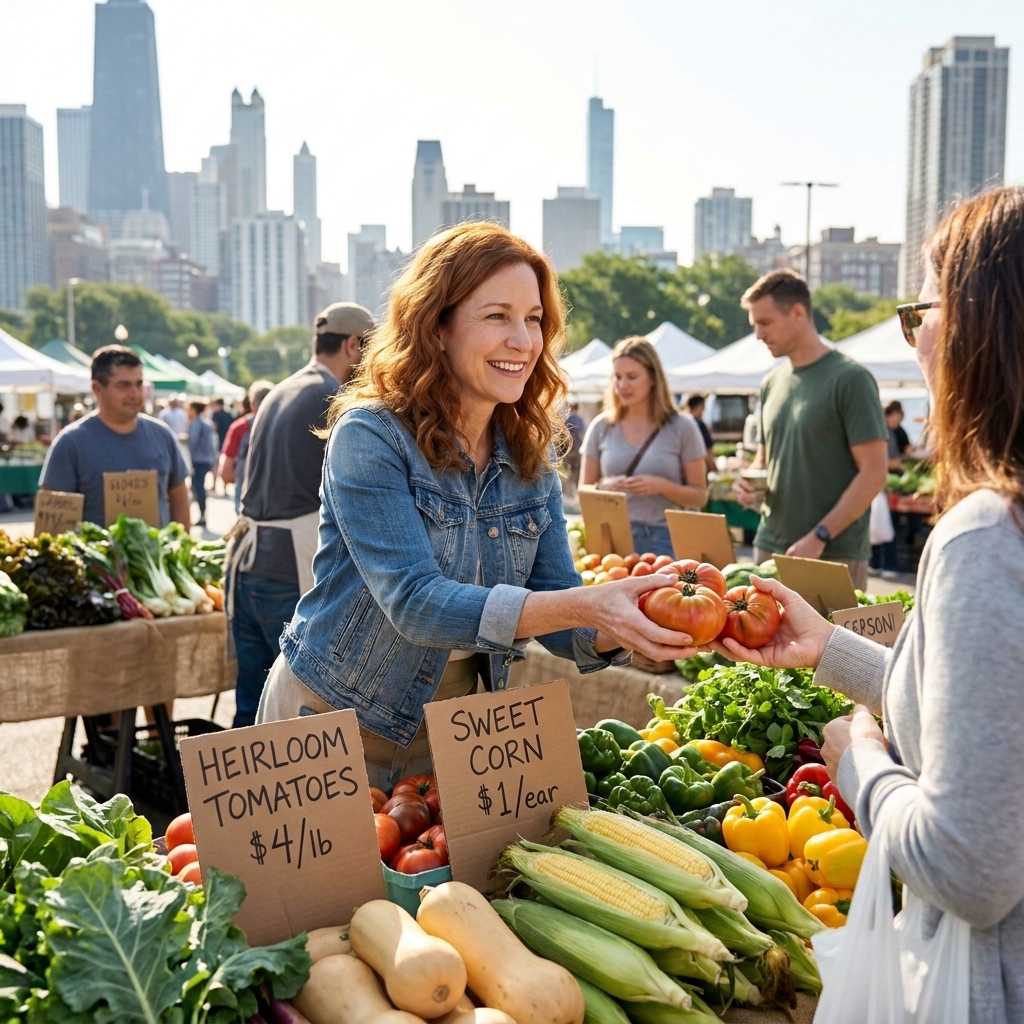
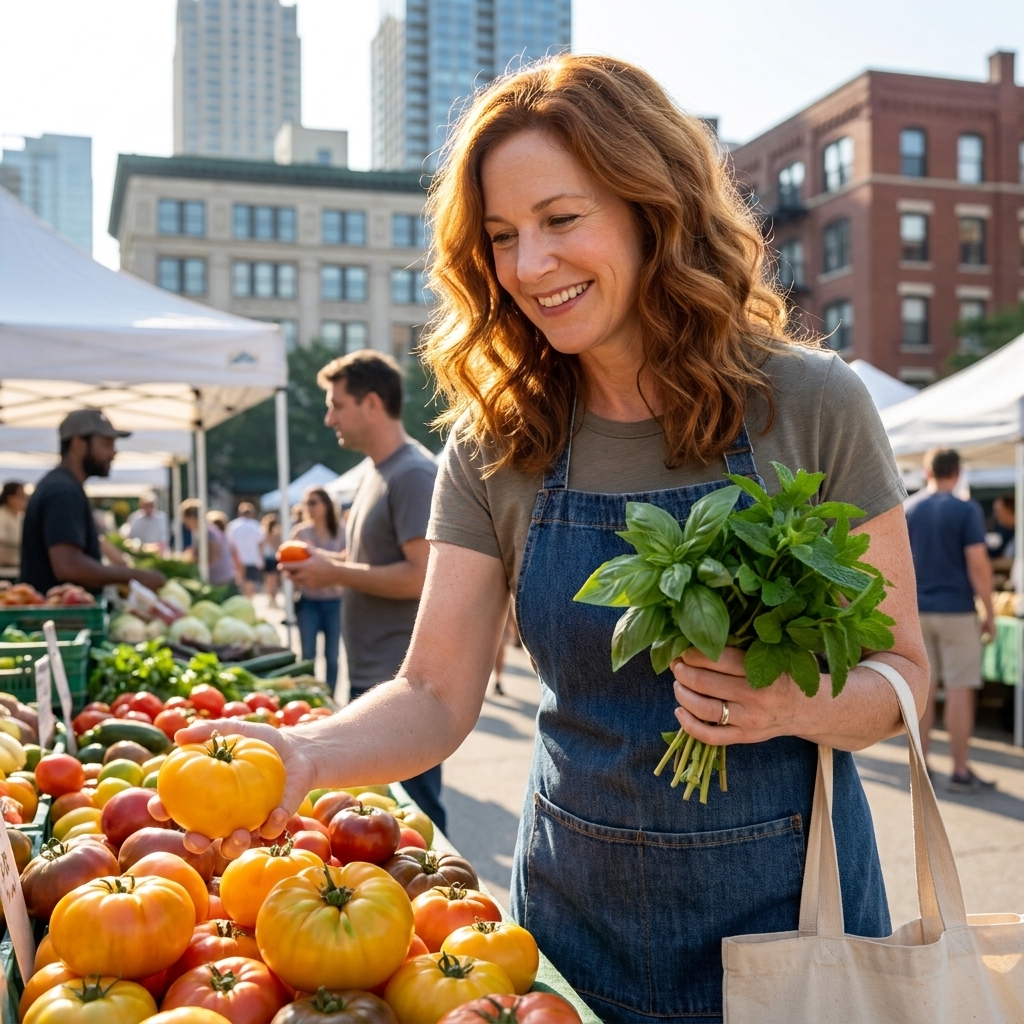
That is not a knock on farmers or chefs. It is a reality of a phrase that got popular, got vague, and then got flattened into a marketing shorthand. Meanwhile, something more specific is happening in serious dining rooms and beloved neighborhood spots alike: hyper-local sourcing, where the point is not just “local” as a vibe, but regional cuisine as a living supply chain. In plain terms: the menu is built around what the region is actually producing this week, through relationships you can name. The carrots have a farm. The trout has a watershed. The cheese has a maker you could actually call.
Here is how to spot the real thing, without interrogating your server like you are running a compliance audit.
What hyper-local means (and what it does not)
“Local” can mean a lot of things. In some restaurants, it means within the state. In others, it means “we buy from a distributor that also sells local products.” Hyper-local is narrower and more transparent.
A practical definition
Hyper-local sourcing is commonly described as a sourcing approach built around a tight geographic radius (often something like 25 to 150 miles, depending on the region) and a direct relationship with producers. There is no single universal definition, which is exactly why transparency matters. The core idea is consistent: prioritize ingredients that are regionally available right now, then build the menu around that reality.
What hyper-local is not
- Not automatically “small”: Some mid-sized farms and fisheries do impeccable hyper-local work.
- Not synonymous with organic: You can be hyper-local and not certified organic, and vice versa.
- Not a guarantee of ethics: Labor practices and animal welfare still deserve scrutiny.
- Not “everything must be local”: Coffee, citrus, spices, and chocolate exist. The best places tell you where those come from too.
The menu tells on them
Menus are where a restaurant either proves it is doing the work or reveals it is borrowing the language. Hyper-local menus tend to read like a conversation with the region.
Green flags
- Specific producers, not just “local”: You see actual names, not fog. If your publication prefers not to name real businesses, the pattern still holds: “river valley lamb,” “family farm chicken,” “orchard peaches,” “apiary honey” with a specific producer attached.
- Seasonal whiplash: The menu changes often. Not “four times a year” often, but “we just ran out of that” often.
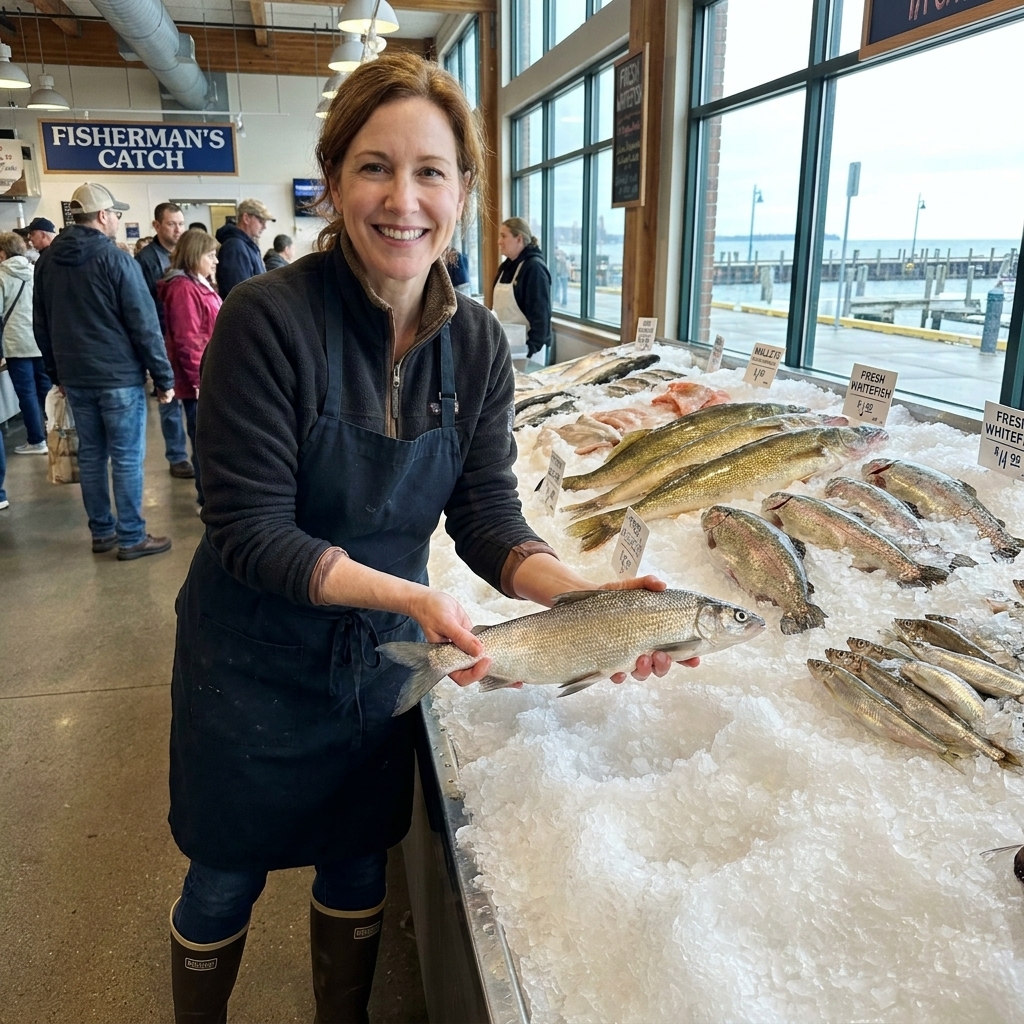
- Regional logic: You see ingredients that make sense for the place: Great Lakes fish, Midwestern grains, local mushrooms, orchard fruit, regional dairy.
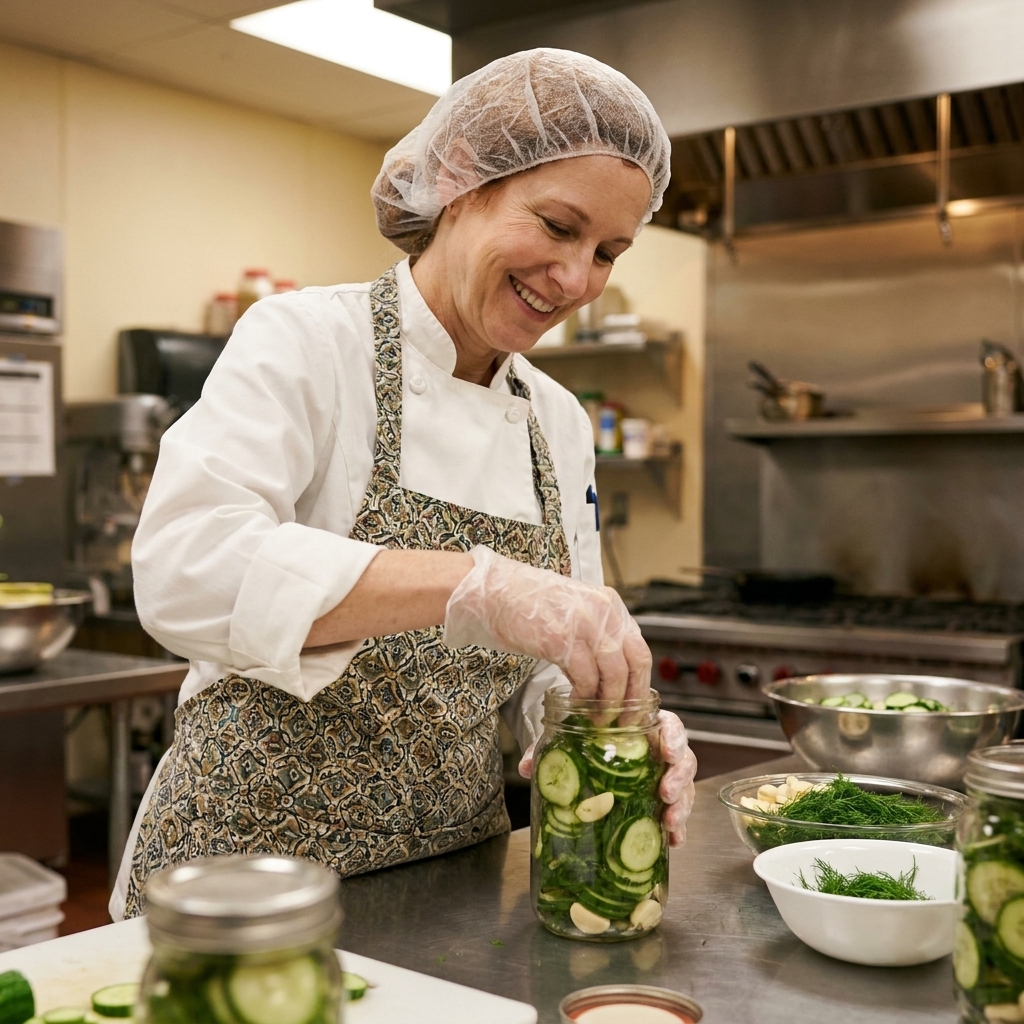
- Preservation shows up: Pickles, ferments, smoked fish, jams, dried chiles. Hyper-local kitchens plan for winter.
Yellow flags (context matters)
- Long lists of farms on a tiny menu: Sometimes it is real, sometimes it is a copy-and-paste mood board. Ask one or two gentle questions.
- “Chef’s garden” language: It can be legit, or it can be a planter box of herbs and a lot of optimism.
Red flags
- Peak-summer produce in February: If the menu is pushing fresh local tomatoes in deep winter, something is off (greenhouse can be real, but they should say so).
- Zero detail, lots of adjectives: “Thoughtfully sourced,” “farm fresh,” “artisanal,” “from nearby purveyors” with no names is usually fog.
- One token item: A single “local beet salad” next to a menu built on the same national commodity items every other place buys.
What to ask (without making it weird)
As a former beverage director, I can tell you this: the staff who are proud of sourcing love answering simple questions. The staff who are unsure will default to vague reassurance. Keep it friendly and specific.
Three easy questions that get real answers
- “Who is the producer for this?” A good answer sounds like a name, a place, and sometimes a quick story.
- “Is this from a farm you work with directly or through a distributor?” Distributor is not inherently bad, but transparency is the tell.
- “What is the most seasonal thing on the menu tonight?” Hyper-local kitchens have a clear, excited answer.
If you manage allergies or intolerances
My gluten intolerance made me pay attention to the difference between confident detail and rehearsed comfort. When you ask about sourcing, you are listening for the same operational truth you want when you ask about cross-contact: Do they know their system?
If the server says, “I’m not sure, but I can ask the chef,” that is often a green flag. If the response is defensive or slippery, proceed accordingly.
Dining room signs
Hyper-local sourcing leaves fingerprints beyond the menu.
Operational clues
- 86’d items are treated normally: “We’re out of the perch tonight” is not a failure. It is a supply chain that is not infinite. (Species, seasons, and availability vary by location and regulations, so treat the specific fish as an example, not a rule.)
- Servers use producer names naturally: Not like a script, more like, “That cheese is from a maker we’ve been using for years.”
- There is a chalkboard, a printed insert, or a nightly note: Not mandatory, but common in places that are cooking to the market.
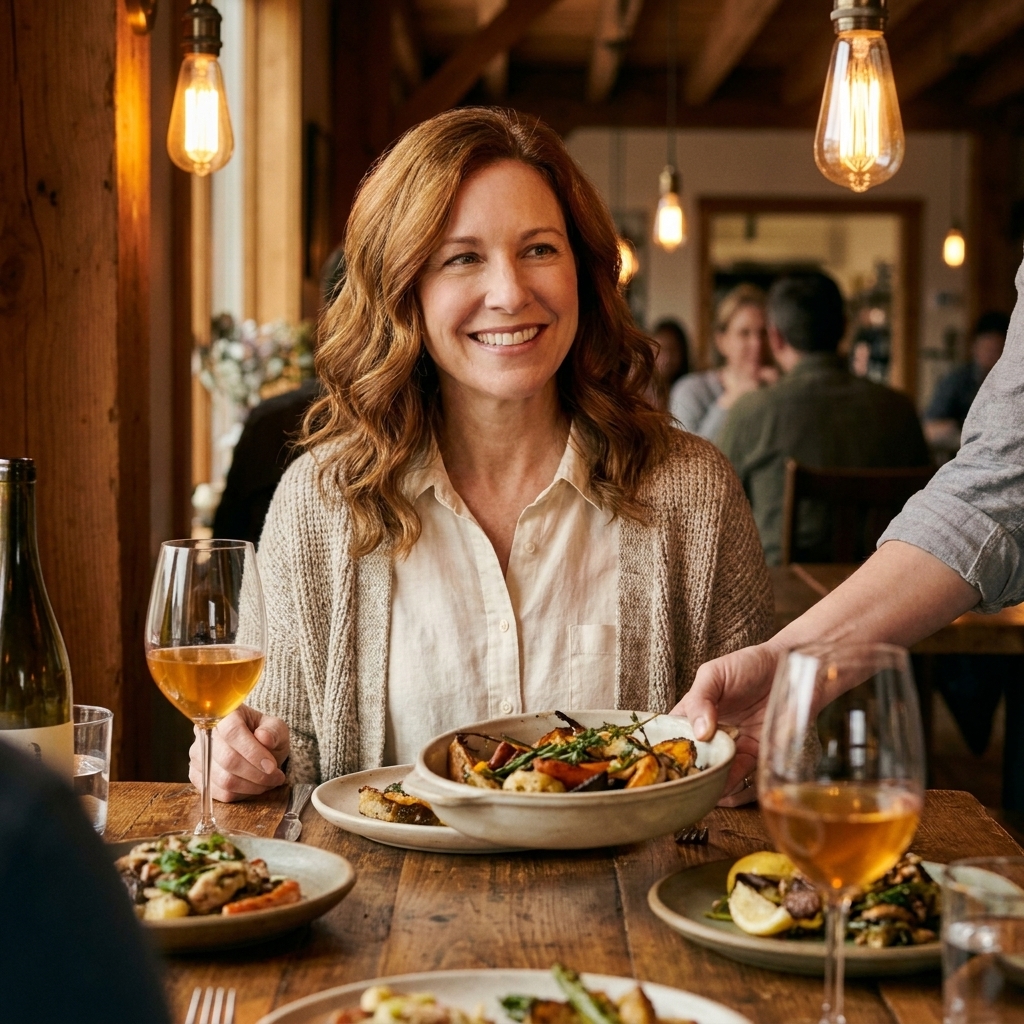
- Beverage lists show the same philosophy: Local beer is easy. Regional cider, nearby vermouth, local honey in a zero-proof spritz, or a spirits list that highlights area distilleries is harder and more telling. Thoughtful NA also shows up as drinks built with real acidity, bitterness, and fresh ingredients, not just overly sweet, pre-batched mixes.
Regional cuisine: craft vs cosplay
Regional cuisine is not just “our version of what everyone else is doing.” It is an edible map. Authentic hyper-local restaurants use sourcing to pull that map into focus.
It tastes like a place
In the Midwest, hyper-local might show up as rye and buckwheat, freshwater fish, sweet corn, orchard fruit, lake-effect greens, and a deep bench of preserved goods that carry you through cold months. In the Gulf, it might be shrimp seasons, rice traditions, and particular herbs. In the Southwest, it might be beans, chiles, and desert-grown produce with a different rhythm than coastal markets.
The common denominator is restraint: a willingness to let the region set the boundaries, then get creative inside them.
Specials mean something
In truly hyper-local rooms, specials are not just a sales trick. They are a pressure valve for what came in that day, what is peaking, what the kitchen needs to move before it loses quality. That is a systems thing, not just a storytelling thing.
How it gets verified
Restaurants that take hyper-local seriously can usually show receipts in a few different ways, even if they do not literally hand you an invoice.
What “proof” looks like in real life
- Producer lists that are current: A website page or menu footer updated seasonally, not a relic from 2019.
- Tagged relationships that go both ways: If the restaurant posts a farm, the farm posts the restaurant sometimes too. Not always, but often.
- Events with producers: Winemaker dinners get attention, but look for farmer dinners, fishery spotlights, CSA pickup partnerships, or charity nights supporting local food access.
- Consistency across the program: If the kitchen claims hyper-local but the bar is all mass-market spirits and the NA options are an afterthought, the philosophy may be selective.
The economics
Hyper-local sourcing costs more in time, coordination, and sometimes money. It also changes labor. Someone has to receive small deliveries, handle variable product, rewrite prep plans, and train staff to speak accurately.
That is why the most credible hyper-local restaurants tend to do a few things well:
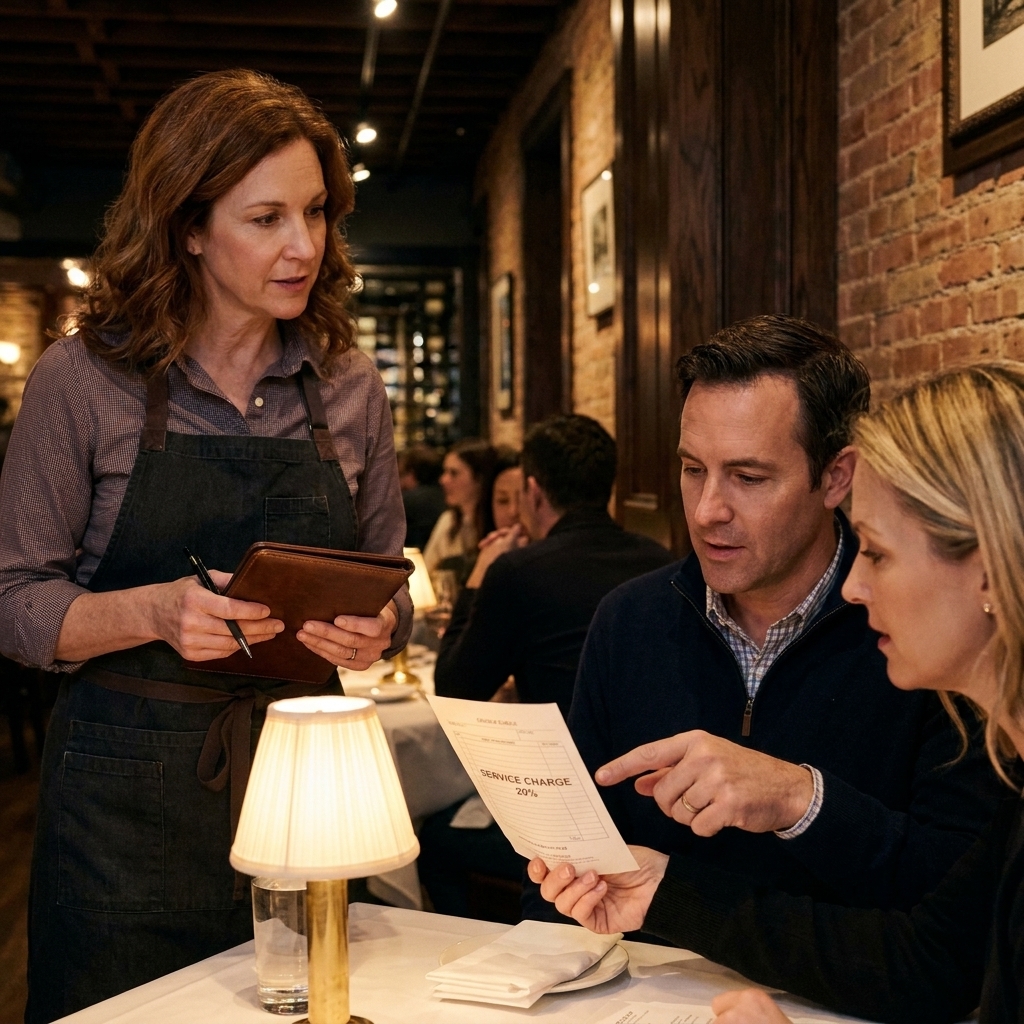
- They price honestly: Not apologetically, not arrogantly. Just honestly.
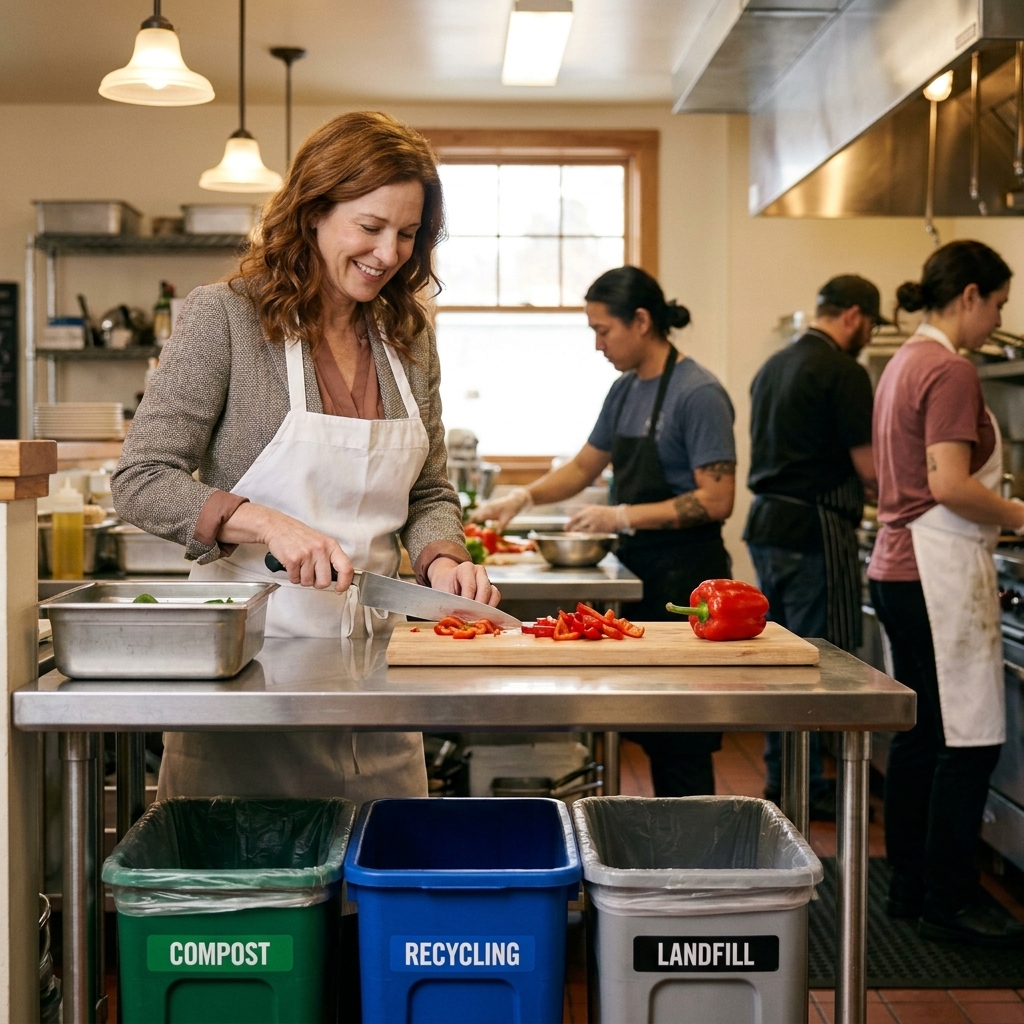
- They simplify where it counts: Fewer components, less waste, more respect for the ingredient.
- They protect the team: Hyper-local should not mean chaotic scheduling, burnout, or “figure it out” management. If a place is proud of its sourcing, it should be just as proud of how it treats the humans executing it.
Quick checklist
- Menu: Are producers named? Does the food make seasonal sense?
- Staff: Can someone answer “who is this from?” without scrambling?
- Reality: Do items sell out and get 86’d without drama?
- Preservation: Do you see pickles, ferments, curing, or cellar cooking?
- Whole program: Does the bar, NA list, and dessert program match the sourcing ethos?
- Transparency: Are they comfortable saying when something is not local?
FAQ
Is hyper-local regulated?
Usually, no. “Local” and “hyper-local” are more marketing language than legal standards in most dining contexts. That is why specifics (names, places, seasons, and clear explanations) matter more than any single label.
Is hyper-local always better for the environment?
Not automatically. Transportation is only one slice of sustainability. Growing method, storage, packaging, and waste matter too. Lifecycle impacts can vary by product and season. Heated greenhouses and air-freight can change the math fast. What hyper-local can do well is reduce steps in the chain and make accountability easier because the producers are not anonymous.
What about winter in cold climates?
In places like Chicago, hyper-local winter cooking leans on storage crops (squash, roots), greenhouse greens, grains, dairy, preserved fruit, pickles, ferments, and cured meats or fish. If a place claims hyper-local year-round, look for those techniques and for straightforward disclosure about what is coming from farther away.
Do I need to ask questions to “prove” it?
No. The best version of this is visible in the food and the rhythm of the menu. But if you are curious, one gentle question can tell you a lot, and a good restaurant will meet curiosity with clarity.
The bottom line
Authentic hyper-local sourcing is not a buzzword. It is a relationship, a logistics plan, and a creative constraint that makes regional cuisine feel alive. When a restaurant is doing it for real, it does not just feed you. It locates you.