
Fresh herbs are the little luxury that makes Tuesday dinner taste like you had a plan. They are also, unfortunately, the most dramatic roommates in your crisper drawer. The good news: you do not need fancy containers or a restaurant walk-in to keep herbs perky. You just need to store them the way they actually want to live.
Below, I break down the two herb personalities (soft vs. hardy), the best storage method for the big six, plus quick notes for dill and chives, and a few dead-simple ways to tell when it is time to toss them.
First: Know your herbs
Soft herbs
Soft herbs have tender stems and delicate leaves that bruise easily and lose moisture fast. Think: parsley, cilantro, basil, mint, dill, chives. Their biggest enemies are dehydration, crushed leaves, and condensation sitting on the greens.
Hardy herbs
Hardy herbs are woodier, sturdier, and naturally better at holding onto moisture. Think: rosemary, thyme, oregano, sage. Their biggest enemy is trapped moisture that turns into slime and mold.
The best storage methods
Method 1: Bouquet in water (fridge or counter)
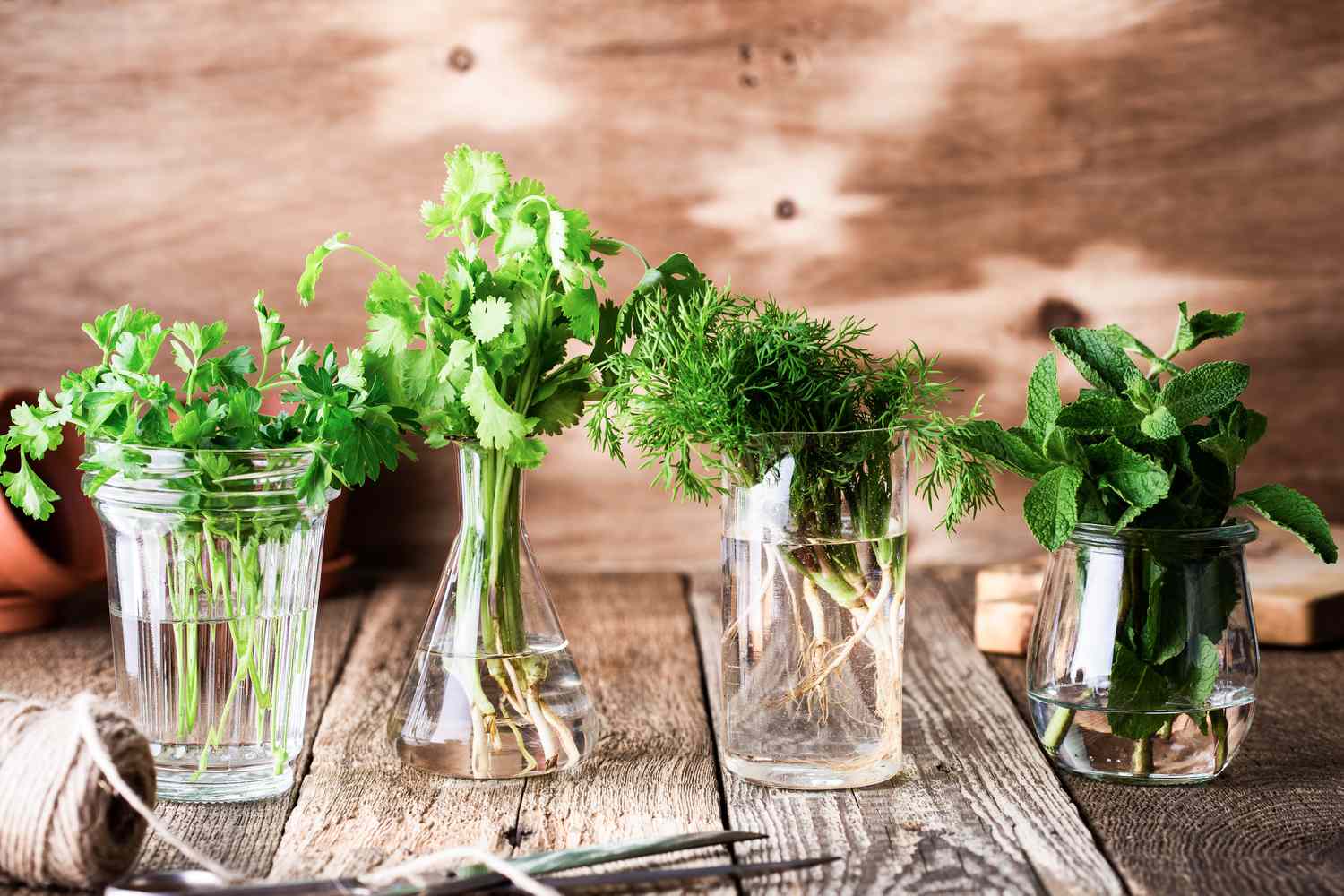
This is the closest thing to a guaranteed glow-up for soft herbs. You are essentially treating them like cut flowers.
- How: Trim the stem ends, remove any leaves that would sit below the waterline, stand herbs in a jar with 1 to 2 inches of water, then loosely cover the tops with a produce bag. Do not seal it airtight.
- Where: Refrigerate for parsley and cilantro. Countertop for basil (and sometimes mint, depending on your kitchen).
- Refresh: Change water every 2 to 3 days and re-trim stems if they look sealed over.
Method 2: Damp paper towel wrap (fridge)
This is the tidy, space-saving option that works when your fridge looks like a game of Tetris.
- How: Gently rinse if needed, then dry extremely well. A salad spinner plus a quick towel pat-down is the easiest combo. Wrap herbs in a barely damp paper towel, place in a partially open zip-top bag or container.
- Best for: Mint, cilantro, parsley, dill, and many hardy herbs if you are using them within a week.
- Watch out: Too wet = slime. Too dry = crispy leaves.
Method 3: Dry storage for hardy herbs (fridge)
Hardy herbs like it cool and not too humid. Treat them like a nice sweater: folded, not soaked.
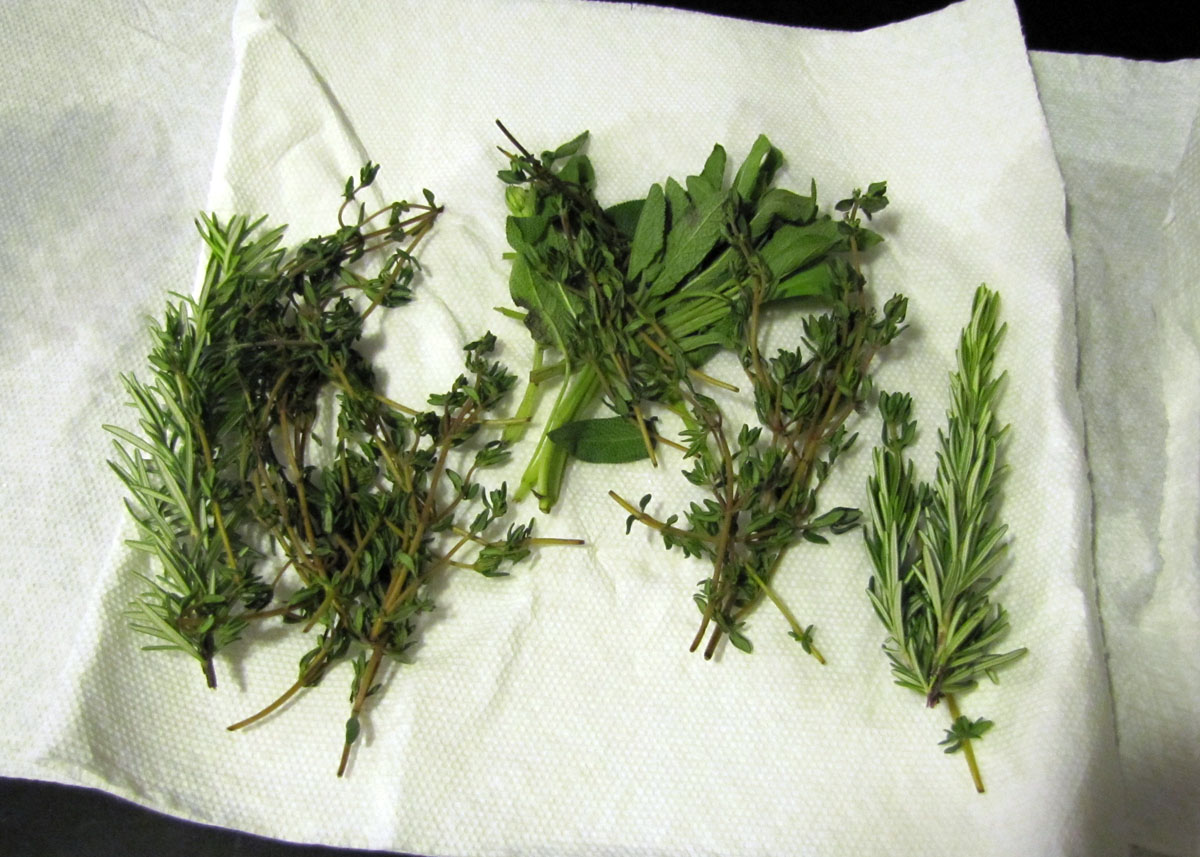
- How: Make sure the herbs are fully dry. Wrap loosely in a dry paper towel, store in a zip-top bag with some air left inside.
- Best for: Rosemary, thyme, oregano, and sage, especially if you bought big bunches.
Method 4: Freezing (long-term backup)
Freezing is not about keeping herbs “fresh.” It is about preserving their flavor for cooking when you know you will not use them in time.
- Chop and freeze flat: Chop clean, dry herbs and freeze in a thin layer in a zip-top bag. Break off what you need.
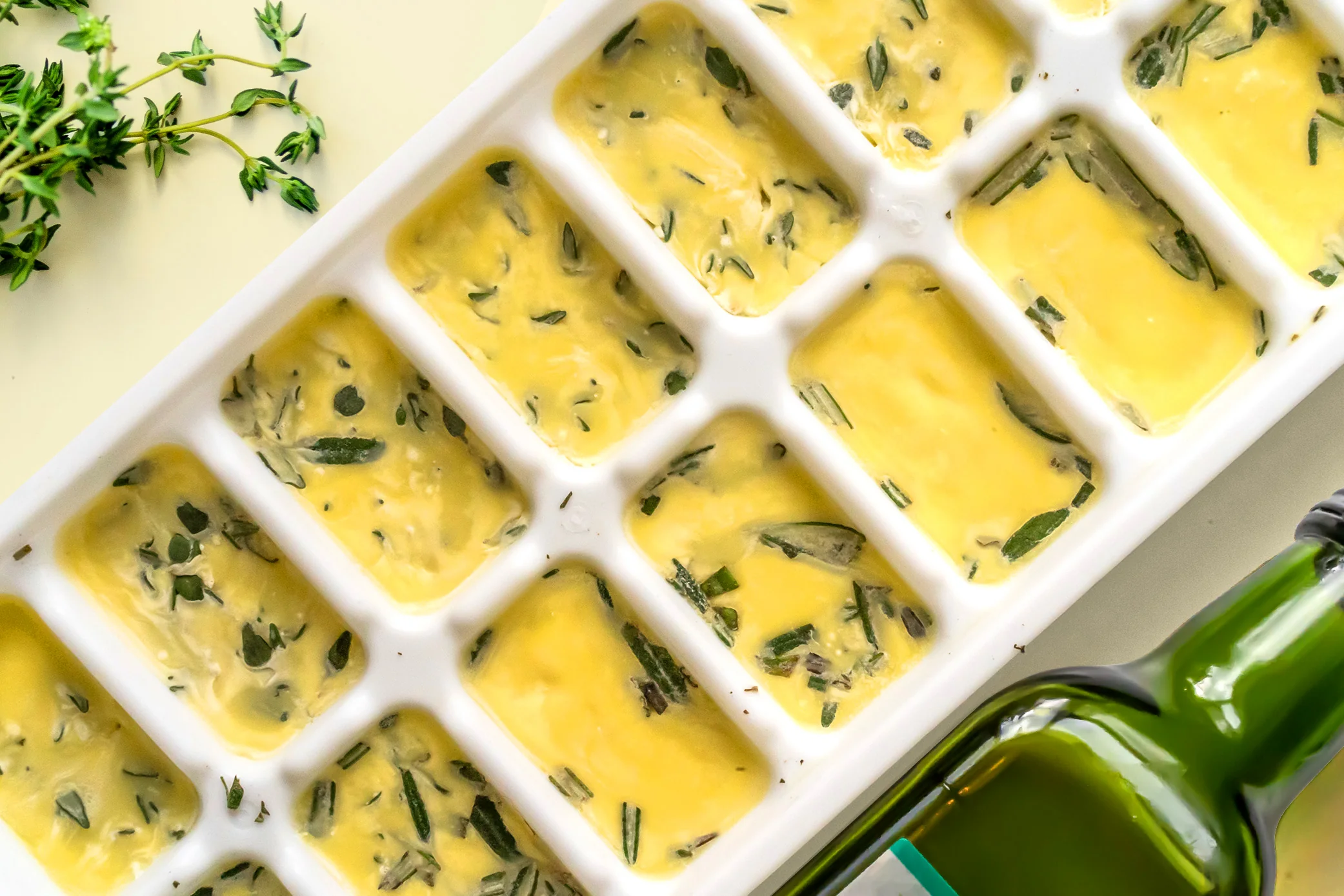
- Herb cubes: Pack chopped herbs into an ice cube tray and cover with olive oil or water, then freeze and transfer cubes to a bag.
- Whole sprigs: For rosemary and thyme, freeze whole sprigs on a sheet pan, then bag. Strip leaves while still frozen.
Best method by herb
Parsley
Best: Bouquet in water, refrigerated, loosely bagged.
Parsley is a workhorse, and this method keeps it crisp for about 7 to 10 days (sometimes up to 2 weeks if it was very fresh and you change the water). Trim stems, jar it up, and keep it away from the coldest back wall of the fridge to prevent cold damage and that freezer-burn-style dehydration.
Cilantro
Best: Bouquet in water, refrigerated, loosely bagged.
Cilantro is famously moody. The jar method helps a lot, especially if you remove any bruised leaves right away. Change the water often and do not let leaves sit in it.
Basil
Best: Bouquet in water on the countertop (no fridge).
Basil hates the cold. Refrigeration can blacken leaves and make it look sad overnight. Treat it like flowers: stems in water, loose bag on top, away from direct sun and your toaster’s heat blast.
If you must refrigerate: Wrap gently in a dry paper towel and store in the warmest part of the fridge, but expect a shorter lifespan.
Mint
Best: Depends on your timeline.
- Using it for drinks this week: Bouquet in water in the fridge, loosely bagged.
- Using it for cooking or tea later: Damp paper towel wrap in the fridge.
Mint bruises easily, so handle it like you are holding a tiny bouquet, not crumpling receipts.
Rosemary
Best: Dry paper towel wrap in the fridge, inside a bag.
Rosemary is sturdy and can last 2 weeks or more if it stays dry. For long-term, freeze whole sprigs and strip needles as needed.
Thyme
Best: Dry paper towel wrap in the fridge, inside a bag.
Thyme is happiest when it is not damp. It also freezes beautifully on the stem, and you can rub the frozen sprig between your fingers to release the leaves.
Dill (quick note)
Best: Damp paper towel wrap in the fridge, or bouquet in water if you will use it fast.
Dill is basically a soft herb with feathers for leaves, which means it dries out quickly. Keep it lightly protected from airflow, and do not store it soaking wet.
Chives (quick note)
Best: Damp paper towel wrap in the fridge.
Chives do not love the jar-of-water setup. They do love not being crushed, so give them a little space in the bag.
Counter or fridge
- Countertop: Basil always. Mint can work if your kitchen is cool and you will use it quickly.
- Refrigerator: Parsley and cilantro do best chilled in water. Most herbs do better cold than warm, as long as they are protected from drying out and not sitting wet.
- Avoid the crisper trap: Crisper drawers can be great, but if herbs are wet or packed tightly, they can slime fast. Airflow matters.
- Bonus: Herbs do better away from ripening fruit (like apples and bananas). Ethylene is not their love language.
Signs herbs are done
Trust your senses and your gut. Herbs do not need to be perfect, but they should not be risky.
- Slime on stems or leaves: Big red flag. Toss.
- Musty or sour smell: Fresh herbs smell bright and green. Funky smell means they are turning.
- Blackened leaves: Common with basil from cold damage, or any herb that has started to rot.
- Yellowing: Usually age or stress. You can sometimes salvage by picking the best leaves, but quality is dropping.
- Mold: Toss the whole bunch. Do not pick around it.
- Wilted but not slimy: Often dehydration. Try an ice water soak for 5 to 10 minutes, then dry thoroughly and store properly. (This helps limp herbs, not spoiled ones.)
My herb routine
Herbs last longer when you set them up the day you bring them home. Future-you will not do it “later.”
- Step 1: Pull off any bruised leaves right away.
- Step 2: Decide: bouquet method (soft herbs) or dry wrap (hardy herbs).
- Step 3: Put a reminder on your phone for a water change in 2 days.
- Step 4: If day 5 hits and you still have a lot left, chop and freeze what you cannot realistically use.
Restaurant trick: we treated herbs like inventory. Not precious, not disposable. Just something you set up correctly so it can do its job when service hits.
FAQ
Should I wash herbs before storing them?
If they are visibly dirty, yes, but dry them extremely well. Extra moisture is what leads to slime and mold. If they look clean, I usually skip washing until I am about to use them.
Can I freeze herbs without oil?
Absolutely. Freeze chopped herbs in a thin layer in a bag, or freeze whole sprigs. Oil cubes are great for sautéing, but not required.
Why did my basil turn black in the fridge?
Cold damage. Basil is tropical and gets stressed in refrigeration, especially near the back where the fridge runs coldest.
What is the easiest all-purpose method?
For soft herbs, the jar of water with a loose bag (not sealed tight) in the fridge covers a lot of ground. For hardy herbs, dry paper towel in a bag is the low-effort win.