
Restaurants are tiny cities. They run on deliveries, packaging, prep scraps, broken glass, linen cycles, and a constant hum of decisions that either create waste or prevent it. The zero-waste dining movement asks a simple question with a not-so-simple answer: what if “busy” did not have to mean “trash can overflowing”?
I have worked in places where the garbage was basically an afterthought, and in spots where everyone knew exactly which bin to use even during a Friday-night sprint. Here is the good news: diners have real leverage. Your choices shape what restaurants keep doing, what they stop doing, and what they can afford to try next.
Below are eight habits that make your meal part of the solution, without turning dinner into a lecture.
1) Know what zero-waste means
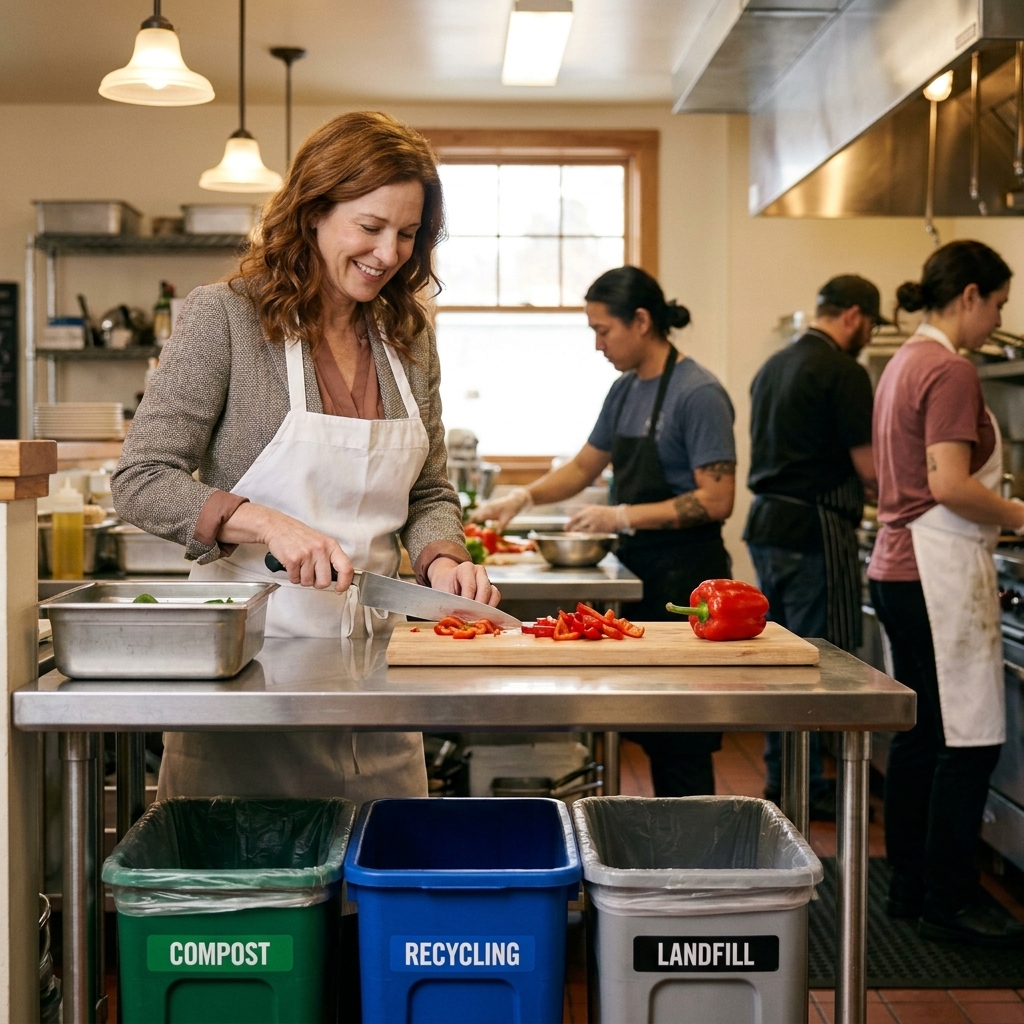
“Zero-waste” is a north star, not a magical state where nothing is discarded. In most real restaurants, it means aggressively reducing what comes in, reusing what can be reused, and diverting the rest through composting, recycling, and vendor take-back programs.
As a diner, you do not need a spreadsheet. You just need a few tells that separate a serious program from a cute slogan:
- Compost is mentioned plainly, not vaguely. “We compost food scraps” is stronger than “eco-friendly practices.”
- Menus change with the season and supply. That often signals smarter purchasing and less spoilage.
- Portioning is intentional, not extreme. Thoughtful portions reduce plate waste and still feel generous.
- Staff can explain it without panicking. If your server knows the basics, the culture is real.
2) Ask one good question
Curiosity helps. Interrogations do not. If you want to support zero-waste efforts without derailing service, pick one question that gives you useful information.
Easy, respectful questions that work
- “Do you compost back of house?”
- “Do you work with any farms or local purveyors?”
- “Is there a dish you run to use trim or surplus?”
If the answer is “we are working on it,” that is not automatically a red flag. Infrastructure varies wildly by city, building, and budget. What matters is whether the restaurant talks about waste like it is part of operations, not an afterthought.
3) Order to prevent waste
The least glamorous truth about waste is that a lot of it is edible food that never got a fair shot. Diners can help by ordering like a person who actually wants to finish what they buy.
- Start smaller when you are unsure. Add later if you are still hungry.
- Share intentionally. One fewer entrée often means less untouched food headed to a bin.
- Be honest about preferences. If you hate cilantro, say so. Sending back a dish creates waste and stress.
- Skip automatic sides you will not touch. If the server offers options, choose the one you will eat.
From the restaurant side, fewer half-eaten plates also means clearer signals about what people actually want. Chefs notice what comes back. That influences future portions and purchasing.
4) Make leftovers a real plan
If you are taking food home, commit to eating it. “To-go boxes” are only waste-reduction tools if the food actually gets eaten.
Make it easy on Future You
- Ask for the box early if you know you will not finish. Boxing up untouched, less-handled food beats scraping a messy plate.
- Plan the next meal before you leave: “This is tomorrow’s lunch.”
- Store it safely when you get home. Refrigerate promptly.
Also, do not be shy about requesting fewer containers. One sturdy box is better than three tiny ones, and many restaurants will accommodate if you ask.
5) Bring reusables, read the room
Reusable containers are great in theory and complicated in practice. Health codes, cross-contamination concerns, and staff bandwidth vary. The move is to offer, not demand.
- For takeout drinks: Ask if they will fill your clean tumbler. If not, accept it graciously.
- For leftovers: Some places will let you pack your food yourself into your own container at the table. That keeps staff from handling outside items.
- For cutlery and napkins: When ordering delivery or pickup, select “no utensils” if you have your own at home.
Zero-waste culture works best when it includes staff wellbeing. If your server is in the weeds, now is not the moment to negotiate container policy.
6) Notice how they source
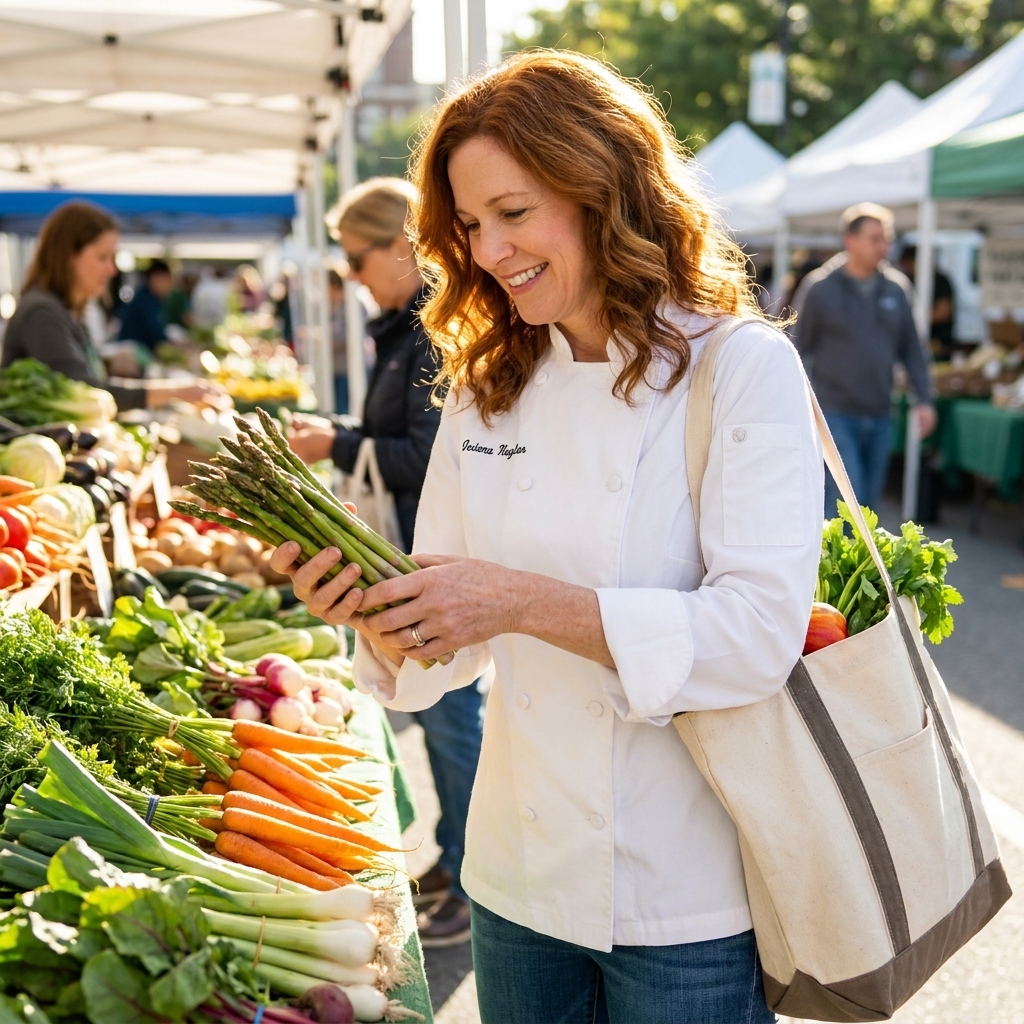
Waste starts long before a carrot hits the cutting board. It lives in supply chains, packaging, and over-ordering driven by unpredictable demand. Restaurants that build relationships with farms, fisheries, and responsible producers are often better positioned to buy smarter and waste less.
What to look for on menus and websites:
- Specific sourcing notes (farm names, regions, co-ops) rather than “local” as a vibe.
- Whole-animal or whole-plant cooking where appropriate. Think stocks, broths, pickles, and specials that use trim.
- Seasonal shifts that feel practical, not performative.
7) Spend where it adds up
Compost hauling, recycled-content packaging, deposit-return containers, and transparent sourcing take time and money to run well. Sustainable seafood can cost more than default options depending on species, region, season, and standards. When you choose restaurants investing in these systems, you help make the math work.
Ways to vote with your check
- Dine in when you can. Takeout usually creates more packaging waste, even at the best-run spots. There are exceptions, like deposit-return container programs, but they are still not the norm.
- Buy the “odd” specials. That soup made from yesterday’s roasted squash trim is the quiet hero.
- Tip like you respect the labor. Waste reduction requires training and consistency, and consistency comes from staff who can afford to stay.
If you want to go one step further, leave a quick note with your payment: “Thank you for composting” or “Love the seasonal menu.” Managers track feedback, and specific praise keeps sustainability from being the first line item cut.
8) Reward honesty over perfection
Some of the most meaningful sustainability work is also the least photogenic: switching vendors to reduce packaging, tracking prep waste, retraining staff, or setting up a compost area in a tiny alley. Those changes rarely look like a brand moment.
Here is what you can do as a diner:
- Share thoughtful recommendations. Tell friends why you loved a place, and mention the waste-conscious details.
- Leave reviews that name specifics. “Compost program” and “seasonal sourcing” are more useful than “eco-friendly.”
- Be patient with growing pains. A restaurant making progress is worth supporting, especially if they are honest about what is still hard.
Spot greenwashing fast
I have seen “sustainable” used the way some places use “artisan”: it sounds nice and means nothing without receipts. A few warning signs:
- Big claims, zero details. If everything is “green” but nothing is explained, be skeptical.
- Compostable packaging with no clear end point. Many areas only accept certified compostables through specific commercial compost haulers or facilities, not curbside. If a place leans hard on compostables, ask where they actually go.
- Constantly available “seasonal” items. Seasonality is not a year-round garnish.
That said, do not assume malice. Sometimes it is confusion. “Biodegradable” and “compostable” get mixed up constantly, even by well-meaning operators.
Quick checklist
- Choose dine-in over takeout when possible.
- Ask one clear question about composting or sourcing.
- Order what you will actually eat, and go smaller when half portions are offered.
- Take leftovers only if you will finish them.
- Skip disposable utensils, napkins, straws, and stirrers when you do not need them.
- Choose draft, house, or tap beverages when available, and skip bottled water if tap is safe.
- Support seasonal menus and clever specials.
- Recycle only when you are sure, and do not wish-cycle. Food contamination can trash a whole bin.
- Tip well and leave specific feedback.
The bottom line
Zero-waste dining is not about being the “perfect” customer. It is about being a conscious one. When diners pay attention, ask better questions, and reward the restaurants doing the unsexy operational work, the whole industry gets a little braver. And honestly, it usually tastes better too. Less waste tends to mean fresher ingredients, smarter cooking, and teams that care about the details.
Also, a small reality check: prevention matters more than wishful thinking. Many restaurants cannot donate leftovers due to food safety rules and logistics. The best win is food that never becomes “extra” in the first place.
If you have a favorite spot making real moves, tell me. I am always collecting notes, like any bartender who cannot stop watching how the room runs.