There is a particular kind of heartbreak that happens at 6:40 p.m. when you are already hungry, the pan is hot, and you realize your basil is slime, your olive oil smells like crayons, and the bottle of white you were saving tastes like a penny. The good news is: most “is this still okay?” questions have surprisingly clear answers if you know what to look for.
This guide is built for real-life cooking and pouring. We will walk through visual, smell, and taste cues for fresh herbs , olive oil, and wine, plus the storage mistakes that quietly shave days or months off their prime.
Fresh herbs
Fresh herbs do not so much “spoil” overnight as they fail in stages. First they lose aroma, then texture, then they become a microbial science project. Catch them early and you can usually salvage the bunch.
What to look for
- Color: dulling greens, blackened edges, or yellowing leaves signal age or cold damage. Some darkening on basil is common if it has been refrigerated too cold.
- Texture: limp leaves are not automatically unsafe, but they are a warning. Slime on stems or leaves is the line. That points to active decomposition and heavy microbial growth.
- Mold: fuzzy white or gray growth, especially near ties or at the base of stems, is a toss signal. Best practice: discard the whole bunch for leafy, tender herbs.
Smell test
- Fresh: bright, leafy, punchy aroma that hits you as soon as you open the bag.
- Past its peak: faint smell, “green water” odor, or a refrigerated staleness.
- Gone bad: sour, fermented, or compost-like funk. If you recoil, do not negotiate with it.
Taste test (only if it passes sight and smell)
- Still good: clean, varietal flavor (bright cilantro, sweet basil, piney rosemary).
- On the way out: papery bitterness, watery flavor, or a musty finish.
Common herb issues
- Basil: hates the cold. Refrigeration can turn leaves dark and bruised. If it is not slimy or moldy, you can often trim and use it quickly.
- Cilantro and parsley: usually die from sitting in a wet, sealed bag. They want air circulation and gentle moisture, not puddles.
- Dill: delicate and quick to yellow. It is best treated like flowers: fresh water, loose cover, and a short timeline.
- Woody herbs (rosemary, thyme, sage): more resilient. They go downhill when leaves dry out and lose aroma. Mold can still form if they are stored damp.
How long they last
- Basil: about 3 to 5 days on the counter in water, sometimes up to a week if it is very fresh and your kitchen is cool.
- Parsley and cilantro: roughly 5 to 10 days in the fridge when stored upright in water and loosely covered.
- Dill: around 3 to 7 days, depending on how fresh it was to begin with.
- Woody herbs: often 1 to 3 weeks in the fridge if kept from drying out and from sitting wet.
Storage that works
If you do one thing: get herbs out of the grocery store bag. Those bags trap moisture, and trapped moisture is the fast lane to slime.
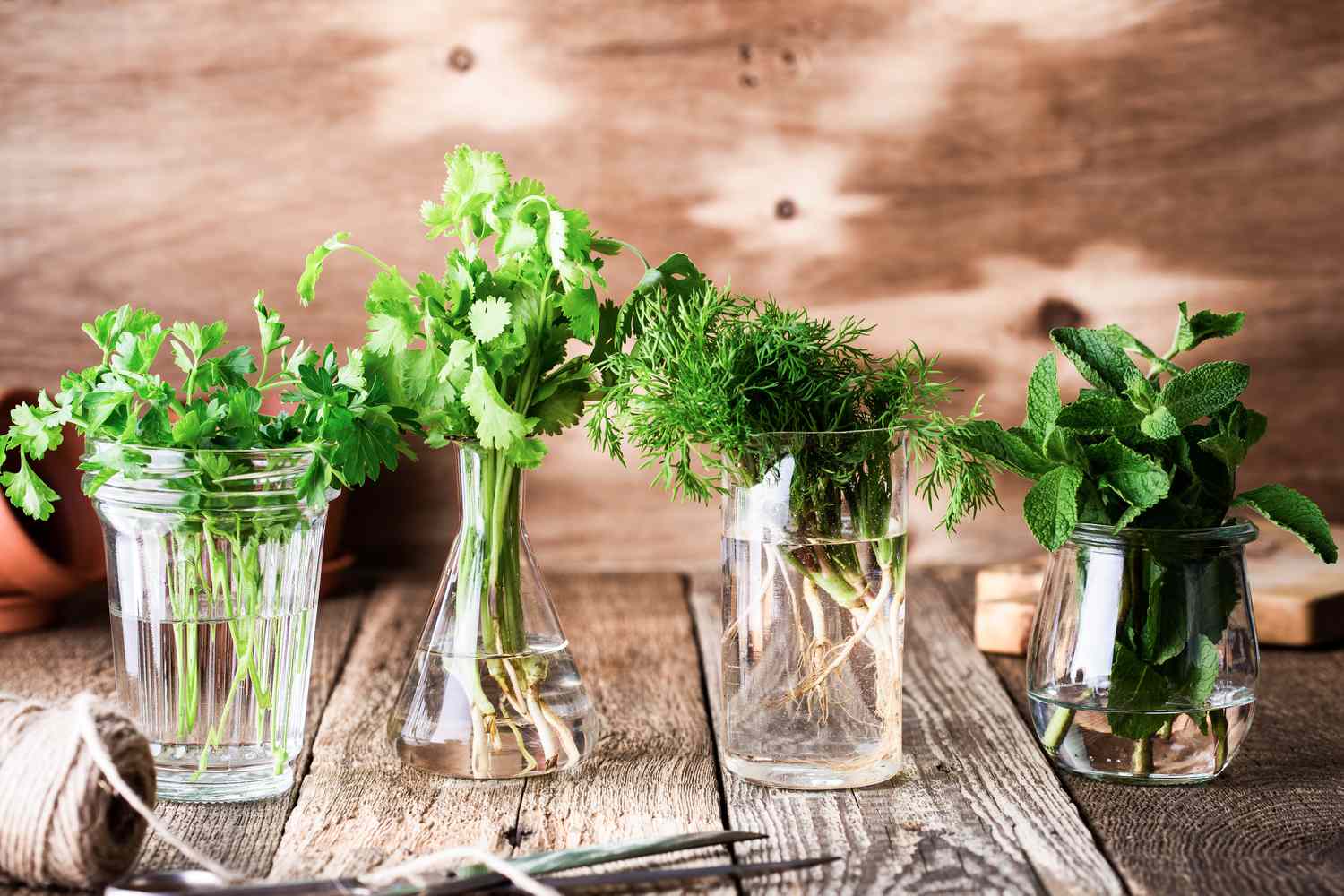
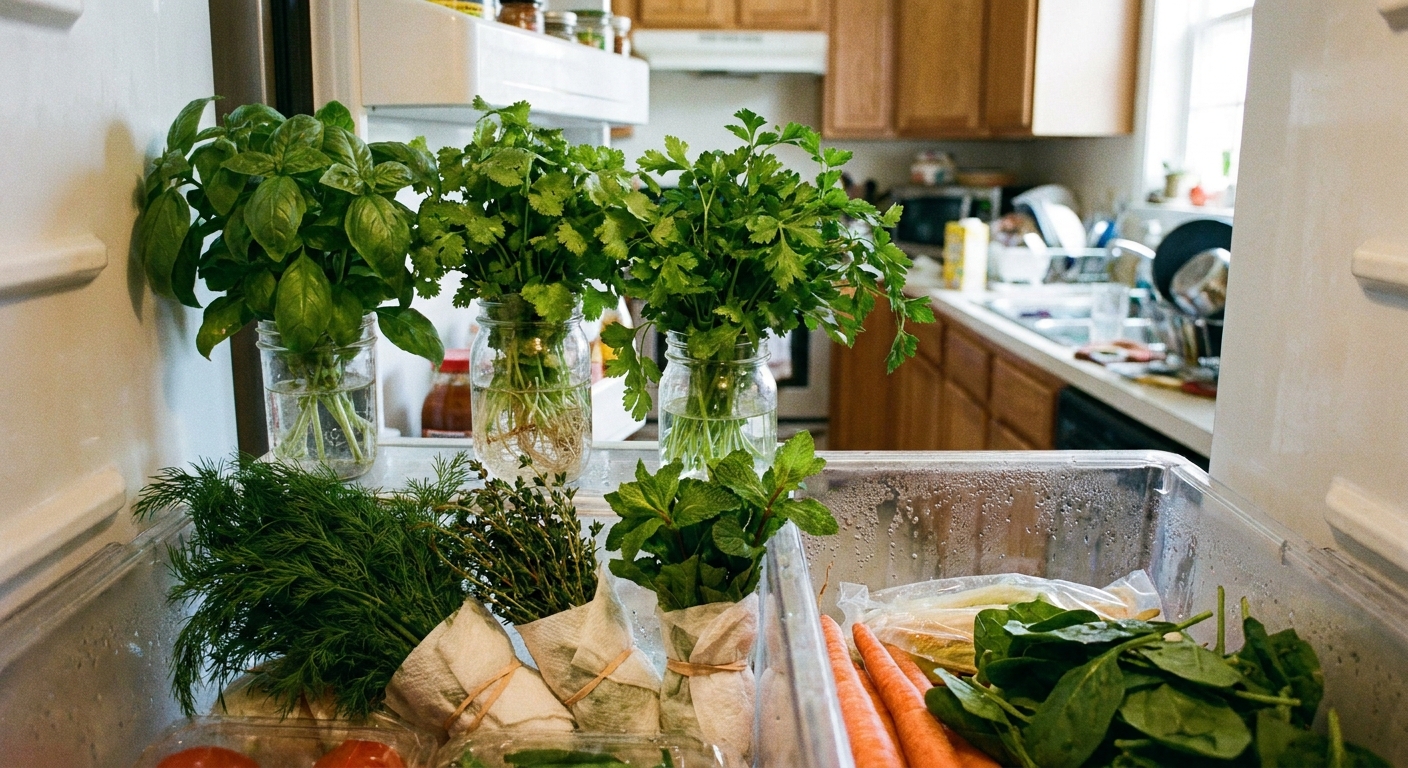
- Parsley, cilantro, dill, mint: trim stem ends and stand in a jar with 1 to 2 inches of water. Loosely cover the leaves with a bag. Refrigerate. Change water every couple of days.
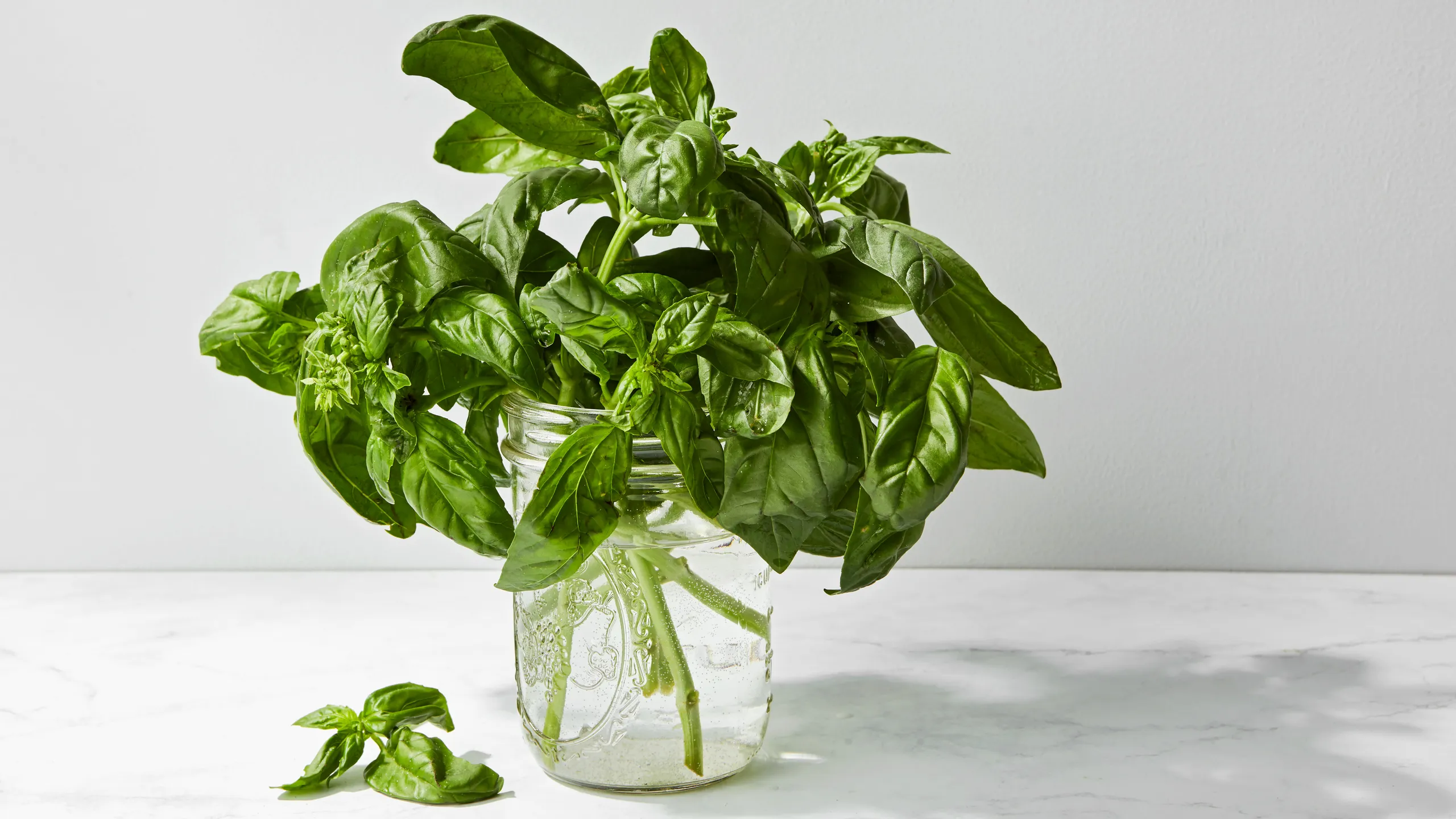
- Basil: treat like a bouquet on the counter, not in the fridge. Jar of water, loose bag over the top, away from direct sun and the stove.
- Rosemary, thyme, sage: wrap loosely in a barely damp paper towel, then place in a partially open bag or container in the fridge.
When to toss
- Any slime
- Any mold on leafy, tender herbs (basil, cilantro, parsley, dill)
- Woody herb exception: if you spot a tiny patch of mold on one sprig, you can sometimes salvage by discarding the affected sprig and using the clean, dry ones right away. If the container smells musty or multiple sprigs are affected, toss it all.
- A strong sour smell
- Leaves that are mostly blackened and wet, not just bruised
Olive oil
Olive oil does not usually “spoil” in the scary-food-poisoning sense, but it can absolutely go rancid . When that happens, the oil is generally still edible, but it tastes flat, stale, and unpleasant. It is also not ideal from a quality standpoint, so treat rancidity as your cue to replace it rather than powering through.
What to look for
- Cloudiness: not always a problem. Cold temperatures can make olive oil cloudy or even semi-solid. It should clear at room temperature.
- Dusty residue on the bottle neck: suggests the bottle lives uncapped too often, which speeds oxidation.
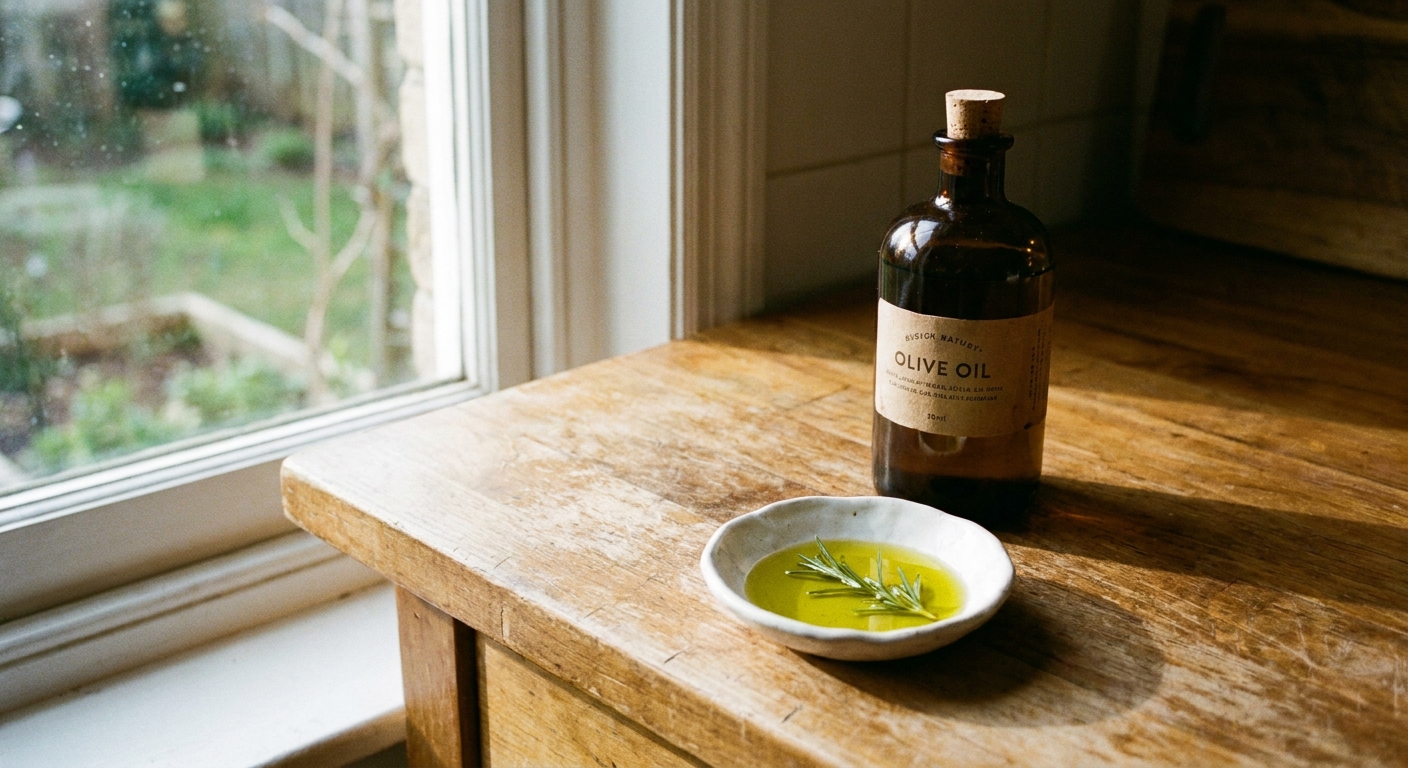
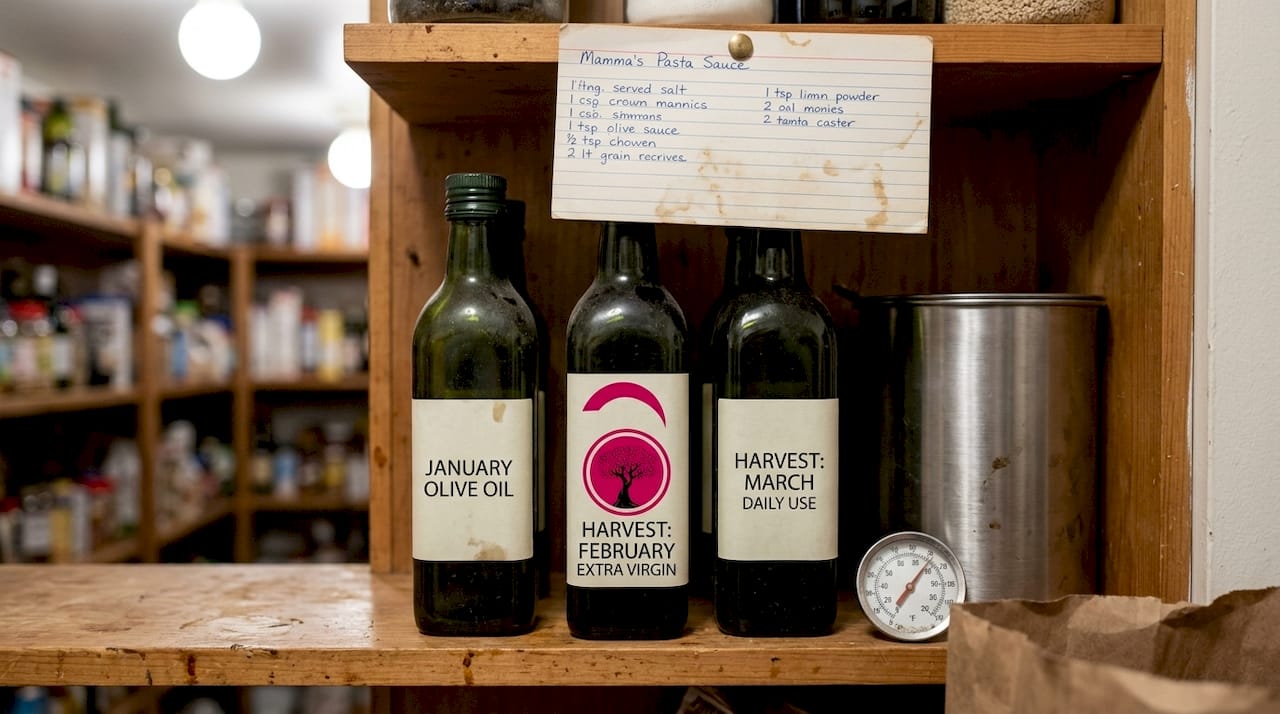
- Packaging clues: clear glass on a sunny counter is basically an oil tanning bed. Light is not your friend. Dark glass or tins help protect flavor.
Smell test
Fresh extra virgin olive oil has a living aroma: grassy, peppery, artichoke-like, tomato leaf, sometimes almond. Rancid oil often smells like things you do not want in your salad.
- Fresh: green, vibrant, aromatic.
- Gone rancid: crayons, old nuts, putty, stale chips, waxy candle, or a vaguely metallic “garage” smell.
Taste test
- Fresh extra virgin: a little bitterness and a peppery throat tickle are normal, especially for robust oils.
- Rancid: flat, greasy, waxy, or “cardboard” aftertaste. No lift, no pepper, no fruit.
Why it happens
Rancidity is mostly oxidation. The big accelerators are light, heat, air, and time. The “gourmet” bottle sitting next to your stove is often aging faster than you think.
How long it lasts
- From harvest: many extra virgin olive oils taste best within about 12 to 18 months of harvest. If the bottle lists a harvest date, use it. If it only lists a “best by,” treat that as a loose ceiling, not a guarantee of greatness.
- After opening: for best flavor, try to use it within about 1 to 3 months (sooner if it lives warm or bright, longer if it is kept cool and tightly capped).
Storage fixes
- Buy smaller bottles if you only cook with olive oil occasionally. More headspace in a half-used bottle means more oxygen contact and faster oxidation.
- Keep it cool and dark: a cabinet away from the oven is ideal.
- Cap it immediately: those countertop pour spouts look chic but invite oxygen in 24/7.
- Refrigeration is okay: it can extend freshness, but the oil will cloud or solidify. Let it return to room temperature before judging clarity or flavor.
When to toss
- If it smells like crayons, wax, or stale nuts
- If it tastes flat and greasy with a cardboard finish
- If you cannot remember when you opened it and it has lived by the stove, trust your senses
Wine
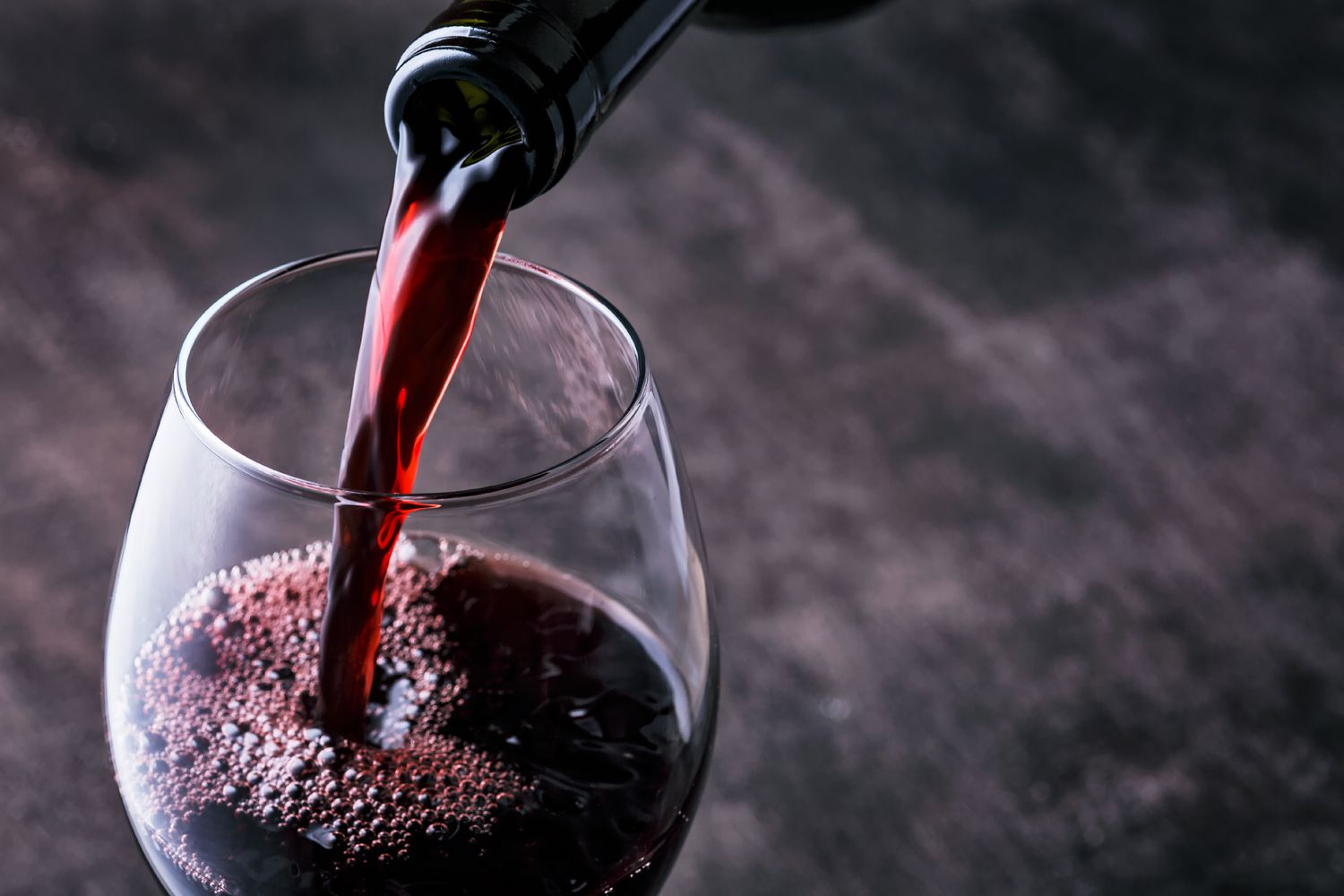
Wine is sturdier than people think, until it is not. Most “bad wine” at home is not contaminated. It is oxidized or heat-damaged, meaning it has simply lost what made it enjoyable.
Check the basics
- Is the bottle open? Once oxygen is in play, the clock speeds up.
- How was it stored? A bottle left in a hot car or on a sunny windowsill can cook, even if it is unopened.
- Is it a natural, unfiltered, or pét-nat style? Haze and sediment can be normal. Smell and taste still tell the truth.
Unopened wine signs
- Pushed cork: the cork is slightly protruding. Often a heat exposure clue.
- Sticky residue: seepage around the capsule can indicate heat expansion and leakage.
- Low fill level: noticeably less wine in the neck or shoulder can mean a bad seal and oxidation over time.
Opened wine signs
- Color shift: whites deepen toward gold or amber; reds drift toward brick or brown at the rim.
- Dull surface and lack of life: it just looks tired in the glass.
Smell test
- Oxidized: bruised apple, sherry-like nuttiness (when you did not buy sherry), wet cardboard, caramelized notes that feel “cooked.”
- Vinegar or nail polish remover: volatile acidity has taken over. A tiny hint can be stylistic in some wines, but if it dominates, it is done.
- Cork taint (TCA): damp basement, wet newspaper, musty closet. Fruit disappears like someone hit mute.
- Sulfur or struck match: reductive notes can sometimes blow off with air. Often, not always. Give it a swirl and a few minutes before you judge.
Taste test
- Oxidized: flat fruit, muted acidity, a sour edge without freshness, lingering bitterness.
- Cooked (heat damaged): jammy, stewed flavors, heavy and oddly sweet, with a short finish.
- Corked: papery, musty, and joyless. The biggest tell is how quickly the finish disappears.
How long it lasts after opening
- Sparkling wine: 1 to 3 days with a sparkling stopper, stored cold.
- Light whites and rosé: typically 3 to 5 days in the fridge, recorked.
- Full-bodied whites: typically 3 to 5 days, sometimes a touch longer.
- Most reds: typically 3 to 5 days, recorked. Delicate reds can fade faster, and sturdy, tannic reds can last longer, especially if there is not much air in the bottle.
- Sweet wines: often 5 to 10 days (and sometimes longer) refrigerated, depending on style.
- Boxed wine: often 2 to 6 weeks refrigerated, because the bag limits oxygen exposure.
- Fortified wines: longer, often weeks, depending on style.
These are flavor timelines, not safety alarms. If the wine smells like vinegar or tastes unpleasantly sour and volatile, do not force it into a “cooking wine” afterlife. Reduce it only if it still tastes clean.
Storage habits
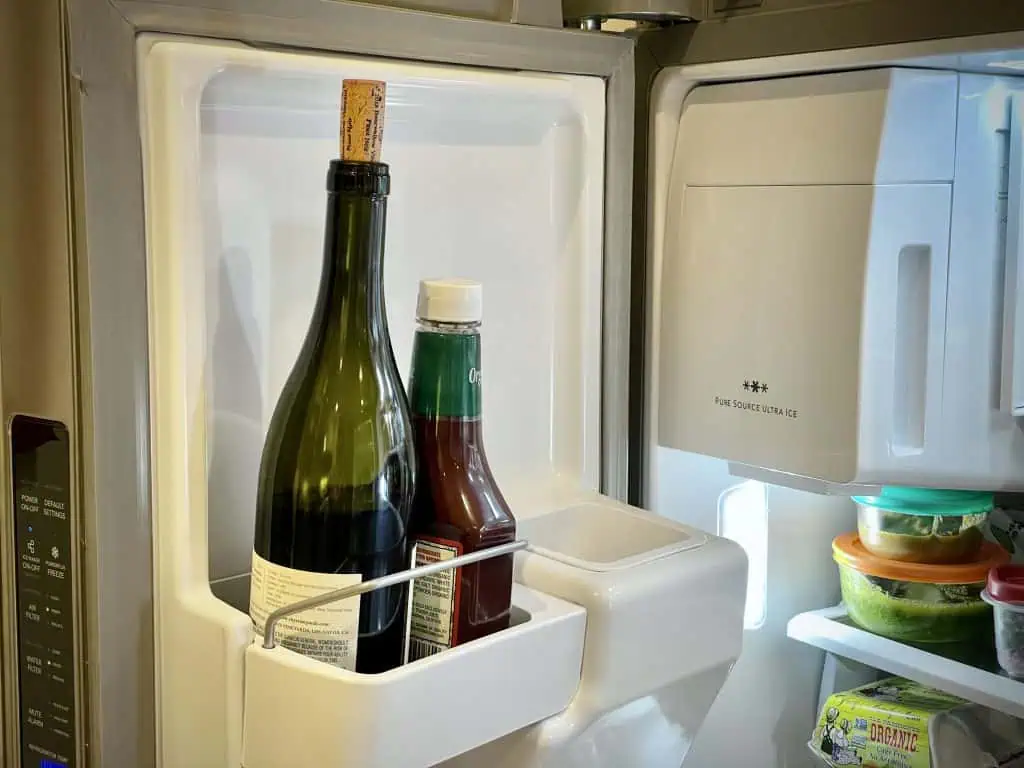
- Refrigerate opened wine, even reds. Cold slows oxidation.
- Use the right closure: a snug cork, a silicone stopper, or a vacuum pump. None are magic, all help.
- Minimize air: if there is just a glass left, transfer to a smaller bottle or jar and seal tightly.
- Keep unopened bottles away from heat: stable, cool, and dark beats “pretty shelf” every time.
Quick guide
- Herbs: If it is slimy or moldy, toss (especially tender herbs). If it is just limp, revive in ice water and use today.
- Olive oil: If it smells like crayons or tastes like cardboard, it is rancid. Replace and store the next bottle cooler and darker.
- Wine: If it smells like vinegar or wet cardboard, or has lost all fruit and snap, it is past its best. Chill opened bottles, re-seal, and drink earlier.
FAQ
Can you wash mold off herbs and still use them?
I would not for leafy herbs. Herbs have lots of surface area and nooks where mold can cling. If you see fuzz, toss the bunch and wipe down the drawer or container it touched. With woody herbs, you can sometimes discard the affected sprigs and use the rest immediately, but if there is any musty smell or widespread mold, call it.
Is cloudy olive oil bad?
Not necessarily. Cold can make olive oil turn cloudy or semi-solid. Let it come to room temperature. If it still smells fresh and tastes vibrant, you are fine.
Is wine that tastes like sherry always bad?
If you opened a crisp Sauvignon Blanc and it suddenly tastes nutty and bruised-apple sherry-like, that is classic oxidation. If you opened an actual oxidative style (some Riojas, certain whites, actual sherry), it may be intentional. Context matters, but your palate usually knows when it is unintended.
Can I cook with wine that has turned?
If it is just a bit oxidized but still smells clean, it can work in braises, tomato sauces, or reductions. If it smells like vinegar, nail polish remover, or musty cork taint, it will broadcast that flaw in your food.
What is the biggest storage mistake people make?
For herbs, it is leaving them sealed in a wet bag. For olive oil, it is storing it next to heat and light. For wine, it is leaving opened bottles at room temperature without a proper seal.