Olive oil is one of those “quiet luxury” ingredients. It sits on the counter like it will last forever, until one night your salad tastes like a cardboard box and you realize the bottle has been betraying you for weeks.
The good news: you do not need a trained nose to figure out if olive oil has gone bad. You just need a quick smell-and-taste check, a little context on storage, and a realistic idea of shelf life.
What “bad” olive oil means
When olive oil “goes bad,” it is usually rancid, meaning the fats have oxidized from exposure to oxygen, heat, and light. It is generally not dangerous in the food-poisoning sense, but it can taste harsh and stale, and it loses the fresh flavors and antioxidants you bought it for.
That said: if you notice anything beyond normal rancidity, like visible contamination, unusual cloudiness paired with a truly foul odor, a compromised cap, or anything that suggests the oil was contaminated after opening, toss it.
There are also other defects you might run into:
- Musty or moldy notes from olives stored improperly before pressing
- Fusty or fermented aromas from old or poorly handled fruit
- Smoky or burnt flavors from processing issues
For home cooks, the main call is simple: does it still taste bright and clean, or does it taste tired and off?
The fastest test
1) Smell
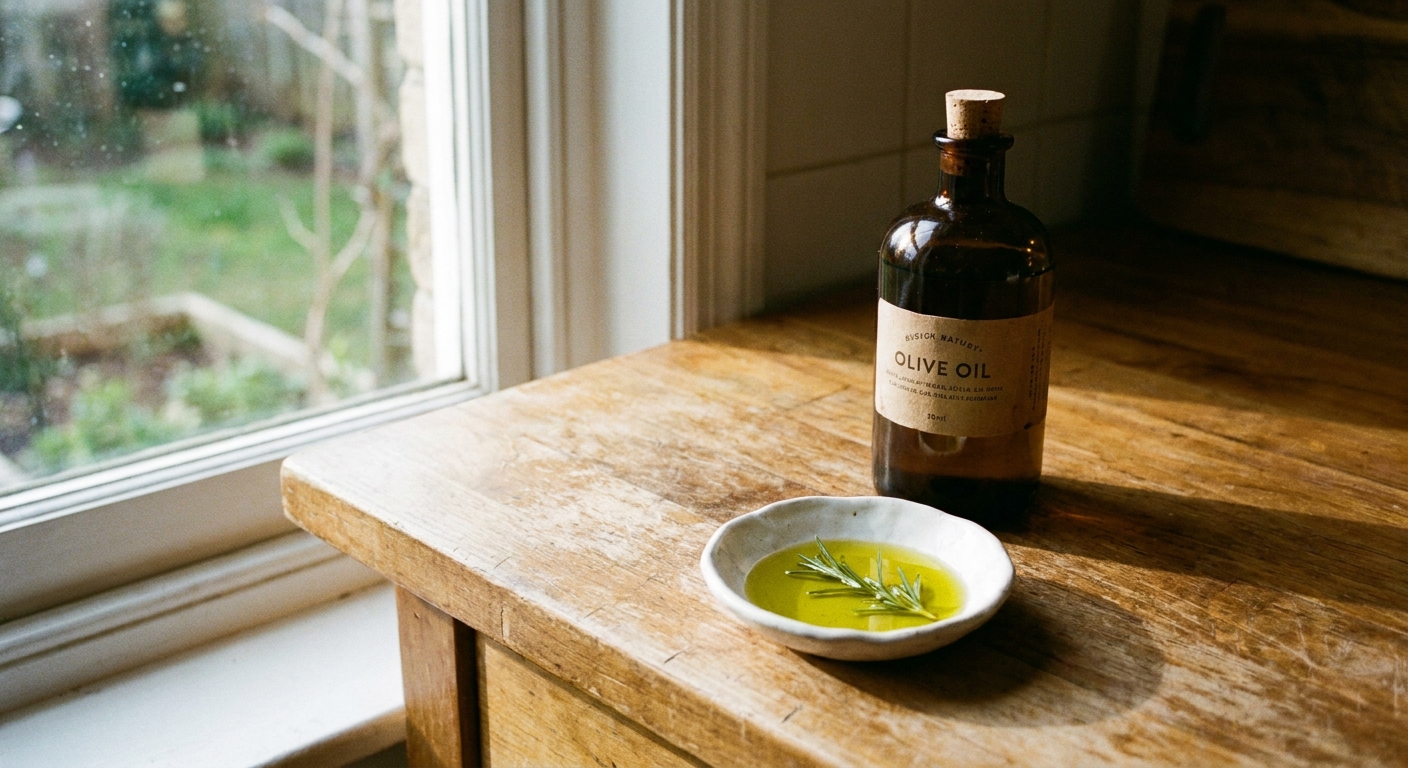
Pour a teaspoon into a small dish or cup, swirl it, and take a couple short sniffs.
Fresh olive oil often smells like cut grass, tomato leaf, green almond, artichoke, ripe fruit, or even a little peppery.
Rancid olive oil can smell like:
- Crayons or putty
- Stale nuts or peanut shells
- Cardboard, paper, or a dusty pantry
- Stale cooking oil that has been sitting in a fryer too long
If you find yourself pulling back from the cup, trust that instinct.
2) Taste
If it smells okay, taste a small sip. Let it coat your tongue.
Fresh olive oil tastes lively. Depending on the style, it can be fruity, grassy, buttery, or herbal. Many extra virgin olive oils have a gentle bitterness and a peppery tickle in the throat. That peppery bite is a good sign, not a flaw.
Rancid olive oil tastes flat, waxy, or oddly bitter in a way that feels disconnected from “fresh green” flavors. The finish can linger like:
- Stale walnuts
- Chalky cardboard
- A greasy film that is more “old” than “rich”
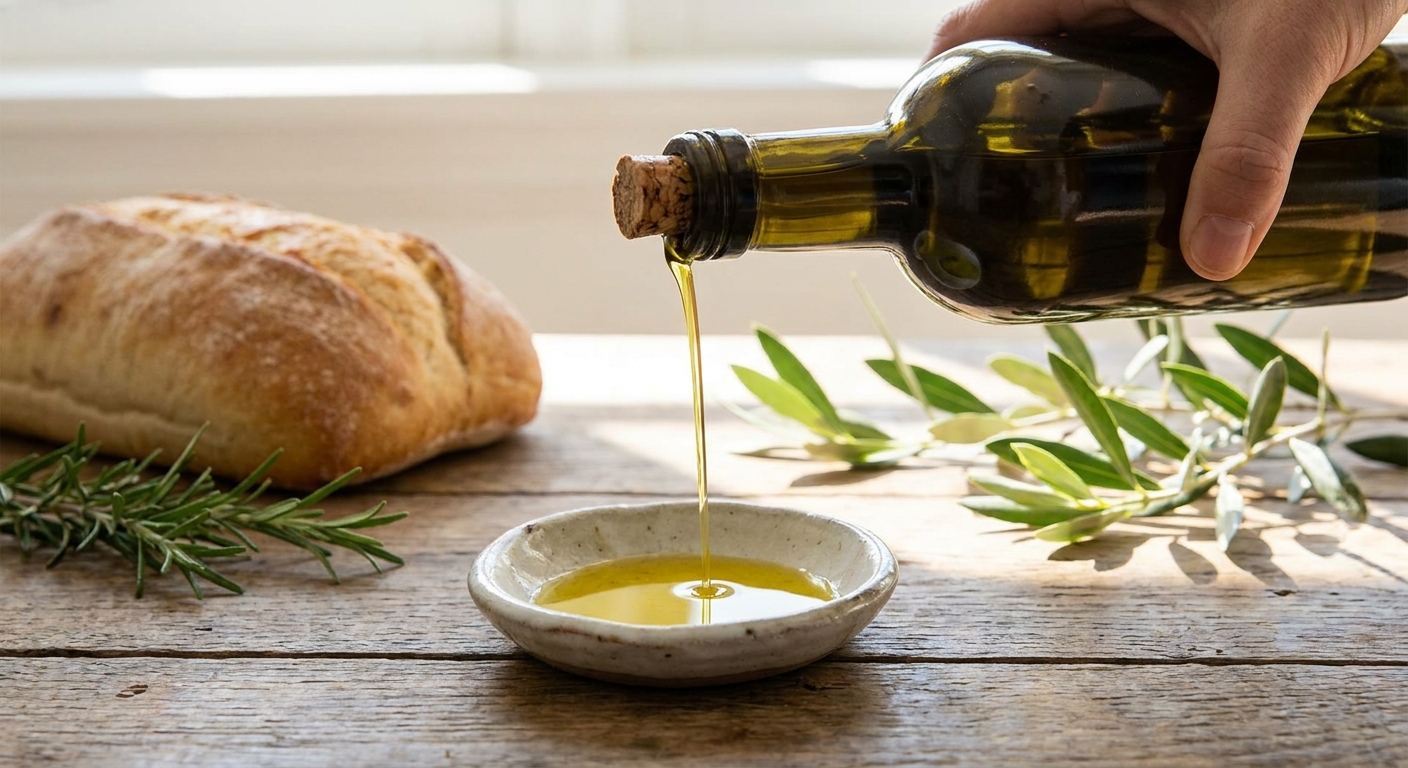
Pro tip from the restaurant world: taste your olive oil next to something neutral like a bland cracker, plain bread, or a slice of cucumber. If the oil is doing the heavy lifting, its flaws become obvious fast.
Color and texture
People love to judge olive oil by color, but color is a shaky witness. Oil can be bright green or pale gold and still be excellent, depending on olive variety, harvest timing, and filtration.
What color can tell you
- Cloudiness in a fresh, unfiltered oil can be normal, especially early on. It can also mean more tiny olive particles, which can shorten shelf life.
- Very dull, muddy-looking oil paired with an off smell is a stronger clue that the bottle is past its prime.
What texture can tell you
Texture changes are usually about temperature and natural waxes, not a reliable “fresh vs. rancid” test. Olive oil can feel thicker when cool, and some varieties and less-filtered oils can feel more velvety or waxy even when they are perfectly fine. If something feels off, let it warm to room temperature, then judge it by smell and taste.
Storage clues
If you are trying to solve the mystery of a disappointing bottle, look at where and how it lived.
Heat
Olive oil hates heat. If your bottle sits next to the stove, above the dishwasher vent, or in a sunny window, it is aging faster than you think.
Light
Light accelerates oxidation. Clear glass looks pretty, but it is basically a tanning bed for oil. Sunlight is the biggest offender, but bright kitchen lighting over time does not help either. Dark glass and opaque tins are better for keeping flavors intact.
Oxygen
Every time you open the bottle, you introduce oxygen. Bottles that are half-full for months tend to fade quickly. If you use olive oil occasionally, buy smaller bottles so you finish them while they are still vibrant.
Container type
- Best: dark glass, opaque metal tins, or well-made ceramic containers with tight closures
- Okay short-term: clear glass if you store it in a dark cabinet
- Use with caution: open pour spouts that live on the counter, or plastic for long storage (food-grade plastic is common and fine for short-term, but it can allow more oxygen transfer over time and can pick up odors)
How long it lasts
Olive oil is not a “forever pantry item.” Treat it more like a fresh ingredient with a window of greatness.
Unopened
Most extra virgin olive oil is best within 12 to 18 months from harvest, not from when you bought it. If you can find a harvest date on the label, use it.
No harvest date? Look for a bottling date, or treat the “best by” date as a rough estimate. (Those dates can be generous, and storage conditions before it reached your kitchen matter.)
Opened
Once opened, many oils taste best within 1 to 3 months, and are often still enjoyable for 3 to 6 months if stored well. A sturdy, well-packaged oil kept cool and dark may hold longer. A bottle parked by the stove can fade fast.
Busy household that cooks daily? You will probably finish a bottle before it declines. Occasional drizzle person? Buy smaller.
Cooking with rancid oil
You can, but you probably should not. Heat will not magically fix rancid flavors. In fact, cooking can concentrate the unpleasant notes and leave food tasting oddly stale.
If you are on the fence and the oil is only slightly tired, it may be fine for a long braise where other flavors dominate.
But for salad dressing, dipping bread, finishing vegetables, or making pesto, use a fresher bottle. Those are the moments olive oil is supposed to taste like itself.
Keep it fresh longer
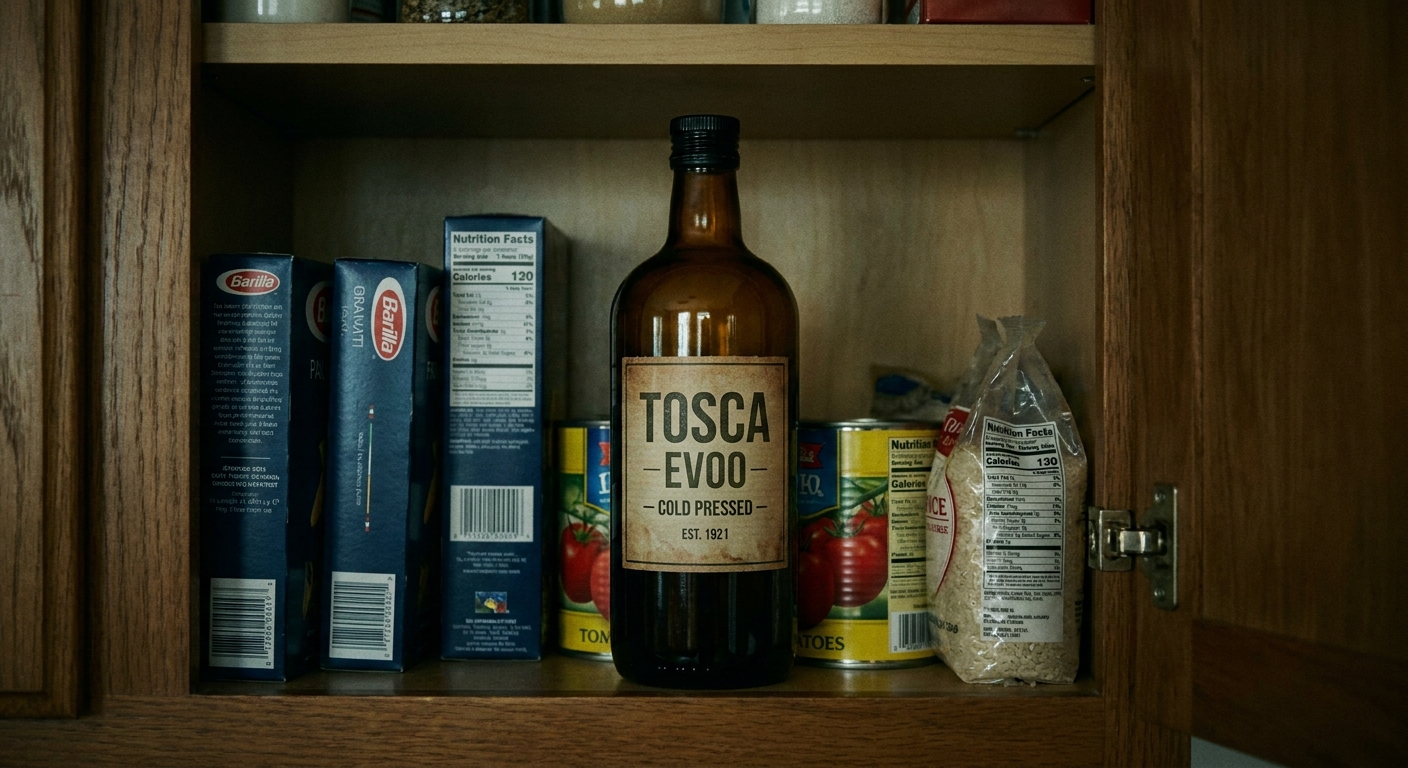
- Store it cool and dark: A cabinet away from the stove is ideal.
- Keep it sealed: Close the cap tightly after every use.
- Buy the right size: If you do not go through oil quickly, choose a smaller bottle and replace it more often.
- Choose protective packaging: Dark glass or tins help preserve quality.
- Love a countertop cruet? Refill it in small amounts and keep the main bottle sealed in a cabinet, so you get the convenience without sacrificing the whole supply.
Quick FAQ
Does olive oil go bad if it solidifies in the fridge?
No. Olive oil can cloud up or partially solidify when cold. That is about temperature, not spoilage. Let it come back to room temp and judge it by smell and taste.
Is cloudy olive oil a sign it is rancid?
Not necessarily. Unfiltered oils can be naturally cloudy. Rancidity shows up more reliably in aroma and flavor.
Why does my olive oil smell like crayons?
That crayon or waxy smell is a classic rancidity signal. It is usually oxidation from age, light, or heat exposure.
What is the best way to know if an old bottle is still usable?
Pour a teaspoon, smell it, then taste it. If it tastes flat, waxy, or like stale nuts or cardboard, retire it.
How should I get rid of old olive oil?
Avoid pouring large amounts down the drain. For small amounts, wipe it up with paper towels and throw them away, or seal the oil in a disposable container before trashing. For large quantities, check local disposal guidelines.
If olive oil tastes like something you would not want lingering in the back of your pantry, it probably has been doing exactly that.
Fresh olive oil does not have to be expensive, but it does have to be treated like the perishable, flavor-forward ingredient it is. When in doubt, trust your senses. Your next salad will thank you.