
Natural wine has the energy of a busy Saturday service: thrilling, a little chaotic, and occasionally the kind of unpredictable that makes you double-check what you just tasted. Conventional wine is more like a well-run dining room with a seasoned manager, consistent, polished, and built to deliver the same experience bottle after bottle.
Neither is inherently “better.” But they are different in how they’re made, how they show up in the glass, and how you should shop for them. Consider this your cheat sheet for tasting and buying with confidence, whether you are chasing that electric, cloudy pét-nat or you just want a clean, reliable Rioja that does not surprise you midweek.
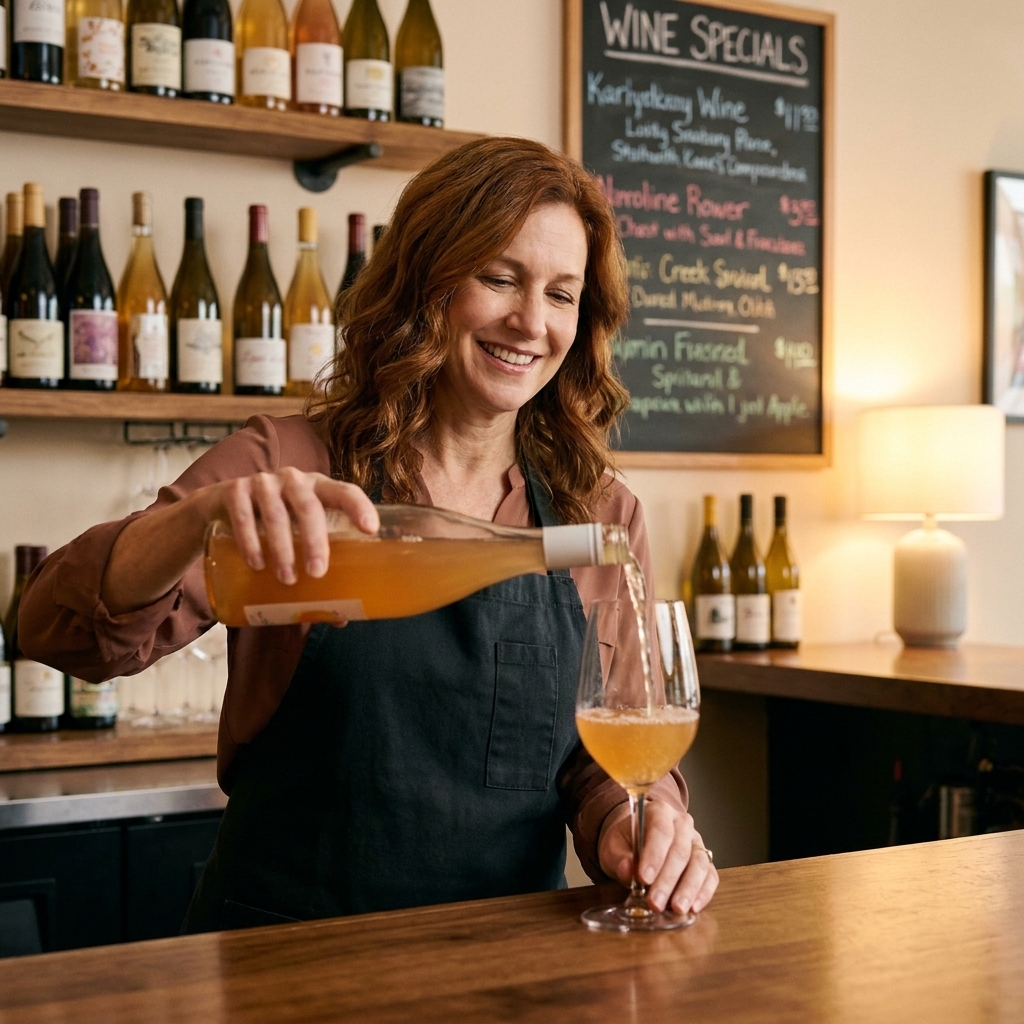
What “natural wine” means
Here is the messy truth: “natural wine” is not a single, universally enforced legal category in most places. There is no global definition, and that fuzziness is part of why people argue about it at parties and in comment sections. A few voluntary labels and producer associations exist in some countries, but standards still vary widely.
In practice, most natural wine producers aim for:
- Organic or biodynamic farming (or very close to it), meaning fewer synthetic chemicals in the vineyard.
- Native yeast fermentation, letting ambient yeasts do the work instead of inoculating with commercial strains.
- Minimal additions in the cellar, especially around acid adjustment, tannin powders, enzymes, or heavy oak manipulation.
- Little to no filtration or fining, which can leave wines hazy and textured.
- Low sulfur dioxide (SO2), or sometimes none added. Sulfites are a preservative and antioxidant used widely in winemaking, including in many natural bottles at small doses.
Two quick clarifiers that save a lot of confusion:
- Natural is not the same as organic. Organic is about farming rules. Natural is about a broader philosophy, usually including cellar choices too.
- Natural is not the same as biodynamic. Biodynamics is a specific farming framework. A biodynamic wine can be made in a very conventional, highly controlled way in the cellar, and a “natural” wine might not be certified biodynamic.
When someone says “low-intervention,” they usually mean the winemaker is intervening less chemically and technologically, but they are still making dozens of decisions. Nature does not bottle wine. People do.
What “conventional” means
Conventional wine is a broad umbrella that includes everything from big, consistent supermarket brands to meticulous, small-batch estates that simply do not identify with the natural movement.
What “conventional” often implies:
- More tools are on the table, including commercial yeasts, fining agents, filtration, and various legal additions that can stabilize or shape flavor.
- Consistency is a feature, not a flaw. Many producers want a Sauvignon Blanc that tastes like their Sauvignon Blanc every year.
- Fault prevention is prioritized, using SO2, temperature control, and filtration to reduce bottle variation and shelf instability.
- Wide stylistic range, from ultra-traditional to very modern, oak-forward, and highly polished.
Think of it like this: natural wine often leans into expressing process and place, imperfections included. Conventional wine more often leans into control and repeatability. Both can express terroir. Both can be soulful. Both can also be boring if the intent is boring.
How choices change taste
Yeast: the steering wheel
Commercial yeasts can reliably steer fermentations toward certain aroma families, like more overt tropical fruit in some whites or more floral lift in some reds, depending on strain and conditions. Native fermentations can be more complex and more variable. That variability is part of the natural wine mystique and part of the risk.
Sulfur: stability vs. sensitivity
Sulfur dioxide helps protect wine from oxidation and microbial spoilage. Low-sulfur wines can feel vivid and alive. They can also swing from “juicy and pure” to “tired and bruised” faster once opened, and they can be more sensitive to heat during shipping and storage.
Filtration and fining: clarity vs. feel
Unfiltered wines can have a fuller mouthfeel and can look cloudy, though plenty are lean and bright. Filtration and fining are not automatically texture killers either. Gentle technique matters. Filtered wines generally present clearer and can be easier to stabilize for transport and shelf life.
Oak and extraction: polish vs. transparency
Conventional wines more commonly use new oak, micro-oxygenation, and extraction techniques to build structure and a glossy profile. Natural wines, broadly speaking, tend to avoid heavy makeup, though there are plenty of low-intervention producers making serious, structured reds too.
And for balance: “conventional” can also look like restraint. Think neutral oak, long aging on lees, careful blending, and minimal flashiness, just a winemaker using tools quietly to keep the wine steady and true.
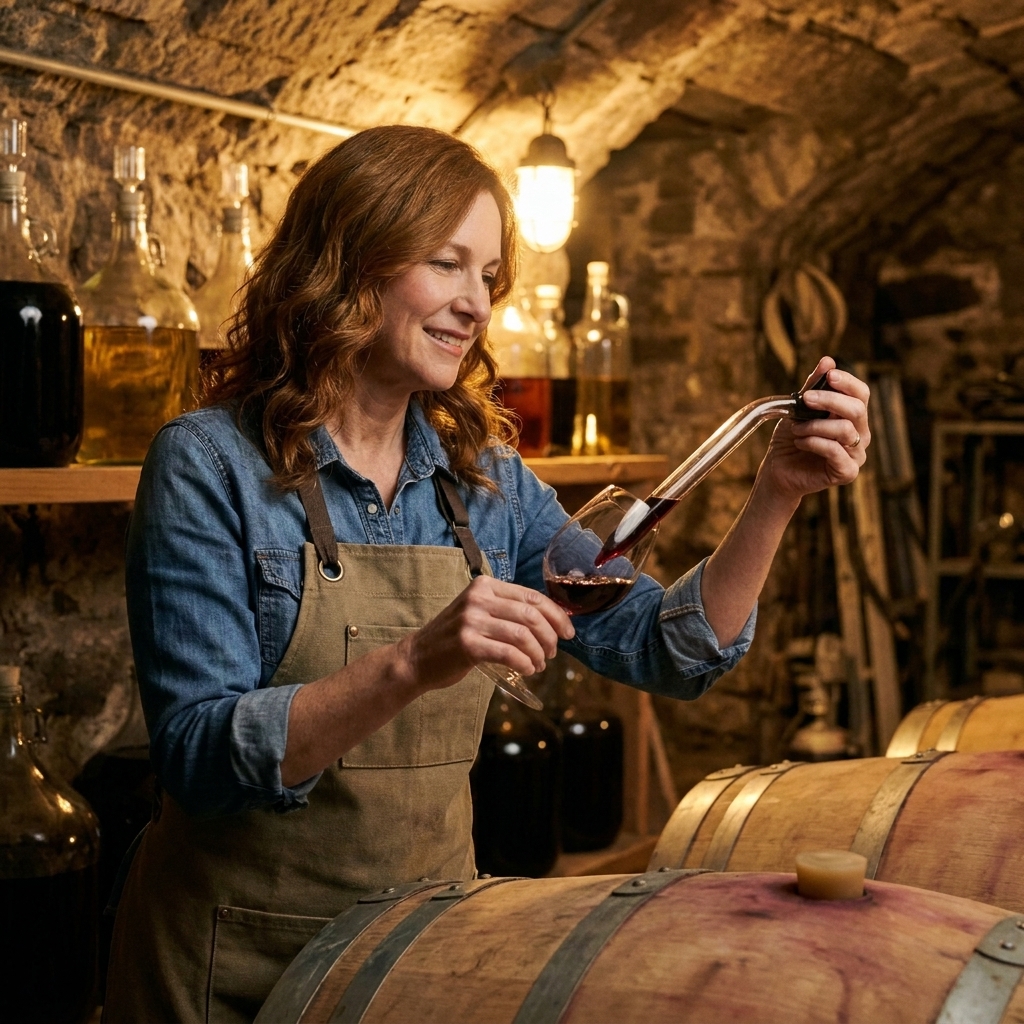
Tasting guide
Natural wine: common profiles
- Bright acidity and crunch: lots of citrus, sour cherry, cranberry, tart stone fruit.
- Textural whites and orange wines: grippy tannin from skin contact, tea-like notes, dried apricot, herbs.
- Fresh, low-oak reds: more lift than heft, often served slightly chilled.
- Funk is possible: a little barnyard, kombucha tang, or “cider-ish” notes can show up, especially in low-sulfur bottles.
Important nuance: “funk” is not a required ingredient. Some natural wines are squeaky clean. And some “funk” is not charming. It is a flaw.
Conventional wine: common profiles
- Clarity and consistency: aromas and flavors tend to be straightforward and repeatable.
- Riper fruit and more oak influence in many popular styles: vanilla, toast, mocha, baking spice.
- Finer, more persistent bubbles in many traditional-method sparkling wines, though glassware, pouring, and aging can change what you perceive.
- Less bottle-to-bottle variation: what you loved last month is likely what you get today.
Faults vs. vibes
This is the part I wish more people said out loud at the bar: you do not have to pretend you like a wine because it is natural. You are not failing the assignment.
Here are a few common issues that get mislabeled as “funky”:
- Oxidation: bruised apple, Sherry-like notes in a wine not intended to be oxidative, dull color, flattened fruit.
- Volatile acidity (VA): nail polish remover or sharp vinegar. A tiny bit can read as lift. Too much is a problem.
- Mousiness: a weird mouse-cage or stale cracker finish that shows up after you swallow. This is widely considered a fault by professionals, not a preference thing.
- Refermentation in bottle: unexpected spritz and pressure in a still wine, sometimes accompanied by cloudiness and off aromas.
If a shop or bar shrugs and tells you a clearly flawed bottle is “just natural,” that is a red flag. The best natural wine professionals will be honest about what is in the glass and steer you toward producers with strong cellar practices.
Buying natural wine
Start with a conversation
Natural wine is not the category to shop in silence if you are new to it. Tell the staff what you usually like. Give them guardrails.
Try: “I drink crisp whites like Grüner or Sancerre. I want something natural that is clean and citrusy, not funky.”
Look for handling and turnover
- Refrigerated storage for whites and many lighter reds is a good sign.
- Clear turnover: a curated fridge that looks actively shopped beats dusty bottles in a sunny window.
- Importer reputation: many natural wines come through specialized importers who focus on quality and proper handling.
Know your gateway styles
- Chillable reds (Gamay, Cabernet Franc, Pineau d’Aunis): bright, food-friendly, not oak-bombed.
- Fresh whites (Melon de Bourgogne, Vermentino, Chenin Blanc): plenty of clean, zippy options.
- Pét-nat: fun, but choose reputable producers because bottle variation is real.
Be strategic with price
The cheapest natural wines can be a gamble because low-intervention winemaking still requires labor, farming investment, and thoughtful logistics. You can absolutely find great bottles at approachable prices, but if a bottle is priced like mass-market wine and marketed like a philosophy, proceed with curiosity and caution.
A quick heat warning
Natural wines, and plenty of conventional whites too, are heat-sensitive. Avoid hot cars and doorstep delivery in peak summer. If a bottle feels warm to the touch, it is already having a bad day.

Buying conventional wine
Conventional does not mean soulless. Some of the most moving bottles I have ever poured were made with plenty of “conventional” techniques, but by people with obsessive standards.
- Shop by producer and importer as much as region. Consistency is often a house signature.
- Know your oak tolerance. If you hate vanilla and toast, ask for “little to no new oak.”
- Use classic regions as anchors: Rioja, Loire, Mosel, Piedmont, Champagne. Even at entry levels, these regions tend to have clear stylistic expectations.
- Do not ignore sustainable certifications. Plenty of conventional producers farm responsibly and intervene in the cellar for stability rather than style manipulation.
Taste at home
If you want to actually understand the difference, do one controlled experiment. Buy two bottles that are as similar as possible in grape and region, but different in approach.
Easy pairings to try
- Loire Valley Chenin Blanc: one low-intervention, one classic producer.
- Beaujolais (Gamay): one carbonic, glou-glou natural bottling and one more traditional cru Beaujolais.
- Italian sparkling: a pét-nat vs. a traditional-method sparkling from a nearby area.
What to note
- Aromas: is one more herbal, more savory, more “wild”?
- Texture: does one feel grippier, cloudier, or more plush?
- Finish: do you get clean fruit, or do you get a sharp solvent note, stale crackers, or bruised apple?
- Next day test: re-taste after 24 hours in the fridge. Many conventional wines hold steady. Some natural wines blossom, others fade quickly.
Food pairing
Natural wine loves
- Vegetable-driven cooking: charred broccoli, grilled leeks, salsa verde, anything herbal.
- Salty, briny bites: anchovies, olives, tinned fish, oysters.
- Spice and crunch: bright reds and textured whites can handle heat and fermented flavors surprisingly well.
Conventional wine loves
- Rich proteins: steak, lamb, braised dishes where structure and tannin matter.
- Butter and cream: Chardonnay with oak can be a bridge, not a bully, when the dish is lush.
- Classic pairings: Barolo and truffles, Rioja and roast chicken, Riesling and spicy food.
One allergy-friendly note from someone who learned the hard way: wine is generally considered gluten-free. Rarely, certain processing aids or cross-contact in cocktail settings can matter. If you have celiac disease or are highly sensitive, ask questions in bars that use wine in batched drinks or wine cocktails.
Ordering scripts
- If you want natural but clean: “I’m into natural wine, but I prefer low funk and no heavy VA. What’s your cleanest bottle right now?”
- If you hate surprises: “I’m open-minded, but I’d like something classic and consistent. What’s your most reliable by-the-glass red?”
- If you are curious about orange wine: “Can you point me to an orange that’s more citrus and tea, less bruised apple?”
- If you are watching alcohol: “Do you have a lighter, lower-ABV option with good acidity?”
FAQ
Is natural wine healthier?
Natural wine is often lower in additives and may be made from organically farmed grapes, but “healthier” depends on what you mean. Alcohol is still alcohol. If you are choosing for wellness reasons, focus on moderation, hydration, and how you feel, not marketing halos.
Do sulfites cause headaches?
Some people are sensitive to sulfites, but most wine headaches are more strongly linked to alcohol, dehydration, histamines, sleep, and how much you drank. Also, sulfites exist naturally in wine, even when none are added.
Why is natural wine sometimes cloudy?
Because it may be unfiltered or unfined, leaving harmless suspended particles. Cloudy does not automatically mean flawed, but it can correlate with less stability, so storage and handling matter.
Why does one natural bottle taste different from the next?
Lower intervention, native yeast, and low sulfur can increase bottle variation. Transport heat and time on shelves can exaggerate that, too. Buy from shops that store properly and move inventory.
Can conventional wine be high quality and ethical?
Absolutely. Many conventional producers farm sustainably, pay fairly, and make wines with integrity. “Conventional” is a toolbox, not a moral failing.
The bottom line
If conventional wine is comfort, natural wine is conversation. One gives you stability. The other gives you possibility. The best bottles, on either side, come from people who are paying attention and caring deeply.
Shop like a regular: ask for what you like, name what you do not, and choose stores that treat wine like food, not like a souvenir. Your palate deserves that kind of respect, and so do the people doing the work in vineyards and cellars to get something honest into your glass.