In restaurants, we used to treat allergies like a special request. Then we learned the hard way that for some guests, it is not preference. It is risk management. Schools are having their own version of that wake-up call, and it is reshaping everything from lunchroom signage to what shows up in the classroom snack bin.
“Nut-free classroom” used to be the headline policy. Now, more districts are moving toward a layered approach: clearer ingredient rules, specific cleaning practices, training for staff, and individualized health plans for the kids most at risk. For parents, that shift can feel like whiplash. Is the school banning peanuts or not? Who decides? And what happens when your child’s safety depends on 25 other families reading labels correctly?
Here is what is changing, why it is changing, and how to work with your school so your child can eat, learn, and breathe a little easier.
Why schools are rethinking bans
The blunt truth is that blanket bans can be both comforting and incomplete. They are easy to announce, but harder to enforce consistently, especially across buses, after-school programs, birthday treats, field trips, and shared classroom supplies.
In many communities, policies are shifting from broad “we do not allow nuts” statements to allergen-aware systems that aim to reduce exposure in multiple ways, including:
- Individual health plans for students with diagnosed allergies (often coordinated with the school nurse).
- Training for teachers and staff on recognizing reactions and using epinephrine.
- Defined food procedures for celebrations, snacks, and fundraisers.
- Cleaning protocols that focus on the moments that matter: sticky hands, shared tables, and high-touch surfaces.
- Communication rules that clarify what parents can send and how ingredients must be documented.
This is not schools “giving up” on safety. It is many schools realizing that safety is a chain, not a single rule. (If you want to see what the “systems” approach looks like in plain language, the CDC’s voluntary school health guidance and the National Association of School Nurses’ food allergy resources are good reference points.)
What “nut-free” means now
One of the biggest stressors for parents is that the same phrase can mean wildly different things depending on the building.
Common policy models
- Nut-free classroom: No peanuts or tree nuts in that classroom, often including snacks, birthday treats, and teacher rewards.
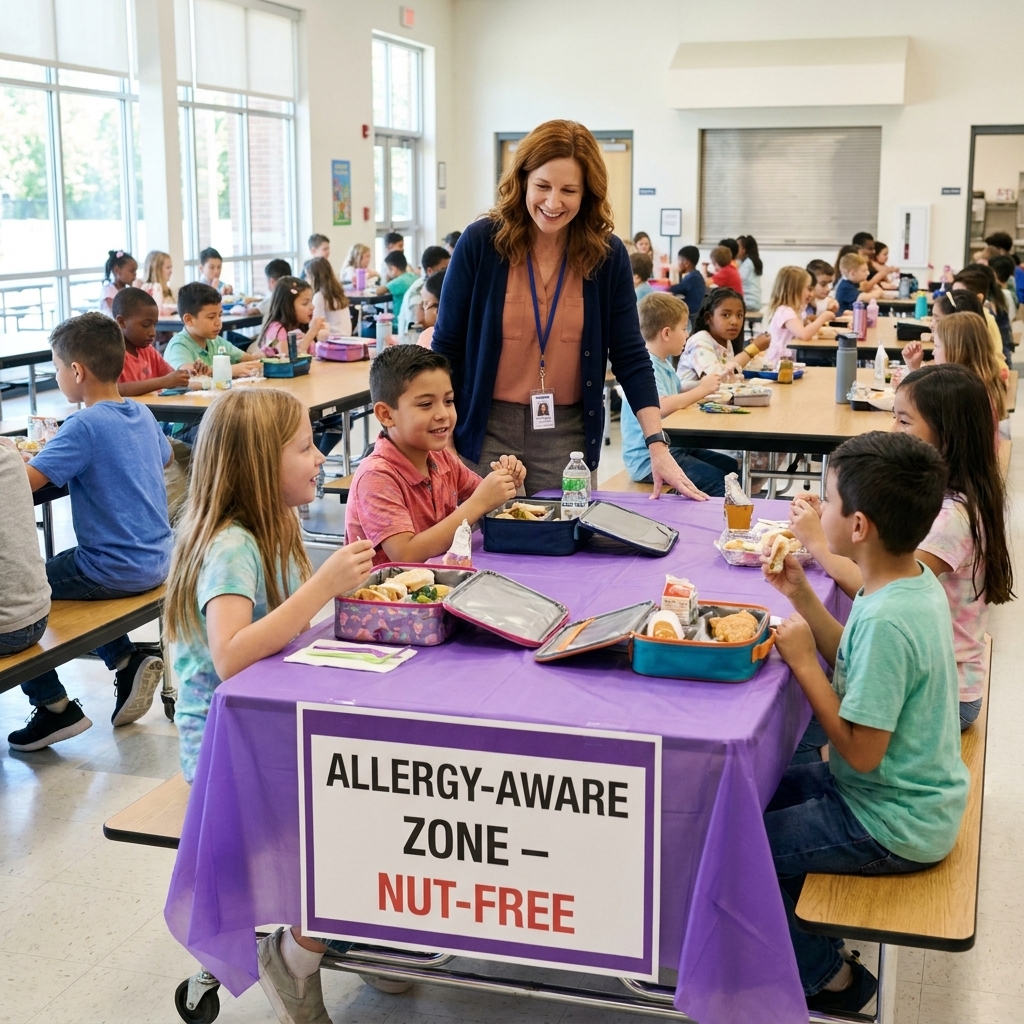
- Peanut-free table or zone: A designated area in the cafeteria to reduce direct exposure. This can help, but only if cleaning and supervision are consistent.
- Allergen-aware campus: Peanuts and tree nuts may be allowed in the building, but food sharing is prohibited and staff are trained, with plans for the students most at risk.
- No outside food for celebrations: School-provided treats only, or pre-approved items with labels intact.
- Non-food product limits: Some schools also restrict nut-containing lotions, birdseed projects, or craft materials that use nut oils.
Ask for the policy in writing, and look for the specifics: Is it peanuts only, or also tree nuts? Does it apply to after-school programs? To field trips? To the school bus? The details are where safety lives.
Lunches that follow the rules
When you are packing under strict guidelines, it can start to feel like your kitchen is a compliance office. A few strategies can keep it doable.
Build a safe rotation
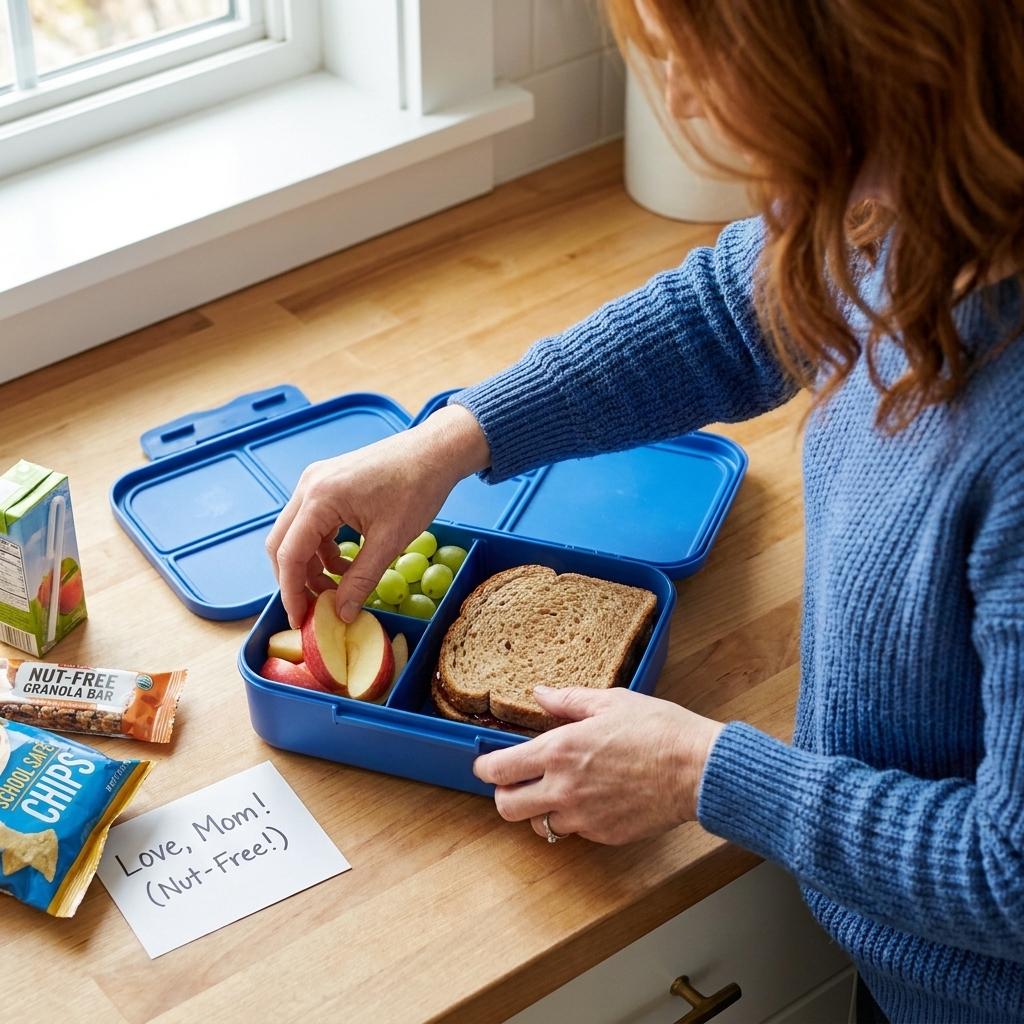
Pick 6 to 10 lunches your child reliably eats that meet your school’s restrictions, then rotate. Kids like predictability. Parents need it.
Use naturally nut-free staples
- Sunflower seed butter and pumpkin seed spreads (confirm school rules, some restrict seeds too).
- Hummus with crackers or veggies.
- Cheese and deli meat roll-ups with fruit.
- Yogurt with granola that is verified nut-free and produced under controls that match your school’s policy.
- Bean and rice bowls or pasta salads for older kids.
Label-reading, simplified
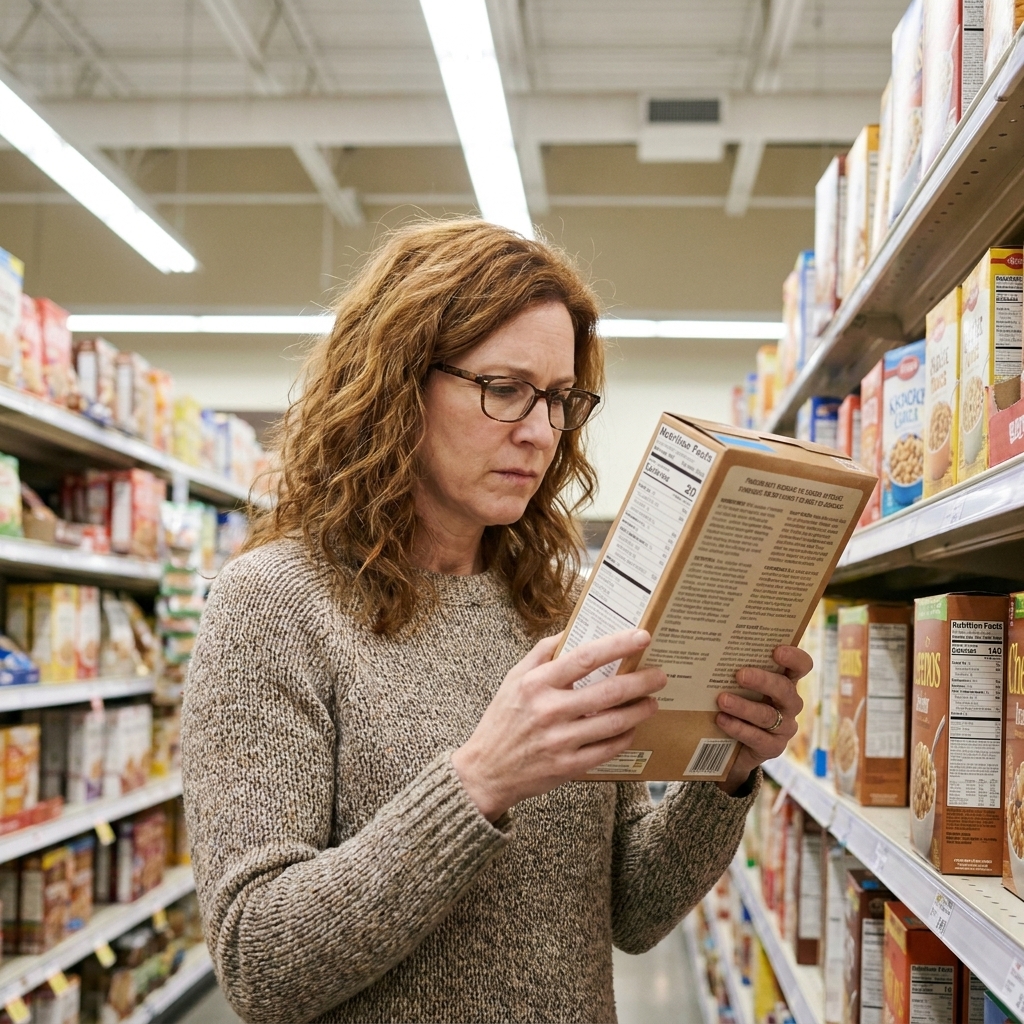
There is the ingredient list, and then there is the “may contain” world. Schools vary on whether advisory statements like “may contain peanuts” are allowed.
If your school is strict, look for brands that use dedicated nut-free facilities or clearly explain their allergen controls and cross-contact prevention, and disclose them in a way your school will accept. (No label can eliminate risk entirely, but clear controls beat guesswork.)
Two practical habits that help:
- Keep packaging when you can. If you decant snacks, save the wrapper or take a photo of the ingredient panel in case a question comes up.
- Choose fewer-ingredient foods. The longer the label, the more chances for a surprise.
Advocating without the drama
In hospitality, the best allergy experiences happen when the guest and the staff are on the same team. Schools are no different. Advocacy lands best when it is specific, documented, and collaborative.
Start with the paper trail
- Provide the school with a current allergy action plan from your child’s clinician.
- Confirm where epinephrine is stored and who is trained to administer it.
- Ask how substitutes, lunch monitors, and after-school staff are informed.
Know the accommodation lane
If you are in the US, ask whether your child’s needs are handled through an Individualized Healthcare Plan and, when appropriate, a Section 504 plan (often used for disability accommodations in school settings). Different districts use different processes, but the goal is the same: written supports that do not rely on memory, goodwill, or a single staff member.
Ask these questions early
- What foods are restricted, and where? Classroom, cafeteria, entire building, field trips?
- How are desks and tables cleaned after eating? What products are used?
- Are handwashing routines built into snack and lunch time?
- What is the rule on food sharing?
- How are celebrations handled, and what is the process for approving treats?
Offer solutions
If you are asking for a classroom to be peanut-free, bring a short list of acceptable alternatives for common items like treats or snack packs. If the school is moving away from bans, ask for upgraded cleaning and communication practices instead of debating philosophy.
A helpful framing is: “I want a plan that works on your busiest day, not your best day.”
What is improving, where gaps stay
Across the country, awareness is higher than it was a decade ago. Many schools now treat epinephrine as essential, not optional, and more districts are building regular staff training into the year. Some are also getting smarter about inclusive food culture, like shifting to non-food rewards or school-provided celebration days.
But real-life gaps persist, especially in buildings that are understaffed or rely heavily on rotating aides and substitutes. Watch for these common weak spots:
- Inconsistent enforcement in after-school programs, clubs, and sports.
- Unlabeled treats brought for birthdays or class parties.
- Shared surfaces that are wiped quickly, but not effectively.
- Lunchroom chaos where cross-contact happens through hands, not just food.
If you have the bandwidth, volunteer for a non-food celebration alternative or help the teacher set up a simple “approved snack” list. It is not your job to run the classroom, but small systems often beat big promises.
For severe allergies: layers
If your child has a history of anaphylaxis, you are not overreacting by wanting redundancy. Think like a good bar program: do not rely on one bottle, one bartender, one backup. Build layers and backups so the plan holds when someone is absent and the room is loud.
- Confirm two accessible epinephrine options when appropriate: on-body carry (if age-appropriate and permitted) plus a backup with the nurse or main office.
- Practice scripts with your child: “I cannot share food,” “I need to wash my hands,” “I feel funny, I need an adult now.”
- Plan for field trips: Who carries meds? Where is the nearest hospital? What is the food plan?
- Clarify seating and cleaning in the cafeteria. A “safe table” should not become social isolation. Ask how schools support inclusion.
One more nuance parents ask about: many severe reactions in schools are tied to ingestion and hand-to-mouth contact after cross-contact. Airborne exposure concerns vary by allergen and situation. If your child has reacted to airborne exposure or strong food odors before, ask your allergist for guidance specific to your child, then bring that guidance to the school in writing.

Keep it shame-free
One of the quiet cultural shifts in allergy policy is moving away from blame. Kids notice when a class rule is treated like a punishment, and they also notice when safety is framed as community care.
If your child is the one with the allergy, they should not be made to feel like the reason no one gets a certain snack. If your child is not the one with the allergy, they still deserve honest context. Something simple works: “Some bodies react really strongly to certain foods, so at school we help keep everyone safe.”
Food is emotional. So is school. The goal is not perfection. It is a routine that reduces risk and keeps kids from feeling singled out.
Quick FAQ
Are peanut-free and nut-free the same?
Not usually. “Peanut-free” typically refers to peanuts only (a legume). “Nut-free” is often used to mean peanuts plus tree nuts like almonds, cashews, walnuts, pecans, pistachios, and hazelnuts, but schools use the term inconsistently. Confirm what your school means in writing.
Do schools have to ban nuts?
Policies vary by district. Many schools focus on accommodations, training, and individualized plans rather than blanket bans. If you are advocating for restrictions, tie requests to specific risk points like classroom snacks, shared tables, or food-based projects. (In the US, asking about a 504 plan can help move the conversation from debate to documented supports.)
What if another parent keeps sending restricted foods?
Bring it to the teacher or administration, not the other parent in a group chat. Assume confusion first. Schools can resend reminders and clarify what is allowed without creating a public call-out situation.
What safety habit matters most?
Handwashing with soap and water before and after eating. A common misconception: hand sanitizer does not reliably remove allergen proteins. Physical removal matters. When soap-and-water is not immediately available, some commercial wipes can help remove residue, but the best default is a real handwash plus “no food sharing.”
The bottom line
School allergy policies are moving from slogans to systems. “Nut-free” is still part of the conversation, but it is no longer the only tool. The most reassuring schools are the ones that communicate clearly, train consistently, and build routines that hold up when the day gets loud.
If you are navigating this for the first time, start with the written policy, make a lunch plan you can repeat, and treat the school as a partner. Safety is a shared service, and kids deserve to feel that care in the way it is delivered.