I did not become “the allergy person” on purpose. It happened the way a lot of big life shifts happen in restaurants: suddenly, inconveniently, and with a side of humility. After years of directing beverage programs and trusting kitchens like they were an extension of my own hands, I was diagnosed with celiac disease. Overnight, dining out started to feel less like a treat and more like a negotiation.
If you are living with serious food restrictions, whether that is a true allergy with anaphylaxis risk, celiac disease, or another medically significant condition, you already know the emotional math: you want to celebrate your friend’s birthday, you want the dumplings, you want to be easygoing, and you also want to leave the restaurant breathing normally. This guide is about doing both as often as possible. It is not about fear. It is about systems, clear communication, and knowing what “safe” actually looks like behind the swinging door.
Start with the right restaurant
Not every restaurant is equipped for high-stakes dietary needs, and that is not a moral failing. It is a capacity issue. A tight kitchen, a short staff, a shared fryer, or a menu built around nuts, dairy, or shellfish can turn “we can try” into a risky gamble.
Green flags
- A clear allergen statement on the menu (even if it says they cannot accommodate certain needs).
- Scratch cooking where ingredients are known and controllable, versus heavy reliance on premade sauces and mixes.
- A smaller, focused menu. Counterintuitive, but fewer moving parts often means fewer hidden ingredients.
- Staff that treats your call or email like normal business, not like an interruption.
Red flags
- “We are totally allergy-friendly” with no specifics. Real safety sounds boring and procedural.
- No one can answer basic ingredient questions (what oil is used, whether there is a shared fryer, what is in the sauce).
- High cross-contact environments such as bakeries, pizza shops with flour in the air, or places where peanuts are everywhere. Some risks are harder to contain than others.
Do your homework
Menus are marketing documents. They are also often outdated, especially online. Use them to narrow options, then confirm details directly with the restaurant.
What to check
- Allergen notes and modifiers: Are there “can be made without” options, and do they specify how?
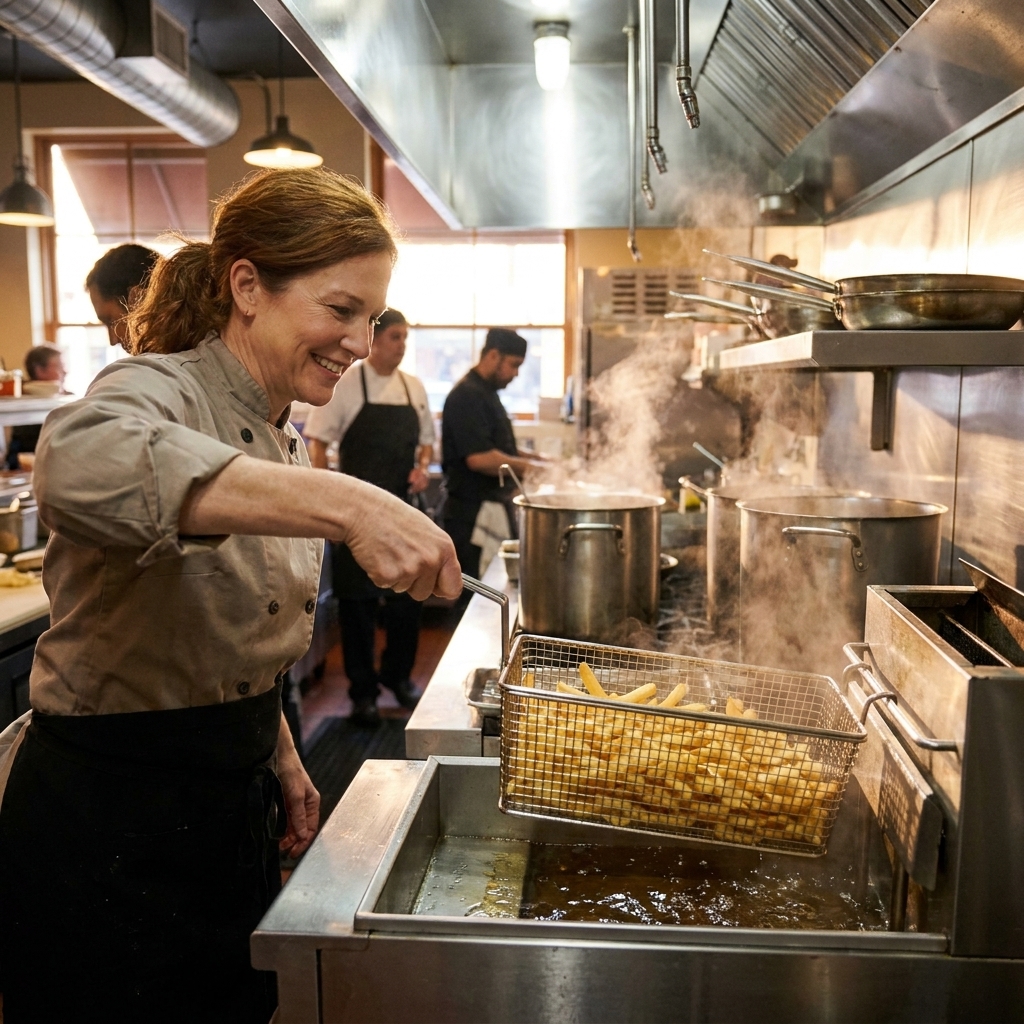
- Fryer situation: If fries share oil with breaded items, that is a common cross-contact trap.
- Sauces and dressings: These are where soy, wheat, dairy, sesame, and nuts like to hide.
- Dessert program: If your risk includes airborne exposure (more common with some allergies than with celiac), dessert stations can matter even if you are not ordering sweets.
Pro move: Pick 1 to 2 dishes that look promising and ask about those specifically. “Can I safely have the salmon?” is easier to answer than “So, what can I eat?”
Call at the right time
Timing matters. Calling during peak dinner rush is like asking a bartender to explain the wine list during a six-top’s Negroni order. You might get an answer, but it will not be the best one.
When to contact them
- Mid-afternoon between lunch and dinner service.
- Right when they open for dinner, before the tickets start flying.
Who you want
- A manager (often best for policy questions like shared fryers and training).
- The chef or sous chef (best for ingredient-level questions and modifications).
If the host sounds unsure, you can say: “Could I speak with a manager or the kitchen about a serious allergy or celiac safety? I want to make sure I am asking the right questions.”
Say it clearly
The goal is to give staff usable information, not a dramatic monologue. In restaurants, ambiguity is the enemy.
A script you can steal
“Hi, I have a medically serious issue with [ALLERGEN] or I have celiac disease. Even small amounts and cross-contact can make me sick. Can you tell me if your kitchen can accommodate that safely? I am happy to order something simple.”
Use the right words
If you are dealing with an allergy, name the food: peanuts, cashews, sesame, shellfish, dairy. If you are dealing with gluten, be specific about what your body reacts to and what you need avoided: wheat, barley, rye, and cross-contact with those grains. “I’m allergic to gluten” is common shorthand, but it can confuse the conversation because gluten itself is not the allergen in a kitchen’s ingredient universe.
Cross-contact vs cross-contamination
Cross-contact is when an allergen gets into your food unintentionally, like a shared cutting board, a knife wiped on a towel, a fryer used for breaded items, or a spoon dipped into multiple sauces. (You will also hear “cross-contamination,” which kitchens often use interchangeably. Technically, cross-contact is the allergy term.)
Questions that protect you
Some questions are polite but useless. Others give you real data. Here are the ones I lean on because they map directly to kitchen reality.
Ask these
- “Is there a shared fryer?” If yes, ask what goes in it.
- “Can you confirm the ingredients in the sauce or marinade?” Sauces are one of the most common sources of surprises.
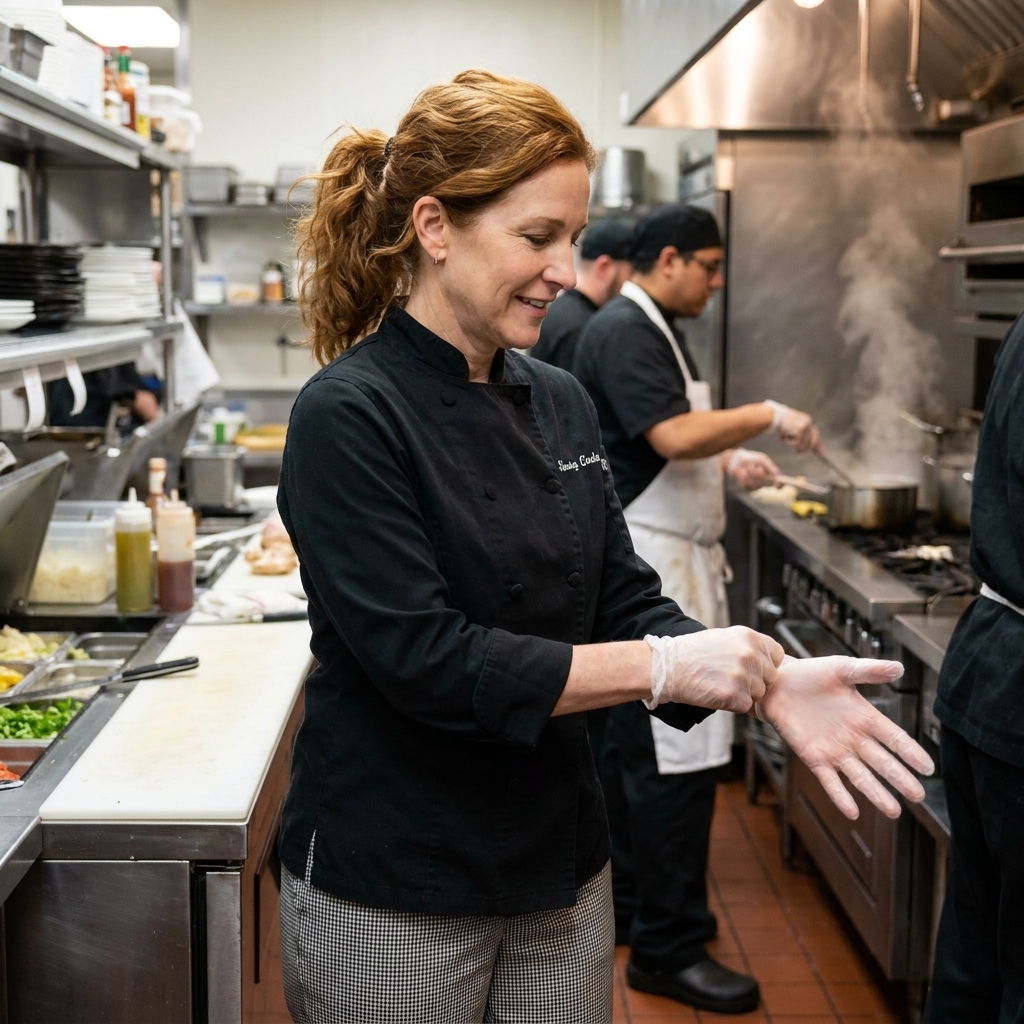
- “How will you prevent cross-contact for this dish?” Listen for specifics: clean pan, fresh utensils, new gloves, separate area.
- “Do you have an allergen protocol?” Many restaurants do, and you want to know it exists.
- “Can the kitchen mark my ticket as a severe allergy or celiac?” This prompts a different workflow in many POS systems.
Be careful with these
- “Is it gluten-free?” Better: “Does it contain wheat, barley, or rye, or have shared fryer or shared surface contact?”
- “Is it dairy-free?” Better: “Any butter, cream, cheese, whey, casein, or ghee?”
- “Is it nut-free?” Better: specify which nuts, and ask about oils, garnishes, and shared prep areas.
Order without apologizing
I have watched hundreds of allergy conversations land well, and I have watched them go sideways. The difference is usually tone and timing, not how “nice” the guest is. You can be warm and still be firm.
When you sit down
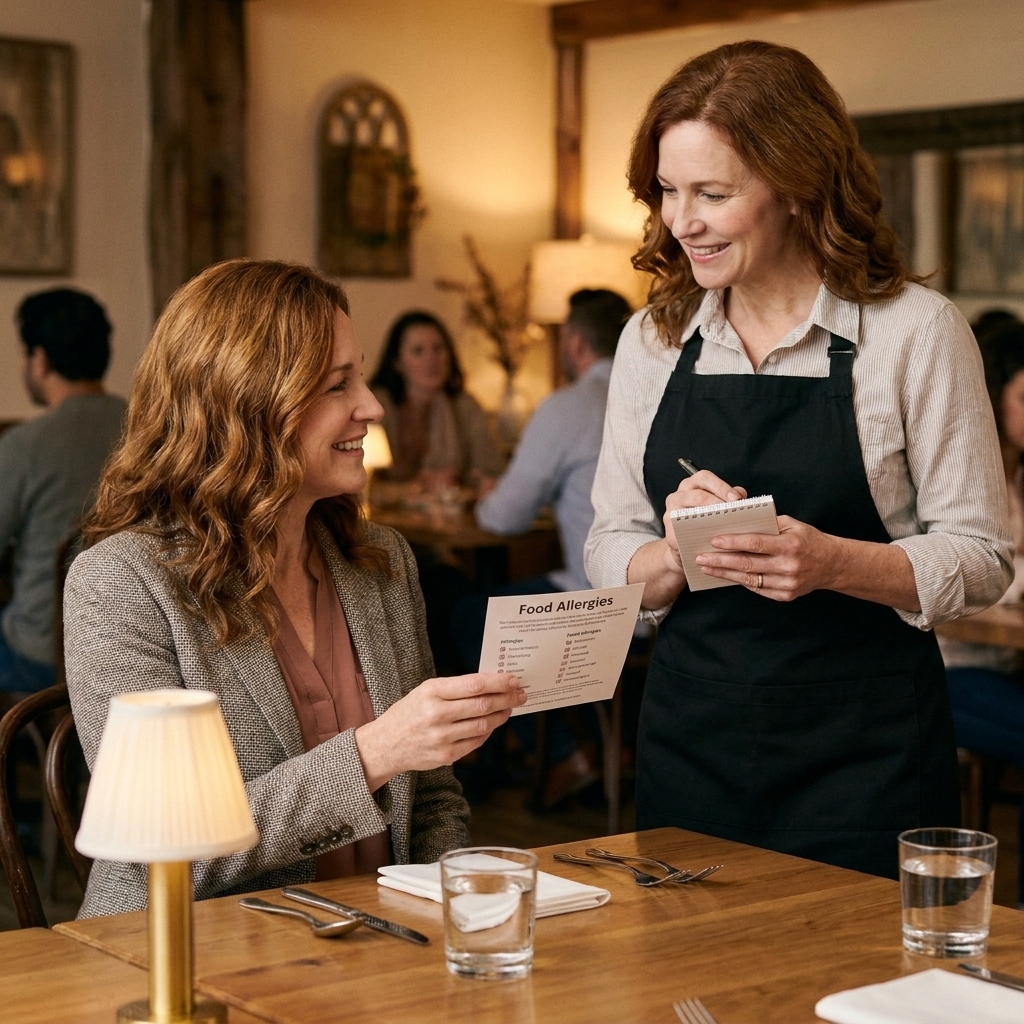
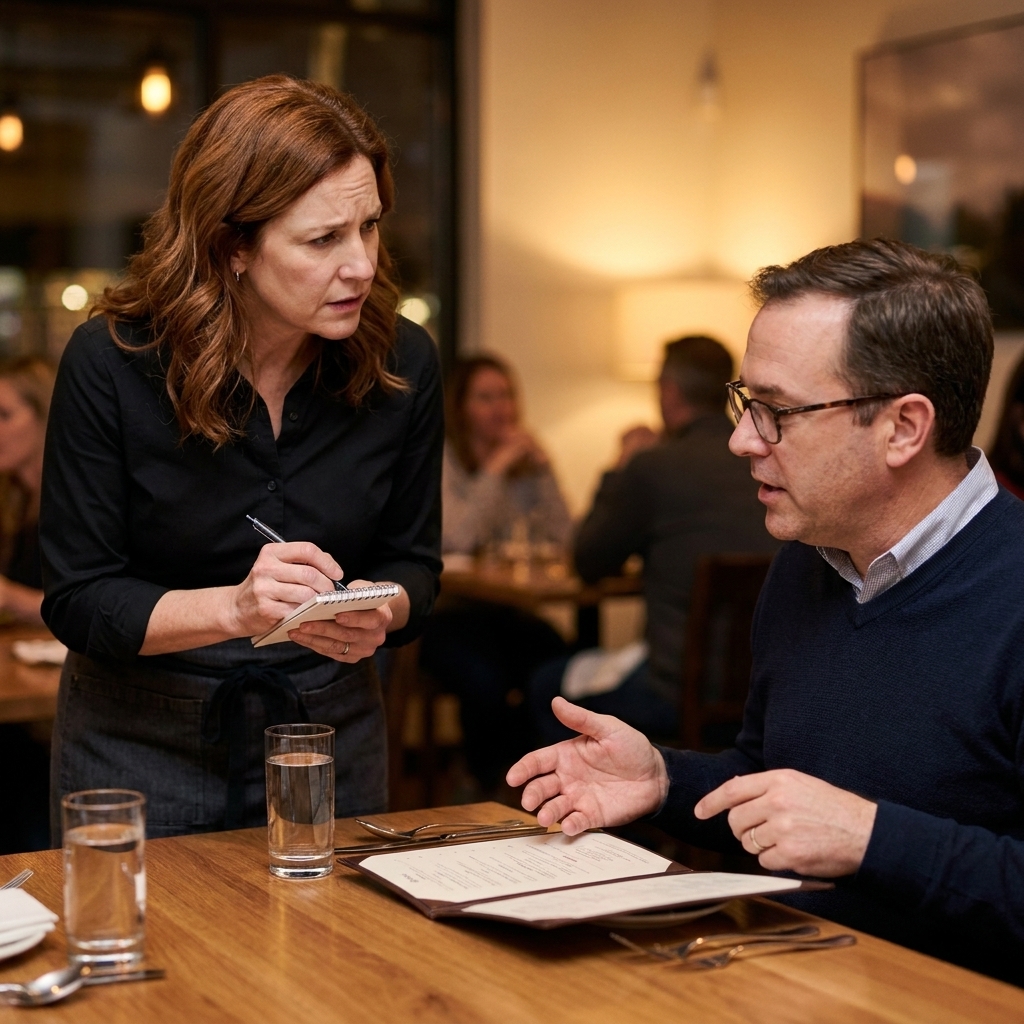
- Tell your server early, before you order drinks or apps. “Quick heads-up: I have a serious [allergen] allergy” or “I have celiac disease.”
- Ask them to repeat it back. It is not condescending. It is confirmation.
- Order simply if the kitchen is busy. “Grilled fish, plain veg, no sauce” is not a sad meal if it lets you exhale.
What to avoid
- Do not rely on “just take it off.” Removing croutons does not remove crouton dust.
- Do not play the “a little is okay” game if it is not. That phrase changes how carefully a kitchen behaves.
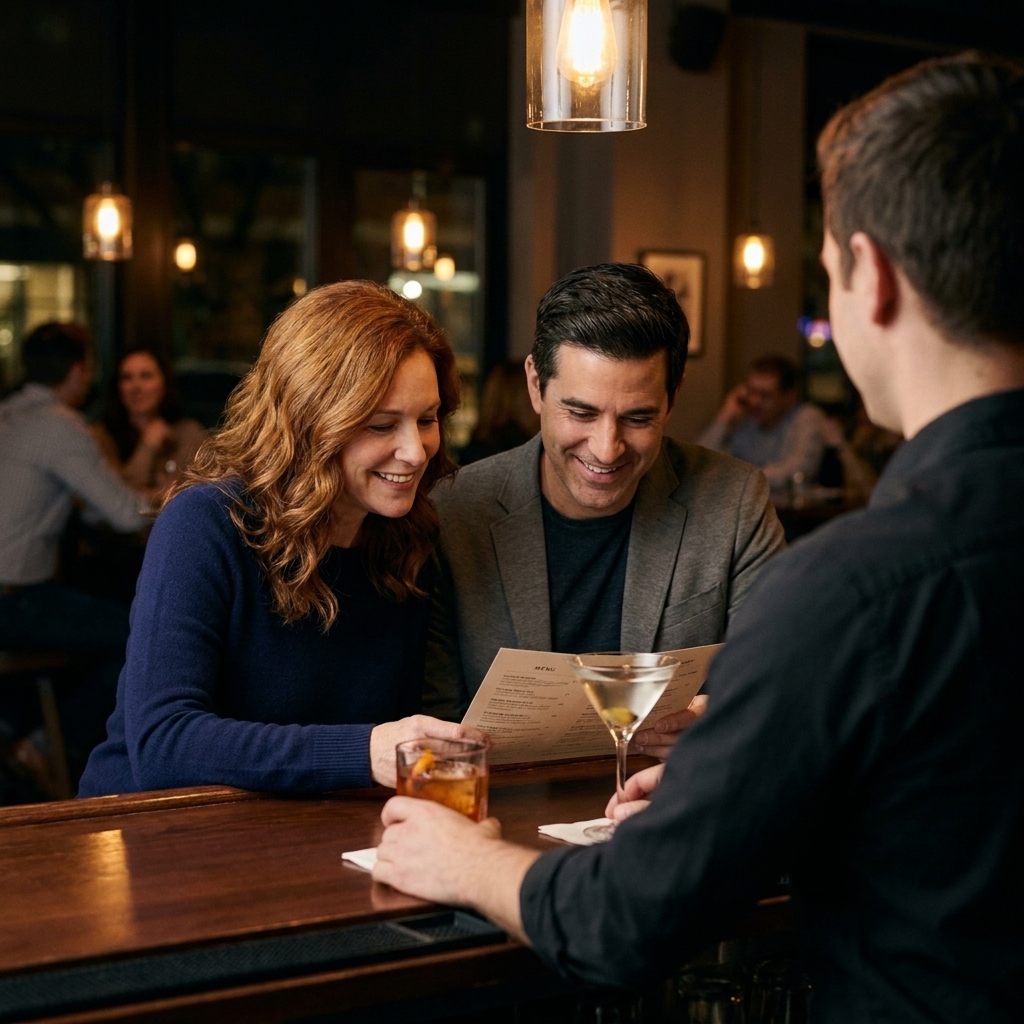
- Do not assume the bartender knows the kitchen. They can help, but the kitchen owns the ingredients.
Cross-contact hot spots
If you only remember one thing, make it this: a lot of restaurant reactions are not because someone intentionally put the problem ingredient in your dish. They happen because that ingredient was already everywhere.
Common problem areas
- Shared fryers: breaded chicken, onion rings, falafel, tempura.
- Grills and flat-tops: butter basting, buns warming, sesame seeds, shrimp.
- Pizza and bakeries: flour in the air can be a real issue for some people. This is especially true for wheat allergy, baker’s asthma, or highly sensitive individuals. With celiac, the biggest concern is typically ingestion and cross-contact, but if you are unsure what applies to you, ask your clinician.
- Garnish stations: nuts, seeds, crispy toppings, herb mixes.
- “House sauces”: miso, soy sauce, Worcestershire, fish sauce, tahini, nut-based romescos.
- Brunch: hollandaise, pancake batter, shared waffle irons, and a lot of hidden dairy.
When to walk away
Leaving is not rude. Leaving is data. It means the information you received did not add up to safety, and you are choosing the option that lets you go home intact.
Walk-away signals
- The staff minimizes your allergy (“a little won’t hurt,” “everyone says that”).
- They cannot answer basic questions and no one will check.
- They seem annoyed that you asked at all. Annoyed people cut corners.
- Your dish arrives and looks wrong (sauce you did not order, garnish you flagged, bread touching your plate).
Use a clean exit line: “I’m so sorry, I don’t think this is the right fit for my safety needs. I’m going to play it safe and head out.” Tip for the time if you ordered drinks or they did work to help you. Kindness and boundaries can coexist.
What to note for next time: who you spoke to, what they said about shared equipment, and what felt off (uncertainty, inconsistency, or “we can’t really promise”). That is your personal safety file.
Carry a tiny kit
The restaurant is one layer. Your own preparedness is another. If you have a diagnosed allergy or celiac disease, follow your clinician’s guidance. The basics below are common-sense, not medical advice.
What I like to have on me
- Epinephrine auto-injector if prescribed, and know how to use it.
- Antihistamine if recommended by your care team.
- Medical ID (bracelet, wallet card, or a clear note on your lock screen) if you are at anaphylaxis risk.
- A backup snack so you do not feel pressured to “make it work.”
- A note on your phone listing your allergens and what cross-contact means for you, especially when traveling.
- Translation help when traveling, like an allergy card in the local language.
If symptoms start
Tell someone immediately, alert staff, and use your emergency plan. If you carry epinephrine and you suspect anaphylaxis, follow your prescribed instructions and seek emergency care. Restaurants can call 911. Your friends can help. Do not try to power through to avoid a scene. Your life is not a trend.
If you feel “off” after eating, take it seriously. Some reactions are delayed. If symptoms begin, do not drive yourself.
Keep the joy
Here is the part I wish more people said out loud: hypervigilance is exhausting. Sometimes the hardest part is not the menu. It is feeling like you are negotiating for basic safety in a space that is supposed to be about pleasure.
A few ways to keep the joy intact:
- Pick your “yes” restaurants and return often. Familiarity creates safer rhythm for you and the staff.
- Go early when the kitchen is calm and can be more precise.
- Own your regular order. There is power in having a go-to dish you trust.
- Celebrate the staff who do it well. A sincere thank-you, a good tip, and a note to management go a long way.
Quick FAQ
Should I mention my allergy when I make a reservation?
Yes. Put it in the reservation notes and then repeat it when you arrive. Notes can get lost in the shuffle, especially across platforms.
Is it safer to dine at a chain restaurant?
Sometimes. Chains often have standardized allergen binders and training, which helps. But cross-contact still happens, and not every location executes the same way. Ask the same questions you would anywhere.
Can I trust “allergen menus” online?
Use them as a starting point, not a guarantee. Recipes change, suppliers change, and kitchens are human. Confirm at the restaurant.
What if my friends think I am being dramatic?
Then your friends need a refresher on what “serious” means. The right people would rather adjust dinner plans than attend an emergency room visit.
Restaurants are built on hospitality, and real hospitality includes making room for the bodies we actually have, not the ones menus assume. You deserve to eat out safely, and you deserve to enjoy it.
If you have a favorite local spot that handles allergies and celiac needs with care, I always want to hear about it. The best intel is still shared the old-fashioned way: person to person, like a bartender sliding you a secret menu item, minus the risk.