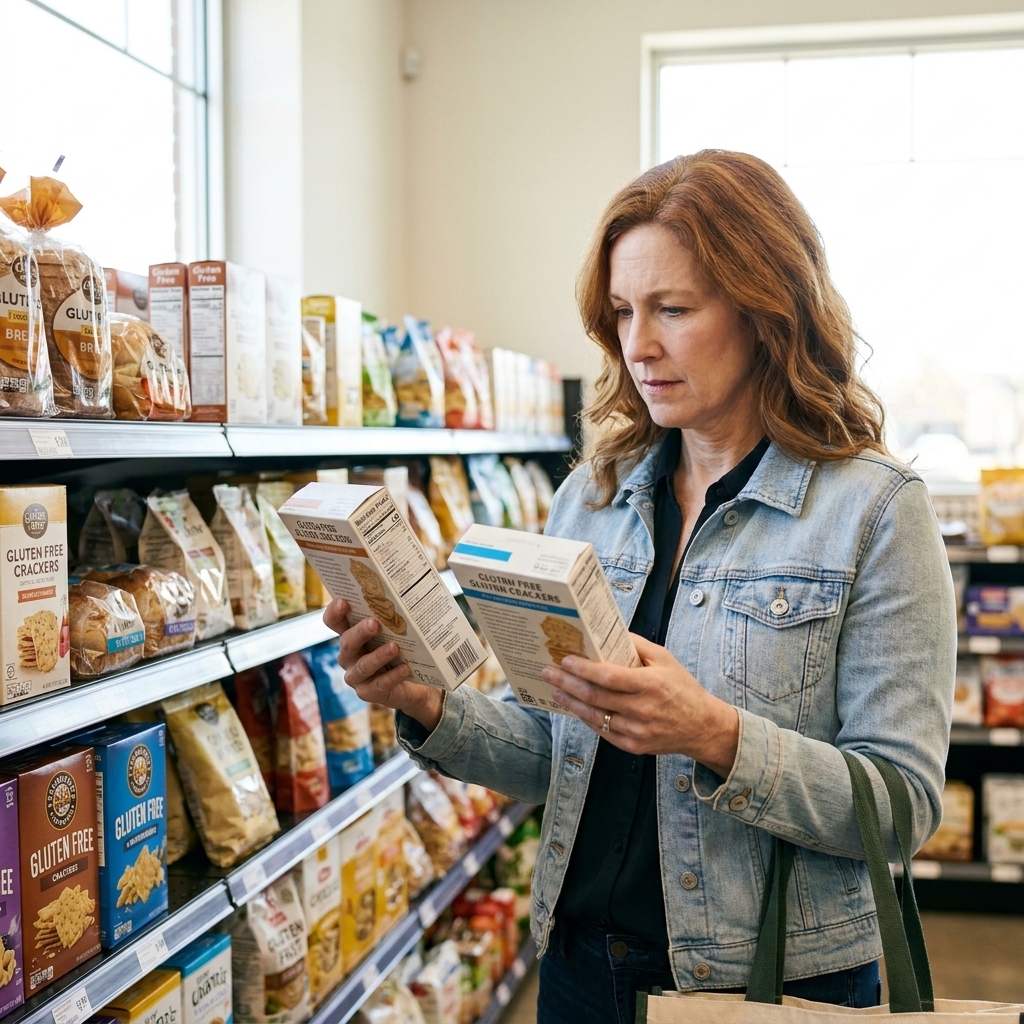
I used to read labels the way most beverage directors read a back bar: fast, confident, and occasionally wrong. Then my gluten intolerance turned grocery shopping into a weekly logic puzzle. The hard part is not willpower; it is vocabulary. Dairy and gluten love to show up under stage names, tucked into “natural flavors,” or dressed up as something that sounds harmless and vaguely artisanal.
This list is for anyone newly dairy-free, gluten-free, or both, and suddenly realizing that packaged foods have more secrets than a Sunday brunch shift. Let’s decode the most common hiding spots, plus what to look for when a label is trying very hard to sound clean.
First, a quick label reality check
In the US, milk and wheat are major allergens. For most packaged foods regulated by the FDA, manufacturers are required to declare them when used as ingredients. You might see that disclosure:
- In the ingredient list (for example, “whey (milk)” or “wheat flour”), and/or
- In a “Contains:” statement (common and very helpful, but not the only way it can be done).
Two more reality checks before we get into the good stuff:
- Dairy: Milk can appear via ingredients like whey or casein. And yes, “non-dairy” can still mean “contains milk” in certain products (classic example: some coffee creamers with sodium caseinate).
- Gluten: Gluten comes from wheat, barley, and rye. A product can be wheat-free and still contain barley or rye. “Gluten-free” is a specific claim; in the US it generally means the final food tests under 20 ppm gluten.
- Cross-contact: “May contain” and “processed in a facility” statements are voluntary. Their absence does not guarantee safety if you are highly sensitive or have celiac disease.
- Different rules exist: Some foods fall under USDA oversight (certain meat, poultry, and egg products), and labeling formats can vary. When you are in doubt, default to brands with clear allergen and gluten-free controls.
Quick definitions, because labels and bodies do not play the same game: an allergy is immune-based, celiac disease is autoimmune, and an intolerance is not the same thing as either. If you are managing celiac disease, a true milk allergy, or you react to tiny amounts, loop in your clinician and choose products labeled gluten-free (not just “wheat-free”) and, when possible, from brands with clear allergen controls.
10 hidden sources of dairy and gluten
1) “Natural flavors” and “flavorings”
This one is maddening because it is vague by design. “Natural flavors” can come from many sources. Sometimes they are fine. Sometimes they can be dairy-derived, depending on the product and the manufacturer.
On the gluten side, most obvious gluten sources (like wheat, barley, or rye) should be declared when present as ingredients. Still, flavor systems can be complicated, and you do not always get a straight answer from the label alone if you are highly sensitive.
- Common in: chips, seasoned nuts, flavored rice mixes, broths, sparkling waters with “essences,” dressings
- Look for: a “Contains: Milk” callout, a gluten-free certification, or a brand FAQ that clarifies allergens
- When in doubt: pick simpler ingredient lists for staples, and contact the manufacturer for flavored products that are otherwise “almost safe”
2) Whey, casein, and milk solids
If you are new to dairy avoidance, memorize these the way you memorized your first cocktail specs. Whey and casein are milk proteins. Milk powder, nonfat dry milk, and milk solids are exactly what they sound like.
- Common in: “protein” snacks, chips, crackers, instant mashed potatoes, coffee creamers, pancake mixes, chocolatey cereals
- Label tells: whey protein concentrate, sodium caseinate, caseinates, milk powder, milk protein concentrate
3) Malt and malt extract
Malt shows up like an uninvited plus-one. In many packaged foods, “malt” usually means barley, which contains gluten. Malt extract, malt syrup, and malt flavoring are classic culprits.
- Common in: cereals, candy, chocolate, “toasted” snacks, flavored syrups, some vinegars and condiments
- Look for: malt extract, barley malt, malted barley, malt vinegar
- Safer swap: products labeled gluten-free that use rice syrup or cane sugar instead of malt
4) Seasoning blends and snack “dust”
The snack aisle is where dairy and gluten like to party. Powdered seasonings can include whey for tang, milk derivatives for richness, and wheat-based ingredients depending on the blend.
- Common in: flavored chips, popcorn, dry rubs, taco seasoning, ramen seasoning packets
- Look for: whey, cheese powder, milk derivatives, hydrolyzed wheat protein, malt
- Pro move: buy plain versions and season at home with single-ingredient spices when you are in your learning phase
5) Sauces and condiments
Restaurant people know sauces are where the secrets live. Packaged sauces are no different. Dairy can appear via butter, cheese, whey, or casein. Gluten can creep in via wheat-based thickeners, soy sauce made with wheat, or malt vinegar.
- Common in: salad dressings, gravy mixes, marinades, BBQ sauce, teriyaki, “restaurant-style” simmer sauces
- Look for: wheat, soy sauce (unless labeled gluten-free), malt vinegar, “cream,” “butter flavor,” whey
- Safer swap: tamari labeled gluten-free; vinaigrettes that list the oil and acid clearly
6) Plant-based products that still contain milk
I wish “plant-based” always meant dairy-free. It does not. You will see products that are plant-forward but still use milk ingredients for texture, melt, or protein. And yes, some non-dairy creamers can contain caseinate, a milk-derived ingredient.
- Common in: plant-based dips with added dairy, protein shakes, “non-dairy” creamers, frozen desserts with milk add-ins
- Look for: caseinate, whey, milk protein, “Contains: Milk” even if the front screams otherwise
- Gut-check: front-of-pack claims are marketing, the ingredient list is the contract
7) Deli meats and formed proteins
Processed proteins often use binders, fillers, and flavorings. That can mean wheat-based ingredients, and for some products, dairy-based proteins.
- Common in: meatballs, veggie burgers, deli turkey, sausages, chicken nuggets
- Look for: breadcrumbs, wheat, semolina, hydrolyzed wheat protein, milk powder, casein
- Safer swap: whole-cut meats with minimal ingredients, or brands that label clearly gluten-free and dairy-free
8) Soups, bouillon, and just-add-water meals
Any time a product promises comfort in 90 seconds, it is probably leaning on dairy for richness and wheat for body. Powdered soups and bouillon cubes are frequent offenders. Instant noodles are usually wheat-based unless explicitly gluten-free.
- Common in: canned soups, cup soups, bouillon, instant noodles, boxed mac and cheese alternatives
- Look for: cream, milk, whey, wheat flour, barley, malt
- Safer swap: broths labeled gluten-free, or broth concentrates that disclose allergens clearly

9) Oats and oat-based snacks
Oats are naturally gluten-free, but they are often contaminated with wheat during growing, transport, or processing. If you have celiac disease or you are highly sensitive, “oats” on a label is not enough. Look for gluten-free oats specifically.
Also worth knowing: some people with celiac disease still do not tolerate oats even when certified gluten-free. If oats consistently bother you, talk it through with your clinician.
- Common in: granola, oatmeal cups, oat milk, breakfast bars, oat flour baking mixes
- Look for: “gluten-free oats” or a gluten-free certification
- Also watch: granolas that use malt or barley-based sweeteners
10) Chocolate, candy, and crispy treats
Chocolate should be simple. Packaged chocolate rarely is. Dairy is common, obviously. Gluten can show up through cookie pieces, wafer bits, or malt, plus the very real issue of shared equipment for wheat-heavy products.
- Common in: candy bars, chocolate chips, coated nuts, seasonal candies, “crispy” chocolates
- Look for: malted milk, barley malt, cookie or wafer inclusions, wheat flour
- Safer swap: dark chocolate brands that label gluten-free and list cocoa, sugar, cocoa butter without mystery add-ins
Terms that deserve a second look
- “Non-dairy”: can still contain milk-derived caseinates in some products. Always check ingredients and any “Contains” statement.
- “Wheat-free”: does not automatically mean gluten-free. Barley and rye still count.
- “Made with real cheese”: translation: dairy is present.
- “Protein blend”: may include whey or milk protein concentrate.
- “Modified food starch”: source varies. In the US, it is often corn; if it is wheat-derived in an FDA-regulated food, wheat must be disclosed. If gluten is a medical issue, prioritize gluten-free labeling for peace of mind.
- “Caramel color”: usually considered gluten-free, but if you are extremely sensitive, prioritize certified gluten-free products overall and watch cross-contact risks.
Two common blind spots
- Beer and beer-based ingredients: beer is typically barley-based, and anything “beer flavored” can be a gluten trap unless clearly labeled gluten-free. Some vinegars and sauces can also lean on malt or beer notes.
- Medications and supplements: chewables, capsules, and supplements can use lactose or starches as excipients. If you are highly sensitive or managing celiac disease, ask a pharmacist or check manufacturer statements.
Grocery store survival checklist
When you are newly diagnosed, decision fatigue is real. Here is the quick routine I use when I am standing in the aisle with a basket full of hope and skepticism.
- Start with any allergen disclosure (“Contains” statement when present, plus the ingredient list).
- Scan for your non-negotiables (milk, whey, casein, wheat, barley, rye, malt).
- Prefer clear gluten-free labeling if gluten is the issue, especially for oats, sauces, and seasonings.
- Watch the “new and improved” trap: reformulations happen constantly. A safe product can become unsafe overnight.
- Keep a notes app list of brands and products you trust. Treat it like your regulars list.
Quick red flags
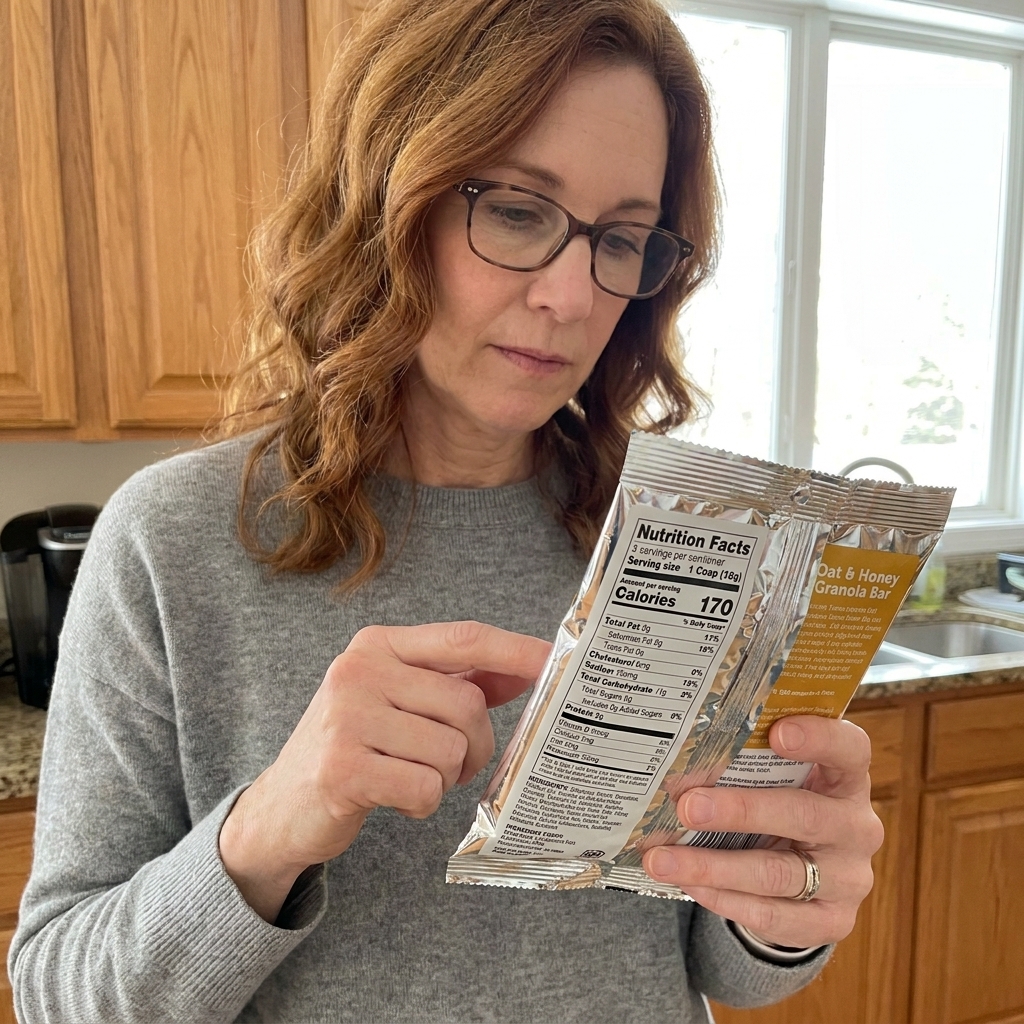
Dairy red flags: whey, casein, caseinate, milk powder, nonfat dry milk, milk solids, milk protein concentrate.
Gluten red flags: wheat, barley, rye, malt (including malt extract, barley malt, malt vinegar).
FAQ
Is lactose-free the same as dairy-free?
No. Lactose-free means the lactose sugar has been removed or broken down. The product can still contain milk proteins like whey and casein, which matter for dairy allergies and many dairy-free diets.
If a product says gluten-free, can it still contain wheat?
Sometimes. In the US, a food labeled gluten-free must meet the FDA standard (generally under 20 ppm gluten). Some products may use ingredients derived from wheat that have been processed to remove gluten, but wheat still has to be declared for allergen purposes when required. If you have celiac disease or high sensitivity, choose reputable brands and look for certification when possible.
What is the fastest way to spot hidden dairy?
Train your eyes for: whey, casein or caseinate, milk powder, and milk protein concentrate. Those four show up everywhere.
What is the fastest way to spot hidden gluten?
Look for wheat, barley, rye, and especially malt. Then double-check sauces, seasonings, and oats unless they are clearly labeled gluten-free.
A final note
If you are newly navigating this, you are not high-maintenance. You are learning a new language in public. The good news is that it gets easier fast. In a few weeks, you will have your go-to staples, your trusted brands, and that quiet confidence that comes from knowing what you are actually buying.
And if you ever feel embarrassed reading a label for the third time, just know this: I have seen chefs triple-check a box of cornstarch at midnight because one guest said, “I’m not sure.” Care is part of the culture too. We just have to make room for it in the grocery aisle.