Every restaurant has two countries sharing one border. One side runs on guest emotion, eye contact, and timing that has to feel effortless. The other runs on heat, tickets, prep lists, and physics. Front of house and back of house want the same thing, a packed room with happy people. But they often speak different languages, keep different hours in their sleep schedules and bodies, and carry different kinds of stress.
I have worked both sides of that border. I have also been the gluten-intolerant guest who needs the border to be secure, not just friendly. When communication breaks down, it is not just “vibes” on the line. It is safety, money, and the mental health of the people holding the whole show together.
One quick note on terminology: guests often say “gluten allergy,” but medically this is more often celiac disease or a wheat allergy, and gluten intolerance is different. In a restaurant, the practical point stays the same: treat the request as a high-risk dietary restriction unless you have a clear, confirmed protocol.
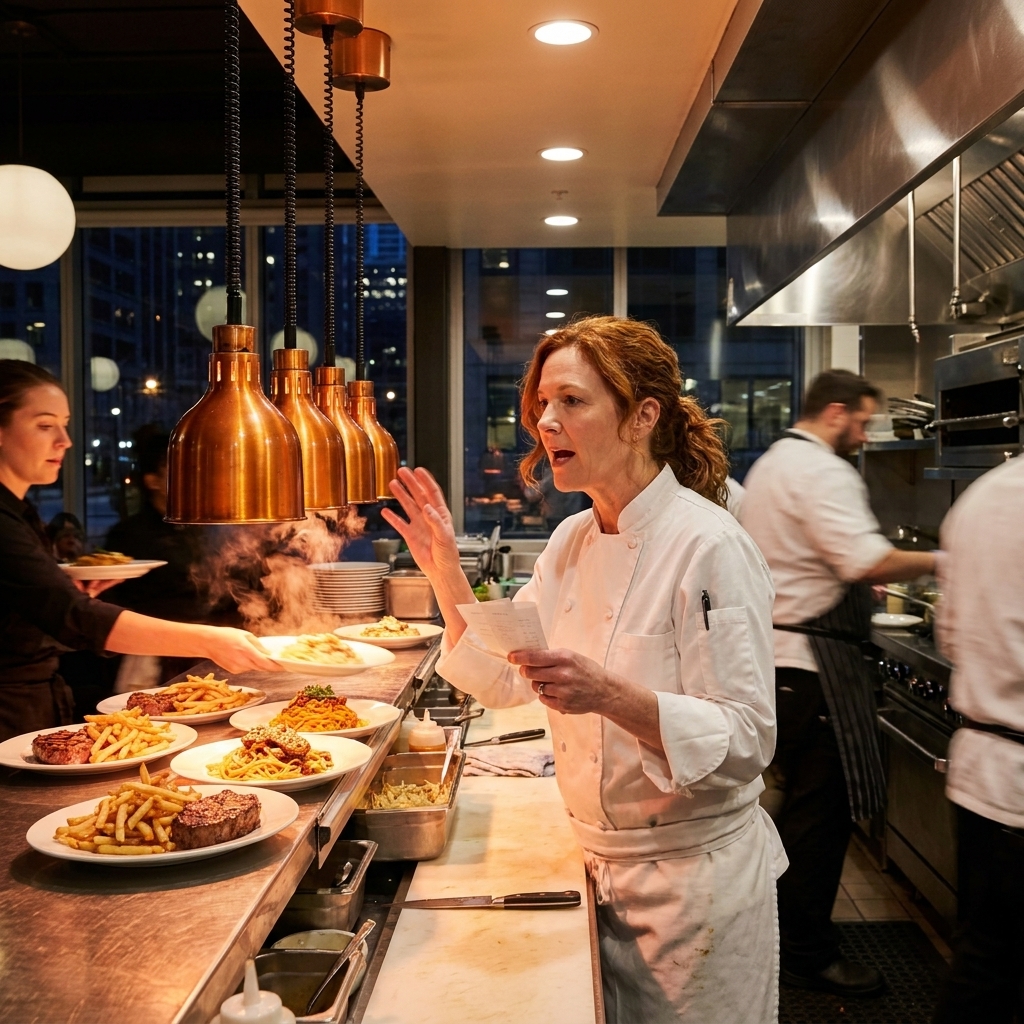
Two jobs, two realities
Front of house: the room, the rhythm, the read
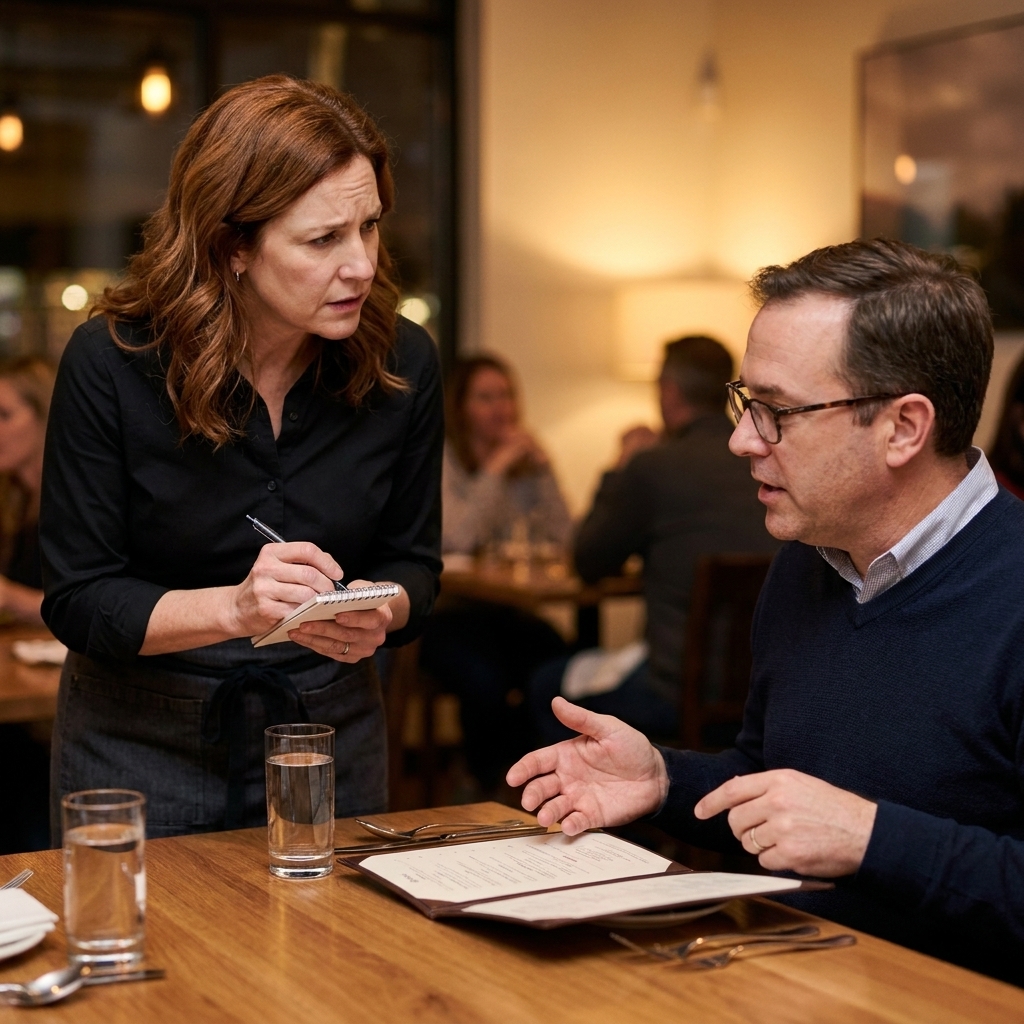
FOH is the public-facing nervous system. Hosts pace the book like air traffic controllers. Servers translate a menu into a night out. Bartenders keep one eye on the well, one ear on the room, and one hand on the regular who is about to spiral into their third round. FOH labor is constant emotional calibration: reading tone, smoothing friction, and making logistics feel like hospitality.
The workflow is interrupt-driven. A server can be in the middle of describing a crudo when the table next to them needs a high chair, the bar is 86 on a spirit, and a manager is asking why table 12 has not been greeted. You rarely finish a thought in a straight line, and you learn to smile anyway.
Back of house: the build, the heat, the standard
BOH is production. It is mise en place, station setup, sharp knives, and repetition with stakes. The kitchen is not just cooking. It is inventory, sanitation, timing, and coordination across multiple stations that have to land on the same second. The workflow is sequence-driven. You cannot skip steps without paying for it later, and “later” is usually during the rush.
BOH also holds the consistency line. Guests are more likely to forgive a server for a small miss like an extra spoon than they are to brush off a steak cooked wrong or a dish that triggers an allergy protocol. In many restaurants, BOH carries that responsibility without the same access to tips, praise, or even daylight.
Different stress, same exhaustion
FOH stress: money, mood, and the performance tax
FOH stress is loud in its own way, even when the dining room is quiet. Your income can swing wildly based on weather, section size, and one table deciding you “didn’t seem happy.” The labor is physical, but it is also deeply social. You are selling, problem-solving, and regulating other people’s emotions while keeping yours on a leash.
- Unstable pay: tips reward performance, but also punish factors outside anyone’s control.
- Conflict exposure: FOH absorbs complaints, entitlement, and sometimes harassment.
- Time pressure with politeness: you have to hurry without ever appearing hurried.
BOH stress: volume, precision, and the body cost
BOH stress is often invisible to guests, which is part of why it can fester. There is heat, noise, and constant micro-decisions under speed. One mistake compounds fast. On top of that, in many kitchens the work is structured around long shifts, tight staffing, and fewer true breaks once service starts.
- High consequence errors: timing, temp, and allergy protocol are non-negotiable.
- Physical toll: burns, cuts, repetitive motion, and standing for hours in hot zones.
- Culture of toughness: many kitchens still treat asking for help like weakness.
The truth is that FOH and BOH can both feel like the other side “has it easier.” That belief is poison. Not because either side is wrong to feel maxed out, but because the comparison keeps everyone from seeing the bigger issue: restaurants are intense workplaces that need better systems, clearer communication, and fairer labor structures.
Why they misread each other
They communicate in different formats
BOH speaks in tickets, counts, temps, and calls: “Fire two trout, one mid-rare.” FOH speaks in context and expectation: “Table 30 is celebrating, they’re patient, but they can’t do gluten and they’re anxious about it.” When those styles collide, each side can hear the other as either too vague or too blunt.
They get rewarded for different things
FOH often gets direct feedback. A guest says thank you, a regular tips heavy, a manager praises a recovery. BOH success is silence. If no one sends it back, you did your job. That can breed resentment, especially when the dining room credits hospitality to the person holding the plate, not the person who made it.
They hold different types of power
FOH controls the guest narrative. BOH controls the product. If those powers are not aligned, you get the classic standoff: servers promising the impossible, kitchens refusing to bend, and managers playing telephone instead of setting standards.
The pass is the crossing
If you want to understand a restaurant’s culture, stand near the pass for ten minutes. The pass is where FOH urgency meets BOH precision. It is also where misunderstandings become personal because everyone is in motion and no one has spare bandwidth.
Common pass problems are rarely about attitude. They are about missing information.
- Allergy notes that do not translate: “gluten allergy” is not a garnish request. It changes handling, surfaces, and sometimes the dish itself.
- Timing mismatches: FOH staggers courses based on table pacing. BOH fires based on ticket flow. Without a shared plan, food lands either too early or too late. For example, a table is still on cocktails, the kitchen fires mains to keep the board moving, and the plates sit in the window losing heat while FOH tries to buy time.
- Menu changes and 86s: if FOH learns mid-service that something is out, guests feel misled and BOH gets blamed for “not communicating.”
The pass works best when it is treated like a professional checkpoint, not a battlefield. Clear calls. Confirmed repeats. No sarcasm. And a rule that questions are allowed, especially when safety is involved.
Modern friction points
Dietary needs are operational
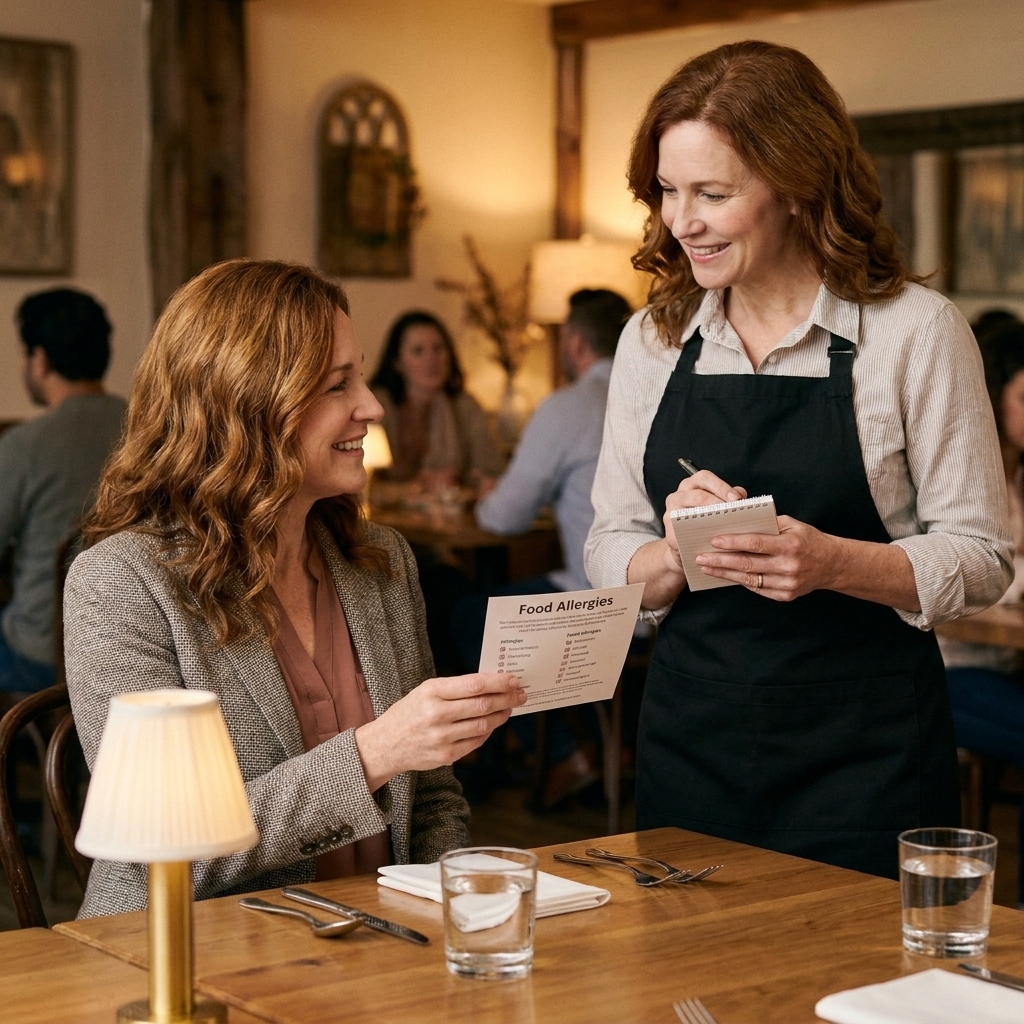
There is more awareness now, which is good. There is also more complexity. Gluten, nuts, alliums, dairy, soy, sesame. Some guests are casual. Some are medical. FOH is the intake team, BOH is the risk management team, and both need a shared protocol that is consistent on a slow Tuesday and a slammed Saturday.
As someone who developed a severe gluten intolerance after years in the industry, I can tell you exactly what guests feel when a server says “I think it’s fine” and walks away. “I think” is terrifying language. The goal is not perfection. The goal is a system you can trust.
Non-alcoholic cocktails changed the bar
Zero-proof drinks are not just juice in a fancy glass anymore. When done well, they require prep, specialty ingredients, and the same care as the rest of the program. That impacts BOH too, because NA pairings can change pacing and course timing, and the bar becomes a second kitchen with its own ticket printer.
Labor talk is in the room
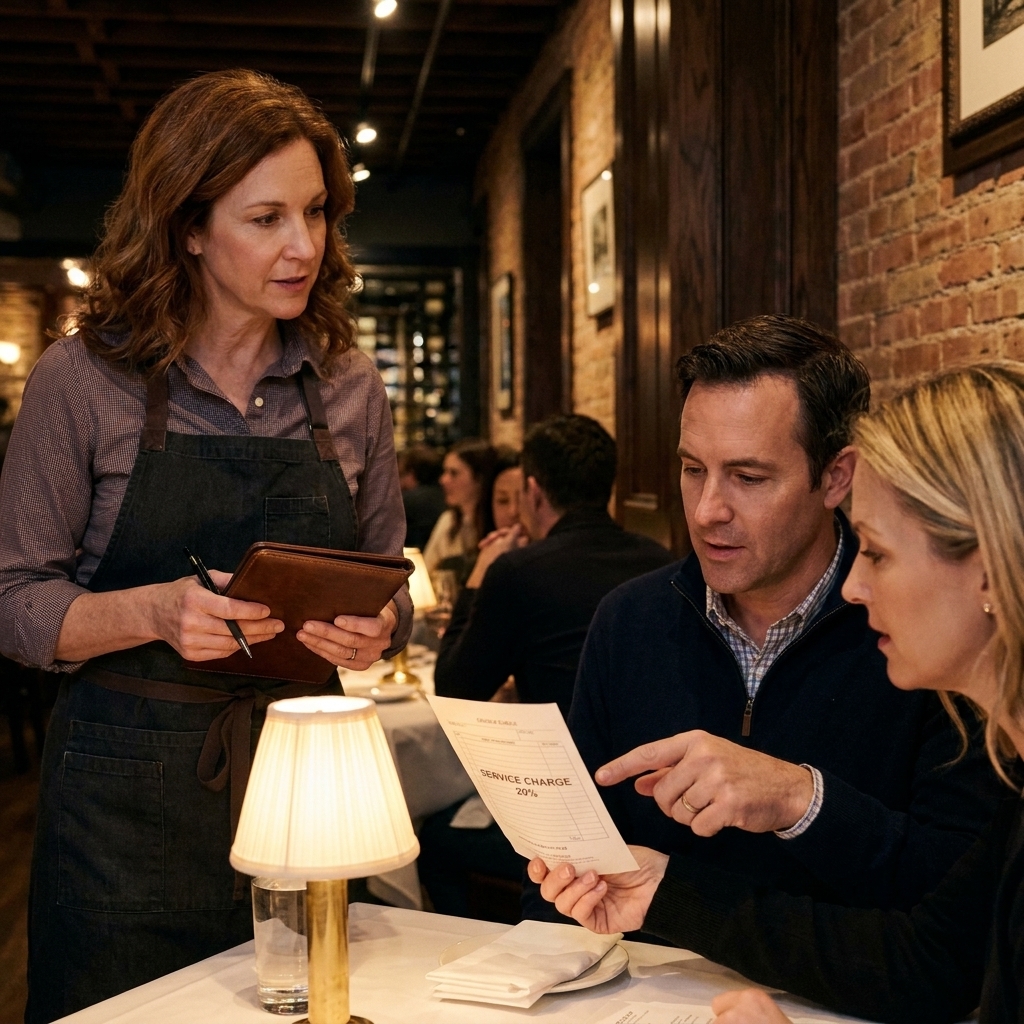
Tip credit, service charges, pooled houses, kitchen equity. Even if you do not post about it, your staff is talking about it. Pay structure influences culture. When compensation feels lopsided, teamwork turns into scorekeeping, and service suffers.
How to bridge the divide
1) Define the standard
FOH needs to know what the kitchen can actually do. BOH needs to know what the dining room is promising. Put it in writing, keep it updated, and train it like it matters.
- What does “gluten-free” mean in this building?
- What modifications are allowed, and which are not?
- What is the policy on split plates, tasting portions, and off-menu requests?
2) Make preshift a real anchor
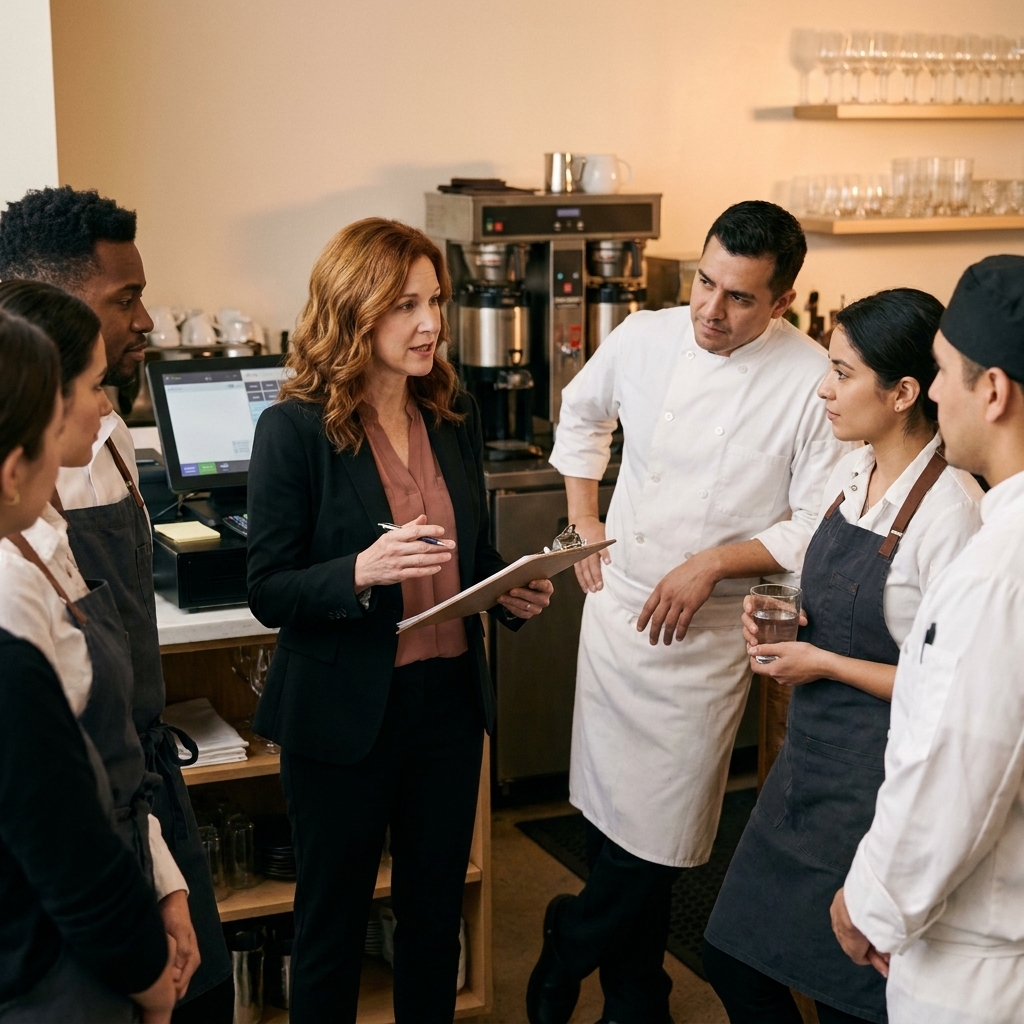
The best pre-shifts I have seen are short, specific, and two-way. FOH hears the 86 list and the pacing goals. BOH hears what’s on the book: dietary restrictions, VIPs, big tops, celebrations, and any weird seating constraints. One minute of clarity upfront saves ten minutes of shouting later.
3) Upgrade ticket language and tools
POS notes are not a substitute for conversation, but they can be smarter. The goal is to make important information hard to miss and easy to act on, whether you use paper tickets, a KDS, or a hybrid.
- Use consistent allergy tags: no creative phrasing. Make it impossible to miss.
- Require confirmation: a manager or expo verbally confirms allergy and high-risk mods at the pass.
- Keep notes clean: avoid stacking five “FYI” lines that bury the one thing that matters. If the note changes the build, it deserves a clear tag.
- Time stamps matter: track when a course was fired and when it left the window. KDS times can help, but only if someone is empowered to act on them.
4) Protect expo
Expo is the translator. When you under-staff expo or treat it as an afterthought, FOH and BOH end up yelling across the border. A strong expo calls the board, manages fires, catches errors, and keeps tone professional. It is one of the highest-leverage positions in the building.
5) Make management the escalation path
When a mod is unclear, an allergy note feels messy, or a guest is pushing for an off-menu promise, staff should know exactly who owns the call. Not eventually. Right then.
- One owner for risky mods: decide whether the manager, chef, or expo has final say, and make FOH stop guessing.
- Clear comp vs refire rules: if food is late because of the kitchen, own it. If it is late because a course was held, own that. Either way, make the fix predictable so it does not become a fight.
- Allergy uncertainty protocol: if anyone is unsure, the default is pause, confirm, and offer alternatives. No shame, no rushing, no “just send it.”
6) Build a repair culture
Mistakes happen. The difference between a healthy restaurant and a toxic one is whether people know how to recover without humiliation. Encourage quick, neutral language.
- “I missed that note. Here’s what I need to fix it.”
- “We can’t do that mod safely. Here are two alternatives.”
- “That table is running behind. Can we hold firing mains for five?”
7) Share credit, not just blame
When a dish gets raved about, tell the cook who made it. When a table tips big because of a recovery, tell the kitchen what happened. Small moments of recognition reduce the temptation to stereotype the other side as lazy, rude, or out of touch.
What good looks like
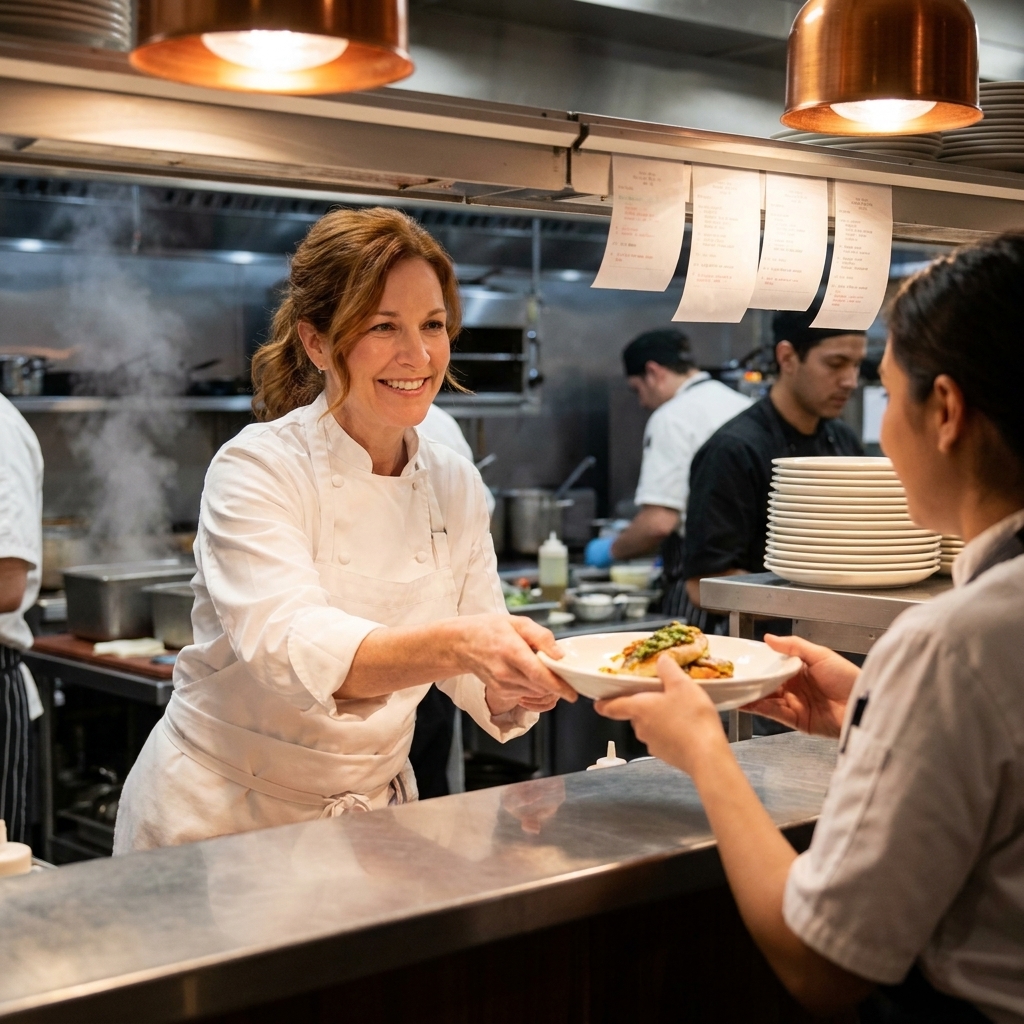
It looks like FOH giving the kitchen clean information early, not dramatic updates late. It looks like BOH asking clarifying questions without treating the server like a nuisance. It looks like managers doing actual management instead of playing messenger. And it looks like everyone understanding that the guest experience is built by the whole building.
One of my favorite signs of a mature restaurant is quiet confidence at the pass. No theatrics. No martyrdom. Just a team that trusts the system and respects the people inside it.
FAQ
What is the difference between front of house and back of house?
Front of house includes guest-facing roles like hosts, servers, bartenders, and managers. Back of house includes the kitchen and support team like chefs, line cooks, prep cooks, dishwashers, and sometimes pastry and butchery.
Why do FOH and BOH often clash?
They work under different pressures and communicate differently. FOH is driven by guest expectations and constant interruptions. BOH is driven by sequence, timing, and precision. Without shared standards and clear protocols, misunderstandings escalate fast during service.
Who has the harder job?
It depends on the day and the role. FOH carries emotional labor and income volatility. BOH carries physical strain and high-consequence execution. Comparing pain does not fix the problem. Better systems, staffing, and fair pay do.
What is the fastest way to improve FOH and BOH communication?
Protect a real pre-shift, standardize POS language for allergies and mods, and staff a strong expo with authority. Add a clear escalation path to management when something feels unsafe or unclear. Those changes reduce confusion at the pass and keep service calmer for everyone.
The takeaway
FOH and BOH are not enemies. They are specialists doing different jobs in the same pressure cooker. When restaurants invest in shared standards, clear communication, and respectful repair, the cultural divide shrinks. The room feels smoother. The food lands hot. The staff goes home less wrecked.
That is the kind of hospitality I want to eat in, drink in, and work in.