There is a particular kind of panic that hits when you are handed a tap list full of unfamiliar names, a few cryptic acronyms, and a description that reads like a candle catalog. I have watched brilliant, confident people freeze up at a craft beer menu the way they might at a wine list with zero prices.
The good news is that most beer menus are telling you exactly what you need to know. You just need to know what to look for. Consider this your bartender-style translation guide, built for real life: busy bars, loud breweries, and that moment when you do not want to hold up the line.
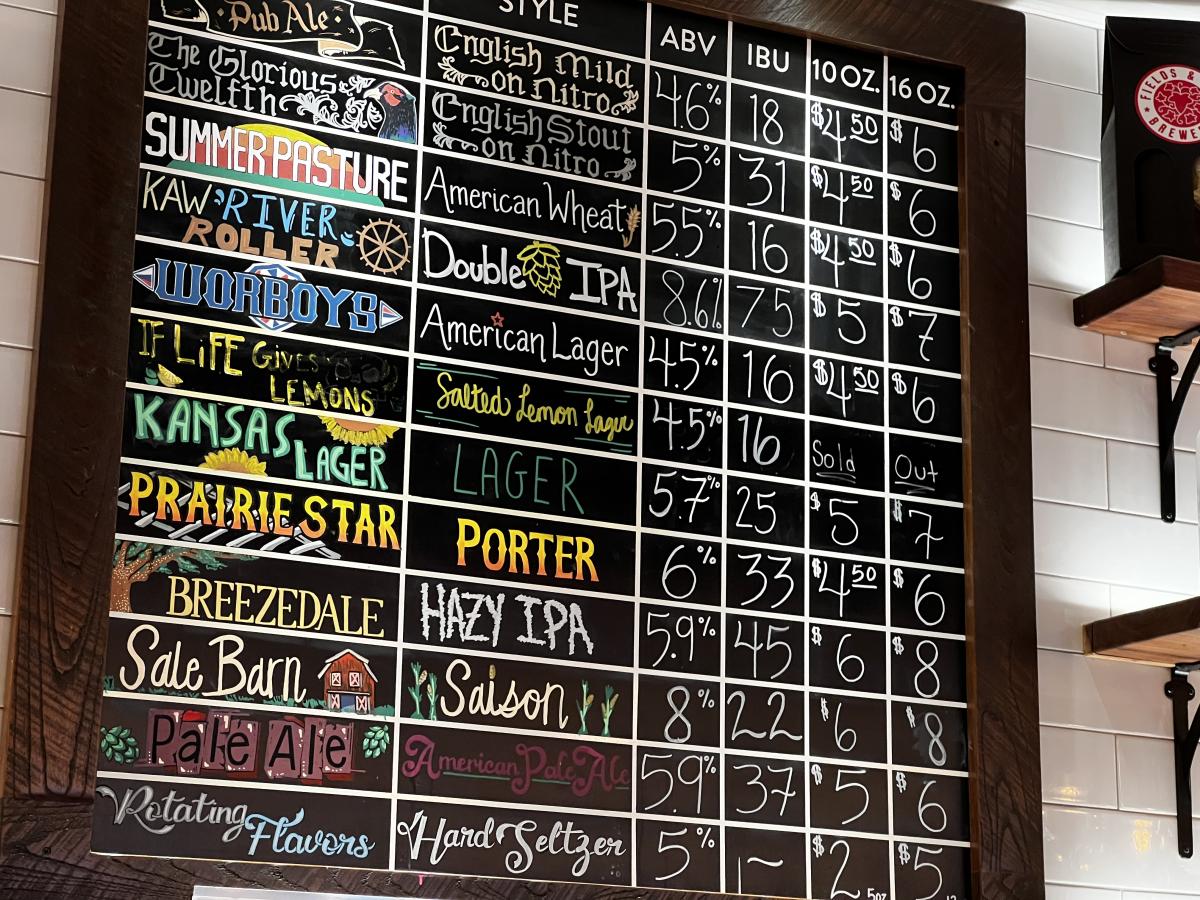
The four things to scan first
Before you fall into the rabbit hole of tasting notes, take ten seconds and look for these four anchors. They will get you most of the way to a good choice.
1) Style
The style is the menu’s shorthand for what the beer is supposed to taste and feel like. “IPA,” “Pilsner,” “Stout,” and “Sour” are not branding. They are categories with predictable patterns.
2) ABV
ABV is alcohol by volume. Think of it as intensity, not quality. A 4.5% beer can be deeply flavorful. A 9% beer can be deceptively easy to drink. ABV helps you pace your night.
- Session range: roughly 3.5% to 5% (taproom shorthand varies)
- Standard range: roughly 5% to 7%
- High range: 7% and up (Double IPAs, Imperial Stouts, some Belgian styles)
3) IBU (bitterness)
IBU stands for International Bitterness Units. The higher the number, the more bitter the beer is likely to taste, especially in hop-forward styles. But it is not a perfect scale, because sweetness, alcohol, carbonation, and even serving temperature can soften bitterness. Also worth knowing: plenty of modern taprooms do not list IBUs at all, because they can be easy to misread.
- 0 to 20 IBU: Low bitterness (many Lagers, Wheat Beers, some Fruited Sours)
- 20 to 40 IBU: Medium (Pale Ales, Ambers)
- 40 to 80+ IBU: Bitter to very bitter (many IPAs, especially classic West Coast)
4) Flavor notes
Most menus add a few descriptors. Treat them like a vibe check, not a promise. “Citrus, pine, dank” usually means hop-forward. “Roasty, chocolate” usually means dark malt. “Tart cherry, lemon” suggests a Sour, but the sweetness level can vary wildly.
Beer menu terms, translated
Menus love jargon because it saves space. Here is what the common terms usually mean in the glass.
- Dry: Not sweet. Crisp finish, often in Lagers and some Saisons.
- Malty: More bread, caramel, toast, or honey notes from grain, with a rounder sweetness.
- Hoppy: Hop aroma and flavor are prominent. This can be citrusy, piney, floral, herbal, or tropical.
- Dank: Resinous, earthy, sometimes oniony or cannabis-adjacent hop character.
- Juicy: Fruit-forward hop aroma, often in Hazy IPAs, with lower perceived bitterness.
- Crisp: Clean, snappy finish. Often lighter-bodied Lagers and Pilsners.
- Roasty: Coffee, cocoa, toasted bread crust, sometimes a touch of bitterness from dark grains.
- Tart: Noticeable acidity, like lemon or green apple. Common in Sours.
- Funky: Wild fermentation character that can read earthy, barnyard-y, or rustic. Love it or hate it, it is distinct.
- Barrel-aged: Aged in bourbon, whiskey, wine, or other barrels. Expect higher ABV, deeper flavor, and sometimes vanilla, coconut, oak, or spirit heat.
- Nitro: Served with nitrogen for a creamy texture and softer carbonation, often on Stouts and sometimes on coffee beers.
Body and mouthfeel
“Body” is how heavy or light a beer feels. It is influenced by malt, residual sugars, carbonation, and alcohol.
- Light-bodied: Refreshing, quick finish, often carbonated higher. Think Pilsner, Kölsch, Light Lagers.
- Medium-bodied: Balanced weight. Think Pale Ale, Amber, many Wheat Beers.
- Full-bodied: Richer, sometimes silky or chewy. Think Imperial Stout, Doppelbock, some Hazy IPAs.
If you generally like sparkling water over cream soda, you probably gravitate light to medium-bodied. If you love milkshakes, hot chocolate, or rich desserts, full-bodied beers may feel more satisfying.
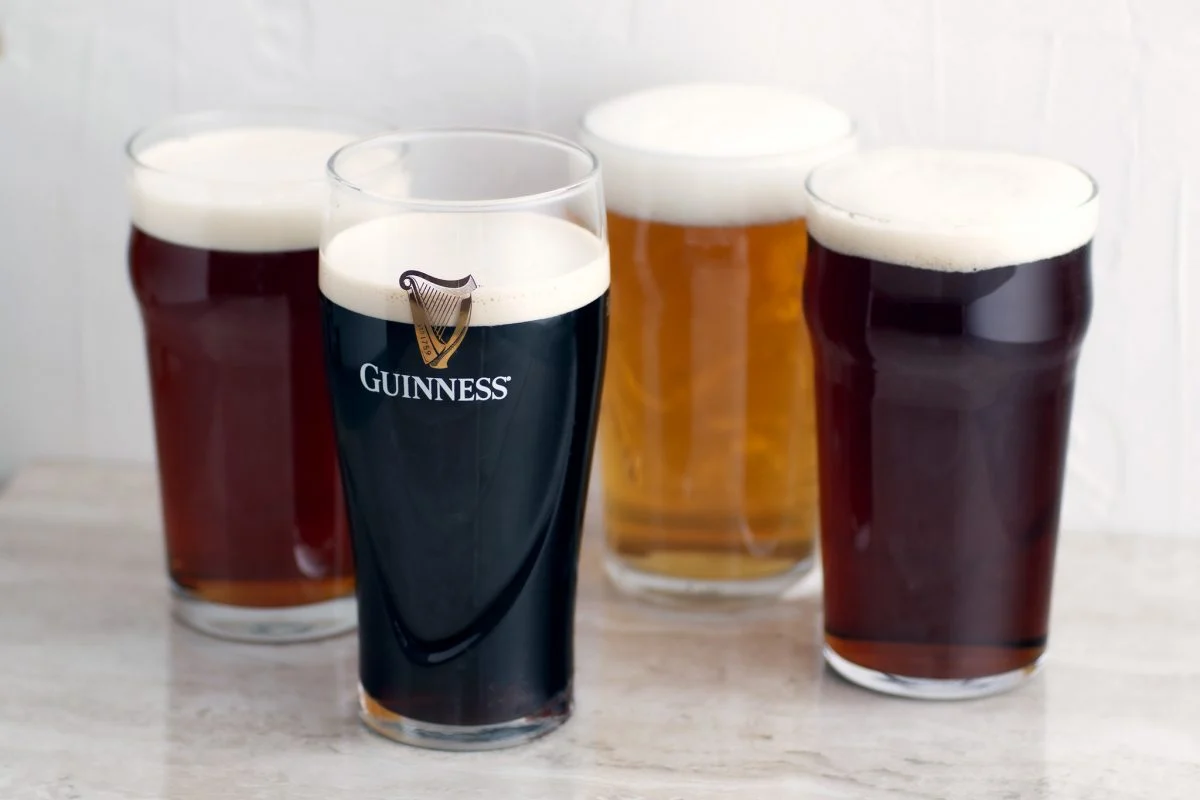
The style cheat sheet
Below are the usual suspects on most craft menus, plus what they tend to taste like and who they are best for.
IPA
What it is: Hop-forward ale. The family is huge.
What to expect: Aroma-heavy, often citrus, tropical fruit, pine, or herbal notes. Bitterness depends on the substyle.
- West Coast IPA: Clearer, sharper bitterness, pine and grapefruit energy.
- Hazy IPA (New England IPA): Cloudy, softer bitterness, juicy aroma, often fuller mouthfeel.
- Double IPA (DIPA): Stronger, usually 8% plus, more intense hops and alcohol warmth.
- Session IPA: Lower ABV, designed for multiple rounds.
Pale Ale
What it is: A hop-friendly ale that is usually less intense than an IPA.
What to expect: Balanced malt and hops, approachable bitterness. A great “I do not know what I want” starting point.
Lager
What it is: Beer fermented with lager yeast at cooler temperatures, typically clean and crisp.
What to expect: Subtle flavors done well: bread, cracker, light floral or herbal hop notes. Lager does not mean bland. It often means technically precise.
Pilsner
What it is: A specific type of Lager.
What to expect: Bright, snappy, often with a pleasantly bitter finish. If you like dry white wine or tonic water, Pilsner is your friend.
Kölsch
What it is: A German style ale that drinks like a Lager.
What to expect: Delicate fruitiness, crisp finish, very easy to enjoy.
Wheat Beer (Hefeweizen, Witbier)
What it is: Brewed with a portion of wheat.
What to expect: Soft, often cloudy, with citrus and spice notes. Hefeweizens can lean banana and clove. Witbiers often feel orange-y and lightly herbal.
Allergy note: Traditional Wheat Beer contains gluten because it is made with wheat and typically barley. Many “gluten-reduced” beers are made with an enzyme that breaks down some gluten, but they are not considered safe for everyone with celiac disease. If gluten is a concern, ask specifically what the brewery is offering and how it is made.
Sour
What it is: Beer with noticeable acidity, from specific bacteria or wild fermentation, or from blended methods.
What to expect: Tartness from gentle and lemony to full pucker. Fruited Sours can read like jammy fruit, juice, or candy depending on how they are built.
- Gose: Sour-ish and often lightly salty, sometimes with coriander.
- Berliner Weisse: Light, tart, refreshing.
Stout
What it is: Dark ale featuring roasted malts.
What to expect: Coffee, cocoa, toast, sometimes creamy sweetness.
- Dry Stout: Roasty and lighter than you think, not necessarily sweet.
- Milk Stout: Contains lactose, fuller and sweeter.
- Imperial Stout: Bigger body, higher ABV, often rich and dessert-like.
Porter
What it is: Another dark ale style, usually less roasty than Stout.
What to expect: Chocolate, nuts, caramel, and softer roast. If Stout feels too intense, Porter is a smooth compromise.
Amber Ale and Red Ale
What it is: Malt-forward beers with supportive hops.
What to expect: Caramel, toasted bread, sometimes a citrusy hop top note. Excellent with burgers and anything grilled.
Belgian Styles (Saison, Dubbel, Tripel)
What it is: Yeast-driven beers where fermentation character is the star.
What to expect: Spice, pepper, clove, pear, sometimes bubblegum. These can be sneaky strong, especially Tripels.
Find your beer
If you are not sure where to start, use what you already like in other drinks and foods.
If you like crisp cocktails and clean flavors
- Pilsner
- Kölsch
- Dry Lager
- Saison (Especially Drier Ones)
If you like coffee, chocolate, or dessert
- Stout
- Porter
- Milk Stout (If Lactose Is OK for You)
- Barrel-Aged Stout (Pace Yourself)
If you like sauvignon blanc, citrus, and bright acidity
- Gose
- Berliner Weisse
- Lighter Fruited Sour
If you like big aromatics and bold flavors
- Hazy IPA
- West Coast IPA
- Double IPA (Watch the ABV)
If you hate bitterness
Skip anything described as “resinous,” “dank,” or “classic West Coast,” and do not be shy about asking for the lowest IBU option. Look for Kölsch, Wheat Beers, many Lagers, and some Fruited Sours. Also, “juicy” and “hazy” often signal lower perceived bitterness even when the IBU number is not low.
Ordering without anxiety
Hospitality folks love a clear target. You do not need to know style history. You just need to communicate preferences.
- Use contrast: “I like citrusy beers but I do not want a bitter finish.”
- Give a reference: “I usually drink Pilsner. What is your crispest option?”
- Ask for a taster: “When you have a second, can I try a splash of the Hazy and the Pils to compare?”
- Name your ABV comfort zone: “I want something under 6%.”
- Say what you are eating: “I’m ordering spicy wings. What cuts through heat?”
And if the menu is loaded with brewery-specific names, scan for the style listed underneath. “Lake Effect” tells you nothing. “Lake Effect, West Coast IPA, 6.8%” tells you almost everything.
Two quick extra clues
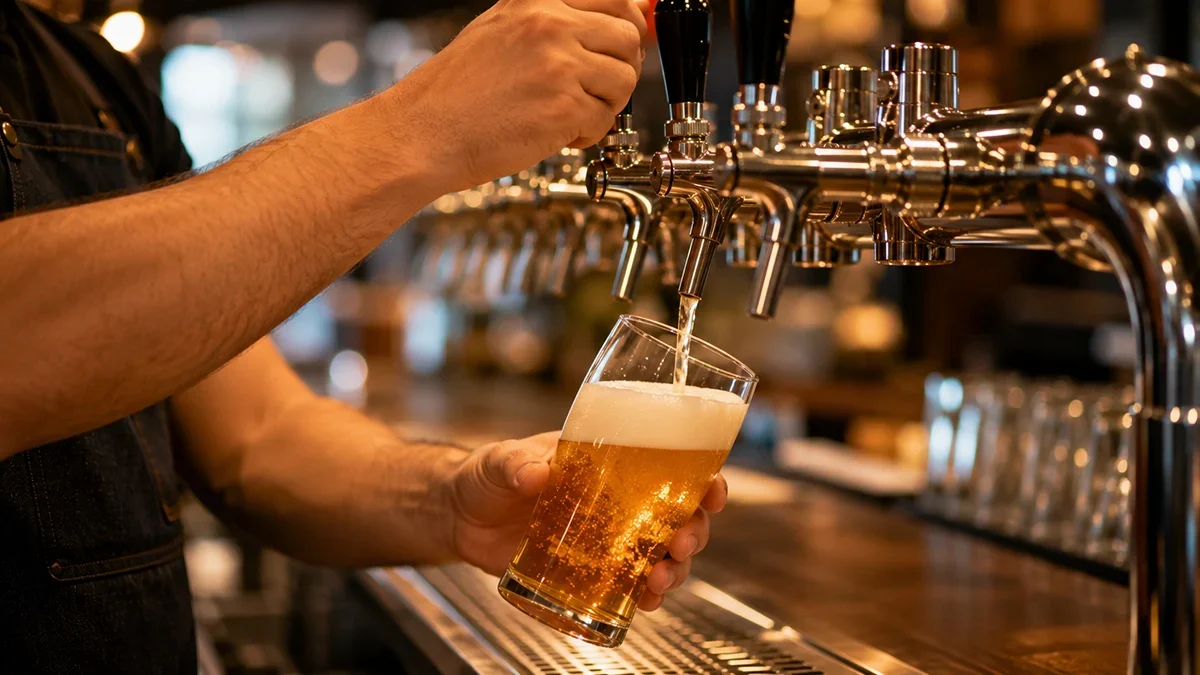
Pour size tells you a lot
Many tap lists offer 5-ounce tasters, 10-ounce half pours, and 16-ounce pints. If you see a beer served in a snifter or tulip, or poured as a smaller size by default, it is often higher ABV, barrel-aged, or simply more intense. Let the glassware and pour size guide your pacing.
Freshness matters for hoppy beer
If a menu shows “Canned On” or “Packaged On” dates, use them. Hop-forward beers like IPAs often taste brightest when they are fresh. You do not need to do math at the bar, but if you have two similar options, choose the newer one.
Menu traps
ABV is not the same as heaviness
A 7% Saison can drink light and crisp, while a 5.5% Milk Stout can feel rich and sweet. Look at style and body words, not just the number.
IBU is not the same as hoppy
A Hazy IPA can be extremely hop-aromatic but taste less bitter. Meanwhile, a Pilsner can finish surprisingly snappy and bitter without smelling like a fruit bowl.
Fruit does not always mean sweet
Many Fruited Sours are tart first, fruity second. If you want sweetness, look for words like “Smoothie,” “Pastry,” “Vanilla,” or “Lactose,” and still ask how sweet it drinks.
“Smooth” can mean different things
Sometimes it signals creamy texture. Sometimes it means low bitterness. Sometimes it is just marketing. Pair it with the style to interpret it correctly.
Quick pairings
If you are choosing with food, this is the cheat code.
- Fried food: Pilsner, Lager, Kölsch, or a bright Pale Ale
- Spicy food: Lager, Kölsch, Wheat Beer, or a lightly Fruited Sour (avoid big bitterness)
- Burgers and grilled meats: Amber Ale, Red Ale, West Coast IPA, Porter
- Rich cheesy dishes: Saison, IPA, or a Dry Stout for contrast
- Dessert: Stout, Imperial Stout, or a Barrel-Aged dark beer
FAQ
What is the easiest craft beer style to start with?
Kölsch, Pilsner, and Pale Ale are usually the gentlest entry points. They are familiar, balanced, and less likely to surprise you with intense bitterness or acidity.
What does “Hazy” mean on a beer menu?
Hazy usually refers to a Hazy IPA with a cloudy appearance, softer mouthfeel, and fruit-forward hop aroma. They often taste less bitter than a classic West Coast IPA, even if the hops are intense.
How do I know if a beer is sweet?
Look for words like “Pastry,” “Vanilla,” “Maple,” “Lactose,” “Milk Stout,” or “Dessert.” High ABV and barrel-aging can also add perceived sweetness. If sweetness matters to you, ask the bartender, “Does it finish dry or sweet?”
Are Sours always super tart?
No. Some are lightly tart and refreshing, others are full-on sour candy. Fruited Sours can be sweet, tart, or both depending on recipe. A quick taster can save you from ordering something too intense.
How do I approach a beer menu if I avoid gluten?
Most traditional beer contains gluten because it is made from barley and sometimes wheat or rye. Some breweries offer gluten-free beers brewed without those grains, using options like sorghum, millet, buckwheat, or rice (when brewed without barley). Some also offer gluten-reduced beers made with enzymes. If you have celiac disease or a serious sensitivity, ask how the beer is produced and whether there is cross-contact risk in the draft system. In a busy bar, it is also reasonable to choose packaged gluten-free options if available.