Most people think restaurant criticism is about having a perfect palate and a dramatic pen. In reality, the best reviews are built on something way less glamorous: consistency. A pro critic is basically a reliable witness with a fork, clocking what happened, how it felt, and what it cost, then explaining it in a way that helps readers decide where to spend their next precious night out.
I spent years behind the bar watching reviews land like weather systems. A thoughtful one can keep a small place afloat. A careless one can punish a Tuesday staff for a Saturday problem. If you love food and want to write about it like you mean it, here is how to do it with clarity, empathy, and just enough spice.
Before you go: Set your critic brain
Choose your angle, not your verdict
Walk in with a purpose. Are you reviewing a new tasting menu spot? A neighborhood taqueria? A hotel brunch that everyone keeps tagging? Your expectations should match the concept. A budget ramen shop does not need to perform like a white-tablecloth temple, but it does need to deliver on what it promises.
- Define the category: casual, fine dining, fast-casual, bar food, bakery, pop-up.
- Define the occasion: date night, group dinner, solo meal, business lunch, post-show bite.
- Define the promise: what the menu, website, and vibe tell you they are trying to be.
Decide how you will pay attention
Pros take notes because memory is a liar, especially after two cocktails and a shared dessert. Pick a method that does not hijack the table.
- Quick notes in your phone between courses, or in the restroom if you prefer privacy.
- Voice memo right after you leave, while details like pacing and temperature are still fresh.
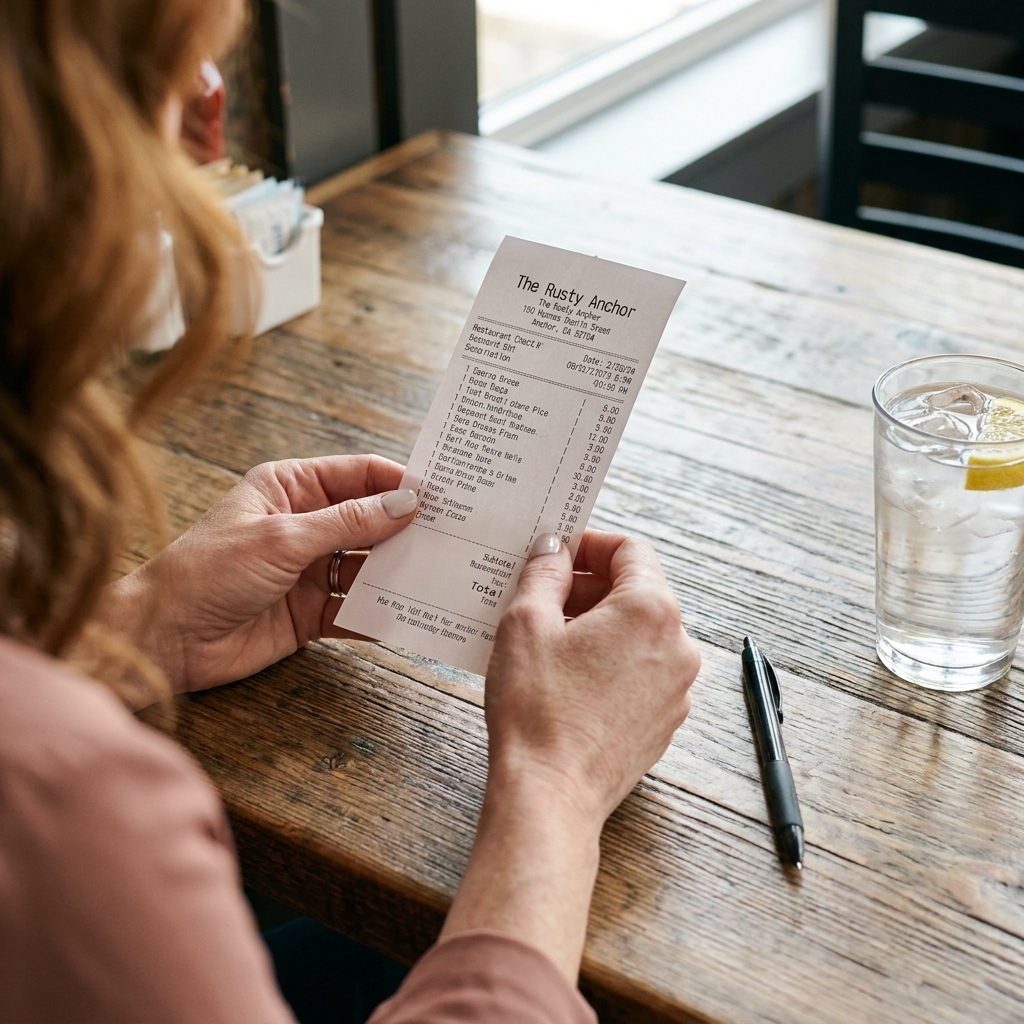
- Receipt snapshots to verify items, modifiers, and pricing.
Know your ethics
You do not need a press badge to be fair. A few rules keep your review clean and credible.
- Pay for your meal whenever possible. If something is comped unexpectedly, disclose it when you publish, and follow your outlet or platform policy if you have one.
- Do not punish the server for kitchen delays, and do not punish the kitchen for a manager problem. When you cannot tell who caused what, describe the outcome and note the uncertainty.
- Be honest about your constraints: allergies, dietary needs, budget limits, noise sensitivity.
Avoid conflicts and weird situations
- Skip places with a personal stake: friends, family, clients, exes, investors, or anywhere you cannot write freely.
- Press dinners and invites: If you accept an invite, say so. Better yet, treat it as a preview and return on your own dime for a real review.
- Anonymity basics: If you want the truest read, book like a regular. Do not fish for special treatment.
On arrival: Evaluate the first five minutes
The beginning tells you a lot about operations. A great meal can happen after a rough start, but you should record the start accurately because it is part of the experience.
What to notice
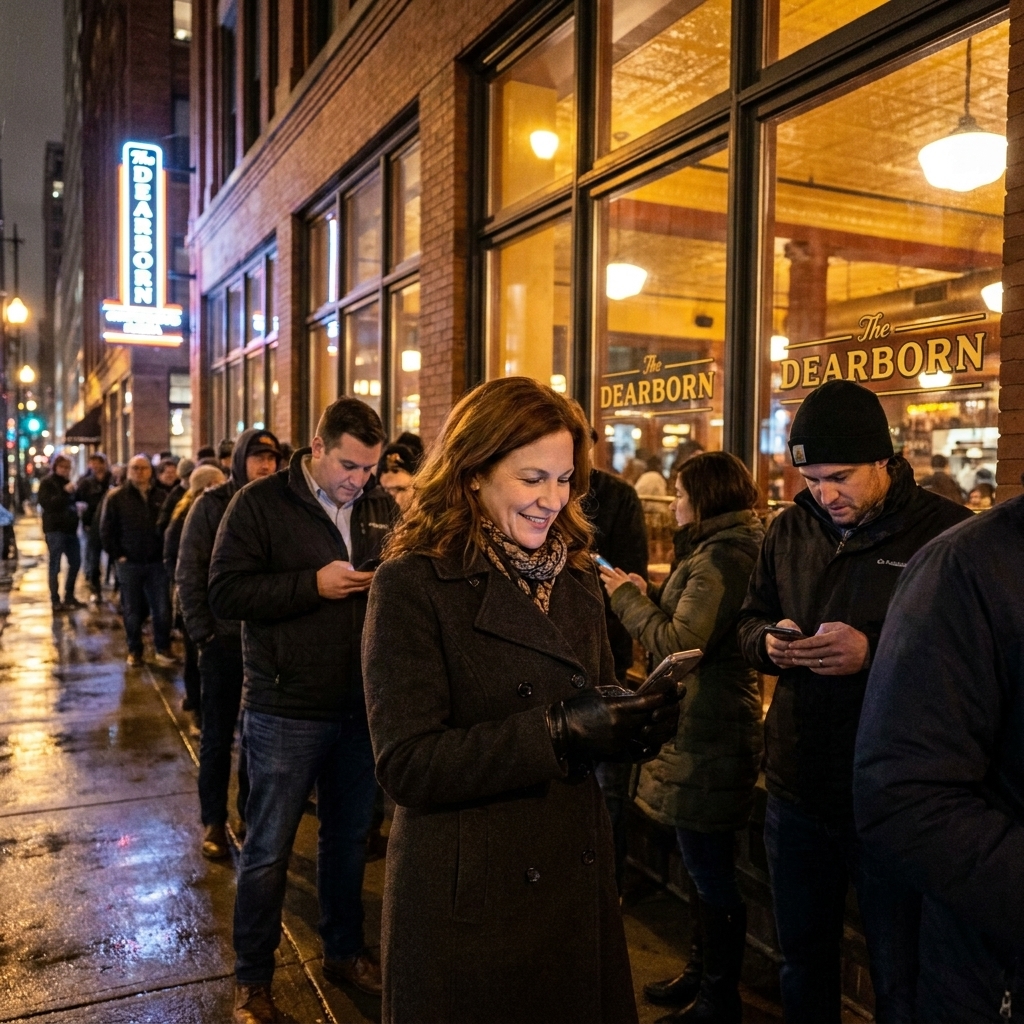
- Greeting and wait: Were you acknowledged quickly, even if they were slammed?
- Reservation handling: Did they honor the time? Explain delays? Offer the bar?
- Coat and bag care: Hooks, chair backs, or a thoughtful solution?
- Room cues: lighting, music volume, temperature, table spacing, smell.
- Accessibility: steps, narrow aisles, restroom access, clear signage.

Ambiance: Describe the vibe
Ambiance is not just decor. It is the emotional temperature of the room: how you are meant to behave, linger, spend, and connect.
Write what it feels like
- Sound: Can you hear your dining partner? Is it buzzy or chaotic?
- Light: Candlelit romance, fluorescent efficiency, or something in between?
- Comfort: Chair height, table wobble, elbow room, drafts.
- Pace: Are people lingering over bottles or turning tables quickly?
Translate vibe into guidance
Instead of “trendy” or “cozy,” give your reader something they can use: “Great for a celebration if you do not mind raising your voice,” or “Ideal for a quiet catch-up, but not built for stroller traffic.”
Service: Judge the system
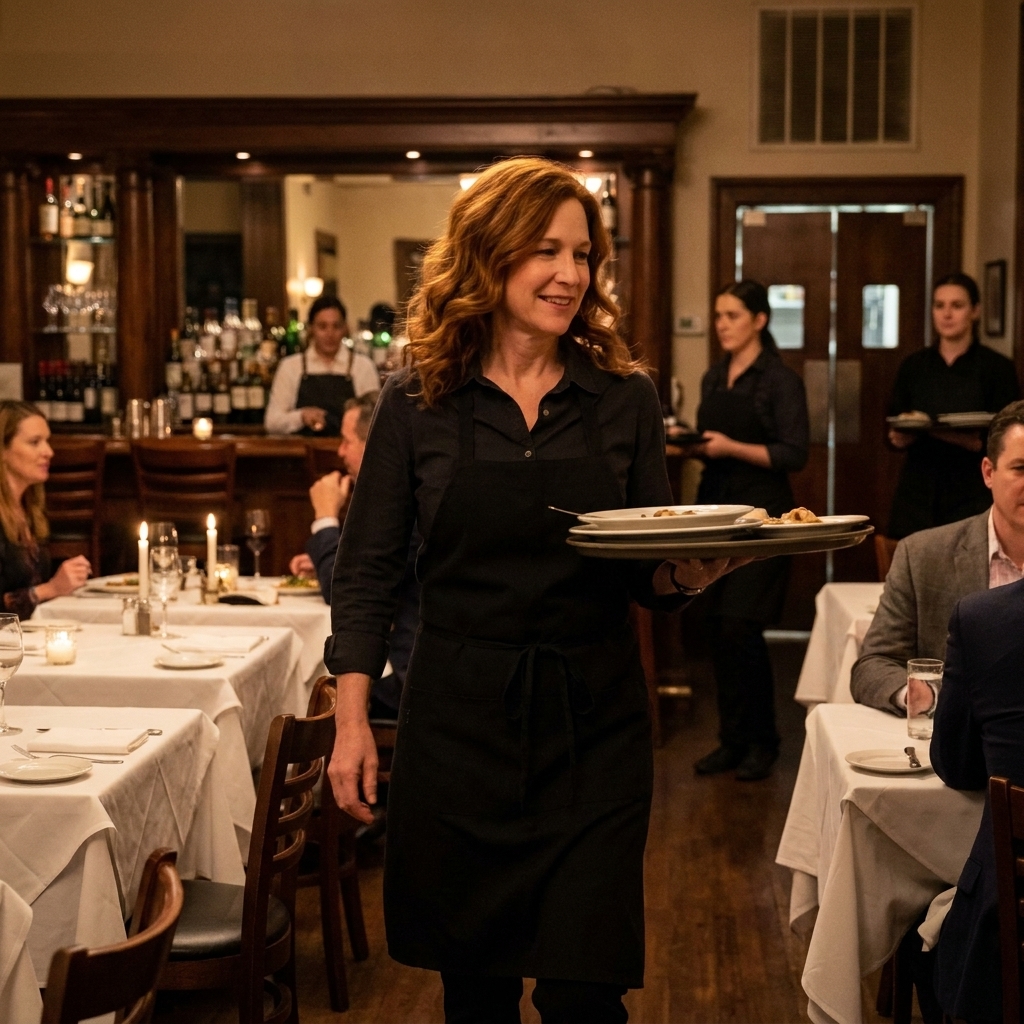
Service is where sociology shows up wearing an apron. It is labor, choreography, and care under time pressure. Your job is to assess how the system supports the guest experience.
What pros watch for
- Menu guidance: Did they ask about preferences and steer you helpfully?
- Allergy fluency: Did they take it seriously, ask follow-ups, and communicate confidently?
- Timing: Water refills, clearing plates, coursing, check drop.
- Problem recovery: When something went wrong, did they own it and fix it?
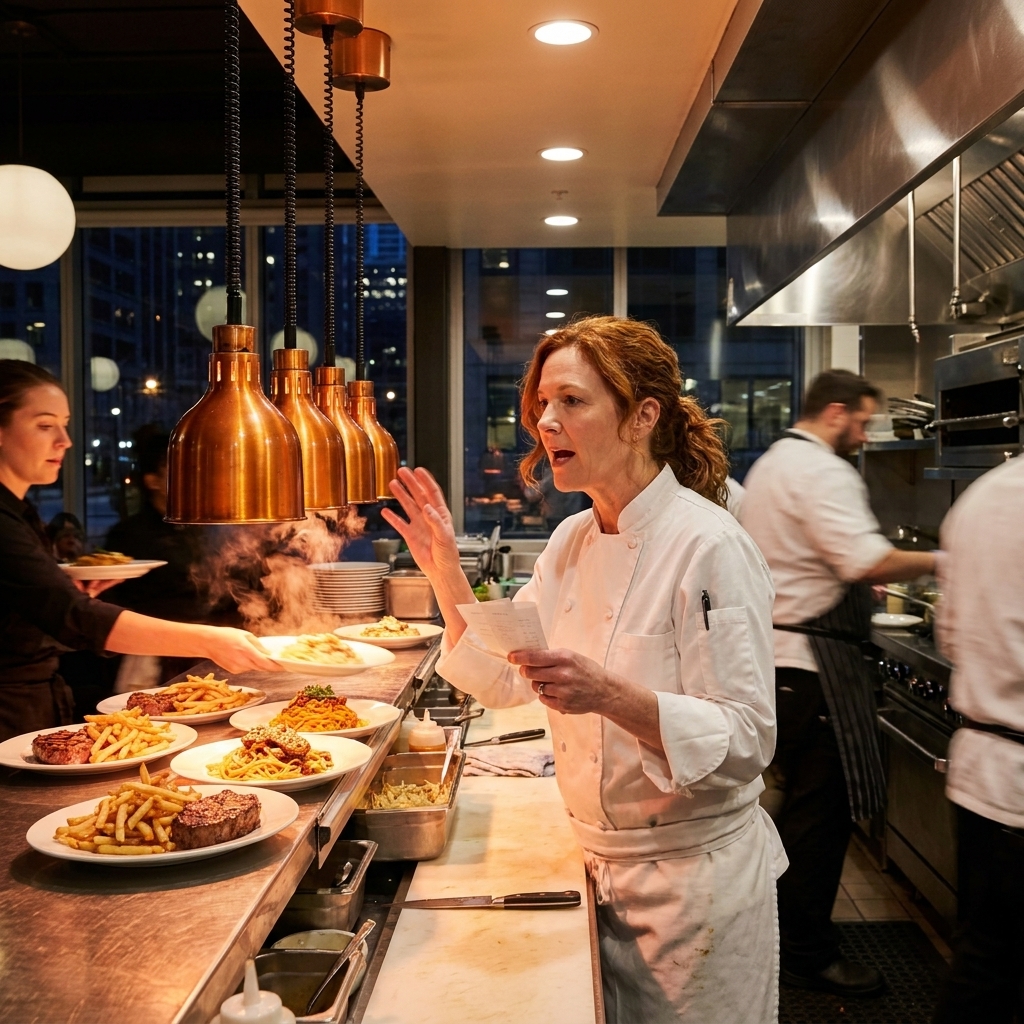
- Teamwork: Are runners and servers coordinated, or are plates landing with confusion?
How to write about service fairly
Describe what happened and the impact. Avoid mind reading. “Our server disappeared for 25 minutes and we could not order another round” is useful. “They did not care” is a guess.
Hospitality tip: If you are reviewing a place during an obvious crisis shift, note the context. A slammed dining room with two servers is a management issue, and readers deserve that truth.

Food: Taste like a critic
You do not need to name every spice to be insightful. You need to explain what the food did: how it smelled, how it moved on the palate, and whether it made sense for the dish and the price.
Use a simple tasting framework
- Aroma: bright citrus, roasted garlic, warm butter, smoky char.
- Texture: crisp, chewy, silky, gritty, tender, bouncy.
- Balance: salt, acid, sweetness, bitterness, heat, fat.
- Temperature: Was the “hot” dish hot? Was the ice cream half soup?
- Finish: clean, lingering, oily, drying, sharp.
Judge idea and execution
A dish can be a great concept with sloppy execution, or a simple idea executed beautifully. Separate those two in your writing. “A smart riff on chicken parm, but the breading had gone soft under the sauce” tells the truth without being mean.
Compare within the room
The question is not “Is this the best burger in town?” The question is “Is this burger good, consistent, and worth it here, in this room, at this price?”
Drinks: Review the bar too
As a former beverage director, I will tell you this plainly: drinks reveal a lot about a restaurant’s values. Does the wine list support the food? Is the cocktail program thoughtful or copy-paste? Do non-alcoholic options feel like an afterthought or a welcome mat?
What to evaluate
- Menu clarity: Are cocktails described in a way that helps you choose?
- Balance and dilution: Is the drink focused and well-balanced, watery, syrupy, or sharp?
- NA options: Not just soda. Look for house-made drinks, thoughtful pairings, or legit zero-proof spirits.
- Beer and wine condition: Fresh draft, clean glassware, wines served at the right temperature.
Write beyond “strong”
“Strong” is not a tasting note, it is a measurement. Tell us if it is aromatic, bitter, herbaceous, or refreshing. And if you are sober-curious, say so. Your lens matters, and it can help readers like you.
Value: Price is not the point
Value is the relationship between what you paid and what you received: ingredient quality, portion, skill, comfort, service, and experience.
How to write about value
- Include specific prices for a few representative items.
- Note hidden costs like mandatory service charges, bread fees, or pricey add-ons.
- Describe who it is for: “Worth it for a special occasion,” or “Best as a quick weeknight dinner.”
Consistency: The unsexy secret
One meal is a snapshot. Professional critics often try to visit multiple times when possible because restaurants can be wildly different depending on staffing, volume, and daypart.
If you can go twice, do it
- Try a different time: weekend peak versus weekday.
- Order across categories: a signature item plus something basic.
- See if the “hits” and “misses” repeat.
If you cannot go twice, be transparent: “Based on one visit during Saturday dinner service.” That single sentence buys you credibility.
If things change, say so
If you are publishing online and the restaurant clearly fixes a major issue, consider a follow-up visit and an update note. Do not quietly rewrite history. Add context, date it, and let readers see the arc.
How to structure your review
Great reviews read like a story, but they are built like a report. Here is a structure that keeps you honest and keeps readers hooked.
1) Lede: Set the scene
Give us the hook. What kind of place is it and what did it feel like to walk in?
2) Thesis: Your take in one line
Example: “A polished neighborhood bistro with knockout pastas and uneven pacing, best when you treat it like a long dinner instead of a quick bite.”
3) Evidence: Back it up
Choose a few specific moments and dishes that prove your point. Specific beats general every time.
4) Practicals: Who should go
- Best for: date night, families, solo bar seat, celebrations.
- Order this: 2 to 4 standout items with short reasons.
- Avoid this: only if truly warranted, and explain gently.
5) Context: Price and access
Include what a typical meal costs and anything that will matter to readers planning a visit.
A review checklist
If you want to sound more like a critic immediately, use this checklist as your notes template.
- When: date, time, day of week
- Party: number of guests, any dietary needs
- Wait: reservation honored? bar option?
- Room: lighting, sound, comfort
- Service: guidance, pacing, recovery
- Drinks: highlight, NA options, value
- Food highlights: 2 to 4 dishes with aroma, texture, balance
- Food misses: what and why, with specifics
- Check total: include fees and tip notes if relevant
- Who it is for: and who it is not for
Common mistakes
Reviewing the place you wanted
If you hate small plates, do not penalize a small-plates concept for being itself. Judge whether it succeeds at its intent.
Confusing preference with flaw
“I do not like cumin” is not a criticism. “The cumin overwhelms everything else in the stew” is a criticism.
Going nuclear over one error
One cold fry is annoying. A pattern of poor timing is a problem. Scale your critique to the pattern and the stakes.
Ignoring allergy realities
If you have ever tried to order gluten-free in a loud dining room, you know it is not a lifestyle flex, it is risk management. Note how the restaurant handles allergens, cross-contact, and substitutions. That is part of hospitality now.
FAQ
Should you tell the restaurant you are writing a review?
If you are not a credentialed critic on assignment, you do not need to announce it. In most cases, you will get the most honest read by being a regular guest. If you do receive special treatment, disclose it.
How many dishes should you order?
Enough to cover the menu’s range: at least one starter, one main, one drink, and ideally one dessert or side. For groups, a wider spread helps. For solo diners, sit at the bar and ask the bartender what shows the kitchen’s strengths.
Can you review a bad experience without ruining someone’s livelihood?
Yes. Stick to verifiable details, avoid personal attacks, and focus on systems. If something is unsafe or discriminatory, be direct. Otherwise, be precise and proportionate.
Is it okay to take photos or video?
Photos are usually fine if you are respectful. Avoid flash, avoid turning dinner service into a shoot, and as a matter of respect, avoid filming staff without consent. You are there to eat, not to direct.
Closing thought
The goal of a professional-style review is not to dunk on anyone. It is to tell the truth with enough nuance that readers can see themselves in the scene and make a confident choice. When you write with curiosity, specificity, and empathy, you do more than rate a meal. You document a little slice of culture, one table at a time.