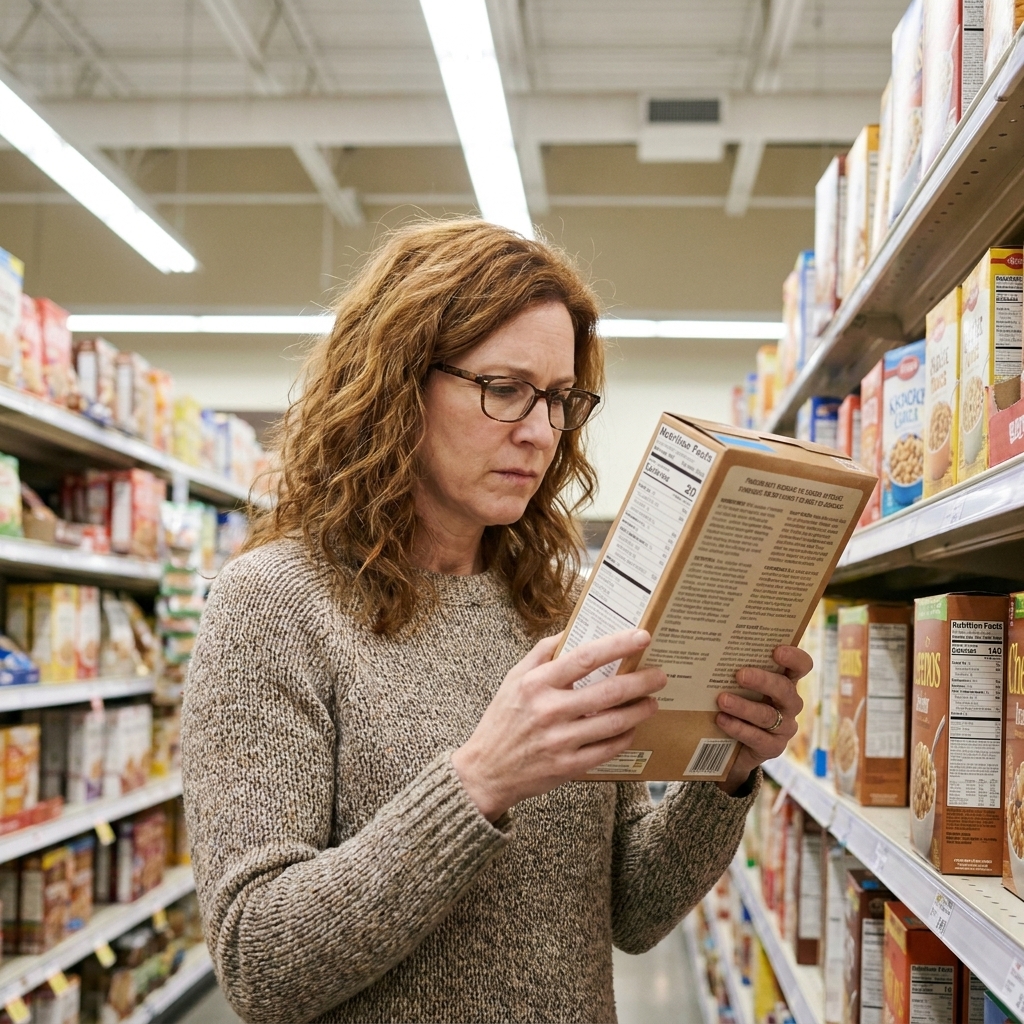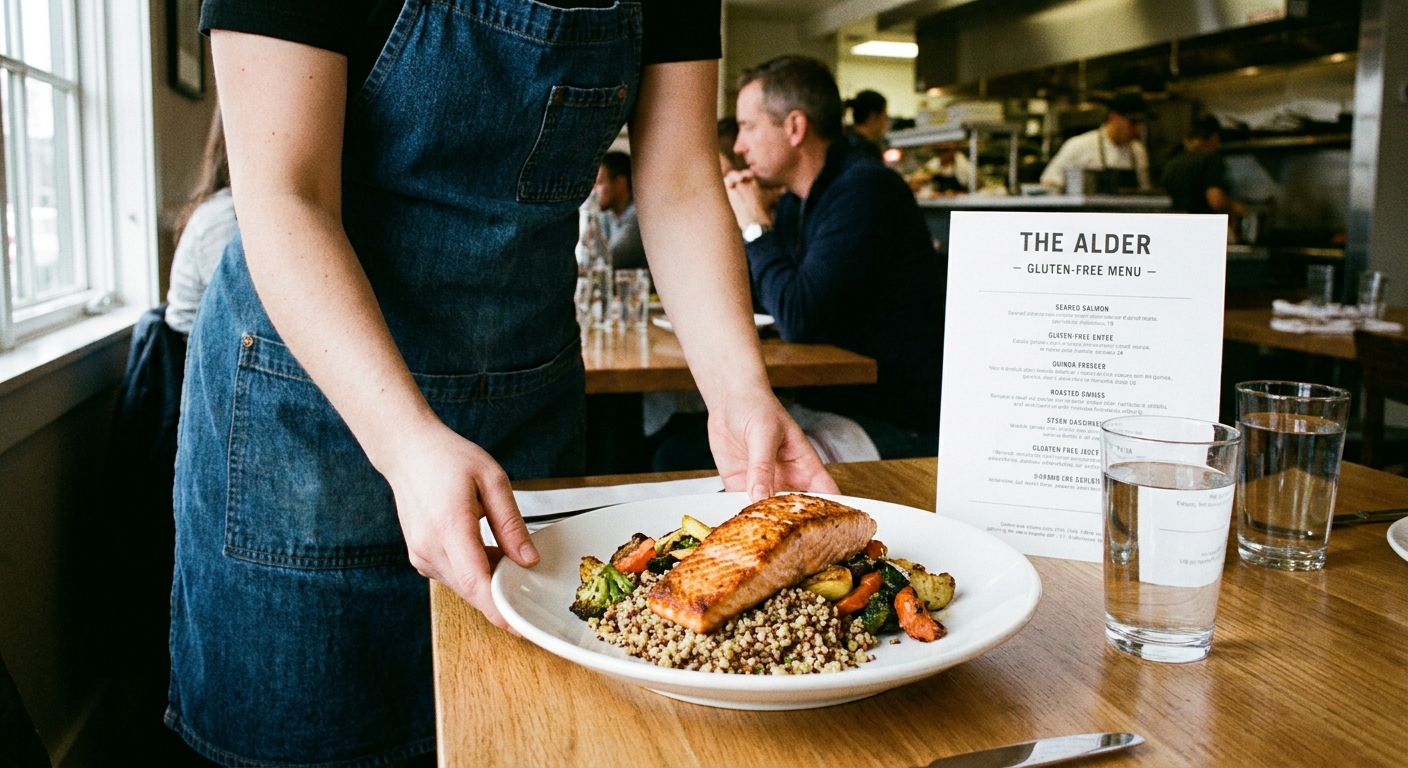
Restaurants are better about labeling allergens than they used to be, but dairy still loves to hide in plain sight. Sometimes it is obvious (hello, burrata). Other times it is tucked into a sauce base, brushed onto bread at the last second, or whipped into a soup for “silk.” If you avoid dairy for an allergy, intolerance, or just because it makes you feel lousy, reading a menu like a line cook reads a prep list is a skill worth building.
This is your field guide to common dairy wording, sneaky ingredient clues, and the gentle follow-up questions that keep things safe without turning dinner into an interrogation.
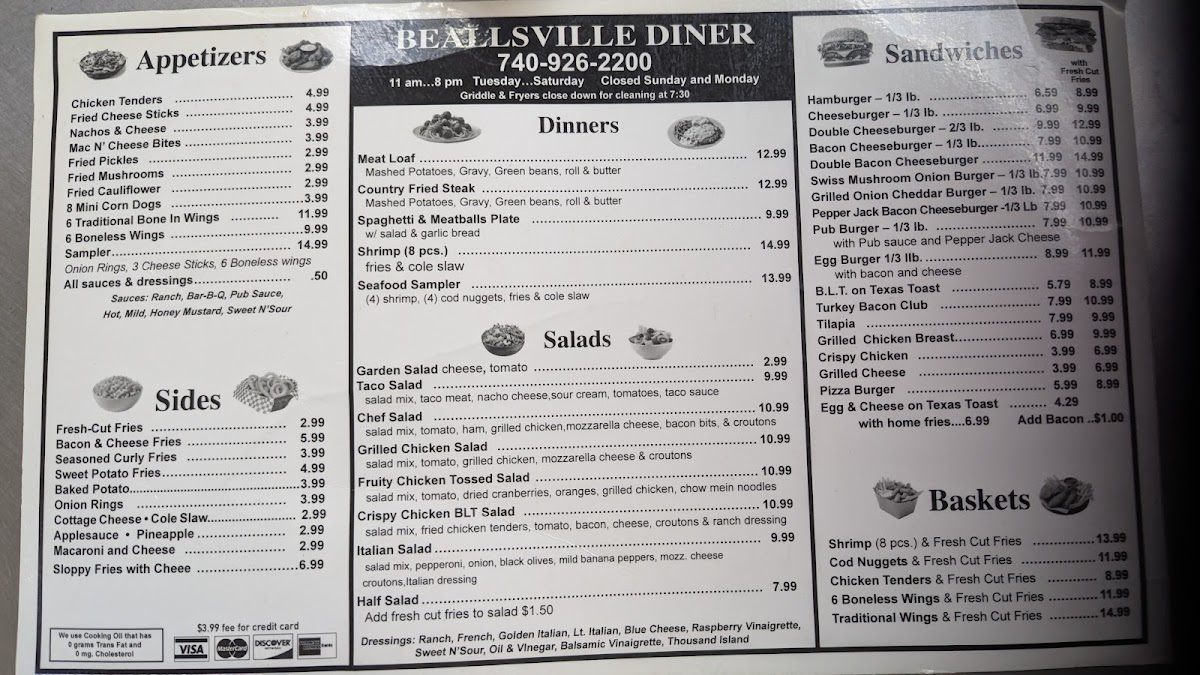
The dairy words that rarely lie
If you see these terms and you are avoiding dairy, assume milk is involved unless the menu explicitly says otherwise.
- Butter (including brown butter, beurre noisette, beurre blanc)
- Cream (heavy cream, whipped cream, crème fraîche)
- Cheese (parmesan, pecorino, feta, goat cheese, blue cheese, queso, paneer)
- Milk (whole, skim, half-and-half)
- Yogurt (labneh, raita, tzatziki)
- Sour cream
- Ice cream, gelato, custard
- Ghee (clarified butter; still made from milk and not safe for a milk allergy, even if some people with lactose intolerance may tolerate it. Do not assume.)
Also watch for French and Italian menu language. You do not need to speak either language to spot the dairy: au gratin, alfredo, carbonara, béchamel, and mornay are basically dairy waving from the pass.
Ingredient clues: whey, casein, and friends
Not every menu lists ingredients, but when it does, these are the words that matter most for people who need to avoid dairy proteins.
Whey
Whey is a milk protein commonly used in packaged mixes and pre-made components a restaurant might buy in, like seasoning blends, some dressings, and certain breads or buns. You are more likely to spot whey in an ingredient list or allergen sheet than in the dish name, but it is a key word to recognize if you have a milk allergy.
Casein and caseinate
Casein (and caseinate) are also milk proteins. They show up more in packaged foods than scratch kitchens, but they can appear in “non-dairy” creamers, some processed cheeses, and the occasional pre-made sauce or seasoning blend a restaurant buys in.
Lactose, milk solids, milk powder
If you are lactose intolerant, keywords like lactose, milk solids, milk powder, and dry milk matter. If you have a true milk allergy, remember that lactose-free is not the same as dairy-free. Lactose-free products still contain milk proteins unless stated otherwise.
Where dairy hides most often
From the kitchen side, dairy is a workhorse ingredient. It adds shine, body, and balance, and it is often used automatically unless a recipe is built to be dairy-free from the start. These are the categories where I stay extra alert.
Sauces
- Pan sauces: “finished with butter” is common even when not listed.
- Cream sauces: alfredo, vodka sauce, rosé sauce, peppercorn cream.
- French classics: béchamel (milk), mornay (béchamel plus cheese), beurre blanc (butter).
- Pestos: many contain parmesan or pecorino unless specified vegan.
- Caramel and candy-style sauces: caramel sauce, toffee, butterscotch, and dulce de leche are typically butter and or cream based.
If the menu says “silky,” “velvety,” “rich,” or “finished with…” and the dish is sauce-forward, that is your cue to ask what gives it that texture.
Dressings and dips
- Ranch, blue cheese, Caesar (often parmesan), green goddess (often yogurt, sour cream, or buttermilk based), creamy vinaigrettes
- Tzatziki, labneh, raita, many “herb dips”
- Queso and cheese-based dips
Even “vinaigrette” can be a trap if the kitchen adds a spoon of parmesan, a splash of buttermilk, or blends in a creamy base for body.
Soups
- Bisque (typically cream)
- Chowder (milk or cream)
- Cream of anything (obvious, but still worth stating)
- Pureed vegetable soups: sometimes blended with cream or finished with butter
Soup is one of the easiest places for dairy to sneak in because the base is often made in large batches before service. That does not mean you cannot have it, it just means you need confirmation.
Bread, buns, and the “free stuff”
Two common surprises: (1) bread enriched with milk (brioche is a usual suspect) and (2) butter brushed on right before it hits the table or grill. Also watch for “toasted” bread, which may be toasted in butter on the flattop.
Pastas and mashed things
- Fresh pasta: usually just flour and eggs, but dairy can show up in some house recipes. The bigger risk is what comes with it: butter, parmesan, cream sauces, and stuffed pastas with ricotta or cheese blends.
- Mashed potatoes, polenta, risotto: commonly finished with butter and parmesan.
In plenty of kitchens, “finish with butter and parm” is basically muscle memory.
Desserts
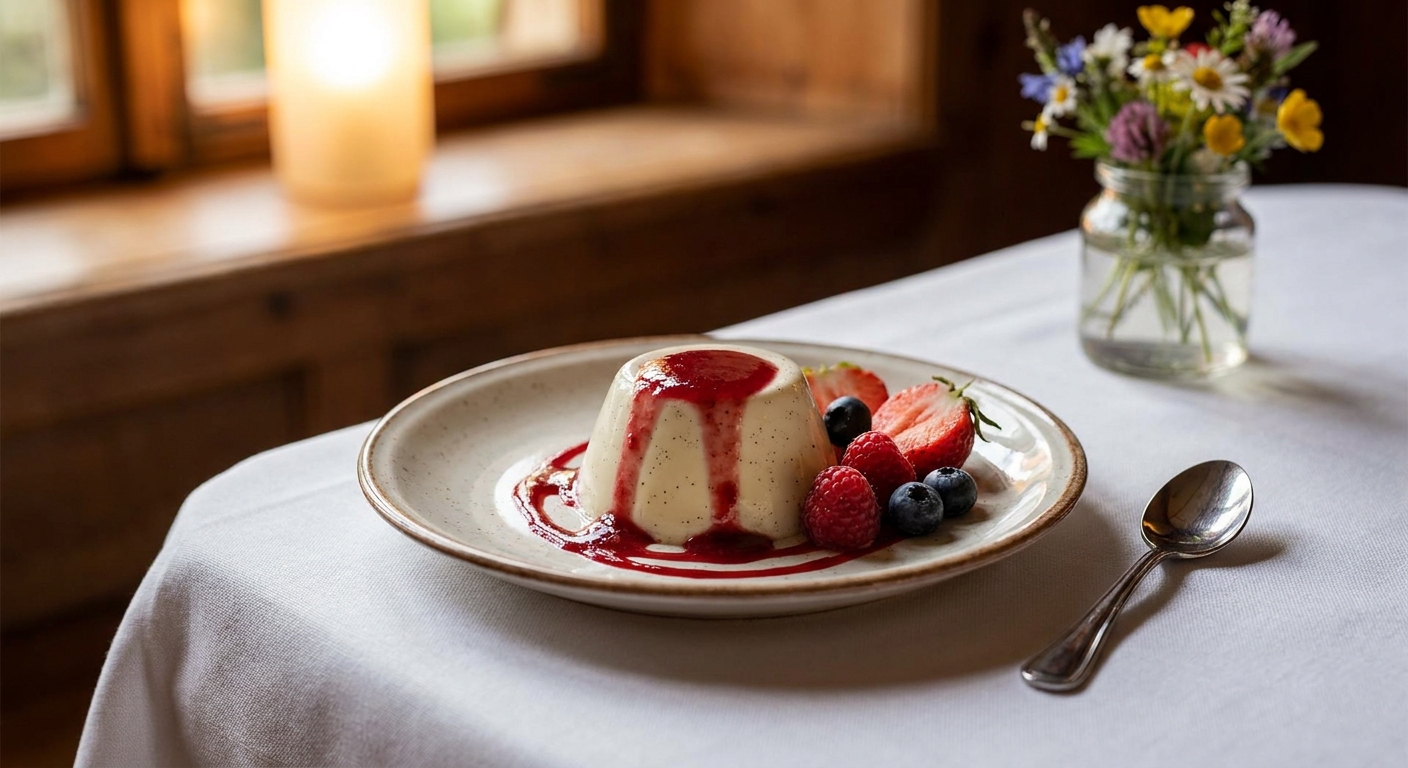
- Custards, panna cotta, pot de crème, ganache (cream), cheesecake
- “Chocolate” desserts: chocolate mousse, truffles, frosting often contain cream or butter
- Sorbet: most sorbet is dairy-free, but some places stretch the definition for texture, or label a sherbet-style dessert as sorbet. If you are avoiding dairy, it is worth confirming.
Menu phrases that often signal dairy
These are not guaranteed dairy, but they are strong hints that dairy could be part of the method.
- “Creamy” or “velouté”: may rely on cream, butter, or a dairy-based puree.
- “Buttered” or “brown butter”: direct dairy callouts.
- “Au gratin”, “scalloped”: often cream and cheese.
- “Hollandaise” or “béarnaise”: butter emulsions.
- “Whipped”: could mean whipped feta, whipped ricotta, whipped cream, or whipped butter.
- “Foam”: sometimes made with cream, milk, or butter for stability.
- “Parmesan crust”, “romesco with manchego”, “finished with pecorino”: cheese sneaks into toppings and garnishes.
One more: “house-made” is wonderful, but it can mean “we make it the classic way,” and classic often equals butter.
Quick checklist before you order
I keep this mental checklist whether I am at a white-tablecloth spot or my beloved neighborhood tavern. It takes 20 seconds and saves a lot of back-and-forth.
- Scan for obvious dairy words: butter, cream, cheese, milk, yogurt, ghee.
- Flag the high-risk categories: soups, sauces, dressings, mashed sides, desserts.
- Look for clue phrases: creamy, gratin, hollandaise, whipped, foam, finished with.
- Check the bread situation: brioche, milk bread, butter-toasted, butter-brushed.
- Identify “hidden” components: pesto, aioli-style spreads, caramel, chocolate ganache.
- Decide your goal: avoiding lactose discomfort is a different conversation than managing a milk allergy.

How to ask follow-up questions
As a former beverage director, I will tell you what makes staff most helpful: clarity, brevity, and giving them a path to a solution. You do not need to apologize for keeping yourself safe. You just need to communicate in a way the kitchen can act on.
Start with the why, then ask one clear question
Try:
- “I cannot have dairy. Does this dish contain butter, cream, or cheese anywhere, including in the sauce?”
- “Is the dressing dairy-free, or is there buttermilk, parmesan, or yogurt in it?”
- “Is the bread brushed with butter or toasted on a buttered griddle?”
If you are dealing with an allergy, say “allergy”
Restaurants often treat the word “allergy” as an operational instruction, but policies vary and not every kitchen can safely accommodate every allergy. If cross-contact matters for you, say so plainly and ask them to confirm they can do it:
- “This is a dairy allergy. Can the kitchen accommodate with separate utensils and a clean pan?”
If your concern is lactose intolerance rather than an allergy, you can say that too. It helps staff gauge risk and suggest swaps.
Ask about the components, not just the dish name
Menus are modular now. The chicken might be fine, but the puree underneath is finished with butter, and the “herb drizzle” is actually a yogurt sauce. A good all-in-one question:
- “Can you check whether any component has butter, cream, milk, whey, or casein?”
Make it easy to say yes
Offer a simple alternative so the server can advocate for you:
- “Could I get that without the cheese, and with olive oil instead of butter if it is finished in butter?”
- “Could you do oil and vinegar on the side instead of the dressing?”
A small insider tip: if a server says “I think it is fine,” that is your cue to ask them to confirm with the kitchen. Guessing is how mistakes happen.
A few common surprises
I have watched diners get blindsided by these more times than I can count:
- “Caesar” anything: traditionally includes parmesan, plus cheese on top. Many versions also include egg in the dressing, which matters if you are avoiding both.
- Mashed potatoes: frequently heavy cream plus butter, even in steakhouses that feel straightforward.
- “Simple” grilled fish: may be basted with butter or served with a butter-based sauce by default.
- Tomato soup: often finished with cream.
- Pesto pasta: parmesan is classic unless stated dairy-free.
- Chocolate mousse: usually cream-based.
Labels: vegan vs non-dairy
Vegan is the clearest shortcut to dairy-free, but you should still confirm if dairy cross-contact is an issue for you. Shared fryers, shared prep surfaces, and butter-happy flattops can complicate things.
Non-dairy is trickier. In packaged foods, “non-dairy” can sometimes still contain milk proteins. In restaurants, people use the phrase casually to mean “no milk,” which is not always the same as “no dairy ingredients at all.” If your health depends on it, ask directly about butter, cream, cheese, whey, and casein.
Bottom line
Hidden dairy is usually not a conspiracy, it is just how kitchens build flavor and texture quickly. Once you know the common signals and you get comfortable asking one or two specific questions, ordering becomes a lot less stressful. And when a restaurant handles it well, tip them like you mean it. Thoughtful hospitality deserves a standing ovation, even when it shows up as a dairy-free pan sauce and a server who actually double-checked.