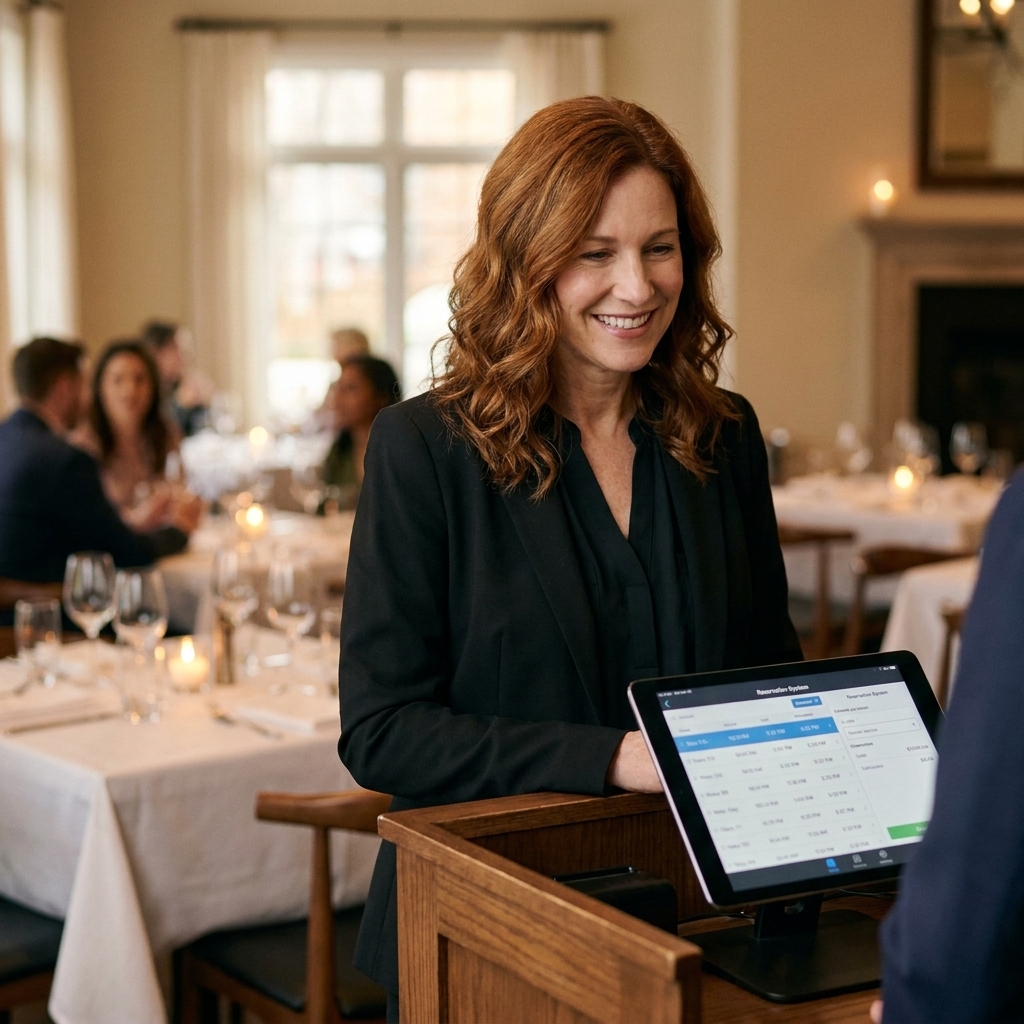
The other night, I watched a host stand do what used to take three people and a prayer on a Saturday: confirm a reservation, flag a birthday note, quote a wait time, and send a text when the table turned. No eye contact, no rummaging for a paper book, no “let me check with the manager.” Just a calm little screen glow, like the restaurant was running on airplane mode.
Hospitality has always been a technology business in disguise. The espresso machine is a computer. The POS is a life support system. Even the way we arrange tables is a kind of engineering. But the new wave, AI booking, dynamic pricing, and robotic service, is different. It does not just streamline the back of house. It changes the emotional choreography of going out to eat: how you book, how you are greeted, how you feel spending the money, and whether you trust the place with your time, your allergies, and your night out.
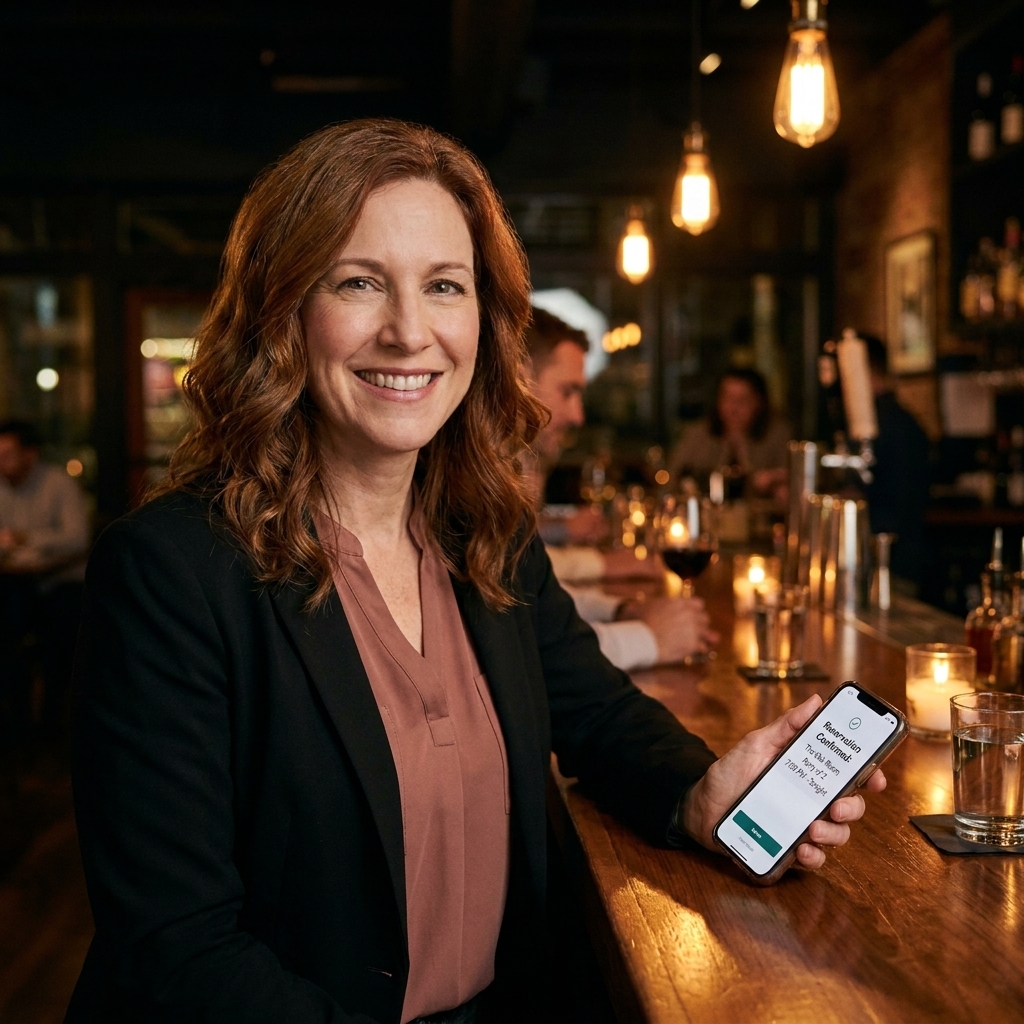
The new host: AI booking
If you have booked a table recently and gotten an instant confirmation, a friendly SMS, or a follow-up asking you to pre-select seating preferences, you have met the modern booking stack. Many restaurants, especially in busy markets and full-service dining, now run some combination of reservation platforms, guest notes, and automated messaging. The headline is convenience, but the deeper shift is that the “host” is becoming a data engine.
What AI is doing behind the scenes
- Reducing no-shows: Systems learn patterns by time, party size, event nights, and even weather, then nudge confirmations, adjust policies, or recommend deposits and tighter cancellation windows.
- Optional overbooking: Some venues do use cautious overbooking models. Others avoid it entirely and instead rely on waitlists, confirmation texts, and prepaid experiences.
- Tagging regulars and repeat guests: Guest profiles can consolidate notes like “prefers patio,” “allergy: gluten,” “anniversary,” or “always orders Champagne.”
- Smoothing the rush: Algorithms can stagger reservations to reduce bottlenecks, meaning fewer moments where the kitchen gets hit with 40 covers at once.
- Answering routine questions: Chat-style widgets and SMS flows handle “Do you have outdoor seating?” or “Can we add one?” without a human picking up the phone.
For diners, this can feel frictionless in a good way. For staff, it can mean fewer phone calls during service, which is a gift. But it also introduces a new kind of rigidity. When a system is optimized for efficiency, it can be less forgiving about the messy, human stuff: late arrivals, accessibility needs, and special requests that do not fit neatly into a dropdown.
Hospitality is a relationship business. AI can remember your favorite table, but it cannot read the room when you are having a rough day and need a little extra grace.
Dynamic pricing: airfare energy
Dynamic pricing in restaurants is the part that makes people bristle, because it pokes at the unspoken social contract of dining out. We accept that a bottle of wine costs more in a dining room than a retail shelf. We accept that Saturday night is harder to get than Tuesday. But the idea that a 7:30 p.m. table could literally cost more than 5:00 p.m. feels like the restaurant is putting a price tag on your social life.
It is also not everywhere. Adoption is uneven, showing up more in high-demand cities, special events, tasting-menu rooms, and any place where demand spikes hard at specific times.
In practice, dynamic pricing shows up in a few ways:
- Time-based reservation fees: Prime slots require a deposit or a booking fee, while earlier or later times are cheaper or free.
- Variable tasting menu pricing: The same menu may be priced differently on peak nights, holidays, or special event weekends.
- Experience bundles: Chefs’ counter seats, patio cabanas, or “priority” tables are sold as premium inventory.
Why restaurants do it
Margins are tight, labor is expensive, and no-shows are brutal. If you have ever run a floor plan, you know that a 7:00 p.m. two-top that does not show can wreck the rhythm of the whole night. Pricing tools, deposits, and stricter cancellation windows are all ways restaurants try to protect revenue and predictability.
Why diners feel weird
Because it can read like pay-to-play hospitality. It also raises equity questions. If the best tables and best times float to the highest bidder, dining culture starts to mirror concert tickets: less about community, more about access.
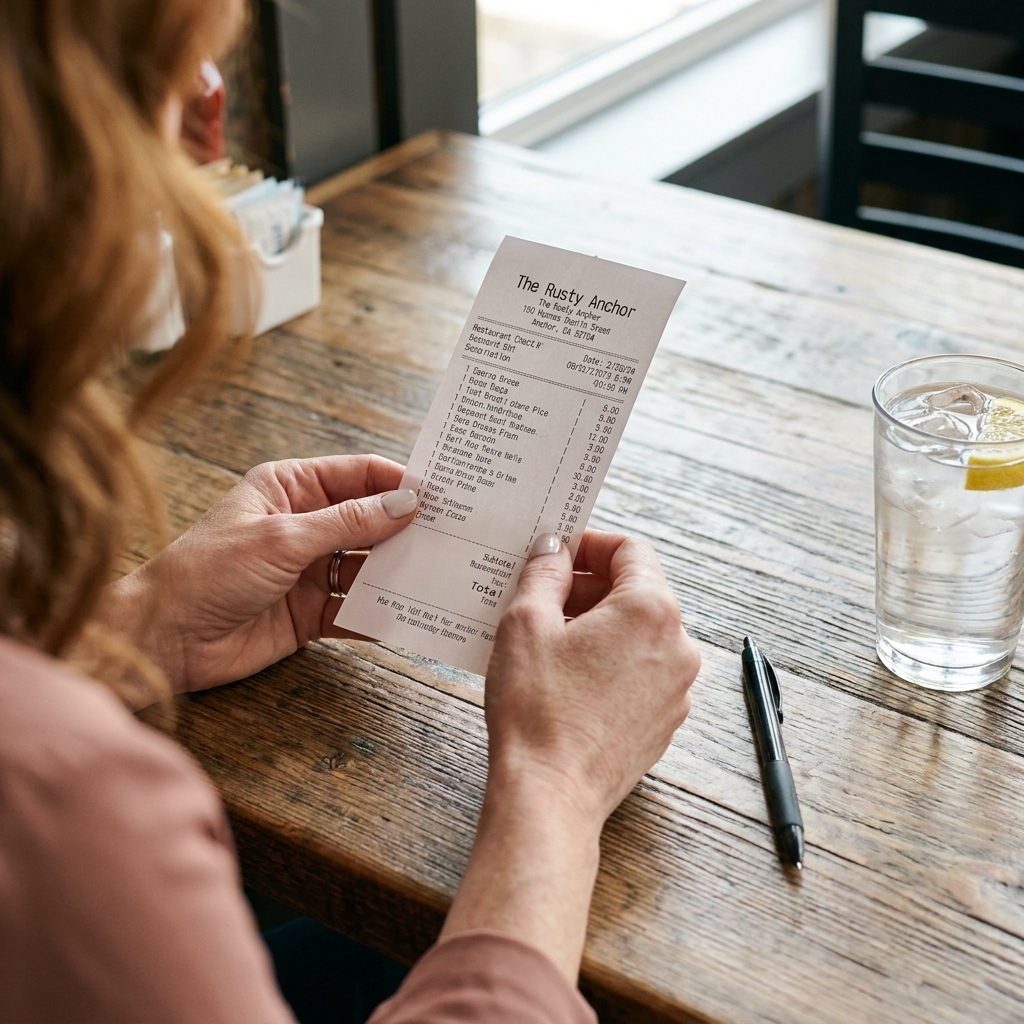
My personal line in the sand is transparency. If there is a booking fee, say so clearly. If it is applied to the bill, say so clearly. If it is nonrefundable, do not bury it. Restaurants earn trust the same way they earn repeat business: by being upfront, especially when money is involved.
Robots and automation
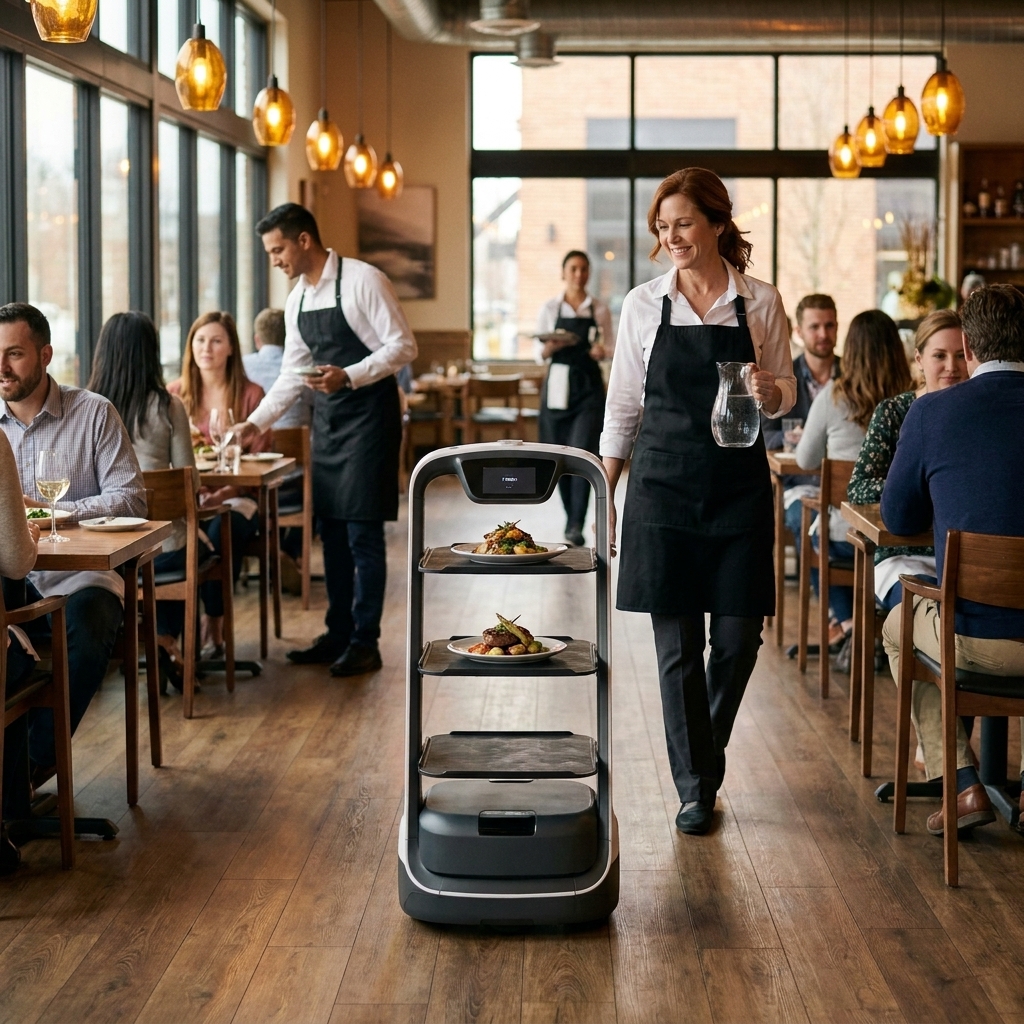
Let’s talk about the robots, because they are no longer just a trade show party trick. In a growing number of dining rooms, the most common “robot” is not a humanoid waiter. It is a wheeled runner that delivers plates, clears empties, or shuttles tubs to dish. Think of it as a tireless busser with GPS.
Where this shows up most: high-volume restaurants, hotels, and large dining rooms where the miles add up and staffing is a constant puzzle. Fine dining is experimenting too, but usually with a lighter touch.
Where robots help
- Running food in high-volume spots: Hotels, banquet spaces, and large casual restaurants benefit most. Long distances and repetitive routes are perfect for automation.
- Supporting short-staffed teams: A robot can reduce steps for a server so they can spend more time at the table, not less.
- Late-night and off-peak operations: When staffing is hardest, automation can keep service consistent.
Where they fall short
- Tight dining rooms: Old buildings, narrow aisles, and chairs that creep out of place are not robot-friendly.
- High-touch service: Fine dining is built on anticipation and nuance. A robot can drop a plate, but it cannot notice a guest struggling with a crutch or pick up on discomfort around an allergy conversation.
- The vibe: Some guests love the novelty. Others feel like it cheapens the experience, especially at higher price points.
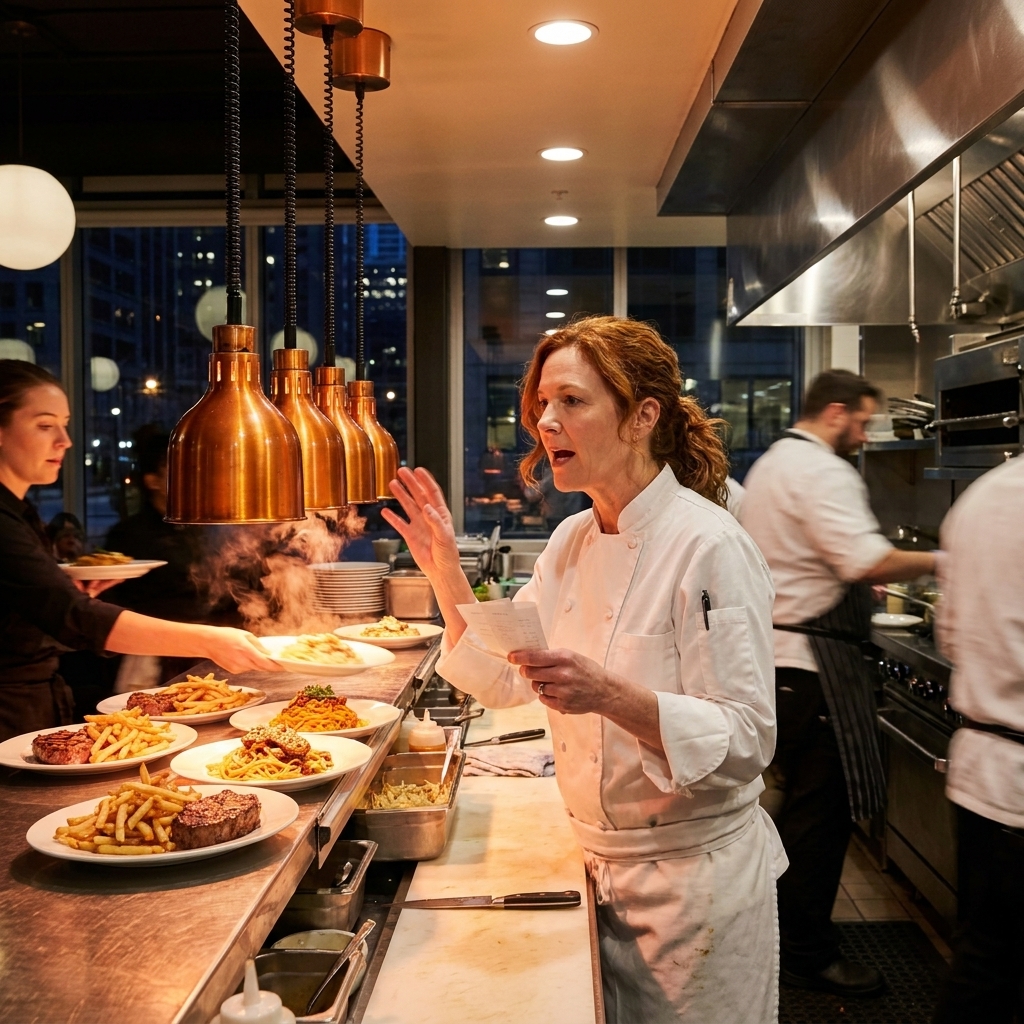
The best versions I have seen treat robots like support staff, not replacements. The robot handles the repetitive transport. The human handles the human part: pacing, hospitality, and problem-solving.
Allergies and inclusivity
This is where my perspective got personal. Once I developed a medically serious gluten issue, the kind that could be celiac disease or a severe intolerance depending on the person, I stopped treating allergy notes like an optional footnote. I started treating them like a contract. Tech can help honor that contract, but only if restaurants use it with intention.
The upside
- Allergy notes persist across visits: Guest profiles can flag dietary restrictions automatically so you do not have to re-explain every time.
- Better communication between front of house and back of house: Integrated systems can ensure an allergy note hits the ticket clearly and consistently.
- Smarter menus: Digital menus can be updated faster when recipes change, which matters when an ingredient swap introduces risk.
The risk
Automation can create false confidence. An AI-tagged “gluten-free” label is only as reliable as the training, the recipes, and the kitchen discipline. The most inclusive restaurants still do the basics well: clear protocols, dedicated tools when possible, and staff who take questions seriously.
As a diner, I still recommend doing the human thing even in the most high-tech room: confirm the allergy with your server, ask how it is handled, and listen to the confidence level in the answer. If the response is vague, that is information.
Labor and burnout
Whenever tech enters the dining room, the conversation turns into a tug-of-war: “It’s taking jobs” versus “No one wants to work.” Both are oversimplifications, and both miss what hospitality workers actually say when the doors close and the side work starts.
Here is what I hear from people still in the trenches:
- Automation can reduce the most punishing parts of the job: fewer steps, less carrying, fewer interruptions from phone calls.
- It can also tighten surveillance: more tracking, more metrics, more pressure to hit turn times like you are running a call center.
- It changes what the job is: less improvisation, more system management. That can be great for some people and draining for others.
If restaurants use AI to squeeze labor harder without raising pay, improving scheduling, or protecting breaks, the tech becomes another burnout accelerant. If they use it to protect staff from chaos and give people a more sustainable shift, it can actually support mental health. The difference is values, not software.
Privacy and accessibility
There is another layer we do not talk about enough: the data. Guest profiles can store your phone number, booking history, notes about preferences, and sometimes dietary restrictions. That is helpful, until it is not.
- Privacy: Ask yourself who owns the profile: the restaurant, the reservation platform, or the restaurant group that shares systems across locations. A “regular” in one dining room can become a data point everywhere.
- Security: Any system that stores personal details can be breached. The more data we collect, the more carefully it needs to be protected.
- Opt-outs and control: The best operators make it easy to stop marketing texts, correct notes, and remove information that should not live forever in a database.
Accessibility matters too. Some booking pages are not friendly to screen readers. Some restaurants push SMS-only flows that do not work for everyone. A truly hospitality-forward tech stack always includes a human fallback, and a clear way to request accessibility accommodations without jumping through hoops.
Tech-forward but human
I am not anti-tech. I am anti-soulless. The places doing this well tend to share a few tells:
- Policies are clear and fair: Deposits and fees are explained up front, and exceptions are handled with empathy, not canned scripts.
- There is a real point of contact: You can reach a person for accessibility needs, allergies, or special circumstances.
- Tech reduces friction, not warmth: Automated texts help, but the greeting still feels like someone actually wants you there.
- Staff are trained on the tools: Nothing kills a night faster than a system no one understands while guests wait and the kitchen spirals.
Tips for your next booking
- Want fewer fees? Book early or choose off-peak times, then set a calendar reminder so you can cancel within the window if plans change.
- Need a human? Look for a phone number or email on the booking page before you confirm. If there is no real contact option, that is a signal.
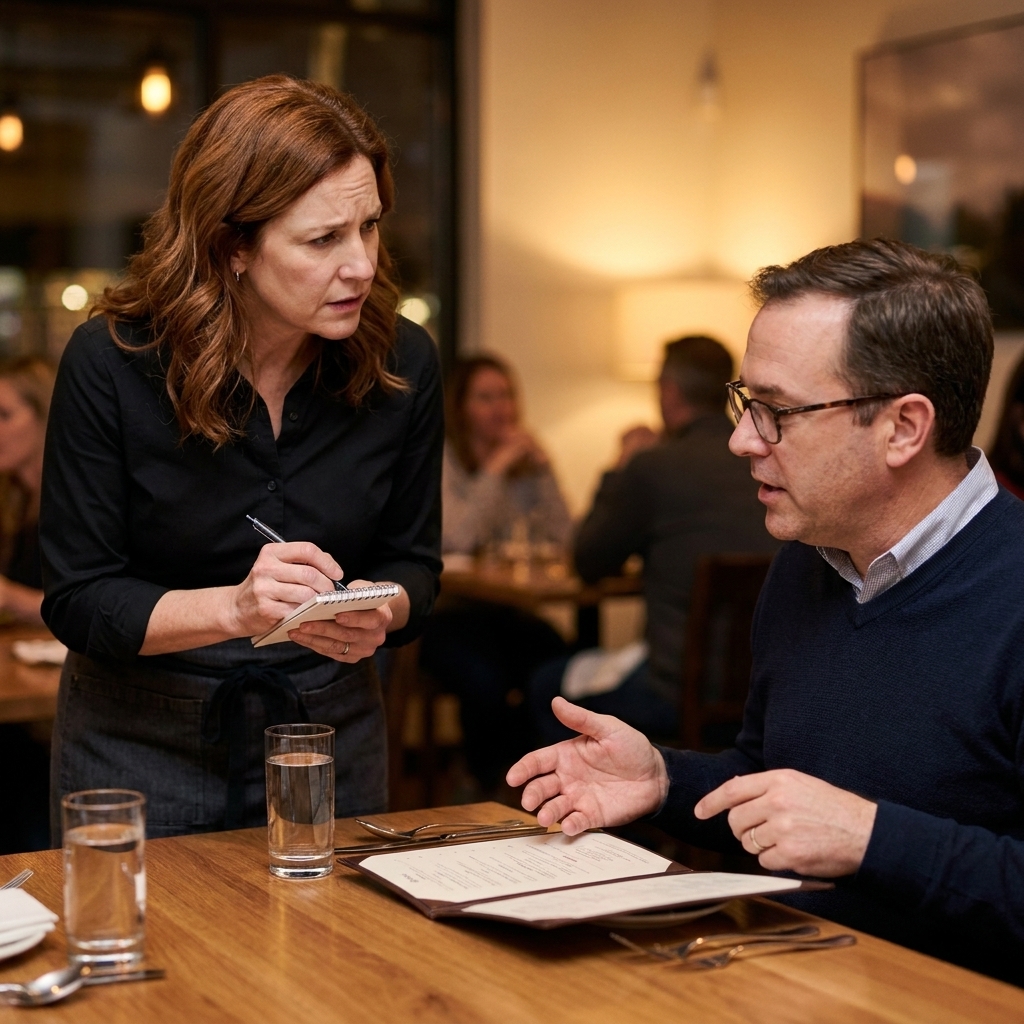
- Allergy or accessibility request? Put it in the notes, then repeat it to a person when you arrive. Redundancy is safety.
- Confused by pricing? Screenshot the policy at checkout. If something changes later, you have a reference without turning dinner into a debate.
- Booking for a special moment? Tell them, but keep it specific. “Quiet corner, if possible” works better than a paragraph.
What this means next
In the near future, getting a table will feel more like booking travel: more prompts, more confirmations, more policies, and potentially more price variation. That can be annoying. It can also be the reason your food comes out on time and your server is not sprinting like they are running a relay.
The dining rooms that win will be the ones that remember the point of all this optimization: not just to turn tables faster, but to make the experience calmer for everyone inside the building. I will take a robot runner all day if it means a server has thirty extra seconds to check in, or a kitchen has the bandwidth to take an allergy seriously.
Because at the end of the night, the best tech still disappears into the background. You do not want to feel like you ate inside an algorithm. You want to feel taken care of.
FAQ
Why are restaurants charging deposits or booking fees?
It is mainly a response to no-shows and last-minute cancellations, especially for small dining rooms and tasting menus where one empty table hurts. Policies vary, but many places use a clear cancellation window and either a deposit applied to the bill or a fee that is kept if you cancel too late. The fairest versions explain it plainly before you click “confirm.”
Are robots replacing human staff?
In most restaurants, robots are used for support tasks like running food or bussing, not full table service. They show up most in high-volume settings where repetitive transport eats up staff time. In the best cases, they give humans more time to do actual hospitality.
Is dynamic pricing the same as surge pricing?
It can be. Some models adjust pricing by demand for specific time slots, similar to airlines or ride shares. Other models are more familiar, like higher prices on weekends or holidays. The real issue is transparency and how often the price can change.
Can AI help with food allergies?
It can improve consistency by keeping allergy notes attached to guest profiles and tickets, and by reducing the odds that information gets lost between front of house and back of house. But it does not replace kitchen protocols. Always confirm allergies with a human and ask what they do to prevent cross-contact. If the answer feels uncertain, choose a different dish or a different restaurant.
What happens to my guest profile data?
It depends on the platform and the restaurant group. In many setups, the data lives in the reservation system and can be shared across locations within a group. If you are uncomfortable, opt out of marketing texts, ask to correct or remove sensitive notes, and keep allergy details focused on what staff need to keep you safe.