There is a moment at the bar that gluten-free folks know too well: you ask what’s safe, the bartender squints at the taps, and suddenly everyone’s doing math out loud. If you’re deciding between a gluten-free beer and a hard cider, the “better” order usually comes down to two things: what you want it to taste like, and what the bar can actually serve you without guesswork.
Here’s the simplest call: if you want something that drinks like beer, go gluten-free beer. If you want something reliably gluten-free and easy for a busy bar to execute, cider is often the safer, faster win.
Quick note on sensitivity: celiac disease, non-celiac gluten sensitivity, and “I feel better avoiding gluten” aren’t the same thing, and risk tolerance varies. When in doubt, prioritize clearly labeled products and sealed packaging.
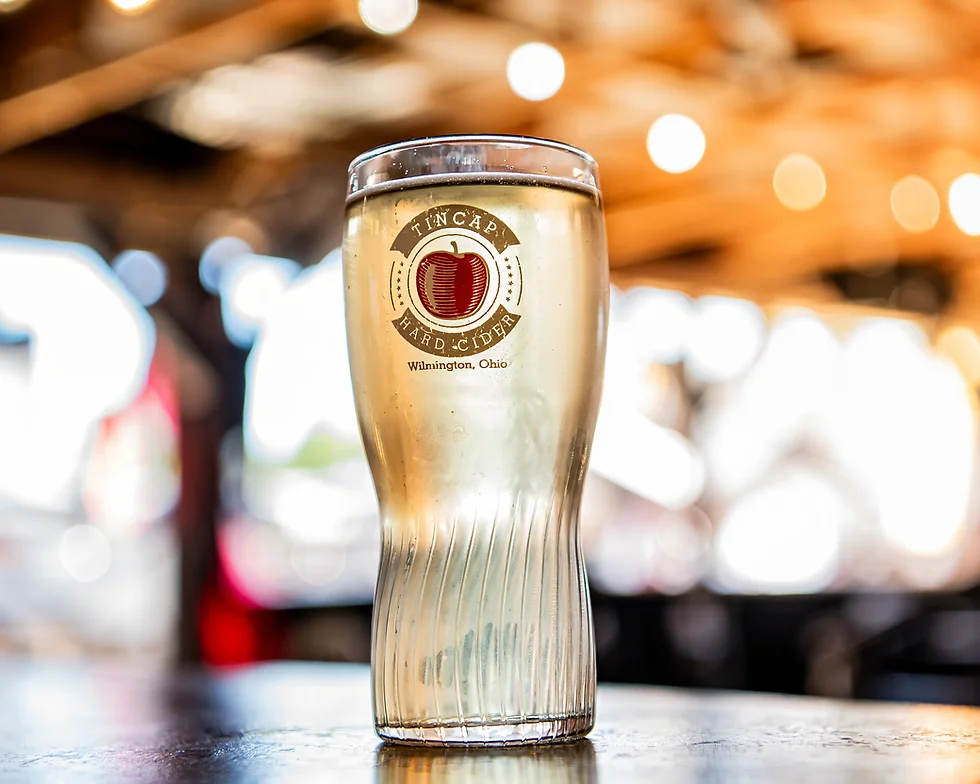
The quick ordering decision
- Order gluten-free beer when you want classic beer cues (bitterness, hop aroma, toasty notes) and the menu lists an option labeled gluten-free (certified when available).
- Order hard cider when you want the lowest-hassle, most widely understood gluten-free choice and you’re pairing with spicy food, salty snacks, or rich dishes that love a crisp, acidic drink.
- If the staff sounds unsure, choose cider or ask for a gluten-free packaged option (a can or bottle) rather than something poured from a draft system.
Taste: what you’ll notice
Gluten-free beer
Gluten-free beer can be genuinely satisfying now, but it varies by producer and base ingredients. Many drink closest to traditional beer when they lean on hops and clean fermentation.
- Common flavors: hop bitterness, citrus or pine from hops, light sweetness, sometimes a crisp “lager-like” finish.
- What you might notice: some versions read thinner than conventional beer, or have a different “cereal” note depending on the grains used.
Hard cider
Cider is fruit-forward by nature, even when it’s bone dry. Think of it as living somewhere between beer, sparkling wine, and adult apple soda depending on the producer.
- Common flavors: apple, pear, stone fruit, a bright tang, sometimes a light tannin or farmhouse funk.
- What you might notice: sweetness can swing from dry and snappy to dessert-like. If you don’t like sweet drinks, ask for dry or brut.
Ingredients: what matters
Beer labels: “gluten-free” vs “gluten-removed”
This is the part that can change your order.
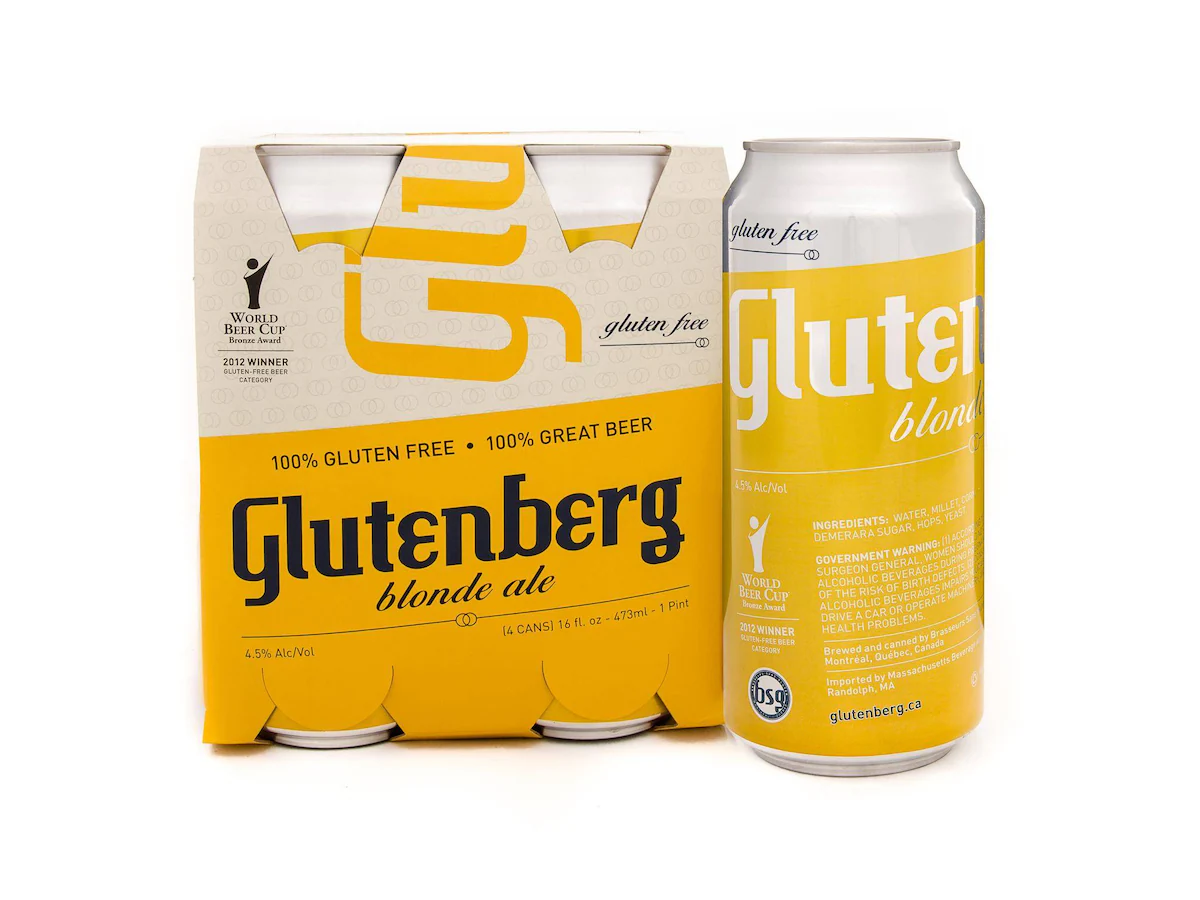
- Gluten-free (made without gluten grains) beer is brewed without wheat, barley, or rye, using alternatives like sorghum, rice, millet, buckwheat, corn, or gluten-free oats.
- Gluten-removed (or gluten-reduced) beer is typically brewed from barley and treated with enzymes intended to reduce gluten. Some people tolerate it, others don’t. If you have celiac disease or you react strongly, many celiac organizations advise avoiding gluten-removed products because remaining gluten can be hard to measure consistently in real-world conditions.
Ordering move: If the menu or can says “gluten-removed,” “crafted to remove gluten,” or similar language, ask questions or pivot to cider.
A quick labeling reality check: In many places, “gluten-free” generally means the product tests below a small threshold (often 20 ppm). That’s helpful, but it doesn’t erase cross-contact risk in draft service, and it’s one reason some people choose packaged drinks when they’re being extra careful.
Hard cider: usually gluten-free, but read the cues
Most traditional cider is fermented apple juice, which is naturally gluten-free. The gotchas tend to come from add-ins, barrels, or cross-contact.
- Safer signs: packaged cider from a known producer, clearly labeled gluten-free.
- Ask about: ciders with “cookie,” “graham,” “malt,” or “beer barrel” themes, or anything the bar can’t confidently explain (especially on draft).
Alcohol content: which hits harder?
Neither category is automatically stronger, but the ranges can feel different, and both can run lower or higher depending on style.
- Gluten-free beer: often lands in familiar beer territory, roughly 4 to 7 percent ABV, with some stronger styles higher.
- Hard cider: commonly sits around 5 to 8 percent ABV, and can climb higher, especially in specialty or “imperial” versions.
Real-world note: Cider can drink very easily when it’s crisp or slightly sweet, which can make it feel like it goes down faster than beer at the same ABV.
Food pairings that work
When gluten-free beer shines
- Burgers and fries (especially gluten-free buns): bitterness and bubbles cut fat and salt beautifully.
- Wings and bar snacks: hops and carbonation stay lively with spice and fried textures.
- Grilled meats: lager-like gluten-free beers are easy with char and smoke.
- Pizza (gluten-free crust): a crisp beer keeps tomato and cheese from feeling heavy.
When hard cider is the smarter match
- Spicy food: cider’s fruit and acidity can cool heat better than a bitter beer.
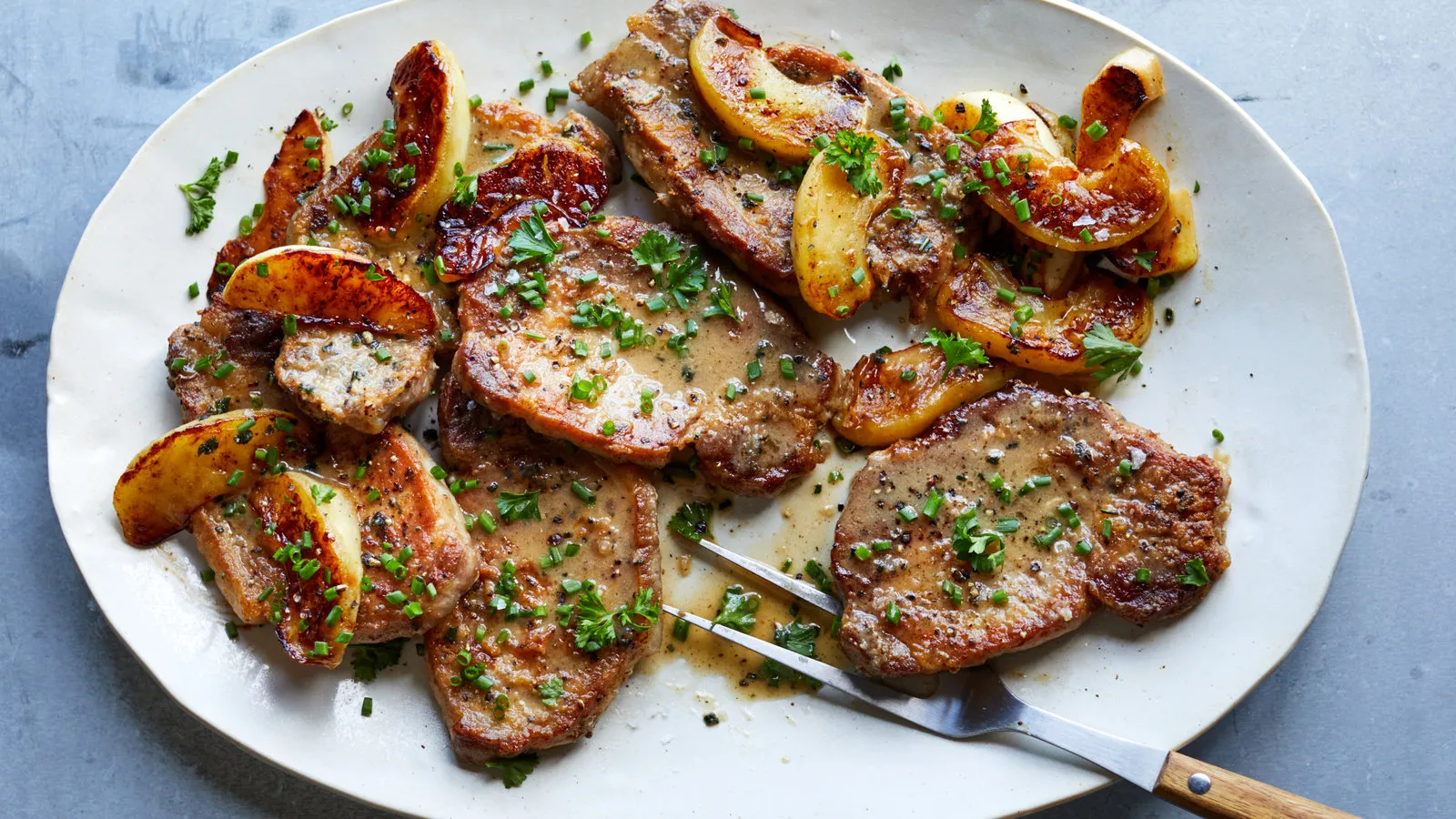
- Pork chops, sausages, and schnitzel: apples and pork are old friends.
- Cheese boards: especially sharp cheddar, blue cheese, or washed-rind styles that love sweetness and acid.
- Salads and lighter fare: dry cider drinks like a bright, bubbly white wine.
Availability: what you’ll find
Neighborhood bars
Cider is more likely to show up consistently. Plenty of bars keep at least one cider can or a single cider tap because it covers a lot of guests in one move: gluten-free drinkers, beer drinkers who want something lighter, and people who just want “something crisp.”
Beer-forward bars and brewpubs
You’ve got a better shot at a dedicated gluten-free beer, but you’ll also run into the most confusing labeling. Beer lists sometimes mix truly gluten-free beers with gluten-removed beers. If the bartender starts describing enzymes, that’s your cue to slow down and get specifics.
Restaurants
Cider is often the easier by-the-glass option, while gluten-free beer may be limited to one or two packaged choices. On wine-heavy lists, cider can also be positioned like a pairing-friendly alternative, which makes it an underrated dinner order.
Draft vs can: bar reality
If you’re highly sensitive, the safest practical choice is often a sealed can or bottle. Draft systems use shared equipment, and tap lines can rotate. Even with good cleaning practices, cross-contact risk is often hard for a busy bar to guarantee with confidence.
- Best-case scenario: the bar has a dedicated cider line (or dedicated gluten-free line) and trained staff.
- More common scenario: lines rotate, staff rotates, and the person helping you didn’t set up the system.
Ordering script that works: “Do you have a gluten-free beer in a can, or a packaged cider? Draft is tough for me.” It’s clear, quick, and gives the bartender an easy win.
What to order tonight
- You want classic beer flavor: choose a gluten-free beer that’s clearly labeled (certified when available), ideally in a can or bottle.
- You want the lowest-risk, easiest order: choose a dry hard cider, ideally packaged.
- You’re eating spicy food: cider.
- You’re eating burgers or wings: gluten-free beer if it’s clearly gluten-free, otherwise cider.
- The staff seems uncertain: packaged cider, no debate.
FAQ
Is hard cider always gluten-free?
Traditional cider made from fermented apple juice is gluten-free, but flavored products, certain add-ins, or draft service can introduce complications. When in doubt, ask for a packaged cider and check whether it’s labeled gluten-free.
Is “gluten-removed” beer safe for gluten intolerance or celiac?
It depends on the person, and that uncertainty is the problem. Gluten-removed beer is usually brewed from barley and treated to reduce gluten. If you have celiac disease or you react strongly, many celiac organizations suggest avoiding gluten-removed products and sticking with beer brewed without gluten grains from the start, or choosing cider.
Which one has fewer calories?
It varies by brand, ABV, and sweetness. Dry ciders can be fairly lean, while sweeter ciders can climb quickly. Gluten-free beer often tracks similarly to regular beer style-for-style. If you’re watching sugar, ask for a dry cider.
What’s the best option for a wedding or banquet bar?
Cider is usually the most reliable gluten-free option in high-volume settings because it’s commonly available in cans and easier to serve consistently. If the bar has a clearly labeled gluten-free beer in cans, that works too.