A few years ago, “opening a restaurant” still meant the familiar holy trinity: a lease, a dining room, and a staff that could run both without falling apart. Now, plenty of brands skip the front door entirely. They rent kitchen space, build a menu engineered for travel, and meet you at your apartment buzzer.
Ghost kitchens, sometimes called virtual kitchens or delivery-only concepts, are not just a pandemic aftershock. They are a business model that has matured into its own lane, powered by delivery apps, tighter margins, and a public that increasingly treats dinner like a subscription: tap, track, unbox, repeat.
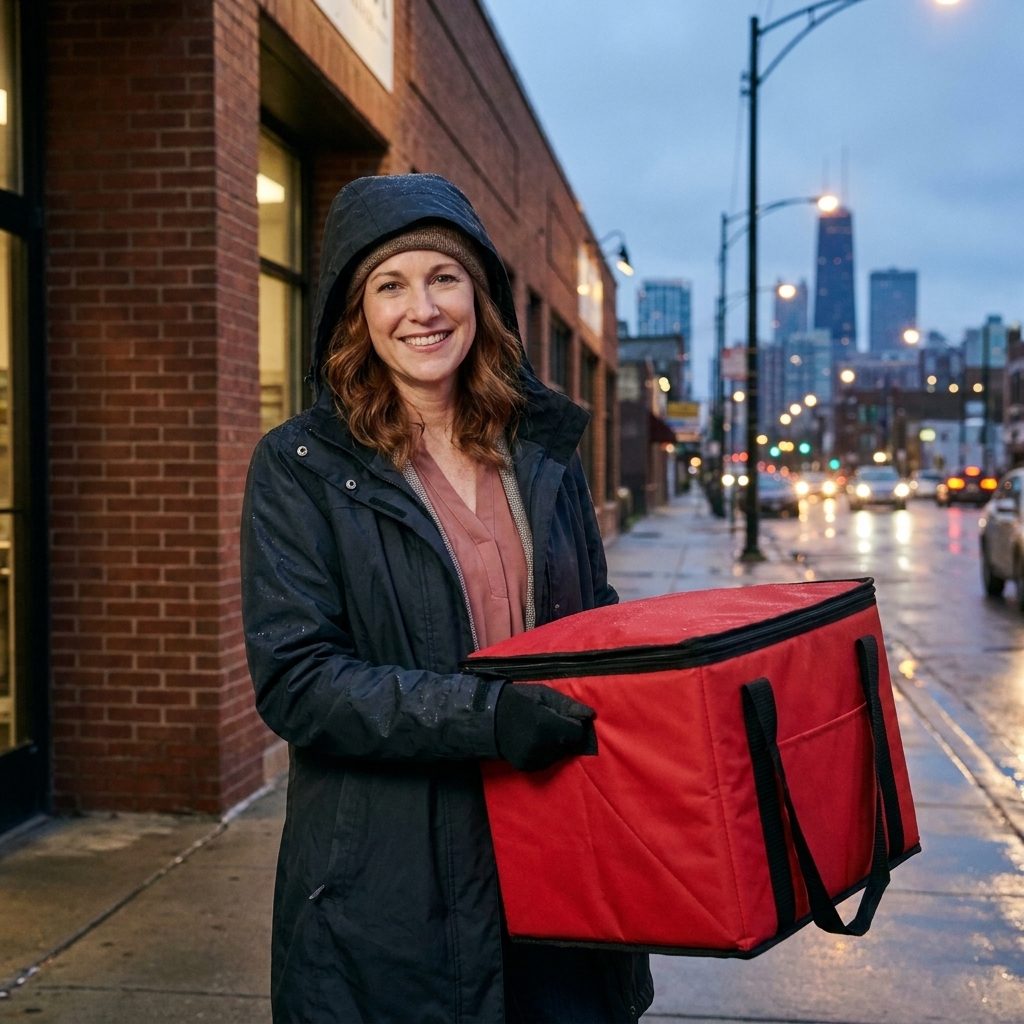
What a ghost kitchen is
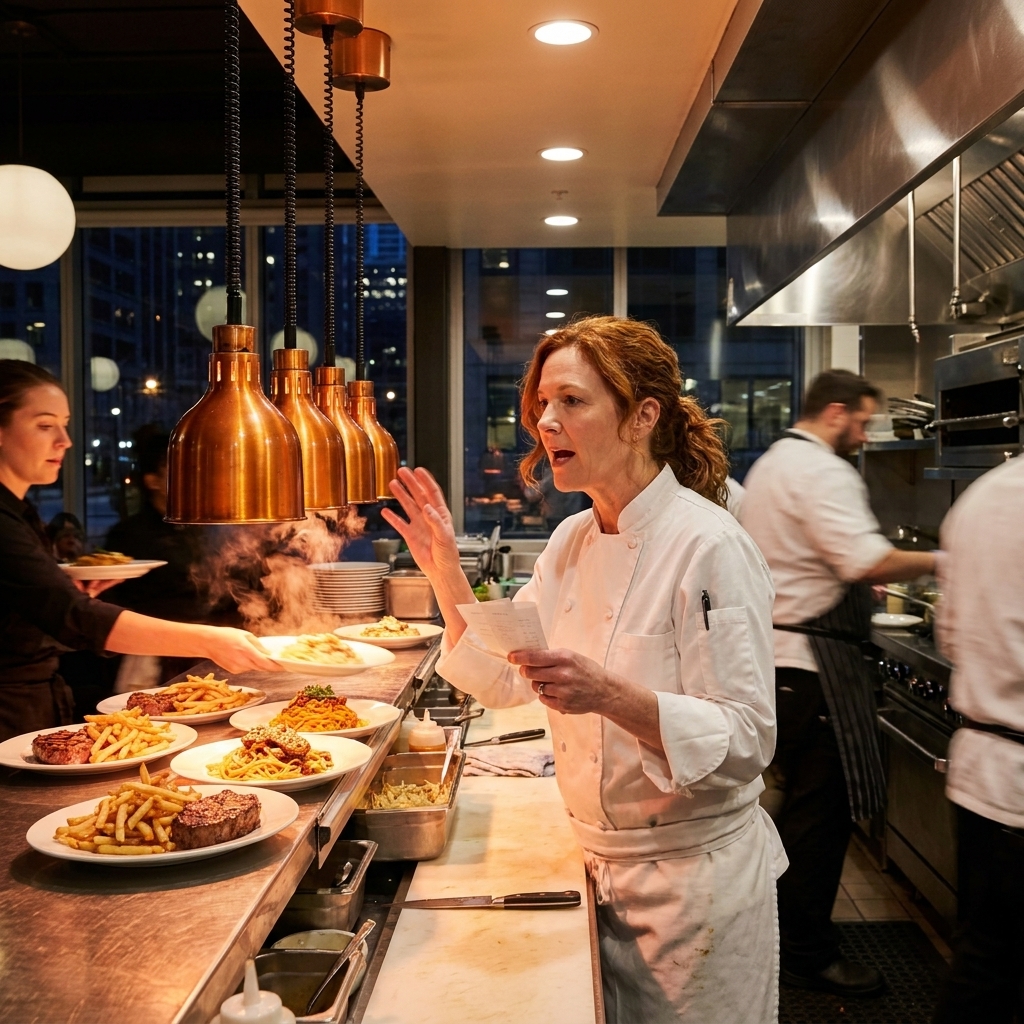
At its simplest, a ghost kitchen is a food business that sells primarily, or exclusively, through delivery and takeout. There is no dining room for guests, and often no traditional storefront. The food is cooked in a production kitchen that can look like:
- A shared commissary where multiple brands rent stations by the hour, day, or month.
- A multi-tenant kitchen facility with private, lockable units and shared infrastructure.
- A restaurant’s existing kitchen running a virtual brand after hours or alongside the main menu.
- A dedicated single-brand kitchen built for throughput, not ambiance.
What makes it feel new is not the idea of cooking off-site. Catering and commissaries have existed forever. What is new is the tight coupling between the kitchen and the delivery marketplace. The “location” is an app listing, the signage is a logo in a feed, and the guest experience is built around packaging, timing, and consistency.
Why owners are betting on virtual dining
If you have ever sat in a pre-shift meeting and watched a manager try to reconcile rent, labor, and food costs with a Tuesday that refuses to be busy, you understand the appeal immediately. Ghost kitchens promise a simpler equation.
Lower startup costs, faster openings
Without a dining room, you can often avoid the biggest line items: buildout, front-of-house furnishings, and a premium retail lease. In the right setup, operators can sometimes test a concept in weeks, not months, especially when they are plugging into an already-permitted shared kitchen. In other markets, permitting, inspections, and platform onboarding can stretch that timeline quickly.
More flexible real estate
A delivery-only concept can operate in industrial corridors or secondary neighborhoods where rent is lower. In theory, you can place kitchens closer to clusters of demand, shaving delivery times and protecting food quality. In practice, zoning, parking for couriers, and local rules about food facilities still matter a lot.
Menu engineering that works
Great ghost kitchen menus are built like travel-safe playlists: items that hold heat or chill well, sauces that do not split, textures that survive condensation, and assembly that stays consistent across cooks. The smartest operators treat packaging as part of the recipe, not an afterthought.
Brand experiments without burning the main restaurant
A restaurant can run a virtual brand that uses overlapping ingredients, which helps with purchasing and waste. It can also protect the flagship by giving trendier, riskier ideas their own identity.
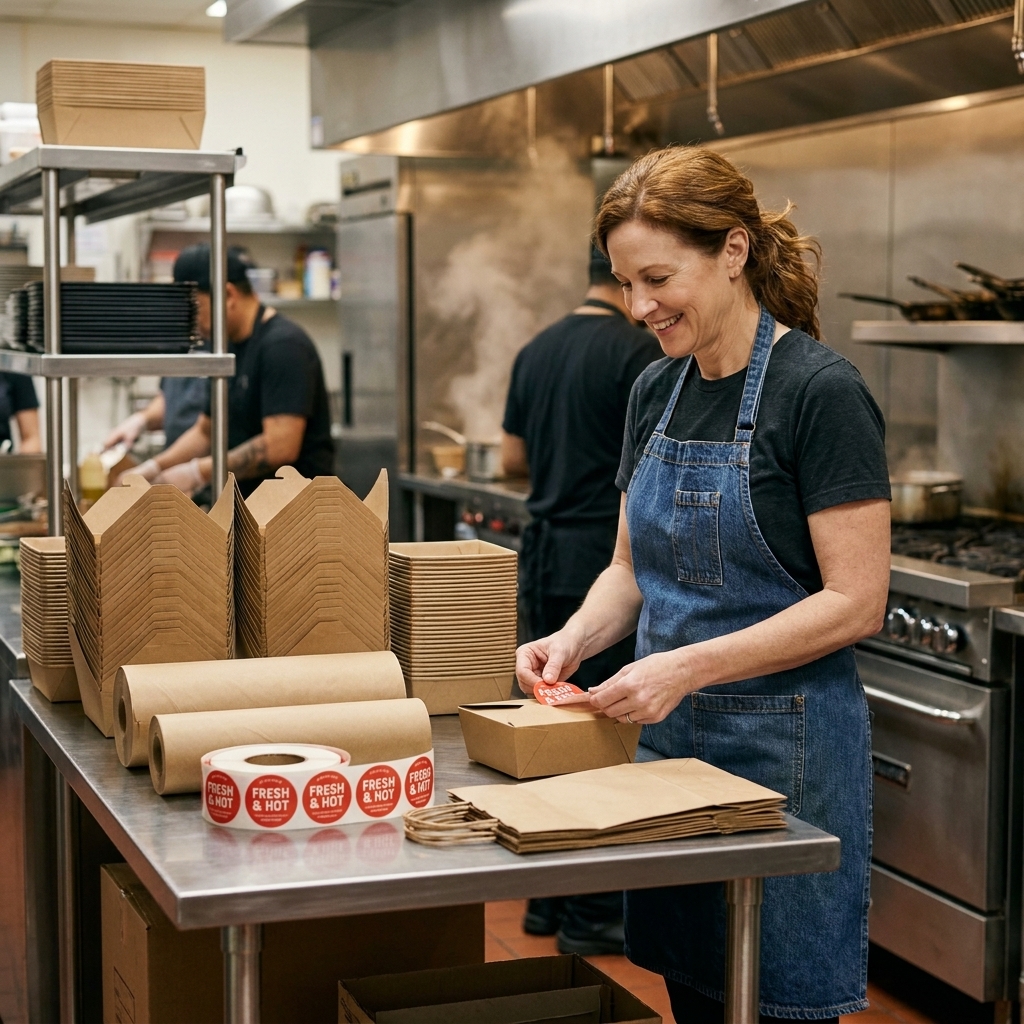
The economics
The pitch is “lower overhead,” and that is often true. But ghost kitchens replace dining room costs with a new set of financial pressures. The math can work, but it is not automatic.
The good news: fixed costs can drop
- Rent can be lower per square foot than a prime retail spot.
- Buildout may be minimal if you are renting a finished kitchen unit.
- Front-of-house labor shrinks dramatically. No hosts, no servers, fewer bartenders, fewer bussers.
The hard part: platform fees and customer acquisition
If most orders come through third-party apps, the app can become more than a sales channel. It can start acting like the landlord, the marketing department, and the gatekeeper all at once. Commission and service fees vary widely by city and contract, and by what is bundled in (delivery, marketing boosts, payment processing, dispatch). A commonly cited range is roughly 15 to 30 percent or more for marketplace orders, which is a meaningful bite out of already thin margins.
In a dining room, you pay for ambiance and staffing, but you own the guest relationship. In a delivery marketplace, you may be renting access to customers who will happily scroll to the next option if your fries show up limp once.
Packaging costs are real food costs now
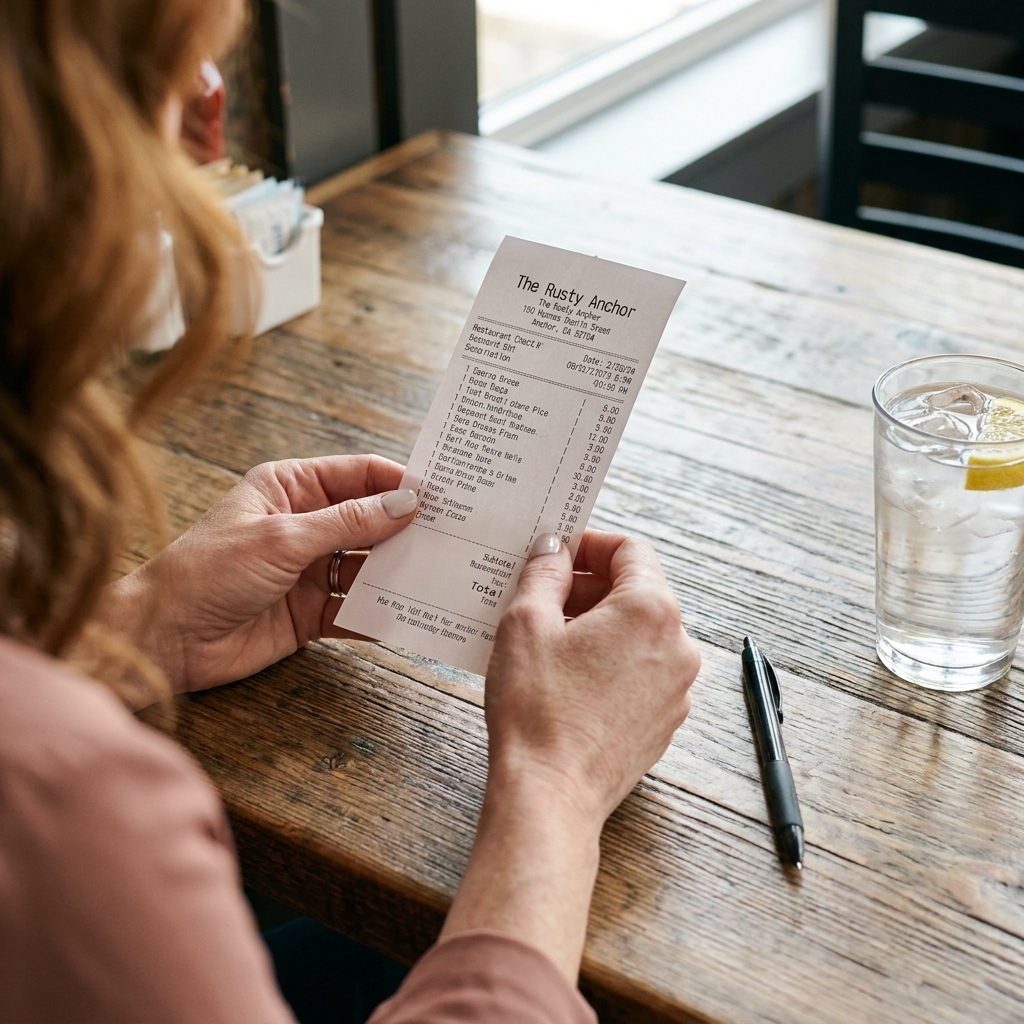
High-quality containers, tamper-evident seals, vented lids, sauce cups that do not leak, cutlery, and branded bags add up quickly. When you are selling a $14 bowl, a $1.25 packaging stack is not trivial. It is the difference between “this works” and “why are we doing this.”
Refunds and remakes hit differently
When something goes wrong in-house, you can comp a dish and salvage the moment with a manager touch. With delivery, the failure is often logged as a refund, a one-star rating, and a customer you never see again. Ghost kitchens have to budget for that friction and build systems to minimize it.
What changes for workers
As someone who came up in the service well and then spent years writing schedules that never felt humane, I watch this shift with mixed feelings. Ghost kitchens can create jobs and expand opportunity, but they also reshape the ladder that hospitality has traditionally offered.
Fewer tipped roles, more back-of-house concentration
Delivery-only models reduce the number of front-of-house positions, which can mean fewer tipped income opportunities. Meanwhile, back-of-house teams may face higher ticket volume with less visibility and fewer moments of guest-facing satisfaction.
Different stress patterns
The stress is less about managing a dining room and more about throughput: printer chatter, courier arrival timing, and the constant pressure to hit prep and pack standards. It can feel like service without the human payoff.
Better scheduling, if owners choose it
Because demand is more measurable, ghost kitchens can sometimes schedule more predictably. But predictability is a management choice, not a guarantee. If the model becomes an excuse for perpetual understaffing, burnout follows just as quickly.
Training and upward mobility
In a traditional restaurant, you can move from runner to server to bartender, or from prep to line to sous. In a ghost kitchen, roles can be narrower. Operators who care about retention will need to build intentional training paths or risk cycling through talent.
Quality control
In the dining room, you control pacing. You fire tables, watch the room, and time the handoff. Delivery breaks that chain.
The courier variable
Restaurants can nail execution and still lose the guest at the handoff: a driver stacked with multiple orders, a lobby delay, a bag placed in front of an AC vent. Ghost kitchens that thrive tend to design food that is forgiving and packaging that protects, because perfection is not always possible.
Distance is destiny
Some foods are simply not meant to travel far. Fried items lose their crunch. Rare steaks keep cooking in clamshells. Ice cream is a race against physics. Smart virtual brands build menus around what travels well, not what looks best on a chef’s mood board.
Allergy communication gets trickier
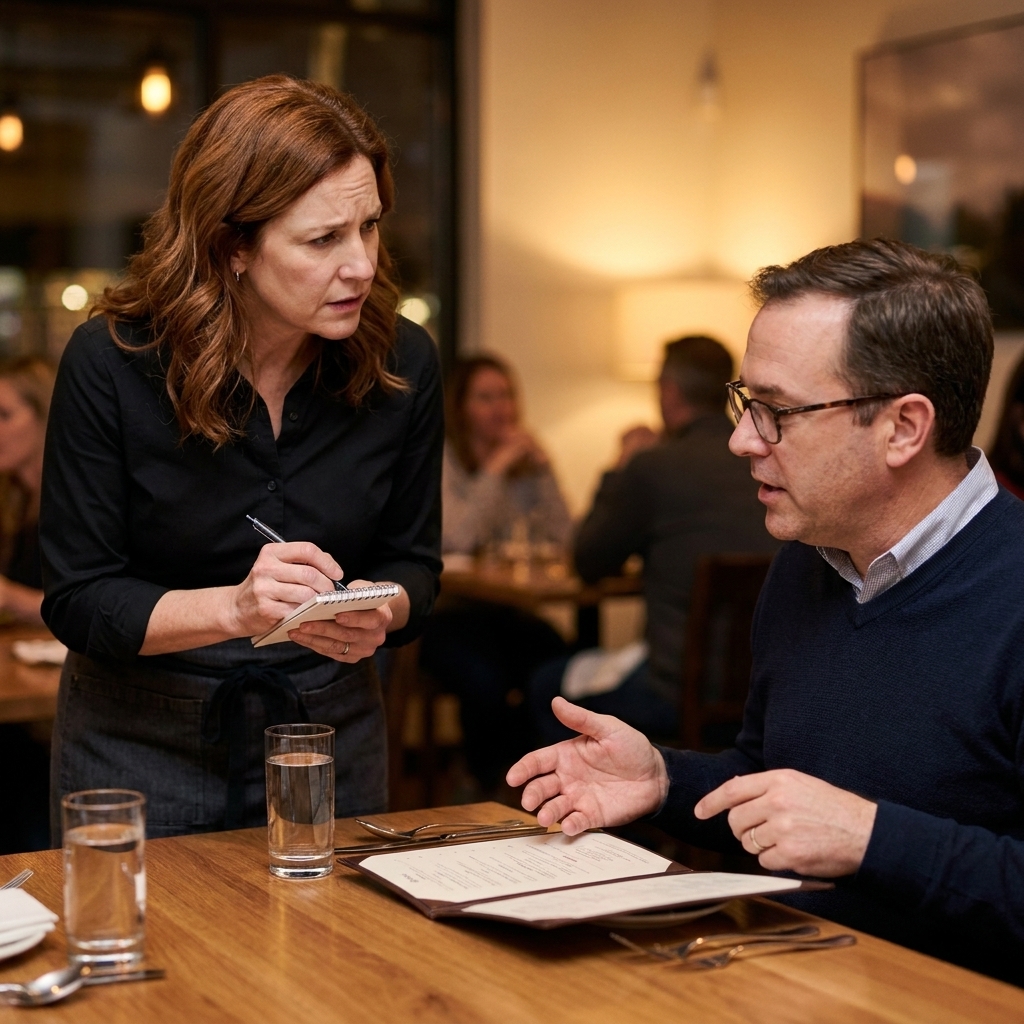
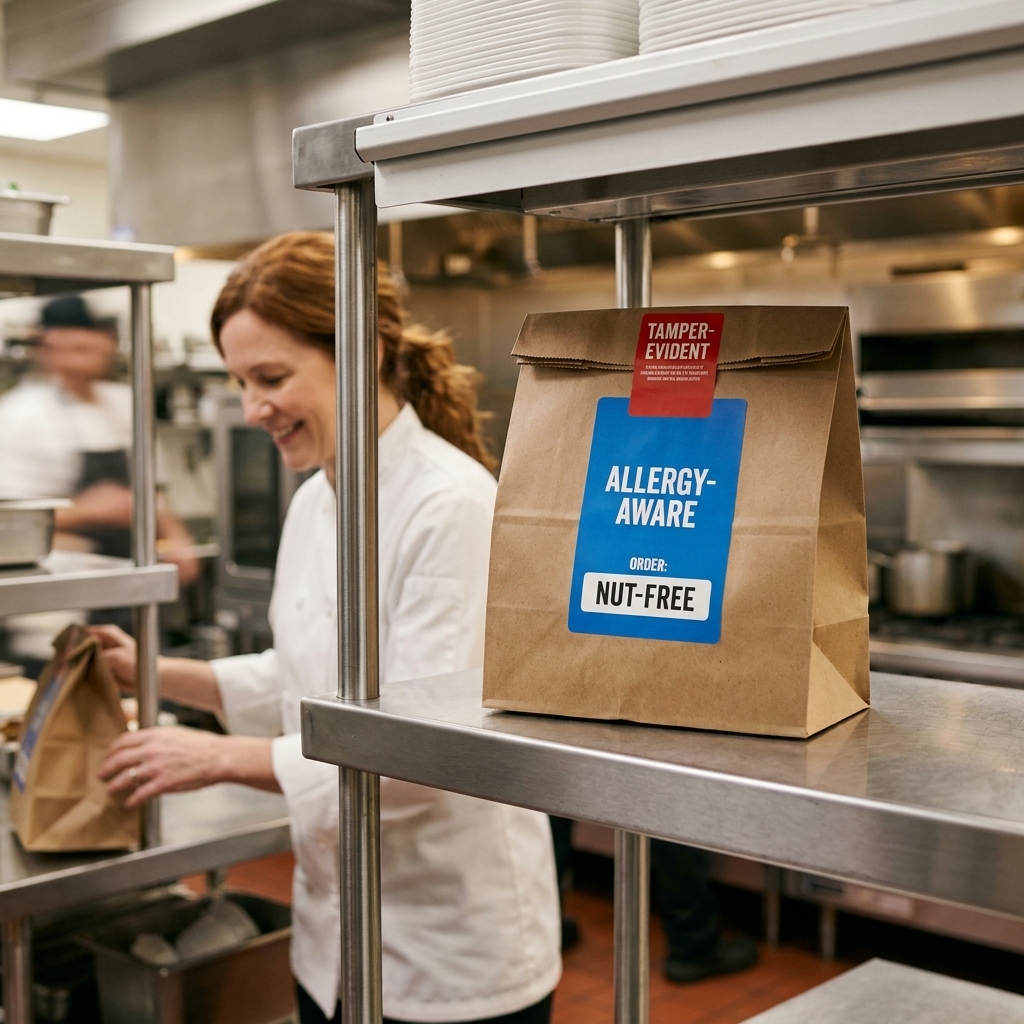
When I developed a severe gluten intolerance, I learned quickly that clarity is everything. In delivery, the guest cannot ask a server follow-up questions. That makes accurate menu labeling, cross-contact protocols, and consistent packaging even more important.
Best practices I look for:
- Clear allergen icons paired with plain-language notes, not vague “may contain.”
- Separate prep areas and tools when feasible, especially for gluten and nuts.
- Distinct packaging for allergen-aware orders so nothing gets swapped in a rush.
- Staff training that treats allergy tickets as a system, not a favor.
One important caveat: icons and notes are not a guarantee, and many delivery-only operations cannot promise zero cross-contact. If you have celiac disease or a severe allergy, look for kitchens that explain their process clearly and encourage you to contact them directly. If they cannot answer, that is your answer.
Neighborhoods and identity
Restaurants are part of a city’s social fabric. They are first dates, post-shift decompressions, family celebrations, community fundraisers. Ghost kitchens complicate that relationship because they can feel placeless.
Transparency matters
When a brand’s address is a kitchen facility and the name reads like a full-fledged restaurant, guests can feel misled. This is not about shaming delivery-only concepts. It is about clear expectations. If it is a virtual brand operating out of a shared kitchen, say that. People are surprisingly reasonable when you are straightforward.
If you are a diner and you are trying to figure out what you are actually ordering, here is what to check in the apps and listings:
- The address details like suite numbers or repeated identical addresses across multiple brands.
- Pickup instructions that read like “call on arrival” or “meet outside,” which often signals a shared facility.
- Business name overlap where the same phone number or website appears across different concepts.
- Direct ordering links that clarify the operator and where the food is cooked.
Local restaurants versus virtual brands
Ghost kitchens make it easier for national operators to enter markets quickly, sometimes competing with local spots that have been feeding the neighborhood for years. The upside is variety and convenience. The downside is that dining dollars can drift away from the places that anchor a community.
For diners who care about local ecosystems, one simple move helps: order directly when you can. Many independent restaurants offer their own online ordering with lower fees, and that difference often goes straight into keeping the lights on and paying people.
Are they profitable long term?
Sometimes, yes. But the model is not a magic trick. Long-term viability depends on a few unglamorous realities.
Unit economics have to work without hype
A ghost kitchen that relies on discounting to stay visible is living on borrowed time. The winners tend to be the ones with:
- Tight menus that share ingredients and reduce waste.
- Operational discipline around prep, timing, and packaging.
- Repeat customers who seek the brand out, not just whatever shows up first in the app.
- Channel diversity including direct ordering, catering, office lunches, and pickup.
Brand building is harder than it looks
A dining room is marketing. So is a bar seat, a visible kitchen, a familiar server, a chef touching tables. Virtual brands have to manufacture trust through consistency, photography, reviews, and customer service. That can be done, but it requires patience and usually real spend.
Rules and oversight vary
Health departments inspect kitchens, which is good. But the details of licensing, disclosure, and enforcement vary by city and county, and ghost kitchen density can strain oversight systems. In many places, expect more attention on permitting clarity, labeling, and accountability, especially as more concepts share the same address.
There is also a quieter legal layer operators have to get right: business registration, food service permits tied to the actual kitchen address, trademark and naming conflicts, and who “owns” a brand identity when multiple parties are involved. It is boring paperwork until it is a lawsuit.
What comes next
The future I see most often in Chicago, and in cities like it, is not “everything becomes a ghost kitchen.” It is a hybrid landscape where the lines blur. You can already feel it in neighborhoods where a modest storefront does double duty: lunch pickup rush, dinner delivery wave, and a few seats for people who still want to eat hot food while it is hot.
Dining rooms will keep delivery, but with boundaries
Instead of tossing the full menu online, operators will build delivery-specific offerings that protect in-house quality and kitchen sanity. Think separate packaging stations, smaller menus, and delivery hours that do not crush peak service.
More pickup windows, fewer huge rooms
We will see more small-footprint storefronts with a handful of seats, a tight menu, and a well-designed pickup flow. Not every concept needs 80 covers to be legitimate.
Beverages will evolve too
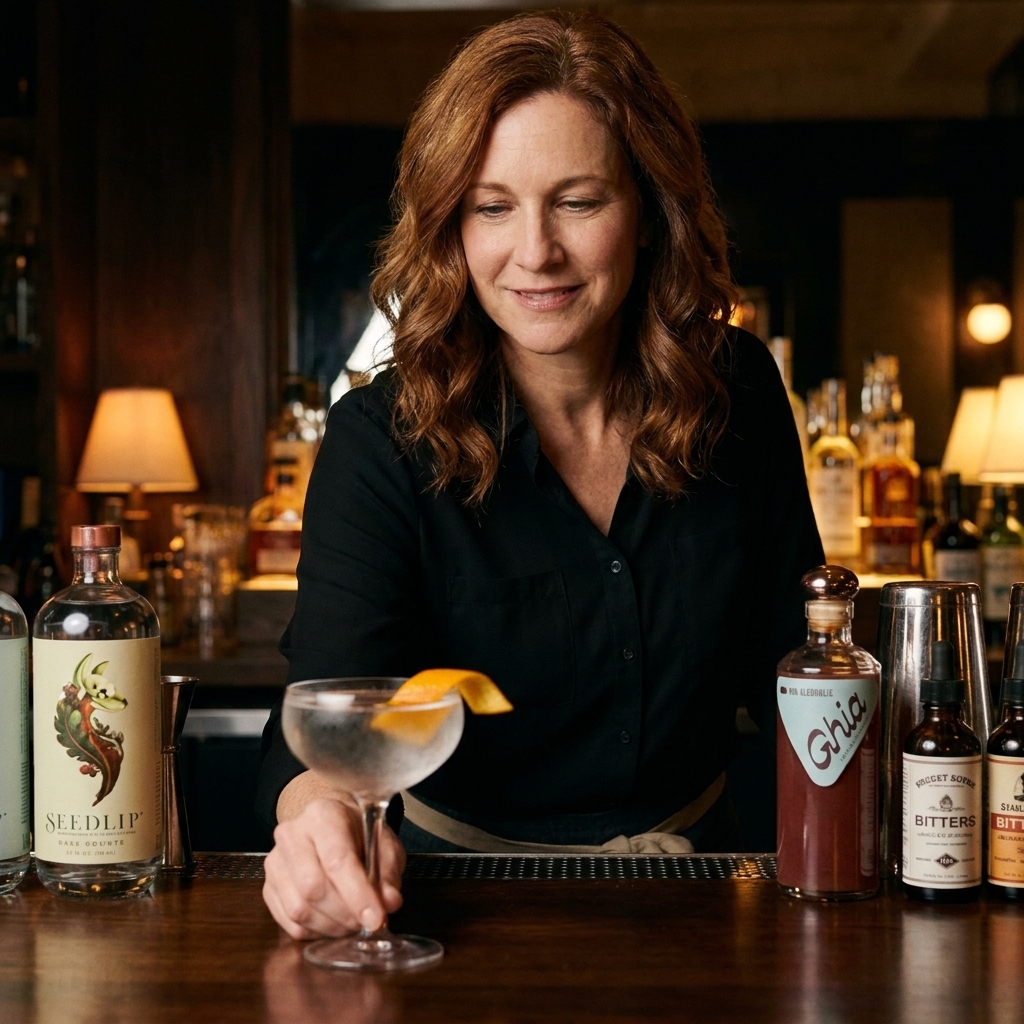
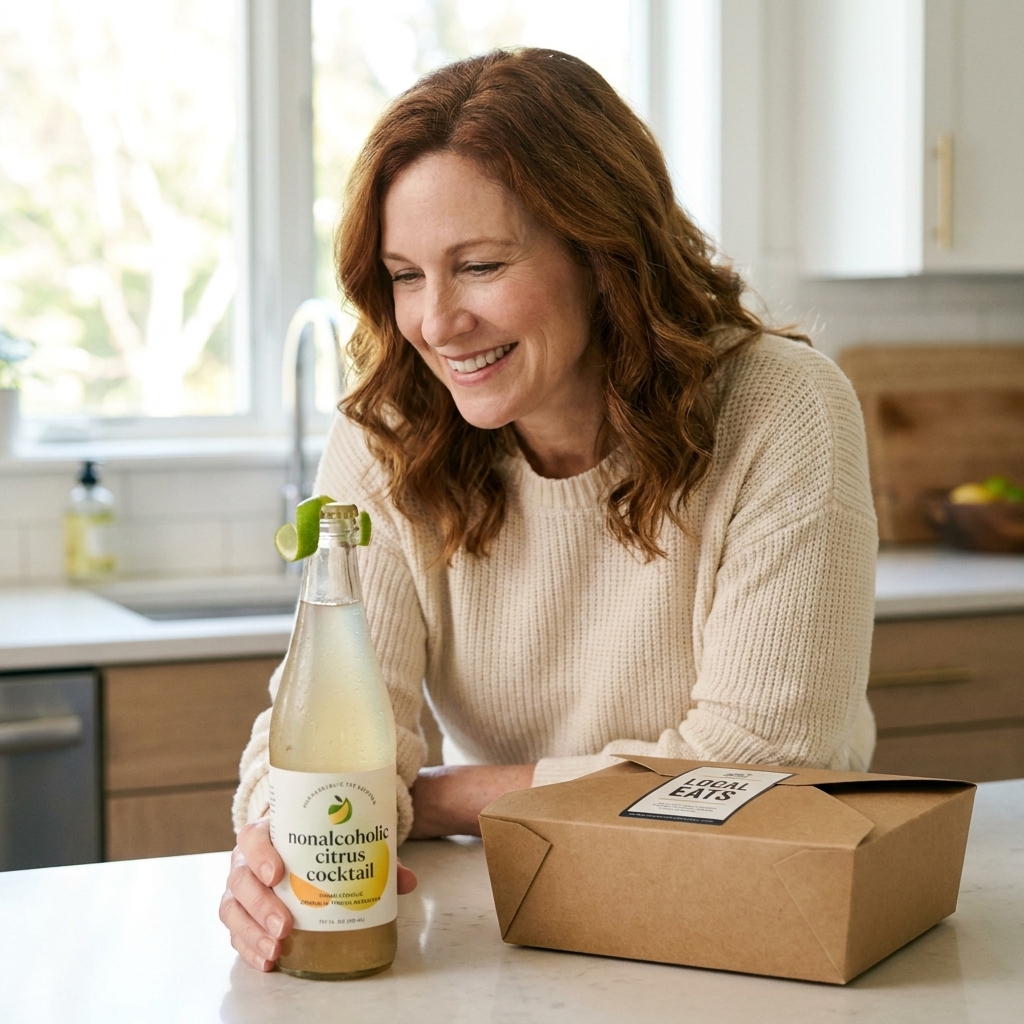
As the sober-curious movement keeps shaping how people socialize, delivery beverage programs will grow up. Expect more thoughtful NA cocktails in sealed bottles, batchable spritzes, and food pairings that do not assume everyone wants a drink with a burn.
A quick note for operators: alcohol delivery is heavily jurisdiction-dependent, and even NA drinks can raise labeling and compliance questions if you are operating across platforms. Build the program around what your local rules actually allow.
How to spot a good one
Delivery-only does not mean lower quality. But it does mean you should judge by different signals.
- Menu focus: Fewer items, done well, usually beats a novel-length list.
- Travel-friendly choices: Items designed to hold up are a good sign.
- Clear sourcing and allergen info: Transparency signals operational maturity, even when the answer is “we cannot guarantee.”
- Smart packaging: Vented containers for fried foods, separate sauce cups, secure seals.
- Consistency across orders: The second order should be as good as the first.
And if you are gluten-free like me, a gentle rule: if the menu makes bold promises but cannot explain how they prevent cross-contact, proceed with caution. In delivery, you need systems, not vibes.
FAQ
Are ghost kitchens bad for restaurants?
They can be either. For some operators, ghost kitchens are a lower-risk way to test a concept or add revenue. For others, heavy reliance on third-party apps can compress margins and make the business feel like it is working for the platform.
Do ghost kitchens hurt food quality?
They can, especially when menus are not designed for travel or when delivery distances are long. The best ghost kitchens build food and packaging around the realities of delivery, and they treat timing and handoff as part of the craft.
Are ghost kitchens inspected?
In most jurisdictions, the physical kitchen is subject to health regulations and inspections, just like any other commercial kitchen. The complexity comes from multiple brands operating out of one facility, which makes transparency and accountability especially important. Specific rules on disclosure and licensing vary by locality.
Can ghost kitchens be allergy-friendly?
Yes, but it requires serious operational controls: separate tools, staff training, clear labeling, and packaging that prevents mix-ups. Delivery adds risk because the guest cannot ask questions in real time, and not every kitchen can guarantee zero cross-contact.
The bottom line
Ghost kitchens are not the end of restaurants as we know them. They are a response to a tight-margin industry trying to survive in an era of high rent, staffing challenges, and convenience-first dining habits.
What matters now is how we build the model. If operators use virtual dining to cut corners and hide behind branding, diners will eventually tune out. If they use it to create smarter menus, fairer operations, and more accessible options, including for people with allergies and different relationships to alcohol, ghost kitchens can be more than a trend. They can be a new, viable branch of hospitality.