I learned the hard way that “light and bubbly” does not automatically mean “safe.” After I developed a severe gluten intolerance, I stopped trusting vibes and started reading every label like it was a contract. Hard seltzer is one of the most misunderstood categories behind the bar, because the can might look like sparkling water, but the alcohol inside can come from very different places.
So, is hard seltzer gluten-free? Often, yes. Always, no. The difference usually comes down to whether the alcohol is made from fermented sugar (usually gluten-free) or from malt (often not gluten-free).
The short answer
Many hard seltzers are gluten-free because they are made with fermented cane sugar, dextrose, or another sugar source. But some “seltzers” are actually malt beverages, meaning the alcohol is derived from barley or other gluten-containing grains.
If you only remember one rule: hard seltzer is usually gluten-free when it is sugar-based and produced to avoid cross-contact, and it is not reliably gluten-free when it is malt-based.
Why gluten varies
In the restaurant world, we love tidy categories. Guests do too. But “hard seltzer” is a marketing umbrella, not a tightly regulated style like Champagne.
The can might say hard seltzer, spiked seltzer, or spiked sparkling water. What matters is the alcohol base:
- Fermented sugar or fruit base: Usually gluten-free if produced without cross-contact. Think fermented cane sugar, dextrose, agave, or fruit sugar, then filtered and flavored.
- Malt base: Often made like a very light beer. If the alcohol starts with barley or other gluten grains, it is a gluten issue for many people.
This is why two “seltzers” can taste nearly identical but land very differently for someone with celiac disease or a serious intolerance.
How to tell
What to look for on the can
When you have the packaging in your hands, you have the best shot at a confident call.
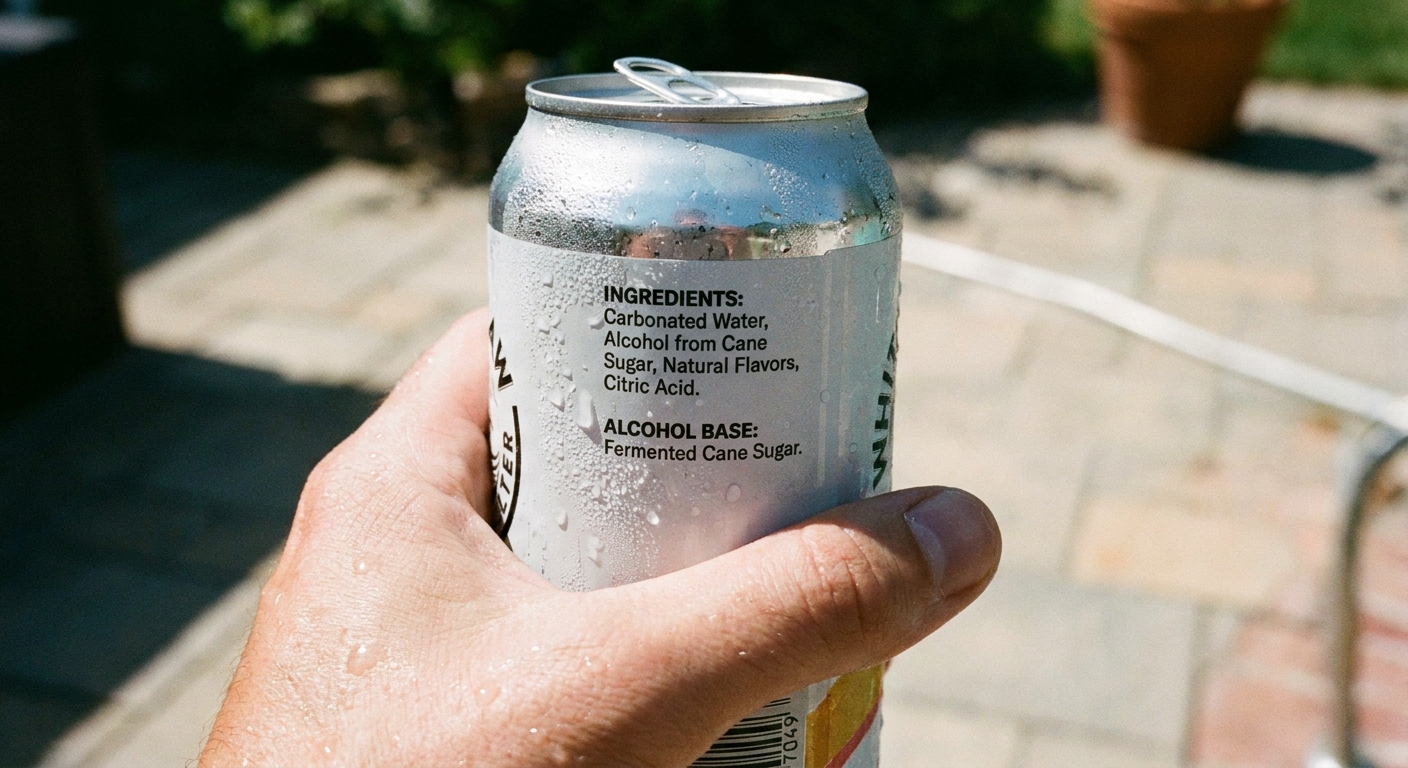
- Good signs: “Gluten-free,” “fermented sugar,” “made from cane sugar,” “made from sugar,” “made from dextrose,” or “spirit-based” (especially when paired with a gluten-free statement or clear ingredient transparency).
- Red flags: “Malt,” “malt beverage,” “beer,” “ale,” “lager,” “brewed,” or language that reads like a beer label.
One nuance: “malt beverage” is often a clue, but it is not a flawless shortcut across every brand and jurisdiction. Your best evidence is still a clear gluten-free statement, a plainly stated sugar or spirit base, and ingredient transparency you can verify.
Another nuance: some products are made from gluten-containing grains and then processed in a way that reduces gluten. You might see this described as “gluten removed” or “crafted to remove gluten.” Many people with celiac disease still avoid these products, and medical guidance varies. If you have celiac disease or you are highly sensitive, it is smart to follow your clinician’s advice and choose beverages made from gluten-free ingredients from the start, not just a treated end product.
Look past the front label
Front labels are vibes. The back label is evidence.
If you do not see a clear gluten-free statement, scan the fine print near the government warning, ABV, or ingredient panel for how it is classified and what the alcohol base is. “Malt beverage” shows up there a lot, but the goal is bigger than spotting one phrase. You are trying to confirm what it is actually made from.
Labeling varies by region
A practical heads-up: labeling rules and disclosure can vary by country and, in the U.S., by which agency regulates the product. That can affect what terminology you see, how ingredients are listed, and how easy it is to verify the alcohol base. When the label is vague, I treat that as information too.
Sugar-based vs malt-based
If you are ordering for gluten safety, this distinction is the whole game.
Sugar or fruit seltzers
These are the seltzers that are most often gluten-free. They start with sugar (or fruit sugar), ferment it into alcohol, then filter and add flavor. In my experience, these tend to be the “cleanest” choice for gluten concerns when the brand is transparent about gluten-free production and cross-contact.
Malt-based “seltzers”
These are closer to beer in how they are made, even if they are clear and flavored like seltzer. If it is malt-based, it is safest to treat it like beer from a gluten standpoint unless the producer clearly and credibly states otherwise.
And here is the frustrating part: some bar menus lump them all under “seltzer.” Your body does not care what section of the menu it lived in.
What to ask at a bar
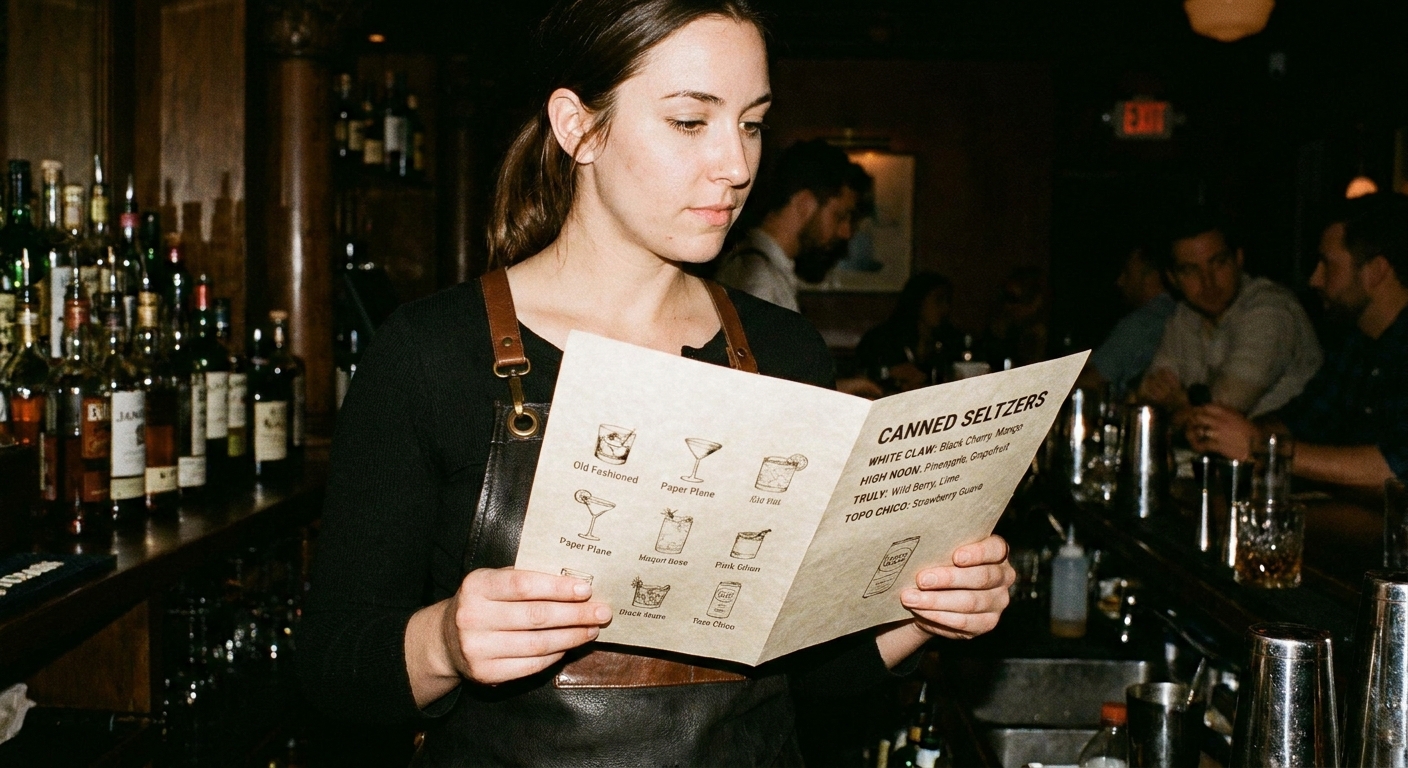
This happens constantly: a menu says “Seltzer: rotating” or lists two brands and flavors, with zero info about the alcohol base. If you are gluten-free, you are allowed to ask a boring question. It is not picky. It is basic risk management.
Simple script
- “Is that seltzer malt-based, or is it made from fermented sugar?”
- “Can I see the can? I’m gluten-free and need to check the label.”
- “Does it say gluten-free on the packaging?”
If the bartender is unsure, ask them to grab the can or packaging. In a good bar, this is normal. Behind the scenes, it is also easier for us than guessing.
Words you want to hear
- “It’s fermented cane sugar.”
- “It’s spirit-based, and it’s labeled gluten-free.”
- “Yes, it’s labeled gluten-free.”
Words that should make you switch orders
- “It’s a malt beverage.”
- “It’s basically beer.”
- “I’m not sure, but it should be fine.”
If you get uncertainty, pivot. A spirit and soda with a citrus wedge is not glamorous, but it is dependable.
Safer swaps
When I’m out and the bar is slammed, I default to drinks that are naturally gluten-free and easy to verify quickly.
- Vodka soda (distilled spirits are generally considered gluten-free, but flavorings and additives can matter if you are highly sensitive)
- Tequila soda or tequila with fresh lime (watch for flavored or pre-mixed options)
- Gin and tonic (ask about the tonic brand if you react to certain additives)
- Wine (generally gluten-free, but double check specialty flavored products)
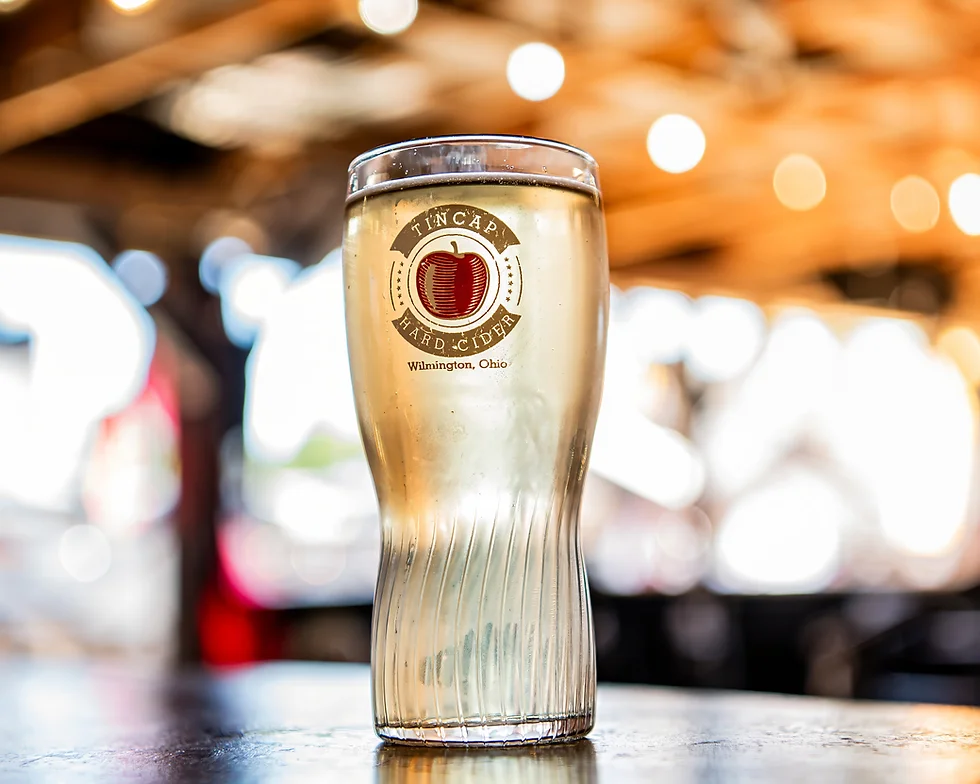
- Hard cider (often gluten-free, but check for malt additions, flavored versions, and shared facilities)
If you are sober-curious or fully alcohol-free, a plain sparkling water with bitters is common, but bitters can be a gray area for some highly sensitive folks. When in doubt, keep it simple: sparkling water and citrus.
Cross-contact
Even when a seltzer is made from fermented sugar, people with celiac disease may still care about cross-contact in production or service.
- In production: Some brands produce multiple beverage lines in shared facilities. If the brand does not clearly state gluten-free practices, your risk tolerance matters.
- At the bar: Cans are usually low-risk compared to draft. Draft systems can be a minefield if lines are shared or cleaned inconsistently. Hard seltzer on draft exists in some places, but it is much harder to vet in the moment.
If you are very sensitive, canned and clearly labeled is usually the calmest route.
FAQ
Are all hard seltzers gluten-free?
No. Many are, but some are malt-based. Confirm the alcohol base and look for a clear gluten-free statement when you can.
What does “malt beverage” mean?
It usually means the alcohol is derived from malted grains like barley, which is a common gluten source. It is an important clue, but your safest move is still verifying ingredients and gluten-free labeling.
If it says “spiked seltzer,” is it gluten-free?
Not necessarily. “Spiked” only means alcohol was added or created through fermentation. You still need to know whether it is fermented sugar, spirit-based, or malt-based.
What if the bartender does not know?
Ask to see the can, or choose a different drink. A bartender guessing is not a gluten plan.
The bottom line
Hard seltzer can be a great gluten-free option, but only when it is fermented sugar, fruit-based, or spirit-based and clearly labeled or verifiable. When it is malt-based, it belongs in the same mental bucket as beer for a lot of gluten-free drinkers.
The fix is simple: confirm the alcohol base, look for a gluten-free statement when possible, and do not be shy about asking to see the can when a menu only lists a brand. Your night out should feel carefree. Your ordering strategy can still be smart.