I learned this the hard way: “gluten-free” is not a vibe, it is a set of kitchen decisions. When you have a gluten sensitivity, the goal is not perfection in theory. It is minimizing risk in practice, without turning dinner into an interrogation.
This is the ordering playbook I wish I’d had when my own tolerance changed. It’s built for real restaurants, real servers, real rushes, and the very real fact that wheat sneaks into places you’d never expect.
Quick note: This is practical, real-world guidance, not medical advice. If you have celiac disease or a wheat allergy, ask your clinician for personalized guidance, and use your own risk threshold when you eat out.
First, know what you’re asking for
Not everyone avoiding gluten needs the same safeguards. Restaurants can only help you if you’re clear and specific.
- Gluten sensitivity or intolerance: You avoid gluten because it makes you sick. Cross-contact can still matter a lot, depending on your body.
- Celiac disease: For many people with celiac, even small amounts of gluten from cross-contact can trigger symptoms and can contribute to intestinal damage. Sensitivity varies by person, but the safest approach is strict avoidance and a kitchen that takes cross-contact seriously.
- Wheat allergy: This is different from celiac and gluten sensitivity. If you have a wheat allergy, say “wheat allergy” specifically.
- Preference: Totally valid choice, but kitchens will prioritize allergy protocols for medical needs. If it’s medical, say that.
If you’re not sure where you fall, it’s still okay to say: “I’m very sensitive to gluten, including cross-contact.” That sentence does a lot of work.
The questions that get you real answers
Most servers want to help. The difference between a safe meal and a rough next day often comes down to asking questions that a server can quickly confirm with the kitchen.
Use this quick script
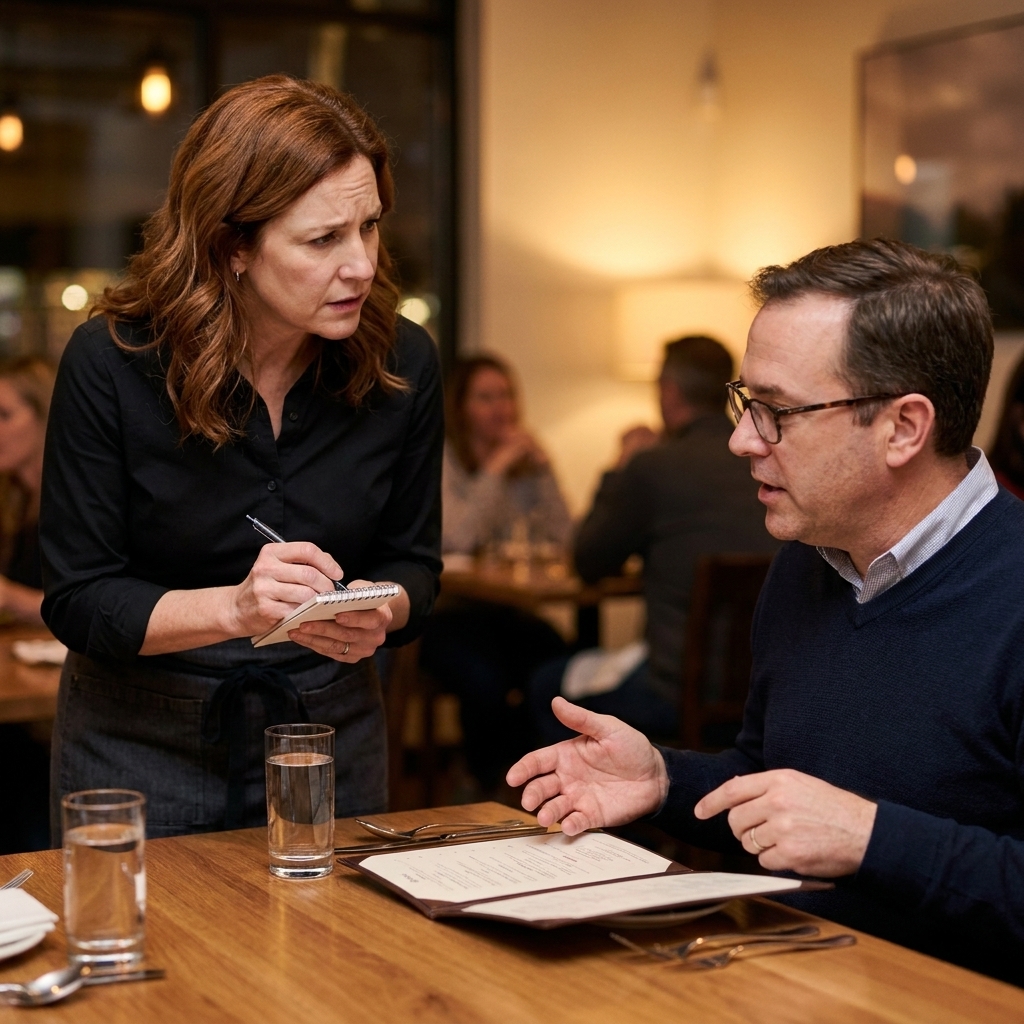
- Start: “I’m sensitive to gluten and I get sick. Can you help me order something without gluten?”
- Clarify cross-contact: “Do you have a separate fryer or a dedicated prep area for gluten-free orders?”
- Confirm the big traps: “Do any marinades, sauces, dressings, or spice blends include wheat, malt, or regular soy sauce?”
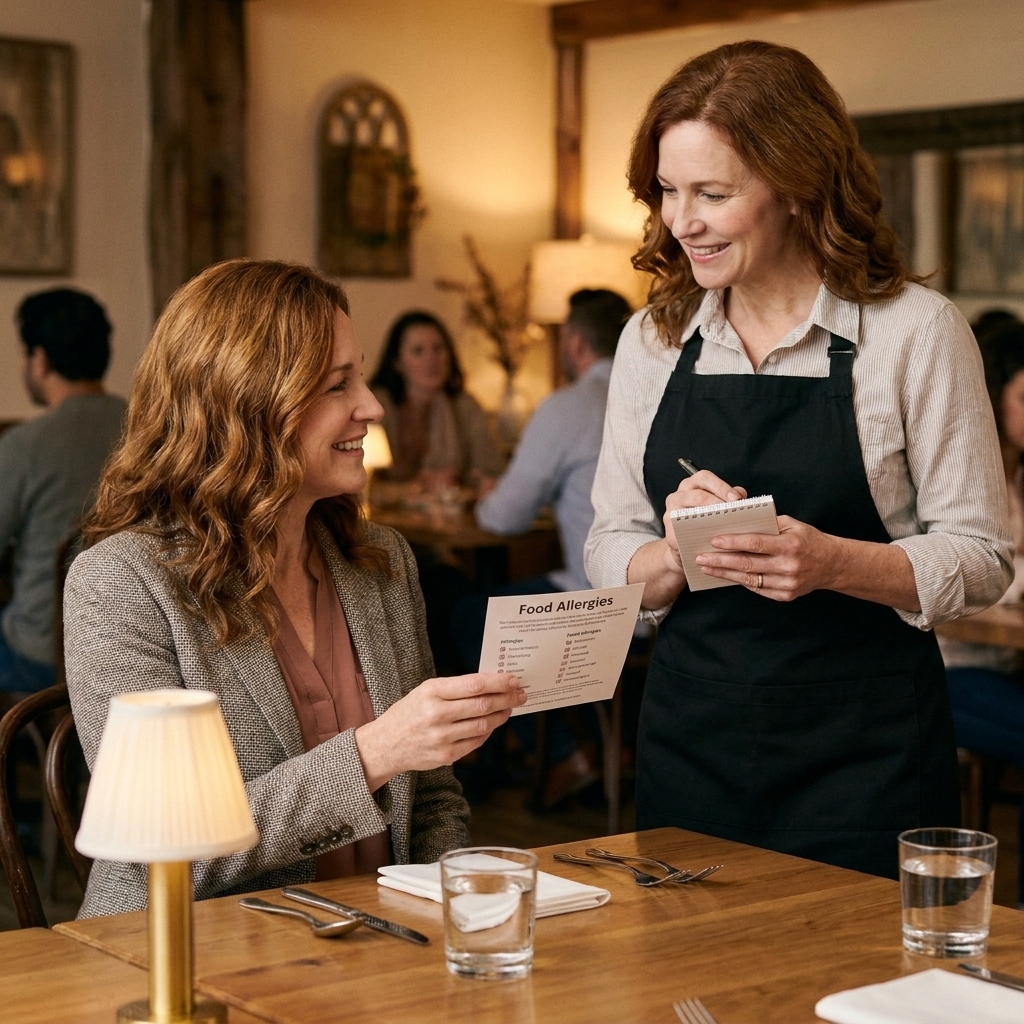
- Close the loop: “Can you mark it as an allergy for the kitchen?”
Questions by menu category
- Fried items: “Is this fried in a shared fryer with breaded food?”
- Soups and sauces: “Is there flour used to thicken this? Any roux?”
- Meat and seafood: “Is it marinated with regular soy sauce, beer, or malt vinegar?”
- Dessert: “Is there any cookie crumble, malt, or cake mixed in? Are scoops shared between flavors?”
One hospitality tip from behind the bar: if a server says “I think so,” ask them to check. If they hesitate to check, order something else.
Menu picks that are usually easier
No dish is automatically safe, but these categories tend to be easier to make gluten-free without re-engineering the whole kitchen.
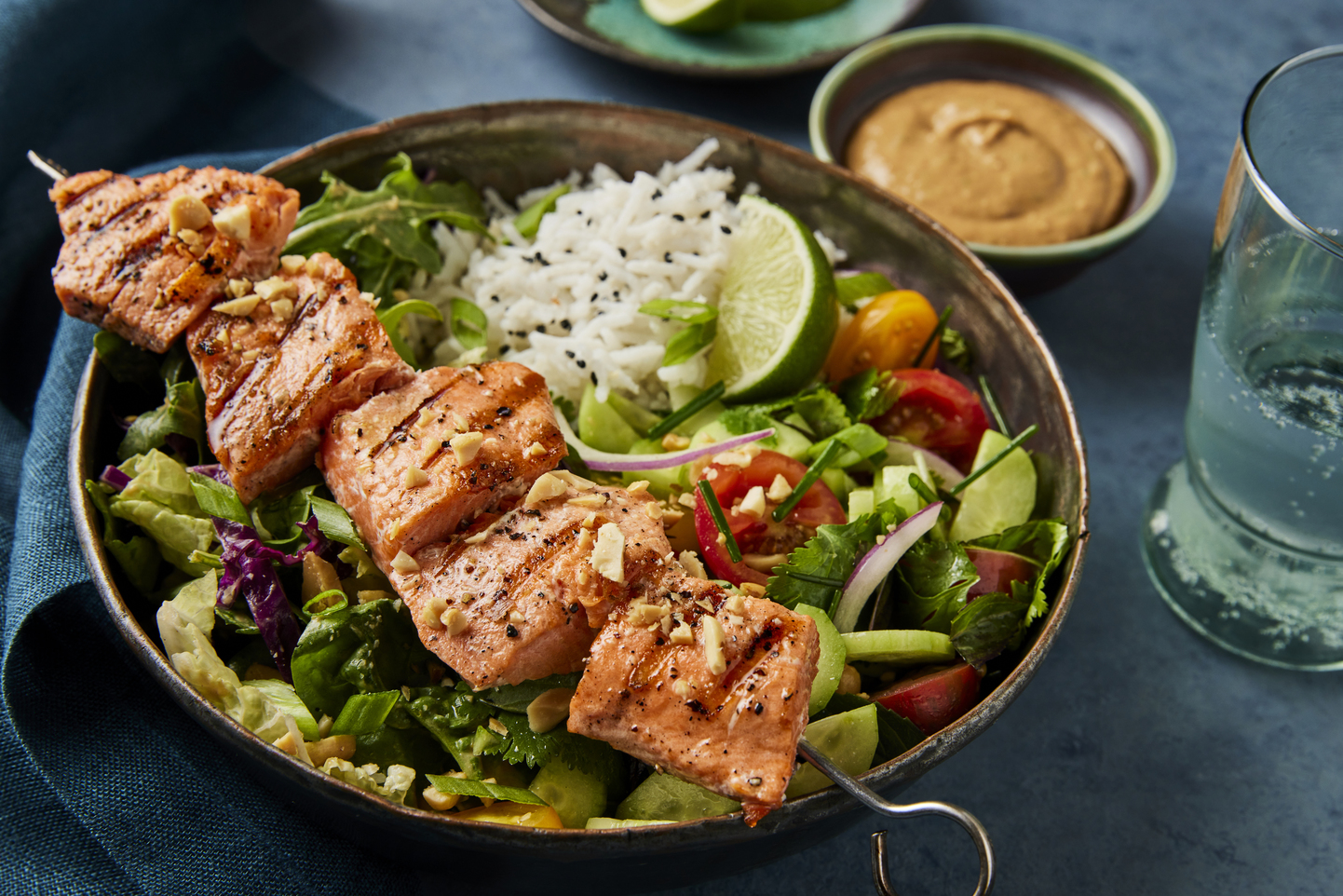
- Simply grilled proteins: steak, chicken, fish, tofu, shrimp. Ask for “no marinade” or “gluten-free marinade” and sauce on the side.
- Roasted or steamed vegetables: confirm no soy sauce, no crispy toppings, and ask whether buns or bread are warmed on the same grill or flat top.
- Rice and potatoes: baked potatoes, mashed potatoes (confirm no flour or gravy), plain rice. Watch for seasoning blends and “crispy” preparations.
- Salads: hold croutons, confirm the dressing, and watch out for crunchy toppings and fried add-ons.
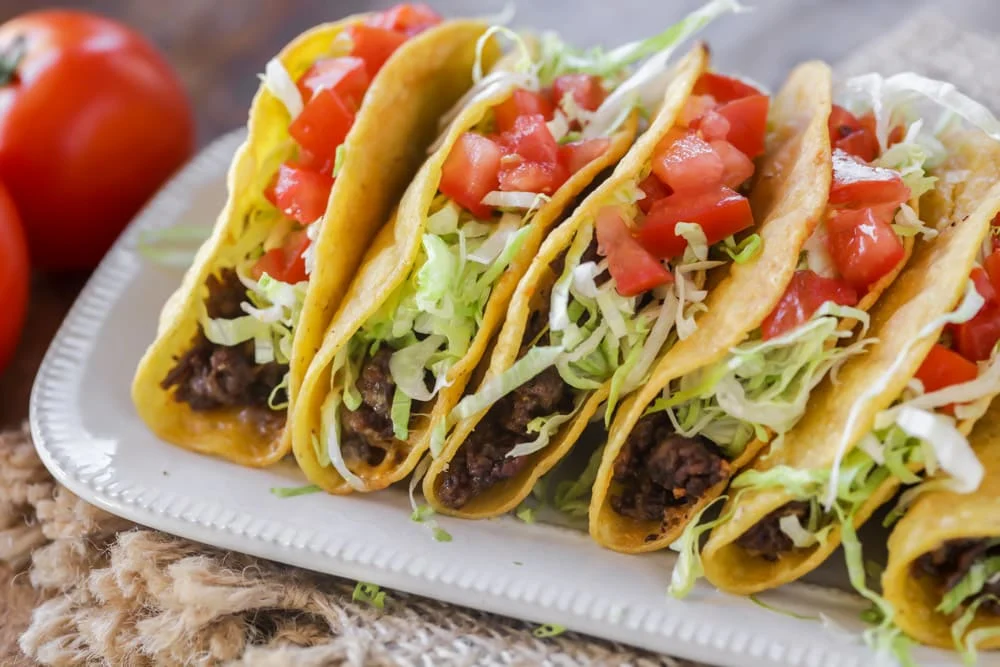
- Tacos on corn tortillas: verify tortillas are 100 percent corn and warmed on a clean surface. Confirm the filling is not dusted with flour.
- Egg dishes: omelets or scrambles can be great, but ask about shared spatulas and tongs on the griddle, plus toast crumbs and pancake batter splatter.
- Oats and oatmilk: if you’re ordering granola, oat toppings, or an oatmilk latte, ask if the oats are certified gluten-free. Oats are a common “surprise” source of gluten exposure.
Hidden gluten: the sneaky stuff
If you’ve ever thought, “But I didn’t eat bread,” welcome to the club. Gluten often shows up as an ingredient, a thickener, or a cross-contact problem.
Ingredients that often involve gluten
- Soy sauce (most traditional soy sauce contains wheat unless it’s gluten-free tamari)
- Teriyaki, hoisin, oyster sauce (often wheat-based)
- Roux and gravy (often flour-thickened)
- Imitation crab (surimi) (very often contains wheat or wheat-derived ingredients, but it varies by brand)
- Seitan (it is wheat gluten)
- Malt (milkshakes, chocolate drinks, some vinegars, some cereals)
- Beer and beer batter (including in chili, braises, and fish fry)
- “Crispy” toppings like fried onions, panko, breadcrumbs
- Seasoning blends (the risk is wheat-containing fillers or cross-contact during blending, not the anti-caking agents themselves)
Cross-contact hotspots
- Shared fryers (the biggest heartbreak, especially for fries)
- Toasters, sandwich presses, and flat tops where bread and buns hang out
- Pasta water and shared strainers
- Pizza ovens and prep counters with airborne flour
- Shared scoops (ice cream, deli salads, toppings bars)
If you’re highly sensitive, your safest move is to avoid fried foods unless the restaurant confirms a dedicated fryer. “Gluten-free fries” are not safe if they’re swimming with onion ring crumbs.
What to order by restaurant type
Sushi and Japanese
Order: sashimi, nigiri, simple rolls without tempura or crunchy bits, rice bowls with plain grilled fish.
Ask: “Can I get gluten-free tamari?” and “Is there wheat in any sauces like eel sauce?”
Watch: tempura, crunchy bits, eel sauce, and shared soy sauce bottles.
Important: imitation crab (surimi) very often contains wheat. If you are sensitive, your safest move is to ask for real crab or skip it entirely.
Italian
Order: grilled meats or fish, polenta, risotto (confirm no beer and no flour-thickened base), simple salads, vegetables, caprese, some gluten-free pasta if the kitchen has a protocol.
Ask: “Is there flour in the sauce base?” and “Is the gluten-free pasta cooked in separate water and drained with a separate strainer?”
Watch: flour-thickened sauces, breaded cutlets, and cross-contact from pasta stations.
Mexican
Order: tacos on corn tortillas, fajita plates with corn tortillas, ceviche, rice and beans, grilled meats.
Ask: “Are the tortillas 100 percent corn?” “Are chips fried in a dedicated fryer?” and “Any wheat in the marinade or seasoning?”
Watch: flour tortillas near the plancha, shared chip fryers, and sauces that can include bread or thickener.
Hidden trap to name: some carne asada marinades use Maggi seasoning, which can contain wheat depending on the product and region. Ask what brand they use, or skip marinaded meats if they cannot confirm.
American bar and grill
Order: bunless burgers (confirm the flat top is not covered in bun crumbs), grilled wings (not breaded, sauce confirmed), steak and baked potato, salad with safe dressing.
Ask: “Is there a separate fryer?” “Are wings breaded?” “Does the sauce contain beer, malt vinegar, or regular soy sauce?”
Watch: shared fryers, “crispy” anything, and house sauces that secretly rely on soy sauce.
Brunch spots
Order: omelets, scrambles, avocado plates without toast, yogurt bowls without granola, breakfast potatoes that are not dusted with flour.
Ask: “Is the griddle shared with pancakes and French toast?” and “Are you using the same spatulas or tongs for toast and eggs?”
Watch: pancake batter splatter is real, and it travels.
Indian
Order: many curries are naturally gluten-free, plus rice, dal, tandoori meats. Choose sauces that are not thickened with wheat flour.
Ask: “Is there wheat flour in this curry base?” and “Are the pakoras fried in a shared fryer?”
Watch: naan and roti flour in the air, fried starters, and shared prep surfaces.
Mediterranean and Middle Eastern
Order: kebabs, rice plates, salads, lentil soups (confirm thickener), baba ghanoush and hummus (confirm no pita crumbs in prep).
Ask: “Are the fries or falafel in a shared fryer?” and “Any bulgur in the salad mix?”
Watch: tabbouleh (bulgur), shared fryers for falafel, and pita cross-contact.
Steakhouses
Order: this is often a sweet spot. Steak, seafood towers, vegetables, potatoes.
Ask: “Is the steak seasoned with anything containing wheat, malt, or soy sauce?” “Is there flour in the au jus or gravy?” and “Can sauces be served on the side?”
Watch: onion straws, bread service crumbs, and thickened pan sauces.
Pizza places
Order: salads, wings only if dedicated fryer and gluten-free sauce, sometimes a gluten-free crust if they have separate prep practices.
Ask: “Is the gluten-free crust prepared in a separate area with separate tools?” and “Is it baked on a clean pan?”
Watch: flour everywhere. Even well-meaning kitchens can struggle here.
Drinks: what’s easy and what needs a check
Usually easy
- Wine (generally gluten-free)
- Most distilled spirits (typically gluten-free by distillation, but flavored products and ready-to-drink mixes can add risk)
- Simple highballs (spirit + soda + citrus)
- Cider (confirm it is gluten-free and not a malt beverage)
Proceed with caution
- Beer and anything “malt”
- “Gluten-removed” or “gluten-reduced” beer (may not be safe for celiac or very sensitive diners)
- Bloody Mary mixes (Worcestershire and spice blends can be an issue)
- Pre-batched cocktails (ask what’s in the batch)
- Some bitters and liqueurs (often fine, but if you are very sensitive, it is worth checking for additives)
If you’re ordering non-alcoholic, ask about NA beers too. Some are gluten-removed rather than gluten-free. A bartender can usually steer you toward cider, a spirit-free spritz, or a mocktail built from juice, herbs, and soda.
How to customize without making it weird
The most effective allergy requests are simple and specific. You are not asking for a new dish. You are asking the kitchen to remove risky components and keep your plate clean.
Helpful phrasing
- “Can I get that without the crispy topping and with the sauce on the side?”
- “Can you do gluten-free tamari instead of soy sauce?”
- “Can you cook it in a clean pan and use fresh utensils?”
- “If that’s hard tonight, what’s the easiest gluten-free entrée for the kitchen?”
That last question is my favorite because it respects the reality of the line. On a slammed Saturday, the safest dish is often the one the kitchen can execute cleanly without juggling ten substitutions.
Red flags, green flags
Green flags
- The server repeats your needs back and offers to confirm with the kitchen.
- The menu labels allergens and includes notes about cross-contact.
- They can clearly tell you whether there is a dedicated fryer or separate prep process.
- The restaurant has a manager or chef who is comfortable talking through options.
Red flags
- “Gluten is just in bread, right?”
- They insist fries are gluten-free but cannot answer the fryer question.
- They say “we can do anything gluten-free” without asking any follow-ups.
- You’re pressured to order quickly and they seem annoyed by the question.
Fast ordering cheat sheet
If you want the simplest, least risky path when you’re scanning a menu under dim lighting:
- Pick: grilled protein + veggie + rice or potato
- Ask: “Any flour, malt, regular soy sauce, beer, or shared fryer involved?”
- Request: sauce on the side, no crispy toppings, allergy flag
- Avoid: fried foods, anything battered, anything “crispy,” soups you cannot verify, and pizza kitchens when you’re very sensitive
FAQ
Is “gluten-free” the same as “wheat-free”?
Not always. Wheat-free avoids wheat specifically, but gluten can also show up via barley and rye. If you need to avoid gluten, say gluten. If you also have a wheat allergy, mention that too.
Should I say “allergy” if it’s a sensitivity?
If gluten makes you sick, it is reasonable to ask for allergy protocol without claiming a diagnosis you do not have. Try: “I’m not sure I’d call it an allergy medically, but I do get sick from gluten. Can you please mark it as an allergy for the kitchen so they avoid cross-contact?”
Are gluten-free menu labels always safe?
They’re a helpful starting point, not a guarantee. Ask about shared fryers, pasta water, sandwich presses, and prep surfaces. The label usually reflects ingredients, not cross-contact.
What if the server doesn’t know?
Ask if they can check with the kitchen. If they cannot get a clear answer, choose a simpler dish or consider another spot. Your body is not the place for a guessing game.
What’s the safest cuisine for gluten sensitivity?
It’s less about cuisine and more about process. Steakhouses and simple grill-focused restaurants can be easier. Flour-heavy kitchens like pizza and bakeries are harder. Any place can be great if they have clear protocols and staff who take it seriously.
A last note from both sides of the table
Good hospitality is making people feel cared for, not complicated. You deserve a meal that tastes great and treats you right. Ask clearly, keep it simple, and when you find a restaurant that nails allergy-aware service, tip like you mean it and go back often. Those places keep the rest of the industry honest.