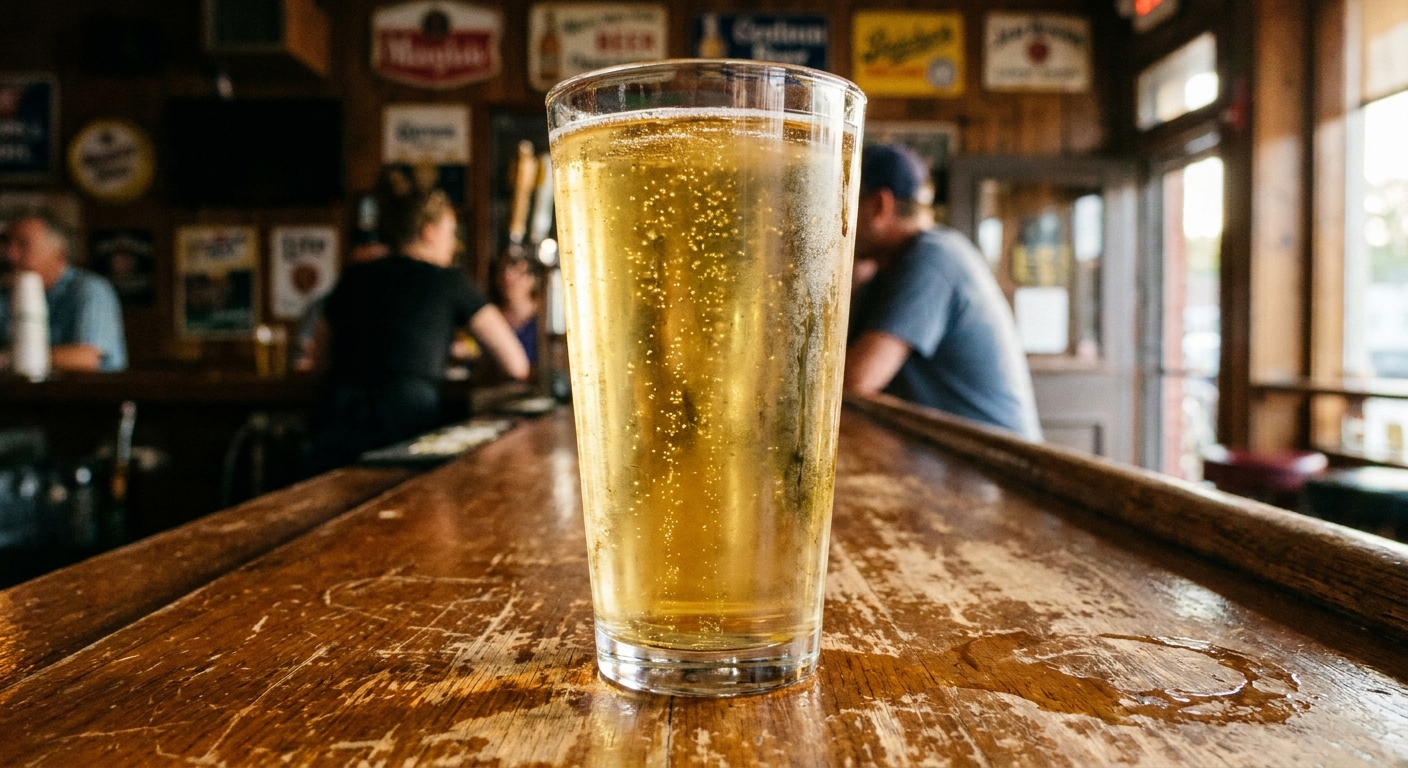
I learned this one the hard way: the words hard lemonade and hard tea tell you almost nothing about whether a drink is gluten-free. They tell you flavor, vibe, and maybe where you plan to drink it. They do not reliably tell you the alcohol base.
From the restaurant side, I get why this category is confusing. A lot of these cans taste like adult soda, so people assume they are built like seltzer or cider. But many hard lemonades and hard teas are malt beverages made from fermented grains, and malt usually means barley, which means gluten.
If you have celiac disease, a diagnosed gluten intolerance (hi, same), or you are simply trying to avoid gluten, this is one of those places where a 10-second label check saves you a long night.
The short answer
Some hard lemonades and hard teas are gluten-free, and many are not. The deciding factor is the alcohol base.
- Often not gluten-free: products labeled malt beverage, flavored malt beverage, or anything that indicates a malt base or brewed with barley.
- More likely gluten-free: products made from cane sugar, corn sugar, agave, or labeled as a cider or wine-based beverage, or a spirit-based ready-to-drink cocktail that clearly states vodka or another distilled spirit as the base.
Because practices and labeling vary by producer, the safest move is to verify the base every single time, even if the flavor name looks familiar.
Why so many are malt-based
In beverage programs, malt-based “hard” drinks show up because they can be easier to produce at scale, and in many states or provinces they can be distributed through beer-style channels and stocked right in the beer cooler. That is why you will see them merchandised next to light beer and hard seltzer even when they taste like lemonade you would hand a kid at a barbecue.
Translation: the flavor is doing a lot of camouflage work. Lemon, peach tea, and “half-and-half” styles are strong enough to hide the telltale beer-ish notes, especially when served ice cold.
If you are gluten-free, you have to think like a label, not like your taste buds.
Label terms that signal gluten
When I am scanning a can or a bar list fast, I am hunting for the words that signal a grain-fermented base. These are the big ones.
Red-flag terms
- Malt beverage
- Flavored malt beverage (FMB)
- Malt liquor
- Beer or ale (even if it is “tea flavored” or “lemonade flavored”)
- Brewed (especially if the label also references malt, barley, or hops)
- Barley, malted barley, barley malt
- Wheat (less common in this category, but an instant no if you are avoiding gluten)
- Contains: wheat (some producers include allergen statements)
If you see malt or barley called out clearly, treat it as not gluten-free unless the product is explicitly labeled gluten-free and you trust that claim.
“Gluten reduced” or “crafted to remove gluten”
In plain terms, these usually start as a gluten-containing grain fermentation and then use an enzyme process intended to reduce gluten levels. Some people choose them and feel fine. Others do not.
If you have celiac disease, this is a conversation to have with your clinician and a risk assessment to make for yourself. Also worth knowing: labeling rules vary depending on who regulates the product and how it is made, and “gluten-removed” is not the same thing as “gluten-free” in real-world risk terms. From a dining-out perspective, I do not treat “gluten removed” as “gluten-free.”
Label terms that are safer
There is no single magic phrase, but these are the cues that generally move a hard lemonade or hard tea into more gluten-free-friendly territory.
Green-flag terms
- Made with vodka or another distilled spirit (distillation removes gluten proteins per common medical and regulatory consensus, but added flavors and processing are where surprises can happen, so still verify)
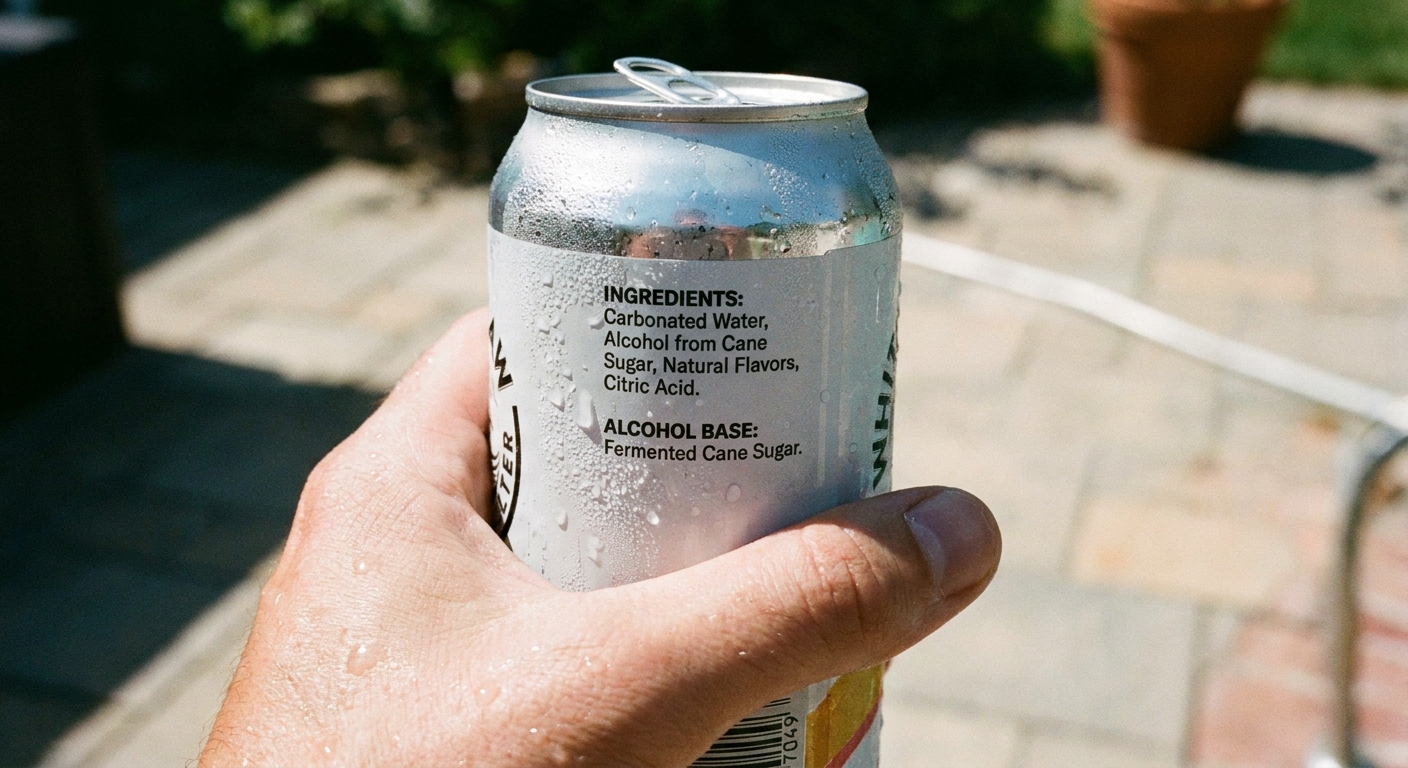
- Cane sugar or fermented cane sugar
- Corn sugar or dextrose (often used in sugar-brewed bases)
- Agave
- Wine-based or made with wine
- Cider (if it is truly apple or fruit cider, not “malt cider style”)
- Gluten-free (a direct claim on the can, ideally paired with clear ingredient transparency)
A quick operational tip: if the product lives in the “beer and malt” portfolio of a large producer, it is more likely to be malt-based. If it is positioned as a cocktail, wine-based spritzer, or cider, it is more likely to avoid malt.
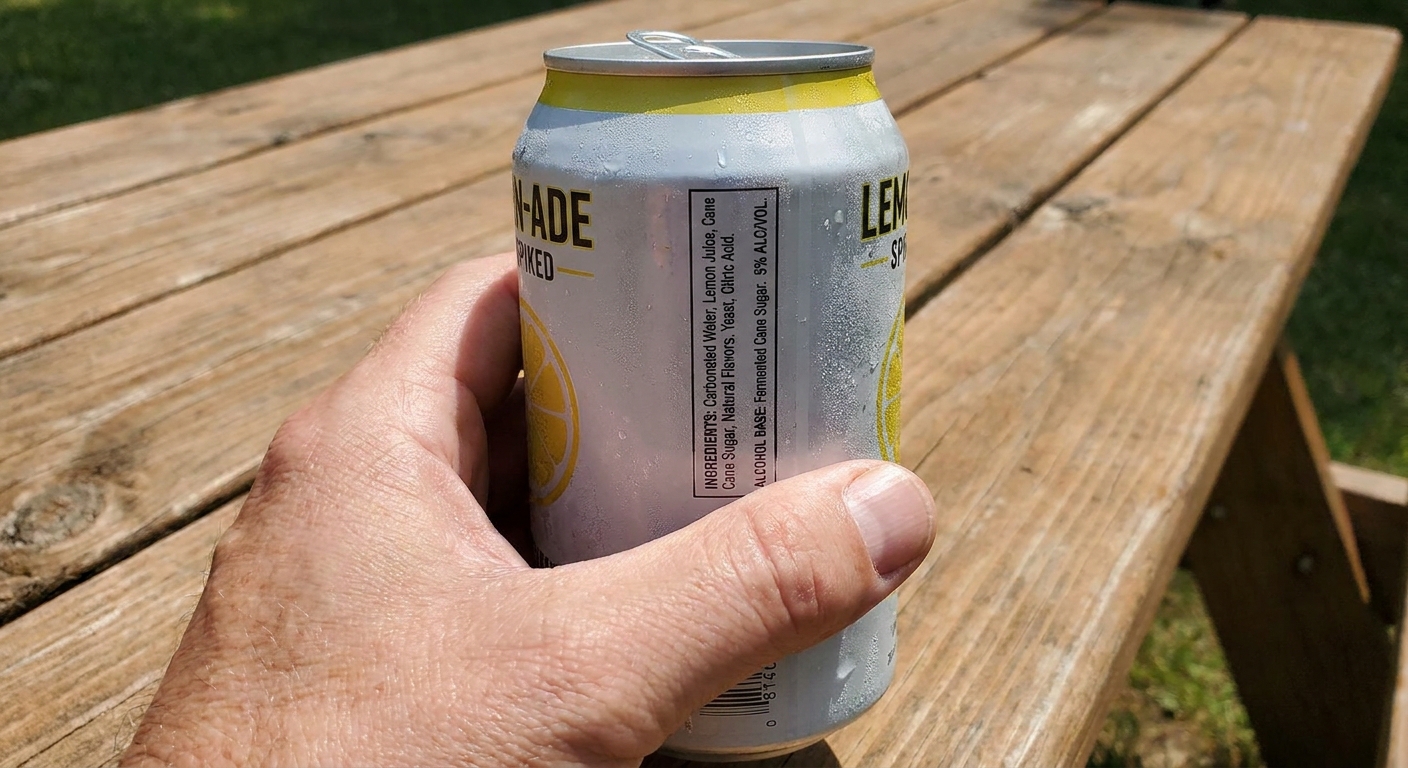
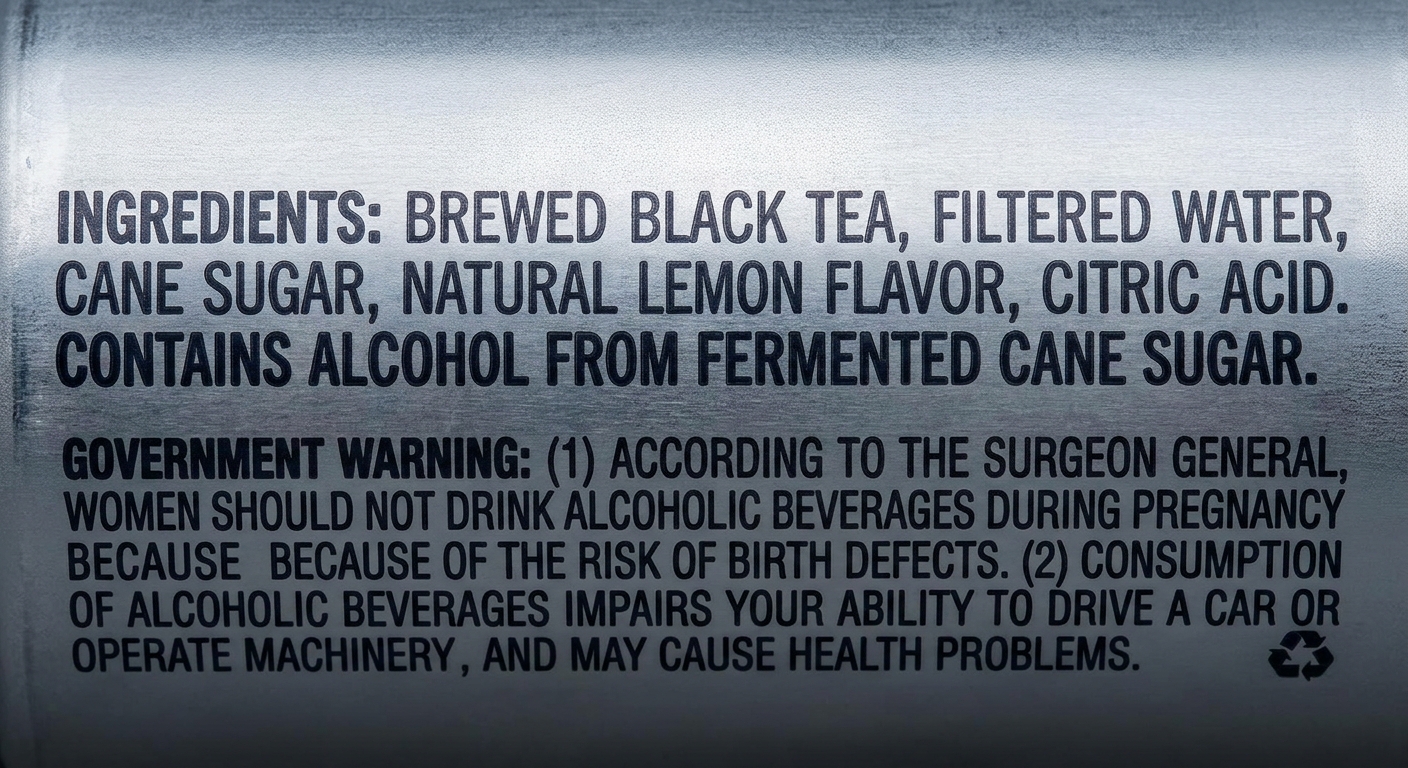
Also, if you are wondering where the “malt beverage” language hides, check near the ABV, government warning, or the tiny product description block. That is often where the base is spelled out.
Ordering at a bar
Bars often list hard lemonade and hard tea in one line with a brand name and a price, and that is it. If you are gluten-free, you are allowed to be the person who asks the extra question. Any bartender worth their salt would rather you ask than roll the dice.
What to ask
- “Is that one malt-based or spirit-based?”
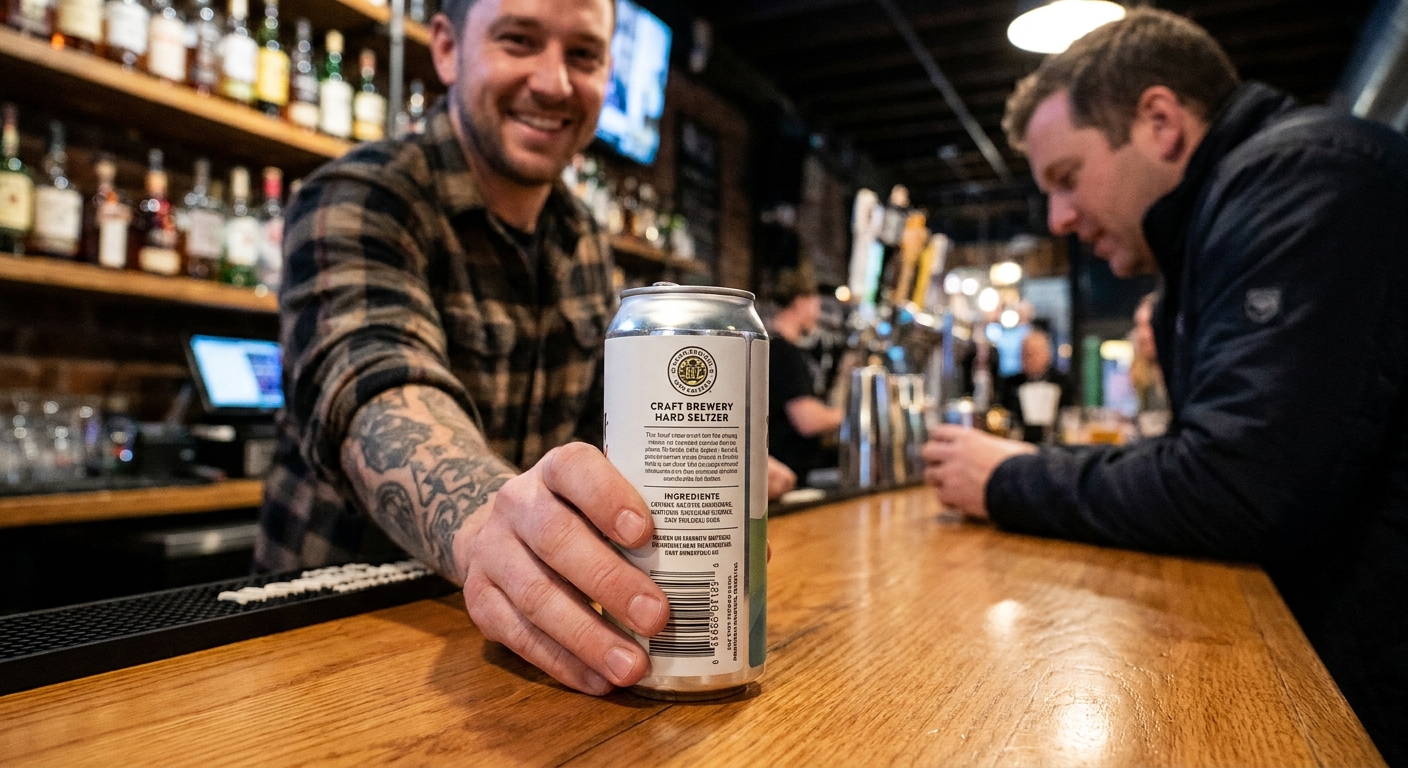
- “Can I see the can? I need to check if it’s a malt beverage.”
- “Do you know if it’s labeled gluten-free?”
If the bartender is unsure, request the package. If they cannot produce it, I would switch to a simpler, verifiable order.
Fallback orders
- Spirit + soda + citrus (vodka, tequila, gin, or rum depending on your comfort and the bar’s quality)
- Wine (if you tolerate it well and the bar has solid handling practices)
- True hard cider (ask to confirm it is cider, not a malt beverage dressed up as one)
Also, if you are sensitive, consider glassware. A pint glass that usually holds beer can be a cross-contact problem if it is not washed and rinsed properly. I often ask for a clean rocks glass when I am ordering something gluten-free adjacent to a beer-heavy service well.
Names to ignore
These names get tossed around like they are interchangeable. They are not.
- Hard lemonade: could be malt-based, sugar-brewed, spirit-based, or even wine-based. You have to check.
- Spiked lemonade: sometimes a spirit-based drink (vodka lemonade in a can), sometimes just marketing language for a malt beverage.
- Canned cocktail: more likely to be spirit-based, but still verify ingredients and any gluten-free claim.
The headline is boring but true: the base matters more than the name.
Hard tea: tea is not the base
Tea is usually the flavor system, not the fermentable. In practice, a hard tea can be:
- Malt-based, where a fermented malt base is flavored to taste like tea and lemon.
- Sugar-brewed, where fermented sugar is flavored with tea.
- Spirit-based, essentially a canned vodka tea or similar build.
- Wine-based in some ready-to-drink formats.
Tea itself is naturally gluten-free, but “hard tea” can still be a gluten-containing malt beverage. Do not let the tea angle lull you into skipping the label.
If you are very sensitive
When I am choosing between a cute can and feeling okay tomorrow, here is my personal hierarchy:
- Find the alcohol base statement: malt vs cane sugar vs vodka vs wine.
- Scan the ingredients for barley, malt, and wheat.
- Prefer explicit gluten-free labeling when available.
- When in doubt, pivot to a simpler drink you can verify with confidence.
- Consider cross-contact if you are ordering at a beer-forward bar or festival setting.
If the base is unclear and you are relying on being gluten-free, that is the moment I would either choose a different drink or contact the producer later, especially when the label leans on vague terms like “natural flavors” without clarifying the base.
I know it is annoying to do homework in a liquor store aisle. I also know it is more annoying to spend the next 24 hours paying for a can that was never worth it.
FAQ
Is hard lemonade gluten-free?
Sometimes. Hard lemonade is gluten-free only if it is made without gluten-containing grains. Many hard lemonades are malt beverages and therefore not gluten-free. Check for “malt beverage,” “malt,” or “barley” on the label.
Is hard tea gluten-free?
Sometimes. Many hard teas are also malt-based. Confirm whether it is a malt beverage or made from cane sugar, wine, or a distilled spirit base, and look for a gluten-free claim if you rely on one.
What does “flavored malt beverage” mean?
It typically means the drink is brewed from malted grains (commonly barley) and then flavored. From a gluten standpoint, treat this as not gluten-free unless the producer clearly states otherwise and you are comfortable with their process.
Is “malt” always barley?
No. In mainstream alcoholic beverages, “malt” most often refers to malted barley, but specialty products can use other grains. Practically, if a label is vague and simply says “malt beverage,” assume gluten is present unless the label explicitly states gluten-free.
If it tastes like lemonade, why would it be beer-based?
Because flavorings and sweeteners can cover a lot. The base can still be a fermented grain product even if the final drink tastes like lemon soda.
The takeaway
If you remember one thing: hard lemonade and hard tea are category names, not ingredient promises. The can might be sugar-brewed, spirit-based, wine-based, or it might be a malt beverage wearing a citrus-and-sweet-tea disguise.
Flip the can, find the base, and do not be shy about asking to see the package at the bar. Your body will thank you later.