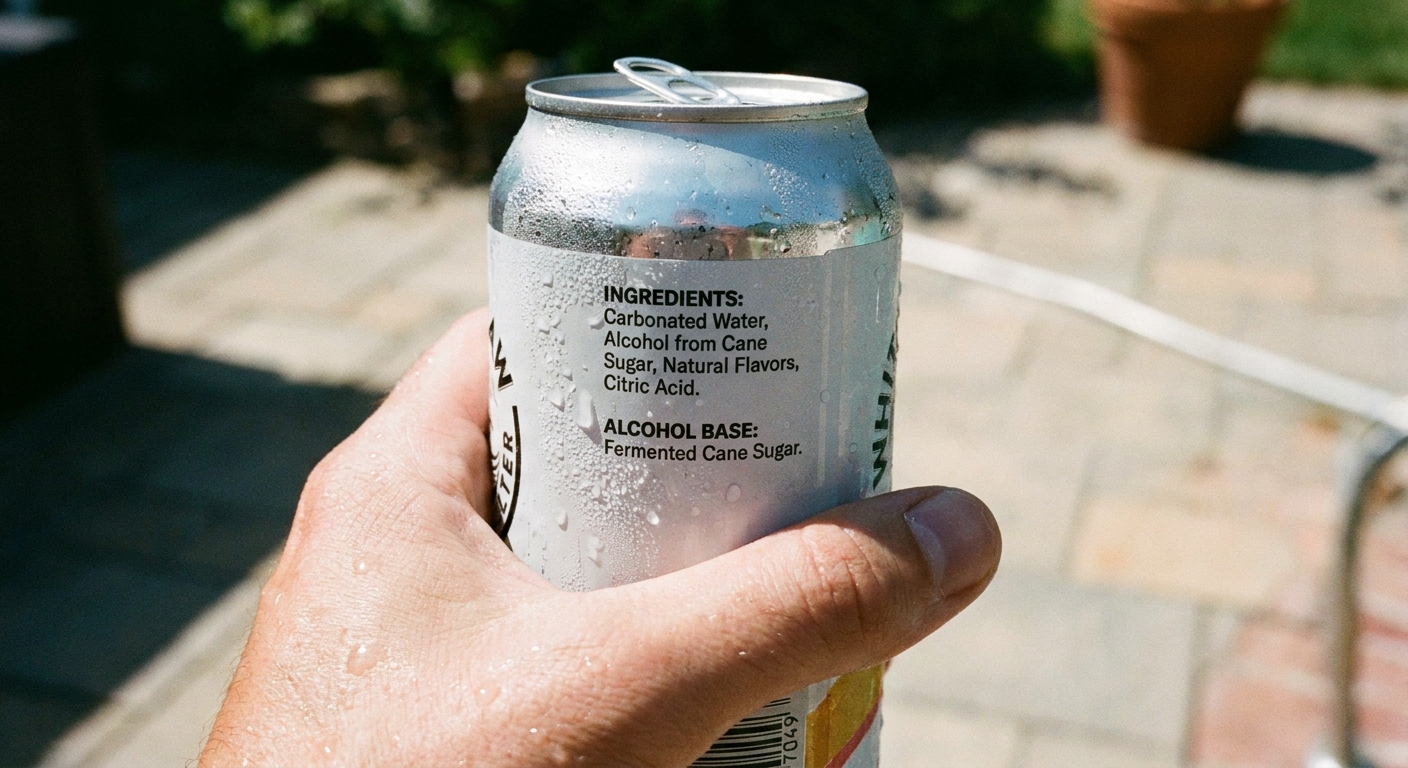
I learned the hard way that “should be fine” is not a plan. When my gluten intolerance turned severe, cider became my default order at bars that could not promise a clean gluten-free beer line. Then a server set down a can that tasted like apple and fall spices and I thought I was in the clear. I was not. The can said malt beverage in tiny print. That one phrase changes everything.
So, is hard cider always gluten-free? Traditional fermented apple cider is generally gluten-free. But the drinks sold as “cider” in bars and liquor stores are not always pure fermented apple juice. Some are built on a malt base, some are blended with beer, and some are made in facilities where cross-contact is possible. If you are ordering at a bar, the safest move is to treat cider like any other packaged drink: trust the details, not the vibe.
What hard cider is made from
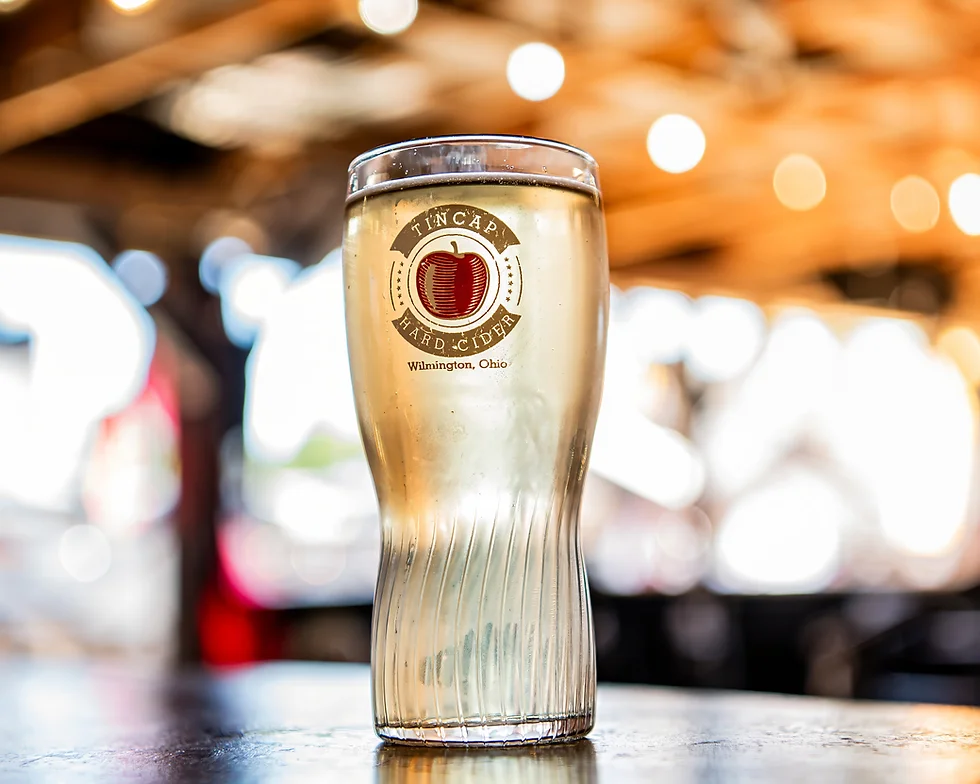
Traditional hard cider is fermented from apples: apple juice, yeast, time. Apples are naturally gluten-free, and fermentation does not magically create gluten. If a producer is making a straightforward cider from apples and nothing derived from wheat, barley, or rye is introduced, the finished drink is typically gluten-free.
Many ciders also include ingredients like pears, berries, ginger, or honey. Those additions can still be gluten-free. The potential problems usually start when the product stops being a true cider and starts being a malt-based drink, or when gluten-containing ingredients show up as “natural flavors,” extracts, or additives.
When “cider” is not cider
Here is the uncomfortable truth from the service side: menus, tap lists, and even can designs do not always use legally precise language. Lots of drinks taste like cider without being fermented apple cider.
Red-flag phrase: “malt beverage”
If you see malt beverage, malt base, or flavored malt beverage on a can or package, it typically indicates a fermented grain base, often barley malt. For gluten-free drinking, I treat that phrasing as a dealbreaker unless the producer is crystal clear that it is gluten-free and explains why.
Why do brands do this? A malt base can be cheaper, can be simpler to produce at scale, and can be regulated and taxed differently depending on where it is sold. The result for a gluten-free guest is the same: if it is malt-based, it is likely unsafe.
Beer blends and cider-beer hybrids
Some producers intentionally blend cider with beer or beer ingredients for texture, bitterness, or aromatics. These can be delicious, but if beer is involved, gluten is back on the table.
Watch for language like:
- “Cider + beer” or “cider-beer”
- “Graf” (a beer-cider hybrid)
- “Hopped cider” (not automatically unsafe, but worth scrutiny, see below)
- “Cider with malt”, “malt cider”, or “cider ale”
Sneaky gluten sources
Even when the base is apples, cider can get complicated fast when producers chase a specific flavor profile.
Barley-derived ingredients
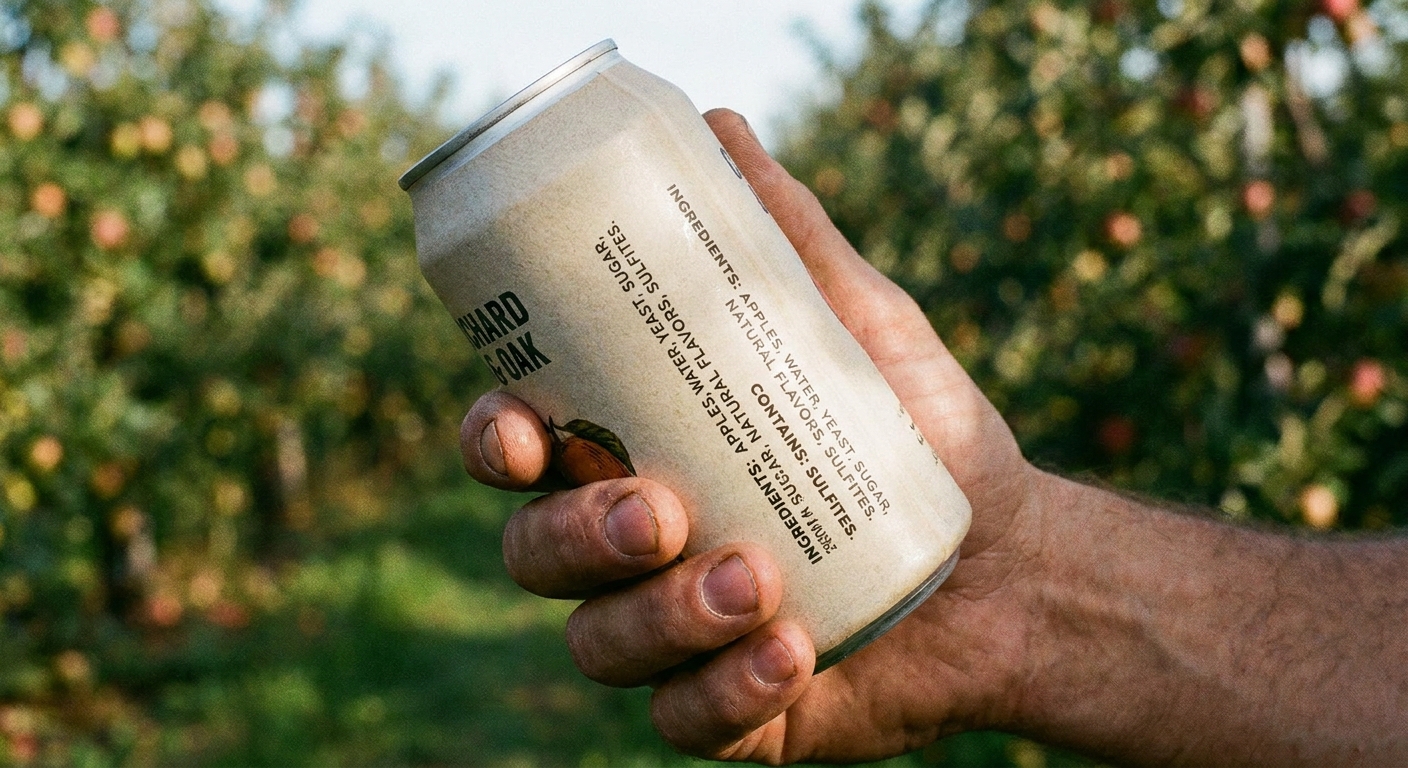
Some “cider” products use barley-derived flavorings or extracts for a toasted, bready, or whiskey-adjacent note. You might not see the word barley in big letters. Sometimes it hides in:
- “Natural flavors” (can include barley-derived flavor components)
- “Malt” (sometimes listed clearly, sometimes not)
- “Grain spirits” or “neutral spirits” used in a flavored beverage (often gluten-free after distillation, but not something I assume without clarity)
One extra wrinkle in the U.S.: barley is not one of the required “major allergens” that must be called out the way wheat is, so you do not always get a clean, obvious warning on the label.
If you have celiac disease or you react strongly to trace gluten, it is worth choosing ciders that are explicitly labeled gluten-free and that provide transparent ingredients.
Hops are gluten-free, but hopped cider still needs a second look
Hops themselves do not contain gluten. A cider can be hopped and still be gluten-free. The question is whether “hopped cider” is truly cider with hops added, or a beverage built on a beer-adjacent process or shared equipment. When in doubt, read the container or ask the producer.
Also, a quick confusion-avoider: you may see “gluten-reduced” or “gluten-removed” language on some beers. That is a separate category from cider, and many people with celiac still avoid those beers.
Shared tanks and shared lines
In a perfect world, every cidery would have dedicated equipment, dedicated packaging lines, and dedicated draft lines at every bar. In the real world, especially with hybrid breweries and cider programs, you can run into cross-contact risk.
At the producer
Some cideries operate inside breweries or share fermentation tanks, brite tanks, or packaging lines with beer. That does not automatically mean the cider contains gluten, but it can matter for people who need strict avoidance. Look for labeling language like:
- “Produced in a facility that also processes wheat/barley”
- “May contain” statements
These statements are voluntary in many places, so the absence of a warning is not a guarantee. Labeling rules also vary by region, so when you travel, assume less clarity, not more.
At the bar
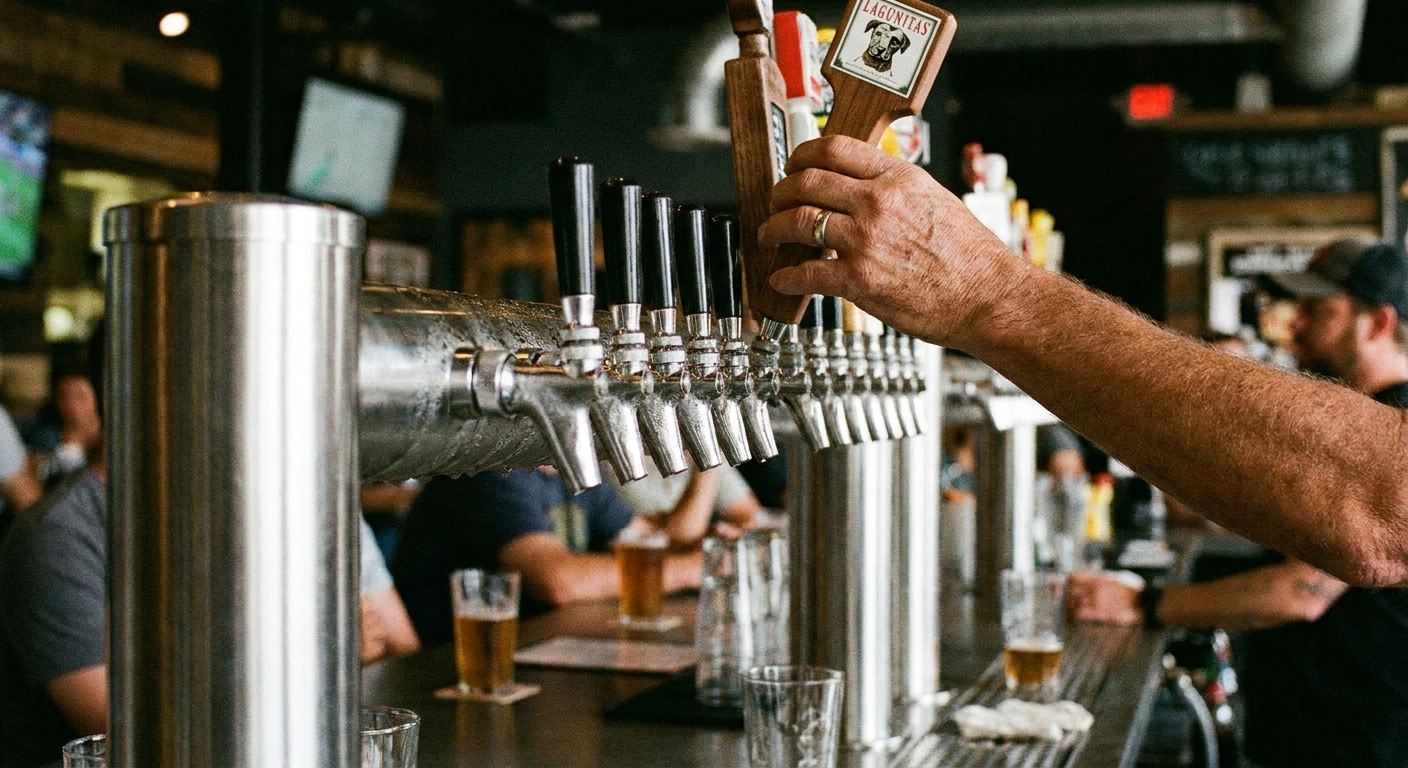
Draft is where I’m most cautious, because I have seen how lines are cleaned and how often it actually happens on a busy schedule.
Key risks:
- Shared draft lines (a cider line previously used for beer)
- Dirty couplers and taps that have beer residue
- Glassware cross-contact (beer foam lingers, and rinse sinks are not magic)
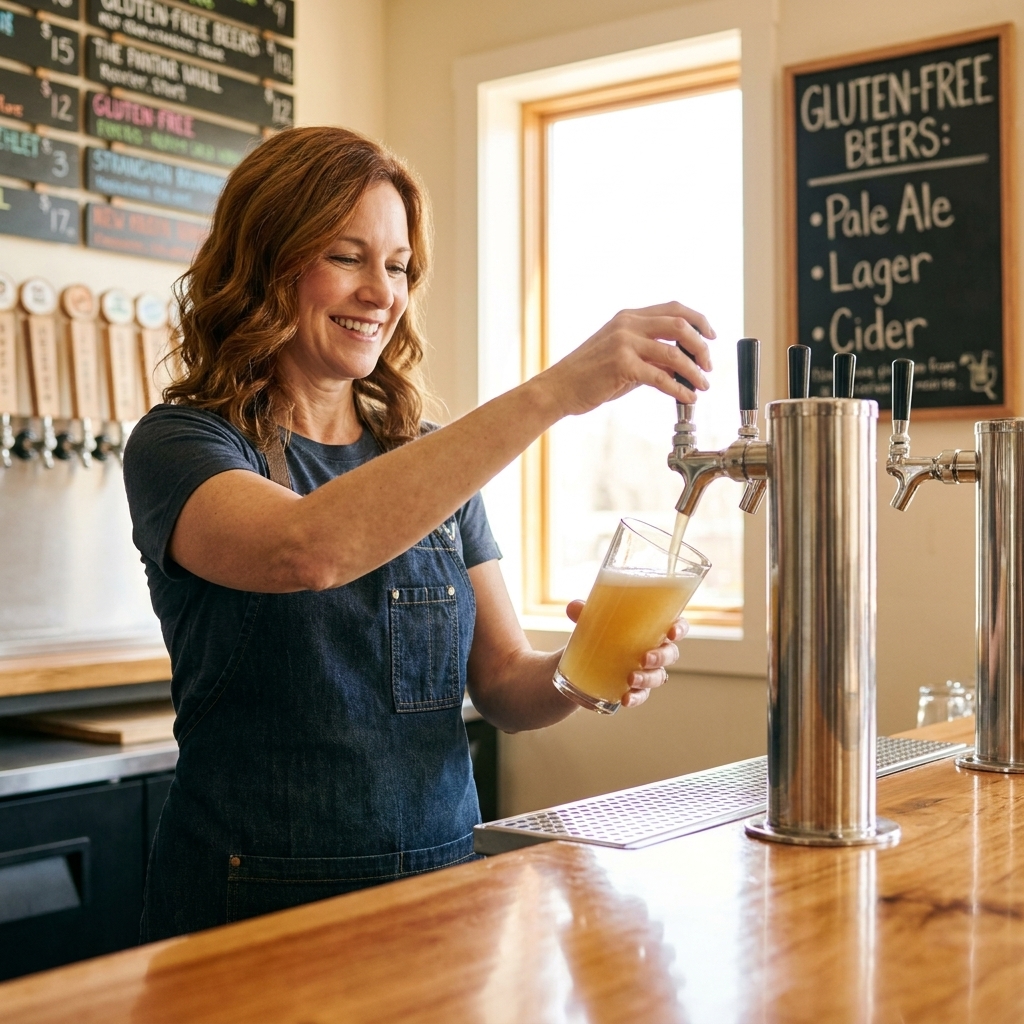
Dedicated cider lines can reduce risk, but staff may not know the history of every line in the building. If you are highly sensitive, packaged cider (can or bottle) is usually a safer bet than draft. If draft is your only option, ask if the cider has its own dedicated line and whether the staff can pour it into a clean glass that has not just been used for beer service.
Menu words that matter
If you are ordering at a bar, these are the words that should trigger a follow-up question or a different order.
Usually safer language
- “Hard cider” with a clear producer name and ABV
- “Apple cider” or “dry cider” from a known cidery
- “Gluten-free” printed on the menu next to the cider (still confirm if it is draft)
Proceed with caution or avoid
- “Malt beverage” (on the can or in the product description)
- “Cider ale” or “apple ale” (often beer-adjacent)
- “Shandy” (traditionally beer + citrus, sometimes menus misuse the word, but assume beer unless clarified)
- “Radler” (beer + citrus, generally not gluten-free)
- “Beer-cider blend”, “graf”
- “Barrel-aged” (not a gluten issue by itself, but prompts questions about processing and shared brewery operations)
What to ask a bartender
I am loyal to bartenders because I have been one. The best way to get a useful answer is to be specific and quick. Here are scripts I have used at crowded bars in Chicago without turning it into a dissertation.
- “Is that a true apple cider, or is it a malt beverage?”
- “Is this cider on a dedicated line, or does it share with beer?”
- “Can I see the can? I just need to check for malt or barley.”
- “Do you have a packaged cider instead of draft?”
If the bartender does not know, that is not a moral failing. It just means you should switch to a sealed can or bottle you can verify, or choose another naturally gluten-free option you trust.
Quick label checklist
Standing in front of the cooler door, you do not need to solve the entire supply chain. You just need a few fast checks.
- Look for: “hard cider,” “cider,” “fermented apple,” and ideally a gluten-free claim.
- Avoid if you see: “malt,” “malt beverage,” “ale,” “lager,” “brew,” or “contains barley/wheat/rye.”
- Scan the producer identity: a cidery is often a clearer bet than a beer brand doing seasonal “cider” extensions.
- When in doubt: choose a cider with a short ingredient list you can understand.
Bottom line
Hard cider is not always gluten-free, but traditional fermented apple cider usually is. The danger zone is when a “cider” is actually a malt beverage, contains barley-derived flavorings, is blended with beer, or is served on draft systems that share equipment with beer.
If you take one thing to the bar with you, let it be this: the words “malt beverage” and “beer blend” are dealbreakers for gluten-free drinking. Everything else lives in the realm of verification, packaging, and how much risk your body can tolerate.
FAQ
Is Angry Orchard gluten-free?
Many widely distributed ciders are made from apples and are often considered gluten-free by ingredients, but formulas and labeling can change. If you are sensitive, check the current can or bottle for any mention of malt, barley, or a gluten-free claim, and review the brand’s current allergen or FAQ page. At a bar, ask to see the can.
Is draft cider gluten-free?
The cider itself may be gluten-free, but draft introduces cross-contact risk through shared lines, couplers, and glassware. Packaged cider is typically a safer choice for strict gluten avoidance.
Is “apple ale” the same as cider?
Usually not. “Apple ale” commonly means beer fermented from grains with apple flavor added. Treat it like beer unless proven otherwise.
Do flavored ciders contain gluten?
Many flavored ciders are gluten-free, but flavorings are where hidden barley-derived components can show up. Look for clear ingredient transparency or an explicit gluten-free label, and avoid anything labeled as a malt beverage.