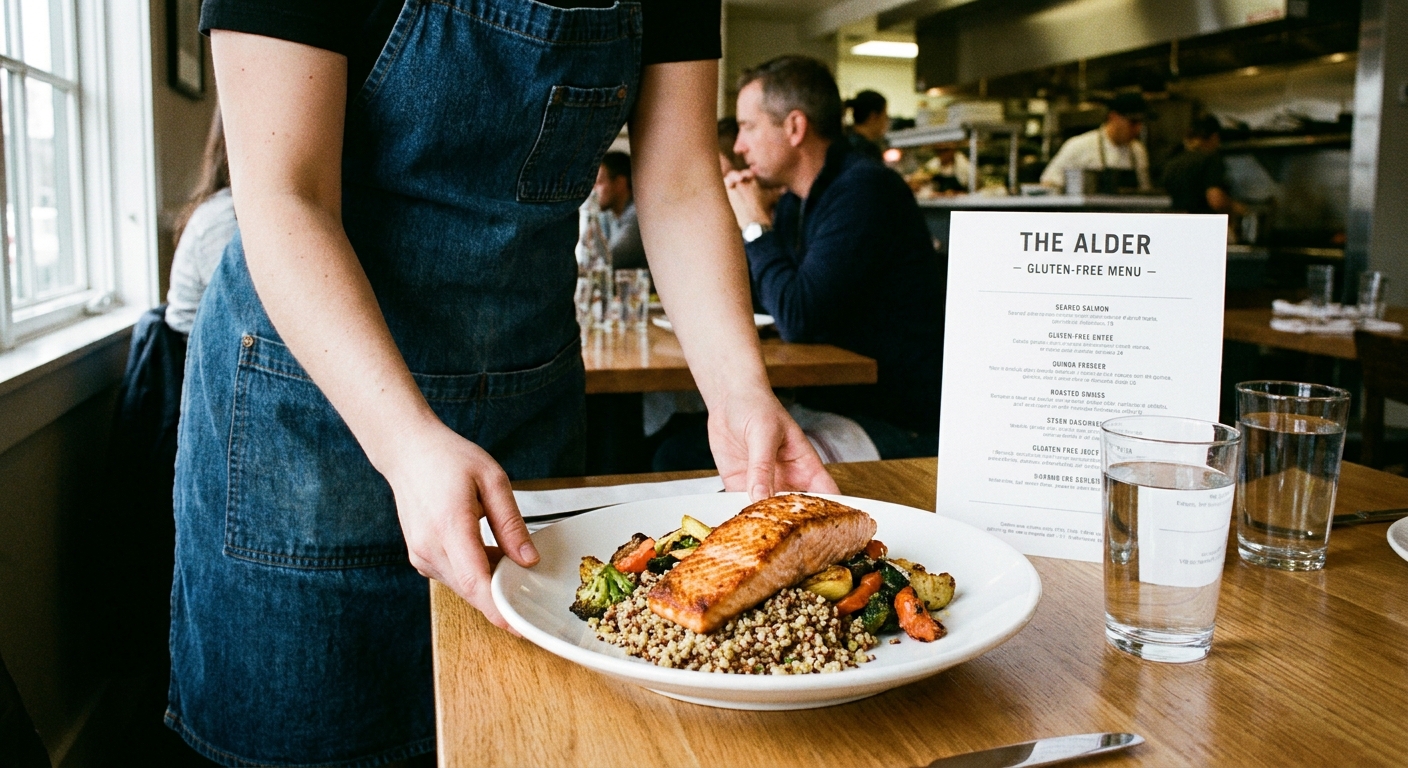
I used to be the person guiding guests through the beer list with that calm, bartender confidence: “If you like it crisp, go pils. If you want juicy, hazy IPA.” Then my body staged a full-on revolt against gluten, and suddenly the same beer list looked like a minefield of casual assumptions.
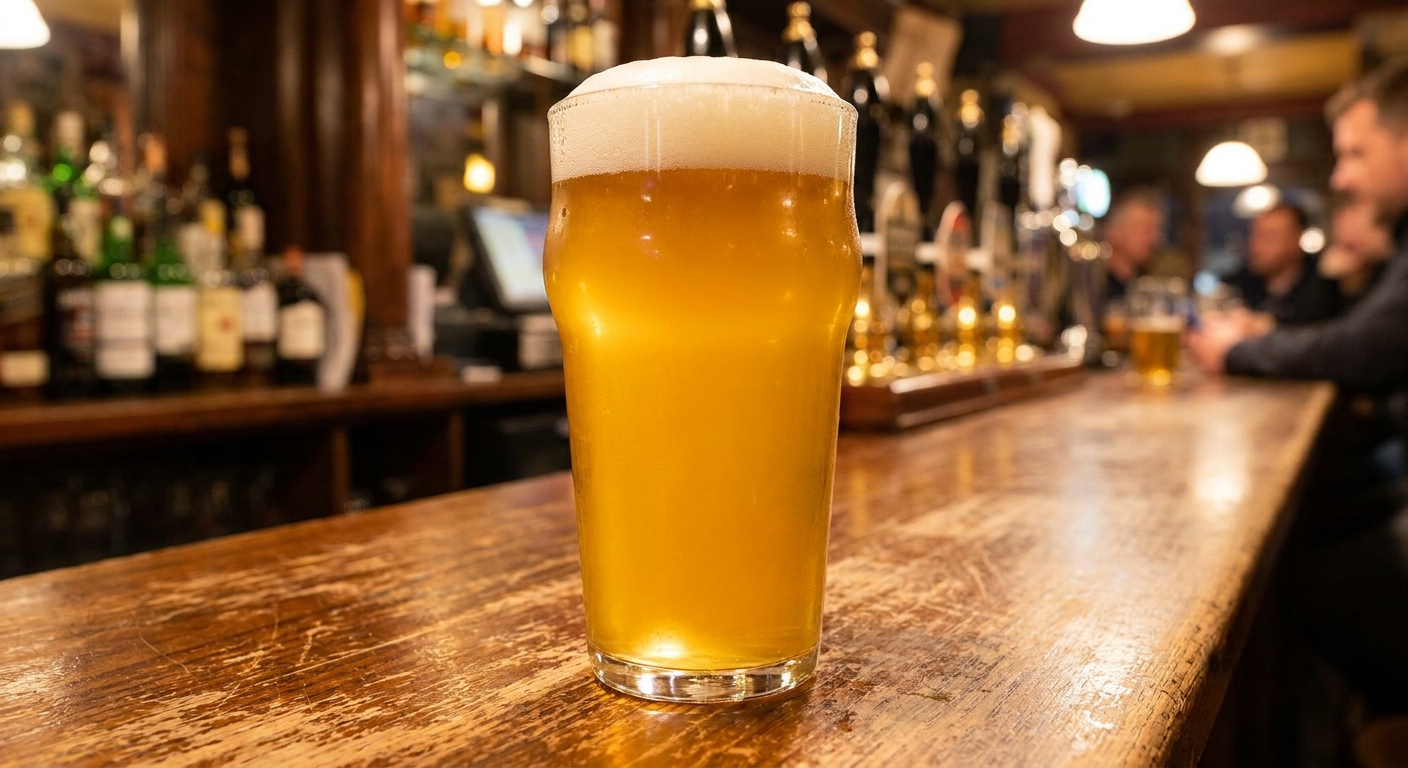
Here’s the thing I wish every beer menu made easier: most beer is not gluten-free. Not light beer. Not IPAs. Not wheat beers. Not the fruity sour your friend swears is “basically kombucha.” If it is brewed with barley, wheat, or rye, gluten is almost certainly still in the glass.
What “gluten-free” means in beer
Gluten is a family of proteins found in wheat, barley, and rye. Traditional beer is typically made from malted barley, plus water, hops, and yeast. Some styles also include wheat or rye.
Two important realities that get blurred on menus:
- Most “regular” beer contains gluten because it is brewed with barley and/or wheat.
- “Gluten-removed” or “gluten-reduced” beer is not the same as gluten-free. Those beers start with gluten grains and use enzymes to break down some gluten. They may test “low gluten,” but gluten that has been broken into smaller fragments can be harder to measure accurately with standard tests, and many celiac organizations advise avoiding these products unless your clinician tells you otherwise.
If you have celiac disease or a medically diagnosed wheat allergy, treat this as a serious safety question, not a preference question. Cross-contact, shared draft lines, and unclear labeling can matter a lot.
One more practical note: in many places, “gluten-free” labeling follows a threshold (often under 20 parts per million). That helps explain why some products can say “gluten-free” and others can only say “gluten-reduced,” even when they sound similar on a menu.
Myth-busting: what does not make a beer gluten-free
“It’s light” does not mean gluten-free
Light beer usually means lighter body, fewer calories, and/or lower alcohol. It does not mean it skipped barley. Most light lagers are still brewed with malted barley (and sometimes adjunct grains like rice or corn), so gluten is still part of the recipe.
“It’s pale” or “it’s golden” does not mean gluten-free
Color is about malts and brewing technique, not allergen status. A pale lager can contain plenty of gluten. A dark stout can contain gluten. Color is not your clue.
Fruit additions do not cancel out gluten
Raspberry wheat, mango IPA, cherry sour, pineapple anything: fruit is flavor. If the base beer is brewed from barley or wheat, the finished beer still contains gluten.
Oats are complicated and usually not your safe loophole
Oats themselves do not contain the same gluten proteins as wheat, but:
- Oats are commonly cross-contaminated with wheat during growing and processing unless specifically certified gluten-free.
- Many oat-forward beers are brewed on systems that also handle barley and wheat, increasing cross-contact risk.
- Most importantly: the styles that use oats heavily (hello, hazy IPA) are still typically built on barley malt.
Also worth knowing: even certified gluten-free oats can still bother a subset of people with celiac disease due to sensitivity to oat proteins. If oats have ever been a problem for you, treat “oat” on a beer menu as a real warning, not a quirky tasting note.
How to read beer list words for gluten risk
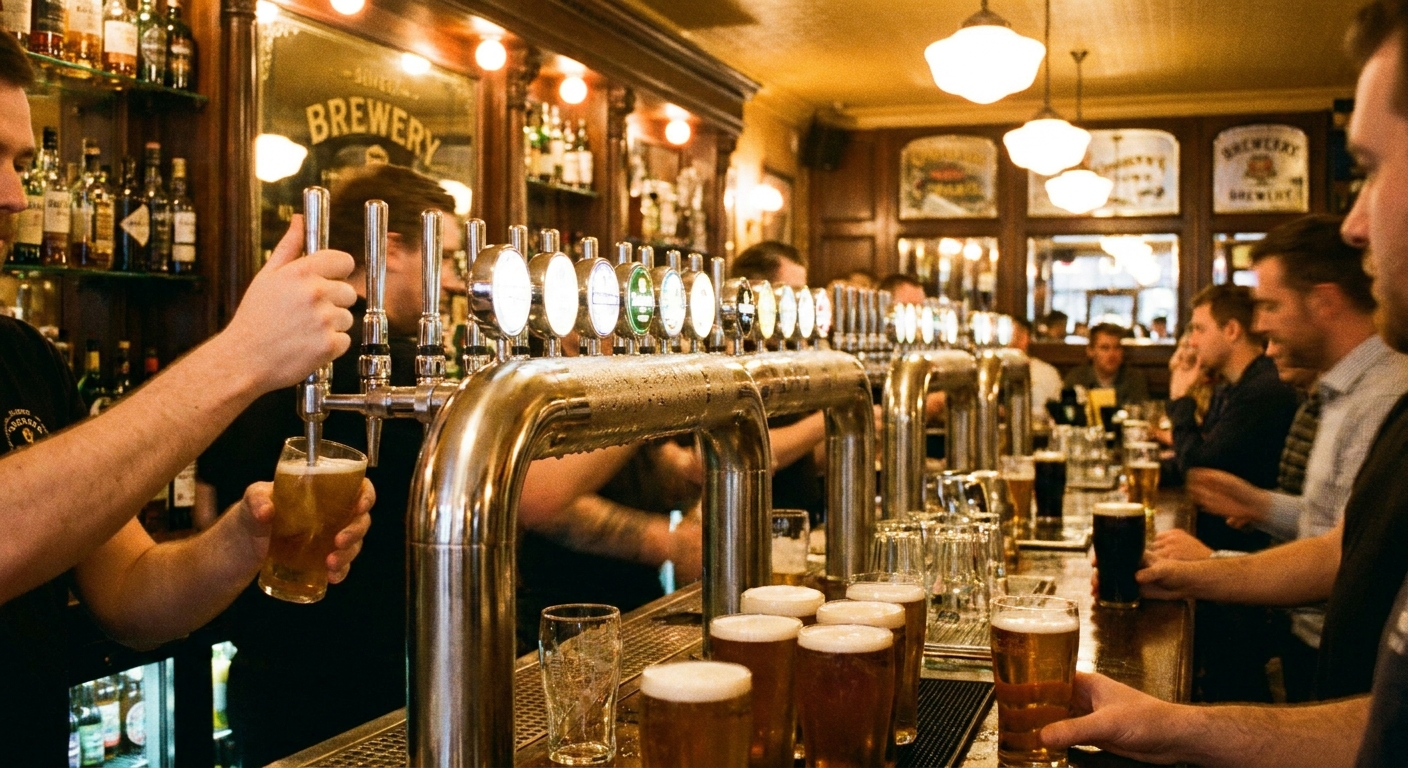
When I’m dining out, I read beer menus like I used to read wine lists: for structure and clues. Now I also read for ingredients that are almost always gluten. Here’s a translation guide for the words you actually see.
Light lager, lager, pilsner, kölsch
Typical gluten status: Almost never gluten-free unless labeled GF.
These are usually made with barley malt. Even if a brewery uses rice or corn to lighten the body, barley is still typically the backbone.
Menu clue: If it’s a “classic,” “crisp,” “easy-drinking” lager, assume barley unless it is explicitly labeled gluten-free.
IPA (West Coast, hazy, juicy, New England)
Typical gluten status: Almost never gluten-free unless labeled GF.
IPAs are almost always barley-based. Hazy and juicy versions often add oats and/or wheat to build that soft, pillowy texture. So you are looking at gluten from barley, and potentially extra gluten from wheat.
Menu clue: Words like “hazy,” “juicy,” “oat,” “wheat,” “pillowy,” and “soft” usually signal wheat or oats on top of a barley base.
Wheat beer, hefeweizen, witbier, weissbier
Typical gluten status: Definitely not gluten-free.
If the style name includes wheat, believe it. These beers are brewed with a meaningful portion of wheat alongside barley. Hefeweizen and witbier can taste light and citrusy, but they are still wheat beers.
Menu clue: “Wit,” “weiss,” “hefe,” and “wheat” are your bright-red flags.
Sour, gose, fruited sour
Typical gluten status: Usually not gluten-free.
Sourness is a fermentation and bacteria choice, not a grain choice. Many sours are brewed with barley, and some include wheat. Fruited sours can drink like juice, but the base is usually regular beer.
Menu clue: If it is on the beer list, assume it is still a barley-based beer unless stated otherwise. If it’s a gose, it may also include wheat.
Porter, stout
Typical gluten status: Almost never gluten-free unless labeled GF.
Dark beers get their color and roast from darker malts, which are still usually barley. Dessert stouts do not become gluten-free because they taste like brownies.
Rye beer
Typical gluten status: Not gluten-free.
Rye contains gluten. If rye is in the name, it is not a safe option for gluten-free needs.
What to order if you need gluten-free
On a typical menu, the truly reliable gluten-free plays are usually not beer. If I’m out with friends and want something in the same social lane as a pint, I look for:
- Gluten-free beer clearly labeled as such (brewed from non-gluten grains like sorghum, rice, millet, buckwheat, or corn). If it’s from a dedicated gluten-free brewery, that can be an extra layer of reassurance.
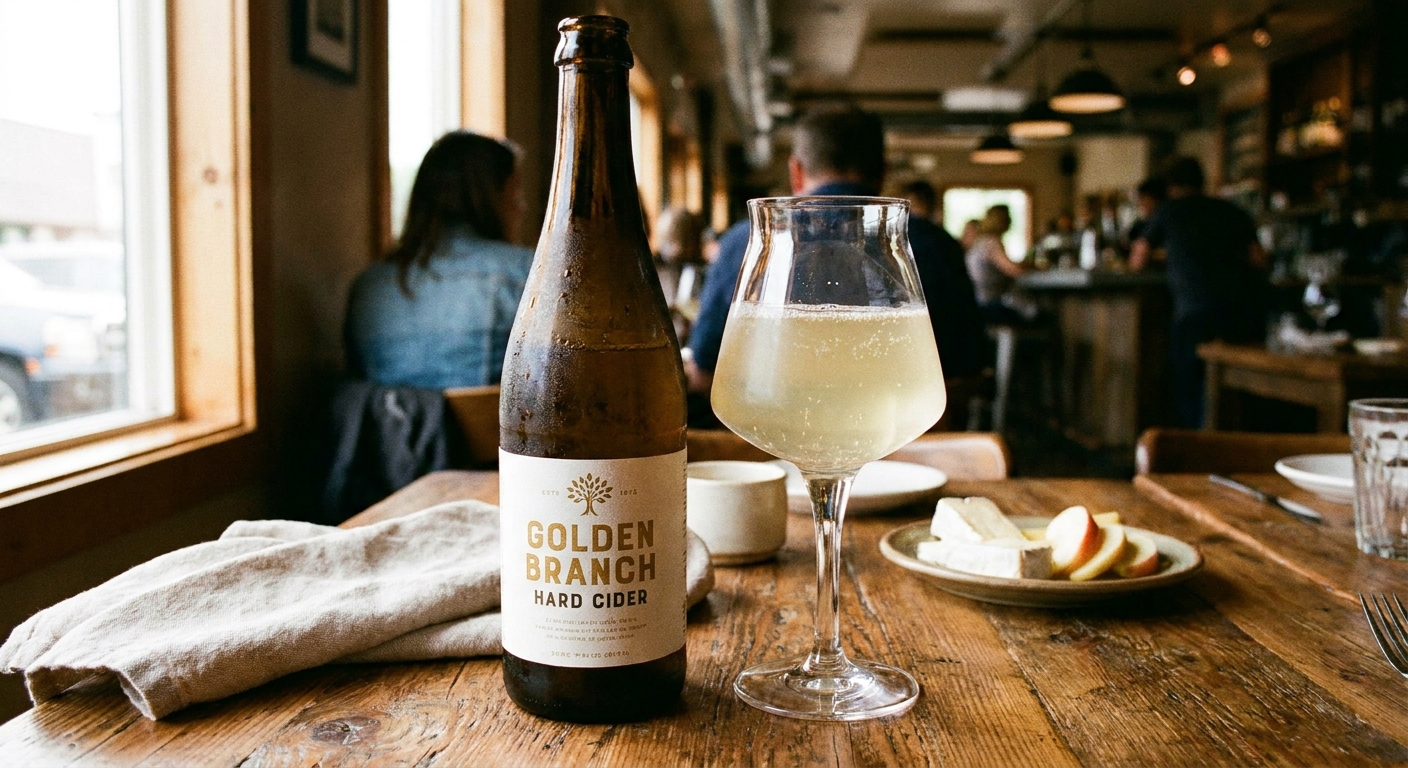
- Hard cider (often gluten-free, but double-check for malt beverage blends).
- Hard seltzer made from sugar or fermented cane base (verify it is not a “malt beverage”).
- Wine (generally gluten-free. The main watch-out is flavored or ready-to-drink wine products, not standard still wine).
- Spirits and simple mixed drinks (distillation removes gluten proteins, but additives and flavorings added after distillation can be a problem for some people, and labeling rules vary by country).
If the beer list has one “GF” can, I treat it like gold and still ask one more question: “Is it brewed gluten-free, or gluten-removed?” That single sentence can save you a very long night.
What to ask (without making it awkward)
I will say this as someone who has stood on both sides of the table: you do not need to apologize for an allergy or intolerance. You just need clear language.
- “Is that beer brewed with barley or wheat?”
- “Do you have any beers that are brewed gluten-free, not gluten-reduced?”
- “Is the gluten-free option in a can or on draft?” (Cans are often safer than draft lines that also pour wheat beers.)
- “If it’s draft, do you have a dedicated line?” (Many places do not. That answer matters for celiac.)
One more bar reality: cross-contact can happen through draft lines, shared pitchers, and even glassware in high-volume spots (think rinse stations and “whatever clean glass is closest”). If you need strict avoidance, packaged options tend to reduce the number of variables.
If the staff does not know, that is not a moral failing. Beer is complicated and menus are busy. But it is a good reason to choose a packaged gluten-free option, cider, wine, or a simple cocktail instead of gambling on a “light” draft.
Quick cheat sheet
- Light lager: Not gluten-free (usually barley).
- Pilsner or kölsch: Not gluten-free (usually barley).
- IPA: Not gluten-free (barley, often wheat or oats).
- Hazy IPA: Not gluten-free (barley plus common wheat or oats additions).
- Wheat beer or hefeweizen: Not gluten-free (wheat).
- Witbier: Not gluten-free (wheat is typical).
- Sour or fruited sour: Usually not gluten-free (base beer often barley).
- Rye beer: Not gluten-free (rye).
- Beer labeled gluten-free: Potentially safe, confirm it is brewed gluten-free.
- Beer labeled gluten-reduced or gluten-removed: Not the same as gluten-free.
FAQ
Is Corona (or other pale lager) gluten-free?
Usually no. Most pale lagers are brewed with barley malt. Some use adjunct grains like corn or rice, but barley is still commonly present unless the brand explicitly labels it gluten-free.
Are hazy IPAs gluten-free because they use oats?
No. Hazy IPAs are typically built on barley malt, and many also include wheat. Oats may be present, but they do not replace barley and they do not guarantee gluten-free status.
Are wheat beers gluten-free if they taste light and citrusy?
No. Witbiers and hefeweizens can taste bright and refreshing, but they are still brewed with wheat and typically barley as well.
Can I have gluten-removed beer if I am gluten intolerant but not celiac?
Maybe, but it’s highly individual. Some people tolerate gluten-removed beers and some react to them. If you are not sure how sensitive you are, treat it like a gamble, start cautious, and consider sticking with beverages that are brewed gluten-free instead.
What is the safest way to order if I have celiac disease?
Look for beverages that are clearly gluten-free and preferably packaged, like a labeled gluten-free beer in a can, a verified gluten-free cider, or wine. With draft systems, cross-contact through shared lines and couplers can be a concern. When in doubt, ask and choose the safest option for your body.
The bottom line
If you only remember one thing: beer style names describe flavor and tradition, not allergen safety. Light does not mean gluten-free. Hazy does not mean gluten-free. Fruited does not mean gluten-free. And anything calling itself a wheat beer is telling you the truth right in the title.
I miss the days when ordering a pint was mindless. But I have also learned that a good night out is not just what’s in your glass. It’s the feeling that the room is set up for you to belong there, safely. Asking one clear question is not high maintenance. It’s how you get to stay for another round.