
The first time I realized hard cider could mess with me the way wine sometimes does, I was standing at a bar in Chicago, holding what looked like the safest order on the menu. Gluten-free, apple-based, bright and easy. Twenty minutes later: warm cheeks, a stuffy nose, and that familiar creeping headache that usually makes people side-eye the “house red.”
If you have ever felt flushed, congested, or weirdly wiped out after a cider, you are not imagining it. Cider can contain sulfites. It can also contain histamine and other biogenic amines formed during fermentation. And depending on the style, it can deliver a sneaky hit of residual sugar that sets some bodies on edge. The frustrating part is that cider labels and menus do not always tell you which of these is at play.

Quick answer: cider can have sulfites and histamine
Many hard ciders contain at least some sulfites, either occurring naturally during fermentation or added by the producer to protect flavor and freshness.
Hard cider can also contain histamine and related compounds (biogenic amines) created during fermentation.
That said, cider is a huge category. One can might be filtered, pasteurized, and stabilized for a clean, crisp finish. Another might be farmhouse-style, bottle-conditioned, and intentionally funky. The way your body reacts can vary dramatically from brand to brand and even batch to batch.
What sulfites are and why cider uses them
Sulfites are sulfur-based compounds (often sulfur dioxide, or SO2, and related salts) used throughout beverage production because they are extremely good at preventing oxidation and slowing microbial spoilage. In plain terms, they help keep cider tasting like apples instead of turning flat, bruised, or vinegar-adjacent.
Do sulfites show up naturally in cider?
Yes. Yeast can produce small amounts of sulfur dioxide (SO2) during fermentation. Even if a cidermaker adds none, there may still be trace sulfites present.
Are sulfites added to hard cider?
Often, yes, especially in commercial production where consistency and shelf stability matter. Cidermakers may add sulfites at multiple points:
- Pre-fermentation to knock back unwanted microbes in the juice
- Post-fermentation to help protect aroma and slow oxidation before packaging
- Before back-sweetening as part of a broader stabilization plan
This last point matters. Many popular ciders have some sweetness left, or sweetness added back. Keeping that product stable for distribution frequently involves some combination of pasteurization, sterile filtration, sorbate, and/or sulfite additions. Sulfites can help protect quality, but on their own they are not a reliable way to prevent refermentation in package.
Can sulfites cause flushing or headaches?
For a small subset of people, sulfites can trigger symptoms, most commonly respiratory symptoms (wheezing, chest tightness) in sulfite-sensitive individuals. Headaches are widely reported anecdotally with wine, but true sulfite sensitivity is relatively uncommon. If you notice consistent symptoms across different brands and styles of cider, sulfites are one possible suspect, but they are not the only one.
Histamine in cider: why it happens
Histamine is a natural compound involved in your immune response. Some foods and drinks contain histamine, and some can prompt your body to release more. Fermented products are common culprits because microbes can produce histamine and other biogenic amines during fermentation.
Cider is fermented. That means histamine can be present, and for some people it can be enough to matter.
Who tends to react to histamine in drinks?
People with histamine intolerance, certain gastrointestinal conditions, or reduced activity of the enzyme DAO (diamine oxidase) may be more prone to symptoms. Those symptoms can look a lot like “I thought I was just having a drink” and can include:
- Facial flushing or warmth
- Nasal congestion or runny nose
- Headache or migraine
- Itchiness or hives
- Heartburn, nausea, or stomach upset
- Feeling wired, anxious, or unable to sleep
Histamine reactions can be confusing because they can kick in fast, and they do not always correlate neatly with alcohol content.
Are some ciders higher histamine than others?
Potentially, but most cider brands do not publish histamine levels, and the evidence base is thinner for cider than it is for wine. What we can say with more confidence is that fermentation management and microbes matter. Variables like sanitation, nutrient balance, temperature control, and whether certain secondary fermentations occur can influence biogenic amines in fermented beverages.
In the real world, people who are sensitive often notice more trouble with ciders that are:
- Wild or mixed-ferment, especially if the producer is aiming for rustic complexity
- Unfiltered or hazy, with more yeast and microbial material in suspension
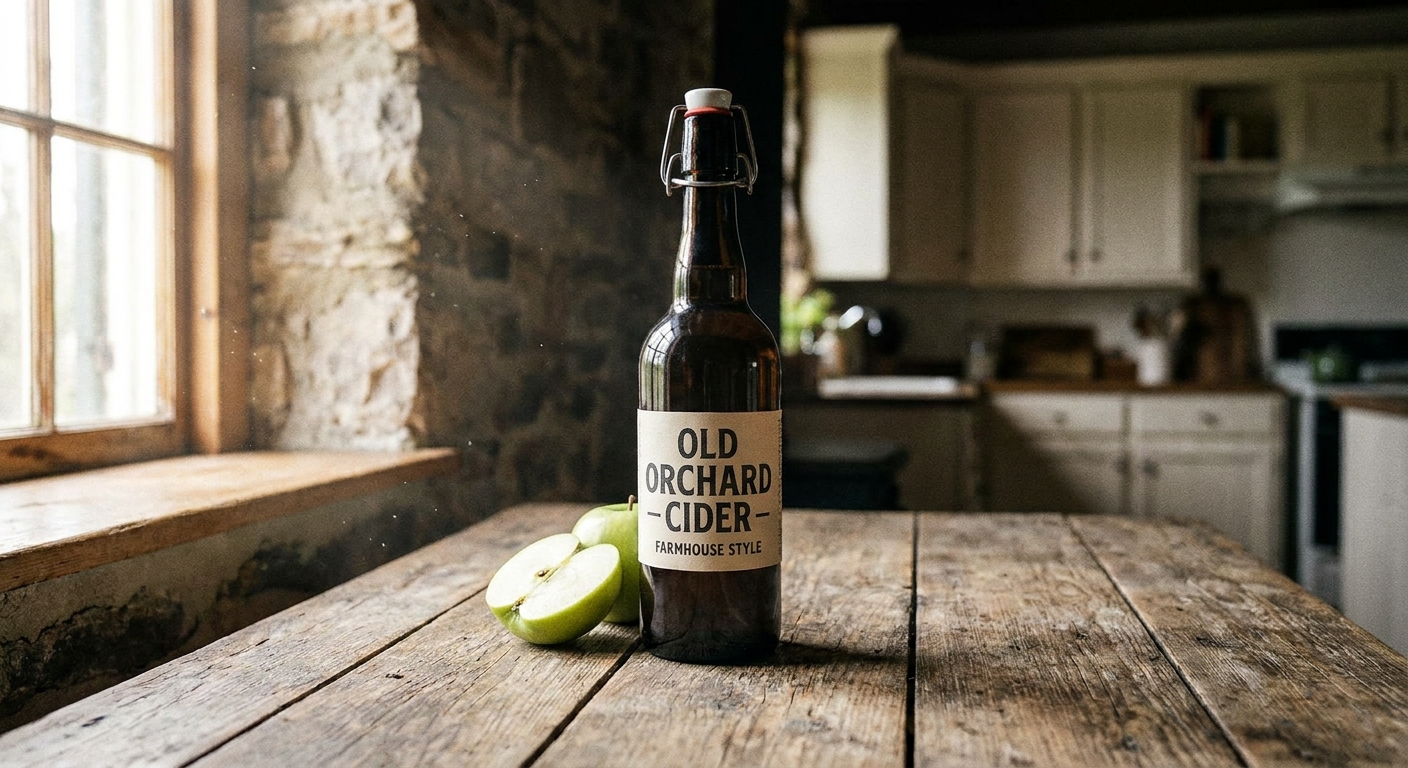
- Bottle-conditioned, meaning the cider continues to develop in the bottle
- Farmhouse or funky, where complexity comes from microbial diversity
None of these automatically mean “high histamine,” but if you are consistently sensitive, they are useful flags when choosing what to drink.
The sleeper issue: residual sugar and carbonation
In restaurants, I have watched guests blame sulfites when what they are feeling is actually a sugar and bubble combo.
Residual sugar can amplify how you feel
Many mainstream ciders are made to be approachable, which often means noticeable sweetness. Residual sugar may contribute to:
- Headaches in people who are sensitive to blood sugar swings or who are dehydrated
- Stomach upset, especially if you are drinking on an empty stomach
- That “hungover too fast” feeling, partly because sweet drinks can go down quickly
It is also common for sweet cider to be consumed in larger volumes, like a full pint, which changes the math.
Carbonation and acidity can feel allergy-like
Cider tends to be carbonated and fairly acidic. Bubbles plus acid can mean:
- More burping and reflux, which can feel like throat tightness
- More rapid consumption, which can make flushing more obvious
- Sinus pressure for some people, especially with cold, highly carbonated drinks (something people report even when it is not a true allergy)
If your “reaction” is mostly congestion and pressure, try a still cider if you can find one, or ask for a cider with gentler carbonation.
Cider vs. wine: similar triggers, different handling
Cider and wine share a lot of chemistry, but they live in different service ecosystems.
Why the menu tells you more about wine than cider
Wine lists often include producer notes, vintage, region, grape, and sometimes farming and sulfite practices. Cider, on many menus, gets a single line: brand name and maybe “dry” or “semi-sweet.” That lack of detail makes it harder for guests to avoid triggers.
How production differences can change your experience
- Base ingredient: Apples bring different polyphenols, acids, and pectin than grapes, which can affect mouthfeel and digestion.
- Stabilization: Cider that is back-sweetened often needs more stabilization steps to stay stable in package.
- Serving format: Wine is usually 5 ounces at a time. Cider is often served as 12 to 16 ounces. If you are sensitive, dose matters.
- Carbonation: Most wine is still. Most cider is not.
Does cider have more sulfites than wine?
Not necessarily. Wine is often associated with sulfites because the labeling is well known, and because wine culture talks about it a lot. Cider may have lower, similar, or occasionally higher additions depending on the style and the producer’s approach. The important point for sensitive drinkers is simpler: cider is not automatically sulfite-free just because it is not wine.
What your server can actually tell you
I love a curious guest, but I also believe in setting realistic expectations. Most servers are not being cagey. They just are not handed a tech sheet for every can in the fridge.
What is usually knowable in the moment
- Sweetness level: dry, semi-dry, semi-sweet, sweet. If the menu does not say, a server may have tasted it.
- Format: draft vs. can vs. bottle, which can hint at carbonation level and how the cider was packaged.
- ABV: higher alcohol can intensify flushing and headaches regardless of sulfites or histamine.
- Style cues: words like “farmhouse,” “wild,” “funky,” “barrel-aged,” “bottle-conditioned,” or “unfiltered.”
What is rarely knowable without checking
- Exact sulfite additions or total sulfite levels
- Histamine content
- Whether the cider was pasteurized, sterile-filtered, stabilized with sorbate, or stabilized with multiple methods
- Residual sugar numbers
How to ask in a way that gets you a real answer
If you are reacting to cider consistently, ask one or two targeted questions instead of a broad “Does it have sulfites?” Try:
- “Is this cider dry or does it drink sweet?”
- “Is it filtered and clean, or more farmhouse and funky?”
- “Do you know if it is bottle-conditioned?”
- “Could you show me the can or bottle? I want to check the label.”
That last one is the most reliable. If you are sulfite-sensitive, the label is where you will sometimes see warnings like “contains sulfites,” depending on the market and regulatory requirements, which often use a threshold approach.
If cider makes you flush or congested, try this
No one wants to treat a drink order like a medical intake form. But if you are trying to enjoy a night out without the post-cider fog, a little strategy helps.
1) Start with dry, simpler ciders
Dry ciders generally mean less residual sugar, which removes one major variable. Look for words like dry, brut, or bone-dry.
2) Be cautious with farmhouse, wild, and unfiltered styles
They can be incredible, and they can also be the ones that feel most “wine-like” in terms of histamine-type symptoms. If you are testing your tolerance, do it on a low-stakes night and start with a small pour if possible.
3) Watch the pour size
If cider is being served in a full pint, consider sharing, or alternate with water. A smaller dose can mean fewer symptoms even when the trigger is still present.
4) Eat something with protein and fat
This is bartender advice, not a cure, but it matters. Drinking on an empty stomach makes sugar spikes, reflux, and fast absorption more likely.
5) Track what you drank
If you are trying to solve a pattern, jot down the basics: brand, dry vs sweet, filtered vs unfiltered, draft vs can, and how fast symptoms showed up. You do not need a spreadsheet. A note in your phone works.
6) If you have asthma or a known sulfite sensitivity, take it seriously
Respiratory symptoms are not something to power through. If you have had wheezing or chest tightness from wine, dried fruit, or packaged foods with sulfites, talk to a clinician about your risk profile.

FAQ
Is hard cider high in histamine?
It can be, but there is no universal number across the category, and most producers do not publish histamine data. Because cider is fermented, histamine and related biogenic amines are possible. Less processed styles may be more likely to bother histamine-sensitive drinkers, but it varies by producer and process.
Does hard cider contain sulfites like wine?
Often yes. Sulfites can occur naturally and may also be added to protect the cider from oxidation and spoilage. Cider is not automatically sulfite-free.
Why does cider give me a headache when beer does not?
Common reasons include residual sugar, carbonation and acidity, histamine and other fermentation byproducts, and serving size. Beer and cider also have different ingredient profiles and are produced with different stabilization methods.
Is cider safe for people with gluten intolerance?
Many ciders are naturally gluten-free because they are made from apples, not barley or wheat. However, always check for cross-contamination risks and added ingredients. Edge cases include malt-based additives, products made on shared equipment, or specialty releases aged in barrels that previously held beer. If your symptoms feel like flushing and congestion rather than classic gluten exposure, sulfites, histamine, sugar, or reflux triggers may be a more likely explanation.
Can I find “low histamine” cider?
Unlike wine, cider is less commonly marketed with histamine information. Your best bet is experimenting with drier, cleaner, filtered styles and keeping notes on what works for you. If a cidery publishes detailed production notes, that is a good sign they can answer questions.
The bottom line
If hard cider makes you flush, feel congested, or gives you a headache, the most likely culprits are histamine and other fermentation compounds, sulfites in some products, and the very non-trivial combination of residual sugar plus carbonation.
I wish every cider menu came with the kind of detail we expect from wine lists. Until then, go dry when you can, do not ignore style cues like unfiltered or farmhouse, and do not be shy about asking to see the can or bottle. Your body is giving you feedback. It deserves to be heard, even on a fun night out.