Every fall, I watch the same tiny drama play out at restaurant tables: someone orders “a cider,” expecting a warm mug of spiced apple goodness, and a server returns with a chilled, carbonated alcoholic pour in a pint glass.
It is an easy mix-up. “Cider” means different things depending on where you are, how a menu is written, and whether you are standing closer to the espresso machine or the bar well. Here is the clean breakdown so you can get exactly what you want.
Quick caveat: this guide is written with U.S. menus in mind. In places like the UK and Ireland, “cider” often implies alcoholic by default.
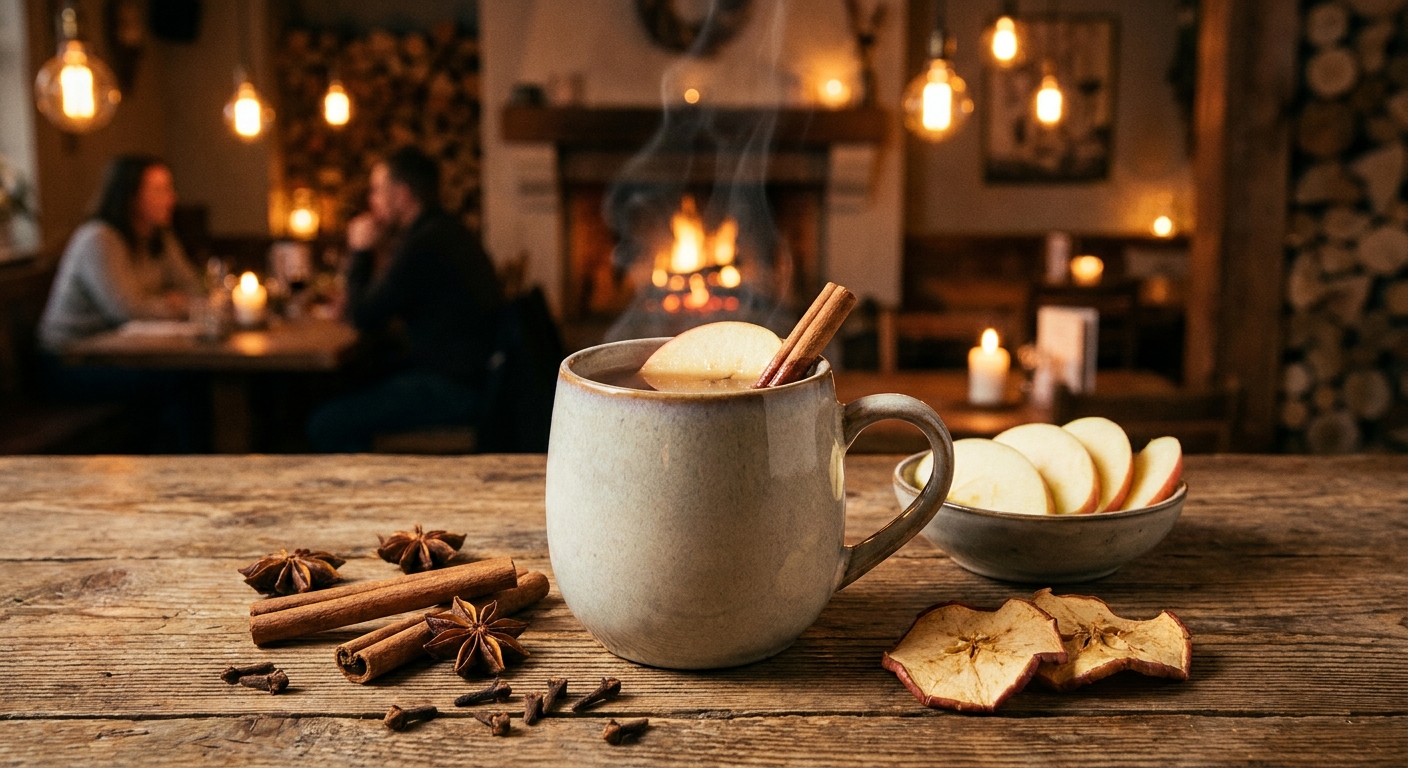
The core difference
Apple cider (in the U.S.) is typically pressed apple juice that is often unfiltered (cloudy), sometimes pasteurized, and usually nonalcoholic.
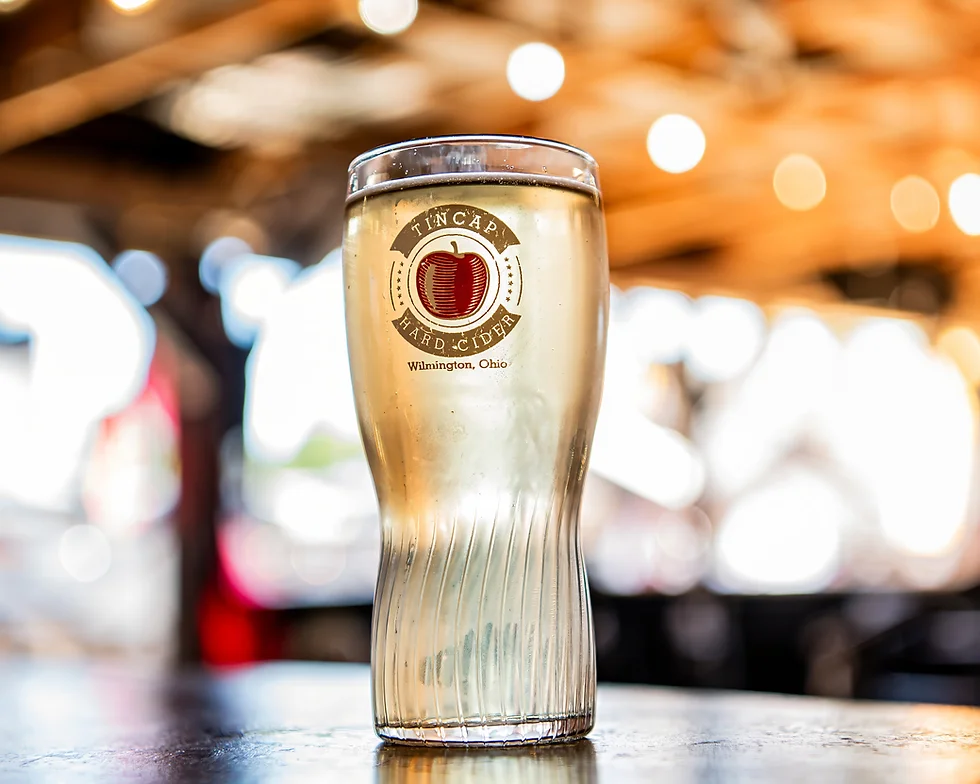
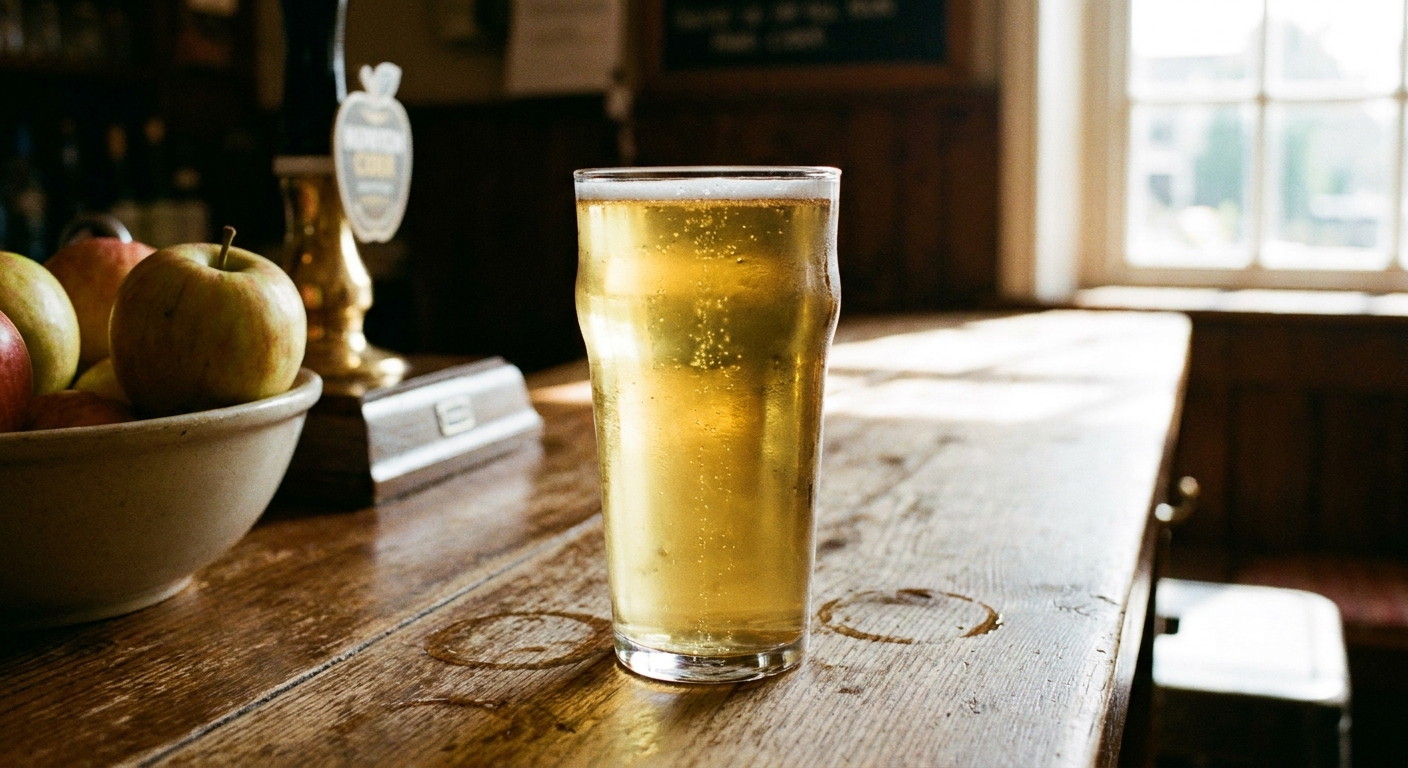
Hard cider is apple juice that has been fermented with yeast into an alcoholic beverage. Think: apples, fermented like wine or beer, then served as a beer-or-wine-adjacent drink.
Apple cider
What it is
In the U.S., “apple cider” generally means pressed apple juice that is a deep gold, sometimes cloudy, with a fuller apple flavor than clear apple juice. You will often see it served:
- Cold (straight from the fridge, often by the glass)
- Warm or mulled (heated with spices like cinnamon, clove, allspice, star anise, and citrus)
How it tastes
Sweet-tart and appley, with a rounder texture than clear juice. Unfiltered cider can have a faint tannic bite, especially if it is made from a blend of apples rather than just dessert varieties.
What to expect on menus
In restaurants and cafes, nonalcoholic apple cider usually shows up on:
- Brunch menus
- Seasonal coffee and tea lists
- Kids’ beverage sections
- Holiday drink features (often “hot spiced cider”)
If the menu just says “cider” with no ABV, no producer, and no format like “draft,” it is often the nonalcoholic kind in daytime settings. At dinner, it gets less clear, so it helps to ask one quick clarifying question (more on that below).
Hard cider
What it is
Hard cider is fermented apple juice. Yeast converts sugars into alcohol, and producers may leave it still (like wine) or carbonate it (like beer or sparkling wine). Many ciders are filtered bright, but some are intentionally hazy.
Alcohol level
Most hard ciders land around 4% to 7% ABV, though you will see higher options, especially bottle-conditioned styles or specialty releases.
Sweetness and styles
Hard cider is not automatically sweet. It can range from bone-dry to dessert-sweet. You might see words like:
- Dry or brut: crisp, less sweet, more wine-like
- Semi-dry or off-dry: a little sweetness, easy to sip
- Sweet: noticeable sugar, can read like adult sparkling apple juice
- Rosé cider: often includes other fruits or red-fleshed apples
- Hopped cider: cider with hops added for aroma and bitterness
- Fruit cider: blended or co-fermented with pear, cherry, berry, etc.
How restaurants list it
Hard cider is typically listed where alcoholic drinks live:
- On the beer list (draft or cans and bottles)
- On a cocktail menu (as an ingredient in spritzes, shandies, or seasonal drinks)
- On a separate “Cider” section near beer and seltzer
If you see a brand name, a price per pint, “draft,” or an ABV, you are looking at hard cider.
Quick comparison
- Alcohol: Apple cider is usually nonalcoholic. Hard cider contains alcohol.
- Fermentation: Apple cider is pressed apple juice. Hard cider is fermented with yeast.
- Sweetness: Apple cider is generally sweet. Hard cider can be dry, semi-dry, or sweet depending on the brand and style.
- Carbonation: Apple cider is usually still. Hard cider is often sparkling or carbonated. (Also: some bottled sparkling apple cider is nonalcoholic, especially around the holidays.)
- Where you find it on a menu: Apple cider is often with NA drinks and warm seasonal beverages. Hard cider is listed with beer, cocktails, or an alcohol cider section.
How I order
As someone who has worked behind the bar and now orders with a food-intolerance radar always on, I default to clarity. These are the questions that save you from surprise alcohol, surprise sweetness, or surprise ingredients:
- “Is that alcoholic or nonalcoholic?” Simple, no shame.
- “Is it served hot?” If you want the cozy mug.
- “Is it sweet or dry?” For hard cider especially. “Crisp” can mean anything.
- “Is it draft or in a can?” Draft usually signals hard cider in bars, but some places do run a seasonal nonalcoholic cider too.
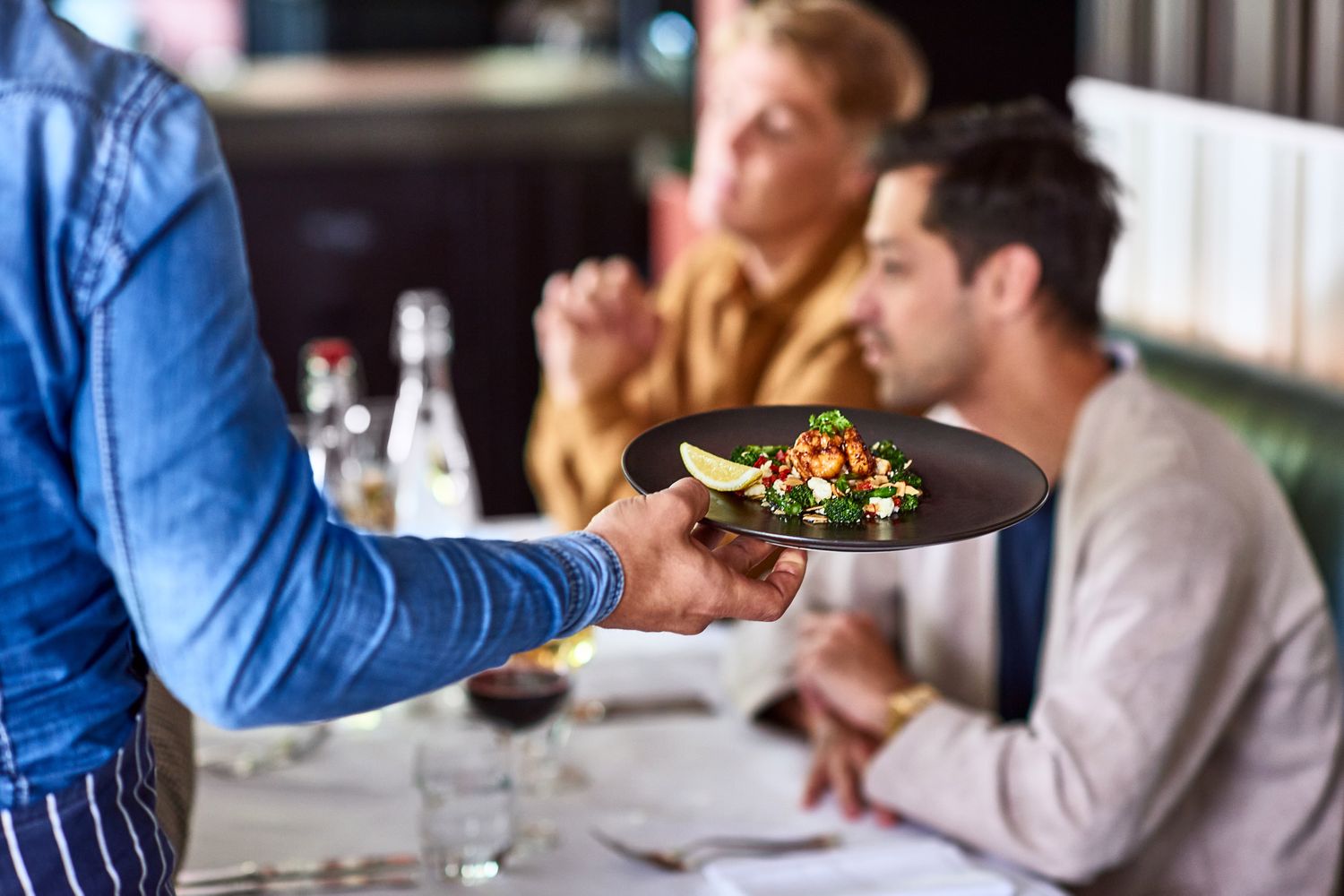
Hospitality folks love a clean question. It helps us serve you correctly the first time.
Gluten
This is where the vocabulary overlap can trip people up.
Apple cider (nonalcoholic)
Apple cider is pressed apples, sometimes with spices if it is mulled. Gluten is generally not part of the picture unless something has been added after the fact (for example, flavored syrups, a pre-made spice mix, or cross-contact in a shared dispenser). If you are highly sensitive, ask how it is prepared, especially for house-mulled batches.
Hard cider (fermented)
Hard cider is usually made from apples and yeast, so it is commonly considered gluten-free by ingredient. However, if you have celiac disease or a serious intolerance (hi, it is me), there are a few real-world caveats worth knowing:
- Cross-contact can happen in facilities that also produce beer or malt beverages.
- Flavor additions matter. Most common additives and anti-caking agents are gluten-free, but proprietary flavorings, “cookie” or “malt” style additions, and some seasonal formulations are where you want to double-check.
- Draft lines matter. Bars generally do not run beer and cider through the same line at the same time, but risk can come from misidentified lines, line reuse, or inadequate cleaning and leftover residue from a prior product.
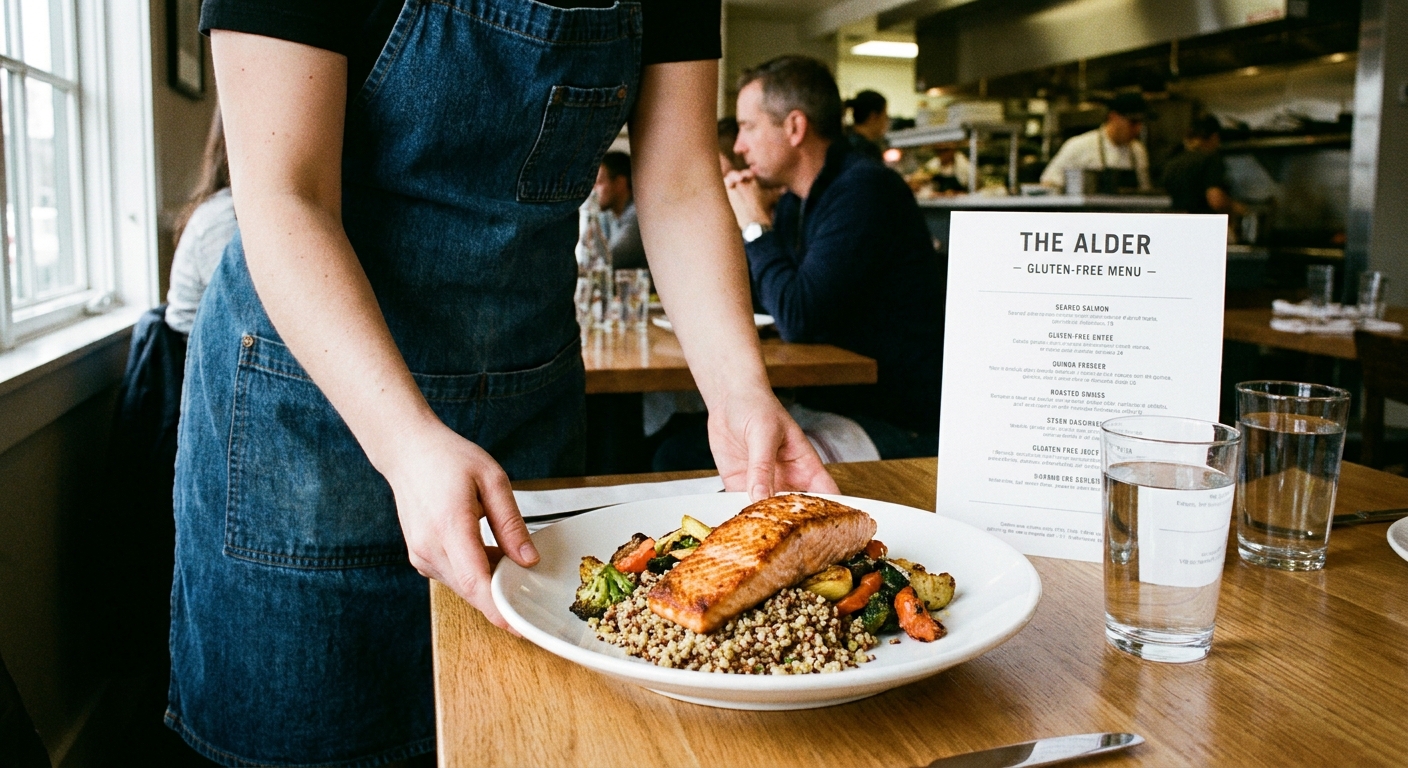
If gluten is a concern for you, opt for a sealed can or bottle of cider when possible, and do not hesitate to ask your server or bartender what brand it is so you can make an informed call.
Why they taste different
Fermentation changes everything. In nonalcoholic apple cider, sugars stay sugars, so you get that round sweetness and apple-forward aroma. In hard cider, yeast eats a portion of those sugars and produces alcohol and a range of flavor compounds. The result can be:
- Drier and more refreshing
- More tart, depending on apple varieties and fermentation
- More complex, with funky, floral, or even slightly earthy notes
That is also why a dry hard cider can pair with food more like a crisp white wine than like juice.
How restaurants use them
Apple cider is comfort
Expect it in warm mugs at brunch, in family-friendly settings, and as a base for NA seasonal drinks. It is also the backbone of easy add-ons like a cinnamon stick or a citrus peel.
Hard cider is a bridge drink
Bars lean on hard cider to cover a lot of ground: beer drinkers who want something lighter, wine drinkers who want bubbles, and folks who want gluten-free options but still want something fun and on draft. You will see it in:
- Autumn spritzes with bitters and citrus
- Shandies or blends with beer (ask about gluten if you do this)
- Pairings with pork, fried chicken, cheddar, and anything salty or smoky
FAQ
Is apple cider the same as apple juice?
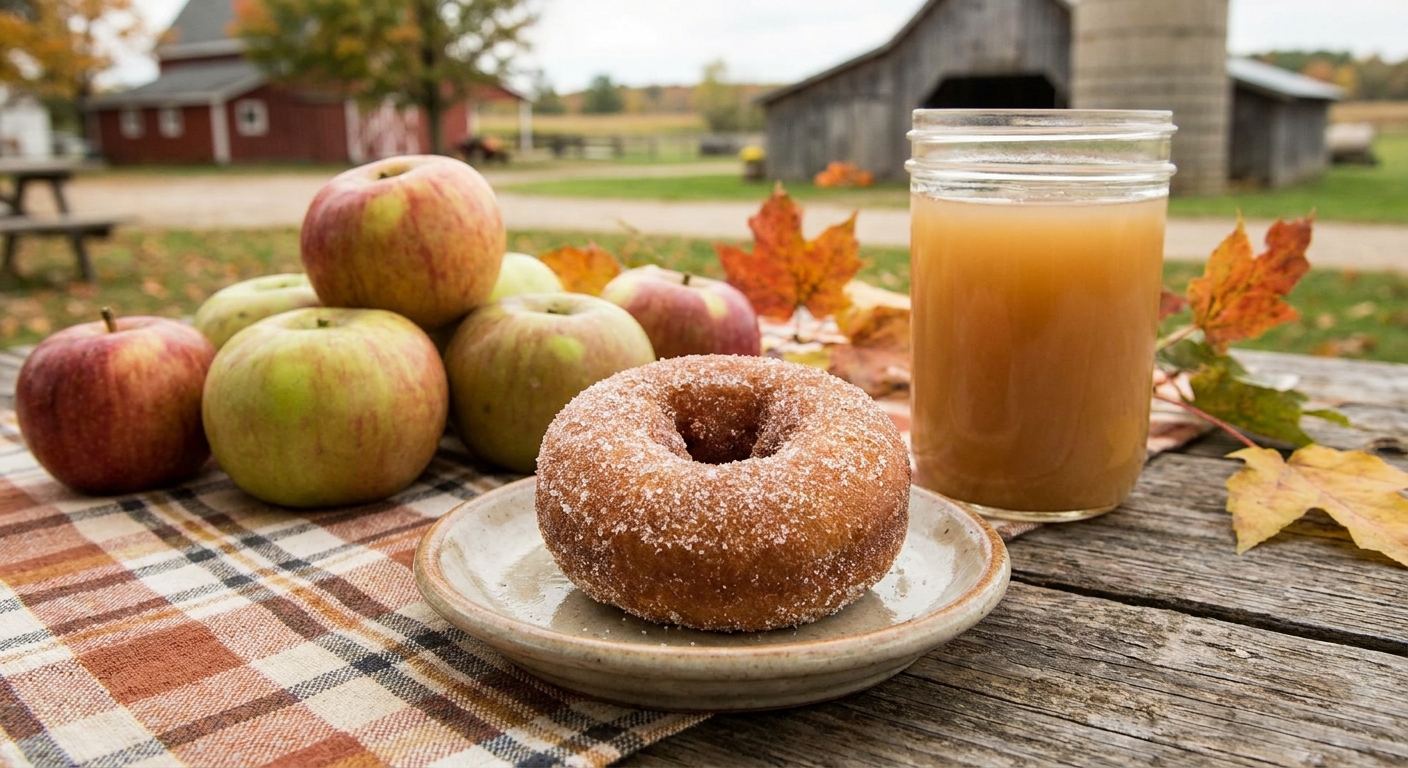
Not exactly. Apple juice is usually filtered clear and often more processed. Apple cider is typically unfiltered, cloudier, and tastes more like freshly pressed apples.
Can kids drink hard cider?
No. Hard cider is alcoholic.
Is hard cider basically beer?
It is brewed and served in similar contexts, but it is fermented from apples, not grains. Stylistically, some ciders drink like beer, some like sparkling wine.
If a menu says “cider” with no other info, what should I assume?
Assume nothing and ask one question: “Is it alcoholic or nonalcoholic?” In a bar context, it is often hard cider. In a cafe or daytime brunch context, it is often sweet apple cider.
Can hard cider be served hot?
It can, but it is less common. Most hot “cider” drinks in restaurants are nonalcoholic apple cider, sometimes with a spirit added (like bourbon). If alcohol is involved, it is usually listed as a cocktail.
Does sparkling cider mean hard cider?
No. Some sparkling ciders are hard, and some are nonalcoholic (especially holiday bottles). When in doubt, look for ABV or ask.
The takeaway
Apple cider is the sweet, pressed, often cloudy fall staple you drink cold or mulled.
Hard cider is the fermented, alcoholic version that can be dry or sweet, still or sparkling, and usually lives on the beer list.
If you remember just one thing: when you are ordering, “hot or cold” and “alcoholic or nonalcoholic” will get you to the right glass every time.