I’ve watched smart, curious people freeze in front of a cocktail menu for one simple reason: it’s written in shorthand. It’s not you. It’s the format.
Most lists are built for speed behind the bar and for a certain kind of guest who already knows what “split base,” “clarified,” or “amaro” means. The good news is you only need a few anchors to translate the whole page, then you can order like you belong there. Because you do.
Start with the menu’s shape
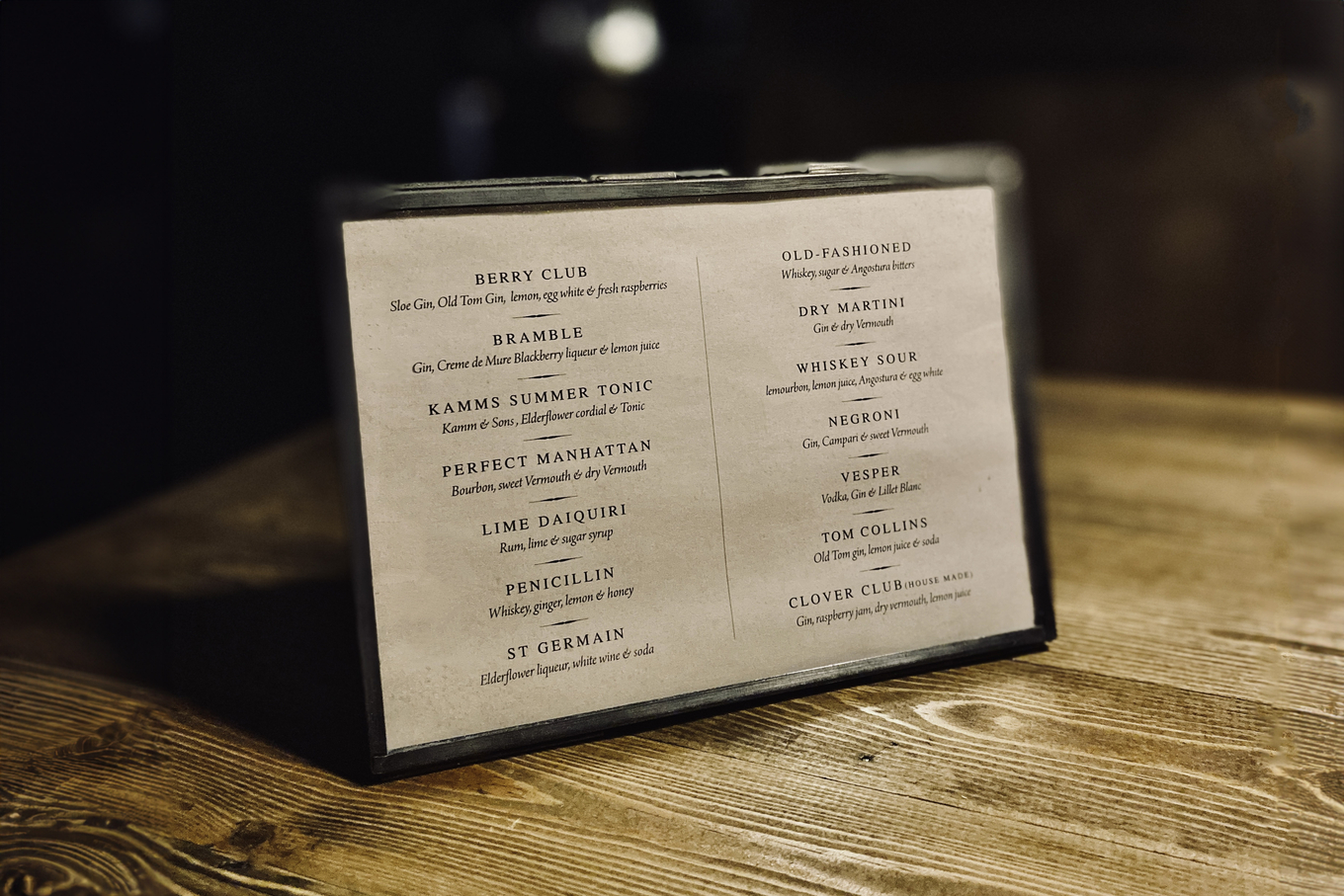
Before you decode individual ingredients, look for how the list is organized. Most cocktail menus fall into a few familiar sections.
House Cocktails or Originals
These are the bar’s own recipes. They often lean on technique and niche bottles, and the descriptions can be compact: spirit + modifiers + citrus + bitters. If you don’t recognize half the nouns, don’t panic. Focus on three things: base spirit, sweet or not, and how strong it sounds.
Classics or Signatures
This section is your safety net. If you know what a Negroni, Margarita, Old Fashioned, Daiquiri, or Martini tastes like, you can order with tiny adjustments and land in the right place.
Spirit-Forward, Shaken, or Highballs
- Spirit-forward usually means stirred, less aerated, and typically less citrus-driven. Often served up or over a big cube.
- Shaken often means citrus, a lighter texture, and usually more chill and dilution than stirred drinks (though style varies).
- Highball means tall, bubbly, refreshing, lower perceived intensity. Not always lower ABV, so treat “easy-drinking” as a vibe, not a guarantee.
Low-ABV or No-ABV
More menus now separate these out. If you’re sober-curious or pacing yourself, look here first. A good bar treats these like real cocktails, not consolation prizes.
Menu codes: Up, Rocks, Tall
- Up: shaken or stirred, then strained into a stemmed glass (coupe, Nick & Nora, or martini), no ice.
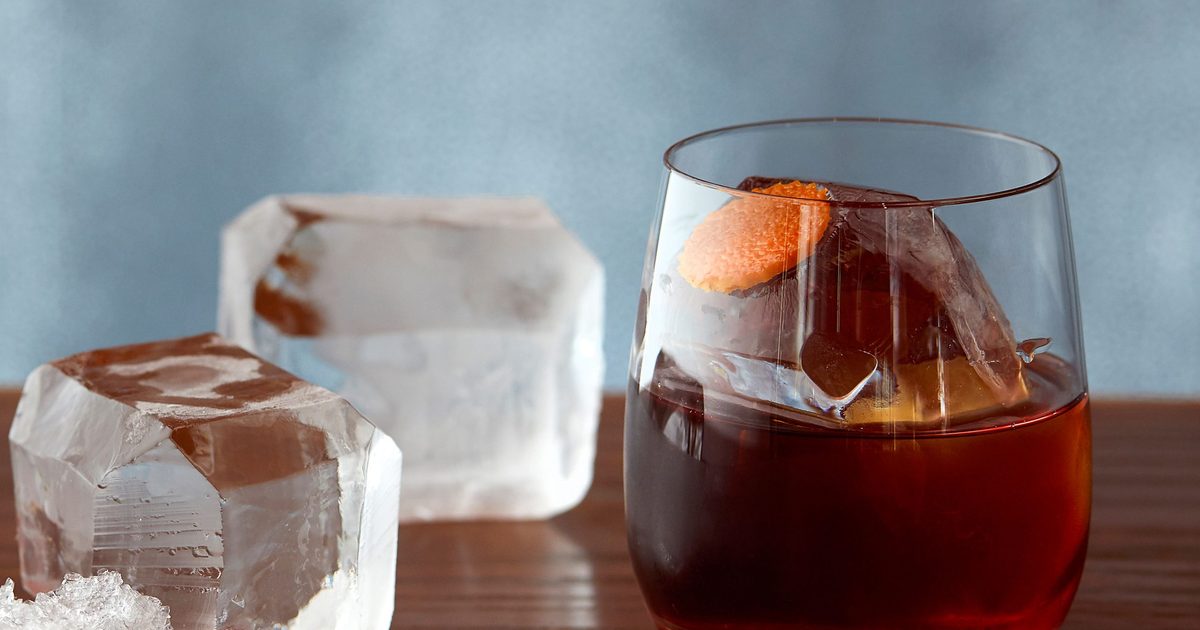
- On the rocks: served over ice, often a large cube.
- Tall: built with soda or tonic in a highball glass.
Decode the building blocks fast
Nearly every cocktail description, no matter how fancy, is built from the same parts:
- Base spirit: the main alcohol (gin, tequila, whiskey, rum, vodka, brandy, mezcal).
- Modifiers: supporting flavors (vermouth, amaro, liqueurs, fortified wine).
- Acid: usually citrus (lemon, lime, grapefruit) or sometimes vinegar or an acid solution.
- Sweetener: simple syrup, honey, agave, maple, flavored syrups.
- Bittering: bitters, amaro, tonic’s quinine bitterness, or other bitter liqueurs.
- Texture: egg white, aquafaba, cream, clarified milk, foam, carbonation.
Quick translation: what will this taste like?
If you want to predict flavor fast, ask yourself:
- Is it citrus-driven? (lemon, lime, grapefruit) If yes, expect brighter and more refreshing.
- Is it built on vermouth or amaro? If yes, expect more bittersweet, herbal, “adult” flavors.
- Is it smoked, mezcal, peated Scotch, or lapsang? If yes, expect smoke and intensity.
- Is it creamy or clarified? If yes, expect either rich and dessert-like (cream) or silky and clear (often clarified milk punch).
Strength clues you’ll see
- Spritz: bubbly, usually lower-ABV, aperitivo-forward.
- Collins: tall, citrusy, lengthened with soda.
- Sour: spirit + citrus + sweetener, usually shaken.
- Flip: egg (often whole egg), rich and velvety.
- Punch: often batched, can be deceptively strong.
- Overproof, Navy strength: stronger base spirit, expect more heat and intensity.
Ice and temperature clues
- Crushed or pebble ice: colder, faster dilution, often tropical or very refreshing.
- Big cube: slower dilution, keeps spirit-forward drinks focused longer.
- Up: cold and clean, but warms faster since there’s no ice in the glass.
Terms you’ll see a lot
Cocktail menus love shorthand. Here are the ones that trip people up most often.
Base spirits
- Gin: botanical, often juniper-forward. If you hate “piney,” say so and ask for a softer gin build or a different base.
- Tequila: can be bright, peppery, vegetal. Blanco tends to be crisp, reposado adds gentle oak.
- Mezcal: smoky agave spirit. Not all mezcal is a bonfire, but assume some smoke unless told otherwise.
- Bourbon vs. rye: bourbon reads sweeter, rye reads spicier and drier.
- Scotch: can be fruity and malty or smoky. “Peated” is your smoke clue.
- Rum: ranges from grassy and funky (some Jamaican styles) to caramel and baking spice (aged rum).
- Cognac / brandy: fruit and oak, plush texture, great in sours and stirred drinks.
Modifiers
- Vermouth: fortified wine. Sweet (often rosso) is richer and spiced and can still carry bitterness. Dry is lighter and herbal and can still have sugar. “Dry” does not mean “no sugar.”
- Amaro (plural amari): Italian-style bitter herbal liqueurs. Bittersweet, complex, often the reason a drink tastes grown-up.
- Aperitivo: typically lower-ABV, bitter-orange leaning, meant to stimulate appetite.
- Sherry: fortified wine that can be bone-dry and nutty or lightly sweet. Great for low-ABV cocktails.
- Bitters: concentrated spice and herb extracts. A few dashes can shift the whole drink.
Technique words
- Split base: two base spirits share the lead, like tequila + mezcal, or gin + vodka.
- Clarified: on menus, this often means clarified milk punch (filtered for clarity and a soft, silky mouthfeel), but it can also refer to other clarification methods.
- Fat-washed: a spirit infused with a fat (like olive oil or butter) then strained. Flavor, not greasiness.
- Shrub: a drinking vinegar syrup. Tart, fruity, great in spritzes.
- Riff: the bar’s variation on a known classic.
House-made ingredients
- Cordial: a concentrated sweet-tart flavor base, often citrus-forward.
- Oleo saccharum: citrus oils pulled into sugar, intensely aromatic.
- Tincture: a strong infusion used in drops or dashes (chili tincture is common).
Flavor words, translated
Menu writers use adjectives to compress a lot of information. Here’s the plain-English version.
- Bright: citrus, tartness, refreshing.
- Herbal: botanicals, green notes, sometimes minty or medicinal.
- Floral: rose, lavender, elderflower, perfumy if heavy-handed.
- Spiced: cinnamon, clove, pepper, baking spice.
- Rich: sweeter, heavier, often with vanilla, cream, or aged spirits.
- Dry: less sweet, more bitter or tannic, often vermouth-forward.
- Juicy: fruit-forward, approachable, usually a shaken drink.
- Funky: often rum terminology, meaning ripe fruit, fermented notes, high aroma.
- Saline: literal salt solution added for balance, or briny ingredients like olive.
- Smoky: mezcal, peated whisky, smoked garnish, or smoked syrup.
If a menu says savory, it can mean anything from tomato water to basil oil. This is the one descriptor I always encourage guests to ask about, because “savory” can be delicious or deeply not your thing.
Common wording, decoded
These are the phrases that show up everywhere, plus the mental picture they should give you.
Gin, lemon, honey, ginger
Expect: a Bee’s Knees-adjacent sour. Bright, a little spicy, medium sweetness. If you like a Whiskey Sour, you’ll probably like this with gin.
Rye, sweet vermouth, amaro, bitters
Expect: Manhattan family. Spirit-forward, bittersweet, not citrusy. Great if you like Old Fashioneds and want something more aromatic.
Tequila, mezcal, lime, agave, chili
Expect: Margarita cousin with smoke and heat. Ask whether the chili is a rim, a tincture, or a syrup if you’re sensitive to spice.
Vodka, aperitivo, grapefruit, soda
Expect: spritz-ish and easy. Lower perceived intensity, bittersweet edge, patio energy.
Rum, pineapple, lime, orgeat
Expect: tiki-adjacent. Nutty sweetness from orgeat (almond syrup), tropical fruit, usually fun and not too serious.
Bourbon, coffee, cacao, cream
Expect: dessert in a glass. If you want it less sweet, ask for half the sweetener or a more spirit-forward build.
How to order with confidence
Here’s the secret: bartenders prefer a clear preference over a perfect pronunciation. Give them a few signals and they can land you on the right drink fast.
Use the three sliders
- Spirit: “I usually like gin,” or “I don’t do smoky.”
- Sweetness: “Not too sweet,” or “Dessert is fine.”
- Strength: “Something light,” or “I want it boozy.”
Then add one vibe word if you’ve got it: “citrusy,” “herbal,” “bitter,” “fruity,” “spicy,” or “creamy.” That’s plenty.
Helpful questions that don’t slow the bar down
- “Is this more citrusy or more spirit-forward?”
- “How sweet is this on a scale of 1 to 10?”
- “Is the smoke noticeable?”
- “If I like a Margarita, which one is closest?”
- “What’s your most ordered drink that’s not too sweet?”
If you’re choosing between two drinks
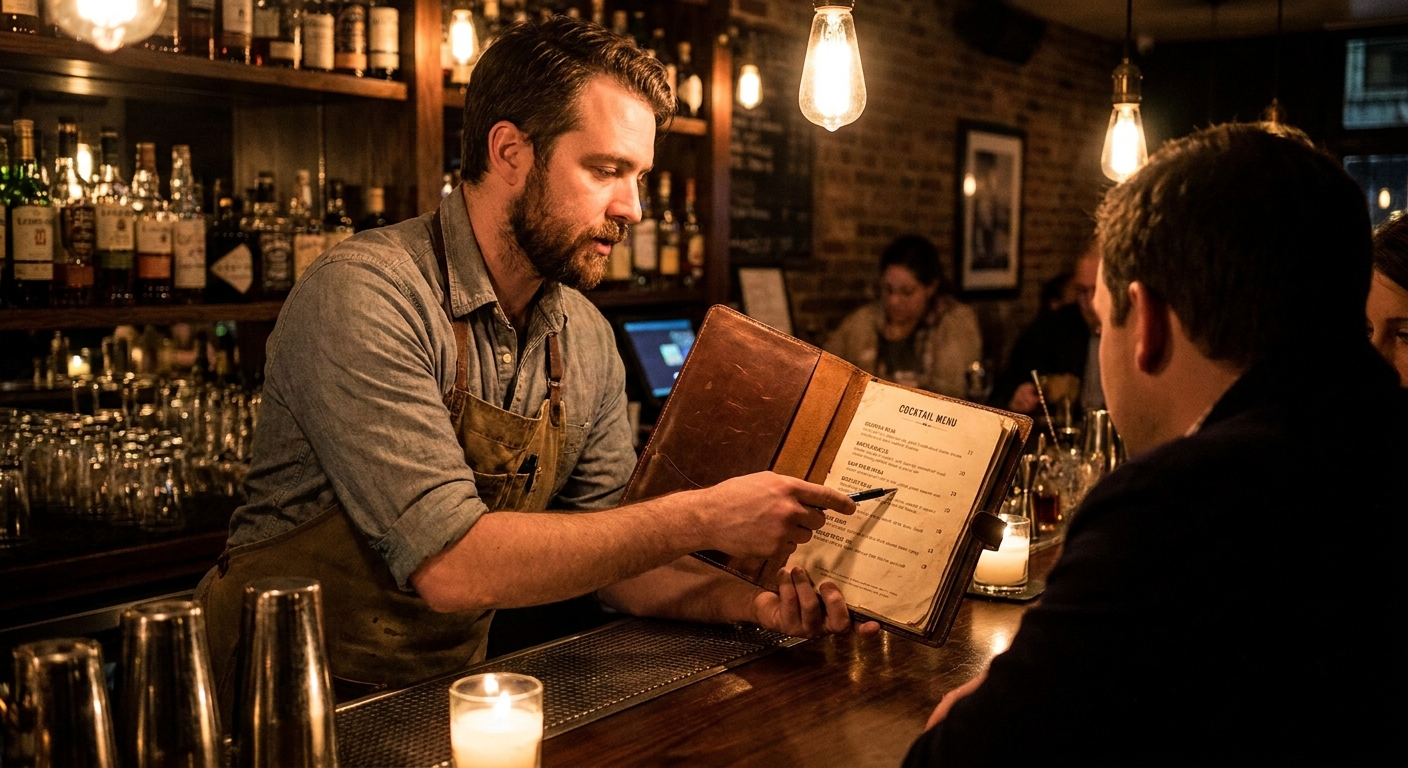
Point to them and ask: “Which one is lighter?” or “Which one is more bitter?” You’ll get a real answer, not a sales pitch, at a good bar.
Normal substitutions
Good bars build drinks to be adjusted. Not every request is workable, but these are common and usually easy.
Easy swaps
- Spirit swap: “Could you make that with vodka instead of gin?” or “Can I do rye instead of bourbon?”
- Less sweet: “Could you do it a little drier?” or “Half the syrup if possible.”
- Less bitter: “Can you go lighter on the amaro?” or steer toward an aperitivo-forward option instead.
- Less smoky: “Could we do all tequila, no mezcal?” or “Just a mezcal rinse instead of a split base.”
- Make it a highball: “Could you top that with soda?” Some sours adapt beautifully into a tall format.
If you’re avoiding alcohol
Try language like: “I want something zero-proof that feels like a cocktail, not juice. I like it tart and herbal.” Bars that care will steer you toward NA spirits, amaro-style NA options, tea bases, or thoughtful bitters alternatives.
A note on allergies and sensitivities
As someone who developed a severe gluten intolerance after years of ordering with zero fear, I’ll say this plainly: tell your bartender. Not apologetically. Just clearly.
- Say what the reaction is like if you need to: “I can’t have gluten, even from trace cross-contact.”
- Ask about sneaky sources: flavored vodkas, beer-based syrups, cookie garnishes, certain bitters, and anything washed or infused with unclear ingredients.
- If the bar can’t confirm, order something simpler and easier to verify, like a spirit you trust with soda and citrus. The goal is fewer variables, not a “perfect” safe category.
Most teams want you safe and happy. Clear info helps them do their job.
If the menu is vague
Sometimes you’ll get a poetic description like “Late Summer at Dusk” and a list of three obscure ingredients. That can be charming, but it’s not useful if you’re trying to spend $18 wisely.
If the menu is heavy on mystery, default to these strategies:
- Order a classic first to calibrate the bar’s balance and sweetness level.
- Ask for a steer: “What’s closest to a Negroni on here?”
- Name what you hate as much as what you like: “No coconut, no smoke, please.”
Price and value cues
If a drink is priced higher than the rest, it’s usually telling you something: a premium base spirit, a rare amaro, a larger pour, or a labor-heavy technique (clarification, house cordials, specialty ice). If you’re on the fence, ask, “Is the difference mostly the spirit, or the build?” That question gets you a straight answer.
A small cheat sheet
If you remember how these taste, you can navigate almost any list by asking for “something in this family.”
- Margarita: tequila, lime, orange liqueur. Bright, tart, refreshing.
- Daiquiri: rum, lime, sugar. Clean, tart, not frozen unless specified.
- Old Fashioned: whiskey, sugar, bitters. Boozy, aromatic, lightly sweet.
- Martini: gin or vodka with vermouth. Dry, bracing, spirit-forward.
- Negroni: gin, sweet vermouth, bitter aperitivo. Bitter, orange, strong.
- Manhattan: whiskey, sweet vermouth, bitters. Rich, spiced, stirred.
- Mojito: rum, mint, lime, sugar, soda. Bright and cooling.
What to say at the bar
If you want a line you can borrow, here are a few that work in almost any setting.
- “I like citrusy drinks that aren’t too sweet. What would you order?”
- “I usually drink Old Fashioneds. What’s your spirit-forward option?”
- “I’m pacing myself. What’s your best low-ABV cocktail?”
- “I don’t recognize these ingredients. Which one is the easiest, most refreshing pick?”
- “Could you make that without the chili?”
- “I have a gluten issue. Is there anything here I should avoid?”
A cocktail menu isn’t a test. It’s a conversation starter. If it’s written in shorthand, you’re allowed to answer in plain English.
FAQ
What does spirit-forward mean?
It means the drink is led by the base spirit, usually stirred, with minimal citrus. Think Old Fashioned, Manhattan, Martini, Negroni. Expect a stronger, less sweet-sour profile, though final dilution still depends on how it’s built and served.
Aperitivo vs. amaro: what’s the difference?
Aperitivo is typically lighter and often lower-ABV, with bitter-orange notes meant to open your appetite. Amaro tends to be darker, more herbal, and more bitter or bittersweet, often used for depth in stirred drinks.
If I don’t like bitter flavors, what should I avoid?
Be cautious with Negroni riffs, amaro-heavy builds, and anything described as “bitter” or “aperitivo-forward.” Vermouth is a spectrum, though. Some vermouth-forward drinks are soft and spiced, not aggressively bitter. If bitterness is your dealbreaker, ask: “Is this more sweet-spiced, or more bitter?”
Is it OK to ask for a substitution?
Yes, as long as it’s reasonable and you’re flexible. Spirit swaps, adjusting sweetness, removing a spicy element, or making something taller with soda are common requests. If a drink relies on a specific ingredient for structure, your bartender will tell you what’ll work instead.