
I spent years building beer lists the old way: a clean lager for the purists, a hazy IPA for the hype, something dark for the kitchen staff clocking out. And for gluten-free guests? Too often, it was the same tired script: “We have cider.”
For some folks, cider is perfect. For others, it is a consolation prize. What has changed in the last few years is not just the variety of gluten-free beer on shelves, but the philosophy behind it. More breweries than a decade ago are choosing to brew without wheat, barley, or rye at all, often in facilities designed to keep those grains out. That difference matters, especially if you have celiac disease or a serious non-celiac intolerance like mine.

Gluten-free beer is not one thing
“Gluten-free” can mean very different realities depending on the beer in your hand and the brewery behind it. In conversations at the bar, the terms get tossed around casually, but they are not interchangeable.
Dedicated gluten-free (GF) breweries
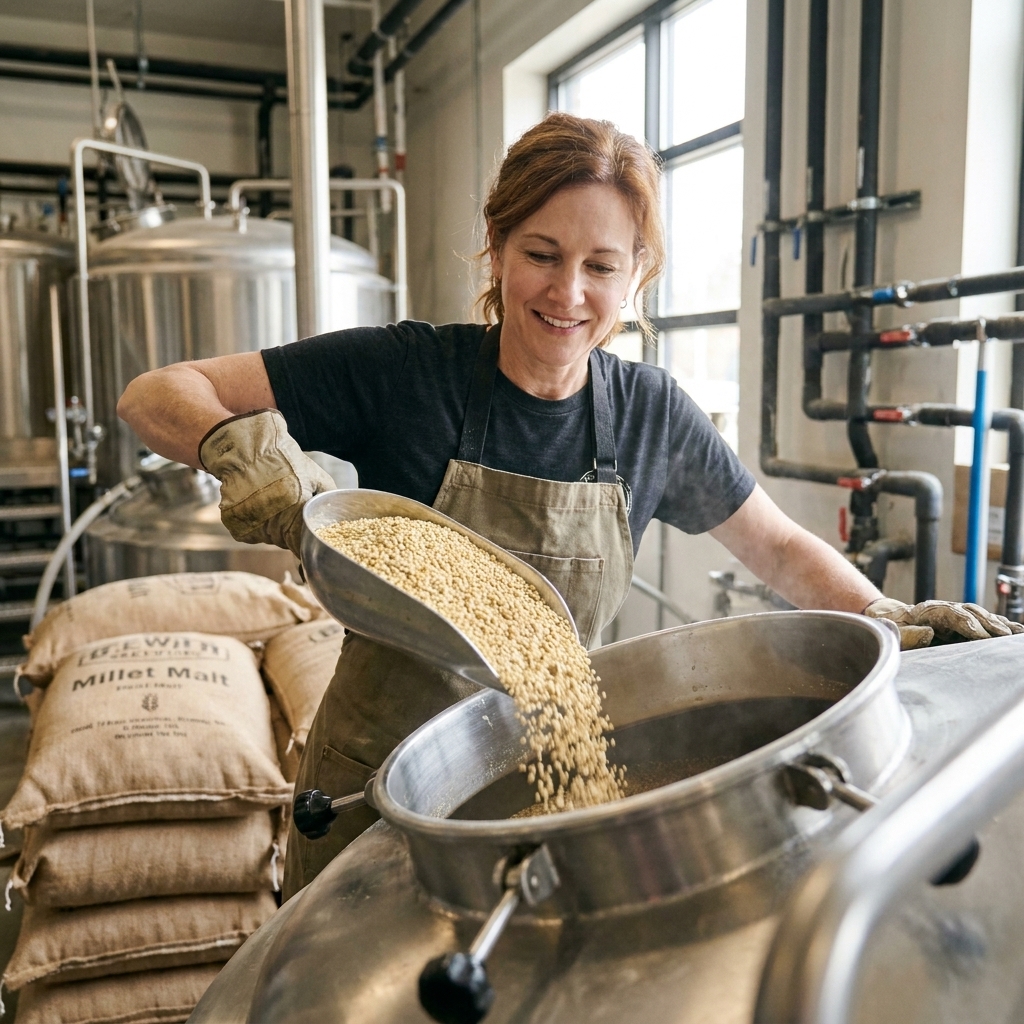
These breweries make beer from naturally gluten-free grains and ingredients, and they are typically designed to prevent gluten cross-contact. Instead of barley malt, you might see:
- Sorghum for body and fermentable sugars
- Millet for a grain-like backbone that can read surprisingly “beer-y”
- Rice for crispness and drinkability
- Buckwheat (not actually wheat) for nuttiness and structure
- Corn and oats (only if certified gluten-free) for balance and mouthfeel
When a brewery is truly dedicated, the goal is not to “fix” barley beer after the fact. It is to build great beer from the ground up, with safety engineered into the process.
Gluten-reduced or gluten-removed beers
These start life as traditional beer made with barley (and sometimes wheat). Then an enzyme, most commonly Brewers Clarex, is used to break down some of the gluten proteins. You will see this described as “gluten-reduced,” “gluten-removed,” or occasionally “crafted to remove gluten.”
One helpful detail for credibility: Brewers Clarex is a prolyl endoprotease that many breweries already use for chill-proofing and clarity. Gluten reduction is often a secondary effect of that same enzyme step.
Here is the nuance that matters: enzyme-treated beers may test below the common “gluten-free” benchmark of 20 parts per million (ppm), but the science and labeling landscape are complicated. Labeling rules vary by country, and in some places barley-based, enzyme-treated beer cannot be labeled “gluten-free” even if it tests below 20 ppm.
For people with celiac disease, many clinicians and celiac advocacy organizations recommend caution with gluten-removed beer. One reason is that broken-down (hydrolyzed) gluten can be hard to measure accurately with standard tests, and some people still report reactions even when a product tests low.
If you are celiac, the safest bet is still beer brewed without gluten grains in the first place, ideally from a dedicated facility.
Why dedicated facilities matter
In restaurants, we talk about allergens in two buckets: ingredients and operations. Gluten is both.
A dedicated gluten-free brewery is essentially making an operational promise. No barley dust in the mill. No shared augers. No “we just deep-cleaned the mash tun.” No mystery residue in a hose that yesterday ran an oatmeal stout made with wheat. Even with a careful team, shared facilities are a game of odds, and celiac guests do not get to opt out of the consequences.
Dedicated GF brewing also forces innovation. Breweries have gotten better at dialing in:
- Flavor structure without barley’s familiar malt sweetness
- Foam and head retention using alternative grain bills and process tweaks
- Haze and body without leaning on wheat
- Style accuracy, from pilsner snap to stout roast
What to look for
When you are scanning a shelf or a chalkboard list, you are not just choosing flavor. You are choosing risk level. These are the tells I look for, both as a former beverage director and as someone who has learned the hard way.
Green flags
- “Gluten-free” plus gluten-free grains listed (sorghum, millet, rice, buckwheat) and no barley, wheat, or rye anywhere
- “Brewed in a dedicated gluten-free facility” or similar language
- Third-party certification (when present). Not every great GF brewery has it, but it is a meaningful signal.
- Clear allergen and process transparency on the brewery website or from staff who know the difference between gluten-free and gluten-reduced
Yellow flags
- “Gluten-removed” or “gluten-reduced” language on an otherwise traditional beer
- Barley malt listed anywhere on the ingredient panel
- Vague reassurances like “it should be fine” without specifics on process, testing, or facility separation
Red flags
- A tap line that cannot be cleaned reliably (busy bar, unknown line maintenance) when you are sensitive
- Shared glassware practices like dunk tanks or towel wiping that can spread gluten residue
- A staff member who treats gluten like a preference and not a medical issue
Ordering in real life
Here is the question I wish every server and bartender was trained to ask:
“Is this a preference or a medical need?”
If it is celiac or medically necessary, your safest route is a dedicated GF beer in a can or bottle, poured into a clean glass that has not been sharing a rinse sink with wheat beer foam all night.
If you are gluten intolerant but not celiac, you might personally tolerate enzyme-treated beer. Some people do. Others do not. The key is that “gluten-removed” is not the same category of safety as “brewed gluten-free.”
If a venue only has gluten-reduced beer, I treat it as a simple fork in the road: either choose a packaged dedicated GF option if they have one, or pivot to something naturally gluten-free like cider, wine, or a distilled spirit with a safe mixer. You can still have a good night out. You just do not have to gamble for it.
Styles to try
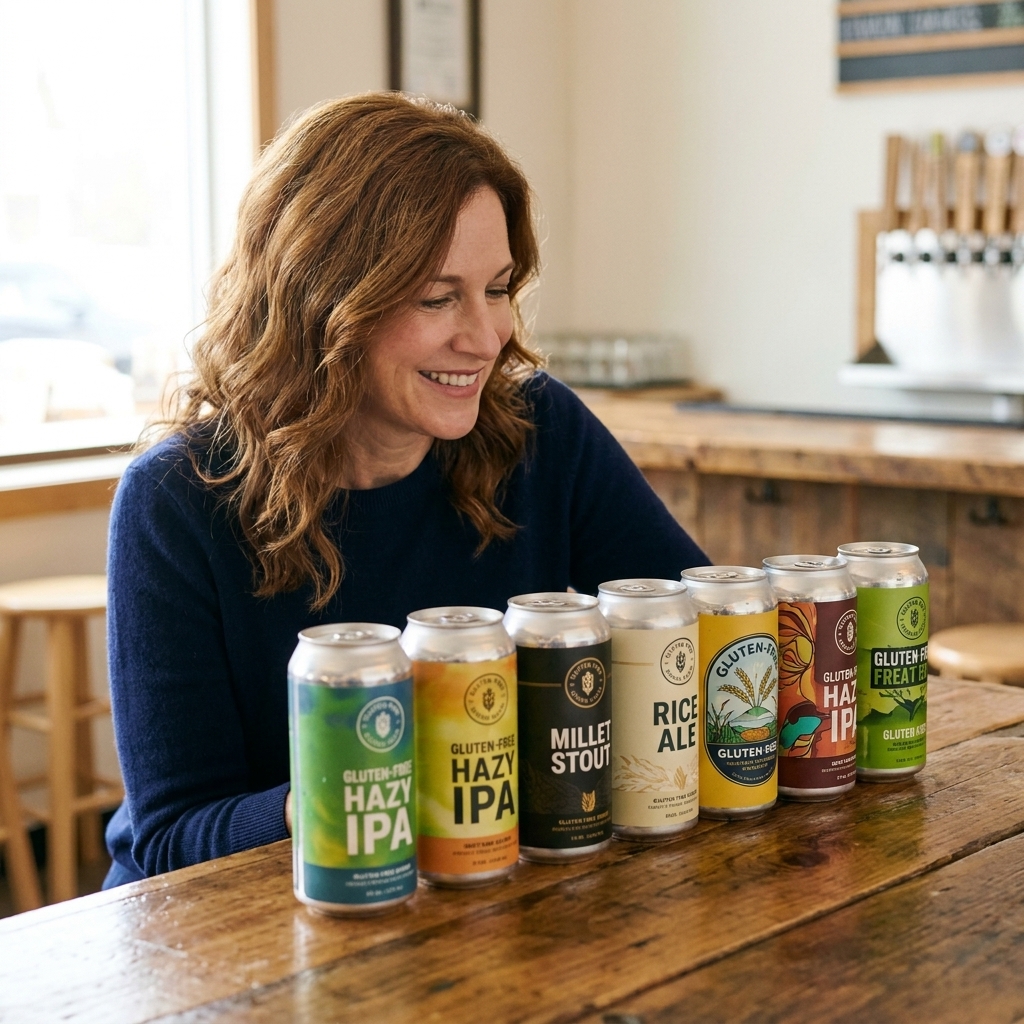
The best dedicated GF breweries are not asking you to settle for “close enough.” They are building beers that stand on their own. If you have been burned by thin, metallic sorghum beers from years ago, I get it. Try again.
- Pilsner and lager styles: Crisp, clean, and often the easiest place for alternative grains to shine.
- Hoppy pale ales: Modern hop programs cover a lot of ground, and the best GF brewers balance bitterness and aroma beautifully.
- Amber ales: A sweet spot for malt-like depth without relying on barley.
- Stouts and porters: Look for versions using roasted gluten-free grains and adjuncts for body and roast.
- Fruited sours: Some are outstanding, especially from dedicated GF breweries. Just do not assume “sour” means gluten-free. Confirm the grains and the facility.
Brands to know
If you want a concrete starting point, here are a few dedicated gluten-free breweries that have helped push the category forward. Availability varies by region, so consider this a jump-off list, not a guarantee for your local shelf.
- Glutenberg (Canada)
- Ghostfish Brewing (Seattle, Washington)
- Holidaily Brewing (Golden, Colorado)
- Ground Breaker Brewing (Portland, Oregon)
- Divine Science Brewing (Tustin, California)
- Alt Brew (Madison, Wisconsin)
As always: check the brewery’s current production notes, because recipes change, collaborations happen, and “dedicated” should be verified, not assumed.
Questions to ask
I know the emotional math of ordering with restrictions. You do not want to be difficult. You just want to have a normal night out. These questions are direct, quick, and give staff a chance to help you safely.
At a bar or restaurant
- “Is this beer brewed gluten-free, or is it gluten-reduced?”
- “Is it served from a can/bottle or on draft?”
- “Do you have a dedicated clean glass for allergy orders?”
- “Do you know if your draft lines are shared with wheat beers?”
At a brewery taproom
- “Is this a dedicated gluten-free facility?”
- “Do any ingredients with wheat, barley, or rye come into the building?”
- “Do you test batches for gluten? If so, what method do you use?”
If the person behind the bar cannot answer, that is not a moral failing. It is simply data. Choose the option with fewer unknowns.
Medical quick note
“Gluten-free” is one phrase, but people arrive at it for different reasons:
- Celiac disease: autoimmune. Cross-contact can matter a lot.
- Wheat allergy: different trigger (wheat proteins), different risk calculus, still serious and worth clear disclosure.
- Non-celiac gluten sensitivity: real for many people, often variable, and sometimes the line between “fine” and “not fine” is a single beer.
If you are unsure which bucket you are in, take the conservative route until you have medical guidance that feels trustworthy.
Culture shift
What I love about the rise of dedicated GF breweries is that it is not just product development. It is hospitality, baked into production. It is an industry finally acknowledging that “inclusive” cannot just mean a token option on the menu.
It also reflects a broader craft-beer reckoning: quality is not tied to tradition. We can respect brewing heritage and still admit that barley has had a monopoly on the definition of “real beer.” The most exciting part is watching brewers take that challenge personally and then pour you something genuinely delicious.
Quick FAQ
Is gluten-removed beer safe for celiac disease?
Many celiac drinkers choose to avoid it. Enzyme-treated beers start with barley, and while some test below 20 ppm, hydrolyzed gluten can be tricky to measure and labeling rules vary by country. If you have celiac disease, a dedicated gluten-free beer is the lower-risk choice.
Are oats okay in gluten-free beer?
Yes, if they are certified gluten-free. Oats are inherently gluten-free, but they are frequently contaminated with wheat or barley during growing and processing. A dedicated GF brewery that uses certified GF oats should be transparent about it.
Is draft riskier than cans?
Often, yes. Draft introduces variables: shared lines, cleaning schedules, and glassware practices. If you are highly sensitive, packaged beer poured into a clean glass is usually safer than draft.
Does “naturally gluten-free” mean safe?
Not automatically. The ingredients may be gluten-free, but cross-contact can happen in shared facilities. “Dedicated gluten-free facility” is the phrase that tends to matter most for celiac-level risk.
The bottom line
Cider will always have its place. But it should not be the only place you are offered.
Dedicated gluten-free breweries are proving that celiac-safer can also be craveable, complex, and fun. If you take one thing from this: treat “gluten-reduced” as a different category than “brewed gluten-free,” and do not be afraid to ask the question that clarifies the whole night.
Because everyone deserves a good beer story. Not just the people who can digest barley.