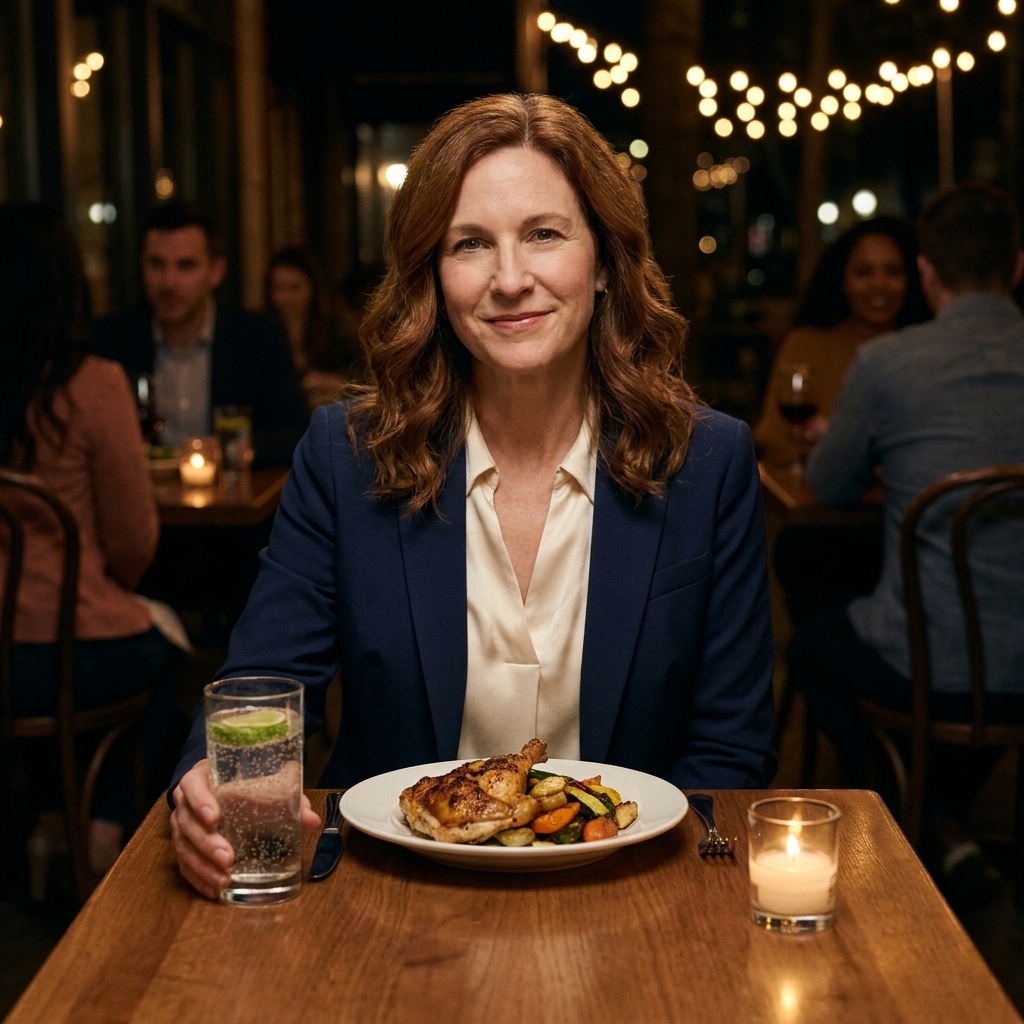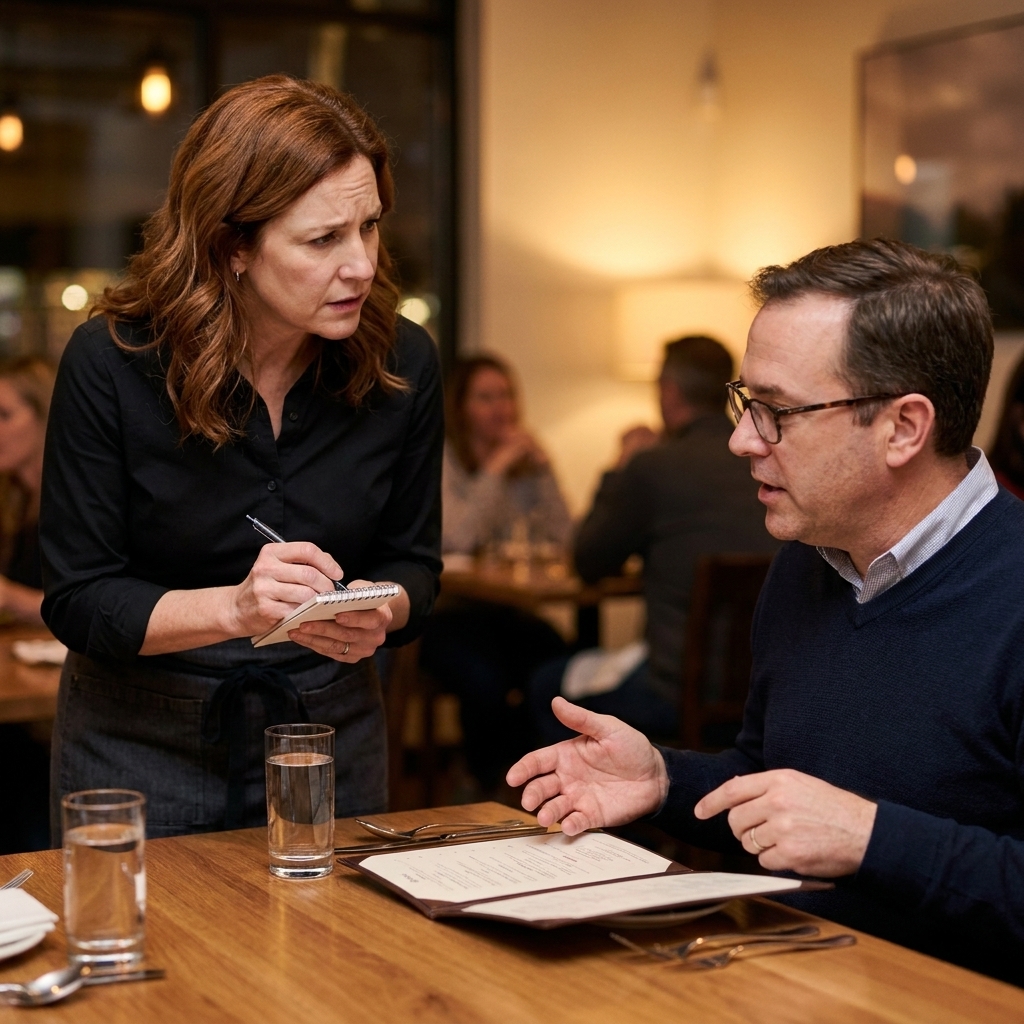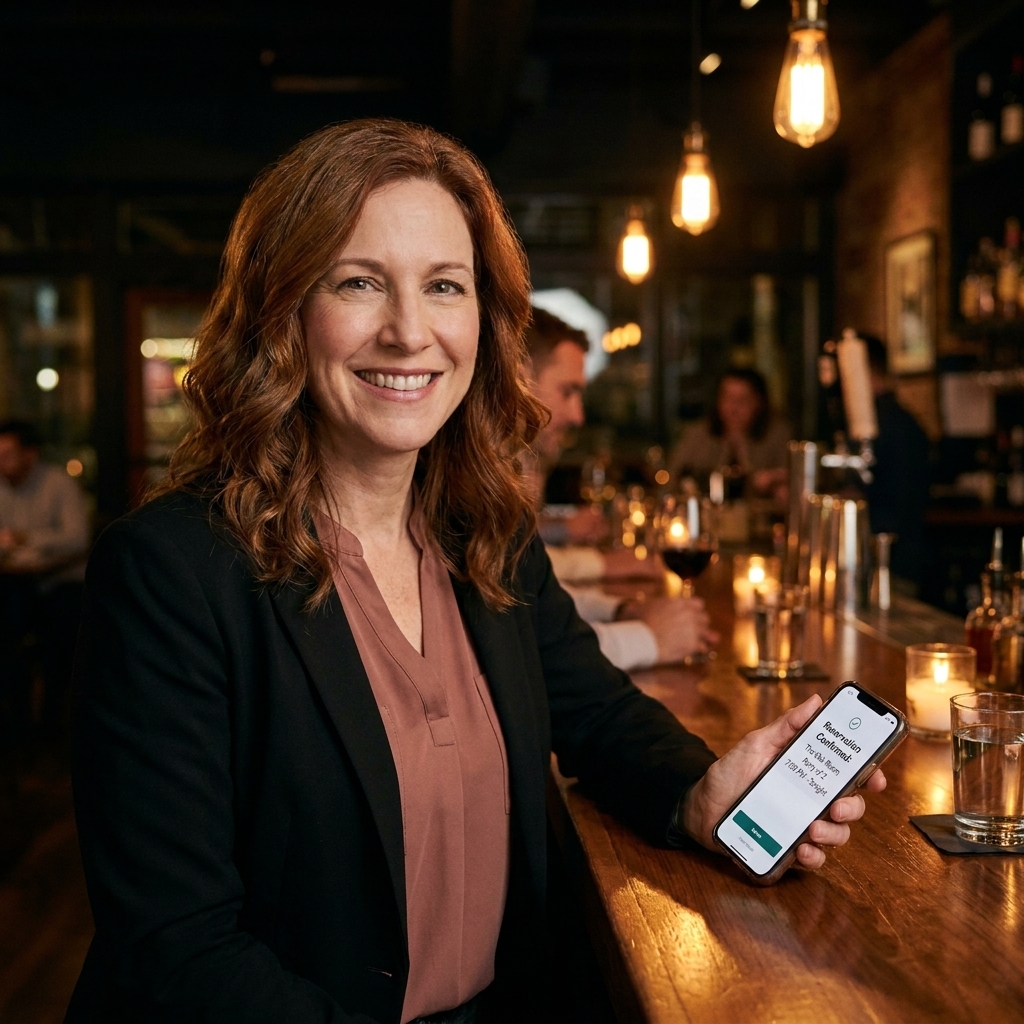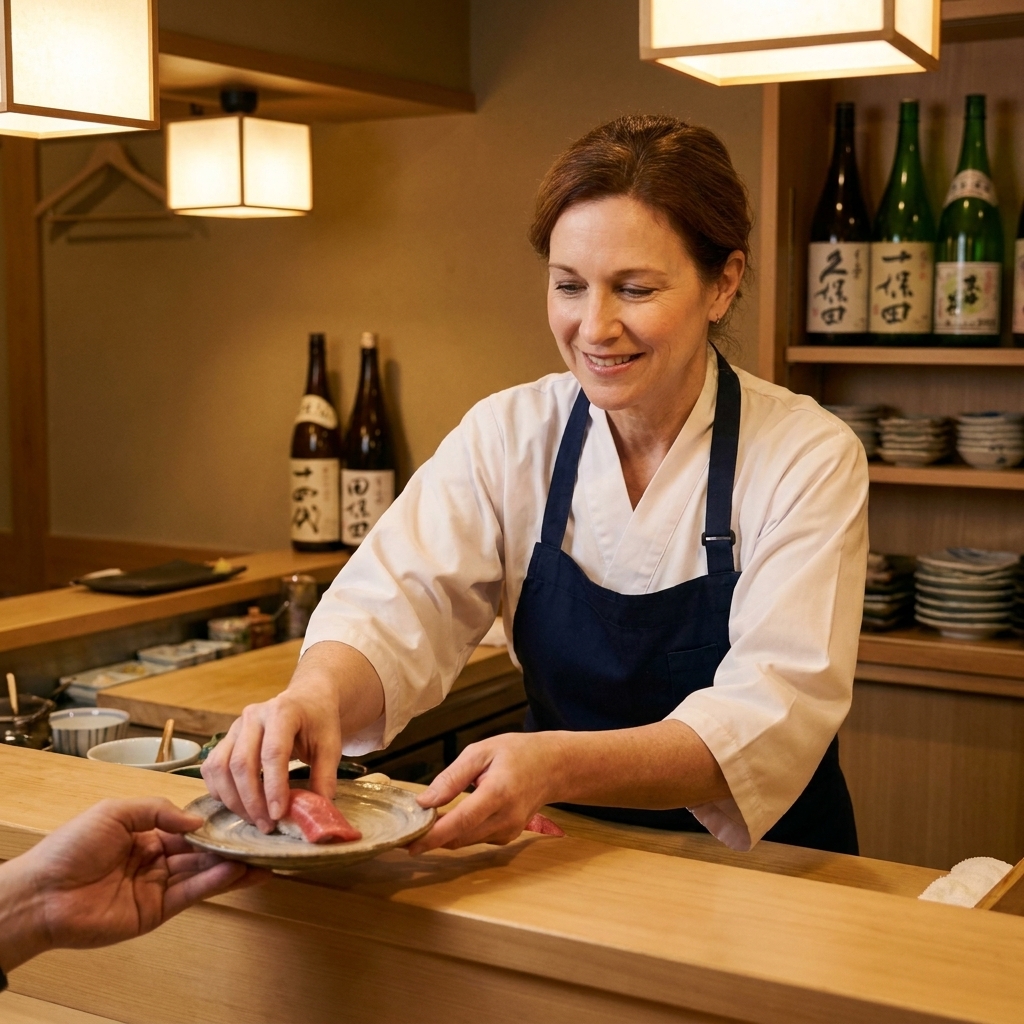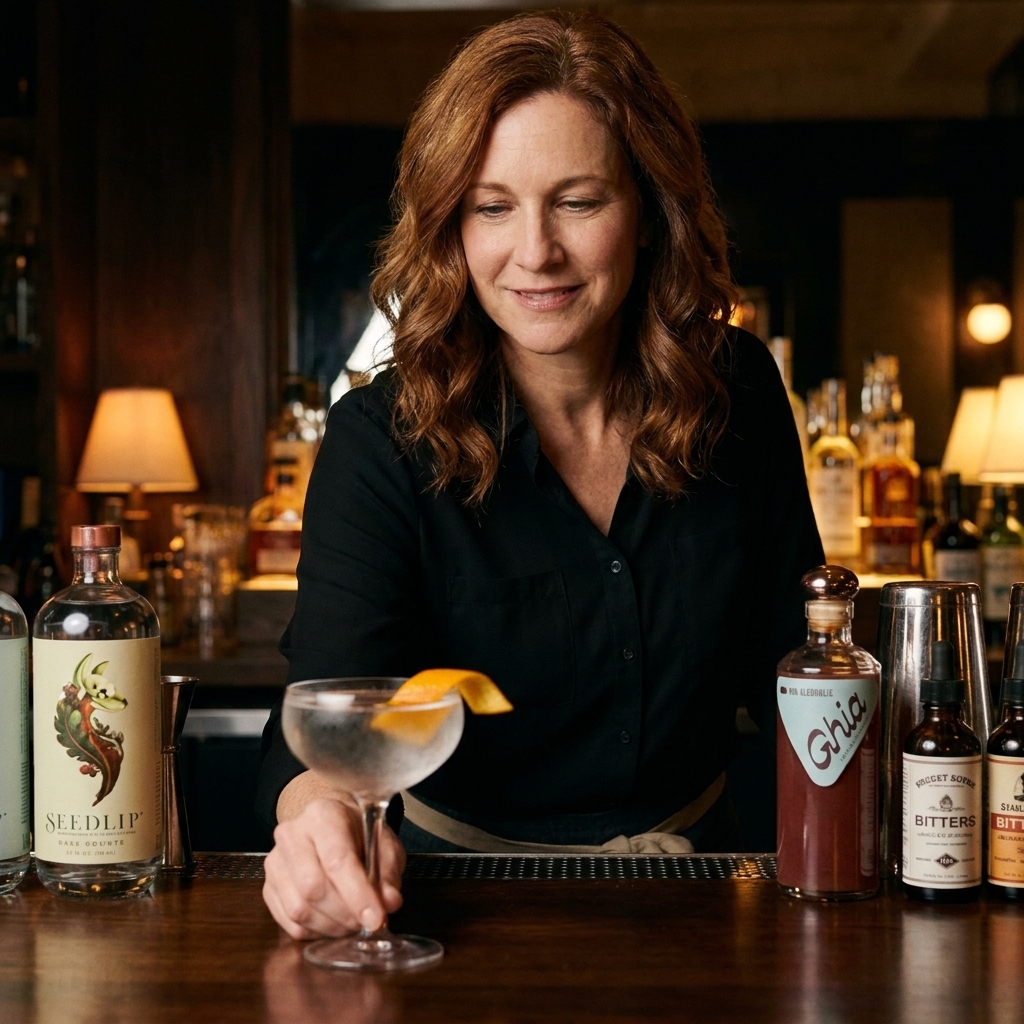
Solo dining isn't a consolation prize. It's one of the clearest ways to experience a restaurant as it is, without negotiating where to sit, what to share, or whether the group wants one more round. You get the room, the rhythm, the details. And if you have dietary needs, a solo reservation can be the smoothest version of hospitality because the communication is direct.
The stigma is mostly in our heads. In my experience, restaurants genuinely appreciate a respectful party of one. You're efficient, you're observant, and you tend to tip like you noticed the work. Here's how to walk in alone and feel like you belong there, because you do.
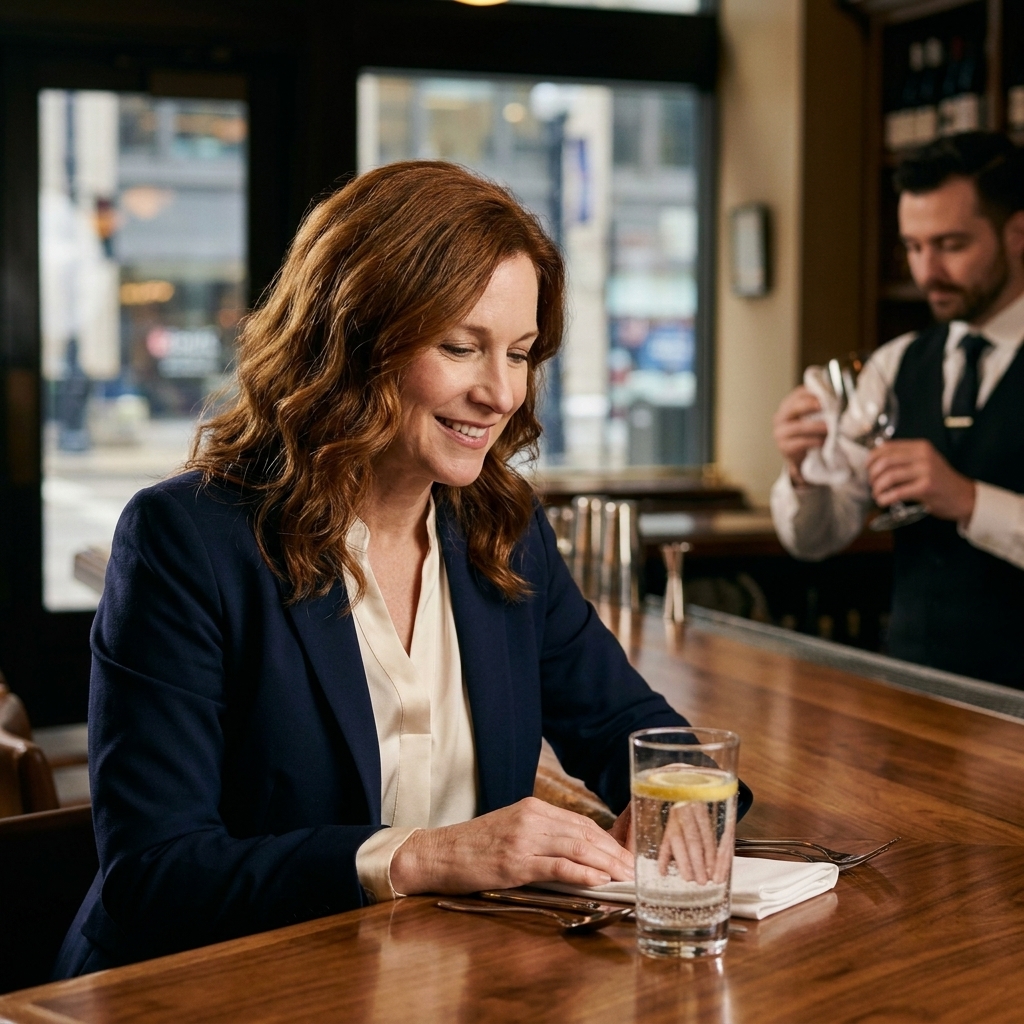
Reframe the awkwardness
When people tell me they feel weird eating alone, what they usually mean is: I'm worried I look lonely. The thing is, most dining rooms read solo guests as confident, busy, curious, or all three. And in a culture where we rarely do anything unaccompanied, choosing to sit down with your own thoughts is quietly radical.
If you need a mental trick, borrow one from the industry: pretend you're “on assignment.” Not in a fake, performative way. Just in a permission-giving way. You're there to taste, to notice, to take a beat between meetings, to celebrate yourself. Those are all valid reasons to take up a chair.
Good restaurants are built for regulars, and in my experience solo diners often become regulars quickly.
Best places for solo dining
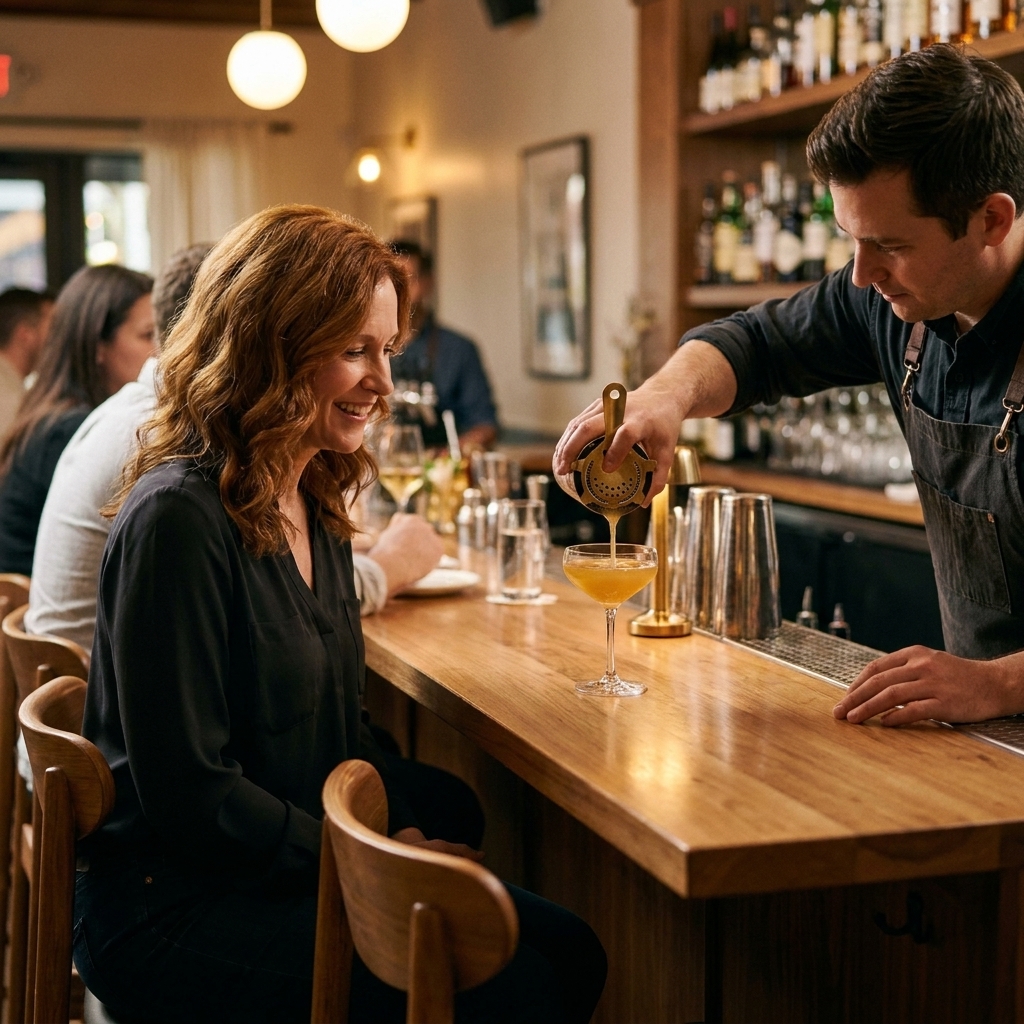
1) The bar
If you want to feel instantly part of the room, take a bar seat. Bars are naturally social, even when you're not trying to be. You can chat, you can people-watch, you can look at your phone without feeling like you're “ignoring” someone.
- Best for: first-time solo diners, quick meals, travelers, anyone sober-curious who wants a thoughtful NA option.
- Try this: ask, “What is the kitchen proud of tonight?” then pick one snack and one substantial plate.
- Bonus: bartenders are often a fast path to the restaurant's greatest hits and smart off-menu solutions.
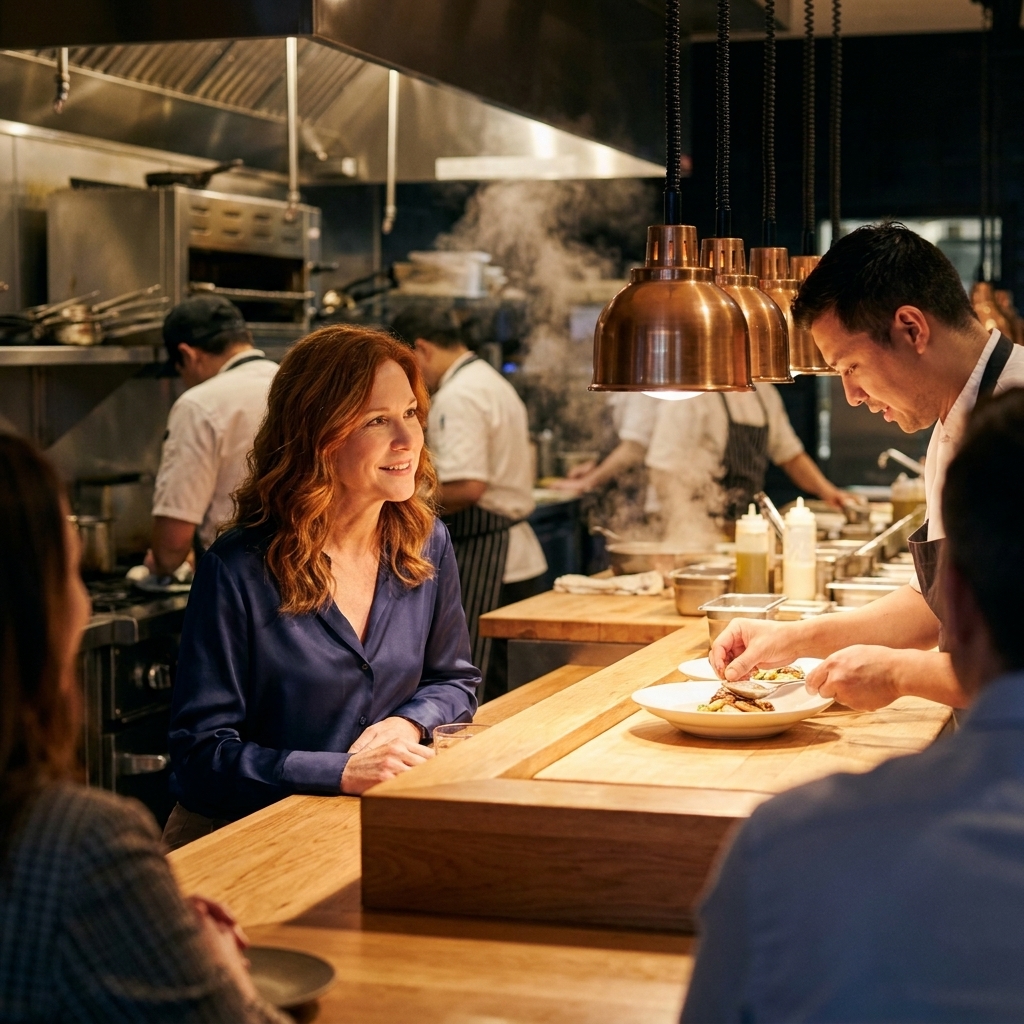
2) Chef's counter
This is solo dining with built-in entertainment. You get pacing, fire, choreography. When a restaurant offers a chef's counter, it's basically an invitation to come alone.
- Best for: curious diners, special occasions, anyone who loves a front-row seat.
- Etiquette note: keep questions short during a rush. Save the longer conversation for a quieter moment.
3) Counter-first spots
Some restaurants are designed around solo guests. Ramen shops, sushi counters, dim sum snack windows, taquerias with stools. The vibe is purposeful. Eat, enjoy, carry on. In the best way.
- Best for: casual solo dining, weeknights, meals between errands.
- Try this: go for a signature bowl or set so you're not juggling lots of small decisions alone.
4) Wine bars and aperitivo
These are ideal if you want the feeling of being “out” without committing to a full production. You can keep it light with a plate and a pour, or let it stretch into dinner.
- Best for: low-pressure solo nights, date-night energy without the date.
- If you're not drinking: ask for the zero-proof list first. A good spot will treat it like a real program, not an afterthought.
5) Tasting menus
A tasting menu alone can be incredible. It's also a long sit, and pacing matters. Consider weeknights when the room is a touch calmer. If you're anxious, request bar or counter seating if they have it.
- Best for: food-focused celebrations, bucket-list meals, diners who enjoy a slow reveal.
- Pro tip: confirm timing up front: “About how long is the experience tonight?”
6) Steakhouses and old-school rooms
Don't let the white tablecloth intimidate you. Old-school spots are often the most gracious to solo diners because the service is built on hosting. Sit at the bar if you want the energy, or request a two-top if you want quiet. If bars aren't comfortable for you for mobility, sensory, or accessibility reasons, ask for a side-wall table and let the host know you prefer an easier seat.
- Best for: business travel, classic hospitality, treating yourself like an adult with taste.
Where to sit
Seat picks
- Best overall: bar seat, especially if you want to feel part of the room.
- Best for conversation: chef's counter or a bar corner near the service well (busy, but lively).
- Best for privacy: a small two-top along a wall, not in the center of the dining room.
- Best for people-watching: banquette seat facing the room, if offered.
- Skip if you're self-conscious: a table dead-center under bright light. It's not you, it's the lighting.
If the host starts to place you at a table that feels exposed, you can redirect without drama. Try: “Would it be possible to do a bar seat or a smaller table along the side? I'm happy to wait a few minutes if needed.”
Etiquette that matters
The rules are simpler than people think. Be easy to take care of, be clear, and don't treat the staff like your captive audience.
Do
- Arrive on time, especially if it's a small room. A single seat is easy to fit, until it isn't.
- Let the staff set the pace. If you need to eat quickly, say so early: “I'm on a bit of a timeline tonight, about an hour.”
- Order in a way that helps the kitchen. One or two courses at a time is fine. Rapid-fire reordering every five minutes isn't.
- Bring a book or journal if it calms you. It reads as content, not lonely.
- Tip like you noticed the labor. Solo diners often get extra attention at the bar. If you felt cared for, reflect it.
Don't
- Camp during a rush at a prime seat, especially a bar seat with a wait list. Enjoy, linger reasonably, then close out with grace.
- Assume the bartender is your therapist. Friendly is great. Monopolizing isn't.
- Snap, wave, or stage a power struggle for attention. If you need something, make eye contact and give it a beat.
Talking to staff
Here's the secret: hospitality folks can often tell quickly if you want to chat or you want to be left alone. You can help them by being gently direct.
Three openers
- “Hi, I'm just grabbing dinner solo. What do you like best on the menu?”
- “I'm in the mood for something bright and not too heavy. Any favorites?”
- “I'm not drinking tonight. Do you have a zero-proof cocktail you're excited about?”
How to signal quiet
It's okay to be friendly and private. A simple “Thank you, I'm going to catch up on some reading while I'm here” is a gift. It tells your server you're not upset, just occupied.
Be a dream bar guest
- Keep your things tight. One bag hook or under the stool. The bar is valuable real estate.
- Close out thoughtfully. If you plan to stay for a while, tell the bartender you'd like to keep it open. If you're hopping, close after the first round.
- Ask for guidance, not control. “Dealer's choice” is fun when you give boundaries: spirit or zero-proof, sweet vs. bitter, and budget.
Ordering smart
Solo dining is a chance to eat exactly what you want, but it can also be a trap if you order like you're feeding a table.
A simple formula
- One starter: olives, a small salad, crudités, soup, or a snack plate.
- One anchor: a main you actually want, not the “safe” thing you think you should order.
- Optional closer: dessert or espresso, especially if you want to linger a bit without camping on an empty plate.
If you want to try more
Tell your server you're interested in a mini-tour. Many kitchens can split portions, offer half-orders, or stagger courses so you can taste widely without waste. Try: “I'm here alone but I'd love to try a couple things. Is there a good way to do that?”
Allergies and dietary needs
As someone who developed a serious gluten intolerance after years of working in dining rooms, I know the emotional math: you want to be safe, but you don't want to be a problem. You're not a problem. You're a guest with a need.
One important note: if you have celiac disease, a wheat allergy, or a severe sensitivity, cross-contact isn't a small detail. It's the whole game, and not every restaurant can safely accommodate you. Clarity up front protects you and helps staff do the right thing.
A clear script
At the start: “Quick heads-up, I have a gluten intolerance. Is it possible to do this meal gluten-free, and can you let me know what the safest choices are?”
Follow-up question that matters: “Do you have protocols to prevent cross-contact?”
If the staff sounds unsure, that's useful information. Choose simpler preparations, avoid fried items if the fryer is shared, and don't let hunger talk you into risk. A good restaurant would rather adjust than guess.
Why solo can be easier
- Your server doesn't have to track five different modifications across a large table.
- You can have a direct conversation with the person guiding your meal.
- You're more likely to notice red flags early, like vague answers or rushed reassurances.
Timing tips
- Early dinner (5 to 6 pm): calm room, plenty of seat choice, staff has bandwidth.
- Late dinner (after 8:30 pm): you blend in with the second wave, especially in cities.
- Weeknights: lower stakes, more conversational energy from staff and regulars.
If you're nervous, avoid peak Saturday at 7:30 pm for your first solo outing. Not because you'll be judged, but because the room is hectic and you might not get the seat you want.
Your phone and body language
Yes, you can be on your phone. The goal isn't to perform purity. The goal is to look like you're having a nice time, because you are.
- Phone etiquette: keep calls outside. Scroll if you want, but look up occasionally. Staff reads “head down” as “do not interrupt,” which can slow service.
- Book etiquette: a book at the bar is a widely understood signal for “I'm content.” It also makes waiting for food feel luxurious.
- Body language: drop your shoulders, unclench your jaw, take a sip of water. You'll feel more at ease if you look more at ease.
Booking and logistics
Reservations and walk-ins
- Book for one if you can. If the system won't allow it, book for two and add a note: “Solo diner, happy to sit at the bar or a small table.” Then call to confirm.
- Go off-peak for tough tables. Early, late, and weeknights are your best leverage.
- If they say “we don't take 1.” Ask kindly if bar seating is available for walk-ins, or if there's a wait list for single seats. Then move on without taking it personally.
Checkout without feeling weird
- At a table: “Whenever you have a moment, could I get the check?” is direct and polite.
- At the bar: if you might order more, tell them: “I'll keep it open for now.” If you're done, ask to close out when they have a second.
Solo safety basics
- Keep your drink in sight and your bag close. A bag hook or strap around your leg works better than a chair back.
- If you're traveling, choose a route back that's well-lit and familiar. You don't need to be fearless to be confident.
First solo meal
Start easy
- Grab lunch alone at a cafe with counter service.
- Do a happy hour snack at the bar.
- Work up to a full dinner, then a tasting menu if you want.
Pick one anchor
Choose a plan before you walk in: “I'm having a salad, a pasta, and dessert,” or “I'm sitting at the bar and trying one NA cocktail.” Decision fatigue is real, and solo dining should feel like relief, not homework.
FAQ
Is it rude to take a table for one?
No. Restaurants offer seats, not moral judgments. If the room is slammed and you want to be extra considerate, choose the bar or a small two-top. But you don't need to apologize for being one person who's hungry.
Should I tell them I'm dining alone when I book?
Yes. Book for one if the system allows it. If you're hoping for a bar seat or chef's counter, add it as a note. Clarity helps hosts do their job.
Do restaurants treat solo diners differently?
Sometimes you get faster service, sometimes you get a little extra conversation, and occasionally you get overlooked in a room of big parties. If you feel forgotten, a gentle check-in works: “Whenever you have a moment, could I also get the check?”
What's the best way to handle a long wait alone?
Ask for an accurate estimate, then decide. If you stay, take the bar if possible and order something simple while you wait. A sparkling water and a small plate buys you comfort and keeps you from spiraling.
One last thing
Restaurants are third places, and third places are how cities become communities. Dining alone isn't a sign you have nobody. It's a sign you're willing to show up for your own life, in public, with appetite.
Pick a spot you've been curious about. Sit where you can see the room. Ask one sincere question. Tip with care. Then come back and do it again, until the host starts greeting you like a regular. Because that's what you are.