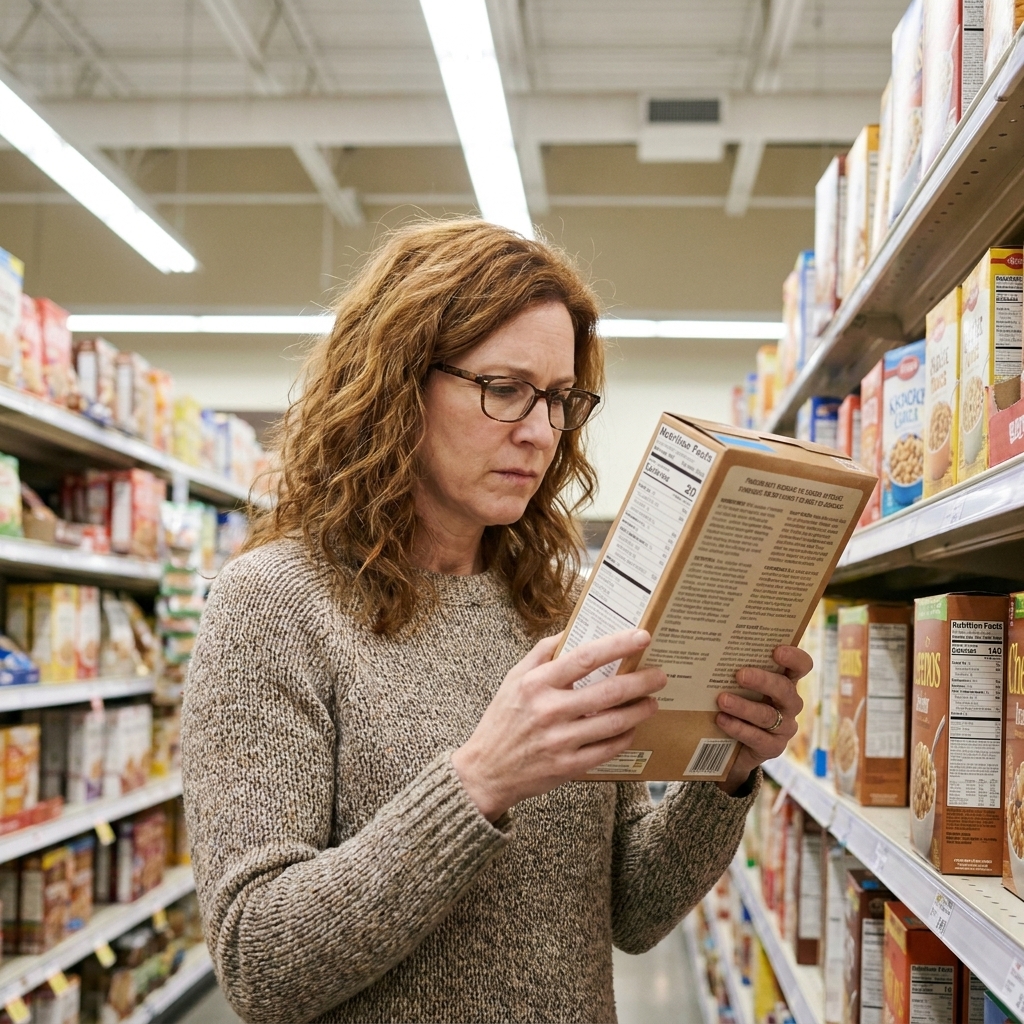
I learned the phrase “allergen tax” the hard way: standing in a grocery aisle in Chicago, holding a tiny bag of gluten-free flour that cost the same as a full-size bag of the regular stuff. “Allergen tax” is not a clinical term, just the name a lot of us give to the extra money it takes to eat safely. It is not just annoying. It adds up fast, especially when your pantry has to be built around what you can eat instead of what you want to eat.
As a former beverage director, I’m used to cost sheets and tight margins. As a person who can’t tolerate gluten, I’m also used to doing that math while hungry. One important note before we get into it: celiac disease, wheat allergy, and non-celiac gluten sensitivity are not the same thing, and the safety threshold is different for each. This is not medical advice. Use your clinician’s guidance and your lived experience, and always prioritize safety over savings.
Why allergy-friendly foods cost more
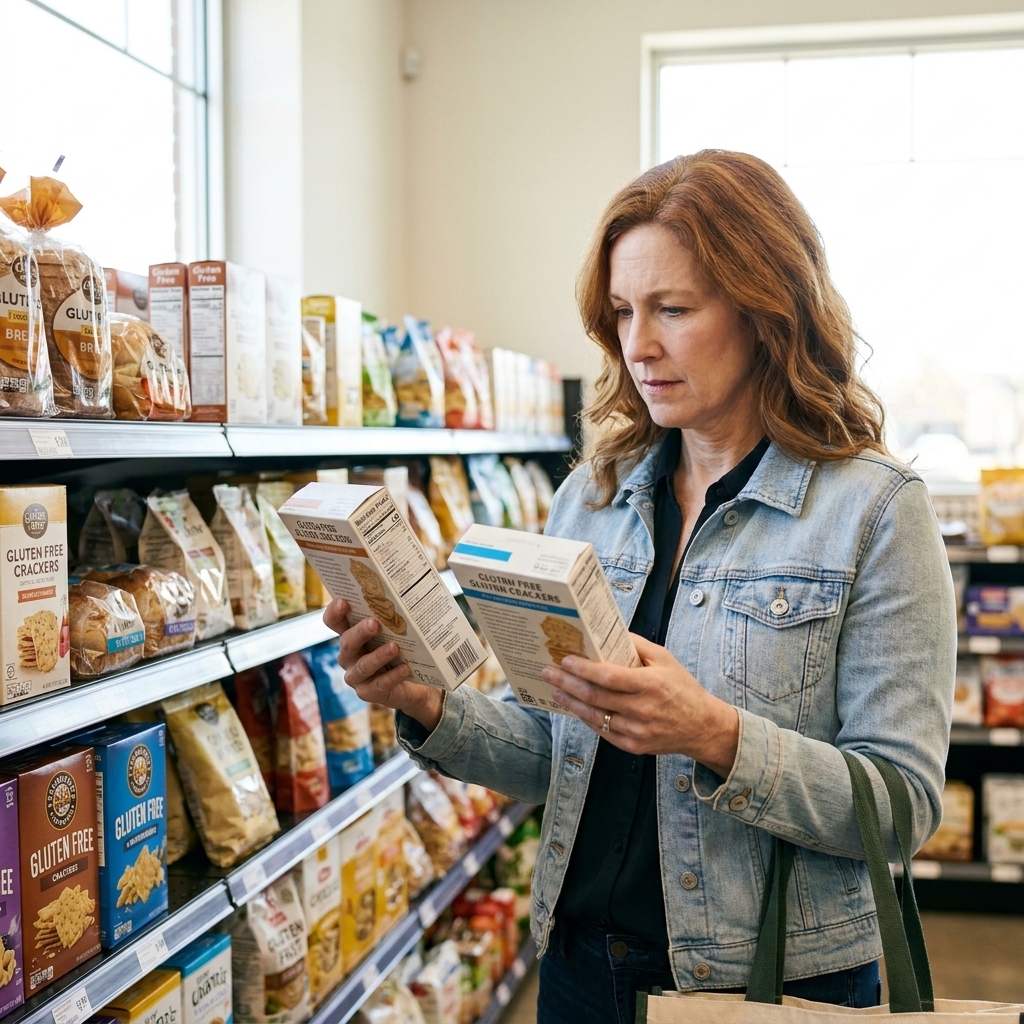
Let’s demystify the price tag. Specialty groceries are often more expensive for reasons that have nothing to do with your personal willpower or shopping skills.
- Separate production and safety controls. To keep foods truly gluten-free or free of specific allergens, manufacturers often use dedicated equipment, extra testing, and stricter cleaning protocols. Those safeguards cost money.
- Smaller batches, smaller buying power. Many free-from brands run smaller production volumes, which means fewer economies of scale on ingredients, packaging, and distribution.
- Ingredient substitution is rarely 1:1. Replacing wheat flour might require a blend of rice flour, tapioca starch, potato starch, and binders. More ingredients usually means higher cost.
- Certification and labeling. Third-party certifications and transparent labeling are good for us, but they are not free for brands to maintain.
- Convenience premium. A gluten-free frozen pizza is not just “pizza without gluten.” It’s a specialty product, often made to solve texture issues, shelf-stability issues, and cross-contact issues. Convenience always carries a markup.
The point: you are not “bad at budgeting” because your staples cost more. You are navigating a structurally pricier marketplace. The win is learning where not to overspend.
Start with a realistic staples budget
If you try to budget for a restricted diet using a generic grocery number, you will feel like you are failing every month. Build your budget around a core list of foods that reliably work for your body.
Make a two-tier pantry list
- Tier 1: Always safe, always in rotation. Think: eggs, rice, potatoes, lentils, plain yogurt if tolerated, frozen vegetables, canned fish, corn tortillas, oats that are certified gluten-free if needed, basic spices.
- Tier 2: Specialty “quality of life” items. Bread, crackers, cookies, sauces with clear gluten-free labeling, frozen meals, snack bars, baking mixes.
Now do something slightly annoying but very powerful: price out Tier 1 and Tier 2 in your usual store. You will quickly see where your personal allergen tax lives. For many people, it is bread, snacks, and convenience meals.
A simple rule that keeps you sane
Anchor your week around Tier 1, then choose just 2 to 4 Tier 2 items. You can absolutely have gluten-free bread or dairy-free ice cream. You just do not need to buy the whole specialty aisle every trip.
Shop the perimeter, shop the middle smart
The oldest grocery advice in the book still works for restricted diets, with a twist.
Perimeter: where savings actually live
Fresh produce, plain proteins, and naturally gluten-free staples are often the best cost-per-meal buys. A restricted diet becomes dramatically cheaper when more of your calories come from foods that never needed reformulating. Dairy alternatives can be reasonable depending on brand and store, but they are not automatically cheaper than conventional dairy. Compare unit prices.
- Build meals around naturally gluten-free carbs: rice, potatoes, sweet potatoes, polenta, grits, quinoa.
- Use “big flavor” add-ons: herbs, citrus, garlic, chili crisp (check labels), pickles, olives. They make simple staples feel like dinner, not a compromise.
- Choose proteins that stretch: beans and lentils, bone-in chicken thighs, eggs, canned tuna or salmon.
Middle aisles: watch the label tax
The middle aisles are where specialty labeling inflates totals. Your move is to identify which packaged goods truly need extra reassurance for your safety, versus where you can buy a simpler version that still works for you.
If you have celiac disease, a wheat allergy, or a severe sensitivity, clear gluten-free labeling and trustworthy manufacturer practices matter a lot, especially for higher-risk categories like oats, flours, grains, sauces, and seasonings. Third-party gluten-free certification is most common and most useful in categories where it is widely available (like oats, flours, and some packaged snacks). For many sauces, you may be relying more on explicit gluten-free labeling, ingredient lists, and manufacturer statements than on certification. Either way, align with your doctor’s guidance and your own lived experience. Safety first. Savings second.
Swap convenience for batchable basics
In restaurants, we survive on prep. At home, prep is how you keep specialty spending from becoming a line item that stings.
The 60-minute weekly prep that pays back
- Cook one large carb: a pot of rice, a tray of potatoes, or quinoa.
- Cook one protein: sheet-pan chicken, a pot of beans, or browned ground turkey.
- Make one sauce: salsa verde, peanut-lime dressing, tahini-lemon, or a simple vinaigrette.
- Wash and cut one vegetable: cucumbers, peppers, or a big salad base.
This is not meal prep cosplay. It is giving yourself enough ready-to-go components to avoid the expensive “I’m starving, I’ll grab the safe frozen thing” spiral.

Cut the highest-markup items first
Some specialty foods are worth it. Some are basically a convenience fee with a halo. Here are the common budget traps and what to do instead.
Gluten-free bread and baked goods
- Budget move: Treat bread as optional, not foundational. Use corn tortillas, rice bowls, lettuce wraps, or baked potatoes as your default starch.
- Smart splurge: Buy one truly good loaf, then freeze it in slices. Toast what you need. Less waste, more satisfaction.
Snack bars, crackers, and “safe” chips
- Budget move: Rotate lower-cost snacks like popcorn kernels, roasted peanuts, hard-boiled eggs, yogurt, fruit, and cheese if tolerated.
- Smart splurge: Keep one reliable packaged snack for emergencies. Just do not stock five varieties at once.
Specialty baking mixes
- Budget move: If you bake often, buy base flours in larger bags and learn one dependable blend. If you bake rarely, buy mixes only when you have a specific event.
- Smart splurge: Keep a “company dessert” option that makes you feel normal at parties. Mental health is part of the budget.
Buy in bulk, but only when safe
Bulk can be a game-changer, but it is also where restricted diets require extra caution. Cross-contact in scoop bins is real. If you need strict allergen control, stick to bulk items that are packaged and clearly labeled.
High-value bulk buys for many diets
- Rice, quinoa, and certified gluten-free oats (if needed)
- Dried beans and lentils
- Nuts and seeds (packaged, with clear allergen statements)
- Frozen fruits and vegetables
- Olive oil and vinegar (bigger sizes usually mean better unit price)
What to skip
- Any open-bin bulk item if cross-contact is a concern for you
- Large quantities of specialty bread products unless you freeze and reliably eat them
- “Aspirational” ingredients you buy for a new diet version of yourself
Use unit price like a pro
In restaurants, we do not buy by the vibe. We buy by cost per ounce and yield. You can steal that energy.
Three unit-price habits that save money
- Compare by weight, not package. A smaller gluten-free pasta box can look cheaper until you compare price per ounce. Example: a 12 oz box for $3.99 is about $0.33/oz, while a 16 oz box for $4.49 is about $0.28/oz.
- Track your top five repeats. Bread, tortillas, pasta, cereal, and snacks are where you feel the allergen tax. Write down the best price you have seen. That becomes your “buy” price.
- Switch stores by category. One store for produce, one for packaged safe staples, one for bulk packaged goods. You do not have to do it every week, but knowing your best sources matters.
Store strategy that actually works
Not all stores price specialty foods the same way. If you have the time and transportation, splitting your shopping can cut your total without changing what you eat.
General patterns (not rules)
- Big-box stores: often better for larger packs of certified staples, dairy alternatives, and freezer items.
- Ethnic groceries: great for naturally gluten-free staples like rice, beans, plantains, masa harina, spices, and produce. Always read labels on sauces and seasonings.
- Co-ops and natural markets: best selection, sometimes the highest prices. Treat them like a specialty stop, not your default.
- Online: helpful for hard-to-find items and subscriptions, but watch shipping and impulse add-ons.
If you only have energy for one change, do this: identify the one store in your orbit with the best prices on your top two specialty items. Then buy those there consistently.
Waste is the hidden allergen tax
When specialty food goes bad, it hurts twice. It is money, and it is the gut-punch of throwing away something you cannot easily replace.
Low-effort waste reducers
- Freeze proactively: bread, tortillas, cooked rice, and even shredded cheese alternatives freeze well.
- Use a “first up” bin: one fridge container for anything opened or nearing its date. Make it the first place you look.
- Repurpose safely: yesterday’s roasted vegetables become frittata filling, rice becomes fried rice, chicken becomes soup.
- Portion expensive items: specialty crackers and cookies go stale fast. Transfer to airtight containers right away.
Quick label wins (gluten edition)
You do not need to memorize the whole internet. You do need a few “pause and check” flags that can save you money and symptoms.
- Watch for common gluten sources: wheat, barley, rye, and malt (malt vinegar, malt extract, malt flavoring).
- Be cautious with: soy sauce (look for gluten-free tamari), seasoning blends, gravies, bouillon, marinades, and soup bases.
- Know the high cross-contact zones: oats (choose certified gluten-free if you need strict avoidance), bulk bins, and anything made on shared equipment without clear controls.
If you have celiac disease or a wheat allergy, when in doubt, skip it or contact the manufacturer. A cheaper item is never a deal if it makes you sick.
Ask for help (and verify what’s real)
Healthcare and social support systems vary wildly, but it is worth checking what you qualify for. Some people can access nutrition support, medically necessary foods, or workplace benefits that help offset costs. In the U.S., insurance coverage for gluten-free foods is uncommon, but some people may be able to use HSA/FSA funds in specific situations with proper documentation. Always verify locally.
- Talk to your clinician or dietitian about documentation if your condition requires medically necessary dietary restrictions.
- Check community resources like local mutual aid groups and food pantries. Some stock gluten-free and allergy-aware options, especially shelf-stable items.
- Join local allergy communities for brand coupons, store finds, and safe product recommendations. The best intel is often neighbor-to-neighbor.
There is no shame in needing support. The allergen tax is real, and it is not evenly distributed.
Eating out without blowing the budget
Restaurants can be both a safety puzzle and a spending trap. My rule: plan for it like a line item, not a surprise.
- Choose “naturally safe” cuisines and formats: rice bowls, tacos on corn tortillas, grilled proteins with potatoes, bunless burgers, simple salads with safe dressing.
- Call one place you trust and stick with it: one reliable spot beats rolling the dice three times a week.
- Use a split strategy: spend on one safe meal out, then keep the rest of the week anchored in Tier 1 staples.
If your condition requires strict cross-contact controls, ask direct questions (shared fryers, shared grills, dedicated prep). If the answers are vague, it is okay to walk away.
A sample week of lower-cost meals
Here is what “Tier 1 first” looks like in real life. Adjust for your specific allergens.
- Breakfast: eggs with sautéed greens and potatoes
- Lunch: rice bowl with beans, salsa, avocado (or cabbage if avocado is pricey)
- Dinner: sheet-pan chicken thighs with carrots and onions, served over polenta
- Snack: popcorn + fruit, or yogurt with cinnamon
A starter cart for this plan
- Rice or quinoa
- Potatoes and onions
- Eggs
- Chicken thighs
- Canned beans or dried lentils
- Frozen vegetables
- Greens (fresh or frozen)
- Salsa and one sauce you trust (check gluten-free labeling)
- Popcorn kernels
- One Tier 2 comfort item (bread, crackers, or a frozen meal)
Notice what is missing: specialty replacements for every food memory. This is not about deprivation. It is about choosing replacements intentionally, not automatically.
FAQ
Is eating allergy-friendly always more expensive?
Not always. A restricted diet gets expensive when it leans heavily on specialty packaged replacements. When you center naturally safe staples and use specialty items as add-ons, costs usually settle.
What is the single biggest way to lower the allergen tax?
Cut back on specialty convenience foods and snacks first, not fresh produce or protein. Replacing a few high-markup packaged items can move your total more than chasing small discounts elsewhere.
How do I budget if I need certified gluten-free products?
Prioritize certification where it is most common and most meaningful (oats, flours, grains, some snacks) and rely on clear gluten-free labeling and manufacturer practices elsewhere. Then choose 2 to 4 certified “comfort” items per trip, and fill the rest of the cart with naturally gluten-free foods.
How do I make this sustainable when I’m exhausted?
Pick one prep habit that saves future-you. My favorite is cooking one big carb and one protein each week. It reduces the temptation to rely on expensive safe convenience foods when you are tired and hungry.
The bottom line
You did not choose the allergen tax, but you can choose where you pay it. Spend where safety and joy matter. Save where convenience is quietly draining you. And when you find a routine that works, hold onto it like your favorite barstool: not because it is glamorous, but because it gets you through the week.