For most of my career, “we can accommodate allergies” lived in the same mental drawer as “we can do it faster.” Sometimes true, sometimes aspirational, always dependent on who is on the line that night.
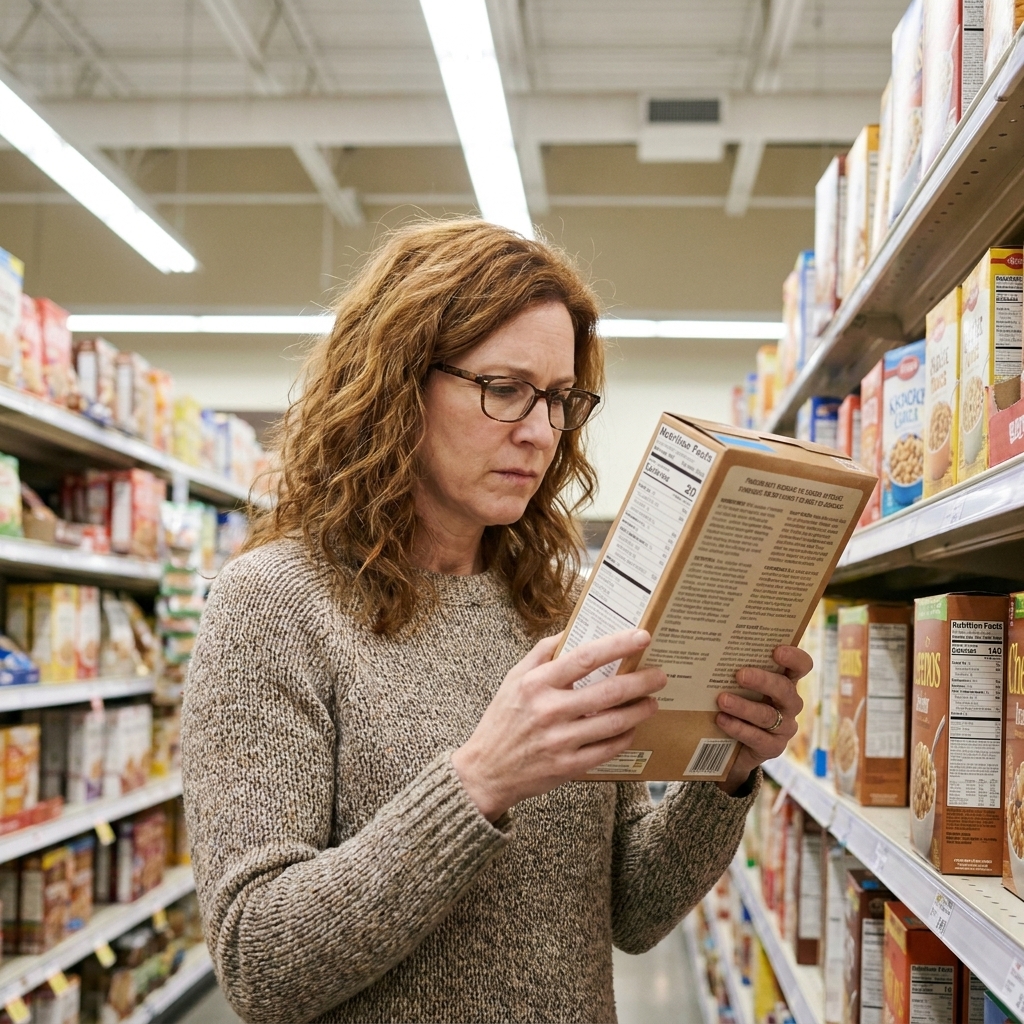
Then I developed a medically diagnosed gluten issue (not celiac disease), and the drawer got reorganized. Suddenly, I was reading menus like a contract. I was watching hands, not just plates. And I started paying attention to a new kind of restaurant flex: allergy-friendly certifications .
These badges can be genuinely life changing, especially for folks with anaphylaxis-level allergies. They can also be vague, self-assigned, or more about marketing than mise en place. Let’s decode what’s real, what’s fuzzy, and how to use today’s tools to dine out with less fear and more actual fun.

Why certifications are showing up now
Restaurants have always managed allergies, but the expectations have shifted. Guests are more informed and more vocal, and operators are increasingly aware of both the moral stakes and the legal exposure. Add in a dining public that wants transparency and you get the perfect environment for third-party programs, training badges, and “verified” claims.
At their best, certifications signal something deeper than a separate fryer. They signal systems : staff training, documented procedures, supplier controls, and a culture where a modification is not treated like a personal insult.
Allergy terms that matter
Before we talk badges, we should talk language. Clear words reduce risk and reduce friction.
Allergy vs intolerance vs preference
Allergy can mean an immune reaction and, for some people, anaphylaxis. Intolerance or sensitivity can be serious and disruptive, but it is not always the same medical mechanism. Preference is still valid, but it does not require the same protocols.
The practical point is this: kitchens triage. When you name what you have and how severe it is, you help the team respond appropriately instead of guessing what you mean by “I can’t have that.”
Cross-contact vs cross-contamination
In food safety, cross-contamination often refers to pathogens. In allergy land, the risk is usually cross-contact: allergen proteins transferring via hands, utensils, oil, cutting boards, or a sauce spoon that touched the wrong pan. You will still hear “cross-contamination” in restaurants, but what we really mean is cross-contact, and that is the term I use here.
Free-from vs made without
Made without means the recipe does not include the allergen. Free-from implies the allergen is controlled in the environment. Many kitchens can do the first. Far fewer can truly promise the second.
Also worth noting: labeling conventions differ by country and market. A term that signals strict control in one place can be used more casually in another, so it is always worth asking what it means in that kitchen.
The three tiers of “allergy-friendly” claims
Tier 1: Third-party certification with standards and audits
This is the gold standard, when it exists. A credible program publishes what it requires, trains staff, and has a way to verify compliance. Audits may be in-person or remote, but there is a documented process and a renewal timeline.
- What to look for: Clear standards, a public directory, renewal dates, and language like “certified” tied to a specific organization.
- What it usually covers: Training, cross-contact prevention, ingredient documentation, and communication protocols.
- Examples you might see (varies by region): gluten-free certification programs and celiac association dining accreditation or vetted directories. Some are rigorous, some are lighter touch, so the checklist below still applies.
Tier 2: Training badges and staff certificates
These can be meaningful, but they are not the same as certifying a restaurant’s day-to-day execution. A manager can take a course and still inherit a kitchen with one cutting board and a prayer.
- What to look for: Who completed the training (one person or the whole staff), how recent it was, and whether it includes back-of-house practices.
- Examples you might see: allergen awareness courses (including common food-safety programs with allergen modules) and internal corporate training for chains.
- Best use: A positive signal that the team has baseline literacy, not proof that your allergen is controlled tonight.
Tier 3: Self-declared “allergy-friendly” messaging
Sometimes it is well intentioned. Sometimes it is more branding than protocol. If there is no stated standard, assume it is a starting point for questions, not the answer.
- What to look for: Specifics. “We have an allergy protocol” beats “allergy-friendly” every time.
Certification or sticker? A quick check
Here’s the little checklist I run before I get emotionally attached to a claim.
- Can you find the certifier’s standards in plain language? If it is all vibes and no criteria, pause.
- Is there a searchable directory? Credible programs want you to verify.
- Is there a renewal cadence? “Certified in 2019” with no recertification is basically a high school diploma for a kitchen that has had three chef changes since then.
- Does the program address cross-contact, not just ingredients? “No peanuts on the menu” is not the same as “peanuts cannot enter the facility.”
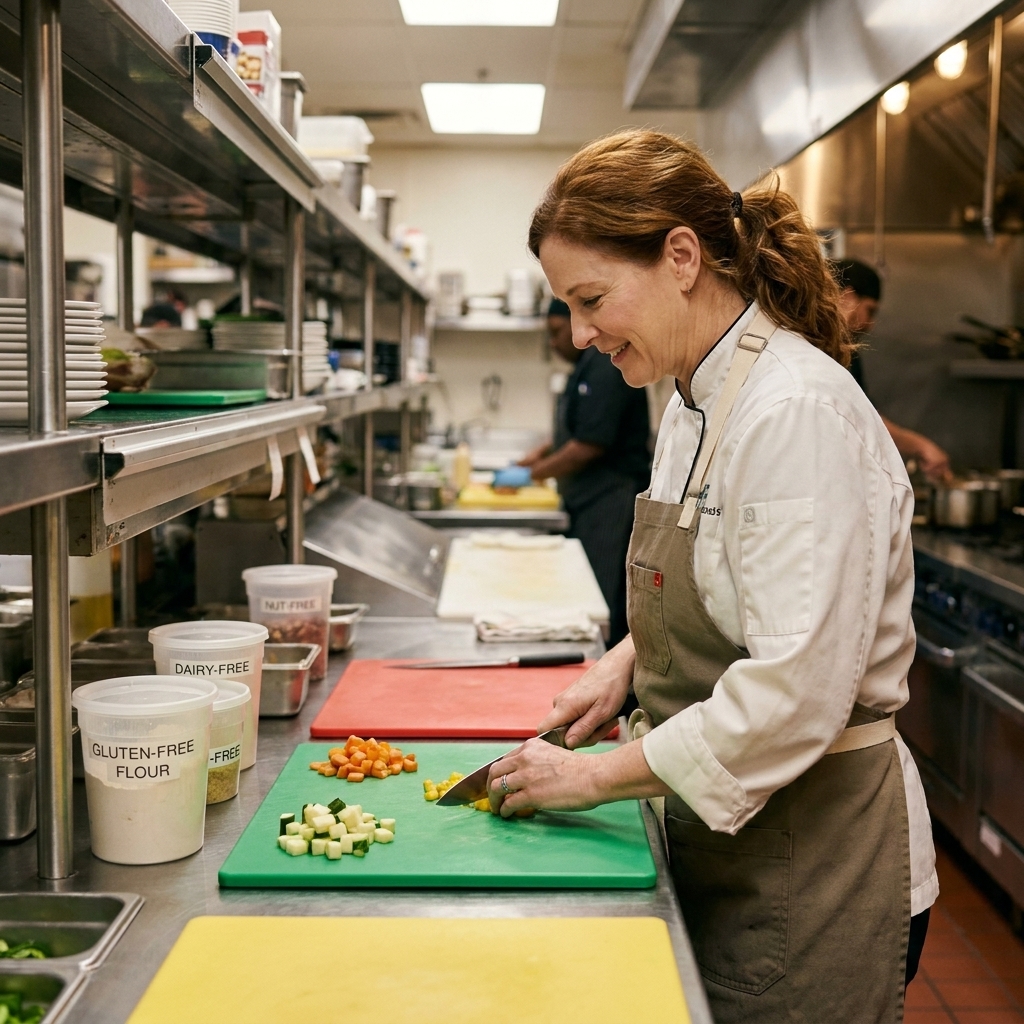
- Is the restaurant specific about scope? A bakery might be “gluten-free” by recipe while still sharing an oven with wheat flour. The honest ones will tell you exactly what they can and cannot guarantee.
What “safe” means in restaurant terms
One of the most confusing parts of allergy dining is that guests and restaurants sometimes use the same words to mean wildly different things.
“No cross-contact” (the phrase that makes me ask follow-ups)
In hospitality, you will hear “no cross-contact” when someone really means “we’ll try.” A better sign is a staff member who says something like: “We have a cross-contact protocol and a manager handles allergy tickets.” That is language from a system.
“Celiac-safe” and “gluten-friendly”
These labels are often used inconsistently. If gluten is your issue, ask about shared fryers, shared pasta water, shared ovens, flour in the air, and whether they have a dedicated prep area. It is not dramatic. It is dinner.
Questions that reveal the system
You do not need to interrogate your server like you are building a court case, but you do need clarity. These are the questions that, in my experience, separate “we can probably” from “we do this all the time.”
Start with scope
- “Can you accommodate a severe allergy to [allergen], including cross-contact?”
- “Is [allergen] used in this kitchen? If so, where does it show up most?”
Ask who owns the process
- “Who handles allergy orders, the server or a manager?”
- “Does the kitchen have a written allergy protocol?”
Zoom in on common failure points
- “Do you have a dedicated fryer or a dedicated pan setup for allergy orders?”
- “How do you prevent cross-contact on the line during a rush?”
- “Can you confirm ingredients for sauces, marinades, and garnishes?”
Ask the question that protects everyone’s dignity
My favorite phrasing is simple: “If this feels risky tonight, can you tell me? I’d rather pivot than put you in a bad spot.” A good team will appreciate the honesty.
Tools that reduce the gamble
Certifications are one layer. Tools are another. Used together, they create a more complete picture.
Allergen menus and ingredient binders
More operators are building allergen matrices and standardized recipe documentation. If a place can quickly reference a current ingredient list for a sauce, that’s a strong sign they take controls seriously.
Reservation notes that reach the kitchen
When you book, add the allergy in the notes and then call during off-peak hours to confirm it was received. The best scenario is a restaurant that flags the reservation, communicates internally, and has a manager touch the table.
Food allergy cards
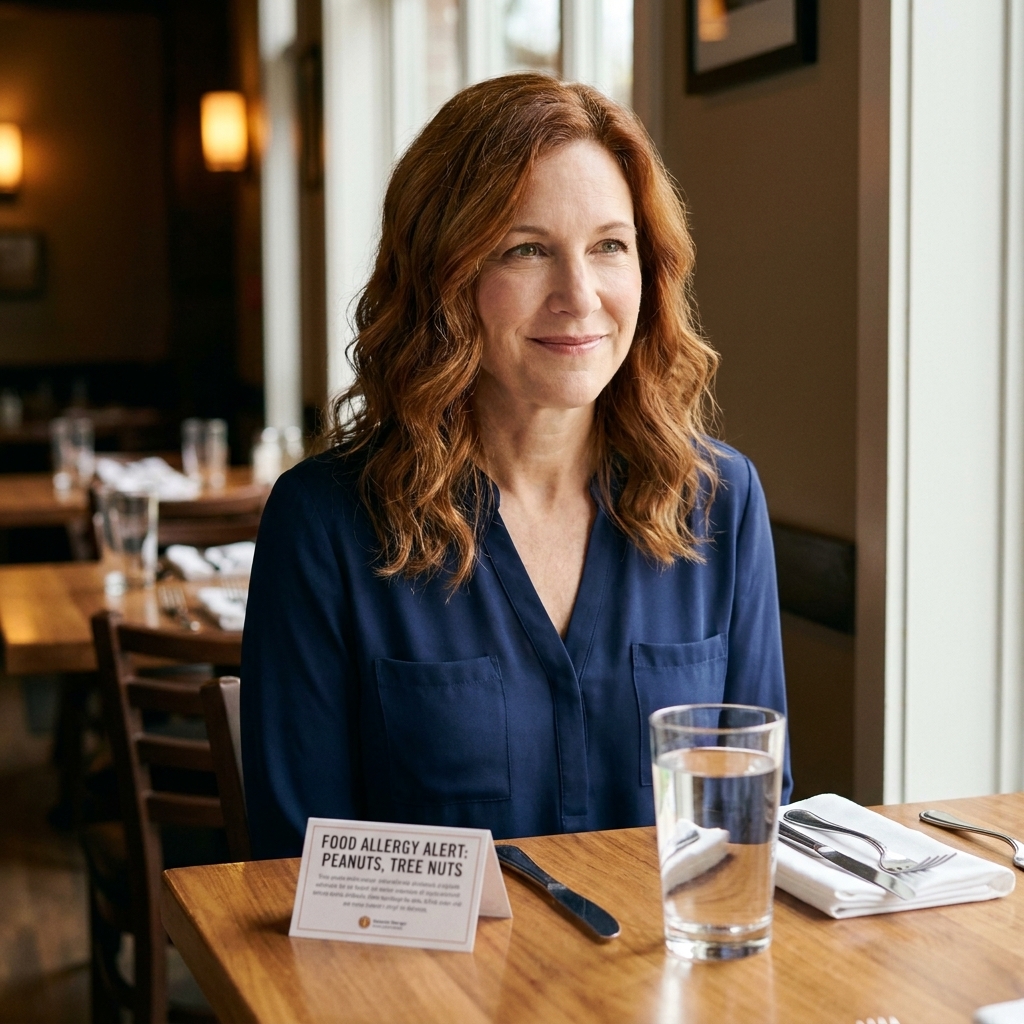
A concise card listing the allergen, the severity, and cross-contact needs can reduce miscommunication. It also helps when noise levels are high and you are tired of repeating yourself.
Community intel, used carefully
Reviews and forums can be helpful for patterns, but remember: allergy experiences are highly individual, and even great restaurants can have off nights. Look for consistent stories about process, not just “they were nice about it.”
Green flags and red flags
Green flags
- Your server does not guess. They check.
- A manager or chef is involved without you having to beg.
- The team uses specific language: separate utensils, sanitized station, dedicated fryer, ingredient verification.
- They offer a limited set of truly safe options instead of claiming the whole menu is adaptable.
Red flags
- Dismissive reassurance: “Oh you’ll be fine.”
- Confident answers delivered instantly for complex questions, especially about sauces and marinades.
- “We can’t guarantee anything” said as a blanket statement while still pressuring you to order.
- Visible chaos paired with a promise they will “just be careful.”
How to use certifications wisely
I love a legitimate certification because it often means the restaurant has done the unsexy work: training, documentation, and accountability. But even the best badge cannot account for staff turnover, a slammed Saturday, or a supply substitution that did not make it into the book.
Think of certifications as a shortcut to trust, not a replacement for communication.
- Before you go: Verify the certification in the program’s directory if possible, then call at a calm time.
- When you arrive: Restate the allergy and severity, and ask who is overseeing the order.
- When you order: Choose the safest dish, not the most emotionally satisfying adaptation.
- If something feels off: Bail. I have done it. It is awkward for two minutes and empowering for the rest of your night.
When to choose a different spot
This is the part nobody wants to say out loud, especially if you are with friends and everyone is hungry. But sometimes the safest move is simply not to eat there.
Consider pivoting if:
- The restaurant cannot answer basic questions about ingredients or process.
- Your allergen is heavily used and they have no dedicated equipment or protocol.
- You are getting mixed messages from different staff members.
- They are clearly overwhelmed and you can tell an “extra careful” ticket will become a liability.
Emergency basics
I am not a clinician, but I have learned the hard way that planning beats panic. If you have a history of severe reactions, consider these high-level steps and follow your medical provider’s guidance:
- Carry your prescribed emergency meds, and if you use epinephrine, many clinicians recommend carrying two auto-injectors.
- Tell at least one person you are dining with what you are allergic to and where your meds are.
- If you think you are reacting, do not “wait it out.” Follow your action plan and seek emergency care as recommended.
FAQ
Are allergy-friendly certifications legally binding?
They are not a guarantee to diners, and they do not mean zero risk. Enforcement is typically through the certifier’s program (standards, audits, renewals) and general consumer protection or false advertising laws, not a promise that nothing can ever go wrong.
Can a restaurant guarantee zero cross-contact?
In absolute terms, almost no one can promise true zero. Some dedicated facilities can reduce risk dramatically, especially when specific allergens are excluded from the space and systems are tight. Most conventional restaurants cannot guarantee it, but the best ones can explain exactly how they reduce risk and where the remaining risk lives.
If I have multiple allergies, what’s the safest approach?
Call ahead, ask to speak to a manager, and be open to a very limited menu. Multiple allergens increase complexity fast, especially with sauces, spice blends, and shared equipment.
What should I do if I react after dining out?
Follow your medical plan first. Then, if you are able, document what you ate and contact the restaurant to inform them. The goal is not revenge. It is preventing the next guest from getting hurt.
The bigger picture
Allergy-friendly certifications are part of a larger shift toward transparency and care, and I genuinely believe most hospitality folks want to get this right. It’s just that good intentions do not sanitize a cutting board.
The future of allergy dining is not only more badges. It’s better training, better documentation, clearer language, and a culture where saying “we can’t do that safely” is treated as professionalism, not failure.
And for anyone carrying an EpiPen, scanning menus like a detective, or quietly grieving the ease of spontaneous dinners: you deserve restaurants that meet you with competence, not confusion.