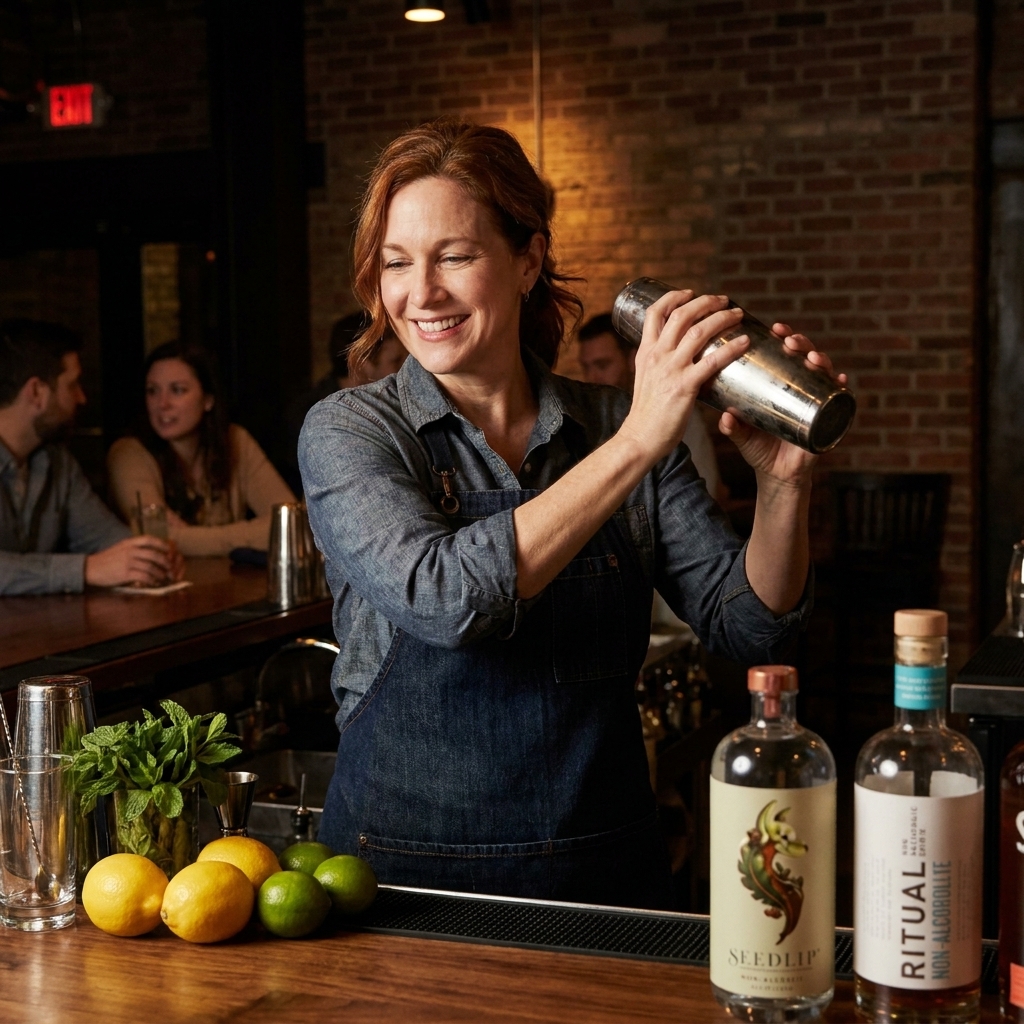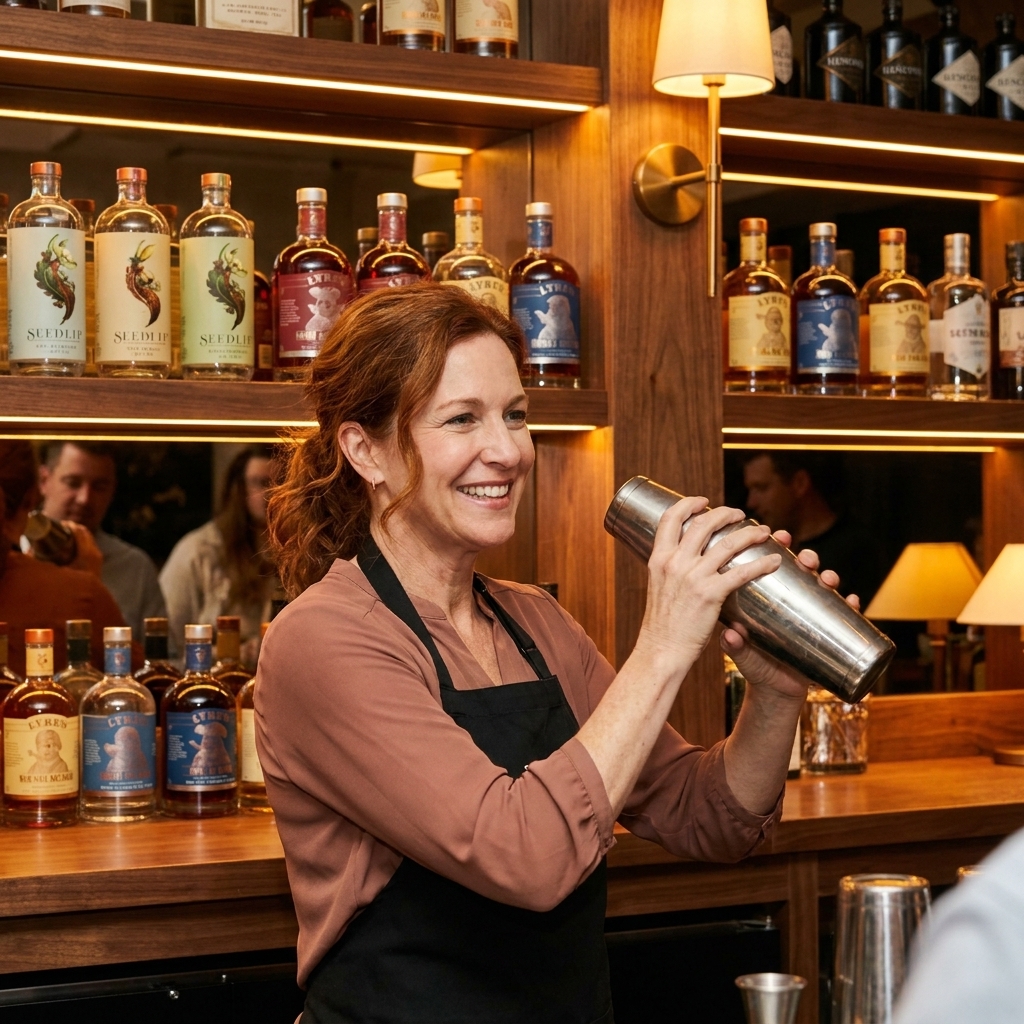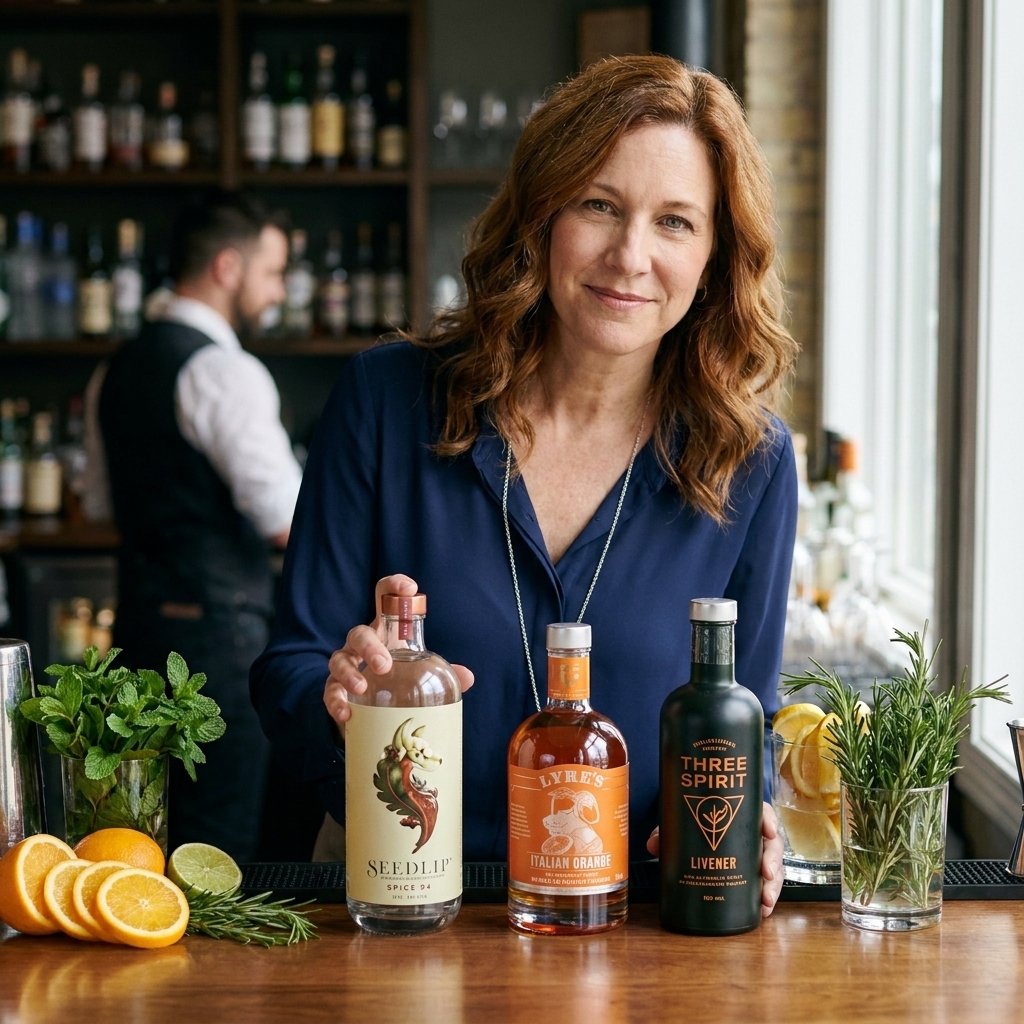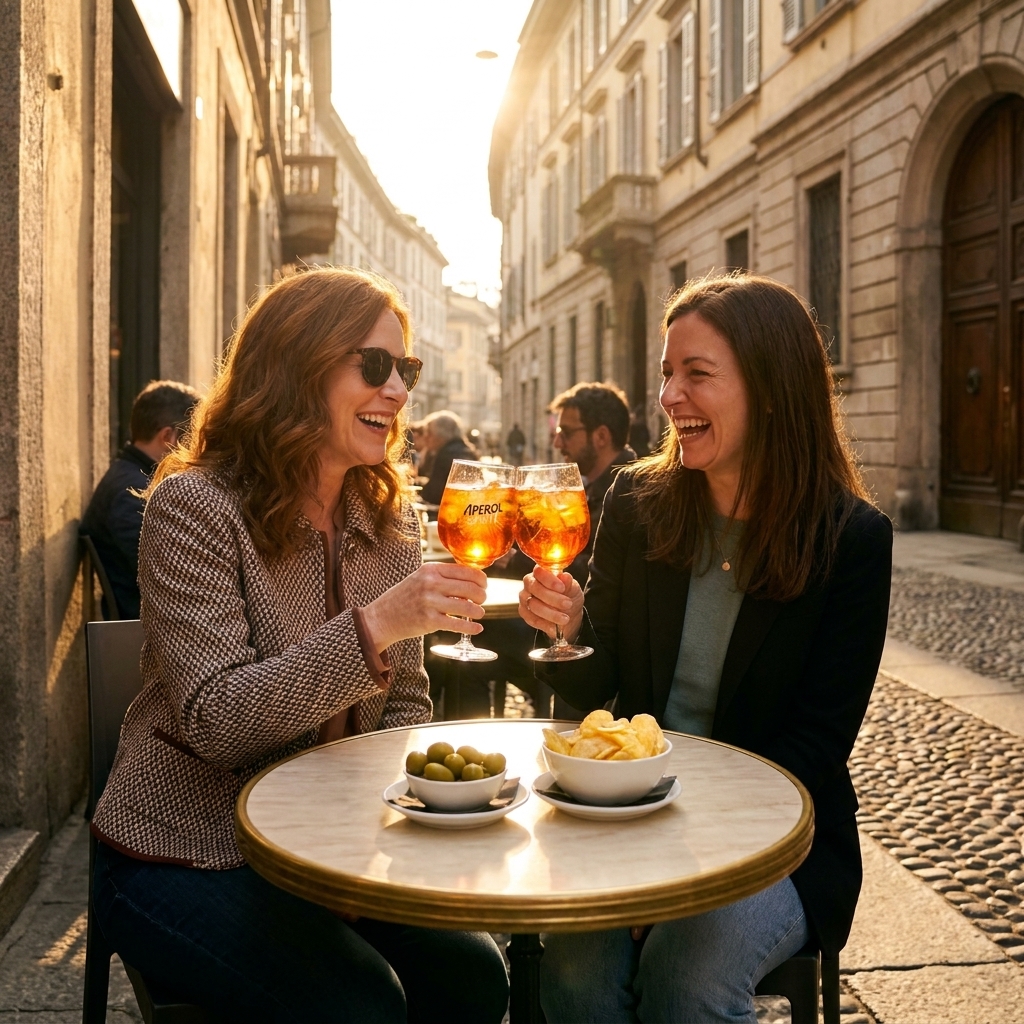
There is a particular kind of relief that washes over a guest when they open a menu and see a thoughtful non-alcoholic section that is more than juice in a fancy glass. You can feel it at the table, like shoulders dropping. No explanations. No awkward “I’m just not drinking tonight” disclaimers. Just options.
That is the real story of the sober curious movement at bar level. It is not a scolding, and it is not a fad that lives and dies on social media. It is a shift in expectations. Guests want the ritual of going out without the tax alcohol can take on sleep, anxiety, workouts, meds, or tomorrow morning’s meeting. Bars, meanwhile, have realized that mindful drinkers are not “non-spenders.” They are regulars in the making, if you treat them like regulars.
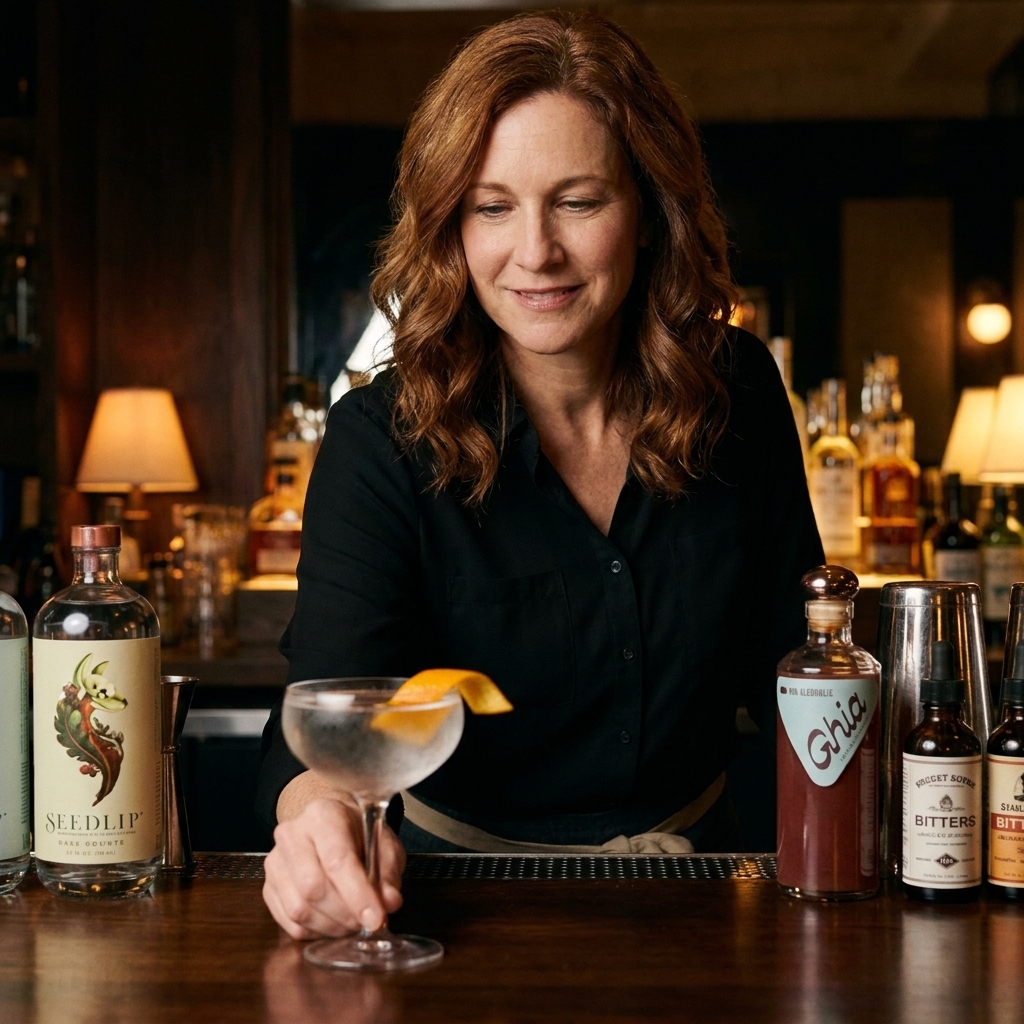
What sober curious means at the bar
Sober curious does not have a uniform. It includes the guest who is taking a month off, the new parent rediscovering energy, the industry friend who has had enough late nights, and the person quietly managing their relationship with alcohol. It also includes plenty of people who still drink sometimes, just not every time.
For bars, this matters because “not drinking” is no longer a binary. It is a spectrum. And when you build a program that respects that spectrum, you end up serving more people more often.
- Occasion drinkers who want one cocktail, then a zero-proof nightcap.
- Moderators who are pacing for health, focus, or mood.
- Abstainers who still want to celebrate, date, and toast.
- Allergy, intolerance, and sensitivity diners who need clarity and care, not improvisation.
Why NA drinks got good fast
For years, the non-alcoholic “menu” was essentially a list of things a bar happened to have. Soda water. Ginger beer. Maybe a shrub if the chef was feeling ambitious. Then three forces collided: better products, better technique, and guests who finally demanded the same level of intention they see in wine lists and cocktail specs.
1) The rise of zero-proof spirits
Zero-proof spirits are not trying to be a vodka clone. The best ones build a spirit-like experience through aroma, bitterness, spice, and texture. Think: juniper, peppercorn, citrus pith, gentian, tea tannins, capsicum warmth, and herbal lift. When used thoughtfully, they give bartenders something to build on instead of simply sweetening and diluting.
They also allow bars to keep their language familiar. A guest understands what a spritz or negroni-style drink is supposed to do on the palate, even if the base is non-alcoholic.
2) Technique moved into the bar
Top-tier NA programs borrow the same playbook that made modern cocktail culture so compelling: house syrups, tinctures, fermentation, careful dilution, and temperature control. Great NA drinks are built, not assembled.
- Acid balance that goes beyond lemon and lime, using verjus, malic and citric blends, or clarified citrus.
- Bitterness from NA aperitifs, hops, or gentian-forward mixers.
- Body from tea, coconut water, a touch of aquafaba, a saline solution, or carbonation strategy.
- Finish from spice, smoke, or botanical distillates that linger the way alcohol often does.
3) Packaging and ritual caught up
Cans, bottles, and glassware matter. A premium NA drink cannot feel like a consolation prize. When bars serve zero-proof cocktails in the same stemware, with the same ice care, and the same garnish discipline, the guest gets the full experience: arrival, anticipation, sip, pause.
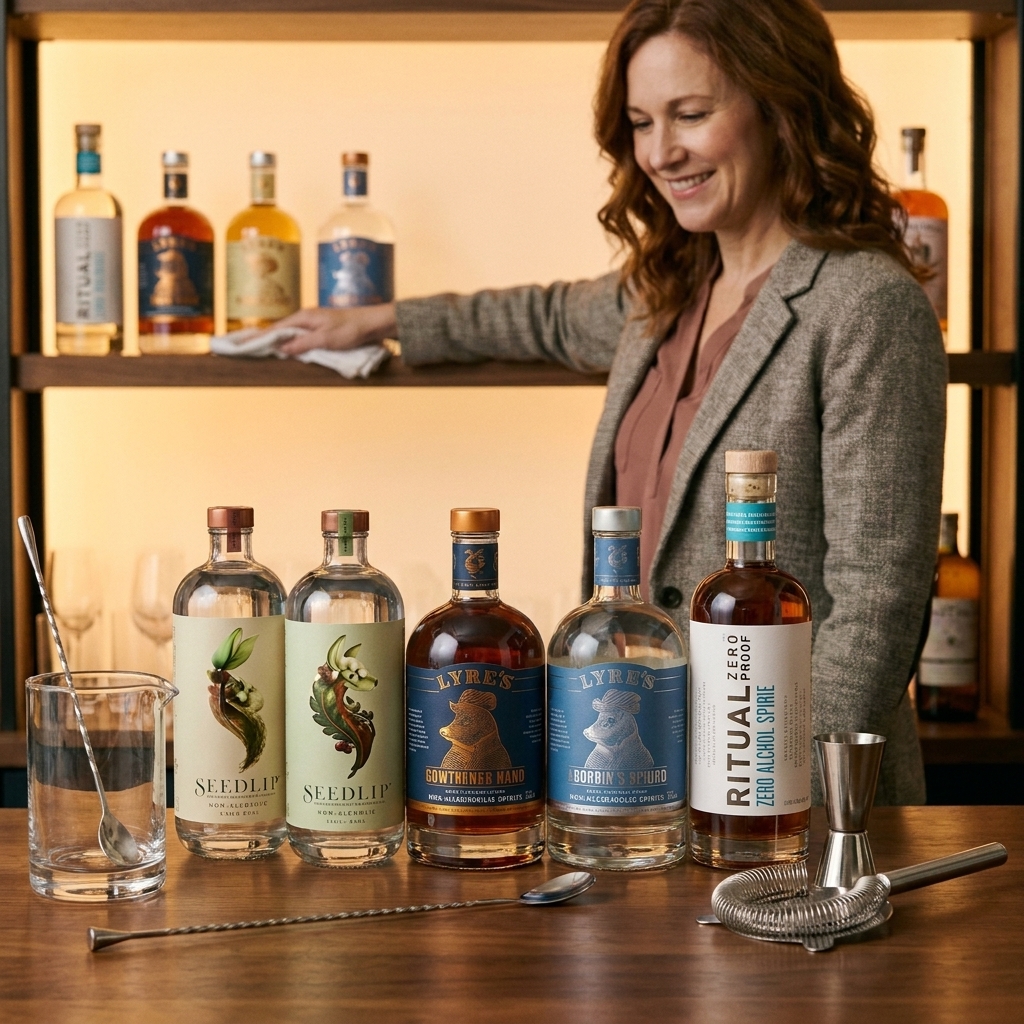
What makes an NA program work
I have written beverage menus where the non-alcoholic section was treated like an afterthought, and I have written ones where it got the same obsessive testing as the house martini. The difference is often respect. Budget, staffing, and time matter too, but respect is what forces you to make the most of whatever you have.
Flavor structure: replacing ethanol
Alcohol does a lot of invisible work in a drink, including carrying aroma, adding perceived heat, and lending weight and length. Remove it, and you need a plan.
- Aroma: fresh expressed citrus, herbal distillates, mint oils, and aromatic elements. Note that many traditional bitters contain alcohol, so a bar should be clear about whether bitters are used and whether the drink is truly zero-proof.
- Heat: ginger, black pepper, chili tinctures, Sichuan peppercorn, mustard seed, or warming spice blends.
- Weight: strong tea, verjus, glycerin-based syrups, aquafaba, or thoughtful carbonation and dilution.
Menu language that does not other people
Words matter. The best menus do not relegate non-drinkers to the kiddie table. They signal parity. Sometimes that means a dedicated NA section with real estate and a little story. Sometimes it means pairing NA drinks alongside cocktails in the same families: spritzes, sours, stirred, highballs.
Pricing matters too. Guests will pay for craft, but they can smell a cash grab. A thoughtful NA cocktail is priced for ingredients and labor, not as a punitive “well you’re saving money by not drinking.”
Staff training is the premium
Here is where bars either nail it or lose the room. If a server delivers the NA section like an apology, the guest feels it. If the bartender talks about the NA drink with the same enthusiasm they have for the mezcal special, the guest relaxes.
Training should include:
- How to describe NA spirits and aperitifs in plain language.
- Which drinks are truly zero-proof versus “low ABV” or “contains trace alcohol.”
- How to handle sensitive situations without probing or performative concern.
- How to prevent cross-contact for guests avoiding gluten or other allergens.
Two baseline NA builds
If you want to pressure-test whether a bar is building, not just mixing, these two templates reveal a lot.
A stirred, bitter build
Negroni-style (built and stirred): NA amaro-style aperitif + NA botanical spirit + non-alcoholic vermouth alternative (or strong black tea with a touch of grape acidity), stirred very cold, served over a large cube with an orange expression. You are looking for bitterness, snap, and length, not sugar.
A sour build
Spirit-free sour (shaken): NA botanical base + fresh citrus + a measured sweetener + a structured modifier like verjus or tea, shaken hard and served up. Optional aquafaba for texture. The goal is balance and a clean finish, not fruit punch.
Zero-proof spirits: what to know
Let’s demystify the bottle on the backbar.
They are: aromatic building blocks
Many are made through botanical distillation, steeping, compounding, or a mix of extraction methods. The goal is complexity, not a perfect one-to-one replacement for ethanol.
They are not: automatically health drinks
Non-alcoholic does not mean low sugar, low calorie, or low anything. Some NA cocktails can be just as dessert-leaning as their boozy cousins if the bar relies too heavily on syrup to compensate for missing structure.
They can be: alcohol-free or dealcoholized
Some products are made without fermentation or alcohol at any point. Others begin as fermented beverages and are then dealcoholized. If you need strictly zero for personal, religious, recovery, pregnancy, or medication reasons, ask the bar what is in the drink and how it is labeled. It is a hospitality question, not a medical promise.
0.0% vs less than 0.5%
This is the labeling detail that quietly matters.
- 0.0% ABV generally signals no detectable alcohol by the producer’s standard and process.
- <0.5% ABV is common for dealcoholized beer, wine, kombucha, and some ferments. It may be functionally “non-alcoholic” for many guests, but not for all.
A good bar can tell you whether a drink is built from zero-proof components, dealcoholized components, or a mix, and can suggest a truly zero option without making it weird.
Keeping NA drinks from fruity
My litmus test is simple: does the drink have tension? Sweetness is fine, but it needs counterweight. The most exciting NA menus borrow from the same bitter and savory vocabulary that made amari, aperitifs, and agave spirits so popular.
Bitterness and aperitif culture
We are watching an aperitivo-hour mindset migrate into non-alcoholic form. Think orange peel, gentian, rhubarb, tea, and tonic-like finishes. Spritz-style NA drinks work because they feel social. They look celebratory. And they keep your palate awake.
Tea as the workhorse
Tea brings tannin, aroma, and length. Oolong can read nutty and floral. Lapsang can bring smoke. Hibiscus offers tart fruit with a deep color that feels like a real cocktail, not a workaround.
Fermentation without the buzz
House-made shrubs, kefir water, kombucha, and lacto-fermented fruit can create the complexity we usually associate with alcohol. The best versions are balanced, clean, and intentional. The worst taste like a science project. The difference is time, sanitation, and restraint.
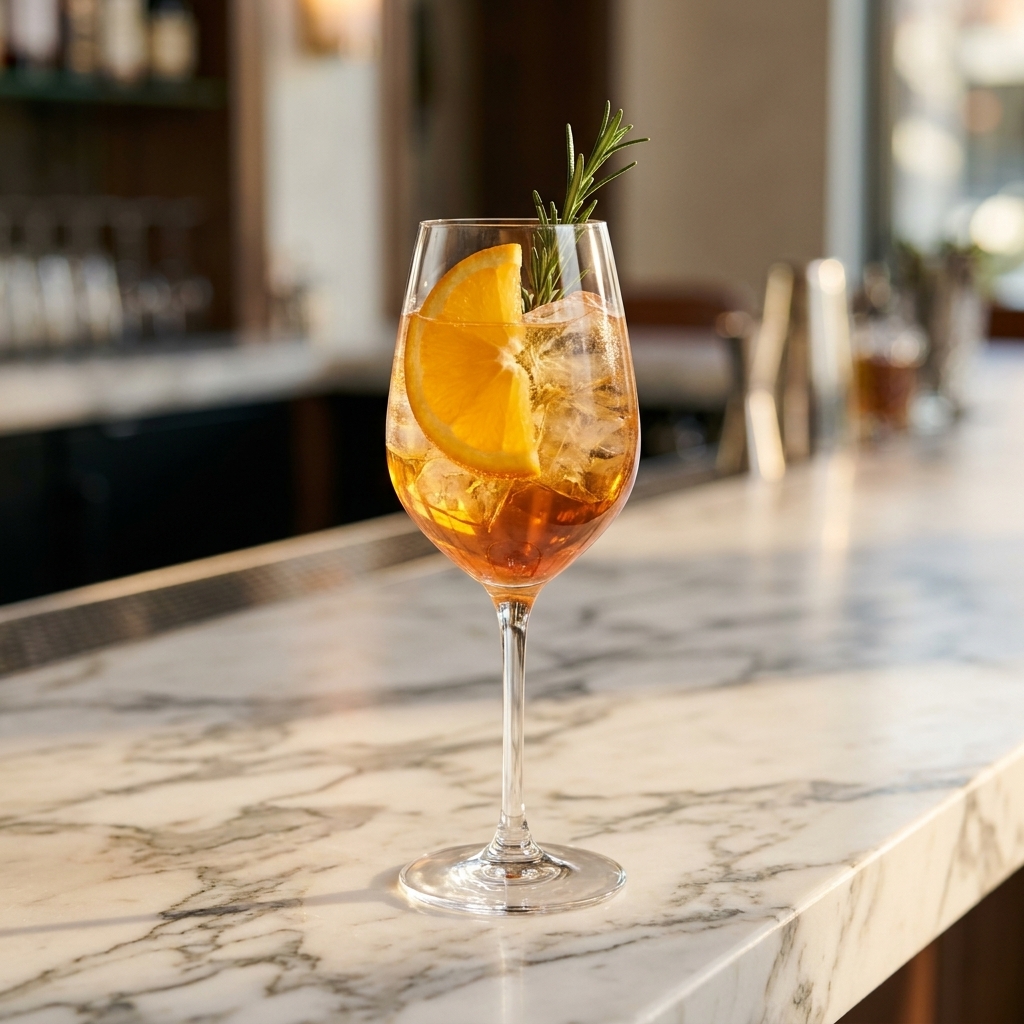
Why bars invest in NA
From an operator’s perspective, premium NA programs are not just “nice.” They are smart.
- Higher inclusivity: more guests can participate fully, which helps groups choose your bar for birthdays, work dinners, and dates.
- Better pacing: guests who alternate NA and alcoholic drinks often stay longer and leave feeling good about the experience.
- Stronger daytime revenue: lunch meetings and early dinners are easier to capture when the NA list is compelling.
- Brand trust: a serious NA menu signals care, precision, and modern hospitality values.
It also supports staff culture. When “having a drink” is not the only acceptable way to decompress after service, you make space for more sustainable habits. The industry has romanticized burnout for too long. A bar can be fun without being self-destructive.
How to order a grown-up NA drink
If you are scanning a menu and trying to avoid something that tastes like a melted popsicle, here are reliable signals.
Look for these words
- Verjus (grape acidity that reads wine-like and layered)
- Amaro-style or aperitif (bitterness and structure)
- Tea (tannin and finish)
- Ginger, pepper, spice (heat without alcohol)
- House syrups, shrubs, or ferments (signs of effort)
Ask one bartender-level question
Try: “Which NA drink has the most bitterness or the driest finish?” That question tells the bartender you are not looking for sweet, and it gives them a clear direction.
Allergens and gluten notes
Developing a severe gluten intolerance changed the way I read every beverage menu. You start to notice hidden ingredients: malted flavorings, beer reductions, and garnishes that travel across cutting boards during a rush.
Non-alcoholic does not automatically mean allergen-safe. If you are gluten-free, here are a few practical notes that good bars should already know, but it never hurts to advocate for yourself:
- Dealcoholized beer is often still made from gluten grains like barley or wheat, unless it is explicitly labeled gluten-free and produced accordingly.
- Malt can sneak into syrups, house sodas, and “stouty” flavor builds.
- Vinegar is usually fine when distilled, but malt vinegar and some flavored vinegars can be an issue.
- Oat milk in foam toppers can be a problem unless it is certified gluten-free.
- Cross-contact happens fast: shared shakers, strainers, garnish trays, and cutting boards.
A high-functioning bar will either have clean protocols or be honest that they cannot guarantee. Either answer is better than a shrug.
What comes next
My bet is that we will stop calling them mocktails in many rooms, because the word still implies imitation. What is happening now is its own craft category: sophisticated, adult beverages built for pleasure and presence.
Expect more:
- Region-specific botanicals that mirror the local sourcing we celebrate in food.
- Deeper bitterness, with NA amaro and aperitif options that have real complexity.
- Pairings where NA drinks are matched to tasting menus with the same seriousness as wine.
- Clear labeling around 0.0% versus <0.5% ABV and other trace-alcohol sources.
The best part is that none of this requires anyone to be perfect. You can be sober curious and still love a glass of Champagne on your birthday. The point is choice. The point is being welcomed at the bar, exactly as you are, with something beautiful in your hand.
Quick FAQ
Are zero-proof spirits actually good?
Some are excellent, especially in cocktails where they bring aroma and bitterness. They shine less when served neat unless the producer has built serious texture and length.
Do NA cocktails always have zero alcohol?
Not always. Some ingredients, like kombucha, bitters, or dealcoholized wine and beer, can contain trace alcohol. If you need strictly zero, ask the bar to confirm the ingredients and whether the drink is 0.0% or made to a <0.5% standard.
Why do NA cocktails cost almost as much as regular cocktails?
You are paying for labor, technique, glassware, and premium ingredients. That said, pricing should still feel fair. A thoughtful bar can explain what makes the drink special without getting defensive.