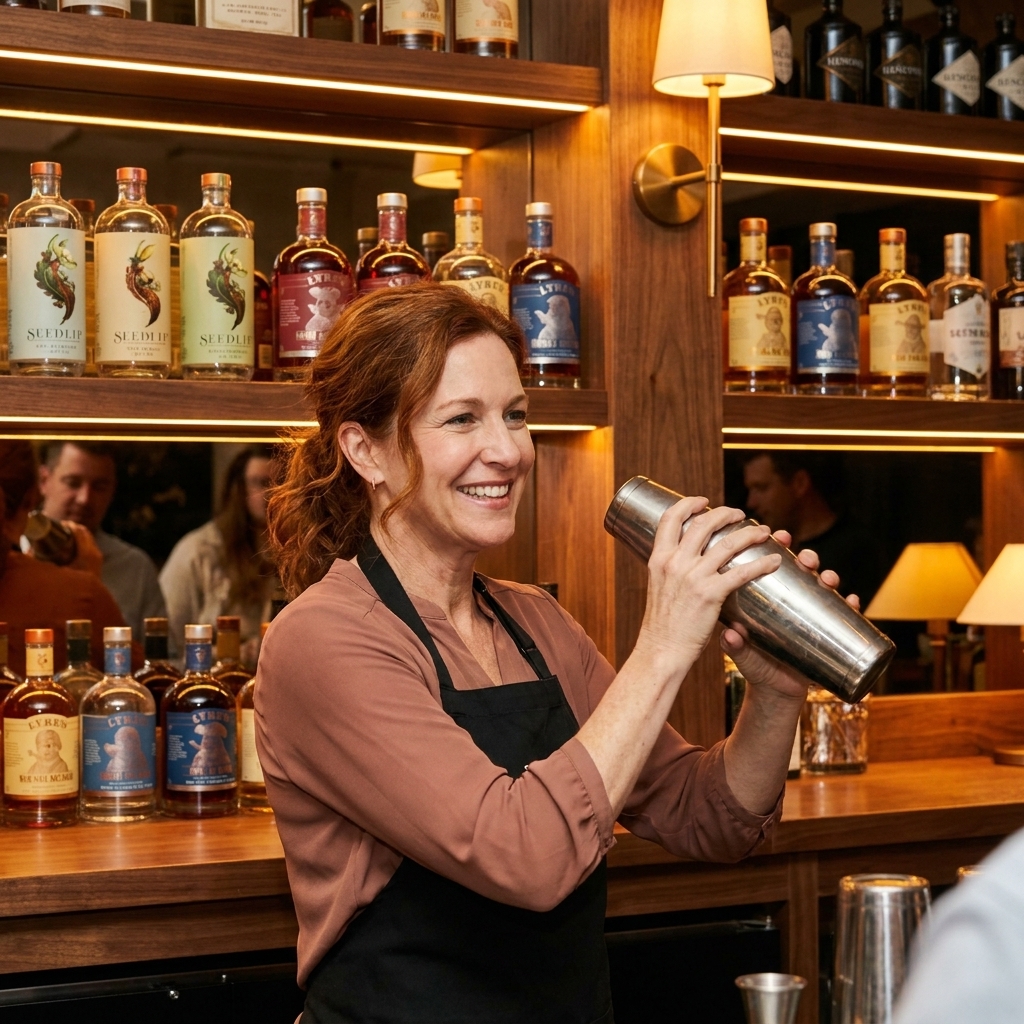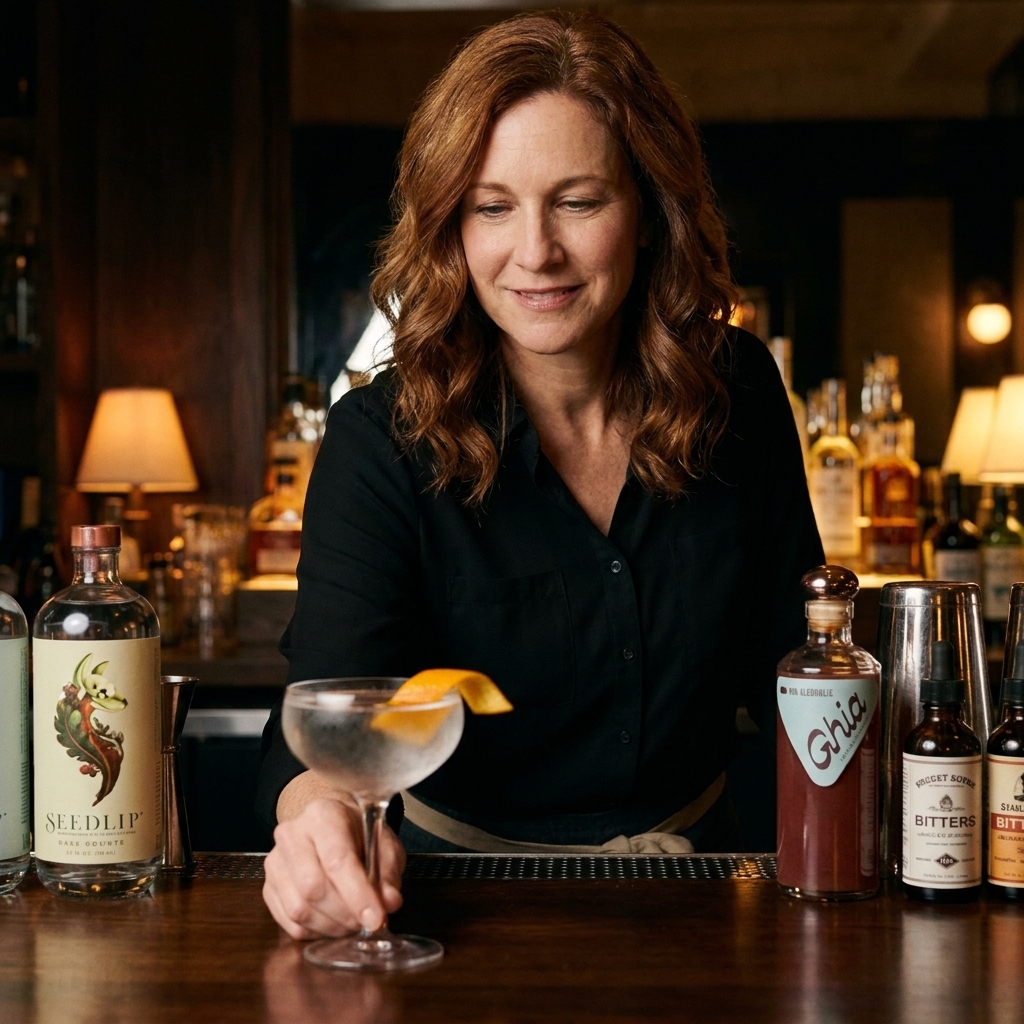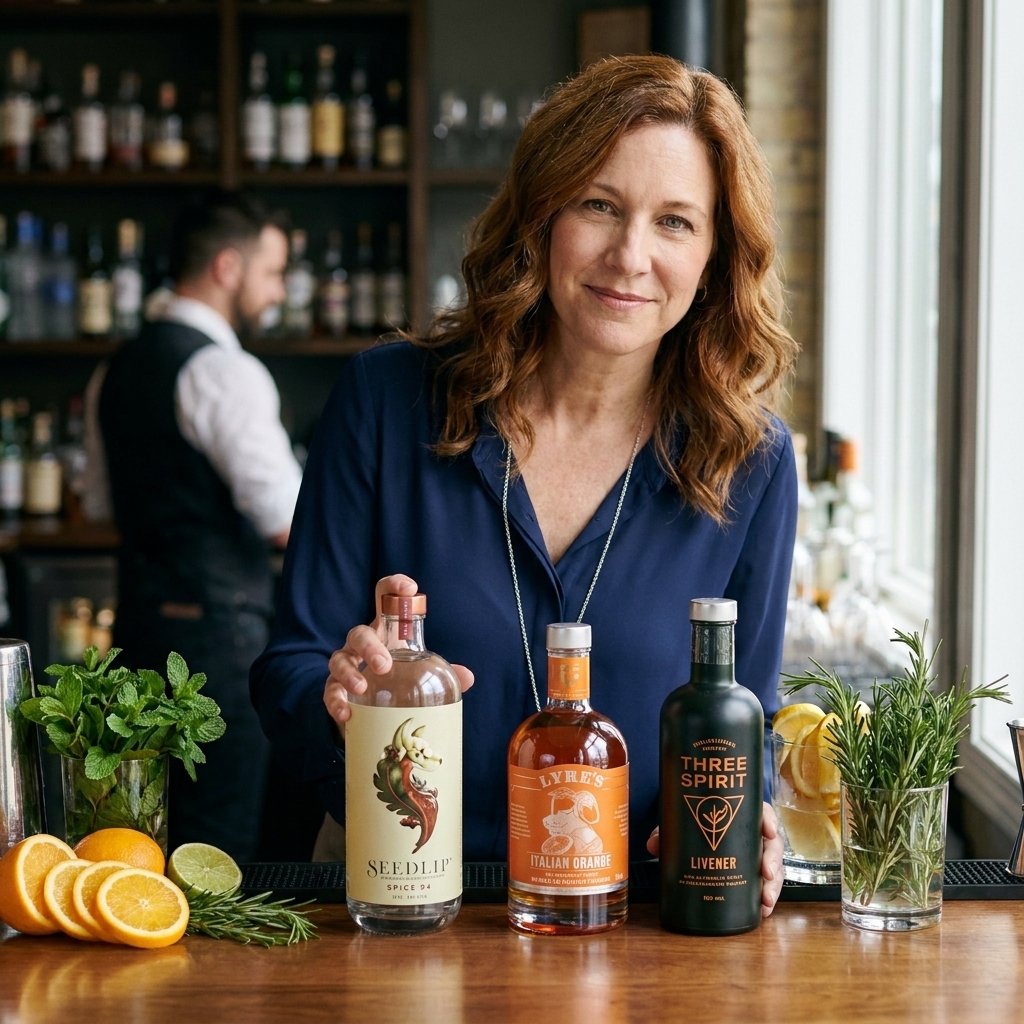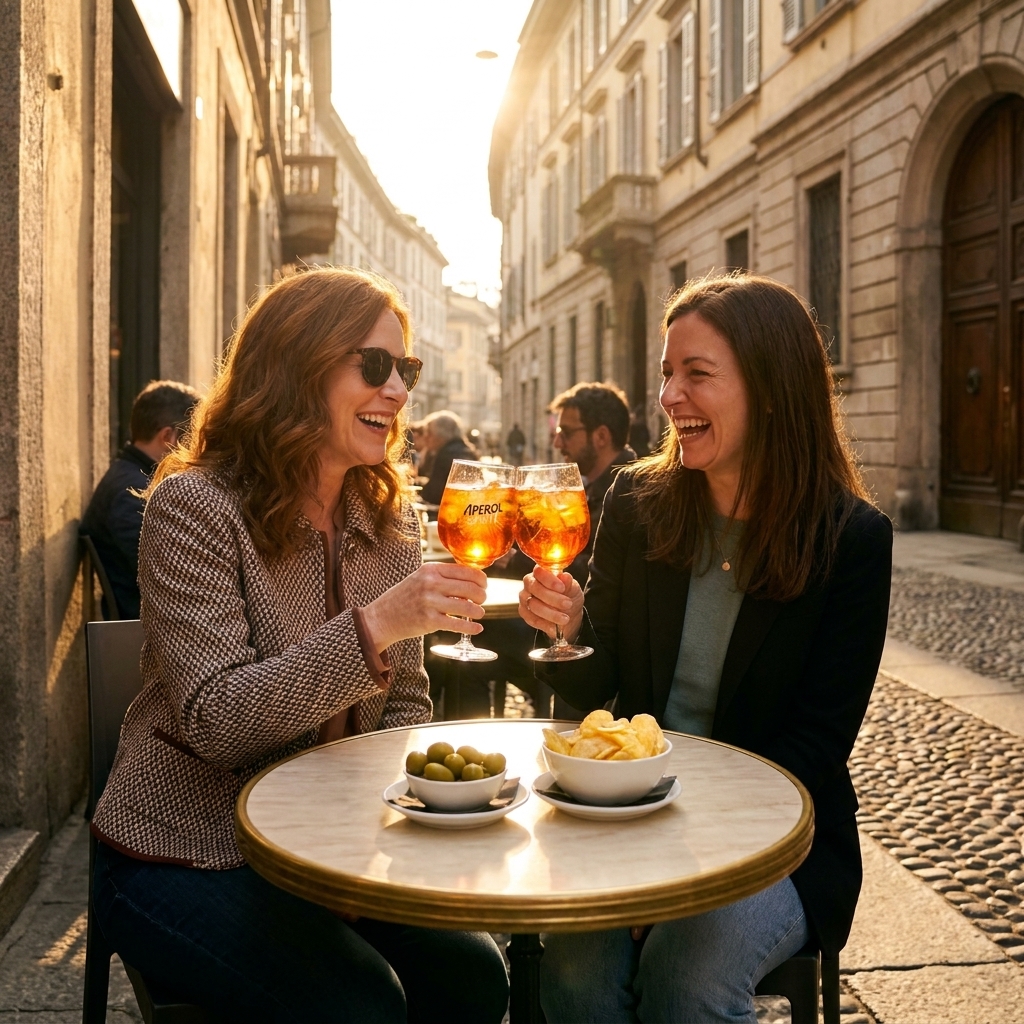
There was a time when asking for something non-alcoholic at a bar meant one of two things: a quick soda-gun cola, or a sad splash of cranberry in a rocks glass meant to pass for “grown-up.” Then the sober-curious wave rolled in, and suddenly the best bars I know started treating zero-proof with the same respect as a house martini.
From my side of the bar, the movement isn’t just about abstinence. It’s about options, pacing, mental health, and reclaiming nights out as something you can enjoy on your own terms. If you’re experimenting with drinking less, taking breaks, or building a life where alcohol isn’t the default social glue, here’s how to navigate it with confidence.
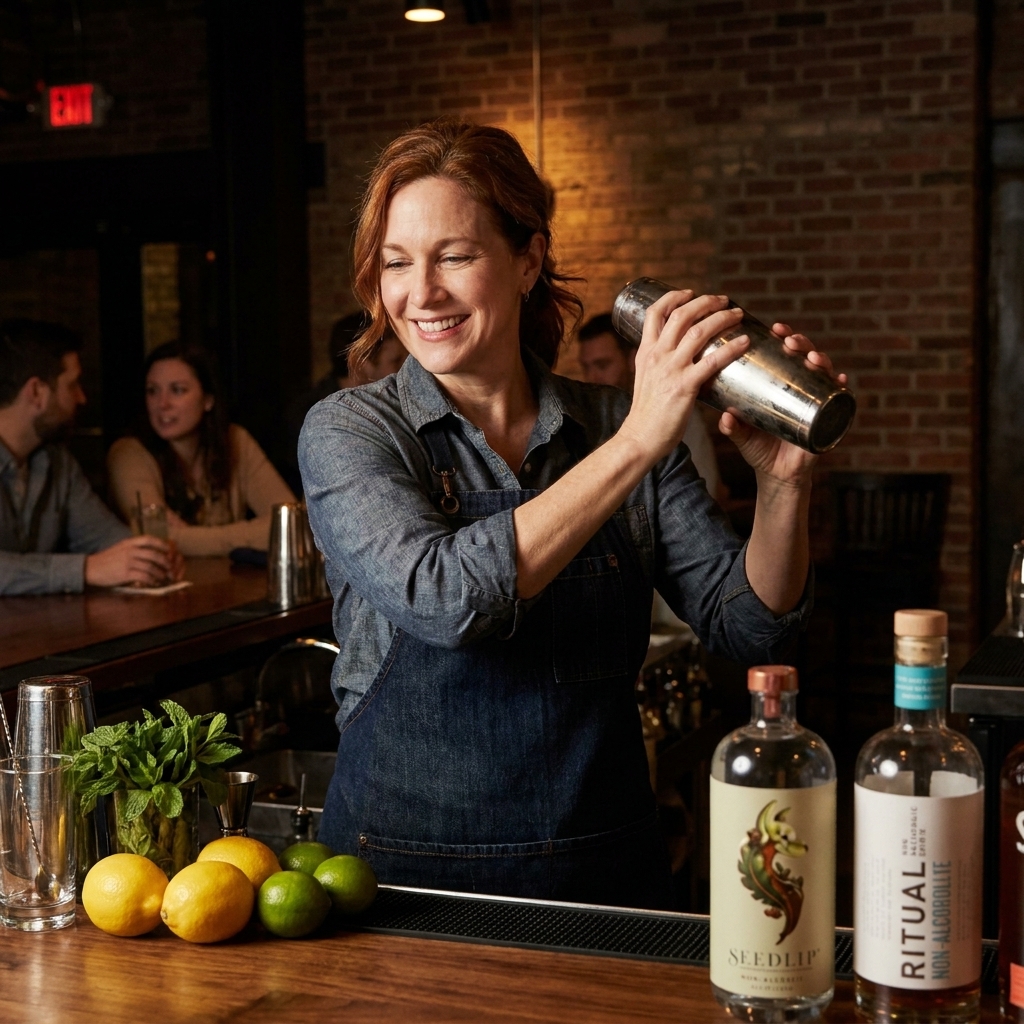
What “sober-curious” means
Sober-curious is less a label and more a question: What happens if I drink differently, or not at all, and still keep my social life, rituals, and sense of fun intact?
It can look like:
- Swapping in NA drinks some nights while still drinking alcohol other times.
- Choosing low-ABV and pacing with intention.
- Taking a month off, then reassessing what you miss and what you don’t.
- Being fully sober but not interested in making it your personality.
In hospitality, I’ve watched a lot of guests move quietly along that spectrum. The common thread is that they want beverages that feel considered, not like a punishment.
Why zero-proof tastes good now
The quality leap isn’t your imagination. Three things changed:
- Better products: NA spirits, amari-style alternatives, aperitif alternatives, hop waters, dealcoholized wines, and craft NA beers now have structure and aroma, not just sweetness. (And yes, they vary by brand and market.)
- Better technique: Bars started building zero-proof drinks the same way they build cocktails: acid balance, texture, dilution, garnish, and temperature.
- Cultural permission: In my experience, people are more open about anxiety, burnout, medications, training schedules, pregnancy, and allergies. “No thanks” is getting easier to say, and menus are catching up.
Also, let’s be honest: after years of staff-shift culture that treated drinking like an occupational requirement, a lot of industry folks are tired. Many of the most exciting zero-proof programs are built by bartenders who know exactly what alcohol can do to a body and a career.
How to order zero-proof
If you take nothing else from this guide, take this: you don’t need to apologize. The best bars want to take care of you, and the best bartenders love a clear, respectful request.
Use these simple scripts
- At a cocktail bar: “Can you make me a zero-proof drink that’s citrusy and not too sweet?”
- At a restaurant: “Do you have a spirit-free pairing or a couple NA options you’re excited about?”
- At a dive: “Can I do soda water with lime and a dash of bitters? If the bitters contain alcohol, no worries, just lime.”
- If you want something that looks like a cocktail: “I’m not drinking tonight, but I’d love something with the same vibe as a margarita or a spritz.”
Give one preference and one boundary
Bartenders can do a lot with very little info. Try: flavor preference plus a limit.
- “Herbal, not sweet.”
- “Something bitter and refreshing, no caffeine.”
- “Fruity is fine, but no pineapple.”
- “No alcohol at all, including bitters.”
NA vs zero-proof (quick guide)
Menus use these terms loosely, so it’s worth asking. Also, definitions and labeling rules vary by country and category.
- “Non-alcoholic”: In many markets (and commonly in the U.S.), this can mean very low alcohol, sometimes up to 0.5% ABV depending on product and local definitions.
- “Zero-proof” or “0.0”: Marketed as alcohol-free, but it’s not a regulated term everywhere, and some products can still have trace alcohol depending on production and testing thresholds.
If you’re avoiding alcohol completely for health, sobriety, or medication reasons, say so. A pro will treat that like an allergy ticket: clear, calm, and serious.
Social settings made easy
The hardest part of sober-curious life is rarely the beverage. It’s the social choreography.
Arrive with a plan
Decide ahead of time what “success” looks like. One NA beer? A full zero-proof night? Leaving at 11 instead of 1? When you define the win, you stop renegotiating every hour.
Hold something early
In busy rooms, people offer drinks to be hospitable, not invasive. Having a glass in your hand cuts down on questions. Order something immediately, even if it’s just sparkling water with citrus.
Use the simple no
- Simple no: “I’m good, thanks.”
- Soft redirect: “Not drinking tonight. Tell me what you’re ordering, I want the details.”
Most people just want to keep the conversation moving. Give them a lane.
Have a kind exit line
When you’re not drinking, the moment a room turns from fun to sloppy can feel loud. Pre-write a line you like:
- “I’ve got an early one tomorrow. This was so good, I’m heading out.”
- “I’m going to slip out before the vibe shifts. Text me when you get home.”
Spot a good NA program
Not all NA menus are created equal. Here are the tells that a bar is taking it seriously.
Signs it’s thoughtful
- Multiple builds: Not just one syrupy mocktail. You see stirred options, spritz-style options, something bitter, something spicy.
- Clear labeling: Zero-proof versus low-ABV is stated plainly.
- Ingredient integrity: Fresh juice, house-made shrubs, tea bases, verjus, or salted citrus. Not just soda and grenadine.
- Proper glassware and garnish: You’re not being banished to a pint glass like a time-out chair.
Questions that get you the best drink
- “What’s your favorite NA drink on the list?”
- “Do you have anything spirit-free that’s more bitter than sweet?”
- “Could you do a zero-proof version of your seasonal spritz?”
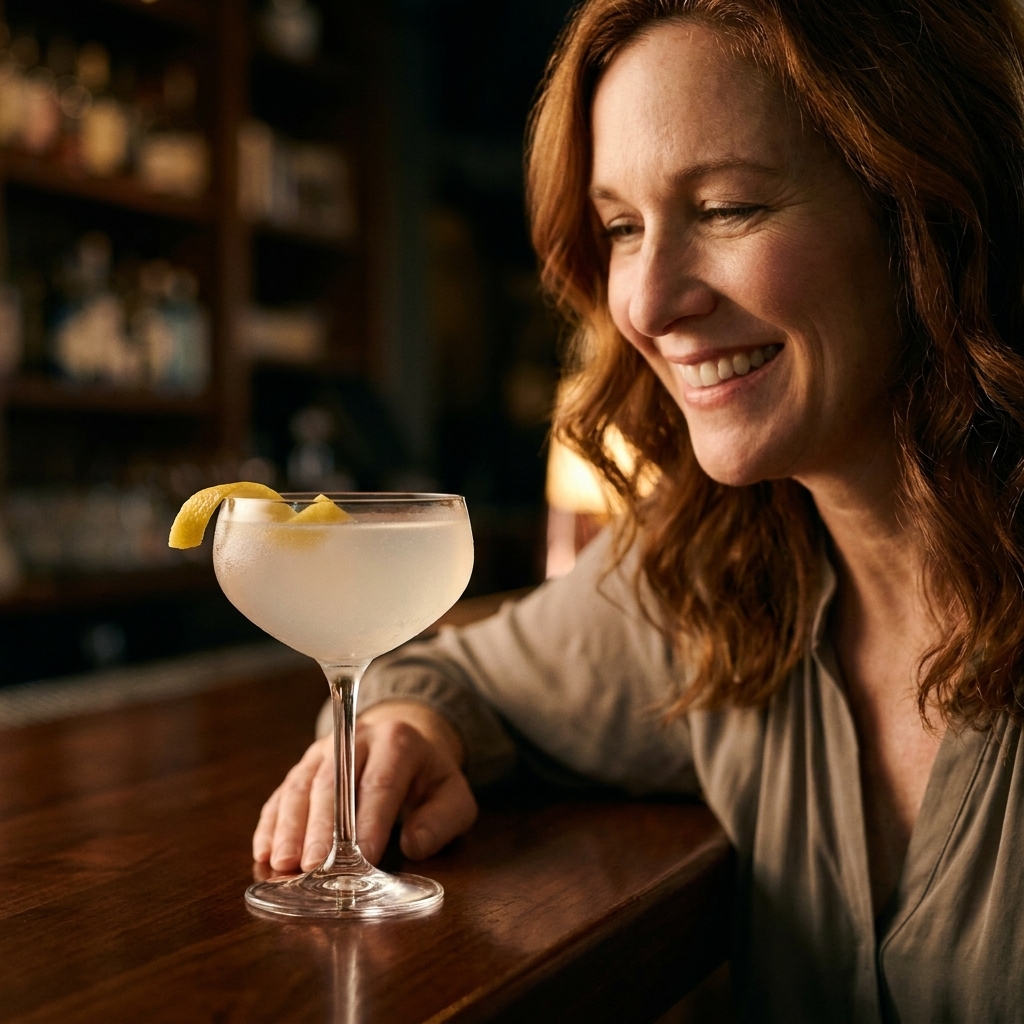
Hidden alcohol to watch for
If you need truly zero alcohol, a quick heads-up helps. Some “NA” staples can still contain trace amounts depending on how they’re made, stored, or labeled. Ask when it matters.
- Bitters: Often alcoholic, even when used in dashes.
- Dealcoholized wine: Frequently contains trace alcohol by definition in many places.
- Kombucha and other ferments: Can creep above “trace” depending on fermentation and time.
- Some NA beers and NA spirits: Some are 0.0, others are under a small threshold like 0.5%.
- House ferments and shrubs: Usually fine, but if a bar is fermenting in-house, it’s worth confirming.
At-home NA staples
You don’t need a bar cart overhaul. A few smart items build range quickly.
A simple home kit
- Something bubbly: club soda, mineral water, or a dry NA sparkling wine for special occasions.
- Acid: fresh citrus, or a bottle of verjus for softer wine-like tang.
- Bitterness: an NA aperitif alternative, or a hop water you genuinely like.
- Body: strong brewed tea (black, oolong, rooibos), or a little tonic syrup diluted with soda.
- Salt: a pinch makes flavors pop and helps NA drinks feel more “cocktail” than “juice.”
Two easy builds
Tea Spritz
- Chill strong black tea
- Add lemon
- Top with soda
- Finish with a pinch of salt and an expressed orange peel
Bitters-Style Highball (fully zero-proof)
- NA aperitif alternative
- Lots of ice
- Top with soda
- Grapefruit twist
Optional: a drop of saline solution if you keep it. If you don’t, a tiny pinch of salt works.
A quick balanced spec (for structure)
If you like a drink that tastes “built” instead of “blended,” try this template:
- 2 to 3 oz strong chilled tea (body)
- 3/4 oz citrus or verjus (acid)
- 1/2 to 1 oz NA aperitif or bitter alternative (bite)
- 1/4 oz simple syrup, optional (rounding)
- Shake with ice, strain, top with 1 to 2 oz soda (lift)
Restaurants and health needs
My gluten intolerance turned me into the person who asks questions early and clearly, because I’ve learned the hard way that ambiguity gets you hurt. Alcohol-free ordering benefits from the same energy.
If you’re avoiding alcohol for health reasons
Be direct and specific:
- “No alcohol at all, including bitters and anything made with alcohol.”
- “No dealcoholized wine if it contains trace amounts.”
A good team will confirm ingredients, check labels, and make you something safe and satisfying.
If you’re also navigating food allergies
NA drinks can include ingredients that intersect with allergens: malt-based beverages, flavorings, or specialty syrups. If you’re sensitive, ask what the base is and whether there’s cross-contact risk in their prep area.
Helpful question: “Is that NA beer gluten-removed or gluten-free?” Those aren’t the same, and the distinction matters for many of us.
Etiquette and tipping
If someone is building you a thoughtful drink, tip like it’s a cocktail. The labor is the same: technique, prep, glassware, cleanup, hospitality. In some bars, the NA ingredients cost just as much as spirits.
Also, don’t be surprised if NA cocktails cost close to the regular ones. You’re paying for the build, not the buzz. If you want something simpler or cheaper, just say, “Can you do something easy, like soda with citrus?” and you’ll get taken care of.
If you’re ordering a simple soda water, still tip, especially if you’re camping at the bar during peak hours. Hospitality is a relationship, not a transaction.
The best part of drinking less
The sober-curious shift can feel like you’re giving something up, until you realize what you’re getting back: sharper mornings, steadier mood, more money in your pocket, fewer awkward texts, and a stronger read on what you actually enjoy about going out.
A lot of us were never chasing alcohol. We were chasing connection, ritual, a third place, a little sparkle on a Tuesday. Zero-proof drinks, when they’re done well, keep the sparkle and ditch the collateral damage.
FAQ
Are non-alcoholic drinks always alcohol-free?
No. In many markets (and commonly in the U.S.), some products labeled non-alcoholic can contain trace alcohol, often up to 0.5% ABV depending on local norms and category rules. If you need truly alcohol-free, ask for zero-proof or 0.0 and confirm ingredients like bitters, dealcoholized wine, kombucha, and “NA spirits.”
What should I order at a bar with no NA menu?
Go classic: soda water with lime, tonic with citrus, ginger beer, or a well-made lemonade cut with soda. If the bartender is game, ask for something “spirit-free, not too sweet” and give a flavor direction like herbal or citrus.
How do I handle friends who keep pushing drinks?
Keep it brief and consistent: “Not tonight, but thank you.” Then redirect to something else. If it keeps happening, that’s data about the friendship dynamic, not a test you need to keep passing.
Is it okay to ask for a mocktail at a high-end restaurant?
Absolutely. More and more serious restaurants build zero-proof pairings and NA cocktails with real care. If you want the best experience, ask what the beverage team is most excited about right now, and mention whether you need 0.0 or you’re fine with trace amounts.