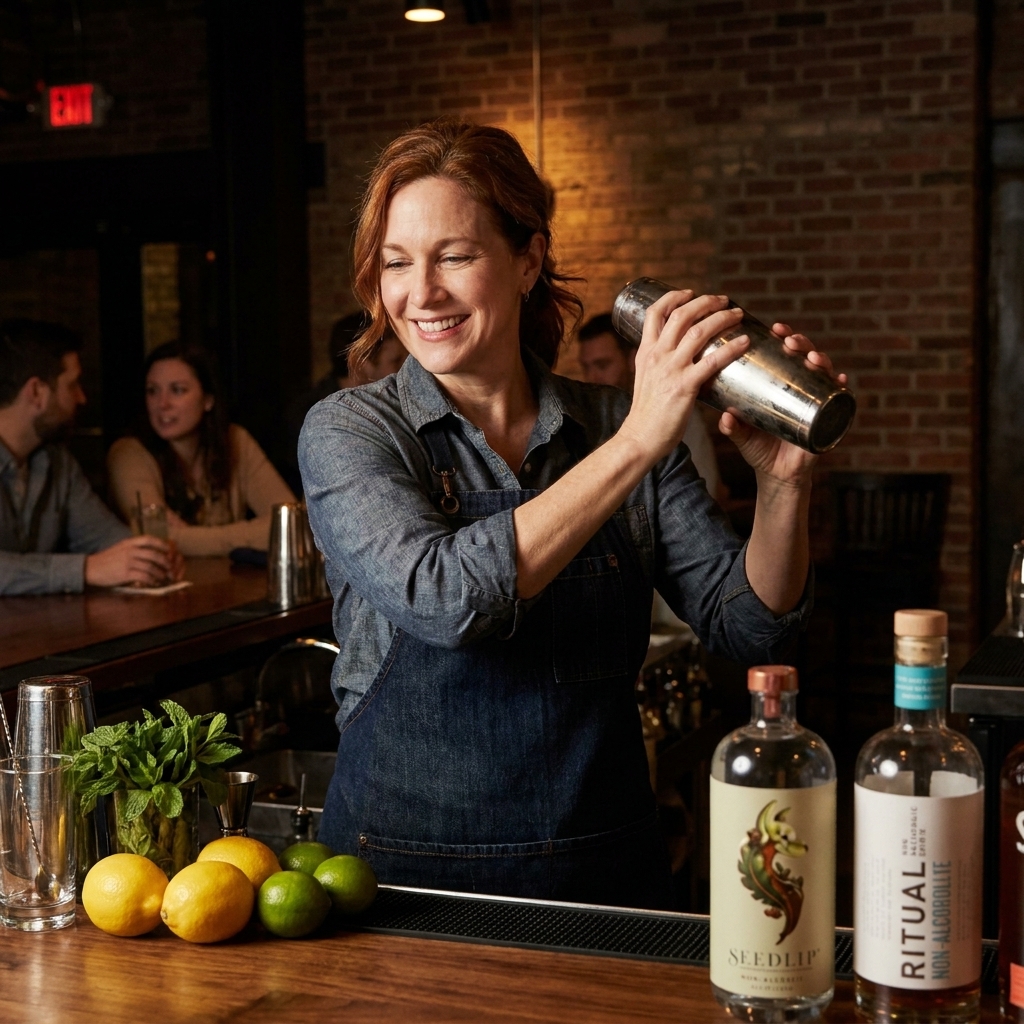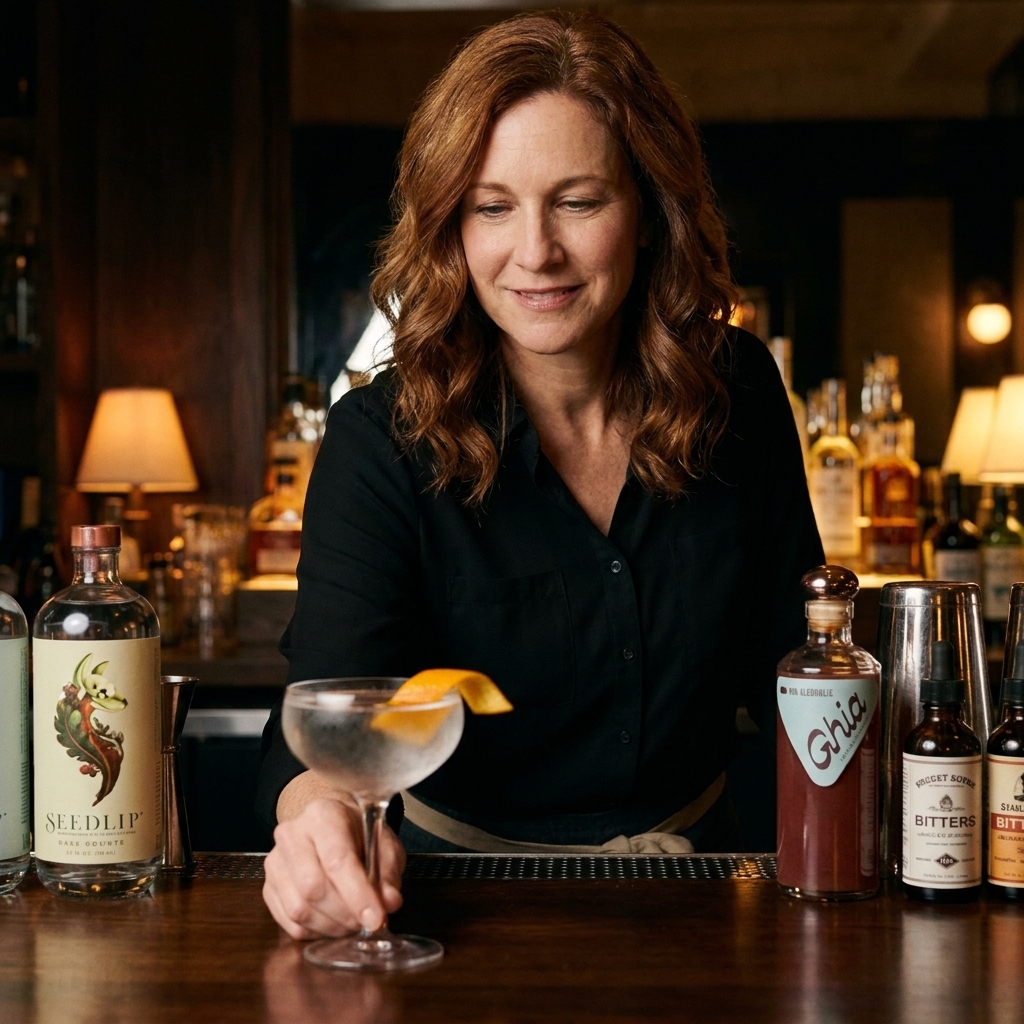
Ordering nonalcoholic at a restaurant used to feel like choosing between soda water and, if you were lucky, a lonely ginger beer. Now most good bars can build you something thoughtful. The catch is that menus have not always caught up, and “zero-proof” can mean anything from a $14 craft mocktail to a juice-and-syrup sugar bomb.
Here’s how I size up a nonalcoholic drink the same way I would a cocktail or glass of wine: start with the vibe, choose a flavor profile, then ask one or two smart questions so the bartender can land the plane.
Start with the feeling you want
Before you scan the menu, decide what role the drink should play. This takes the pressure off “finding the best mocktail” and turns it into a simple match-making exercise.
- Aperitif energy: bitter, bubbly, citrusy, low sweetness. Think spritz-adjacent.
- “Cocktail hour” depth: stirred, herbal, smoky, tea-forward, a little bite.
- Food-friendly: acidity, tannin-like grip, restrained sugar, maybe a little salinity.
- Dessert or treat: creamy, tropical, spicy-sweet, dessert-adjacent.
- I just need something cold: high carbonation, long drink, light flavors.
Pro tip from behind the stick: if you tell a bartender how you want it to drink, you’ll get a better result than if you say “surprise me.”
Pick a flavor profile
Most nonalcoholic drinks land in a few reliable lanes. If the menu is vague, these profiles help you translate what you like into an order that makes sense.
Bitter and bubbly
What it tastes like: spritz-y, grown-up, appetite-opening.
Common ingredients: tonic water, citrus, bitter aperitif alternatives, hops, gentian, grapefruit, orange, verjus.
Order it when: you want something that reads like a cocktail, not a juice.
Herbal and complex
What it tastes like: garden-y, botanical, layered, often less sweet.
Common ingredients: rosemary, basil, thyme, mint, cucumber, celery, NA botanical spirits or distillates, chamomile, sage, bay leaf.
Order it when: you miss gin and tonics or you want “depth” without booze.
Citrus-forward and bright
What it tastes like: zingy, clean, refreshing.
Common ingredients: lemon, lime, yuzu, calamansi, grapefruit, soda, ginger, simple syrup, salted rims.
Order it when: you want a thirst-quencher that still feels intentional.
Spicy and gingery
What it tastes like: bite, heat, a little burn that mimics alcohol’s “presence.”
Common ingredients: ginger beer, fresh ginger, chili tincture, black pepper, cayenne, cinnamon, clove.
Order it when: you want that bracing snap and a slower sip.
Tea-driven and tannic
What it tastes like: structured, dry-ish, wine-adjacent.
Common ingredients: black tea, oolong, lapsang souchong, cold brew tea, verjus, shrubs, pomegranate, grape, NA bitters or bitters-style drops.
Order it when: you’re eating something rich and want “grip” instead of sugar.
Fruity and tropical
What it tastes like: juicy, sunshine-y, often sweeter.
Common ingredients: pineapple, passionfruit, mango, coconut, orgeat, lime, soda.
Order it when: you actually want a treat, not a stand-in.
Know the building blocks
Not all zero-proof drinks are created equal. These are the components that usually separate a thoughtful NA cocktail from “juice in a fancy glass.”
Acid: the food-friendly secret
Acidity is what makes drinks feel crisp and keeps sweetness in check.
- Fresh citrus: bright, immediate, great for sours and highballs.
- Verjus: tart grape juice used in kitchens and bars, often reads wine-like.
- Shrubs: vinegar-based fruit syrups, tangy and complex.
Bitterness: the grown-up switch
Bitterness adds structure. If you like amaro, negronis, or spritzes, ask for something bitter.
- NA aperitif alternatives: gentian, orange peel, quinine-style bitterness.
- Hops: dry, floral, pleasantly bitter without tasting like IPA unless it’s meant to.
- Bitters note: classic cocktail bitters often contain alcohol, even when used in dashes. Many bars also carry NA bitters or “bitters-style” drops, so if you need 0.0%, it’s worth confirming which they use.
Texture: bubbles, foam, and weight
Alcohol can add body, but it is not the only source. Sugar, tea tannin, salt, glycerin in some NA spirits, and even a little foam can all help a drink feel substantial.
- Carbonation: club soda, tonic, mineral water.
- Foam: aquafaba or egg white in some bars for sours.
- Body: tea, cold brew, coconut water, or a touch of salt.
Sweetness: control it early
Many NA drinks get heavy-handed with syrups because sugar is easy. If you do not like sweet drinks, say so up front. “Lightly sweet” is the magic phrase.
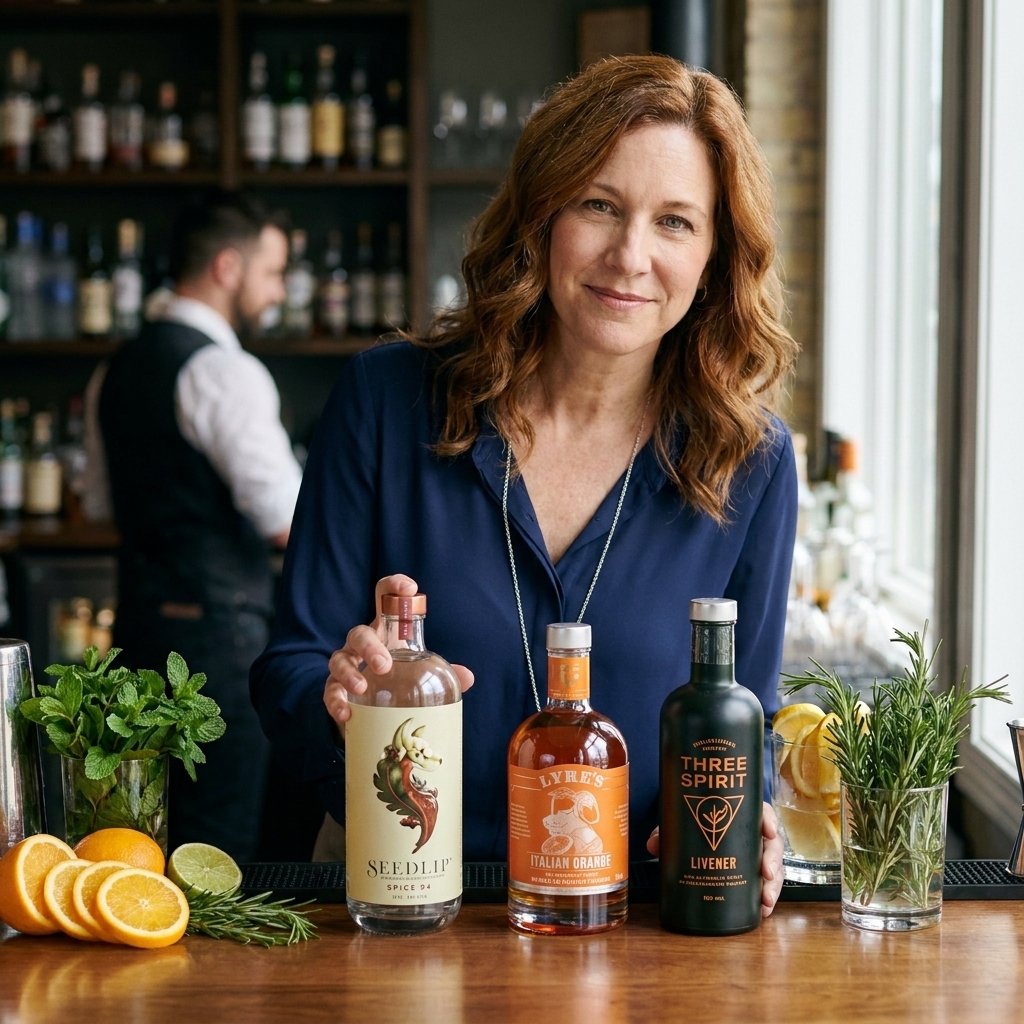
Zero-proof spirits: helpful, not required
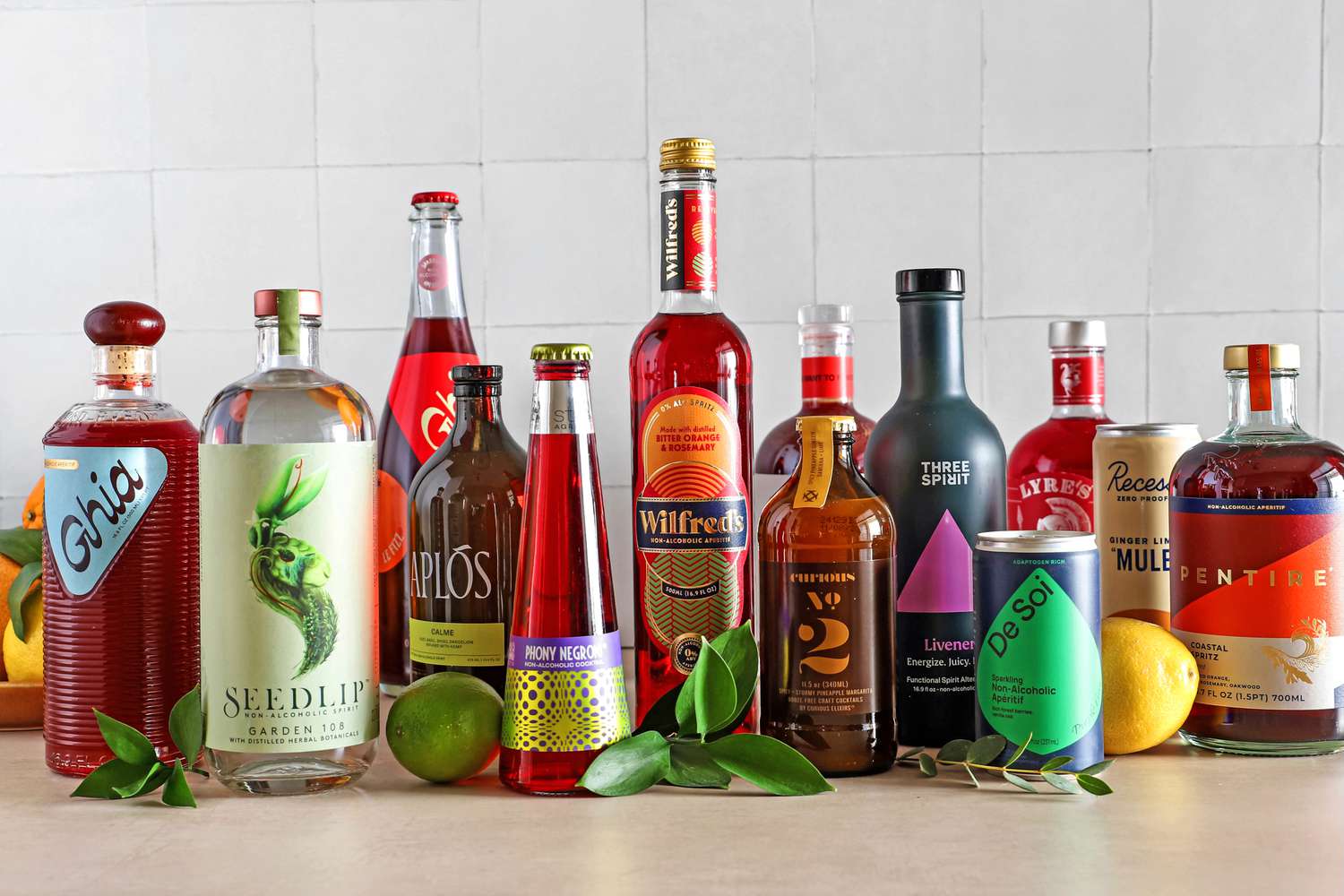
NA “spirits” can add aroma and complexity, but they vary wildly.
- Botanical (gin-like): great in highballs and herb-forward drinks.
- Amaro-like: good for bitter, aperitif styles.
- Whiskey-like: often best when mixed with tea, spice, or smoke notes.
If a menu lists an NA spirit by name, that’s usually a sign the program is intentional. If it just says “zero-proof spirit,” it’s fair to ask which one.
What to ask when it’s vague
Asking questions is not “being difficult.” It’s how you get what you actually want. Keep it simple and specific.
Three questions that work
- “Is it sweet, tart, or more bitter?” This immediately tells you if it fits your palate.
- “What’s the base?” You’re listening for tea, verjus, NA aperitif, fresh citrus, or basically “juice and syrup.”
- “Can you make me something spirit-forward and not too sweet?” Great if you want a stirred-style vibe.
If you are avoiding alcohol completely
Some guests are fine with “NA” products that may contain trace alcohol, others are not. It’s okay to be direct:
- “Does this contain any alcohol at all, even trace amounts?”
- “Are you using regular bitters, or NA bitters?”
- “Is this 0.0% or dealcoholized?”
In many places, “nonalcoholic” and “0.0%” are labeled differently, and rules can vary by country and brand. Even some 0.0% products can have tiny trace amounts depending on production and testing thresholds, so if it matters for you, ask to see the label or have the staff confirm.
Watch for fermented options
Kombucha, kefir soda, tepache, and other fermented “adult” NA drinks can also contain trace alcohol, even when they are marketed as nonalcoholic. If you need 0.0%, treat these like a label-check situation.
Caffeine check
If you are avoiding caffeine at dinner, mention it. A lot of the best NA drinks are tea or cold-brew based.
If you have allergies or sensitivities
Speaking as someone who learned the hard way, mocktails can be sneaky. Syrups, bitters-style drops, flavored sodas, and “house mix” can hide allergens.
- Ask: “Is anything pre-batched?” and “Can you check the ingredients on the syrup?”
- Watch for: orgeat (almond), “nut foam,” oat milk, and malt-derived sweeteners like malt syrup or barley malt. Also note that some ginger beers and specialty sodas use flavorings or shared facilities, so if cross-contact is a concern, say so.
- If cross-contact matters: ask whether shakers and tools are shared with drinks containing your allergen.
Ordering by venue
Wine bar
Wine bars are getting better at NA pairings, but the menu might still be short. You have a few strong plays:
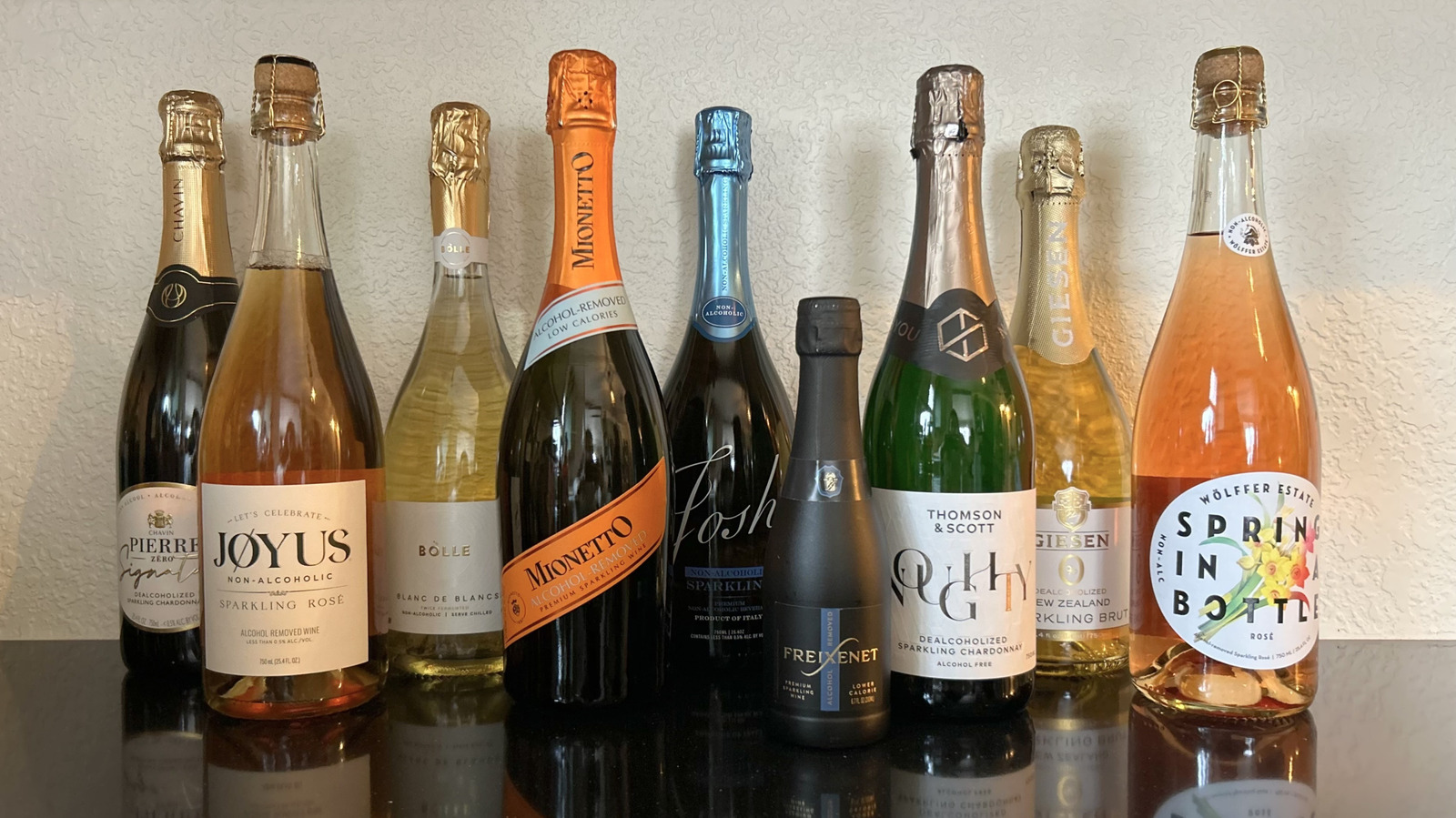
- Ask for an NA by-the-glass equivalent: “Do you have a nonalcoholic sparkling, white, or red?”
- Lean into acidity and tannin: tea-based spritzes, verjus soda with citrus, or a shrub and sparkling water.
- If you want a pairing experience: “Can you suggest something NA with the same vibe as a crisp white?”
Example orders:
- “A dry, bitter NA spritz with citrus, not sweet.”
- “Sparkling water with verjus, a pinch of salt, and a grapefruit twist.”
- “A black tea and pomegranate highball with lots of bubbles.”
Cocktail lounge
This is where you can ask for the feeling of a classic cocktail, just without alcohol. Most good lounges have the tools: shrubs, house syrups, teas, and often NA spirits.
Example orders by classic template:
- NA Margarita vibe: “Something tart and saline with lime, maybe a little jalapeño, and not too sweet.”
- NA Negroni vibe: “Bitter, orange-forward, stirred, served on a big rock.”
- NA Mojito vibe: “Mint, lime, lots of crushed ice, light sweetness.”
- NA Old Fashioned vibe: “Tea-based, a little smoky or spiced, orange peel, served in a rocks glass.”
One bartender-to-guest translation tip: If you miss “boozy warmth,” ask for ginger, black pepper, chili, or a smoky tea note. That sensation is often what people are actually craving.
Dinner restaurant
Dinner spots vary the most. Sometimes you’ll get a dedicated zero-proof list. Sometimes it’s “We have Coke products.” When options are thin, focus on drinks that will work with food.
- Best all-purpose move: soda water with citrus and NA bitters or bitters-style drops, if they have them.
- For richer food: black tea, oolong, or a shrub-based drink for structure.
- For spicy food: cucumber, mint, lime, and bubbles, keep sweetness low.
- For steakhouse vibes: ask for something stirred, smoky, or tea-forward in a rocks glass.
Example orders:
- “Can you do a not-too-sweet ginger-lime highball with club soda?”
- “I’d love something with tea or verjus that drinks more like wine.”
- “Anything bitter and bubbly as an aperitif?”
Menu red flags
I say this with love for every busy service well: sometimes the NA section is an afterthought. Here’s how to spot a drink you might not enjoy, and what to ask for instead.
- Red flag: Every NA drink is built on juice and simple syrup.
Fix: Ask for citrus plus soda, or a shrub, or add herbal notes like cucumber and rosemary. - Red flag: The description is only vibes: “fresh,” “bright,” “uplifting.”
Fix: Ask, “Is it more tart or more sweet?” and “What’s the base?” - Red flag: It’s priced like a cocktail but sounds like lemonade.
Fix: Ask if it includes an NA spirit, house shrub, or specialty ingredients. If not, consider a simpler highball you’ll actually love. - Red flag: Everything is sugary, and you want dry.
Fix: Say “very low sugar” and steer toward bitter, tea, verjus, or tonic.
Ready-to-use scripts
If your mind goes blank at the table, steal these. They are clear, fast, and bartender-friendly.
- “I’m not drinking tonight. Can you make me something bitter and bubbly, not sweet?”
- “Do you have anything NA that’s tea-based or wine-adjacent?”
- “I’d love an NA cocktail with herbs and citrus. Light sweetness.”
- “Could you do a spicy ginger drink with lots of carbonation?”
- “I have a gluten issue. Can you confirm the syrups and mixers are gluten-free, and whether anything is malt-derived?”
FAQ
Are mocktails always nonalcoholic?
Usually they are alcohol-free, but menu language is inconsistent. Some “spirit-free” drinks may still include alcohol-containing bitters, tinctures, or fermented components. If you need 0.0%, confirm the ingredients.
What’s the difference between zero-proof and nonalcoholic beer?
In many markets, “nonalcoholic” beer is dealcoholized and can be up to 0.5% ABV, while “0.0%” is intended to be alcohol-free. Labels and regulations vary by country and brand, and trace amounts can happen, so check the label if you need to be strict.
How do I avoid an overly sweet NA drink?
Say “not sweet” or “lightly sweet,” then ask for bitterness, tonic, tea, verjus, or a shrub. Those ingredients keep a drink structured without leaning on sugar.
What if the restaurant has no NA cocktails?
You can still get a good drink: soda water plus citrus, a ginger beer with lime, tonic with grapefruit, or iced tea with lemon. If the bar has herbs, ask for mint or rosemary to elevate it.
The bottom line
A great nonalcoholic drink is not a consolation prize. It’s a well-balanced beverage with the same things we chase in cocktails and wine: acidity, bitterness, aroma, texture, and a sense of occasion. Tell your server what you like, ask one or two smart questions, and let the bar do what it does best: take care of you.