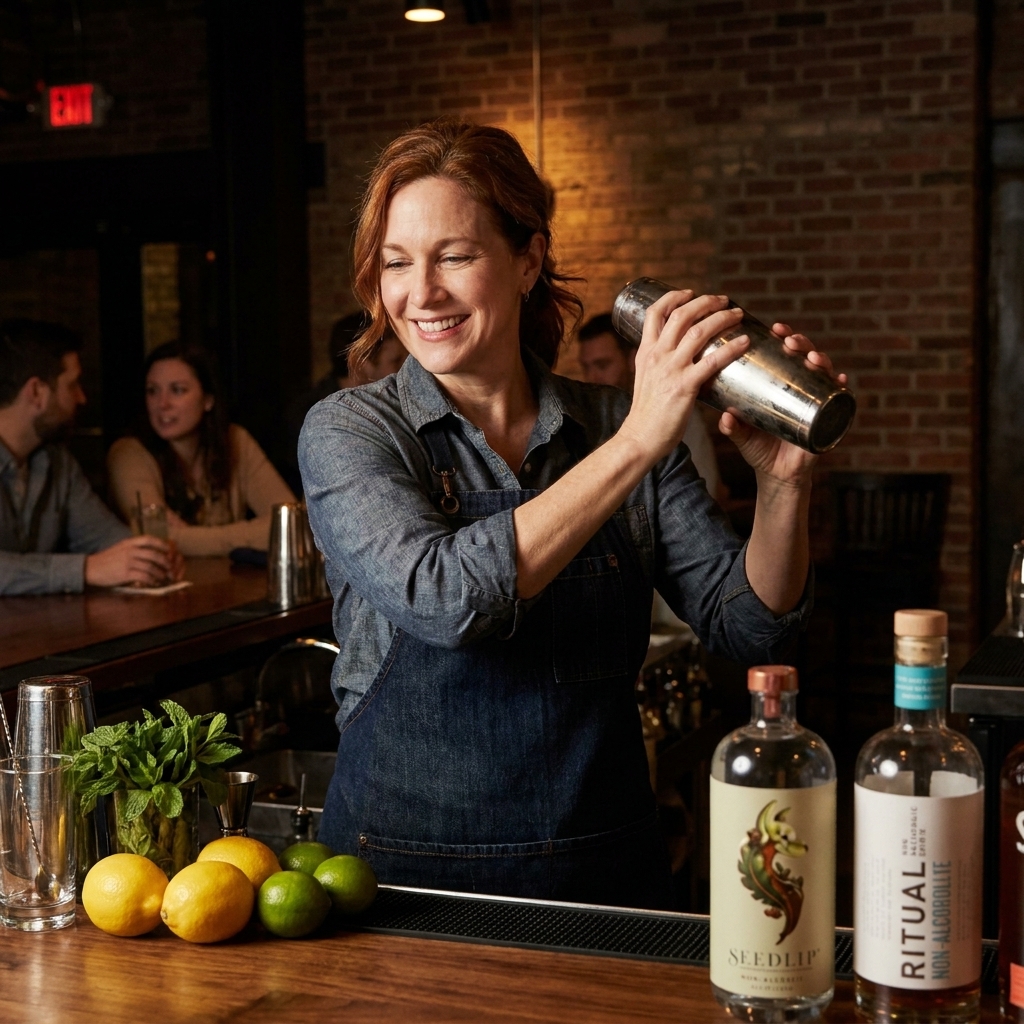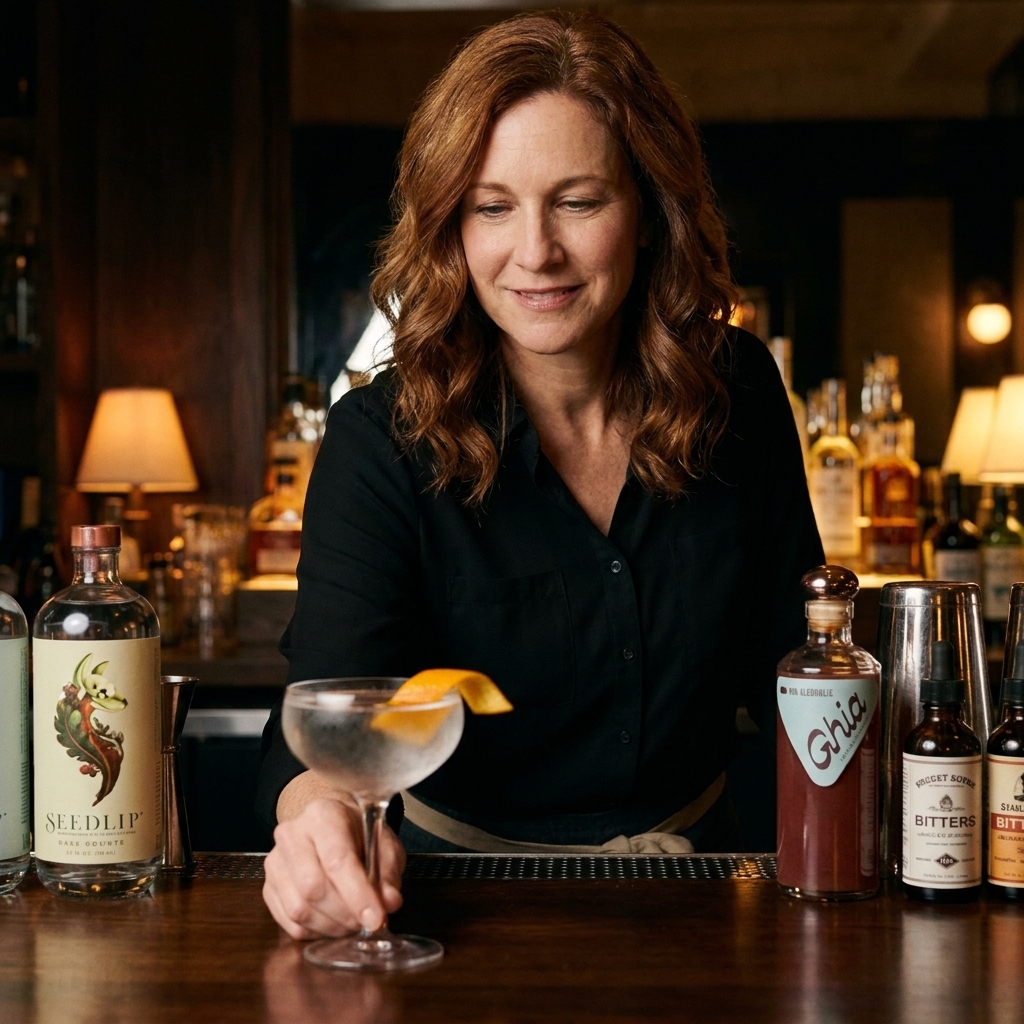
There is a particular kind of relief that hits when you walk into a bar and realize you do not have to explain yourself. No “just one?” No nervous laugh when you order something that is not boozy. In a dedicated zero-proof bar, the default is care: for your pace, your budget, your boundaries, and the fact that you still want the night even if you do not want the alcohol.
As a former beverage director, I love a well-built cocktail. As a person who has watched far too many brilliant hospitality people burn out, I also love anything that makes going out feel safer and more sustainable. The sober curious movement is not one story, and it is definitely not a moral hierarchy. It is a permission slip: to experiment, to opt out, to come back in, to choose differently at different seasons of your life.
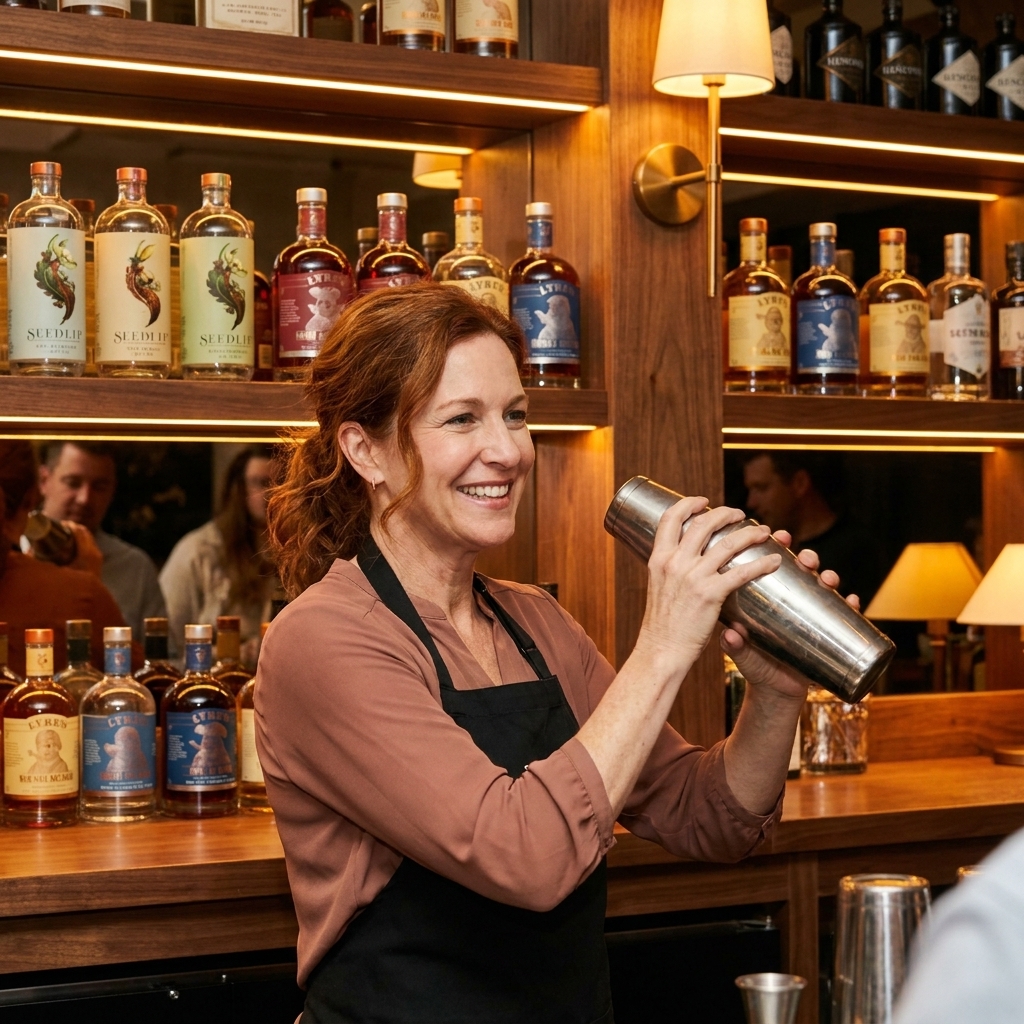
This guide is for anyone walking into a non-alcoholic bar, tasting room, or “mostly NA” menu for the first time and wondering what to order, what questions are normal to ask, and what great zero-proof hospitality actually looks like.
What “sober curious” means
Sober curious is less a label and more a practice. It is the decision to examine how alcohol shows up in your life without automatically committing to a forever identity. Some people are taking a break. Some are cutting back. Some are sober and want more places that do not treat sobriety like an afterthought. Some are pregnant, training, on medication, managing anxiety, navigating recovery, or simply not in the mood.
What matters is that the sober curious movement has widened the cultural script: you can still dress up, meet friends, flirt, celebrate, and linger at the bar without a drink that makes tomorrow feel like a tax.
Quick language note
I will use NA as shorthand for non-alcoholic. “Zero-proof” often implies no added alcohol, but in practice, venues vary. If you need 0.0% specifically, it is always worth confirming.
Zero-proof bars vs. NA options at regular bars
- Zero-proof bar: Alcohol-free by design. Think full cocktail program, but without ethanol. Some are fully 0.0%, others are mostly 0.0% with clearly labeled items that may contain trace ABV (from ferments or certain packaged products).
- NA-friendly bar: A traditional bar with thoughtful non-alcoholic cocktails, beers, wines, and spirit-free builds. Quality varies wildly, so it helps to know what to look for.
Why zero-proof bars are growing
When I built beverage programs, alcohol was often treated as the engine of margin, which quietly shaped everything: staffing, pacing, even how long a table was “allowed” to linger. Zero-proof spaces are rewriting that equation. They are proving that hospitality can be profitable without intoxication as the primary product.
And yes, they are showing up everywhere. You can see it in the dedicated NA bottle shops, the expanded shelf space for NA beer and spirits, and the way more restaurants now carry a real zero-proof list instead of one syrupy “mocktail.” The demand is not theoretical. People are ordering.
They also create a third space for people who have historically had to choose between staying home or white-knuckling a bar environment. That is a big deal, culturally and emotionally. It changes who gets to participate in nightlife.
What to look for
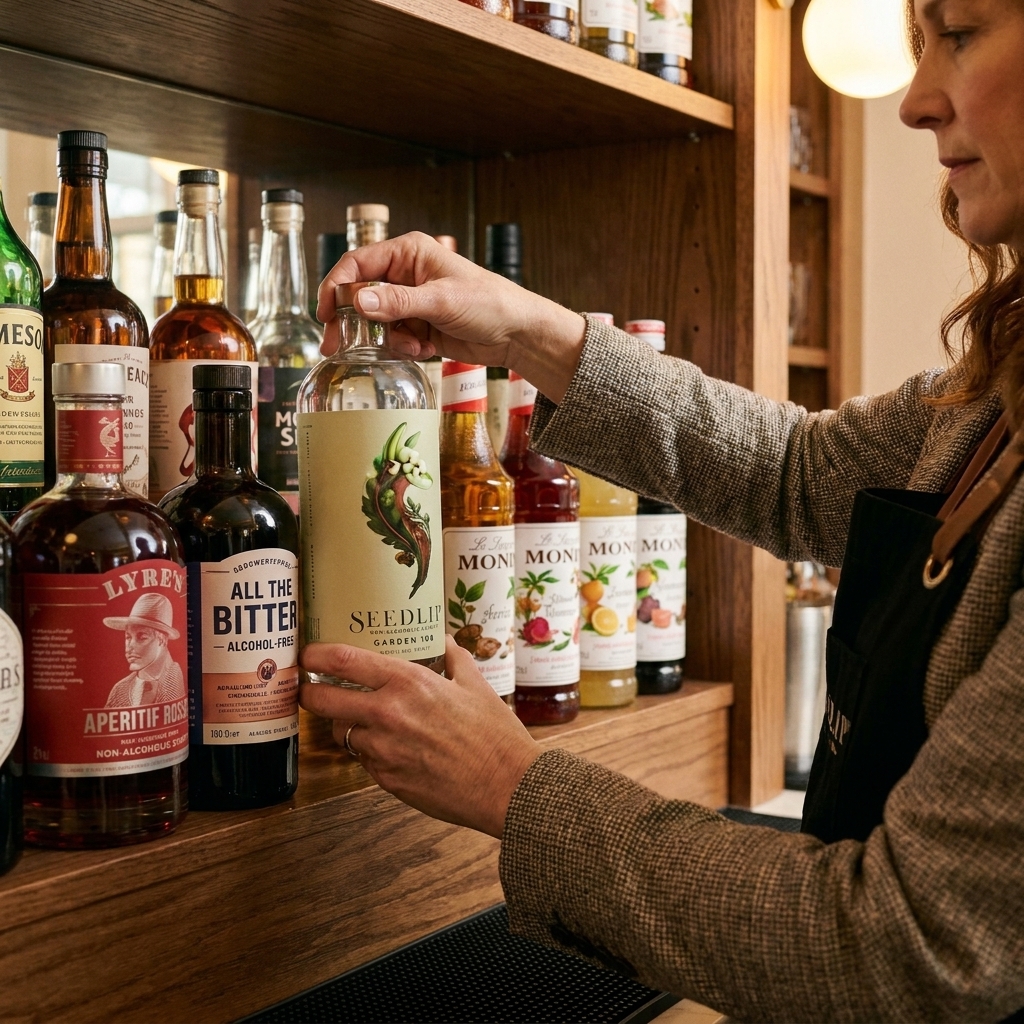
Not all NA programs are created equal. Some places are doing serious culinary work in a coupe glass. Others are pouring expensive soda and calling it a day. Here is how to tell the difference without needing a sommelier badge.
1) A menu with intention
The best zero-proof menus are not “vodka drinks without vodka.” They are built for balance: acid, sweetness, bitterness, texture, aroma, and length.
- Green flags: house-made syrups, seasonal ingredients, bitter components (amaro-style NA spirits, gentian, tea tannins), and drinks that sound like food, not punishment.
- Yellow flags: every drink is a fruit puree plus soda, or the menu leans hard on candy flavors without structure.
2) Backbone: bitter, tannin, spice
Alcohol adds body and heat, so a thoughtful zero-proof bar replaces that structure with other tools: strong tea, verjus, shrubs, hop extracts, pepper heat, ginger, toasted spices, saline, or vinegar-driven brightness.
If the menu mentions things like oolong, lapsang, hojicha, verjus, hop water, or gentian, you are probably in good hands.
3) Glassware and ritual
We do not go out solely for liquids. We go out for ceremony. A proper rocks glass, a big clear cube, a citrus expression over the top, a small side glass of something bubbly. These details tell your nervous system: you are included.
4) Pricing that feels honest
Zero-proof cocktails are often priced close to alcoholic cocktails because labor, rent, glassware, prep, and staff are still real. That said, the bar should be able to articulate what you are paying for: specialty NA spirits, house ferments, small-batch syrups, or culinary ingredients.
A $14 drink can be fair. A $14 drink that is essentially lemonade can feel like a broken promise.
5) Staff that can talk about it
Great NA hospitality is calm and confident. Bartenders should be able to answer questions like:
- Is this 0.0%, or does it include trace ABV items?
- Does anything contain trace alcohol from fermentation, extracts, or packaged NA products?
- What is the drink’s flavor profile (bitter, bright, herbal, smoky)?
- Can you make it less sweet or more spirit-forward?
6) Red flags
- Unclear labeling when you ask about 0.0% versus trace ABV.
- Staff who get dismissive, defensive, or jokey about sobriety.
- Fermented ingredients on the menu with no ability to clarify whether they are tested or quantified.
- A “mocktail” list that reads like soda specials, with no bitterness, tannin, or culinary structure.
How to order
You do belong there. But ordering can still feel vulnerable, especially if you are used to hiding in plain sight with a beer.
Start with how you want to feel
If you do not know what to pick, give the bartender a direction:
- “I want something bracing and bitter.” (Think spritz-adjacent, aperitif vibes.)
- “I miss the burn of a stirred drink.” (Think spice, tea tannin, oak, and stirred builds.)
- “I want tropical, but not sugary.” (Think acid balance, salt, and fresh juice restraint.)
- “I want something celebratory.” (Think bubbles, citrus, and aromatics.)
Stirred vs. shaken
- Stirred NA drinks tend to feel silkier, clearer, and more “spirit-forward,” often leaning on tea, bitter aperitifs, or oak-driven NA spirits.
- Shaken NA drinks tend to feel brighter and more aerated, often built on citrus, fruit, and botanicals for lift and texture.
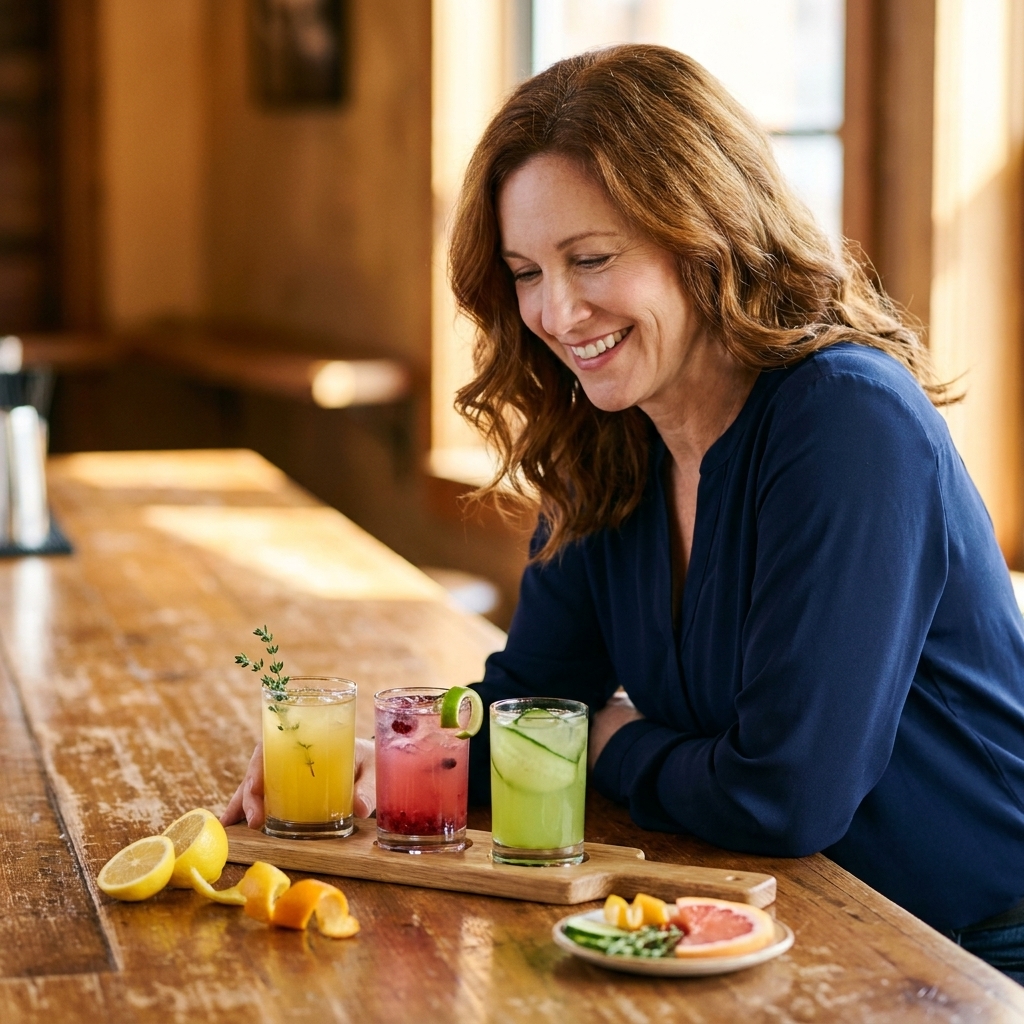
Ask for a half-pour or a flight
Many zero-proof bars offer tasting flights. If they do not, it is still fair to ask: “Can you do a smaller pour so I can try a couple things?” The worst they can say is no. The best they can say is “Absolutely,” and now your night is an adventure.
The zero-proof toolkit
Here are the building blocks you will see again and again, plus what they contribute. This is the stuff that separates a zero-proof cocktail from fancy juice.
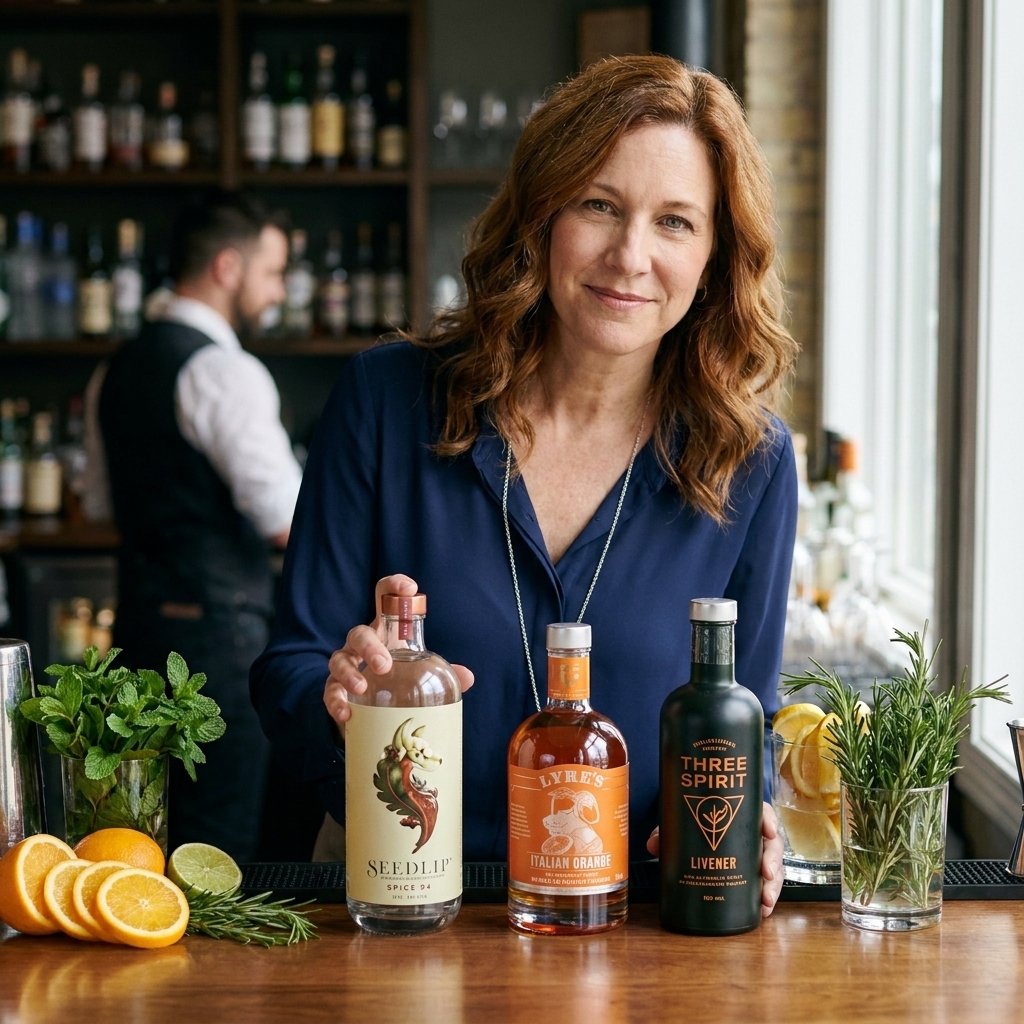
NA spirits and aperitifs
- Botanical “gin-style” spirits: juniper, citrus peel, herbs. Great for highballs and crisp builds.
- Aperitif and amaro-style NA spirits: bitterness and depth, often gentian-root forward.
- Whiskey-style NA spirits: oak, spice, smoke. Many rely on extracts, glycerin for body, capsicum heat, or smoke notes rather than true distillation or long aging. When they work, they are excellent in stirred builds. When they do not, they can read a little flat, so ask what the bartender likes them in.
Bitters, but make it zero-proof
Traditional cocktail bitters are typically alcohol-based. Great NA programs either use alcohol-free bitters or bitters-style tinctures built from teas, glycerites, vinegar infusions, or concentrated botanicals. If you avoid alcohol completely, this is a smart thing to confirm.
Tea, coffee, roasted elements
Tea brings tannin, which mimics some of the grip people miss from alcohol. Cold brew, hojicha, and roasted barley can add a “dark” note without sweetness.
Acid beyond lemon and lime
- Verjus: tart grape juice that reads wine-adjacent.
- Shrubs: drinking vinegar, fruity and punchy.
- Citric and malic acids: used carefully, they give clean, bright structure.
Bubbles with a point of view
Look for soda blends, hop waters, tonic variations, and NA sparkling wines that are dry and food-friendly.
NA beer and NA wine notes
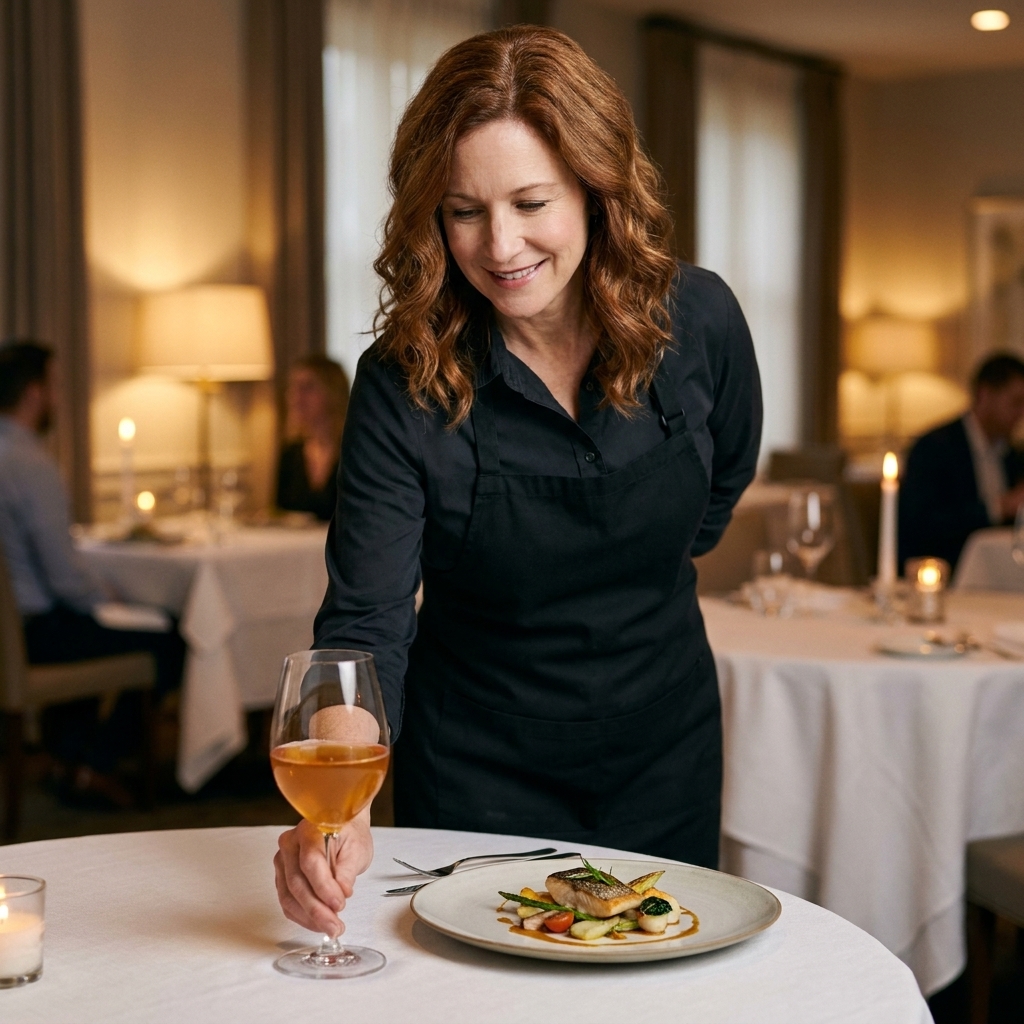
NA beer can be shockingly good now, especially crisp lagers, hop-forward styles, and dark beers that already have roasted complexity. NA wine is improving fast, but dealcoholized wine can read more acidic, more aromatic, or a little sweeter than you expect. Serving temp helps: keep whites and bubbles cold, and do not be afraid to ask for a wine-style NA option with food.
Safety and inclusivity
I developed a severe gluten intolerance a few years ago, and it changed how I read menus forever. Zero-proof does not automatically mean allergen-safe. Some NA products use flavorings, extracts, or processing aids that are not obvious. And cross-contact is real, especially if a bar shares tools with alcoholic service.
If you avoid gluten
- Ask whether any NA beers are gluten-removed versus truly gluten-free.
- Confirm ingredients in syrups and bitters-style products. Some contain malt or barley-derived components.
- Ask how the bar prevents cross-contact with shakers, strainers, and garnish stations if they also serve alcohol.
If you avoid alcohol completely
Some “non-alcoholic” products can contain trace ABV because of fermentation or botanical extraction, and legal definitions vary by region and labeling category (for example, 0.0%, under 0.5%, or “dealcoholized”). A good bar should be ready for this question. Ask:
- “Is everything here 0.0%, or are there items with trace ABV?”
- “Do you use house ferments like kombucha or tepache, and if so, are they tested or quantified?”
- “Do any bitters, tinctures, or rinses contain alcohol?”
If you are pregnant, in recovery, or on medication
You deserve clarity without interrogation. A good bar will guide you to 0.0% options and avoid alcohol-adjacent cues if you request that, like drinks designed to mimic specific spirits. Your comfort comes first.
If you are sensitive to caffeine or adaptogens
Some NA menus include strong tea, coffee, or adaptogen blends (like ashwagandha or other botanicals). If you are sensitive, pregnant, or managing medication interactions, ask what is in the glass. It is a normal question.
Etiquette
One of my favorite things about zero-proof spaces is that they give groups a new kind of rhythm. You can actually hear each other. You can eat. You can go dancing and remember the song you loved.
If you are the only one not drinking
- Order what you want with the same confidence you would order a martini.
- Keep a drink in hand if it helps you feel less “observed,” but do not let anyone pressure you into a pace you did not choose.
- Tip like you would anywhere else. You are still receiving skilled service.
If you are bringing friends who do drink
- Pick a spot that is explicitly welcoming to mixed groups, or plan a two-stop night.
- Do not turn someone’s zero-proof order into a debate topic.
- Match the vibe. If the room is quiet and tasting-focused, treat it like a listening bar, not a pregame.
Tasting rooms
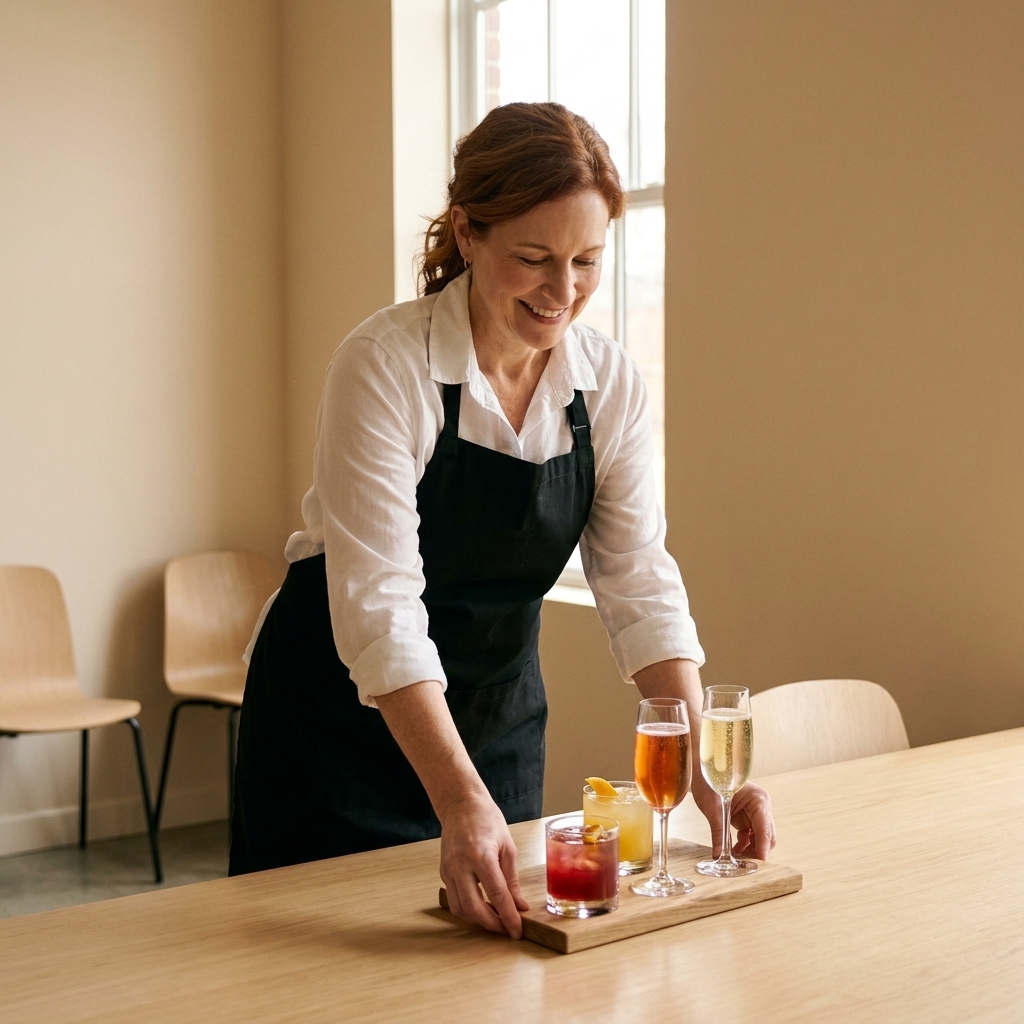
Tasting rooms are where the movement gets deliciously nerdy. You might see NA “spirits” built from botanical distillates or extracts, dealcoholized wines, aperitif flights, and blends with functional ingredients, plus snacks designed for pairing.
Here is what a great tasting experience includes:
- Guided flavor language that focuses on sensory notes, not virtue.
- Small pours that let you compare styles and find what you actually like.
- Food pairings that take NA drinks seriously, especially salty, fatty, or spicy bites that make bitterness and acidity shine.
Build your night
If you are sober curious, the goal is not to replicate your old drinking life perfectly. It is to design a night that feels good in your body and your brain.
A plan that works
- Start somewhere easy: pick a bar with a real NA menu, not a single mocktail called “Berry Bliss.”
- Eat early: snacks are not a failure. They are strategy.
- Choose two drinks: one bitter or spirit-forward, one bright or bubbly. This keeps your palate engaged.
- Have an exit line: “I am heading out, early morning tomorrow” is a complete sentence.
If you want the barstool experience
Sit at the bar. Talk to the bartender. Ask what they are excited about. You will often get the best drink when you give a pro permission to nerd out.
FAQ
Are zero-proof drinks always alcohol-free?
No. Some products labeled “non-alcoholic” may contain trace ABV due to fermentation or extraction, and the exact threshold depends on where you are and how the product is labeled (0.0%, under 0.5%, dealcoholized). Some zero-proof venues are fully 0.0%, others are mostly 0.0% with clearly labeled trace-ABV items. If you need to avoid alcohol completely, ask.
Why do zero-proof cocktails cost almost as much as regular cocktails?
You are paying for the same labor, prep, rent, and hospitality, plus specialty NA spirits and ingredients that can be expensive. The best bars deliver value through complexity, balance, and service, not just a tall sweet drink.
What should I order if I miss a martini or an old fashioned?
Look for stirred, spirit-forward builds that use tea tannin, oak, bitters-style botanicals, and spice. Ask for something “stirred, bitter, and not sweet,” and you will land in the right neighborhood.
Can I bring someone who is drinking to a zero-proof bar?
Often yes, depending on the venue’s policy. Some are strictly alcohol-free spaces, others welcome mixed groups but keep the menu zero-proof. Check ahead if it is for a special occasion.
How do I know a bar takes allergens seriously?
Ask specific questions: ingredients in syrups and bitters-style products, whether any NA beers are gluten-removed, and how they prevent cross-contact at the garnish station and with tools. A good team will answer without defensiveness.
The bottom line
Zero-proof bars are not a consolation prize. When they are done well, they are some of the most thoughtful beverage programs in the room, full stop. They let us keep the best parts of going out: the music, the stories, the people, the ritual. Just with clearer mornings and fewer rules about who gets to belong.
If you are sober curious, consider this your invitation to take up space at the bar, order something beautiful, and let the night be exactly what you need it to be.