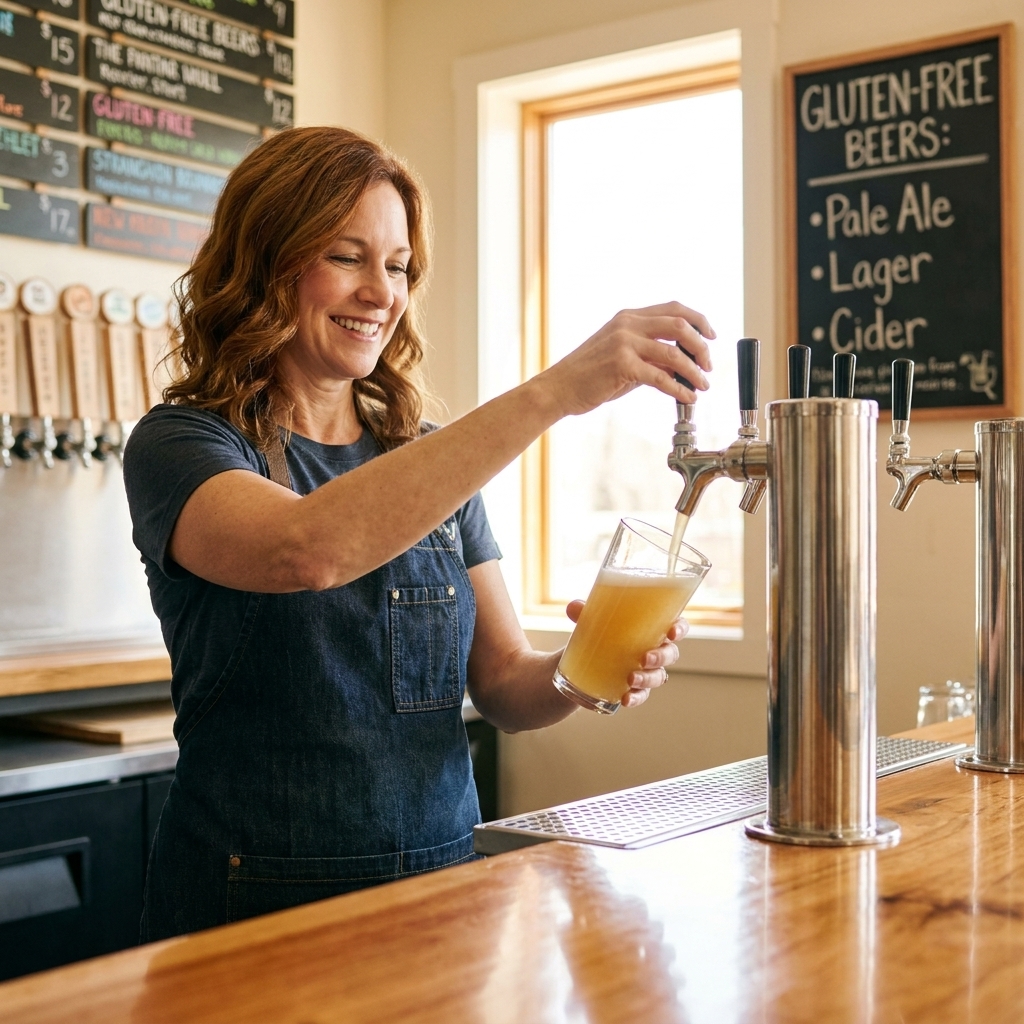
I didn’t become gluten-intolerant until after I’d already built a career around recommending the perfect pint. Suddenly, the casual “Yeah, I’ll do a beer” moment came with a tiny mental checklist: What’s actually safe? What’s processed? What’s a marketing phrase? And will this drink taste like I’m being punished?
The good news is that inclusive brewing has grown up fast. Today’s gluten-free options are not just “acceptable.” Some are legitimately craveable, built with intention, and served by producers who understand that safety is not a preference and that trust is the whole product.

Below is a curated list of the best gluten-free craft beers and hard ciders I’d happily pour for friends, guests, and fellow sensitivity-conscious drinkers. I’ll also walk you through what to look for on labels and what to ask when you’re ordering out.
First, a quick reality check
In beer world, there are two lanes that get lumped together. The distinction matters because what feels “fine” for one person can be a bad night (or worse) for someone with celiac disease.
- Gluten-free beer: Brewed without gluten-containing grains, usually using sorghum, millet, rice, buckwheat, or other alternatives. This is typically the safer choice for people with celiac disease or high sensitivity, though individual tolerance varies and you should follow medical guidance.
- Gluten-removed (or gluten-reduced) beer: Made from barley or wheat, then treated with enzymes intended to reduce gluten (often by breaking it down). These beers may test low on some assays, but fermented and hydrolyzed products can be tricky to measure and may still contain immunogenic gluten fragments for some people with celiac disease. Treat this category as its own thing, not a synonym for gluten-free.
Concrete example: Omission is one of the most common “gluten-removed” brands you’ll see in the wild. If you are highly sensitive, that name is a good cue to pause and double-check your comfort level.
For this list, I’m focusing on gluten-free beers brewed without barley or wheat, plus hard ciders that are typically gluten-free but still deserve scrutiny for cross-contact and add-ins.
Top gluten-free beers worth chasing
Gluten-free beer has historically had a reputation for being thin, overly sweet, or oddly metallic. The best producers solved that by getting serious about malt alternatives, hopping strategy, and fermentation practices. Here are the standouts.
Glutenberg (Canada)
If you miss classic beer structure, Glutenberg is the brand I point to first. They build body and balance in a way that reads “real beer” rather than “substitute.”
- Try: Blonde Ale for easy sipping, IPA for hop bite, Stout when you want roasted depth.
- Why it stands out: Clean finishes and a convincing malt backbone without barley.
- Best for: People who used to order a “normal” beer and just want that feeling back.
Ghostfish Brewing Company (Seattle, Washington)
Ghostfish feels like what happens when a brewer refuses to accept limitations. They are a dedicated gluten-free brewery, and the results are layered and bar-worthy.
- Try: Watchstander Stout for roasty comfort, or their rotating ales if you like exploring.
- Why it stands out: Big flavor, thoughtful technique, and a track record that has earned real trust in the community.
- Best for: Stout lovers and anyone who misses “brewery night” energy.
Ground Breaker Brewing (Portland, Oregon)
Ground Breaker is a pioneer in gluten-free craft brewing, and you can taste the years of dialing it in. Their beers often lean nuanced rather than loud.
- Try: Their seasonal releases and pale ale styles when available.
- Why it stands out: Balanced profiles and an actual sense of craft, not just compliance.
- Best for: Drinkers who like subtlety and food-friendly pints.
Otherwise Brewing (San Francisco Bay Area, California)
Otherwise is part of the newer wave of dedicated gluten-free producers that feel modern, design-forward, and culinary in the best way. The beers are made to be enjoyed, not white-knuckled.
- Try: Their lagers and pale ales for a crisp, clean hang.
- Why it stands out: Bright, contemporary profiles with real drinkability.
- Best for: Lager people and patio-season loyalists.
Redbridge (Anheuser-Busch)
Sometimes you are at a stadium, a chain restaurant, a wedding bar, or an airport situation where “craft” is more of a personality trait than a menu category. Redbridge is one of the more widely available beers brewed to be gluten-free, and that accessibility can be the difference between having an option and having to sit out.
- Try: Redbridge when the venue’s “GF beer” is actually gluten-removed.
- Why it stands out: It is easy to find in conventional venues.
- Best for: Travel days, events, and anywhere the tap list does not love you back.
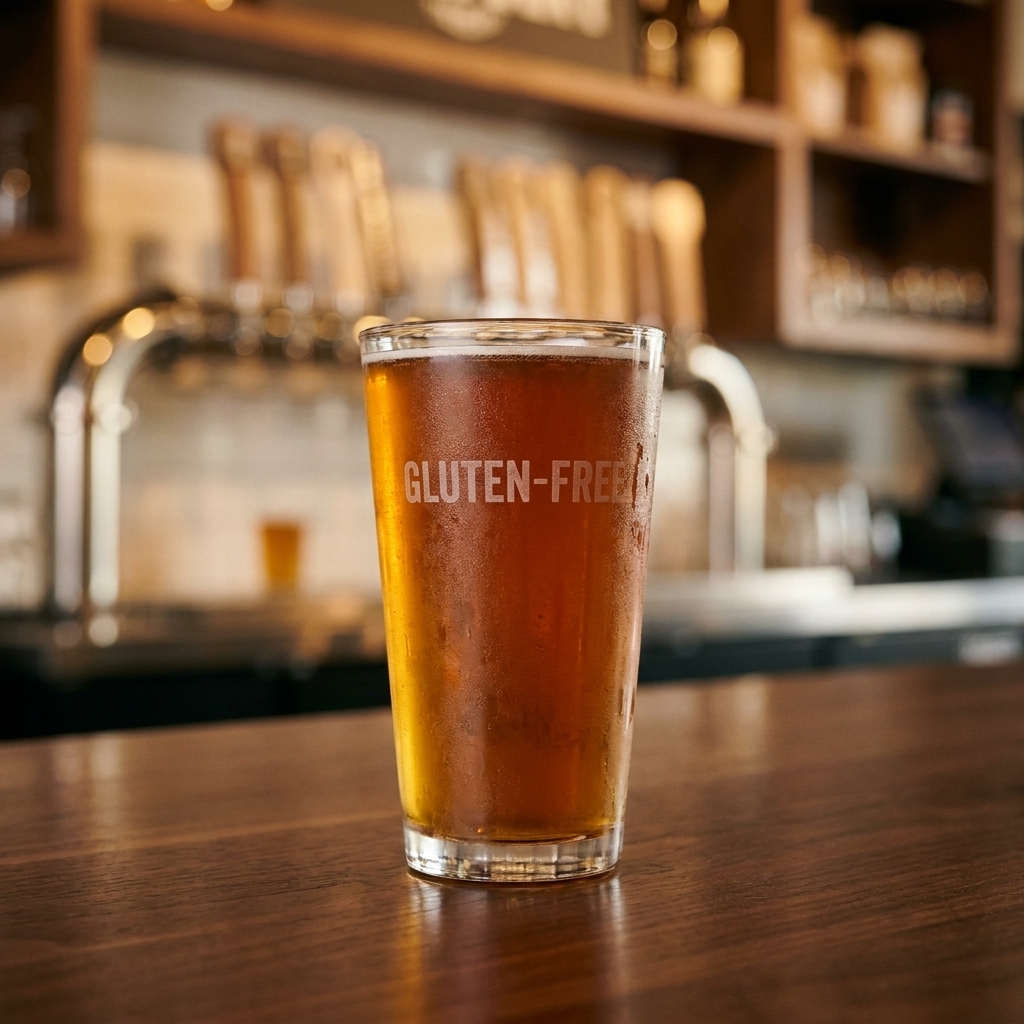
How to find these in your market: Availability changes by distributor and region. Start with bottle shops that curate craft and NA options, ask if they can special order, and check each brewery’s “beer finder” tool if they have one. If the staff cares about beverage culture, they usually care about access, too.
Top hard ciders for gluten-free drinkers
Most cider is fermented apples and yeast, so it is typically gluten-free. “Typically” is not “guaranteed,” especially when producers add flavorings, use gluten-containing adjuncts, or run shared equipment. If you are highly sensitive, look for brands that are transparent about their practices.
Schilling Hard Cider (Seattle, Washington)
Schilling is my go-to recommendation when someone wants a cider that drinks like a real beverage, not apple soda. Their dry-leaning options are especially food-friendly.
- Try: Dry ciders and seasonal blends when you want complexity.
- Why it stands out: Crisp structure, less sugar-forward, great with salty bar food.
- Best for: Wine drinkers easing into cider.
2 Towns Ciderhouse (Oregon)
2 Towns has range. You can find bright, fruit-driven options and also more grown-up, tannic expressions depending on the release.
- Try: Their drier or heritage-apple leaning offerings when available.
- Why it stands out: Consistent quality and lots of styles.
- Best for: People who like variety packs and rotating taps.
Seattle Cider Company (Seattle, Washington)
Approachable, widely available in many markets, and reliably refreshing. When you want a safe crowd-pleaser at a cookout, this is an easy yes.
- Try: Their classic dry or semi-dry options.
- Why it stands out: Clean, crisp, and uncomplicated in a good way.
- Best for: Parties where not everyone is an “apple person” yet.
Aval Cider (Brittany, France)
For anyone who thinks cider is inherently sweet, French cider is the gentle rebuttal. Aval tends to feel rustic and dinner-table ready.
- Try: A drier expression alongside cheese, roast chicken, or fries.
- Why it stands out: Subtle funk, delicate bubbles, and a more wine-adjacent vibe.
- Best for: People who miss farmhouse ales but need gluten-free.
Angry Orchard (New York)
It’s not “craft beer replacement,” but it is widely available, consistent, and often the only cider option at venues that still treat non-beer drinkers like an afterthought. Convenience matters.
- Try: Crisp Apple when you need something reliable.
- Why it stands out: You can actually find it at stadiums, weddings, and neighborhood bars.
- Best for: Travel, events, and anywhere your options are limited.
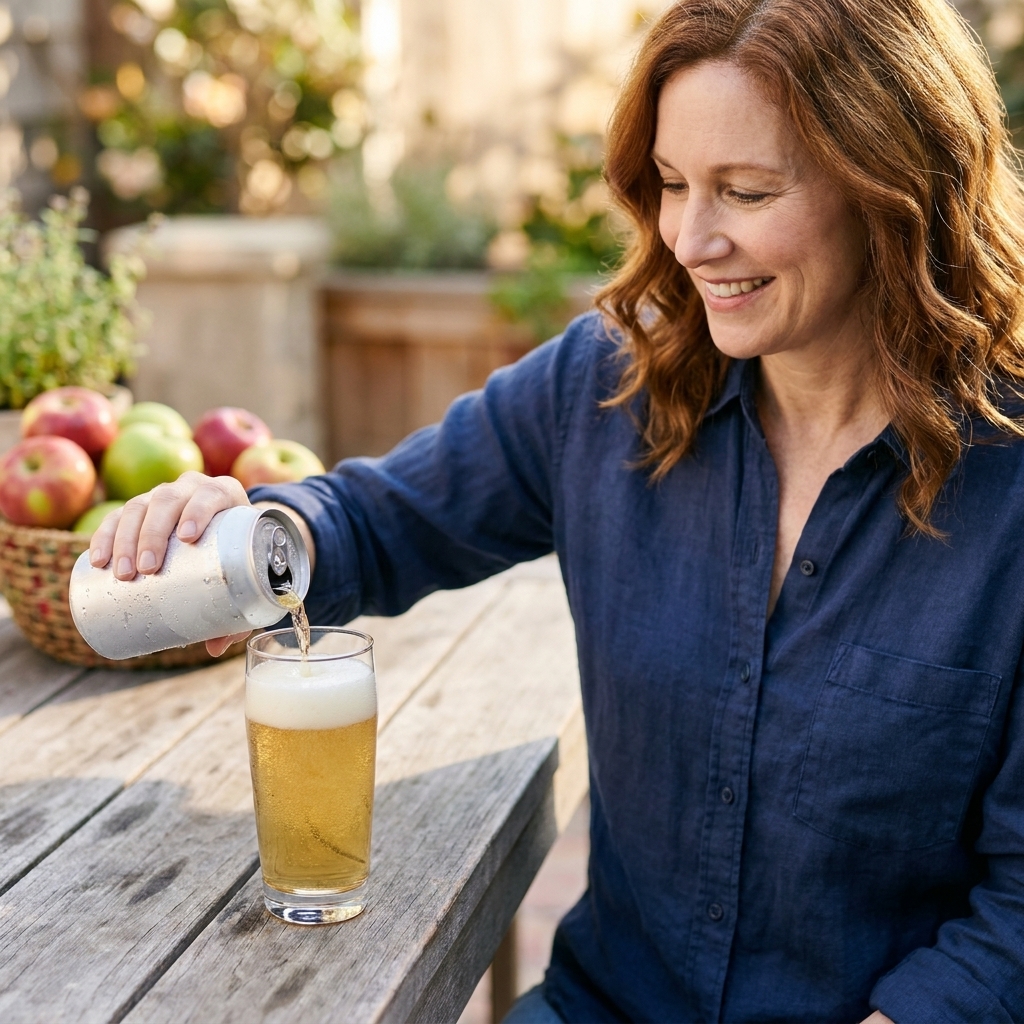
Quick cider callout: If you see “apple ale” on a menu, pause. That can mean beer with apple flavoring, which is usually not gluten-free.
Label cues that actually help
If you have ever stared at a can like it is a legal document, welcome. Here is what to look for in plain language.
- “Gluten-free” + no barley/wheat in the ingredients: Usually the safest green flag for highly sensitive drinkers.
- “Crafted to remove gluten” / “gluten-removed”: This is the enzyme-treated category. Some people tolerate it, some do not. If you have celiac disease, many celiac organizations recommend avoiding it because testing fermented products has limitations.
- “Contains barley”: That is your loudest, clearest no if you need gluten-free.
- Certification: A certified gluten-free mark can add confidence, but you still want to know whether it is truly gluten-free or enzyme-treated.
How to choose for your sensitivity
Everyone’s body and risk tolerance is different, and I’m not here to play doctor. What I can do is translate the bar logic into practical moves. Also, quick wording nuance: celiac disease is autoimmune, wheat allergy is allergic, and “gluten intolerance” can mean a lot of things. Your safest choice depends on which bucket you are in.
If you have celiac disease or are highly sensitive
- Prioritize gluten-free beers brewed without barley or wheat (and ideally from dedicated gluten-free producers).
- For cider, look for producers that are explicit about gluten-free status and be cautious with products that list vague “natural flavors” or malt-based additions.
- When ordering draft, ask about draft-line and coupler cross-contact. The risk is usually residue in lines or shared couplers and tools, or sloppy cleaning when rotating taps.
If you are gluten-intolerant but can tolerate trace exposure
- You may find a broader range of options works for you, but keep a notes app. Patterns matter.
- Seek out brands that are consistent batch to batch and clearly labeled.
If you are ordering at a bar with limited options
- Canned cider or packaged gluten-free beer is often the safest bet because it avoids draft-line and coupler issues.
- If the only “GF beer” is on draft, ask if they have it in a can or bottle instead.
My bartender rule: if the person behind the bar seems annoyed by a safety question, that is your cue to order something sealed or order somewhere else.
Ordering tips
You do not need to deliver a TED Talk about your immune system to get a safe drink. Here are simple scripts that work.
- At a brewery: “Is that brewed gluten-free without barley or wheat, or is it gluten-removed?”
- For draft service: “Do you have that cider in a can? I’m avoiding cross-contact from draft lines and couplers.”
- At a bar: “I’m avoiding gluten. Can you confirm this is cider, not an apple beer?”
FAQ
Is hard cider always gluten-free?
Most traditional hard cider is typically gluten-free because it is fermented apples. The complications come from flavored products, malt-based additions, shared facilities, or unclear additives. If you are highly sensitive, stick to brands that explicitly label gluten-free and consider choosing sealed cans over draft.
What grains are used in gluten-free beer?
Common ones include sorghum, millet, rice, buckwheat, and sometimes corn or quinoa. Brewers often blend these to build body and mimic malt character.
Does gluten-free beer taste like real beer?
The best ones, yes. The category has improved dramatically, especially from dedicated gluten-free breweries that have had time to perfect recipes and fermentation profiles.
Can draft cider be cross-contaminated?
It can. The risk is usually not that lines are physically shared at the same time, but that residue can linger in draft lines, couplers, or tools, or that cleaning and tap swaps are not handled carefully. If you cannot risk it, choose packaged.
The inclusive future tastes better
There’s a quiet dignity in being able to order like everyone else. Not “the thing you can have,” but the thing you genuinely want. Gluten-free brewing and quality cider are helping make that possible, and the best producers are proving that accessibility and ambition can live in the same glass.
If you have a favorite gluten-free beer or a cider that deserves a spot on this list, send it my way. My job is basically to keep the door open and keep the drinks interesting.