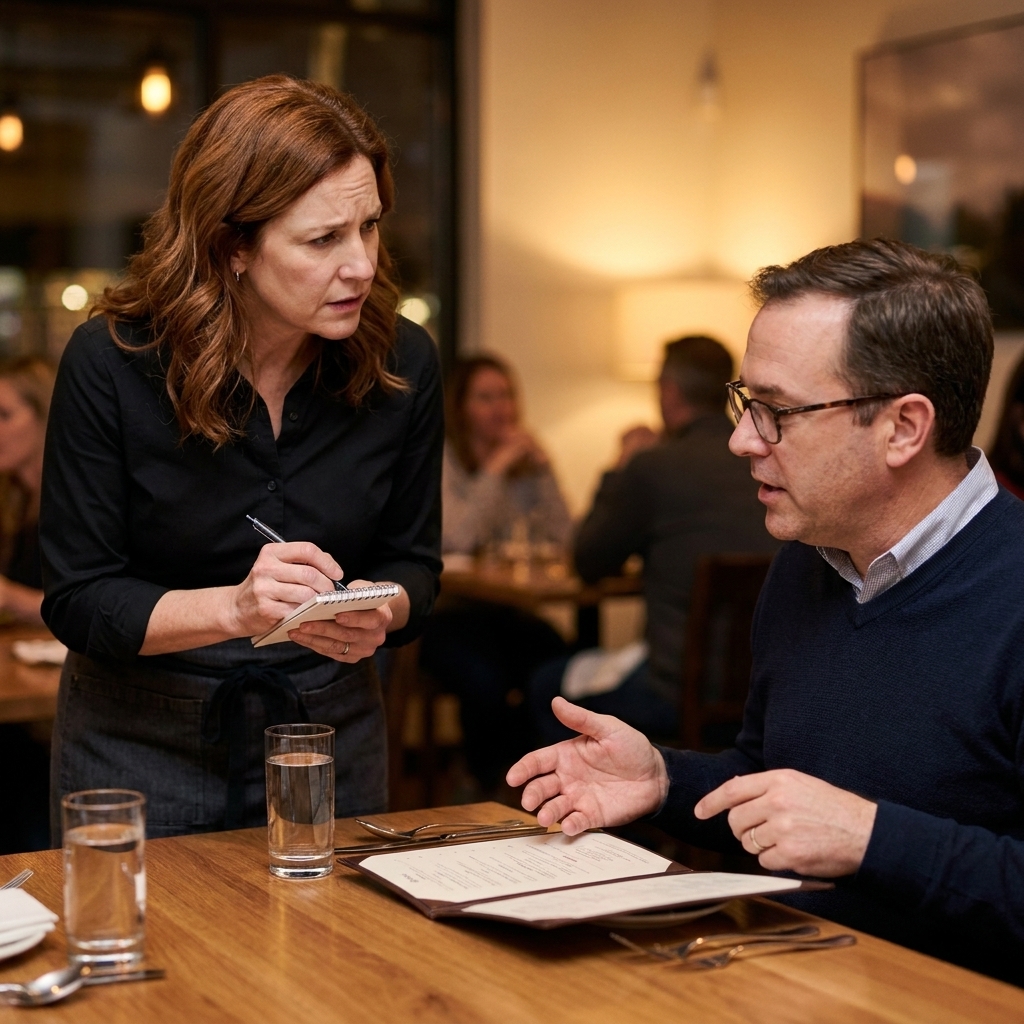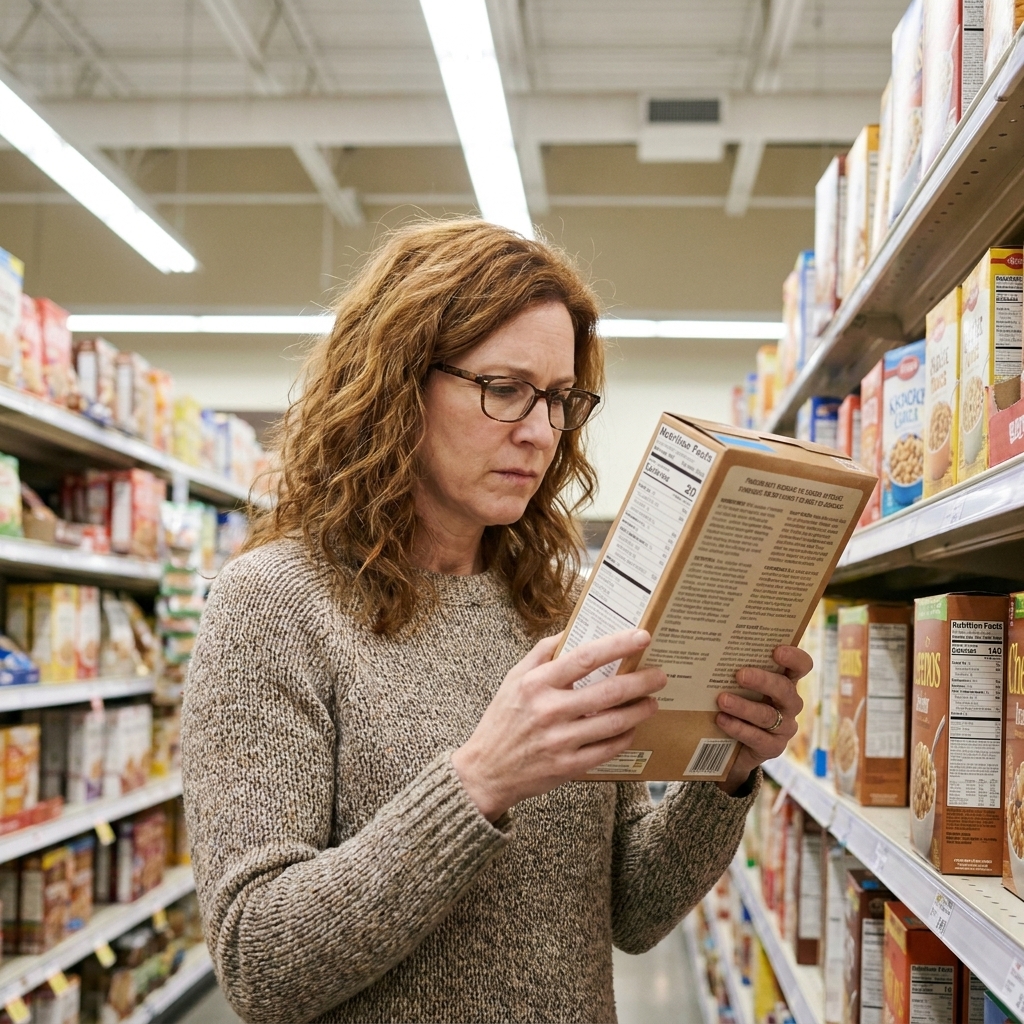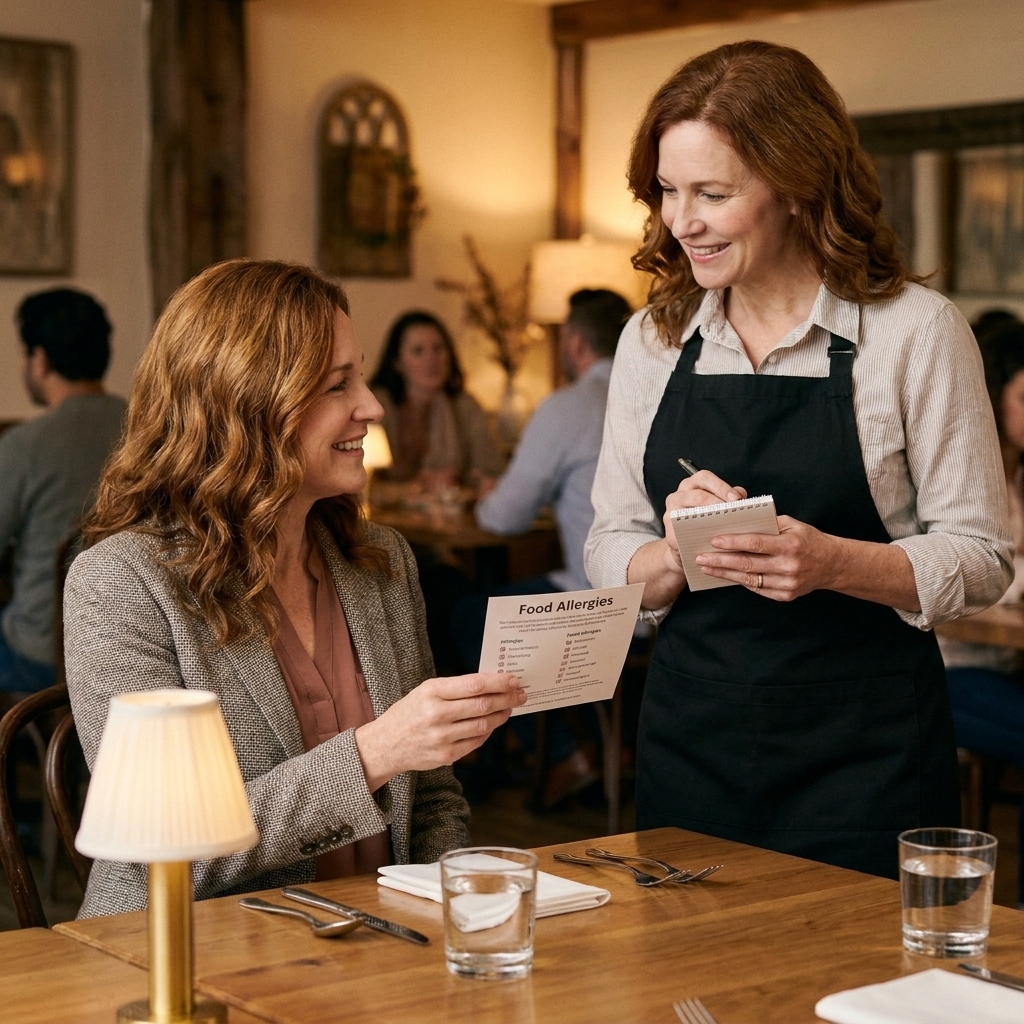
I learned hospitality the way a lot of us do: by doing the unglamorous stuff first. Sweeping floors, polishing water glasses, watching my family’s restaurant pulse through a Friday night. Back then, “special requests” were treated like speed bumps. Now, after years as a beverage director and one rude awakening of a gluten intolerance, I see dietary needs for what they really are: a trust exercise.
If you are hosting a dinner party with competing restrictions, gluten-free and dairy-free, vegan and nut-free, low FODMAP and “no onions please,” you are not being asked to perform culinary gymnastics. You are being asked to create a table where everyone can relax. Here is a step-by-step way to do it without relying on a single “perfect recipe.”
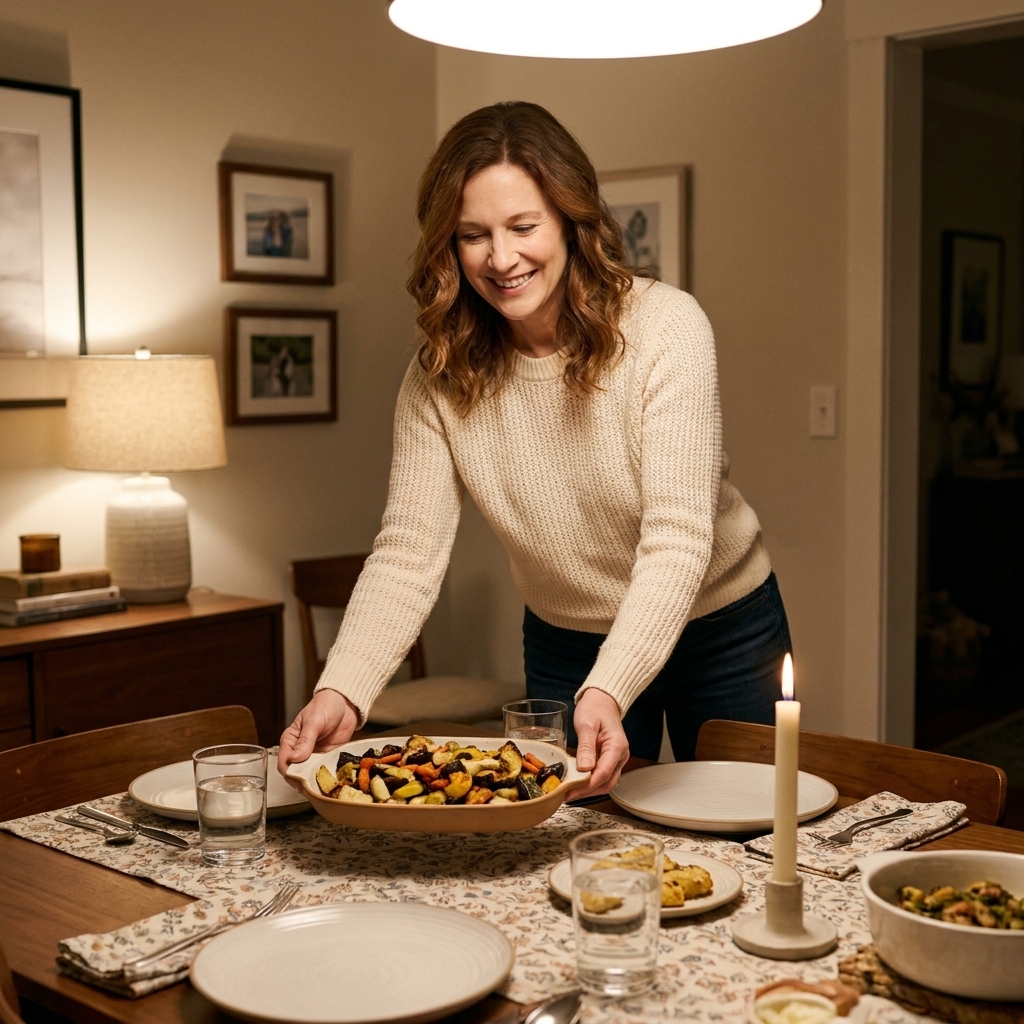
Step 1: Confirm needs
The biggest mistake hosts make is treating every dietary preference like the same level of risk. Some guests are avoiding gluten as a lifestyle choice. Others will be sick for days if a crouton touched the salad bowl. Your job is not to interrogate. Your job is to clarify.
Send one simple message
Text works fine. Keep it specific, non-judgmental, and time-bound:
- “Any allergies I should treat as cross-contact sensitive?” (Meaning even tiny amounts from shared tools or surfaces.)
- “Any ingredients you absolutely cannot have?”
- “Any preferences I can accommodate easily?” (Vegetarian, no pork, low alcohol, etc.)
If someone says “celiac,” “anaphylaxis,” “EpiPen,” or “severe intolerance,” treat that as a different category than “I am trying to cut back.” Both deserve respect. Only one requires kitchen-level protocol.
Quick terminology note: Many allergy organizations use cross-contact for allergens (a food touches another food) and reserve cross-contamination more for pathogens. Most people mean the same thing in casual conversation, but I’ll use cross-contact here to keep it clean.
Make a guest matrix
Write down each guest and their non-negotiables. You will use it to choose a menu structure where most people can eat most things, and nobody is left with plain lettuce.
Step 2: Pick a format
When dietary needs compete, the smartest move is often not a single “one dish for everyone” centerpiece. It is a menu format that lets you control ingredients and prevent mix-ups.
Best formats
- Build-your-own bowls or plates: a base, a protein, multiple toppings, and sauces served separately.
- Family-style with separated platters: works if you can prevent utensil wandering.
- Plated courses: highest control, more work for you, but excellent for severe allergies.
Formats to avoid
- Shared dips and communal bread baskets: cross-contact magnets.
- Anything tossed in one big bowl: salads, pasta, roasted vegetables mixed on one tray.
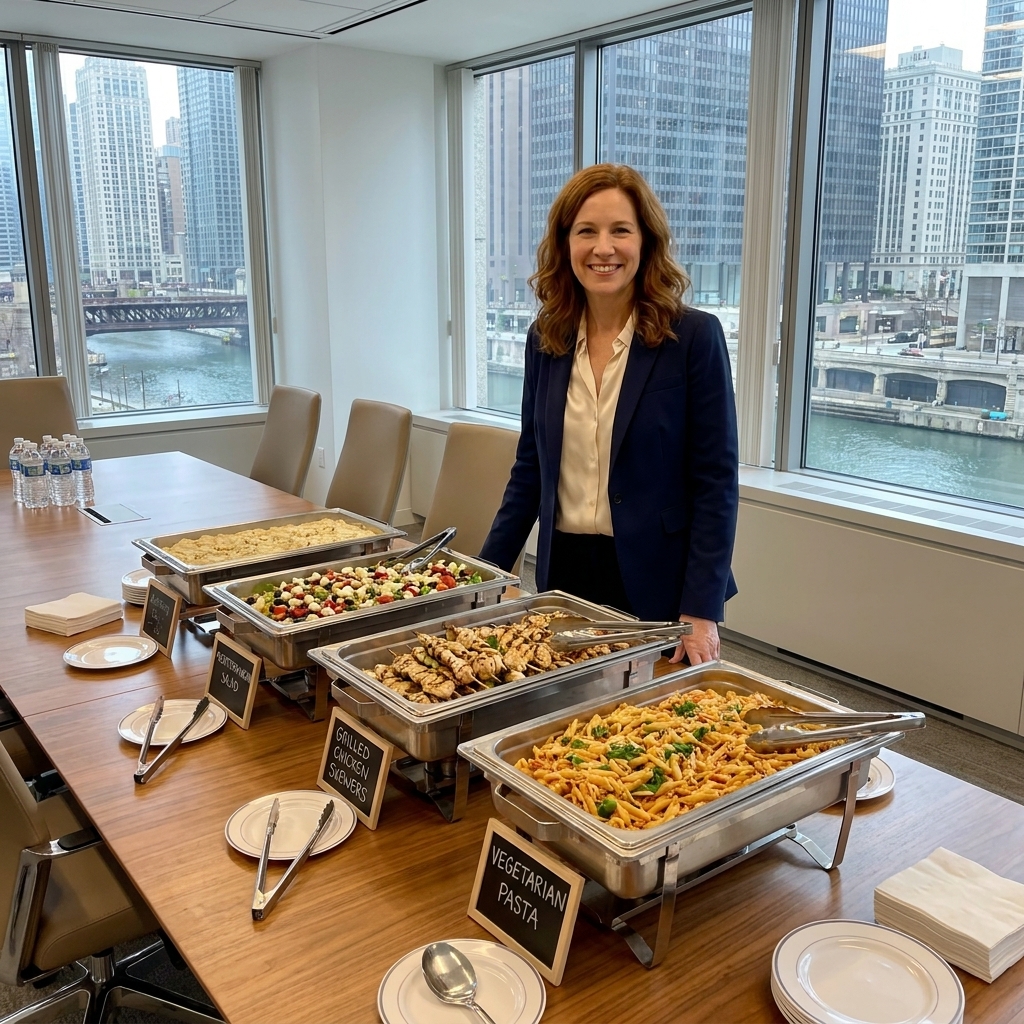
- Buffet-style without labels : people mean well and still use the same spoon.
If you have one guest with a severe allergy, you do not have to cancel the party. You just need a structure that does not rely on everyone remembering the rules mid-conversation.
Safety note for severe allergies: If you cannot confidently prevent cross-contact for a high-risk allergy, say so. Ask the guest what feels safe, and consider a backup plan like a sealed store-bought option, a separate plated meal, or asking them to bring a dish they trust. It is not a failure, it is transparency.
Step 3: Use overlap foods
Inclusive hosting gets easier when you stop thinking in terms of “special meals” and start thinking in terms of default-safe building blocks.
Common overlap zones
- Naturally gluten-free starches: rice, potatoes, corn, quinoa, polenta.
- Simple roasted or steamed vegetables: cooked with oil, salt, citrus, herbs.
- Proteins without hidden ingredients: plain roasted chicken, fish, beans or lentils prepared without bouillon cubes, sauce mixes, marinades, or spice blends that may contain wheat or milk.
- Crunch and garnish on the side: toasted nuts, breadcrumbs, cheese, chili oil served separately.
When in doubt, build flavor with techniques that do not require label-reading gymnastics: browning, citrus, fresh herbs, finishing salts, and properly strained garlic-infused oil (if onion and garlic are an issue, avoid any garlic bits).
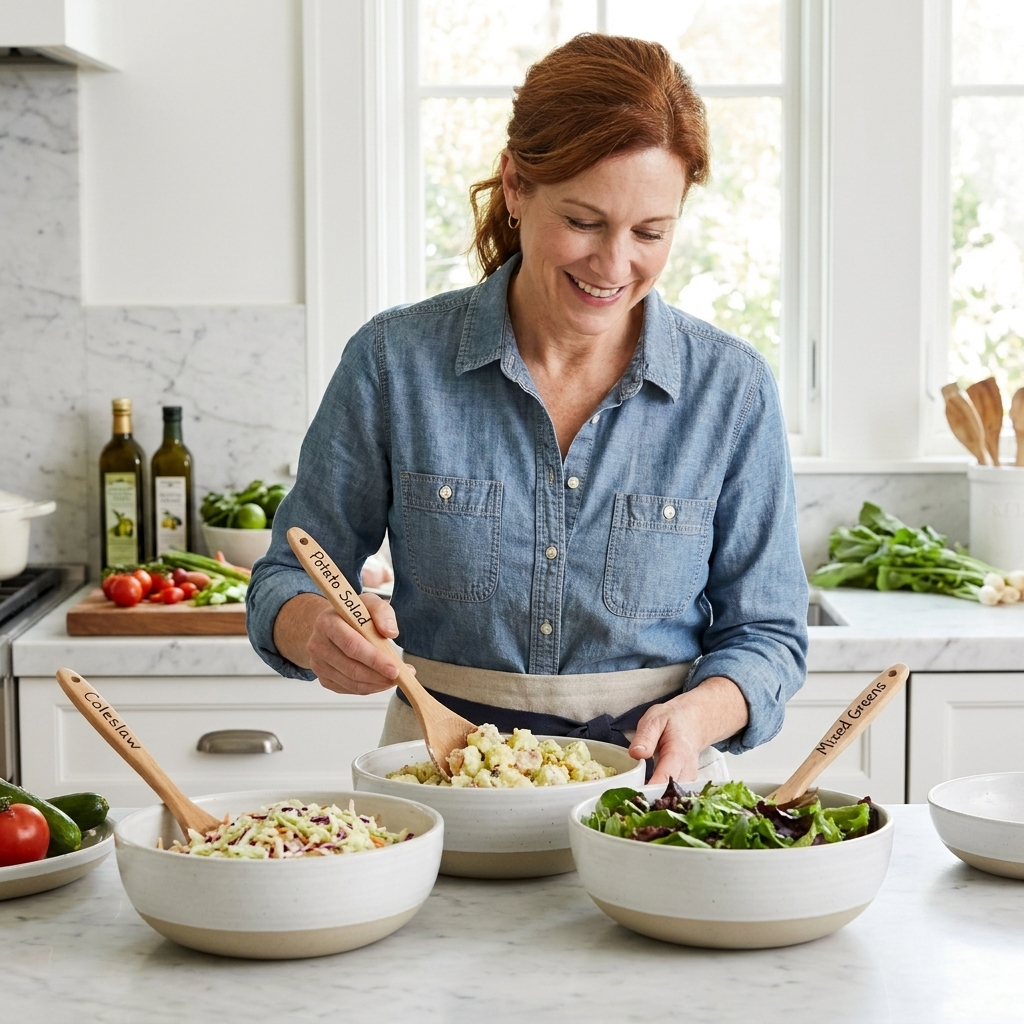
Step 4: Prevent cross-contact
I am going to say the thing that makes people uncomfortable: cross-contact happens in home kitchens all the time because we cook on autopilot. If you are accommodating serious needs, you have to get just a little bit professional for a few hours. Not intimidating, just intentional.
Set up zones
- Clean counter space first: wipe down and start with a fresh sponge or paper towels.
- One “safe zone” cutting board: dedicate it to gluten-free or allergen-free prep.
- Separate utensils: tongs and spoons migrate. Give each dish its own.
Prep safest first
Prep and plate the most sensitive items before anything risky enters the picture. Example: if gluten is a concern, prep gluten-free components first, then move on to anything with bread, flour, or soy sauce that is not certified gluten-free.
Watch the usual culprits
- Toasters, wooden spoons, porous cutting boards: hard to truly clean for gluten and some allergens.
- Colanders and strainers: usually cleanable, but easy to miss residue in holes and seams. If you are serving someone with celiac or a severe allergy, use a dedicated one or scrub thoroughly and run it through a hot wash.
- Shared butter, mayo, jams: the knife goes from bread back into the jar.
- Spice blends and sauces: wheat-based thickeners, malt vinegar, and hidden dairy can show up here. When in doubt, check the label or keep it out.
- Fry oil: if you fry anything breaded, that oil is no longer gluten-free.
If you cannot guarantee a surface or tool is safe, do not use it for the guest who needs it. Use foil, parchment, a clean metal pan, or a fresh utensil.
Step 5: Do sauces smart
Sauces are where inclusivity either sings or falls apart. They are also your secret weapon because you can keep the base dish broadly safe and let guests customize.
Make one broadly safe sauce
Think: herb vinaigrette, salsa verde without cheese, tahini-lemon sauce, coconut yogurt with herbs, or a tomato-based sauce with verified ingredients. Keep it in its own bowl with its own spoon.
Add optional boosters
- Dairy: grated cheese, yogurt, buttered finishing sauce on the side
- Gluten: croutons, crispy fried onions, breadcrumbs served separately
- Heat: chili crisp, hot sauce, sliced chiles
- Nuts: toasted almonds or pistachios in a separate ramekin, far from nut-free plates
Important: If there is a severe nut allergy, consider making the party nut-free. Nuts are high-risk because tiny amounts travel, and guests do not always disclose when they grabbed a handful earlier.
Step 6: Serve clearly
A lot of cross-contact happens during serving, not just prep. People hover, chat, and serve each other. Your job is to design the flow so guests do not have to do mental math while balancing a plate.
Use a two-lane setup
- Lane 1: Default-safe foods (the ones most people can eat)
- Lane 2: Optional add-ons (gluten, dairy, nuts, spice)
Physically separate the lanes on the counter. Do not put the “safe” platter right next to the bread bowl.
Offer to plate first
If one guest needs strict avoidance, quietly ask if they would like you to plate their food first in the kitchen. It is discreet, it avoids awkward announcements, and it reduces the chance of a serving spoon ending up in the wrong dish.
Use factual labels
Instead of saying “I think it’s gluten-free,” say “This platter is gluten-free. That sauce contains dairy. These toppings contain nuts.” Calm, factual, no drama. That tone sets everyone at ease.
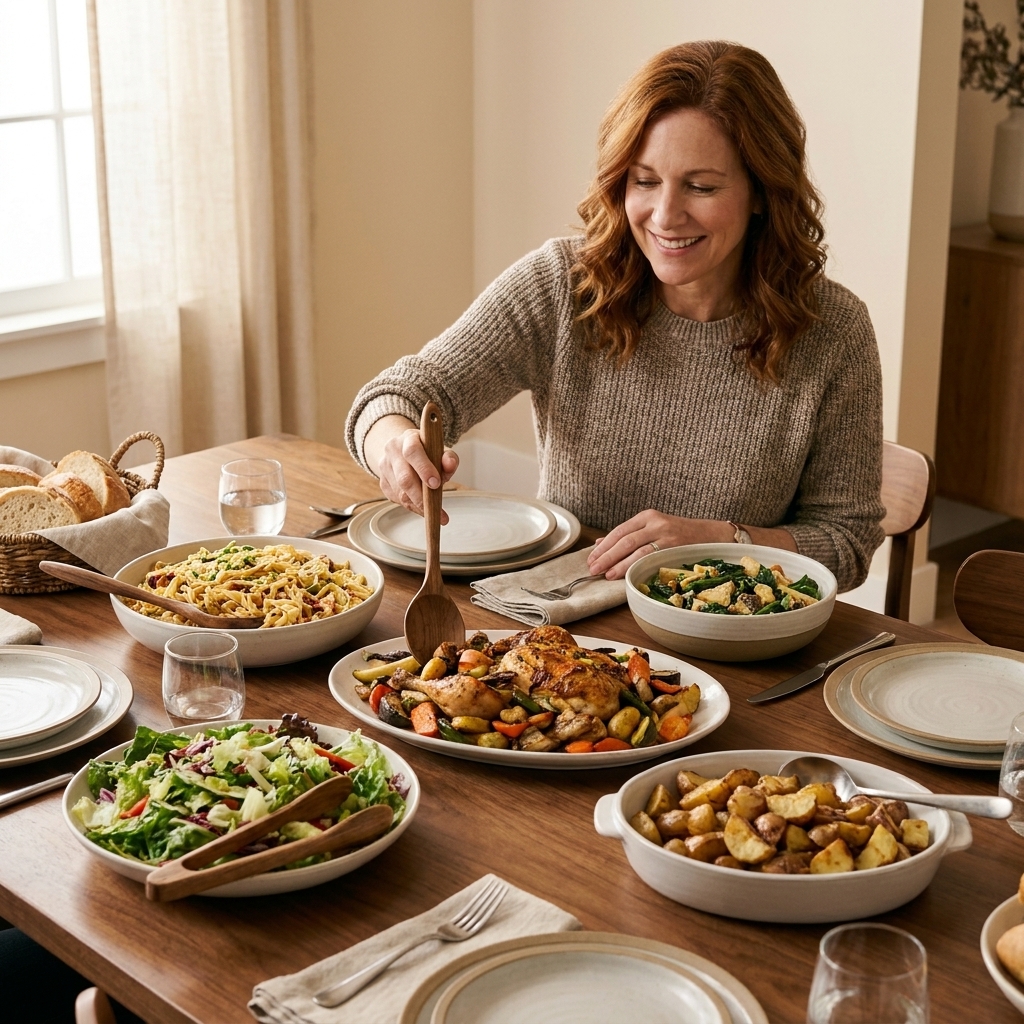
Step 7: Inclusive drinks
As a former beverage director, I will tell you the quickest way to make someone feel like an afterthought is to offer them “water or nothing.” Inclusive hosting means your non-drinkers and your “can’t have that ingredient” friends get something considered.
Stock a small drink bar
- One good non-alcoholic option : a bottled NA aperitif, a hop water, or a spirit-free cocktail batch.
- One low-lift cocktail: something you can build consistently without a lot of ingredient swapping.
- Check labels when needed: common watch-outs include honey (for vegans), cream liqueurs (dairy), and nut-flavored syrups. If you are unsure about an ingredient list, keep it optional and clearly labeled.
If you are serving beer, offer a truly gluten-free option for gluten-sensitive guests, not just “gluten-reduced,” and be honest about what you have. Trust is more hospitable than bravado.
Step 8: Keep a backup
Sometimes the overlap is small. Sometimes you realize too late that two restrictions collide. The move is to have one satisfying, safe “anchor” item you can offer without scrambling.
Easy backups
- A hearty grain or potato base that fits most needs
- A simple protein or legume option without sauces
- A bright salad built from whole ingredients, dressed at the last second
The goal is not to create a separate meal. It is to make sure no one is stuck picking around the plate while everyone else digs in.
Sample menu
If you want a concrete blueprint, here is an “overlap default plus add-ons” menu that scales easily.
Rice bowl bar
- Base (default-safe): jasmine rice or quinoa
- Veg (default-safe): roasted carrots and zucchini with lemon and herbs
- Protein 1 (default-safe): roasted chicken thighs with salt, pepper, paprika, and citrus
- Protein 2 (plant-based): cumin-lime black beans or lentils (no bouillon, check seasoning)
- Sauce (broadly safe): tahini-lemon sauce or herb vinaigrette
- Add-ons lane: feta or yogurt, toasted nuts, chili crisp, croutons (if you insist), plus a clearly labeled “contains” note
Make the bowl good before the add-ons. That is how you keep it inclusive without making anyone feel like they are eating a substitute.
Talking at the table
Hospitality is emotional labor, and when you are the host, you set the temperature. If you treat dietary needs like an inconvenience, everyone tightens up. If you treat them like normal information, the night stays light.
- Do not make the guest educate the room. If you need to explain, do it once, briefly, and move on.
- Do not spotlight someone’s restriction. Let them share if they want.
- Do invite feedback privately. A quick “Did this feel safe for you?” goes a long way.
The most inclusive dinner parties are the ones where the rules are built into the setup, so nobody has to be the “difficult” person.
15-minute checklist
- Confirm which needs are cross-contact sensitive
- Choose a format: bowls, platters, or plated
- Make overlap foods the default
- Separate utensils for every dish
- Prep the safest food first
- Physically separate add-ons at serving
- Ask if sensitive guests want a first plate
- Offer a real non-alcoholic drink option
FAQ
Is it rude to ask guests to bring a dish?
Not inherently, but it depends on the stakes and the relationship. For severe allergies, I prefer the host takes primary responsibility so the guest is not managing safety alone. If you cannot confidently prevent cross-contact, inviting the guest to bring a safe item (or coordinating on a sealed store-bought option) can be the most respectful move. For preferences, a potluck-style “bring something you love that you can eat” can feel communal and fun, as long as you still provide plenty they can enjoy.
What if needs conflict, like vegan and keto?
Design the meal around flexible components: a vegetable-forward base, a plant protein option, and an animal protein option, with sauces separate. The point is not one perfect plate. The point is everyone gets a satisfying plate.
Should I make the whole menu allergen-free?
If the allergy is severe and the allergen is hard to control, like nuts, it is often kinder and safer to make the whole event free of that ingredient. For gluten and dairy, you can usually keep the core menu safe and offer add-ons separately.
How do I serve bread safely?
Keep bread on a separate surface with its own knife and its own plate for crumbs. Do not place it next to shared dips or salads. If gluten is a serious issue, consider skipping bread entirely or offering packaged gluten-free bread that stays sealed until you plate it.