Aperitivo hour is the part of the day that refuses to be rushed. It is not dinner. It is not happy hour. It is the soft landing between work and whatever comes next, ideally with something bittersweet in your glass, something salty on the table, and no one asking you to optimize a single thing.
I came up in restaurants where “pre-shift” meant espresso and anxiety, and “post-shift” meant whatever was left open and loud. Aperitivo is different. It is a deliberate pause, built around appetite, conversation, and drinks that are often lower-ABV so the evening can feel longer in the best way.

Here is what the modern aperitivo resurgence actually looks like, where it comes from, and the etiquette that keeps it feeling like a ritual instead of another thing on your calendar.
What it is and isn’t
Aperitivo is an Italian pre-dinner tradition designed to open the appetite. The word is commonly traced to the Latin aperire, meaning “to open.” In practice, it is a window in the late afternoon to early evening when people meet for a drink and a bite before dinner, or sometimes instead of dinner if the snack spread is generous.
Not happy hour
Happy hour is typically price-driven and alcohol-forward. Aperitivo is pace-driven. The drink is often lower ABV, the mood is social, and the goal is to arrive at dinner pleasantly hungry, not wrecked.
Not a cocktail “moment”
Aperitivo drinks tend to be simple, repeatable, and built for a second round. Think spritzes, Americano, vermouth and soda, a small glass of white wine, or a light beer. The glamour is in the ease.
Not a test
The best aperitivo bars I have ever sat in are the ones that can explain their bitter bottles without making you feel like you missed a lecture. If you like it, you like it. That is the bar.
Where it comes from
The short version: Italy has been doing “a little something before dinner” for a long time, and it got formalized as the modern bar culture we recognize today. In the 18th and 19th centuries, aromatized wines and bitters (vermouth, early amari, and other botanical aperitifs) became a popular way to stimulate appetite and socialize before a meal, especially in Northern cities with strong cafe and bar traditions.
Then places like Milan helped turn aperitivo into a bigger, more modern ritual. Think early-evening meetups that can skew snack-heavy, sometimes even buffet-style. Meanwhile, other cities keep it more minimal and more drink-led. Same idea, different volume knob.
Why it’s back
Dining culture moves like a tide. When life gets louder, we reach for rituals that quiet it down. Aperitivo is appealing right now because it answers a few modern needs at once.
- Low-ABV is no longer niche. More people want the social ease of a drink without the next-day tax, and aperitivo has always made room for that.
- We are craving “third places” again. Not work, not home, but somewhere you can be a regular or at least feel like one for an hour.
- It makes weekday life feel expansive. You do not need a full reservation, a tasting menu, or a special occasion. You need 45 minutes and a little table.
In Chicago, I see aperitivo energy everywhere: spritz menus that read like playlists, bartenders pushing bitters with the same pride they once reserved for barrel picks, and snack boards that respect the art of “just enough.”
The essentials
Drinks: bittersweet, bright, sessionable
The classic aperitivo profile is bittersweet. Bitter sparks appetite, and bubbles keep things lively. You will often see:
- Spritz family: Aperol Spritz, Campari Spritz, Hugo (elderflower, mint, prosecco), and modern riffs with amaro or vermouth.
- Americano: Campari, sweet vermouth, soda. A gentler sibling to the Negroni.
- Vermouth & soda: A bartender’s “trust me” order that deserves more love.
- White wine or light red: Crisp, mineral whites or chillable reds that do not bully the palate.
- NA aperitivo options: Bitter sodas, NA amari, verjus spritzes, and botanical tonics that keep the ritual intact.
Bites: salty, crunchy, conversation-proof
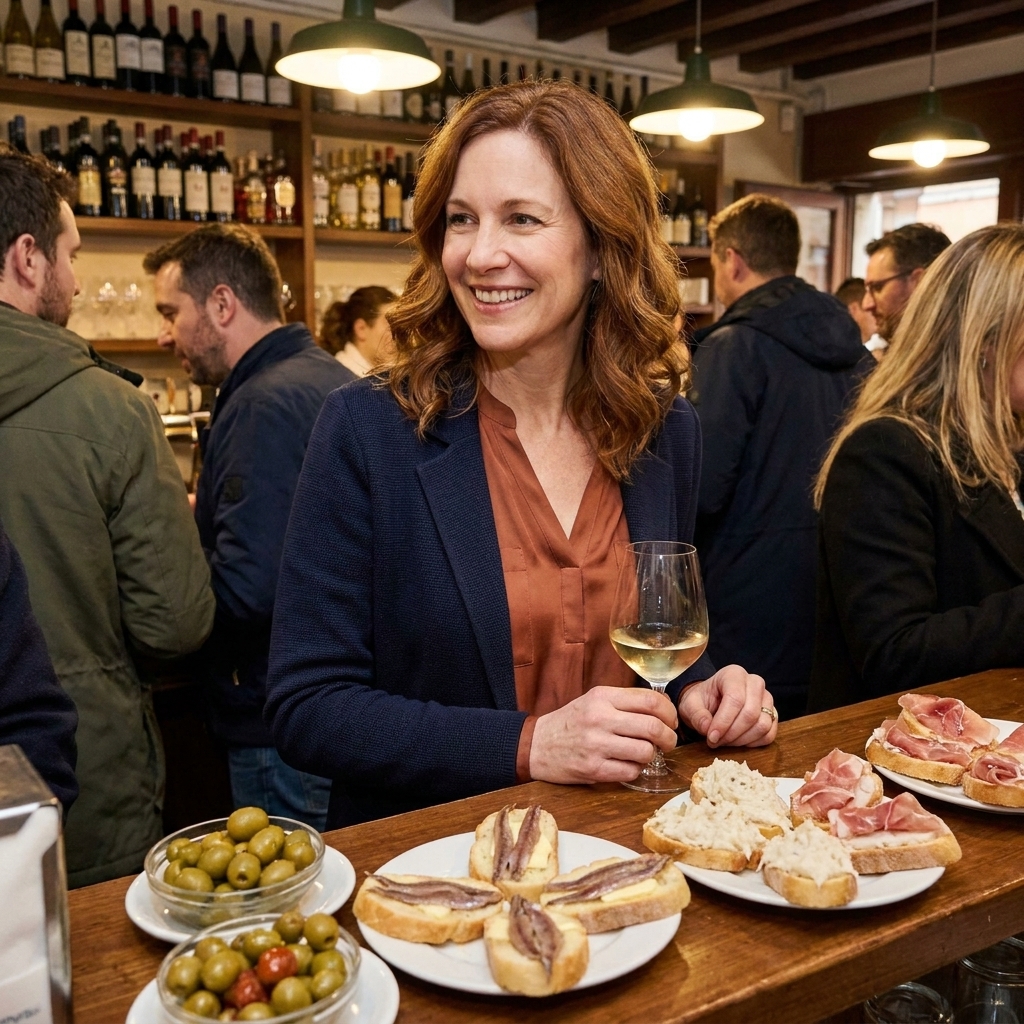
Aperitivo snacks are not meant to replace dinner, but they can absolutely steer it. One anchovy-heavy plate and suddenly seafood sounds like the right move. The goal is craveable and shareable:
- Olives, nuts, chips, popcorn
- Cheese, cured meats, pickles
- Simple crostini, tinned fish, marinated vegetables
- Small sandwiches, focaccia, or grissini
If you are gluten-free, this is where you can get blindsided. Bar snacks love breadcrumbs, crackers, and “just a little flour” in places no one expects. My move is to ask early, casually, and specifically: “Are any of these dusted in flour or served with shared fried items?” A good place will not make you feel high-maintenance for wanting to feel safe.
Rhythm: the pause is the point
Aperitivo works best when it is gently time-boxed. One drink, maybe two. A small bite. Then you move on, either to dinner, a walk, or home. It is a ritual that respects your night instead of taking it over.
Regional notes
Aperitivo is not one uniform experience across Italy, and that is part of the charm. Milan can lean big and snack-forward. Venice overlaps with it but has its own thing going on with cicchetti in bacari, more bite-hopping than lingering. Rome often feels simpler and later, with a drink, a small plate, and a drift toward dinner rather than a full-on spread. When you travel, follow the locals’ pace and you will rarely go wrong.
Etiquette
Aperitivo etiquette is less about rules and more about protecting the vibe. Here is how to do it in a way that feels gracious, not performative.
1) Arrive with a light plan
If you are meeting friends, suggest a time and a loose end point. “One spritz before dinner” is a boundary that sounds like an invitation, not a restriction.
2) Order for the table only if you know the table
Sharing is common, but so is reading the room. If you are the host, ask about preferences and allergies before you start firing off plates. If you are the guest, be clear about your needs early. Quietly suffering through a gluten situation helps no one, including the kitchen.
3) Keep the drink right for the hour
This is not the time for a spirit-forward showstopper if your goal is a long, easy night. That said, a Negroni at aperitivo is not unheard of in Italy, especially for people who like bitter and know their pace. The point is intention, not purity.
4) Tip like you mean it
Hospitality is labor. If you are occupying a prime seat during a busy window, order intentionally, tip well, and be kind about the pace. The most elegant etiquette is remembering there is a human on the other side of your glass.
5) Volume is part of the atmosphere
Aperitivo is social, not shouty. If you have to raise your voice to be heard, you are either in the wrong room for the ritual or you have accidentally turned aperitivo into pregame.
Make it a habit
You do not need a European vacation or a designer bar cart. You need one repeatable setup that makes you want to do it again.
At a bar: three questions
- “What’s your most refreshing low-ABV drink?”
- “What snack is best with it?”
- “Is there anything I should know for allergies?” (If applicable, and say what you need.)
Those three questions get you something aligned with the ritual and they make it easy for staff to take care of you without a long back-and-forth.
At home: 10 minutes, real reset
My favorite home version is built on a few ingredients that behave well in a fridge:
- Something bubbly: club soda or tonic, plus optional prosecco
- Something bitter: aperitivo liqueur, amaro, or an NA bitter aperitif
- Something citrus: orange or lemon
- Something salty: olives, roasted nuts, potato chips, or a quick cheese plate
Set it out, even if it is just you. Put the snacks in a bowl. Use a real glass. Aperitivo is as much about signaling “the day is turning” as it is about what you are drinking.

A 3-2-1 spritz you can remember
There is no single universally correct spritz ratio, but this is an easy home template that gets you close and keeps you flexible:
- 3 parts prosecco (or bubbly NA alternative)
- 2 parts bitter aperitivo
- 1 part soda
Add ice, an orange slice, and you are in business. Adjust based on the aperitif’s sweetness and your plans for the rest of the night. If you prefer less alcohol, swap more soda for prosecco and keep the bitterness. That is where the aperitivo magic lives.
NA aperitivo
Aperitivo is one of the easiest rituals to translate into non-alcoholic drinking because bitterness and bubbles do a lot of the heavy lifting.
What to look for
- Bitter backbone: gentian, cinchona, wormwood-adjacent botanicals, or citrus pith notes
- Acid: verjus, citrus, or a tart base so it does not taste like perfume
- Texture: bubbles, a touch of sweetness, or a pinch of salt to make it feel like a “real” drink
Two easy builds
- NA bitter spritz: NA aperitif + soda + orange wedge + lots of ice
- Verjus and tonic: verjus + tonic + lemon twist + rosemary if you have it
The etiquette stays the same: one round, a snack, a little conversation, and you still get the shift in mood. That is the point.
Inclusivity
A ritual only survives if more people can actually participate in it. That means paying attention to what gets treated as “normal” at aperitivo, like shared fried snacks and bread baskets that quietly exclude people with celiac disease or severe intolerances.
If you are hosting, label what you can, keep one clearly safe snack separate, and do not make the allergy conversation the whole conversation. If you are a bar or restaurant, a small move like offering GF crackers or clearly marking shared fryer items can turn aperitivo from stressful to welcoming.
Aperitivo is supposed to open the appetite. It should not open a medical spreadsheet.
Quick FAQ
What time is aperitivo?
Generally late afternoon to early evening, often about an hour or two before dinner. The exact timing shifts by region, season, and city.
How many drinks is “correct”?
Often one, sometimes two if you are eating and pacing. The spirit of it is ease, not endurance.
Do you have to eat with it?
Not mandatory, but strongly encouraged. Even a small salty snack helps balance bitterness and keeps the ritual feeling grounded.
What if I don’t like bitter drinks?
Try a Hugo spritz, a light white wine, or ask for something citrus-forward and low-ABV. You can ease into bitter the way you ease into black coffee.
Can aperitivo replace dinner?
Sometimes it does, especially if the spread is substantial. But culturally, it is meant to bridge you to dinner, not bulldoze it.
The takeaway
Aperitivo hour is a small act of resistance against the speed of modern life. It is permission to be present, to snack without committing to a full production, and to drink in a way that keeps you connected to the rest of your night.
Make it once a week. Put it on the calendar like you would a workout, except this one is for your social life. One drink. One bite. A little room to breathe.