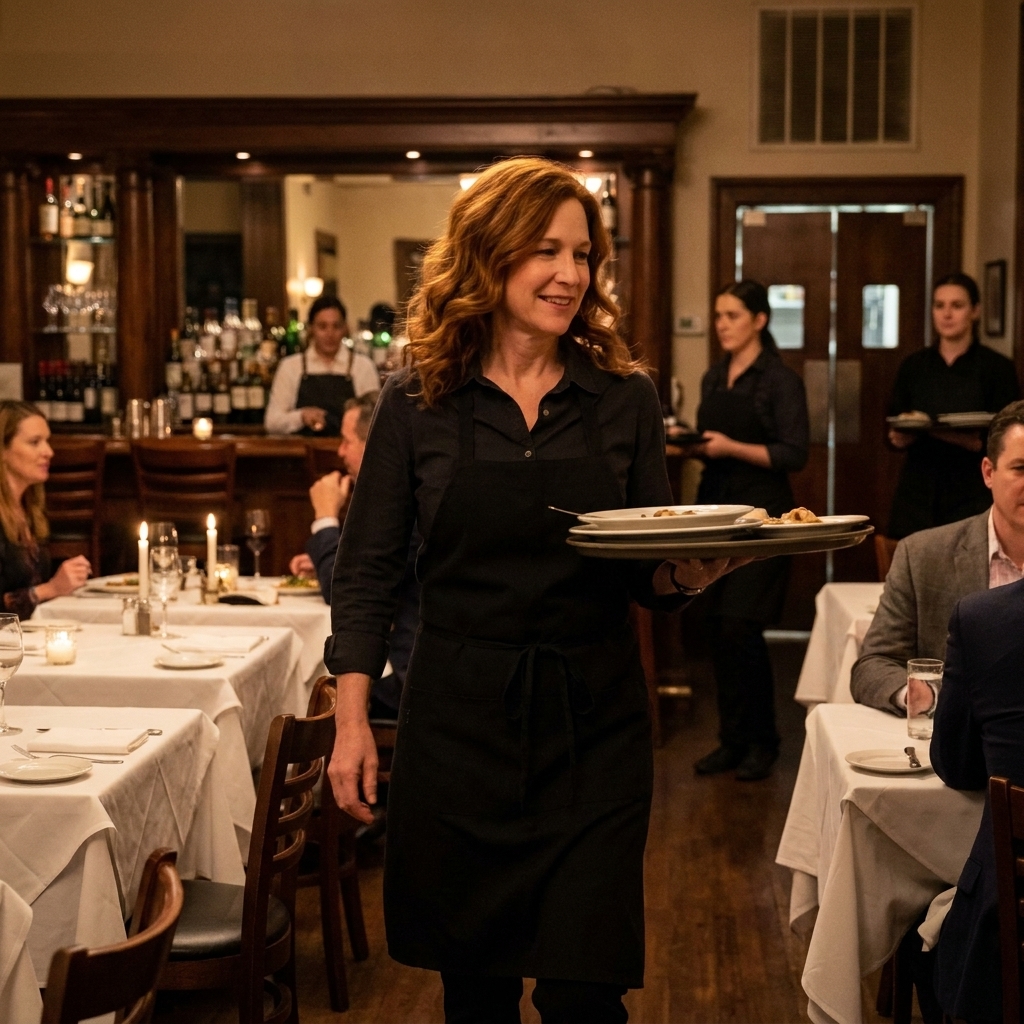
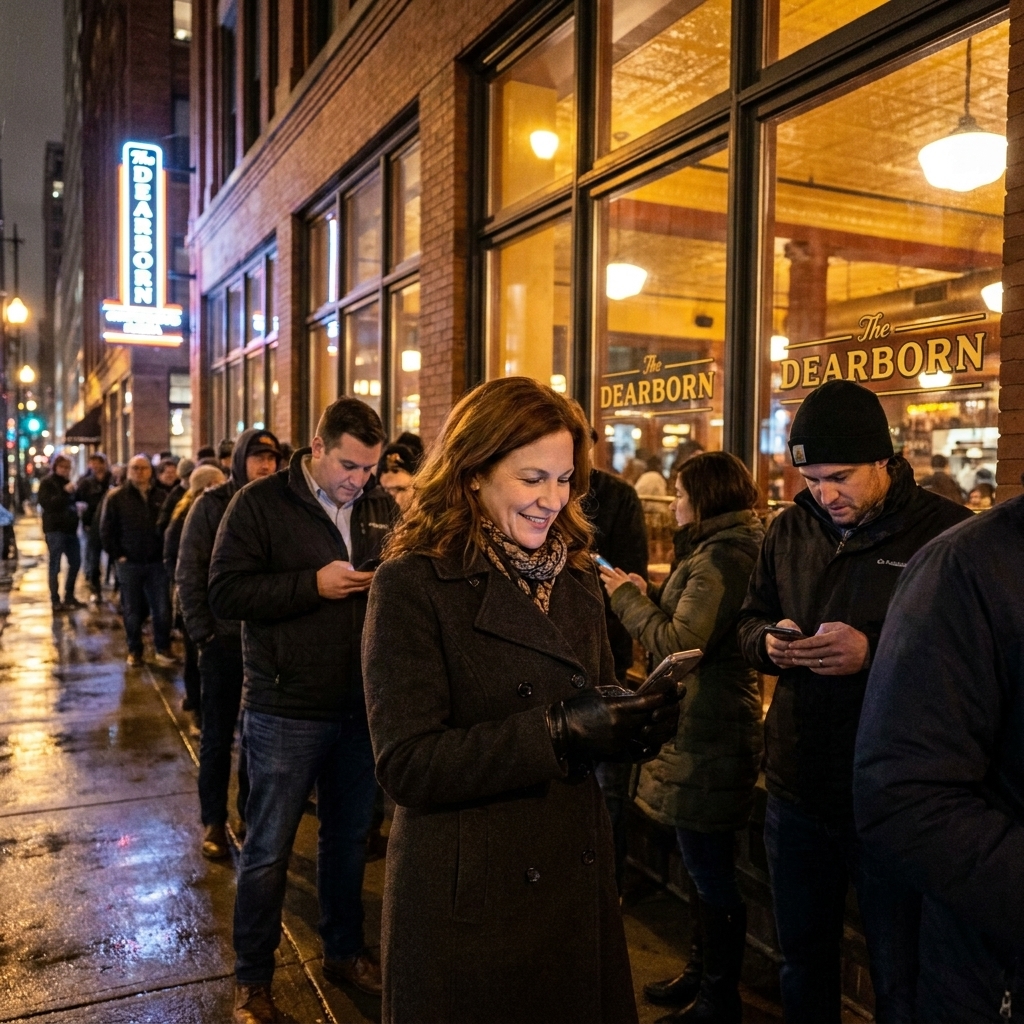
On a busy Saturday night, you can feel the trend cycle in real time: a dining room full of people who booked because of a glowing review in a legacy paper, sitting next to a table that came for the exact same dish they saw pulled apart on TikTok at 1 a.m. The staff can usually tell, too.
In much of 20th-century American city dining, criticism functioned like a lighthouse: a critic aimed to visit quietly, pay their bill, and deliver a considered take that could make a reputation or gently (or not so gently) correct a restaurant’s ego. Today, a single viral clip can create a line around the block before the chef has ordered enough quart containers for prep. Both forces move the needle. They just move it differently, and understanding those differences is the key to eating well in the age of hype.
What critics do
Restaurant criticism at its best is less about scoring a meal and more about documenting a moment in culture. A seasoned critic is trained to read the full room: technique, consistency, pacing, service choreography, pricing, hospitality, and how a menu fits into a city’s broader dining conversation.
The best critics also account for the fact that restaurants are living organisms. Tuesday’s sous chef is not always Saturday’s, and a hot opening can cool into something steady, or fall apart when the training wheels come off. Not every outlet revisits before publishing, but the strongest work tends to triangulate: multiple visits, trusted tips, or careful reporting around the experience.
In practice, critics usually provide three things short-form social rarely prioritizes:
- Context: Where this place fits historically, culturally, and economically. Is it reviving a regional style, importing one, or remixing it?
- Repeatability: Not just “was it good,” but “is it likely to be good when you go,” especially after opening-week adrenaline fades.
- Accountability: Critics can praise boldly, but they can also call out sloppy sourcing claims, inconsistent cooking, or hospitality that looks great on camera and feels lousy at the table.
They also tend to cover restaurants beyond the algorithm’s comfort zone: the quiet neighborhood spot with a thrilling wine list, the long-running family restaurant that feeds half the block, the place with no PR and no ring light. That matters because culture is bigger than what performs well online.
What TikTok does
TikTok food culture is not “less than” criticism. It is simply optimized for different truths. A good creator is a talent scout and a visual storyteller, and often a practical guide for budget-conscious diners who want to spend their money wisely. When creators are responsible, they can spotlight small businesses, immigrant-owned spots, and regional specialties that traditional media sometimes overlooked or arrived late to.
But TikTok’s core strength is speed. It captures the electric moment when a dish lands, when a chef’s idea clicks, when a neighborhood suddenly becomes a destination. And because the platform rewards specificity, creators often focus on what translates instantly:
- The “signature” dish: The one thing you can recognize in under a second.
- The visual payoff: Cheese pulls, crispy edges, knife taps, steam, dripping sauces.
- The price hook: Big portion, big value, limited-time drop.
- The vibe: The room, the playlist, the lighting, the “date night” energy.
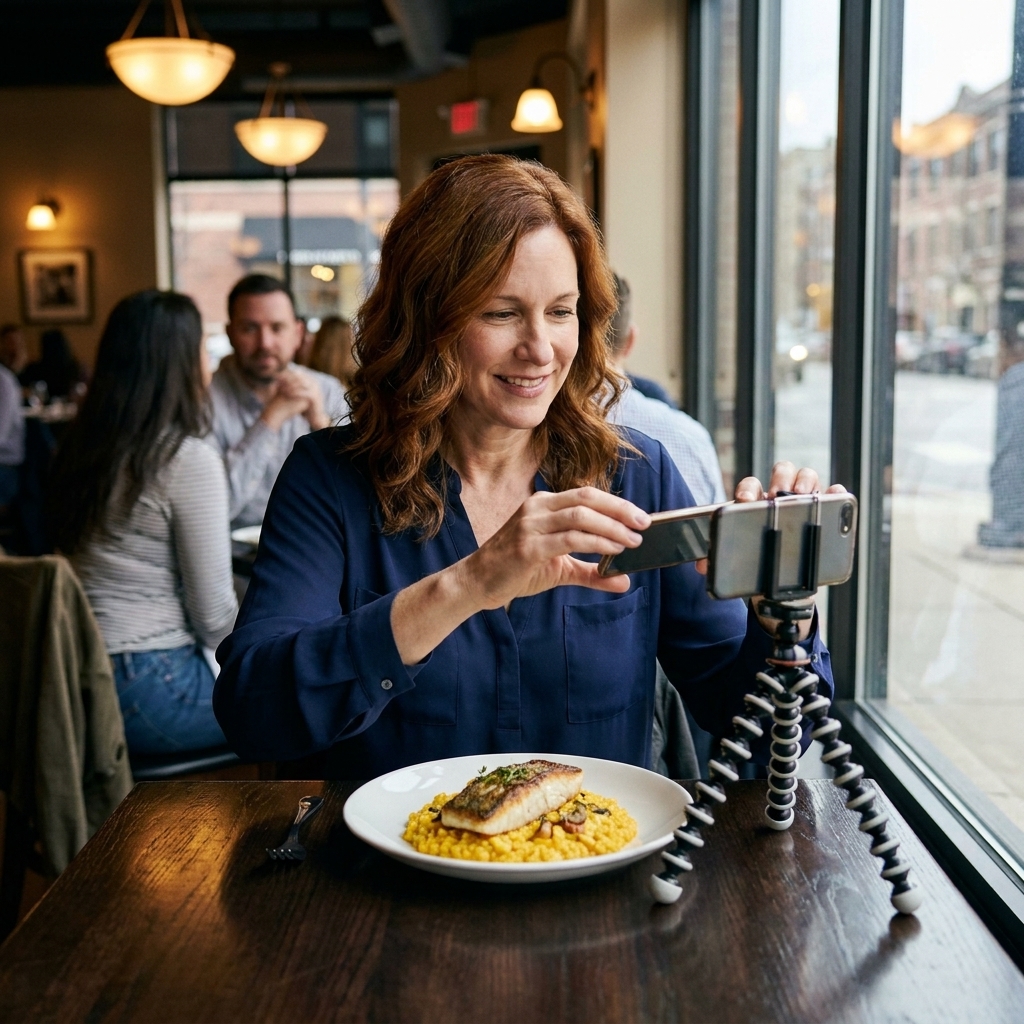
It is also, frankly, a distribution system. A creator with a loyal audience can launch a restaurant’s month in a weekend. In my experience in Chicago, I have watched a quiet Tuesday become impossible because a clip hit the right corner of the internet.
Who drives trends now
The cleanest framework is this: TikTok accelerates trends, critics legitimize them. It is not a law of physics, and both can be wrong, but it maps well onto how attention tends to move.
TikTok drives the “what”
Platforms are excellent at deciding what people suddenly crave. A certain style of smashed burger. A specific Vietnamese coffee order. A new format like “tinned fish night.” TikTok does not need consensus. It needs momentum.
Critics drive the “why” and the “who”
Critics tend to decide why something matters, and who is doing it with craft and staying power. They often nudge diners toward the deeper bench: the restaurant that will still be excellent after the hype dish stops trending, the wine program that quietly raised the city’s standards, the chef whose work influences other kitchens.
Restaurants feel the pressure differently
From the industry side, a critic’s review can change a restaurant’s long-term trajectory, especially for fine dining, tasting menus, and places that rely on destination diners. TikTok can change a restaurant’s operations overnight: prep pars, staffing needs, reservations policy, even the speed at which a bar burns through glassware.
And in reality, critics and TikTok are not the only hands on the wheel. Instagram still shapes aesthetics, YouTube builds longer-form loyalty, newsletters and Substack drive niche trust, Google and Yelp control “near me” decisions, and reservation platforms can create their own momentum by making a place feel scarce. Restaurant trends are a group project now.
Where each can miss
If you want to decode hype, you need to know where the blind spots live.
Critics can miss lived reality
- Accessibility: Critics have historically underweighted things diners care about, like dietary needs, noise levels, and the experience of someone who is not a regular in that world.
- Speed: By the time a formal review drops, the moment might have shifted.
- Gatekeeping: The “only serious if it looks like this” bias is real, even when it is unintentional.
TikTok can confuse spectacle for quality
- One-bite syndrome: A dish can pop on camera and still be unbalanced by the third bite.
- Sponsored fog: Some content is advertising with a wink. Disclosures exist, but they can be subtle, inconsistent, or misunderstood.
- Operational fallout: Viral demand can overwhelm a small kitchen. The clip might be accurate, but your experience might be chaos.
And here is the part diners do not always see: restaurants sometimes make decisions to satisfy the camera, not the palate. In my experience, you can watch menus get tweaked for “pull,” “drip,” and “crunch” moments, or plating get reworked so it reads on a phone at table height. That does not automatically make the food worse. It just changes the incentive structure.
How the hype cycle hits
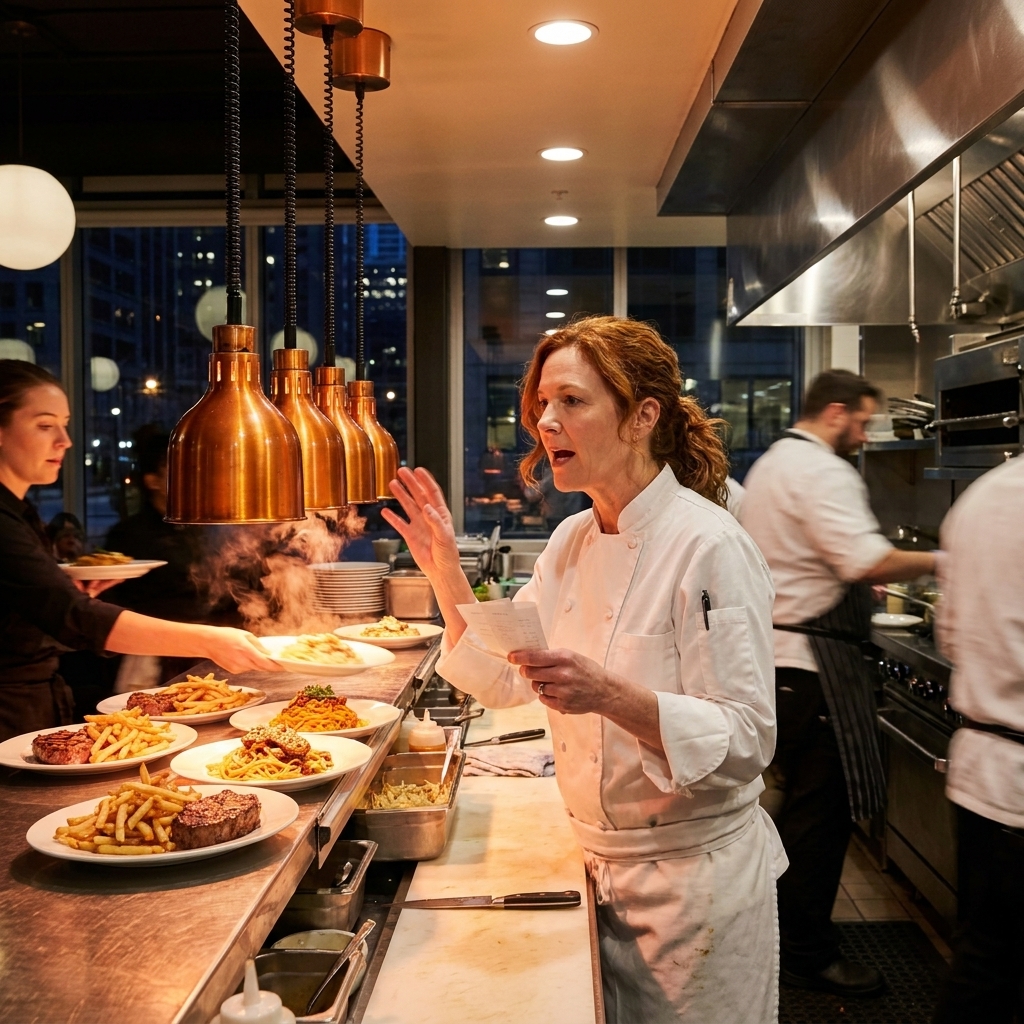
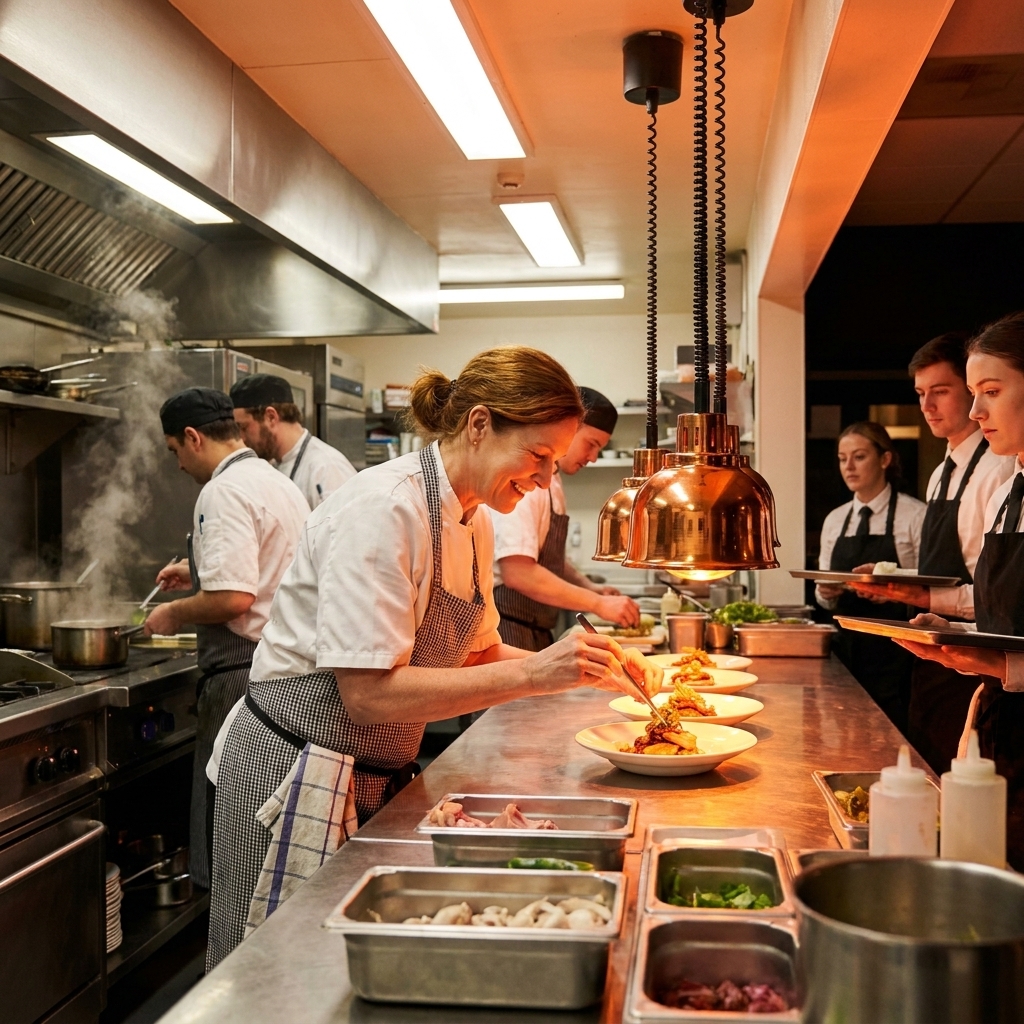
When a place goes viral, the back-of-house and front-of-house scramble in ways that are invisible on your feed. In Chicago, I have seen it happen like this: a single clip turns a manageable weekend line into a nightly surge, the kitchen runs out of the viral sauce by 8 p.m., and the dining room spends the rest of service watching staff apologize for a dish they came specifically to film.
- Prep gets distorted: The “viral item” suddenly needs triple the mise en place. Everything else fights for space and attention.
- Quality control gets harder: Training new staff mid-surge is like building a plane while flying it.
- Reservations get aggressive: Walk-ins disappear, deposits appear, and Resy pages start looking like concert tickets.
None of this is a moral indictment of creators or diners. It is simply the physics of small businesses meeting mass attention. If you love restaurants, the most supportive move you can make during a viral spike is to be patient, tip well, and come back after the frenzy when the kitchen can breathe again.
How to read the signals
You do not have to choose a side. You just have to read the signals.
Look for repeat visits
If a creator goes back on their own dime, that is meaningful. If a critic or publication updates a review, that is meaningful too. Consistency is the real flex in hospitality.
Track what is praised
- If the praise is mostly visual, expect a fun moment, not necessarily a great meal.
- If the praise is about seasoning, pacing, and service, you are probably looking at a place built to last.
- If the praise is about value, check whether portions, quality, and wait times line up with your priorities.
Read comments like a second review
Comments can be brutal, but they are data. Look for patterns, not outliers: “waited two hours,” “they were out of the viral dish,” “service was kind,” “too salty,” “great for gluten-free,” “not wheelchair-friendly.” The crowd often tells you what the clip did not.
Watch for transparency
If you are using social as your compass, reward clarity. Some creators will label posts with “ad,” “paid partnership,” “invited,” or “comped.” Those words matter. A comped meal is not the same thing as a paid sponsorship, and both can shape tone. If the caption is all superlatives and no specifics, treat it like a tip from a friend you do not know well: promising, but worth confirming.
Beware the one-item restaurant
A restaurant built around one famous dish can be delightful, especially for casual bites. But if you are booking a birthday dinner, you want depth. Ask: if that one item was unavailable, would you still want to be there?
If you have allergies, verify
I say this as someone who developed a severe gluten intolerance after years of eating everything in sight: “They said it’s gluten-free” is not enough if it is coming from a fast clip or a comment thread.
- Check the restaurant’s own allergen language.
- Call at off-peak hours and ask about cross-contact protocols.
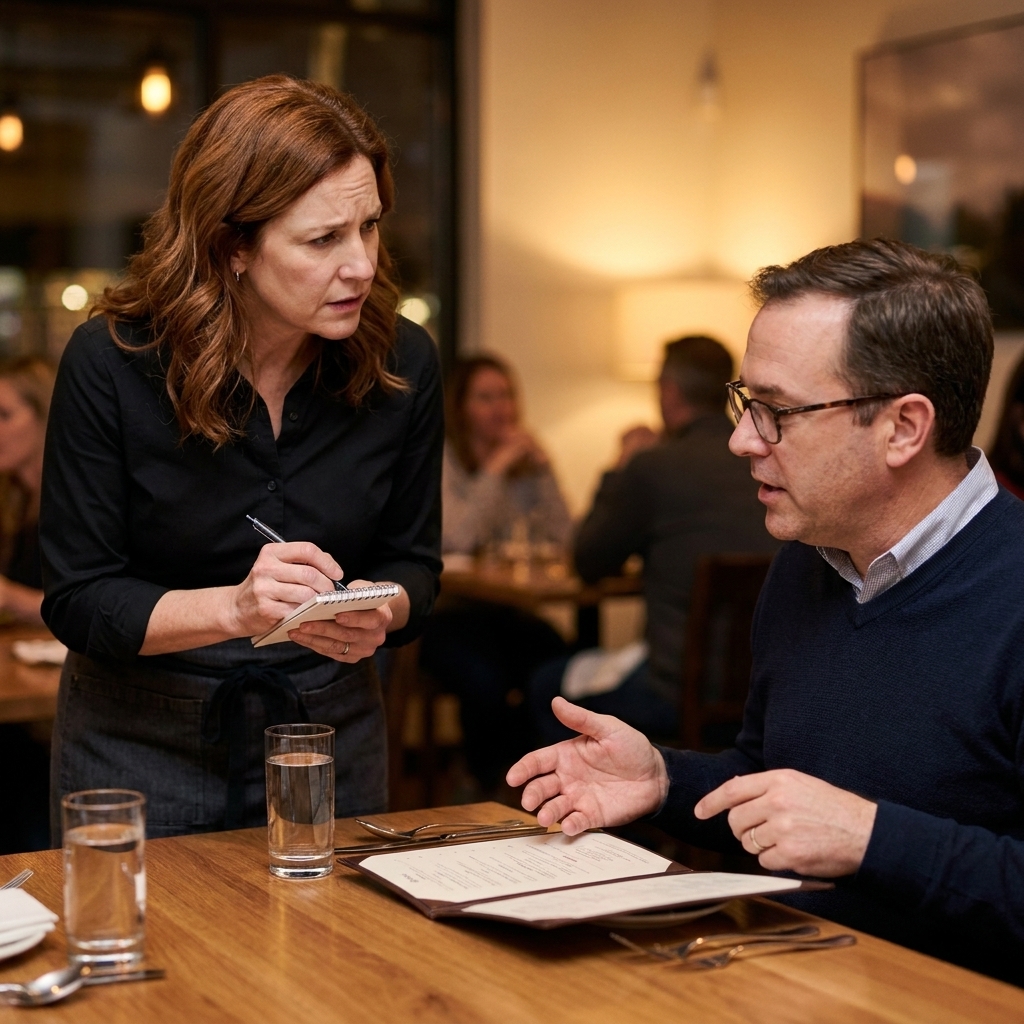
- On-site, talk to the server and do not be shy about clarifying.
The best restaurants take this seriously and will respect you more, not less, for asking.
Where they overlap
The old binary is fading. Many critics are now building public-facing personalities, and many creators are doing genuinely rigorous work: multiple visits, clear disclosures, attention to labor, and thoughtful commentary on price and access.
Meanwhile, restaurants are designing experiences that play well in both worlds: tighter menus, clearer signatures, better lighting, more intentional storytelling. The upside is that diners get more information than ever. The downside is that the line between information and marketing is blurrier than it has ever been.
Who to trust
Trust the source that matches the meal you want. If you are trying to answer the quiet questions people used to save for an FAQ, they can live right here in your decision tree.
- If you want a once-a-year splurge: Lean on critics and long-form reviewers who discuss service, pacing, and consistency. This is where critics are still deeply relevant, because the full experience is the point.
- If you want a fun hit with friends: TikTok is great for snacks, casual heat, and vibe checks. It often makes restaurants busier than reviews do, and faster, which is exactly why it can also make them wobble.
- If you want a neighborhood regular: Look for voices who talk about returning, not just discovering.
- If you care about ethics and labor: Seek writers and creators who mention staffing, tipping policies, and how restaurants treat their people.
And yes, sometimes the best intel is still the oldest kind: the server at your local spot who knows every opening, every chef jump, and exactly where to go on their one precious night off.
The bottom line
Critics and TikTok influencers are not fighting over the same job. Critics map a city’s dining culture with a wide lens and a long timeline. TikTok captures the sparks that light up that culture right now. If you can read both, you can skip a lot of disappointment and spend your money in ways that actually feel good, for you and for the people cooking your meal.
My favorite way to think about it is this: TikTok tells you what’s loud. Good criticism tells you what will still matter when the noise dies down.
And on that Saturday night, in that split-screen dining room, the best move is simple: know whether you came for the moment, or the meal, then order accordingly.