I have poured thousands of cocktails for people celebrating everything from promotions to breakups, and I can tell you this: “I’m not drinking” used to be the whole sentence. Now the follow-up is usually, “Also, I’m watching sugar.” Sometimes it is diabetes. Sometimes it is insulin resistance. Sometimes it is keto. Sometimes it is just the quiet math of energy crashes and better sleep.
Zero-proof spirits have gotten good, like legitimately bar-worthy good. But if you are managing blood sugar, the new wave comes with a reality check: some bottles are functionally sugar-free, while others are sweetened enough to drink closer to a soda mixer than a spirit alternative.
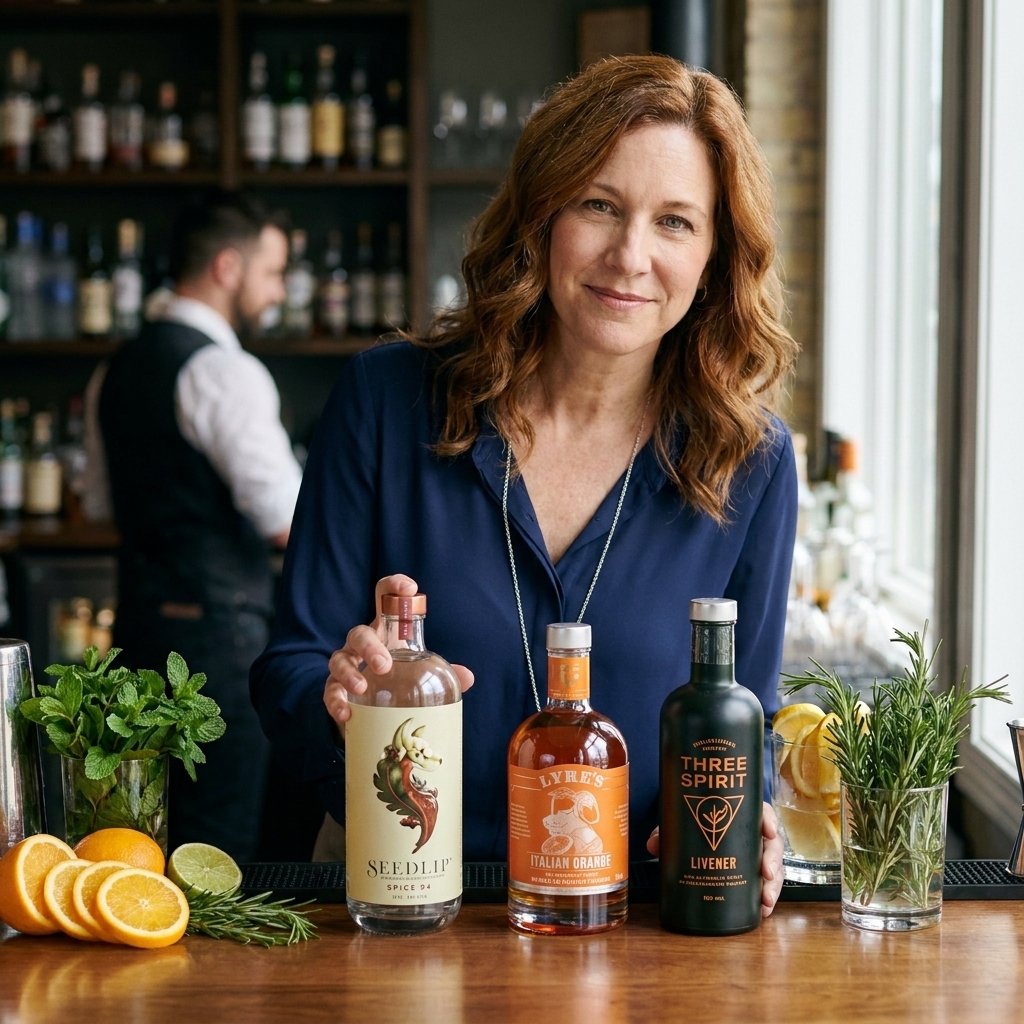
This is a bartender’s-eye guide to the low-sugar and keto-friendly end of the zero-proof universe, plus how to build mocktails that do not rely on liquid sugar for personality.
Zero alcohol vs zero sugar
Non-alcoholic does not automatically mean low-carb. In traditional cocktails, alcohol is often the main “calorie event,” but sugar is the main “glycemic event.” To replace ethanol’s body, warmth, and mouthfeel, many NA brands use ingredients like added sweeteners, glycerin, and fruit concentrates. Not every bottle does this, but it is common enough that you should assume nothing until you check.
What “keto-friendly” can mean
- Zero added sugar (best case), and ideally 0 to 2g carbs per serving.
- Sweetened with non-nutritive sweeteners (can work for many people, but personal tolerance varies).
- Low sugar per serving, but the serving size is sneaky. Some labels look fine at 1 oz, but you will pour 3 to 4 oz to get real flavor intensity and body in the glass.
Diabetes and insulin resistance note
I am not a clinician, but I have seen enough guests do the post-mocktail finger-stick math to know this: everyone’s response is different. If you dose insulin, use a CGM, or track carbs closely, treat any new NA product like a new food. Start small, measure, and keep notes.
Quick note on trace alcohol
Some “non-alcoholic” products may contain trace alcohol (often up to 0.5% ABV in some markets). That can matter for pregnancy, recovery, medication interactions, or personal preference. If you need true 0.0%, look for bottles and labels that explicitly state it, and double-check local labeling rules.
Read labels like a pro
When I was building NA programs, I stopped trusting front labels fast. Here is what I look for when sugar matters.
Green flags
- Nutrition panel with carbs and sugars listed (or a clear statement backed by a spec sheet).
- “Unsweetened” or “no added sugar” paired with a dry, botanical ingredient list.
- Concentrated flavor that works at 0.5 to 1.5 oz, so you do not have to pour half a glass to taste it.
Red flags
- “Mix,” “cocktail base,” or “ready to drink” without clear carb data.
- Fruit concentrates high up the ingredient list.
- “Contains honey,” “agave,” “cane sugar,” “date syrup” anywhere in the build.
- Serving size games: a label based on 1 oz when the suggested serve is 3 oz plus tonic.
The serving size math (one real example)
If a bottle lists 1g total carbs per 1 oz and you pour 3 oz to get a “cocktail-sized” serve, that is 3g carbs before you add citrus, mixers, or garnishes. It can still fit a low-carb plan, but it should be a conscious choice, not a surprise.
The tonic trap
Even if your “spirit” is sugar-free, the mixer can wreck the landing. Classic tonic water is often sweetened, and ginger beer is frequently even higher in sugar than people expect.
- Soda water
- Unsweetened sparkling mineral water
- Diet or zero-sugar tonic (if you tolerate the sweeteners)
- Verified low-sugar ginger beer or “diet” ginger beer (they vary a lot), or DIY ginger soda with fresh ginger and a non-sugar sweetener
Zero-proof spirits by sugar risk
Because brands tweak formulas and labeling standards vary by country, consider this a decision framework, not a forever verdict. When possible, I note what usually makes a product land in the category. Also, “unsweetened” does not always mean “zero carb” in every jurisdiction or label format. Always check the panel you are holding in your hand.
Most keto-compatible: dry botanical spirits
These tend to be built like perfume for cocktails: botanicals, acids, bitterness, and heat without sweetness. They are usually the easiest to keep truly low-carb.
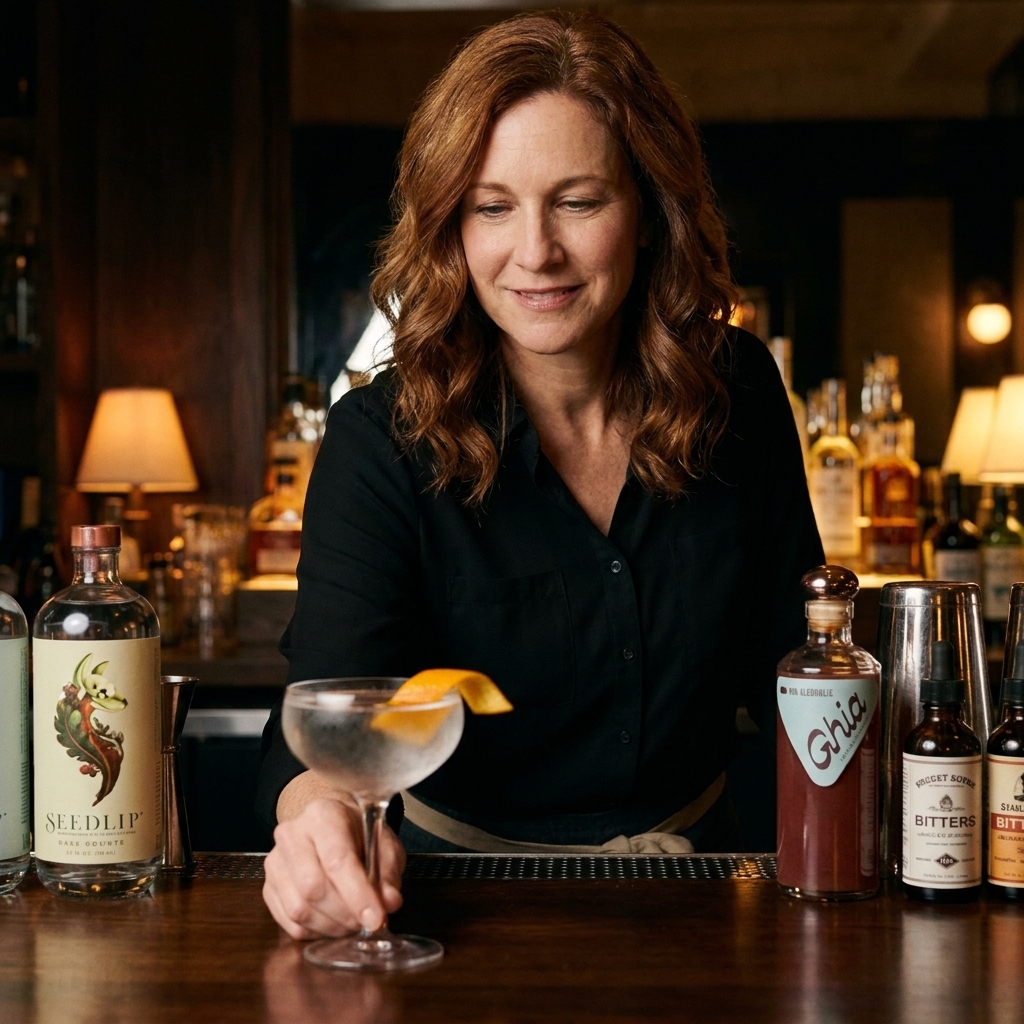
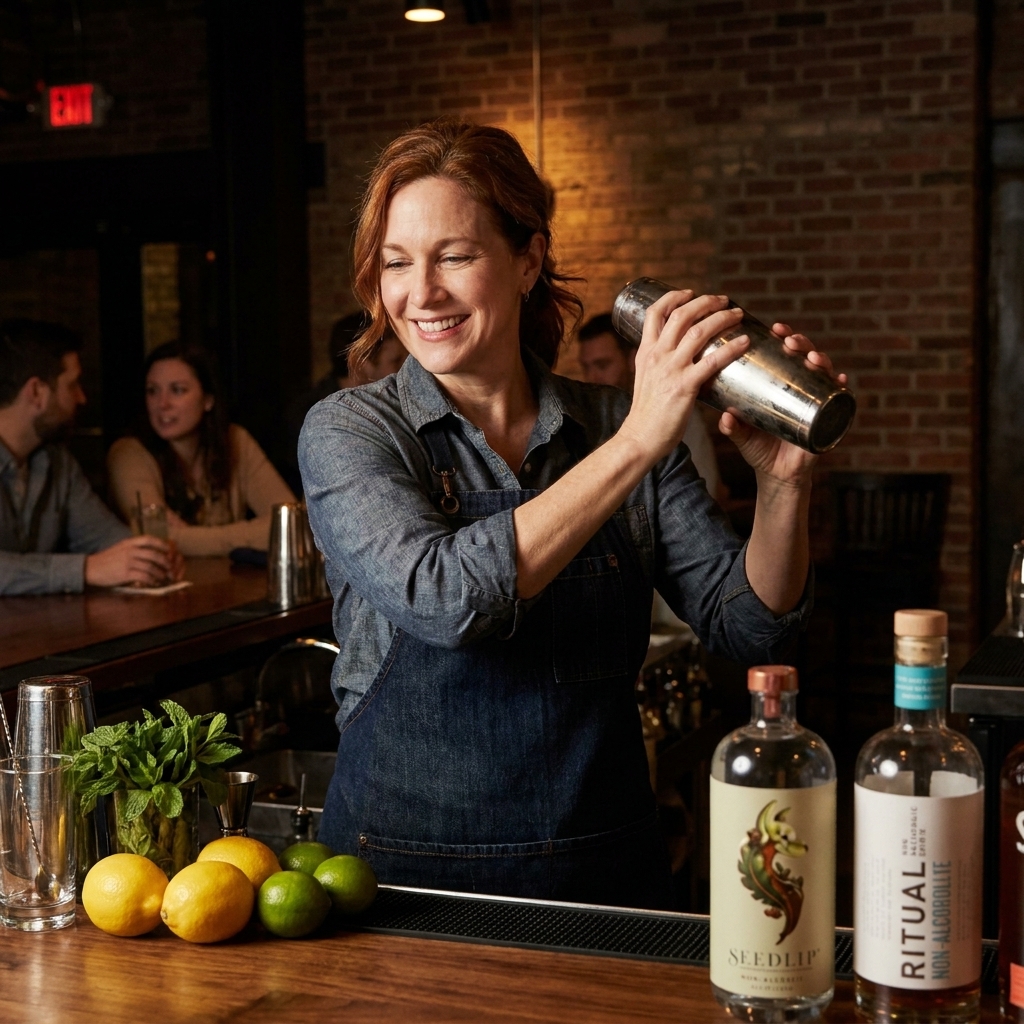
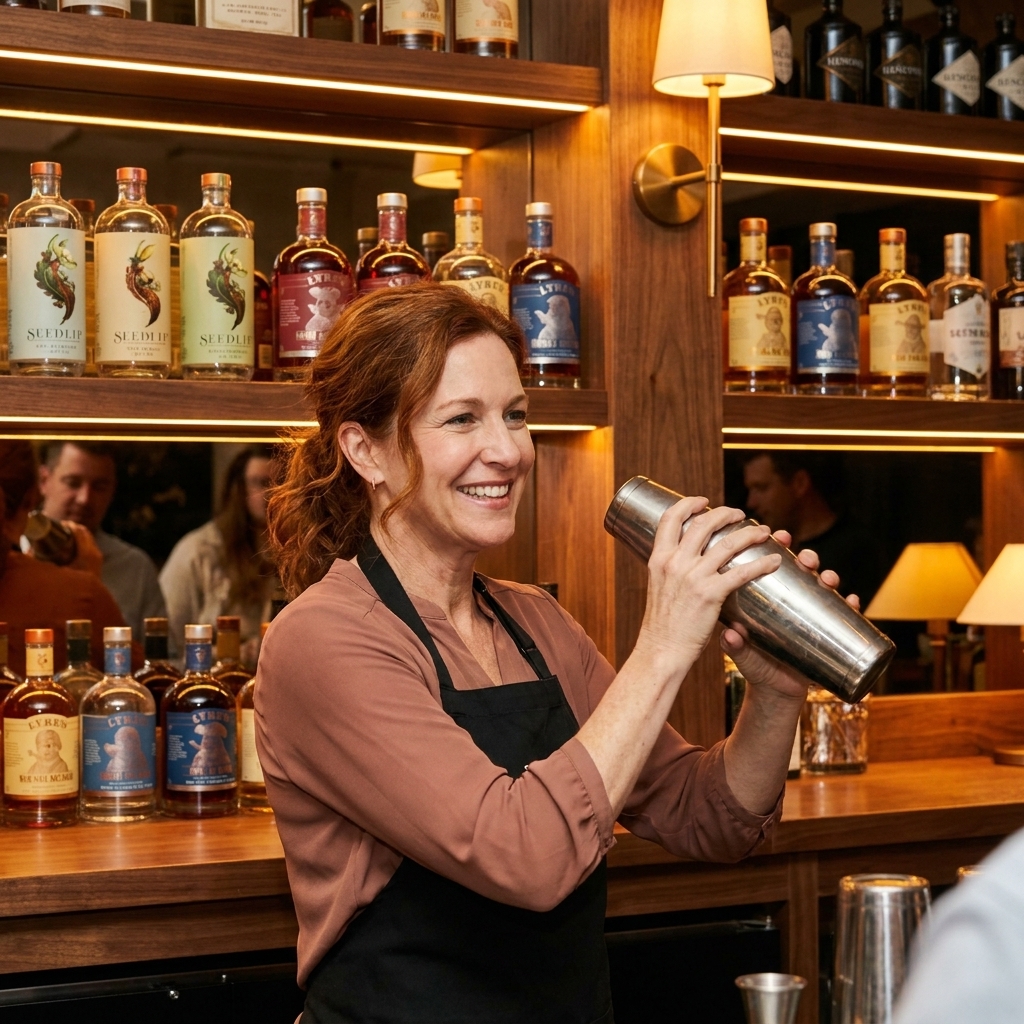
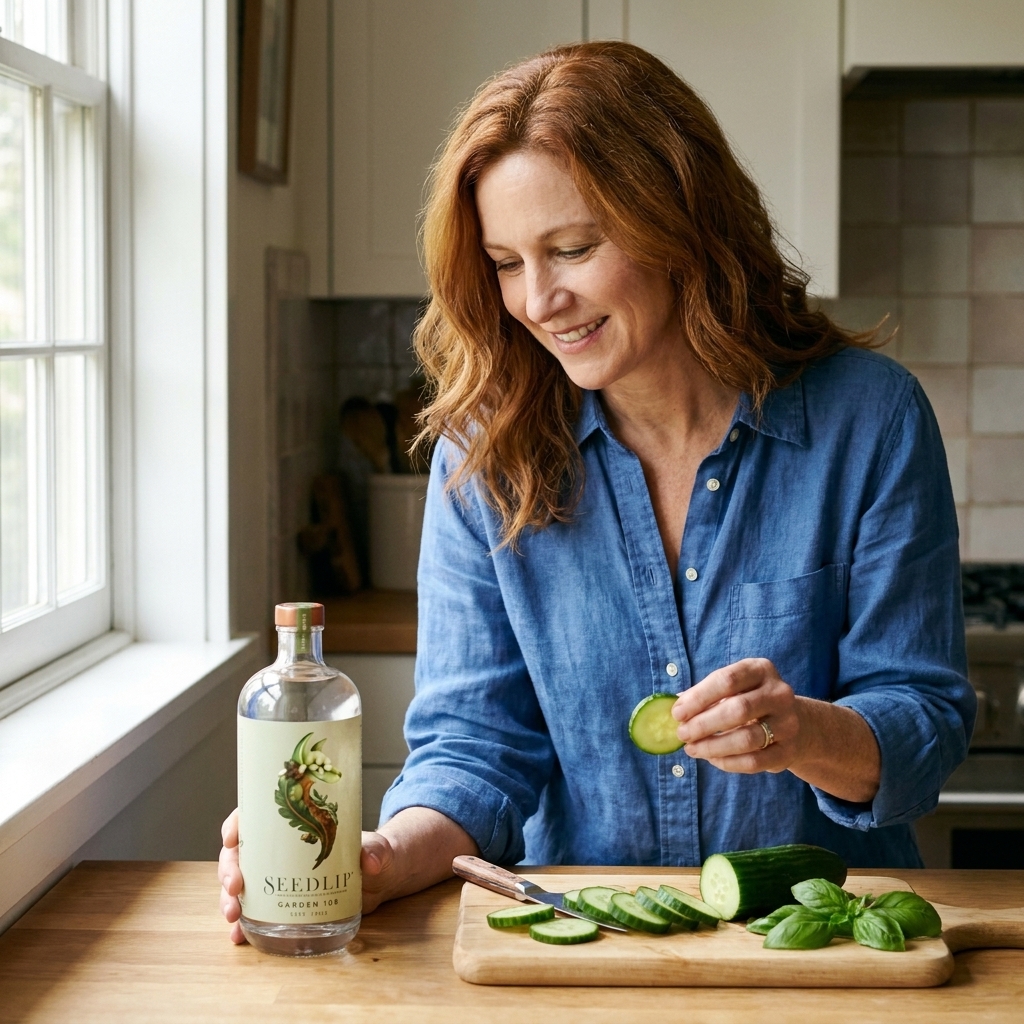
- Seedlip (Garden, Grove, Spice): widely sold as unsweetened, but formulas and labeling can vary by market. Check your local nutrition panel to confirm carbs and sugars for your SKU.
- Gin-style NA spirits labeled “dry” or “unsweetened”: many newer gin alternatives follow Seedlip’s lead. If you see “dry” positioning and low or zero sugar on the panel, you are likely in a safer zone.
- Bitter botanical aperitif alternatives with low or no sugar: some brands build bitterness with gentian, tonic-style botanicals, and acids rather than sugar. These can be a gift for low-carb drinkers because bitterness reads “cocktail” fast.
Often low-sugar, but check: whiskey, rum, tequila
These categories often need added body to mimic alcohol’s weight. Some brands keep it dry with tannin, smoke, spice, and glycerin. Others compensate with sweeteners.
- Whiskey-style NA spirits: look for smoke, oak, tea, and spice notes. Great for an Old Fashioned-style mocktail, but only if the bottle is not sweetened. If it tastes like barbecue maple, investigate.
- Tequila-style NA spirits: the best ones lean on agave aromatics and peppery heat without using actual sweet agave syrup. Check total carbs, not just “sugars.”
- Rum-style NA spirits: the danger zone is “vanilla-caramel” profiles that are delicious but often sweetened. If you want a mojito vibe, you can often skip “rum alternative” entirely and build with mint, lime, salt, and soda.
Proceed with caution: liqueur-style, amaro-style, RTDs
This is where sugar sneaks in because, traditionally, liqueurs and many aperitifs are sweet by design. NA versions often follow suit.
- Amaro-style NA bottles: some are dry and bitter, others are syrupy. If the brand markets it as “sipping” and “rich,” assume carbs until proven otherwise.
- Orange liqueur alternatives: even in the alcoholic world, these are sweet. For low-sugar margarita riffs, you are better off using orange zest, a tiny pinch of citric acid, or a sugar-free orange syrup you control.
- Ready-to-drink canned mocktails: they are convenient, but many are built like soda. If you love them, look for explicit grams of sugar per can and keep them as occasional treats, not default hydration.
Hidden carbs beyond sugar
Even when a label shows “0g added sugar,” you can still get carbs from the parts that feel “healthy” on a menu.
- Juice: citrus is lower than most fruit juice, but it still has natural carbs. If you are very strict keto, measure it like you would measure anything else.
- Coconut water: delicious, also not low-carb.
- Shrubs and drinking vinegars: traditionally made with a lot of sugar, unless explicitly reformulated.
- Kombucha: can vary wildly by brand and batch. Some are fairly dry, others are basically sparkling sweet tea.
- “Functional” RTDs: adaptogen and wellness drinks can hide sweeteners under a health halo. Look for the nutrition panel, not just the vibes.
Sweeteners: what works, what to watch
I have watched guests avoid sugar, then unknowingly slam their system with a sweetener that does not agree with them. The goal is not moral purity. It is finding your personal “good enough” that still feels celebratory.
Common low-carb sweeteners
- Stevia: sweet, can read bitter or licorice-like in higher doses.
- Monk fruit: often cleaner than stevia, but usually blended with erythritol.
- Erythritol: popular in keto products. It can cause GI upset in some people and can crystallize in very cold drinks if too concentrated.
- Allulose: behaves more like sugar in cocktails and syrups, but availability varies and some people still experience digestive sensitivity.
- Sucralose or aspartame: effective and stable, but some folks avoid them for taste or personal reasons.
Sugar alcohol note: “Sugar alcohol” is a category, not a single ingredient. Erythritol is often tolerated differently than xylitol or maltitol, and maltitol in particular can raise blood glucose more for some people. If sugar alcohols do not love you back, you may prefer unsweetened spirits plus acidity, salt, and aromatics over a “keto syrup” approach.
Build low-sugar mocktails
When you take sugar out, you have to put something else in. In my bar days, we called it “structure.” At home, it is the difference between “this is fine” and “wait, this is actually good.”
Five tools that replace sugar
- Acid: lemon, lime, verjus, or a tiny pinch of citric and malic acid.
- Bitterness: grapefruit pith, gentian-style aperitifs, and bitters-style products.
- Salt: two drops of saline solution (or a tiny pinch) makes flavors pop.
- Aromatics: expressed citrus peel, herbs, ginger, pepper, smoked tea.
- Texture: egg white or aquafaba foam, chilled strong tea for tannin, a tiny touch of glycerin if you use it.
Bitters clarification: traditional bitters are used in tiny amounts. The bigger sugar risk tends to come from sweetened “bitters” syrups, bitters-style cocktail concentrates, or NA aperitif “bitters” that are designed to be poured by the ounce. Read the panel and dose accordingly.
Three low-sugar recipes
These are designed to be satisfying without needing a cup of syrup. Adjust sweetener to your needs, or skip it entirely and lean into bitter, bright, and bubbly.
1) The Dry Spritz
- 1.5 oz unsweetened botanical NA spirit (Seedlip-style)
- 2 oz soda water
- 2 oz zero-sugar tonic or dry sparkling water
- 0.25 oz lemon juice
- 2 drops saline (or a tiny pinch of salt)
- Garnish: grapefruit peel and a sprig of rosemary
Method: Build in a wine glass with ice. Stir gently. Express grapefruit peel over the top and drop it in.
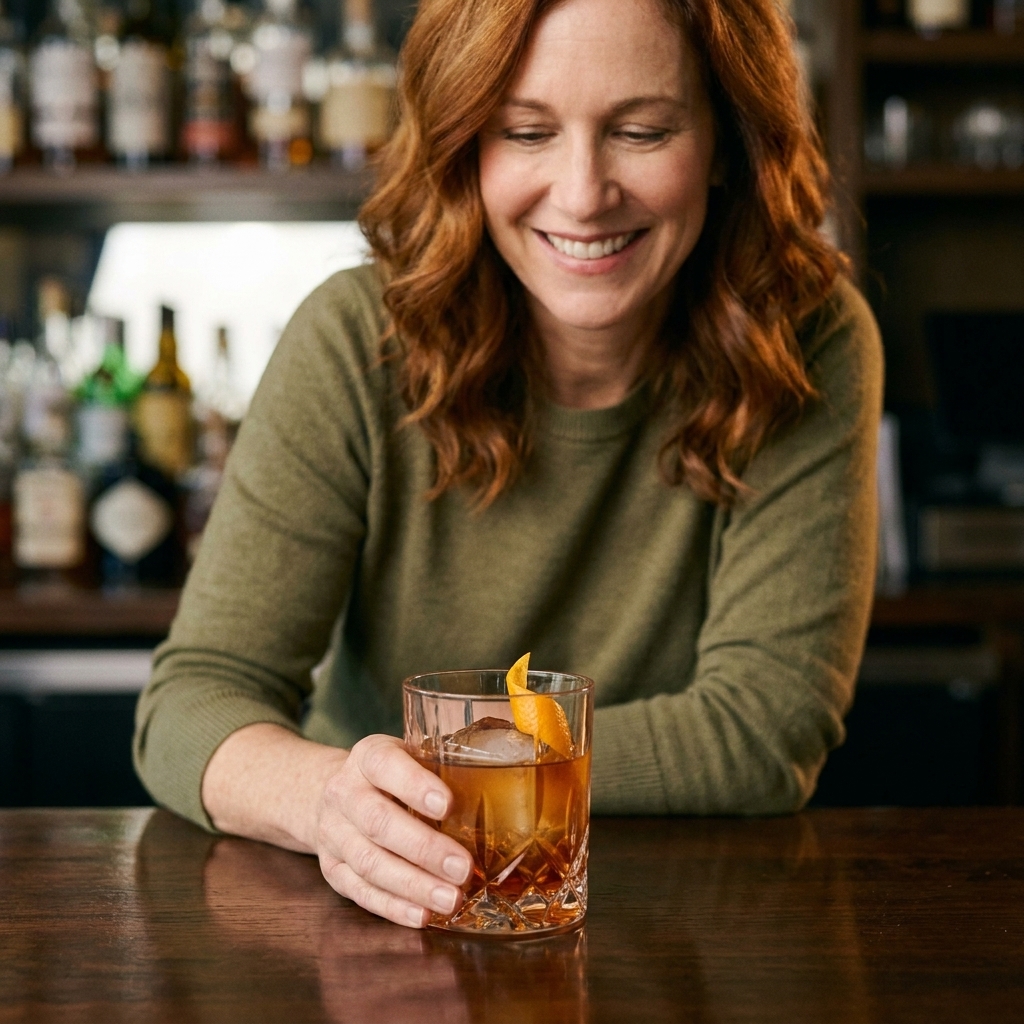
2) Old Fashioned-ish
- 2 oz unsweetened whiskey-style NA spirit
- 0.25 oz allulose syrup (optional, start with less)
- 2 dashes bitters (verify sugar if you are using a sweetened bitters-style syrup)
- 1 dash aromatic bitters alternative or a small pinch of cinnamon
- Garnish: orange peel
Method: Stir with ice until very cold, then strain over fresh ice. Express orange peel. If it tastes thin, add a splash of chilled black tea for tannin.
3) Chili-Lime Highball
- 2 oz tequila-style NA spirit (dry, low-carb)
- 0.75 oz fresh lime juice (note: citrus still has natural carbs)
- 2 to 4 oz soda water
- 0.25 oz allulose syrup or monk fruit syrup (optional)
- Pinch of salt
- Garnish: jalapeño slice and lime wheel
Method: Shake the spirit, lime, sweetener (if using), and salt with ice. Strain into an ice-filled highball and top with soda.
Low-carb home bar list
If you want the most flexibility with the least label stress, build around dryness and add sweetness only when you choose to.
- One unsweetened botanical NA spirit (your “gin” stand-in)
- One dry whiskey or tequila alternative (verify carbs)
- Soda water and zero-sugar tonic
- Citrus, plus a small jar of citric acid if you like precision
- Saline solution (salt + water in a dropper bottle)
- Strong tea (black, oolong, or lapsang for smoke)
- Herbs and ginger
Ordering out
As a former beverage director, I will say this gently but clearly: most bars can make you something low-sugar. They just need you to be specific.
- Ask for soda water instead of tonic, unless they carry a zero-sugar tonic.
- Request no simple syrup, or “sweeten only with stevia or monk fruit if you have it.”
- Choose spirit-forward mocktails with citrus, bitters, and herbs over fruit-puree builds.
- If you have diabetes and need precision, ask if they can share the brand of NA spirit so you can look up nutrition info.
If the menu says “house sour mix,” assume sugar. Ask for fresh lemon or lime instead. That one swap fixes more mocktails than any fancy bottle.
FAQ
Are zero-proof spirits keto-friendly?
Some are, some are not. The safest bets are unsweetened botanical spirits and dry styles with verified 0g sugar and very low carbs. Watch for liqueur-style NA bottles and canned mocktails, which are more likely to contain sugar or higher carbs.
Do “no sugar added” and “sugar-free” mean the same thing?
No. “No sugar added” can still contain naturally occurring sugars from juice or concentrates. “Sugar-free” typically means under a regulatory threshold, but the threshold and rounding rules depend on local labeling regulations. If you are keto, also check total carbs, not just the sugar line.
What is the lowest-sugar way to make a mocktail taste good?
Use acid + bitterness + salt + aromatics. A squeeze of citrus, a bitter botanical element, and a pinch of salt can make a drink feel complete without sweetness.
Do sugar alcohols affect blood glucose?
Often less than sugar, but responses vary by person and by sweetener. Some people see minimal glucose impact but experience GI issues. Also, sugar alcohols vary. Some (like maltitol) can raise glucose more than others. If you are managing diabetes, treat new sweeteners like new foods and test your response.
Bottom line
The best low-sugar mocktail is not a sad cocktail impersonation. It is its own drink, built with intention. Look for unsweetened, botanical-forward NA spirits, keep your mixers honest, and let citrus, salt, tea, herbs, and bitterness do the heavy lifting.
And if you are navigating diabetes or insulin resistance, you deserve more than “just have club soda.” You deserve a drink that tastes like you still get to go out and belong at the bar.