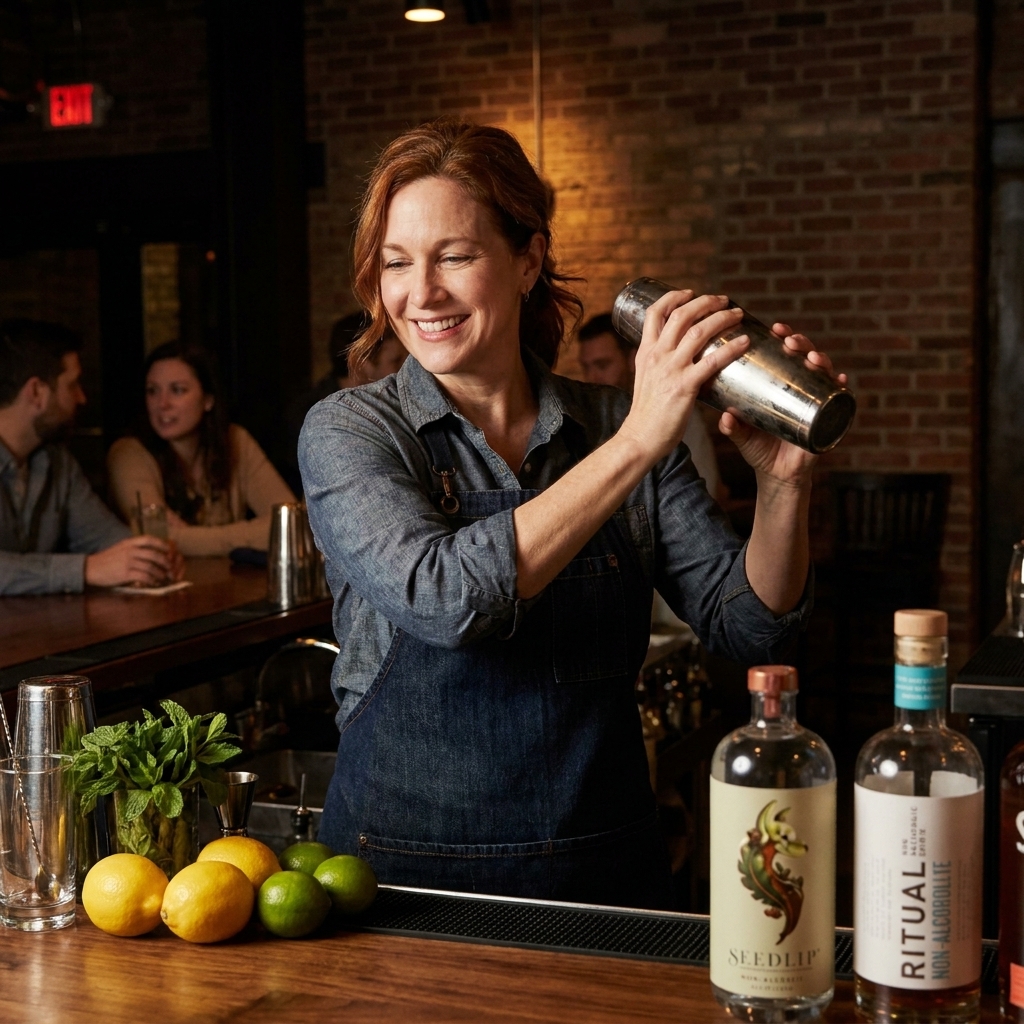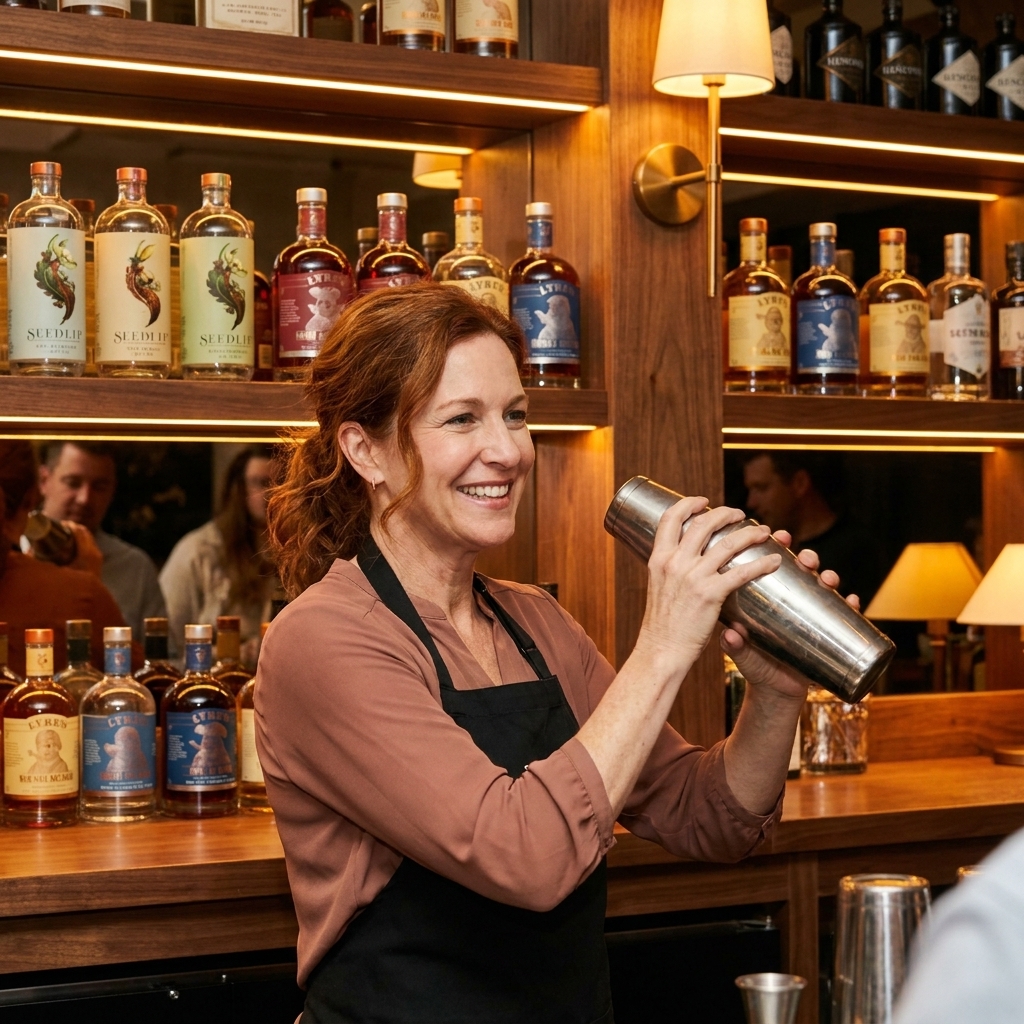
There is a certain kind of modern thirst that has nothing to do with dehydration. It is the one that shows up mid-shift, mid-commute, mid-inbox spiral. You want a ritual, a little lift, and ideally, fewer consequences than your third iced coffee or a “just one” cocktail that turns into a Tuesday night with a headache.
Enter the functional beverage: sleek cans that promise calm, clarity, focus, glow, gut harmony, better sleep, and a more emotionally regulated version of you. The two star players right now are adaptogens (stress support) and nootropics (cognition support). The question I hear most, from sober-curious friends to line cooks to my own nervous system, is simple: are these drinks worth the hype, or are we just buying expensive hope?
Let’s talk about what’s actually in the can, what the evidence can and cannot tell us, and how these drinks taste when you drink them like a normal person and not a wellness influencer.
What “functional beverage” means
In the restaurant world, “functional” is a compliment. A functional prep station. A functional cocktail build. It means something works.
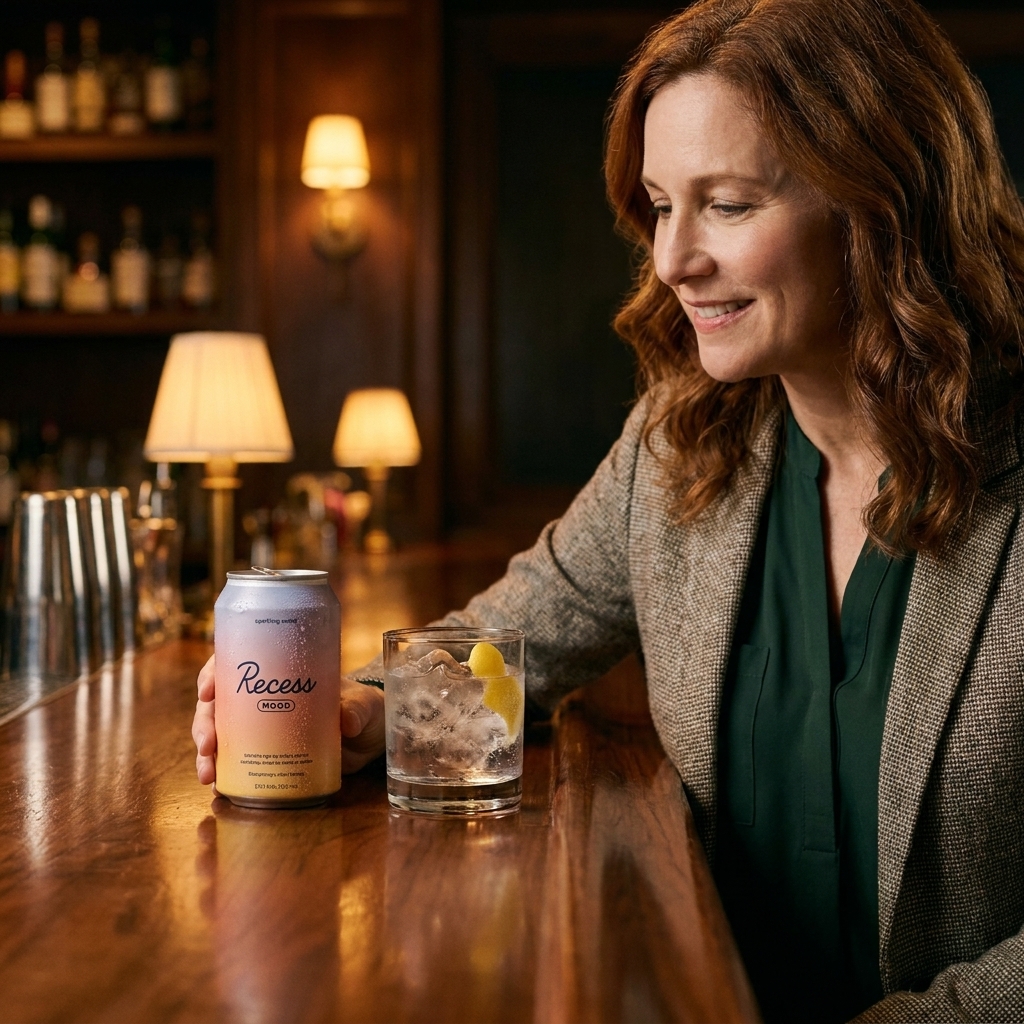
On a label, functional usually means a drink has added ingredients marketed for a benefit beyond hydration or flavor: botanicals, herbs, amino acids, vitamins, mushrooms, probiotics, or extracts with a wellness halo.
Most functional drinks live in one of these lanes:
- Adaptogen-forward: positioned for stress, mood, and “balance.”
- Nootropic-forward: positioned for focus, memory, or productivity.
- Hybrid: a little of everything, plus buzzwords.
- Non-alcoholic social tonics: meant to replace the role of a cocktail, even if the “effect” is subtle.
Important note: in the U.S., conventional beverages (sold as foods) cannot make disease claims like “treats anxiety” or “prevents depression.” You will see language like “supports,” “promotes,” “helps,” and “may.” Even then, the line is still real: “support” claims should not imply treating or preventing a condition, and products can still be considered misbranded if the overall marketing crosses into disease territory.
Adaptogens 101
Adaptogens are a traditional herbal category that has been repackaged into a modern wellness shorthand. In theory, they are used to help the body handle stress. In practice, in canned-drink land, “adaptogen” often means “herbal ingredient with calming vibes,” and the evidence is uneven from ingredient to ingredient.
The real-world issue with canned adaptogen drinks is not that herbs are fake. It is that dosage, extract type, and consistency are all over the place. A sprinkle of an herb for label appeal is not the same as a studied amount of a standardized extract.
Common adaptogens in drinks
- Ashwagandha: often marketed for stress and sleep. Some studies suggest it may reduce perceived stress at certain doses, typically with daily use, but results vary by extract and population.
- Rhodiola rosea: positioned for fatigue and resilience. Research is mixed, and dosing and extract standardization matter.
- Holy basil (tulsi): traditionally used for stress support and inflammation support, often with a pleasant herbal profile.
- Ginseng: sometimes included for energy and mental performance, and it can read more stimulating than calming.
- Mushrooms like reishi (often “calm”) or cordyceps (often “energy”): widely used, but most of the data people cite comes from supplement-style preparations at specific doses. Many canned drinks use much smaller amounts, or different forms, than what was studied.
Who should be cautious
I am not here to fearmonger, but I am here to respect your body. If any of the below apply, consider checking with a clinician or pharmacist, especially if you drink these daily:
- Pregnancy or breastfeeding (many herbs are not well studied here).
- Thyroid conditions (ashwagandha in particular is worth discussing with a provider).
- Autoimmune conditions or immunosuppressant medications: some botanicals are marketed as “immune-supporting,” and there is a lot of variability and uncertainty in the evidence. When your immune system is part of the story, it is worth getting real medical eyes on the ingredients list.
- Blood pressure or blood sugar medications (some ingredients may affect these markers for some people).
Also, if you have ever had an herb hit you weird, trust that instinct. “Natural” is not a synonym for “universally chill.”
Nootropics 101
Nootropics are a similarly fuzzy category in beverage marketing. In the strict sense, it is about cognition. In the can, “nootropic” can mean anything from “this has caffeine” to “this has a grab bag of amino acids and herbs.” Evidence ranges from strong (caffeine) to promising-but-limited (certain compounds) to “we do not really know at this dose in this format.”
Common nootropic ingredients
- Caffeine: the original nootropic. Effective, predictable, and sometimes the secret main character behind “focus” claims.
- L-theanine: an amino acid found in tea. Often paired with caffeine to smooth the edges and reduce jitters for some people.
- Tyrosine: an amino acid involved in neurotransmitter production. Studied in certain stress and fatigue contexts, but not a magic switch.
- Alpha-GPC or citicoline: choline sources marketed for memory and focus. More common in supplements, occasionally shows up in beverages.
- B vitamins: essential nutrients that get marketed as energy. Helpful if you are deficient, less dramatic if you are not.
- Ginkgo and bacopa: herbal ingredients with data that is mostly from supplement forms at specific doses, often taken over time. Canned beverages may contain far below those studied ranges.
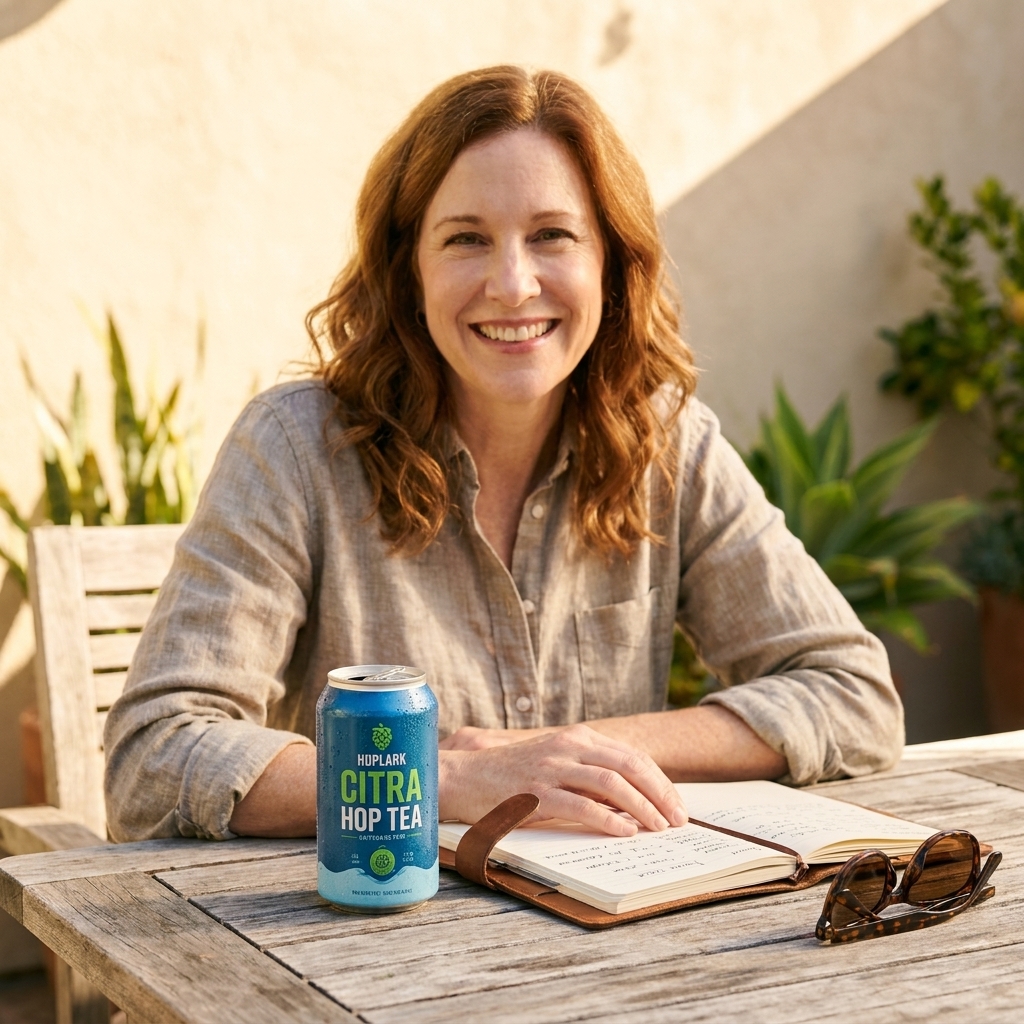
If you read a “nootropic” label and the first ingredient doing the heavy lifting is caffeine, that is not necessarily bad. It is just honest to acknowledge that your focus might be coming from the same molecule that powers diner coffee.
What the science can tell you
Here is the tricky part: research often looks at specific extracts in specific doses, sometimes taken daily, often in controlled conditions. Your canned beverage may contain a proprietary blend, a small amount of an ingredient for flavor, or an extract that is not equivalent to what was studied.
So rather than “does ashwagandha work” in the abstract, a better question is:
- Is this ingredient present in a meaningful amount, and does the label tell me the milligrams?
- Is it a standardized extract or just a powder?
- Is the drink relying on caffeine, sugar, or carbonation to make me feel something?
- Do I personally feel better after drinking it, consistently, without side effects?
In my experience, the most reliable benefits people report from functional drinks tend to fall into two categories:
- Ritual and replacement: swapping a second cocktail for a “calm” seltzer changes your night, even if the botanicals are subtle.
- Gentler stimulation: caffeine plus L-theanine, or tea-based formulas, can feel steadier than coffee for some drinkers.
The least reliable benefits are the cinematic ones: instant serenity, a sudden IQ bump, or a deep sleep triggered by a 12-ounce can.
Label reading, bartender edition
If you want to avoid paying premium prices for fairy-dust dosing, learn to read the can like you read a cocktail menu.
Quick checks
- Caffeine: many “focus” drinks land somewhere between tea and energy drink territory. If you are caffeine-sensitive, anything in the energy drink range can feel like a lot, especially stacked on top of coffee. Start with half a can if you are not sure.
- Proprietary blends: not automatically shady, but they make it hard to compare products. If a drink is built around one headline ingredient, it is a green flag when it lists the exact amount.
- Time horizon: some ingredients people chase (ashwagandha, bacopa, certain mushroom extracts) are often studied as daily-use supplements over weeks. Many beverages contain lower doses, so set your expectations accordingly.
- Quality signals: third-party testing is more common in supplements than beverages, but if a brand shows credible certifications or testing transparency, that is a nice-to-have in a category full of big promises.
The flavor reality
As a beverage director, I care about effects, sure. But I care about palate more. If the drink tastes like a vitamin aisle, you will not stick with it long enough to know if it helps.
Common flavor profiles
- “Calm” adaptogen drinks: often citrus, berry, or ginger-forward with a soft herbal finish. Some have a slightly earthy, rooty note that reads like “wellness” immediately.
- Mushroom-based drinks: can be surprisingly pleasant when balanced with cocoa, coffee, chai, or vanilla. The miss is when the earthy bitterness is left naked.
- Nootropic energy drinks: frequently tropical fruit, candy-like profiles, or crisp tea-lemon styles. If it says “focus,” it often drinks brighter, more acidic, and more aggressively carbonated.
- Social tonics: often bitter, botanical, and lightly sweet, intentionally mimicking the grip of amaro or a spritz.
Pro tip from behind the bar: serve them cold and in a glass. Lots of these drinks taste better with ice, a citrus peel, or a salted rim if the flavor is too perfumey. Presentation is not just for photos, it changes how your brain experiences the “treat.”
Culture check
Functional beverages are not only about wellness. They are about the modern relationship to work, stress, and identity. In hospitality, we have always self-medicated. Coffee to start. Shift drink to come down. Late-night soda for the drive home. Now a can promises you can do it all with a cleaner conscience.
I have a lot of empathy for that. I also want us to name the bigger thing: a beverage cannot fix a system that keeps people exhausted. But it can be a small tool, especially if it helps someone drink less alcohol, manage caffeine more thoughtfully, or feel included at a party without white-knuckling a seltzer.
Sometimes the “worth it” part is not the adaptogen. It is the permission to choose a different night.
How to shop smarter
1) Look for transparency
If the can lists exact amounts for key ingredients, that is a good sign. “Proprietary blend” is not automatically a dealbreaker, but it makes it harder to know what you are paying for.
2) Name the job
Be honest about the job you are hiring the drink for.
- If you want calm: look for low or no caffeine, and ingredients like L-theanine, lemon balm, or botanicals commonly used for relaxation, plus low sugar.
- If you want focus: check the caffeine amount first, then look for supportive ingredients like L-theanine. Start small if you are sensitive.
- If you want a cocktail substitute: prioritize flavor complexity, bitterness, acidity, and mouthfeel. Effects are secondary.
3) Watch sugar and sweeteners
Some functional drinks are basically soda in wellness clothing. Sugar is not evil, but it changes the experience and the crash potential. If you do not love the taste of stevia or monk fruit, you will notice it fast in botanical drinks.
4) Consider allergy and dietary needs
As someone with a severe gluten intolerance, I read labels like it is my second job. Many canned functional drinks are gluten-free, but it varies by brand and facility, so verify. “Malt” and “barley” are obvious red flags. “Natural flavors” is not a definitive gluten indicator on its own, so look for a gluten-free statement, allergen disclosures, or credible third-party gluten-free certification if you need it.
Also keep an eye on:
- Contains coconut (common in some creamers and adaptogen lattes).
- Botanicals that can trigger sensitivities in some people.
- Sugar alcohols if your stomach is easily offended.
5) Treat it like a trial
Buy a single can first. Notice how you feel two hours later, not just ten minutes in. If you want to test “calm,” try it on a normal day, not only on a day when everything is on fire.
Why NA matters
One of the most underrated benefits of functional drinks is social. In dining rooms, I have watched people light up when they are offered something thoughtful that is not a kiddie mocktail or a plain soda.
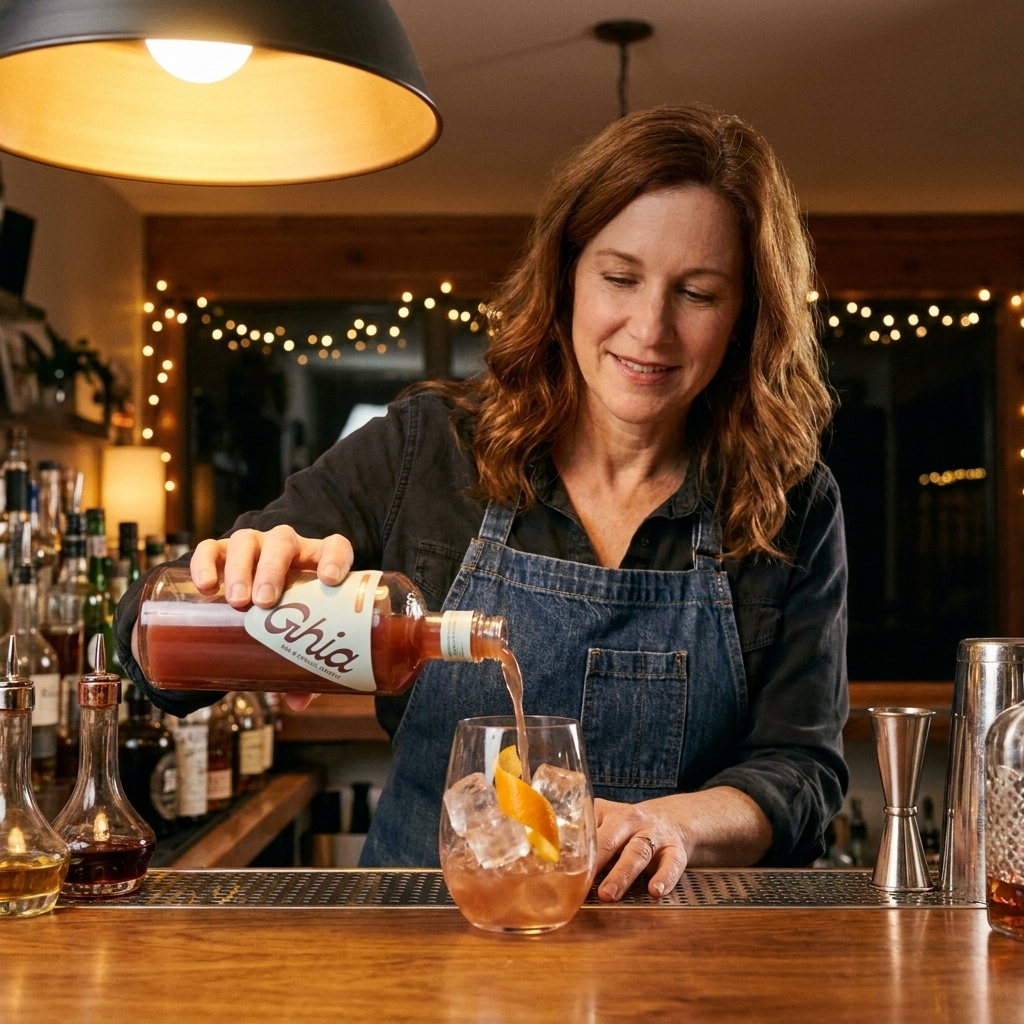
Non-alcoholic mixology has matured. It is not just about removing booze, it is about building a beverage with structure: bitterness, aromatics, texture, and an ending that feels complete. Functional ingredients can contribute to that, even if the “effect” is mild.
Safety basics
Most people can enjoy these drinks occasionally without drama. But “occasionally” turns into “daily” quickly when something becomes your 3 p.m. fix.
A few grounded guidelines
- Do not stack stimulants: if your functional drink has caffeine, be mindful about coffee, pre-workout, or stimulant medications. More is not more, it is just louder.
- Be thoughtful with alcohol: if a drink is designed for relaxation or contains sedating herbs, pairing it with booze may feel extra heavy. Data is limited, but the common-sense concern is additive sedation and fuzzier self-assessment.
- Start low: especially with new botanicals, high caffeine, or unfamiliar sweeteners.
- If you have a medical condition or take medications, check in with a clinician or pharmacist, particularly with herbs like ashwagandha, ginseng, ginkgo, or concentrated extracts.
So, are they worth it?
They are worth it when the drink tastes good, the label is transparent, and it replaces something that was not serving you. They are less worth it when you are paying premium prices for a fairy-dust dose of an ingredient, or when the can is trying to solve a life problem with passionfruit flavoring.
My bartender take: treat functional drinks like you treat amaro or espresso. Useful. Potent for some. Not universally necessary. And best enjoyed with a little self-knowledge.
If a “calm” seltzer helps you close out the night without a drink you did not actually want, that is not hype. That is harm reduction with bubbles.
Quick FAQ
Will I feel adaptogens right away?
Some people notice subtle effects quickly, but many adaptogens are discussed in studies as daily-use herbs taken over time. If you feel a dramatic immediate effect, it may be caffeine, sugar, carbonation, or placebo, which is still a real experience, just a different mechanism.
Are nootropic drinks safer than energy drinks?
Not automatically. Many nootropic drinks are energy drinks with added ingredients. Safety depends on caffeine dose, your sensitivity, and what else you are consuming that day.
Can I drink these every day?
Some people do, but rotating products and taking breaks can help you notice what is actually working. Daily use is also where checking interactions and caffeine totals matters most.
What is the best functional drink for someone who does not like sweet drinks?
Look for sparkling waters and social tonics with botanical bitterness, tea-based drinks, or aperitif-style non-alcoholic options. They tend to feel more “adult” and less candy-coded.