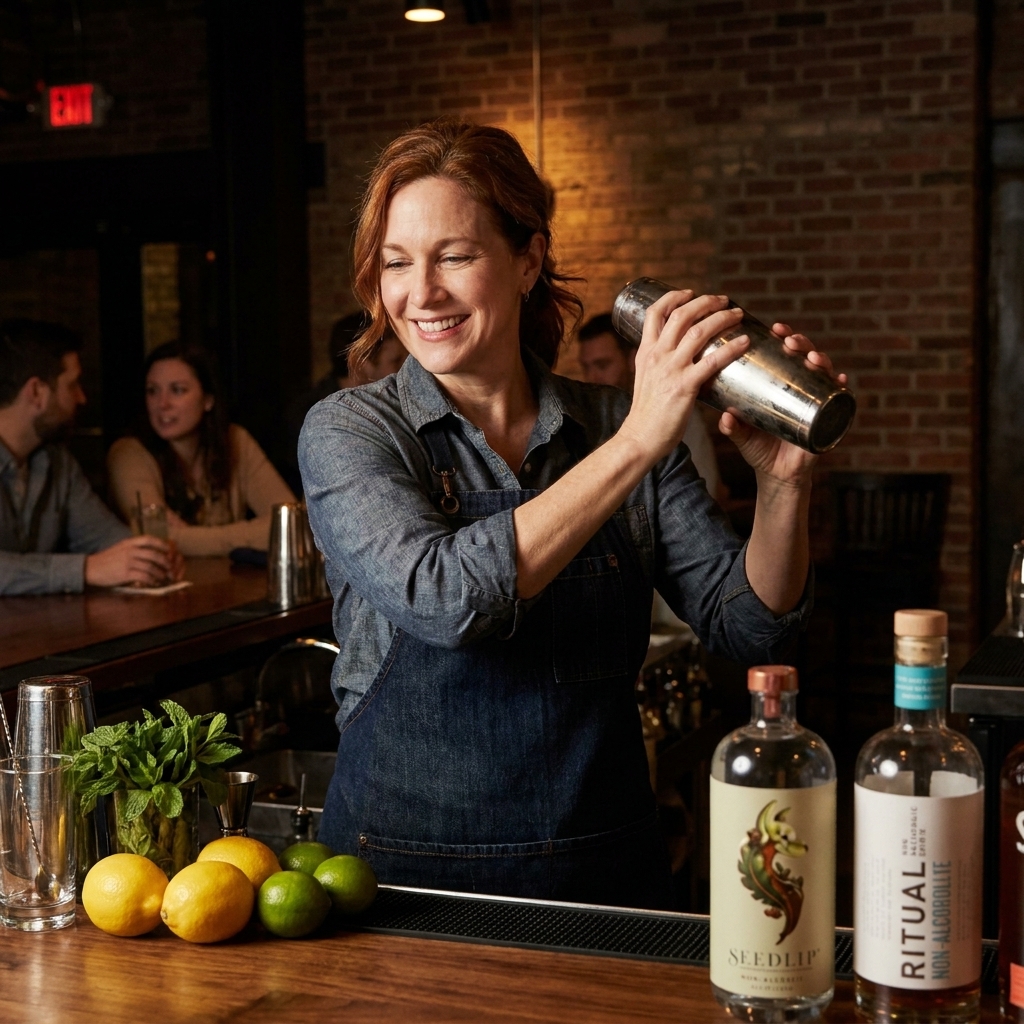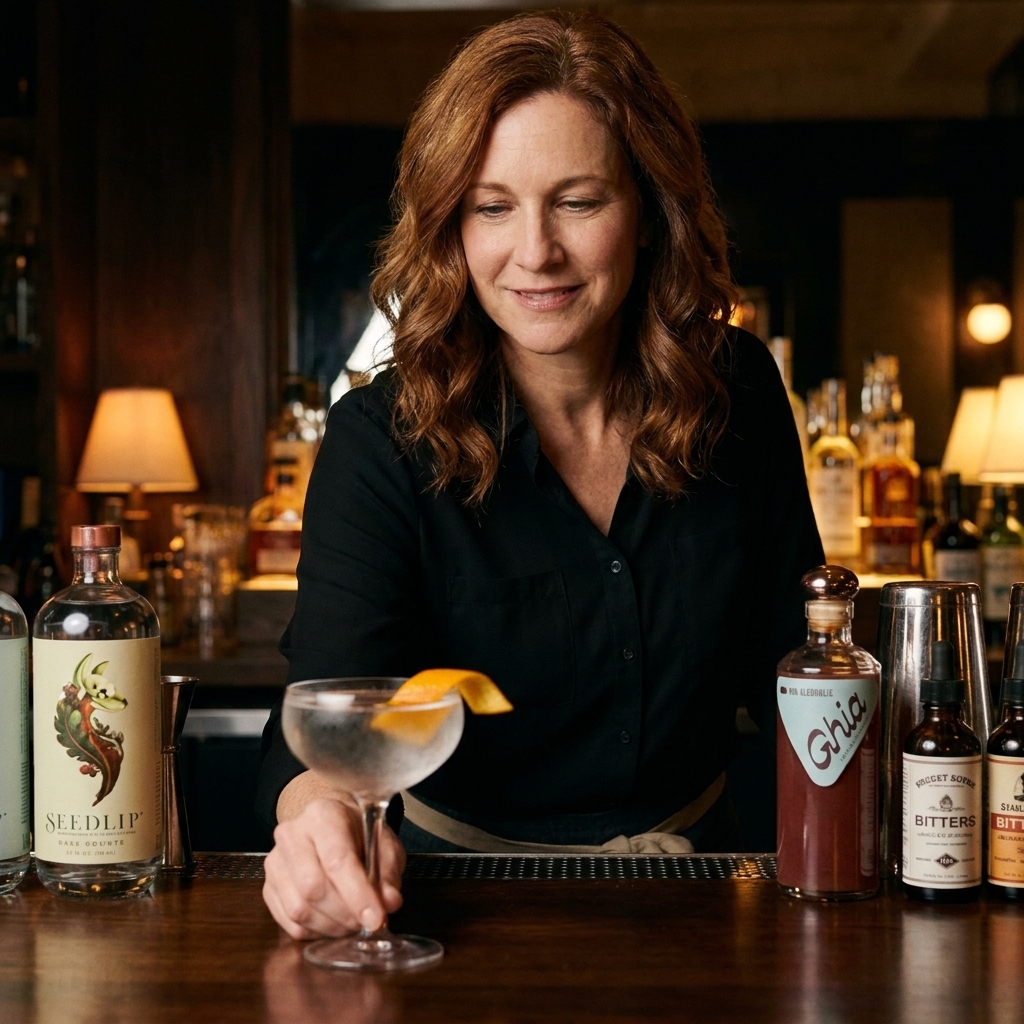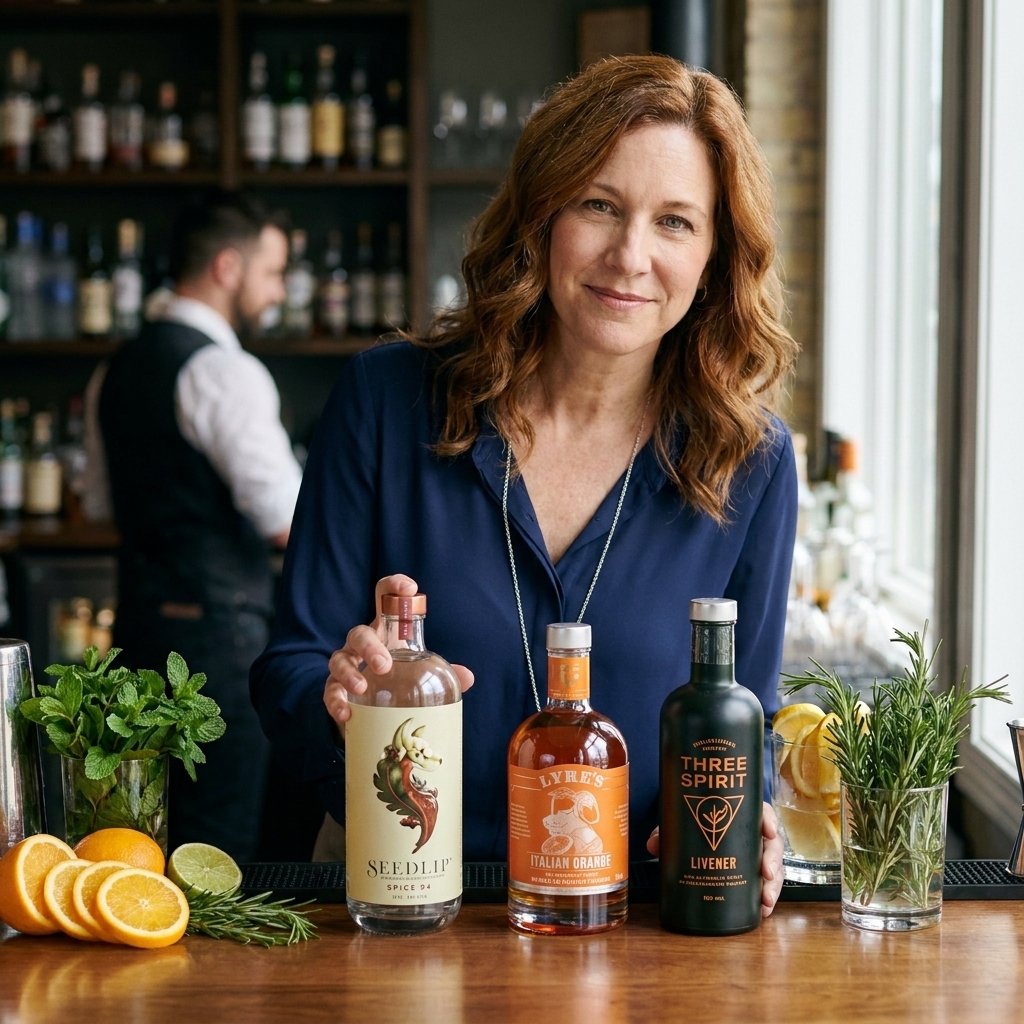
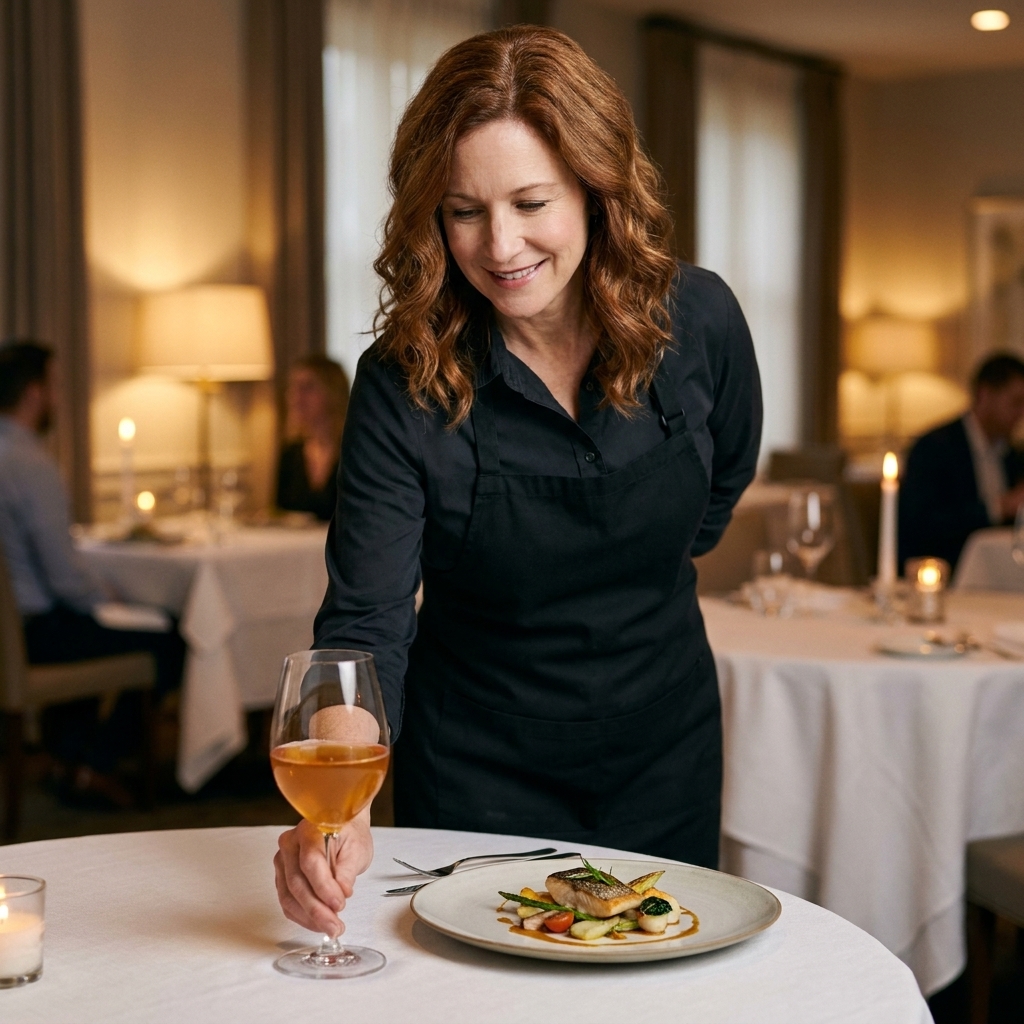
There is a moment in every great meal when the drink stops being a side character. It leans in, lifts a bite, cleans up the edges, and suddenly the whole table feels like it is moving in sync. For years, in many Western tasting rooms, that role belonged almost exclusively to wine, cocktails, and the occasional beer. Now, more of the smartest dining rooms I know are giving that same respect to craft kombucha and artisanal soda, not as a consolation prize, but as a real pairing language.
I love this shift for a lot of reasons, including the obvious: more guests want thoughtful non-alcoholic options. But I love it even more because it forces restaurants to get precise. Fermentation, acidity, sugar, bitterness, salt, texture, temperature, carbonation, all of it matters. And when it is done well, a kombucha pairing can feel as intentional as a glass of grower Champagne.
Why they belong on the menu
Let’s get one thing clear: pairing is not about matching flavors like a paint-by-number exercise. It is about managing contrast and continuity. Great pairings do at least one of three things.
- Echo: Reinforce a note already in the dish, like ginger in a broth mirrored by a ginger-forward kombucha.
- Cut: Provide a clean slice through richness, like high acid and bubbles against butter or fat.
- Bridge: Connect two components on the plate that are not naturally friends, like a berry soda tying together a gamey protein and a fruit reduction.
Kombucha can bring acidity, gentle funk, and tannin-like grip from tea, plus a fermented depth that reads “grown-up” on the palate. Artisanal soda brings carbonation and flavor clarity, and in the best versions, a chef-y sense of restraint: real citrus, real herbs, real bittering agents, not just sweetness. Both can be built to behave like wine in terms of structure, even when they taste nothing like it.
And for the record, kombucha and soda are not the only serious non-alcoholic tools. Great programs also lean on tea service, verjus, shrubs, mineral water, dealcoholized wines, and NA spirits. This piece focuses on kombucha and soda because they are the ones quietly stepping into the pairing spotlight right now.
The pairing levers
When I built pairings, I wasn’t starting with “fish equals white wine.” I was starting with a handful of levers and deciding which ones the course needed. Use these same levers for non-alcoholic pairings.
Acidity
Kombucha is often your acid backbone. High acid resets the palate, brightens salt, and makes seafood sing. If a dish feels heavy, acid is usually a good place to start.
Carbonation
Bubbles are texture. They scrub the tongue, lift aromatics, and keep multi-course meals from feeling like a march. Finer bubbles feel elegant; aggressive carbonation feels playful and can stand up to spice or fried elements.
Sweetness
Sweetness is powerful and easy to overdo. In savory courses, a touch of sweetness can tame heat and soften bitterness. Too much and you flatten everything. Look for sodas with measured sugar, or balance sweetness with bitter herbs, citrus peel, tea, or vinegar.
Bitterness and herbs
This is where artisanal soda quietly shines. Gentian, citrus peel, hops, quinine, rosemary, bay, sage. Bitterness gives structure, the way a Negroni or an amaro does, and it pairs beautifully with char, radicchio, and smoked proteins.
Tannin and grip
Tea-based kombuchas can mimic some of the drying grip you expect from wine. That grip matters with protein and fat. A black tea or oolong kombucha can play a red-wine-like structural role, with little to no alcohol depending on the brand and how it is produced.
Fermentative funk
Funk is not a flaw, it is a tool. It loves mushrooms, aged cheese, miso, cured meats, and anything with umami. The key is making sure the funk is clean and not overly volatile.
Temperature
Serve too cold and you mute complexity. Serve too warm and carbonation goes flat and acidity can feel harsh. Most kombucha and soda pairings land best lightly chilled, not icy.
Quality and handling
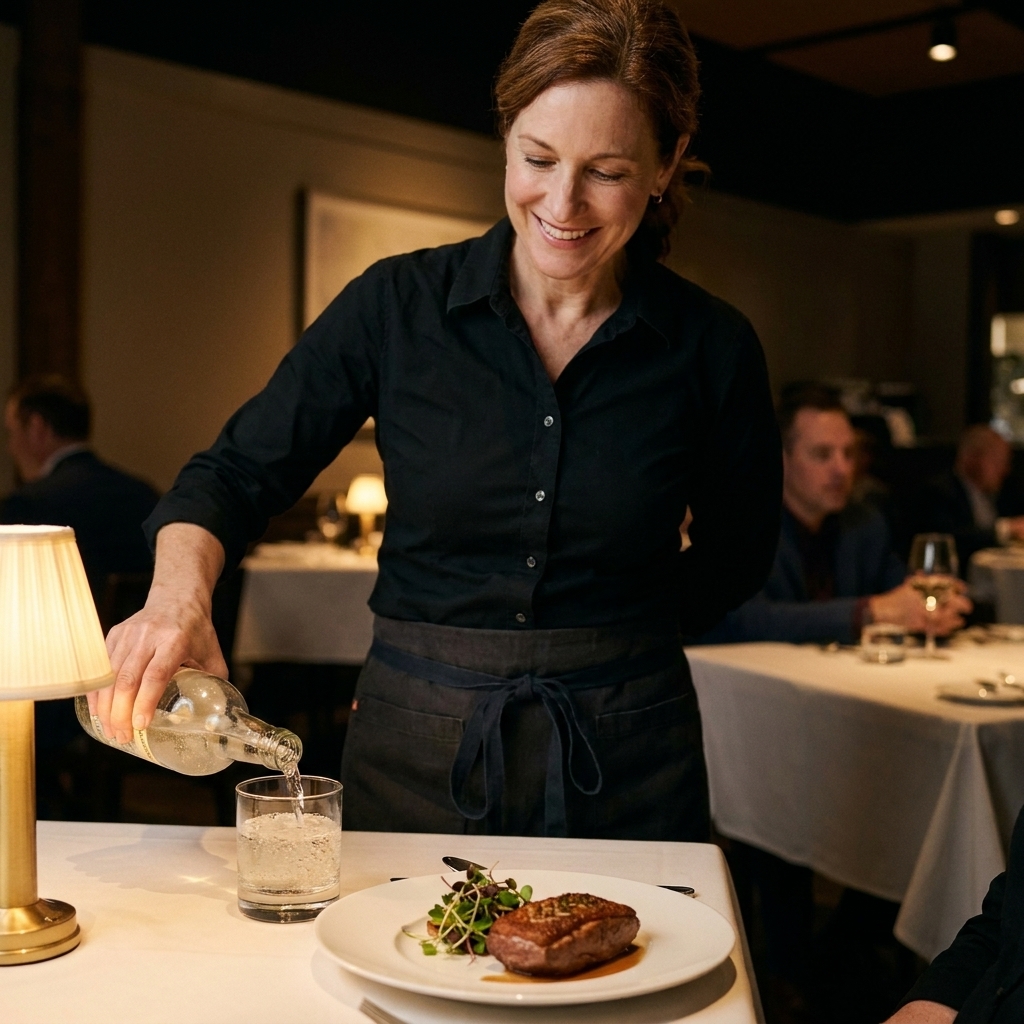
These drinks are alive, or at least they behave like it. Bottles vary, carbonation can spike, and foam can get unruly if you pour too aggressively. Store cold, open slowly, and use glassware with enough headspace to keep the course feeling composed.
Kombucha pairings
Not every kombucha is built for the table. Some are basically adult soda, some are vinegar bombs. For fine dining, you want balance, dryness, and aromatics that do not bulldoze the dish.
Seafood and raw
Try: Yuzu, lemon verbena, green tea, cucumber, or lightly floral kombucha.
Why it works: Acid plus delicate aromatics can amplify brine and citrus without masking subtle textures.
- Crudo, oysters, ceviche: pair with citrus-forward kombucha with a clean finish.
- Sushi or sashimi: look for green tea kombucha with restrained fruit.
Butter and cream
Try: Apple, pear, chamomile, or ginger kombucha that leans dry.
Why it works: You want a palate reset without aggressive funk. Ginger is especially good when a dish has browned butter or warm spice.
Mushrooms and umami
Try: Oolong, black tea, toasted rice, or kombucha with earthy botanicals.
Why it works: Tea tannin plus fermentation meets umami on its own level, like a light red wine would.
Spice and heat
Try: Pineapple, mango, hibiscus, or ginger kombucha with a touch more fruit.
Why it works: A little sweetness helps, and carbonation cools. Avoid ultra-dry, high-acid styles that can make heat feel sharper.
Char and smoke
Try: Black tea kombucha, cherry, or something with smoked tea notes if you can find it.
Why it works: You want structure and depth. Tea grip can stand up to char the way wine tannin does.
A concrete example
One pairing I keep coming back to at home: scallop crudo with jalapeño oil, cucumber, and lime with a green tea yuzu kombucha. The drink echoes the citrus, cuts the oil, and the tea gives just enough grip to keep the whole bite from floating away.

Artisanal soda pairings
When soda is built with real ingredients and a bartender’s sense of balance, it becomes a precision tool. Think of it as the highlighter pen in your pairing kit: bright, direct, and capable of making one specific note pop.
Herbal and bitter
Best with: grilled vegetables, bitter greens, citrusy salads, dishes with char, anything with herbal sauces.
Look for: rosemary citrus, bay leaf, grapefruit peel, gentian, hops, or a restrained tonic-style profile.
Citrus-forward
Best with: fried appetizers, tempura, schnitzel, creamy sauces, and seafood.
Look for: real lemon, bergamot, yuzu, blood orange, or lime, ideally with a dry finish.
Spiced
Best with: roasted poultry, squash, carrot, Middle Eastern spices, and warming sauces.
Look for: ginger, cardamom, clove, black pepper, cola nut, or chai-like spice blends.
Fruit, with restraint
Best with: game, duck, pork, and dishes that already have fruit reductions or pickled fruit.
Look for: tart cherry, raspberry, blackberry, or stone fruit with acidity and not too much sugar.
Cream style, used carefully
Best with: dessert, especially anything with vanilla, toasted nuts, caramel, or brown butter.
Look for: real vanilla and a lower sweetness level, or use as a small pour alongside dessert rather than a full glass.
A simple roadmap
If you are putting together your own non-alcoholic progression, treat it like a tasting menu arc. Start bright, build structure, and finish with something that feels like a landing.
- Amuse: dry citrus soda or lightly floral kombucha to wake up the palate.
- Raw course: yuzu or green tea kombucha to echo brine and citrus.
- Vegetable course: herbaceous, lightly bitter soda to play with green notes and char.
- Fish with butter: dry apple or pear kombucha for cut.
- Main protein: black tea or oolong kombucha for grip, or a tart cherry soda for fruit-and-protein harmony.
- Cheese: funky, dry kombucha with tea structure, especially with washed rind or aged cheeses.
- Dessert: ginger spice soda, vanilla-leaning soda in a small pour, or a berry kombucha with bright acidity.
One pro move: if the menu is already acid-heavy (lots of citrus, pickles, and vinaigrettes), pivot into more tea structure and gentle sweetness so your palate does not feel sandblasted by the end.
Ordering NA pairings
When a dining room takes NA pairings seriously, you can feel it in a few tells.
- They ask questions. Not just “still or sparkling,” but how you feel about sweetness, spice, acidity, and caffeine.
- They talk about structure. You will hear words like dry, tannic, bitter, bright, and round, not just flavor names.
- They serve it in real glassware. Not always stemware, but something intentional, with the right size pour for the course.
- They pace the carbonation. Not every course needs bubbles. Too much fizz can fatigue your palate.
- They can tell you what is in it. Especially important for allergens and dietary restrictions.
A note that matters: kombucha can contain trace alcohol, and occasionally more than you might expect, depending on the producer and storage. If you are avoiding alcohol completely for sobriety, pregnancy, medication, or personal reasons, ask for a true zero-proof option. A great program will happily pivot you into soda, tea, verjus, or a house shrub instead.
As someone who learned the hard way that “it’s probably fine” is not a plan, I will add this: if you have gluten issues, ask specifically about kombucha sourcing and flavorings. Kombucha is typically brewed from tea and sugar, but additives, extracts, or cross-contact can complicate things, and certification is the only real shorthand. A good restaurant will respect the question without making you feel high-maintenance.
Hosting at home
You do not need a Michelin-starred kitchen to make this work at home. You just need intention.
Build a mini cellar
- 1 dry, citrusy soda
- 1 herbaceous or bitter soda
- 1 ginger-forward soda
- 1 green tea or floral kombucha
- 1 black tea or oolong kombucha
- 1 fruit kombucha that leans tart, not candy-sweet
Serve smaller pours
Pairings work because they stay in conversation with the food. Use 3 to 5 ounce pours so guests can move through multiple courses without sugar overload.
Garnish only if it helps
A strip of citrus peel, a slapped herb, a thin slice of ginger. Keep it subtle. If the garnish becomes the main aroma, you are no longer tasting what you bought.
Do one bridge pairing
Choose one course where the drink connects two things on the plate. A cherry soda with duck and a sour cherry component. A rosemary citrus soda with lamb and a green herb sauce. This is the trick that makes guests go quiet for a second, in the best way.
FAQ
Is kombucha too acidic?
It can be, especially versions that skew vinegary. For pairing, look for balance: bright acidity, yes, but with enough tea body and aromatics to feel rounded. Some restaurants will even adjust service, like choosing softer styles, pouring gently to manage bite, or using a slightly warmer cellar temperature rather than serving it ice-cold.
What about caffeine?
Most tea-based kombuchas have some caffeine, but levels vary widely by base tea, fermentation, dilution, and serving size. If you are sensitive, ask for herbal-forward options, or shift toward soda, verjus, or caffeine-free tea later in the meal.
Can artisanal soda be too sweet?
Absolutely. Sweetness is the main failure point. If the soda tastes like dessert on its own, it will likely dominate savory courses. Dry citrus, bitter herbal profiles, and ginger spice tend to be safer for food.
Do these work for gluten-free dining?
They can, and they are often a nice fit because they bring complexity without relying on beer. Still, confirm with the restaurant, especially for flavored kombuchas, syrups, and any house-made shrubs or mixers.
The point
Fine dining is not supposed to be a test you pass. It is supposed to be care, delivered course by course. The rise of thoughtful kombucha and artisanal soda pairings feels like a return to that idea, expanding who gets to have the full experience, and doing it with creativity instead of compromise.
If you are sober-curious, fully alcohol-free, pregnant, training for something, protecting your mental health, or simply not in the mood, you deserve a pairing that has arcs, surprises, and a little romance. The best dining rooms know that. The best beverage directors have always known it. Now the glass in your hand is finally catching up.