Fine dining used to treat vegan guests like a logistical problem: a last-minute “we can do a pasta” whispered into the kitchen, a sad plate of grilled vegetables, a server apologizing before you even asked a question. Now, at the highest levels, plant-based menus are becoming what they should be: a creative brief.
The Michelin universe has helped reflect and amplify that shift, not because a tire company can magically anoint a carrot, but because the guide tends to reward precision, point of view, and hospitality. More of that energy is being applied to vegetables with the same seriousness once reserved for foie gras and fish roe. You can see it in high-profile moves like Eleven Madison Park’s fully plant-based pivot, in the growing visibility of Michelin’s Green Star, and in more tasting-menu rooms offering dedicated vegan options that are designed, not improvised.
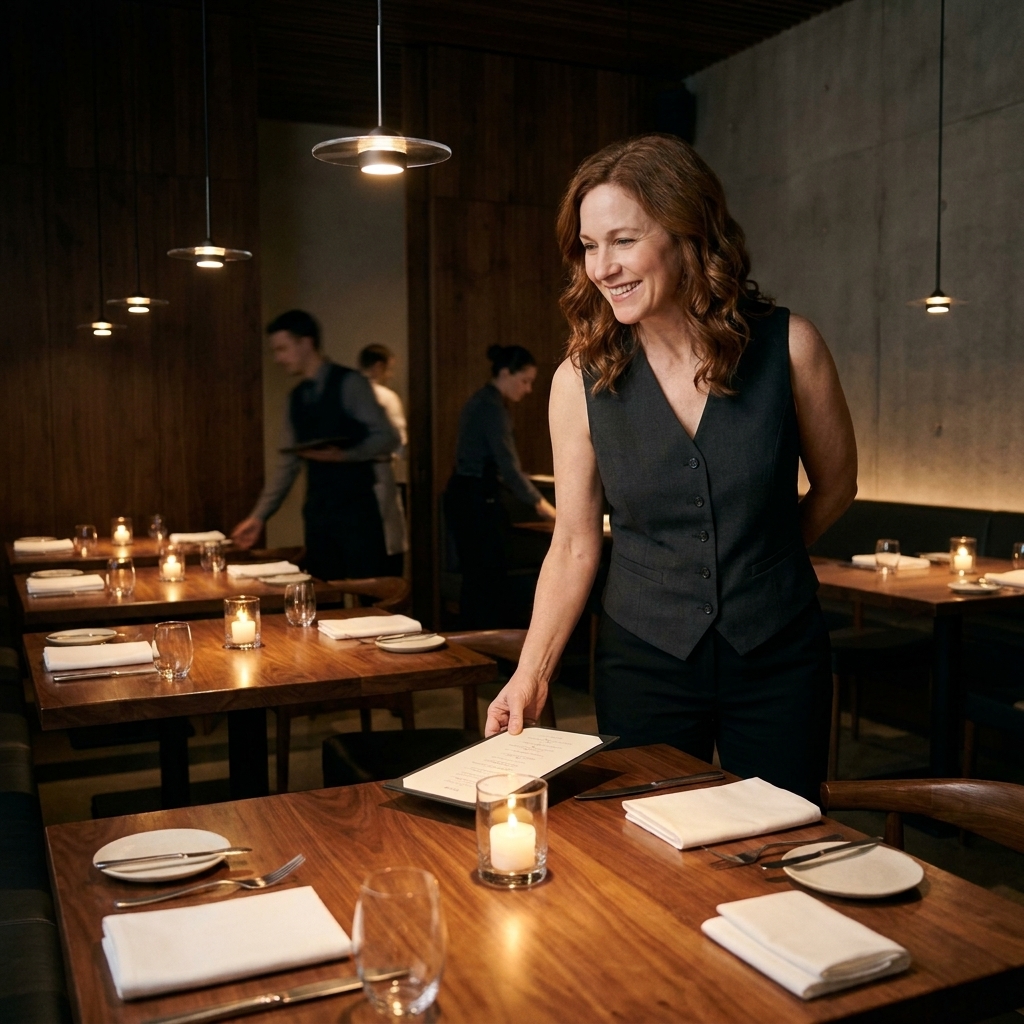
Below are seven trends I keep seeing in Michelin-starred and Michelin-adjacent tasting-menu rooms that are shaping the future of vegan fine dining, and quietly changing how kitchens, beverage programs, and service teams operate.
1) Vegetables as luxury
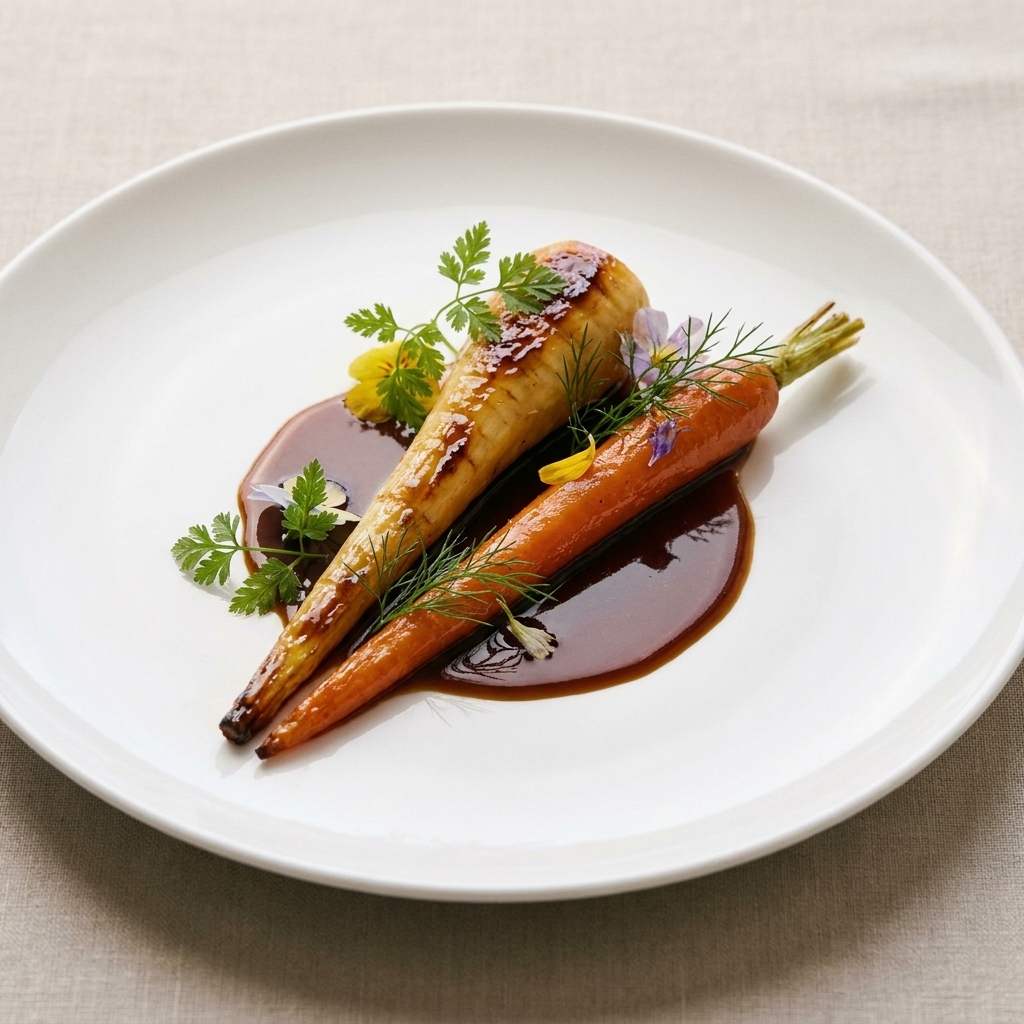
For years, plant-based menus tried to mimic luxury: truffle here, gold leaf there, a lot of “it tastes like” language. The newer move is simpler and more honest. The luxury is the ingredient itself, treated with the care usually reserved for protein.
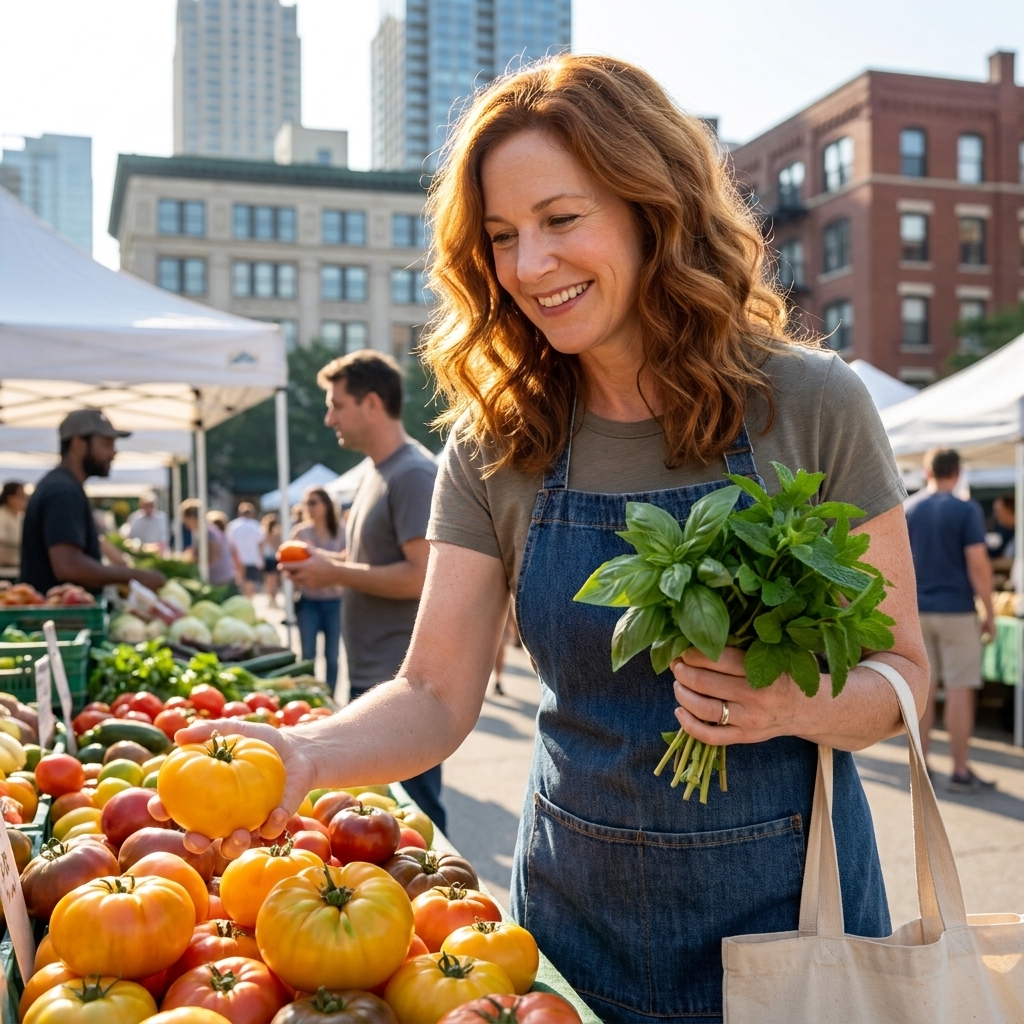
Think: a single turnip roasted in hay and glazed until it shines, a tomato course built like a grand cru tasting, a beet that arrives sliced with the drama of wagyu. It is not about tricking anyone. It is about proving that peak-season produce, sourced obsessively and handled expertly, has its own kind of decadence. If you have eaten at places like Blue Hill at Stone Barns, you know the feeling: the farm is not a backdrop, it is the point of view.
- What’s driving it: tighter relationships with small farms, better cold-chain logistics for produce, and chefs who have done the technique homework.
- What it tastes like: clarity. Less “everything everywhere,” more focused flavor architecture.
2) Fermentation for depth
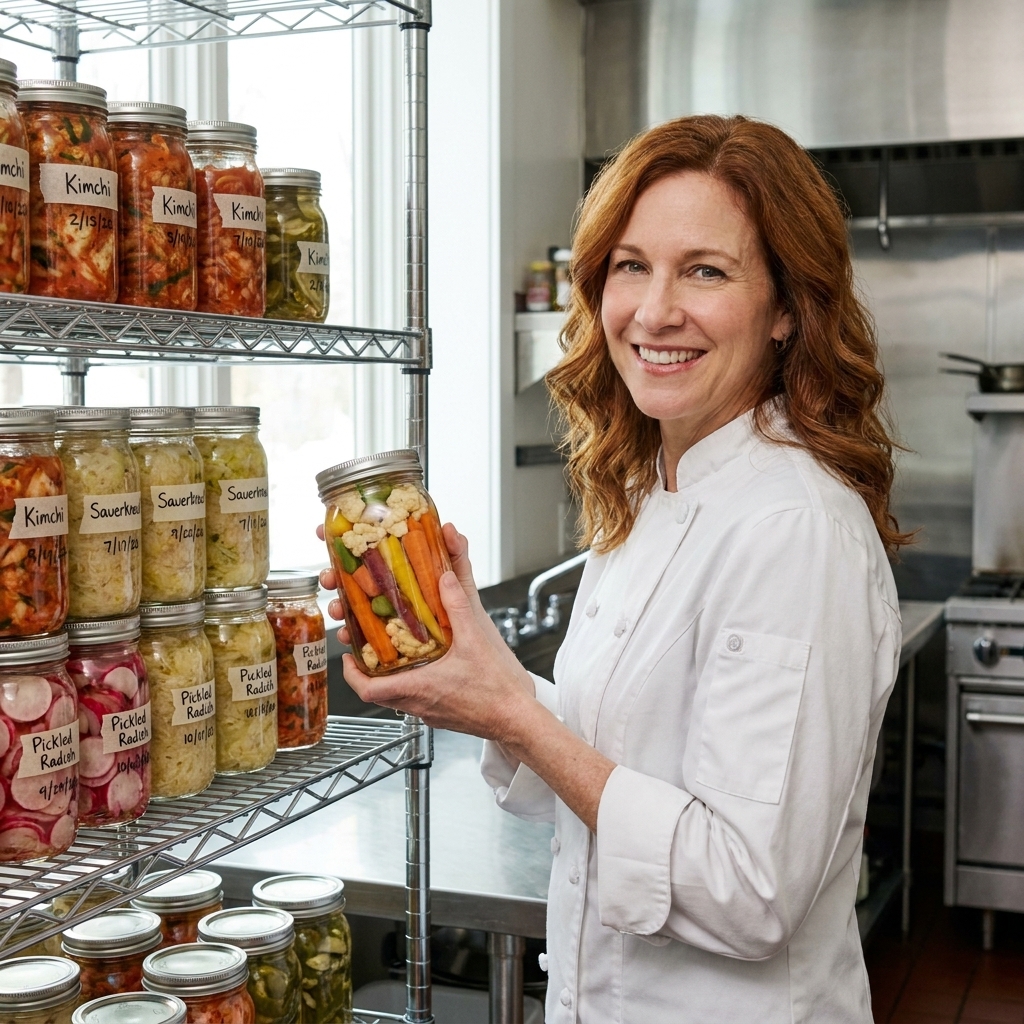
If you have ever wondered how a vegan dish can feel as complete as a butter-basted classic, the answer is often invisible and living somewhere in a prep fridge. More top kitchens are leaning hard on fermentation for depth, savoriness, and structure.
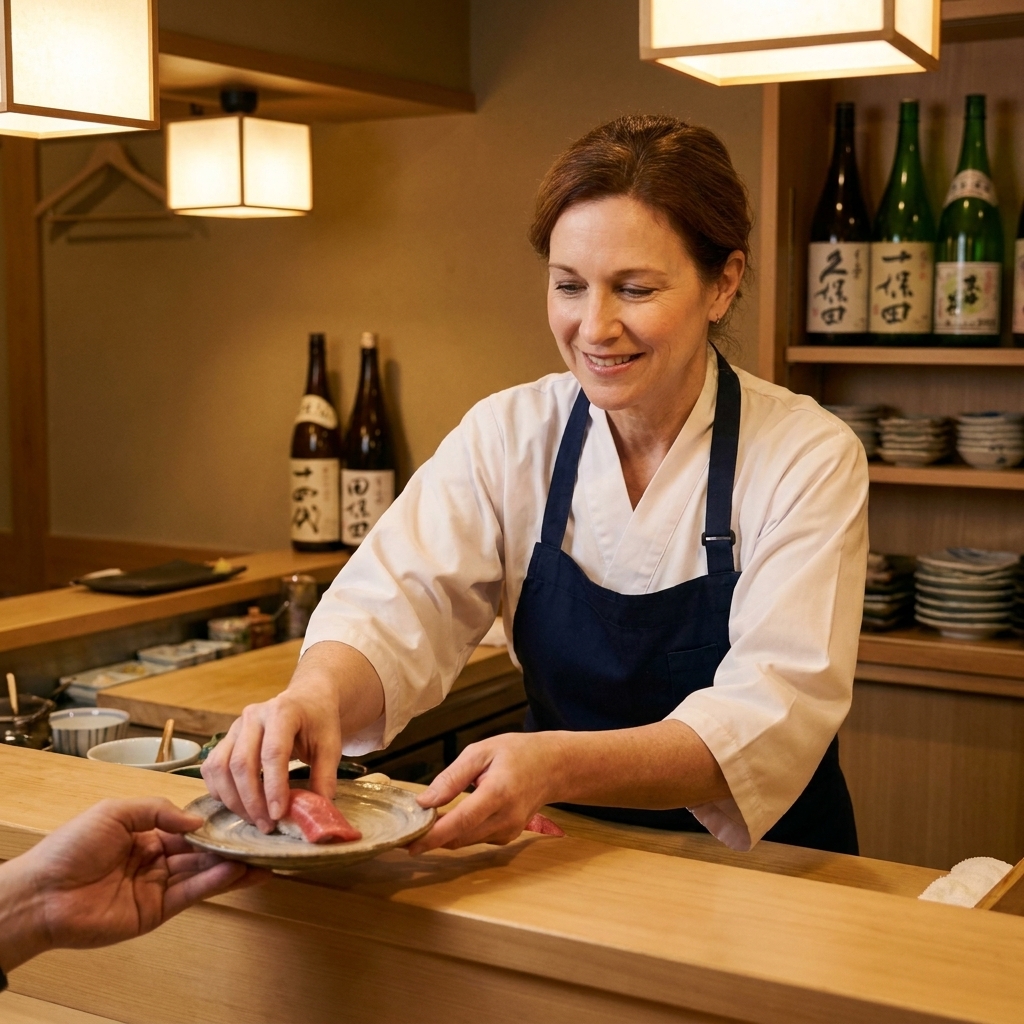
Miso, shio koji, garum-style ferments made from mushrooms or legumes, lacto-fermented vegetables, barrel-aged vinegars, and cultured nut creams are not garnish ideas. They are core technique. They bring umami, acidity, and that slow-building “moreish” quality that keeps a tasting menu from feeling like a parade of salads. Restaurants with serious fermentation DNA like Noma helped mainstream the idea that ferments are not a side project, they are a foundation.
- In the kitchen: fermentation programs are increasingly common in top tasting-menu operations, even if they vary in scale.
- On the plate: you will see more aged elements and fewer “fresh-only” profiles.
3) Sauce culture, rebuilt
Classic French training taught a generation of chefs that sauce is the signature. Vegan fine dining has absorbed that lesson, then rewritten it. The best plant-based menus are built on sauces that do not apologize for what they are.
Instead of “vegan beurre blanc,” you get silky emulsions from vegetable juices, nut and seed bases, tahini spun with citrus and aromatics, browned allium oils, and reductions that lean on mushrooms, roasted skins, and char for savory gravity.
This is also where the line between culinary and beverage thinking is blurring. Chefs are borrowing from cocktail technique, like clarifying juices, making shrubs, and building layered bitterness. The payoff is a plate that feels finished, not “assembled.”
- What’s driving it: better plant-based fats, wider use of ferments, and a generation of chefs trained to think in emulsions and reductions, not substitutions.
- What to look for: sauces that stand on their own terms, with real length and structure, not a renamed classic.
4) Better menu pacing
One misconception about vegan tasting menus is that they are lighter by default. Sometimes that is true. Often it is not. The real evolution is in pacing: how a menu moves, how it rests you, and how it builds satisfaction without relying on animal fat as the main engine.
The best rooms are thinking like storytellers. You get contrast: crunchy and creamy, hot and cold, bright and smoky. You get strategic satiation: legumes, grains, and fats are threaded in quietly so you are not hungry an hour after dessert. And you get fewer novelty courses that exist only to prove a point.
- A tell: when a vegan menu has a real mid-meal “anchor” course, not just another pretty vegetable.
- Another tell: desserts that are less coconut-all-the-time and more technique-forward with fruits, seeds, and chocolates handled precisely.
5) NA pairings rise
As someone who used to build pairings for a living, I can tell you one of the biggest service shifts I keep noticing is in the glass.
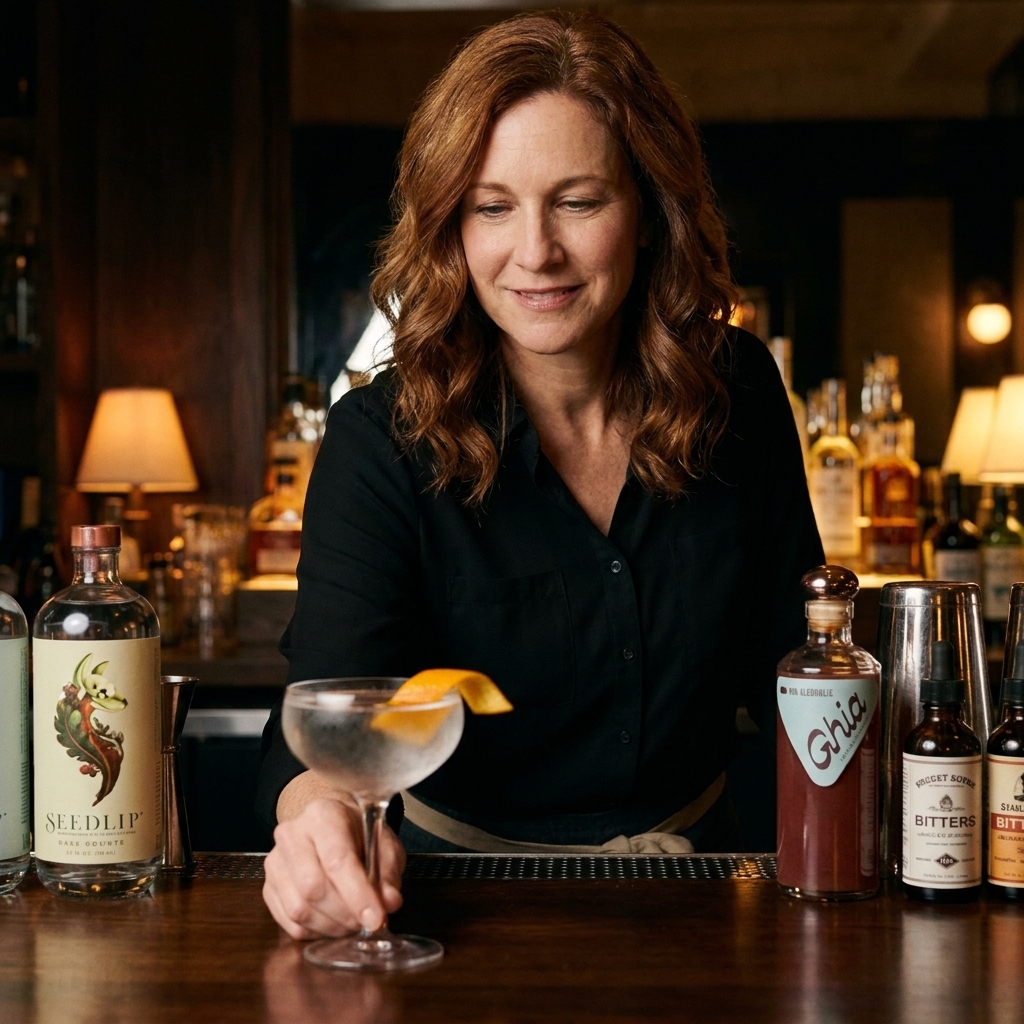
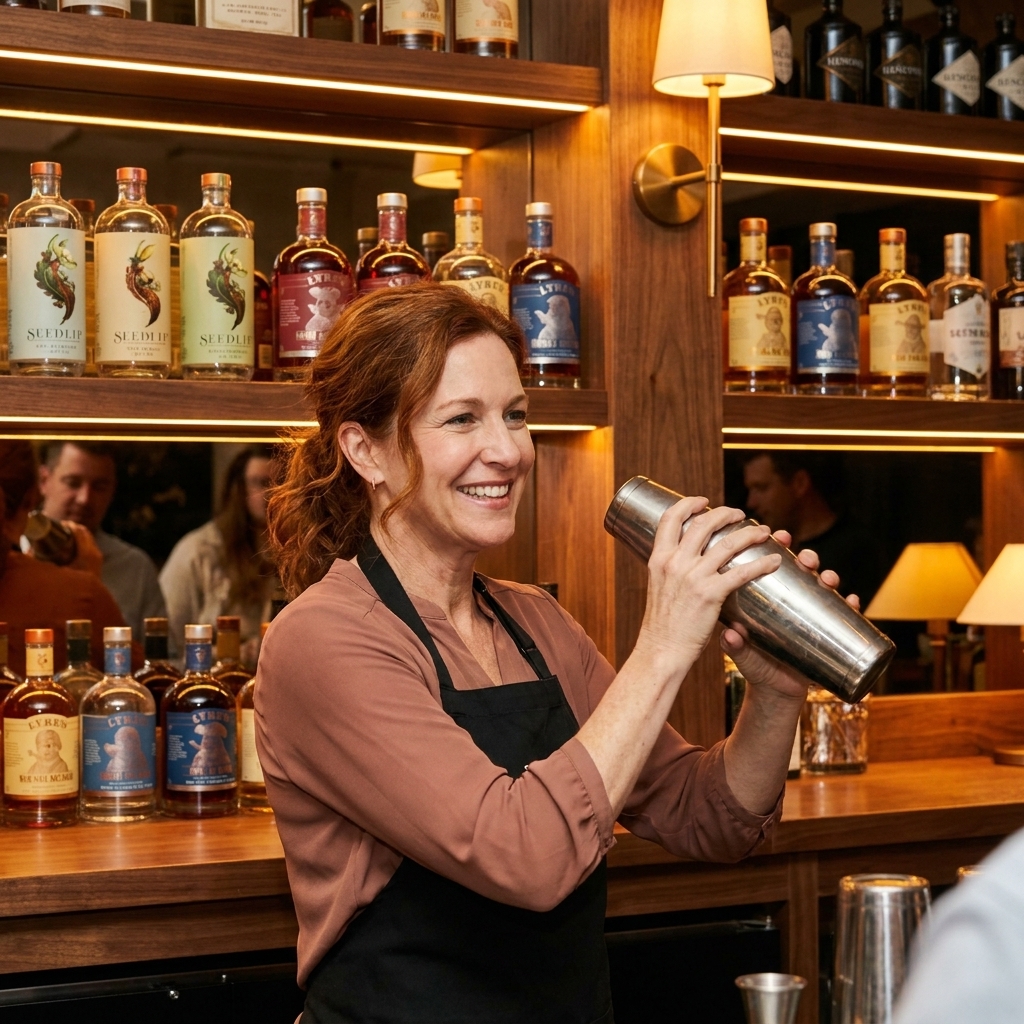
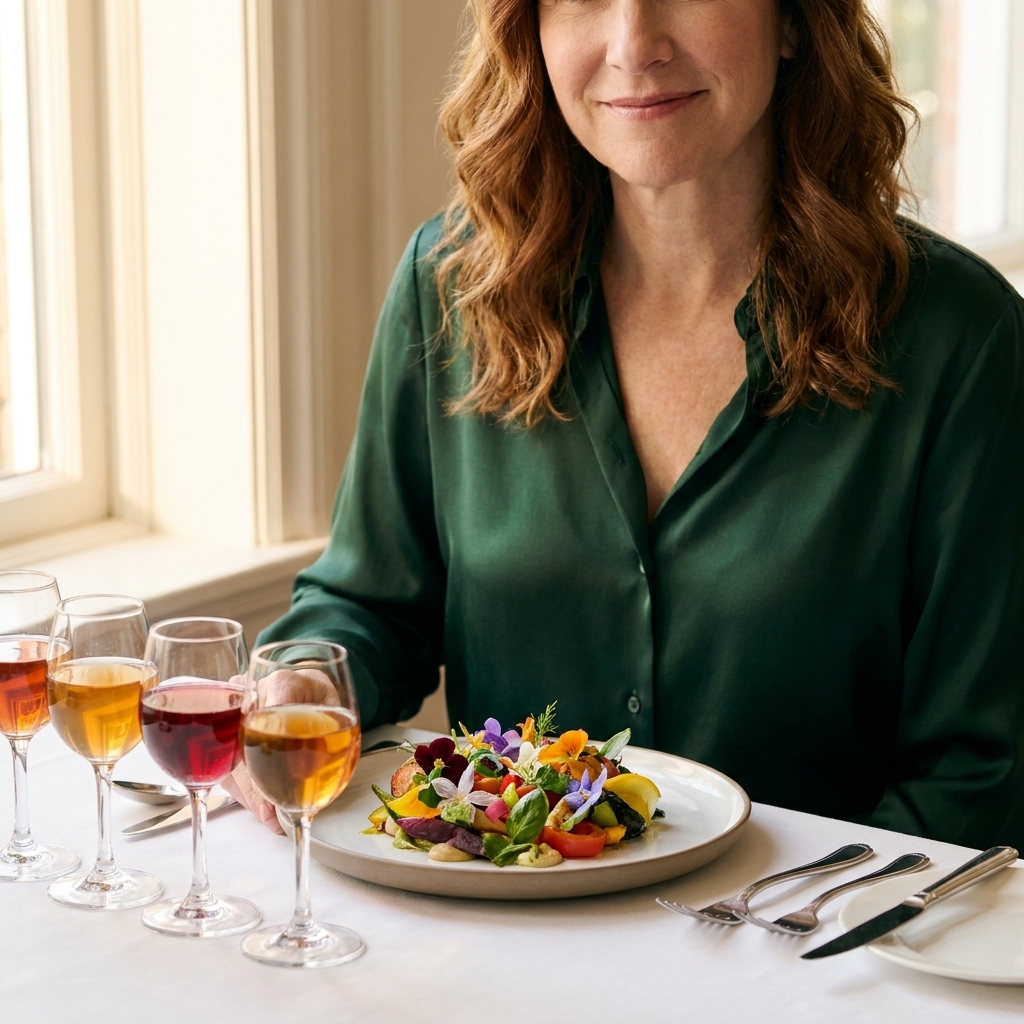
High-end vegan dining is dovetailing with the sober-curious movement in a way that feels less like accommodation and more like craft. A growing number of Michelin-level programs are offering intentional non-alcoholic pairings that use the same logic as wine: structure, acidity, tannin, aromatics, and length.
Instead of sugary mocktails, you see verjus spritzes, tea infusions built like aperitifs, house-fermented sodas, dealcoholized wines used thoughtfully, and botanical distillates that give you complexity without the burn.
- Why it matters: plant-based food often shines with brightness and bitterness, and NA pairings can match that without flattening flavors.
- Hospitality win: a guest choosing not to drink feels celebrated, not singled out.
6) Veg charcuterie
Charcuterie boards have been a dining shorthand for indulgence, but in plant-based fine dining, the concept is evolving into something more interesting than imitation salami. The new boards are built from technique: smoked carrots shaved like lox, mushroom terrines, whipped legumes, seed crisps, pickles with real snap, and cultured nut cheeses that taste like they belong on the menu, not like a compromise.
In starred rooms, these elements show up as composed bites or pre-dessert transitions, not just an appetizer to share. They function as a signal: we are serious about craft, and we are not outsourcing flavor to animal products.
7) Inclusivity as craft
This is the trend I care about most, partly because my own gluten intolerance changed how I experience restaurants. Plant-based fine dining is forcing kitchens to get better at systems: cross-contact prevention, clear menu language, and front-of-house teams trained to ask smart questions without making guests feel like a problem.
Many vegan tasting menus are naturally friendlier to common allergens, but not automatically. Nuts, soy, and gluten can be everywhere in modern plant-based cooking. The best Michelin-level operations are building flexibility into the menu from the start, rather than improvising under pressure.
- What good looks like: servers who can explain substitutions confidently, chefs who have a plan, and a dining room that never makes you feel “high maintenance.”
- What it changes: trust. And trust is the real luxury.
What comes next
Plant-based fine dining is no longer a niche for special-occasion vegans. It is a proving ground for technique, hospitality, and cultural values. The more chefs treat vegetables as worthy of obsession, the more diners recalibrate what “luxury” even means.
It is also where sustainability gets less performative and more operational: tighter seasonality, better use of trim, smarter preservation, and menus that are designed around what arrives, not what has to be flown.
And while Michelin is the framing device here, the ideas are global. A lot of the most useful plant-forward “tech” is borrowed, respectfully, from Japanese fermentation, Korean jang culture, Indian vegetarian tradition, and Middle Eastern legume and spice logic.
One practical reality worth naming: this kind of vegan cooking can be intensely labor-heavy. Ferments, sauces, preservation, and a high course count all take time, space, and staffing. When you see a plant-based tasting menu priced like a luxury experience, the labor is usually the story.
If you work in the industry, here is the quiet upside: these trends can create new kinds of craft jobs. In some restaurant groups you are already seeing dedicated fermentation leads, NA beverage specialists, farm liaisons, and better-defined allergy systems. The future menu is plant-forward, yes. But the deeper evolution is operational. It is a restaurant world learning to take more people seriously.
In the best rooms, vegan is not a restriction. It is a point of view.
Quick ordering tips
Ask early
If the restaurant offers a vegan tasting, request it when you book. The best kitchens can do magic, but they still need time.
Be specific
“No gluten” lands differently than “I am trying to avoid bread.” Clarity helps the kitchen protect you.
Consider NA
If the menu leans bright and herbal, a zero-proof pairing can be more harmonious than wine. And you will remember the food more vividly.