There is a specific kind of anticipation that hits when you hand the steering wheel to a chef. No ordering anxiety, no decision fatigue, just a seat at the counter or a crisp linen table and the promise that someone with sharper knives than you will take it from here.
But “chef’s choice” is not one single thing. Omakase and Western tasting menus both live in the premium dining universe, and they can both be extraordinary. They also ask different things of you, from etiquette to pacing to how much flexibility you will get if you avoid shellfish or cannot eat gluten. Here is the real-world difference, from the service side of the pass.
The core difference
Omakase: trust the chef
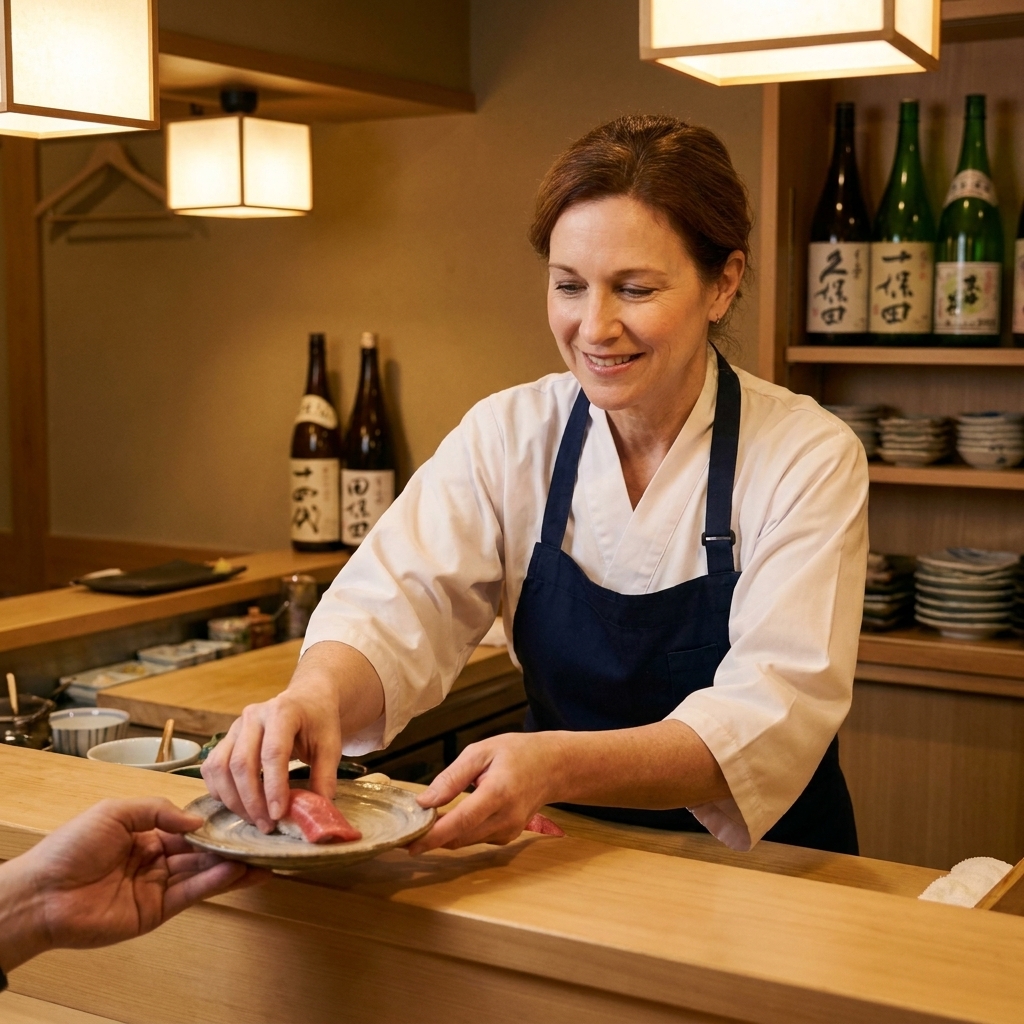
Omakase translates roughly to “I’ll leave it up to you.” It is a broader Japanese dining approach, not exclusive to sushi, but in the U.S. it is most often associated with sushi counters where the chef chooses what you eat and serves it in a specific sequence, often one piece at a time. The chef is not just cooking. They are editing in real time based on fish quality, seasonality, and sometimes even your pace and reactions.
Tasting menus: a composed arc
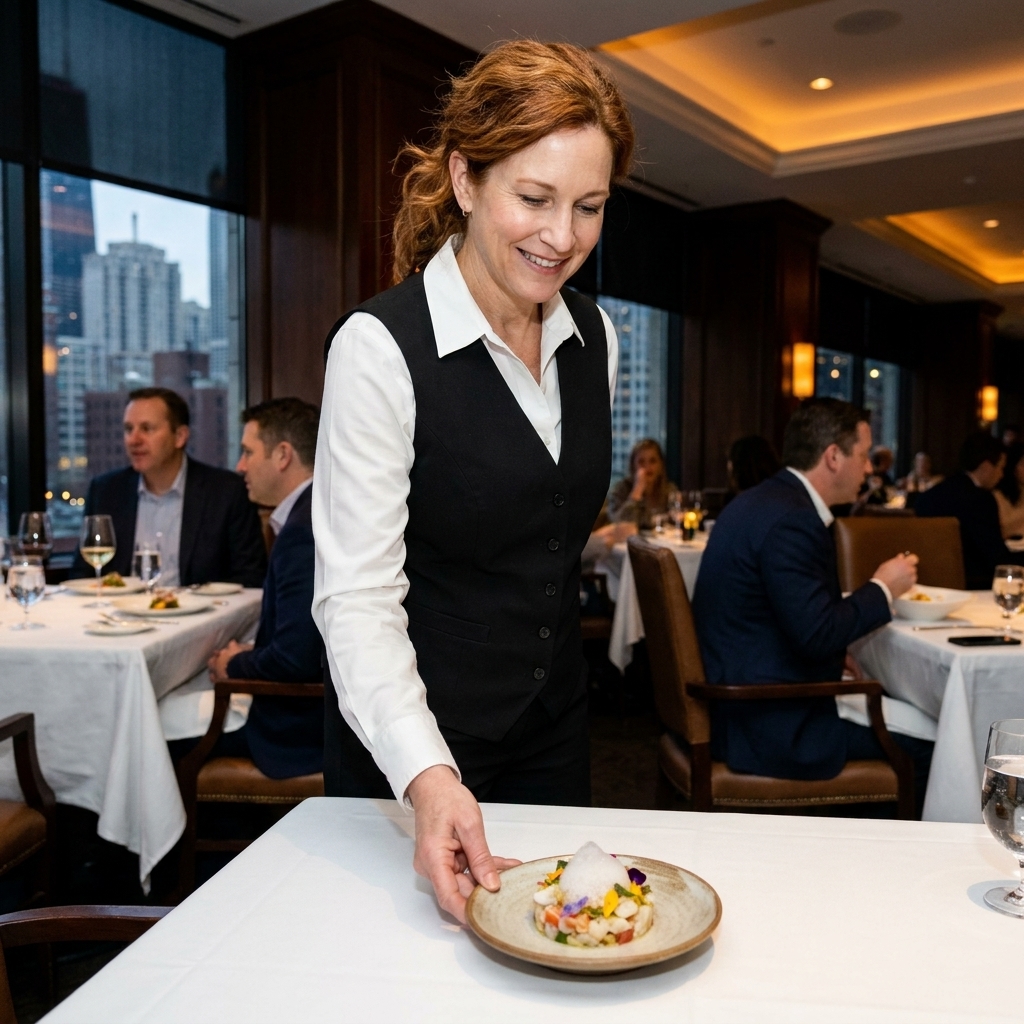
Western tasting menus are usually a set progression of plated dishes designed to tell a story, show technique, and highlight a restaurant’s point of view. You might see this called “chef’s tasting menu,” “degustation,” or simply “tasting menu.” Unlike omakase, the sequence is often planned in advance and executed by a full kitchen team rather than a single chef at arm’s length.
Both are curated experiences. The big divergence is how much is improvised versus composed, and how directly you are eating from the chef’s hand.
Where they come from
The omakase lineage
Omakase grew out of Japanese dining culture where guests often build trust with a chef over time, and where leaving decisions to the kitchen can be practical as much as philosophical. At a serious sushi-ya, that practicality is obvious: fish varies by day, the best cut might be limited, and the chef wants to serve each piece at its peak temperature and texture. You are not just “trying a lot of things.” You are experiencing a craft that lives in small increments.
The tasting menu lineage
The modern tasting menu owes a lot to European fine dining, especially the French tradition of many courses, later evolving into more experimental, chef-driven formats that took off globally. The tasting menu became a stage for culinary ideas: regional storytelling, technique, and the kind of meticulous plating that makes you sit up straighter without knowing why.
History shapes etiquette, too. Omakase tends to be more intimate and ritualized. Tasting menus tend to be more theatrical and structured.
How it feels
Pacing and duration
- Omakase: Often around 60 to 120 minutes, depending on the number of pieces, whether there are cooked courses, and whether the counter runs timed seatings. Some are quicker, some turn into a leisurely marathon.
- Tasting menu: Commonly 2 to 3 hours, sometimes longer with pairings or special menus. Plenty of spots also run tighter, two-hour experiences, and some destinations go 3 to 4+ without blinking.
Interaction
- Omakase: High interaction. You can watch the knife work, ask questions, and get guidance on when to eat each bite. It can feel like sitting at the bar with the city’s most focused bartender.
- Tasting menu: Medium interaction. The server and sommelier usually narrate the dishes, and the chef may appear, but your primary relationship is with the dining room team.
Seating formats
Omakase is often counter-focused with set seatings, sometimes with everyone starting together, though not always. Tasting menus are usually in the dining room, but they can also show up at a chef’s counter, a chef’s table, or a hybrid space where you get a little of both worlds.
Texture of the experience
Omakase is often about precision and restraint: clean flavors, temperature, rice seasoning, the exact brush of nikiri. Tasting menus are often about contrast and crescendo: hot then cold, crunchy then silky, bright acid then brown butter comfort.
Etiquette that matters
Omakase basics
- Be on time. Many counters run timed seatings, and some start everyone together. Late arrivals can disrupt pacing for the whole room and can affect the fish.
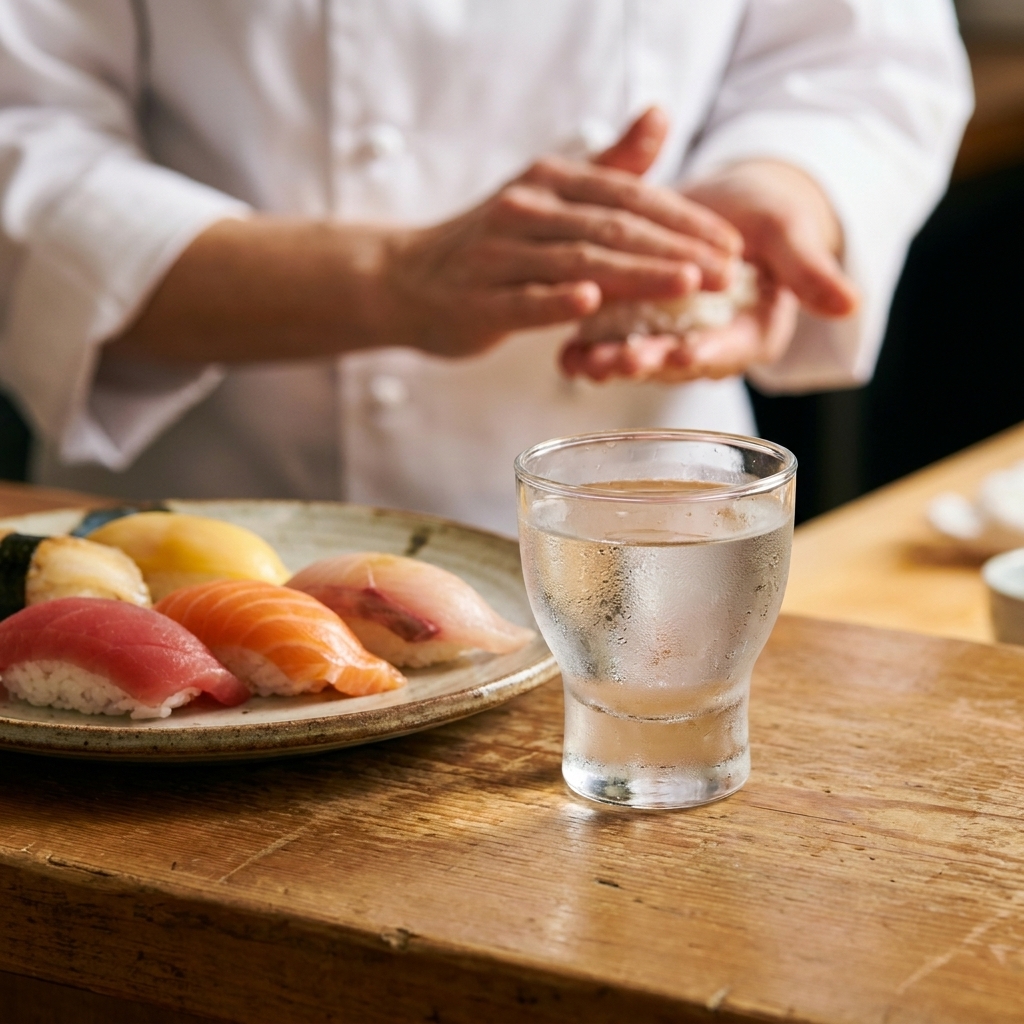
- Eat promptly. The chef serves each piece at a specific temperature. Letting nigiri sit is like letting a martini melt.
- Go easy on fragrance. Strong perfume can interfere with delicate aromas, and you are sitting close to other guests.
- Ask before modifying. Extra soy sauce, wasabi adjustments, or requests for “light rice” are sometimes possible, but it is a conversation, not a default.
- Photos: Many counters allow quick shots, but some do not. When in doubt, ask once, then relax and stay present.
Tasting menu basics
- Communicate dietary needs early. Ideally at booking, not when you sit down.
- Expect a script, not a negotiation. Small swaps are sometimes possible, but large changes can derail the kitchen’s sequence.
- Pairings are optional. You will not be “less serious” if you skip them. Choose what supports your night and your budget.
- Stay curious. If a dish lands weird for you, ask a question. Good service teams love translating chef-speak into human.
Etiquette is not about being fancy. It is about respecting the logistics and the intention of the meal.
Price expectations
High-end dining prices can feel like sticker shock until you remember what is bundled in: rare ingredients, labor, prep, waste, training, and the calm, steady service that makes it all feel effortless.
Common ranges (U.S. cities)
- Omakase: Often around $125 to $350+ per person in major markets, with ultra-luxury counters climbing higher depending on rarity of fish and supplementation (uni, toro, caviar). Prices can swing widely by city and demand.
- Tasting menu: Often around $125 to $325+ per person, with flagship destinations and special menus exceeding that. Again, the spread is real: neighborhood fine dining and top-tier temples of gastronomy live on different planets.
Pairings and add-ons
- Omakase beverages: Sake pairings, beer, highballs, occasionally wine. A sake progression might move from crisp and dry to richer and more umami as the fish gets fattier. Add-ons often include premium uni, toro upgrades, or extra pieces.
- Tasting menu beverages: Wine pairings are common and are often structured like the menu itself: lighter, higher acid early, then fuller and richer as courses deepen. Many restaurants now offer non-alcoholic pairings that are genuinely thoughtful, not just juice in a fancy glass. Add-ons might include truffles, caviar, or supplemental luxury courses.
One budget note from someone who has had to sell these experiences for a living: if you are trying to keep the bill in check, skip the extras first. The base menu is designed to stand on its own.
Dietary reality
This is where my beverage-director brain meets my gluten-intolerance reality. Chef-curated dining can be wonderfully inclusive, but it is also operationally complex.
Omakase and allergies
Omakase is deceptively simple. It is mostly fish and rice, right? Not always. Soy sauce, vinegar seasoning, marinades, and prepared items can hide gluten. Shellfish and sesame show up constantly. Cross-contact risk is real at a counter where everything is inches apart.
- Best practice: Tell them at booking, confirm again the day before, and be specific. “Gluten-free” is not the same as “celiac, no cross-contact.”
- Know the limits: Some counters will decline certain allergies because they cannot keep the experience safe without compromising integrity. That is not a snub. That is professionalism.
Tasting menus and allergies
Tasting menus often have more flexibility because the kitchen has more stations, more mise en place, and sometimes parallel plating plans. They may be able to swap components while preserving the arc of the menu.
- Best practice: Provide a clear list: allergies versus dislikes, severity, and any ingredients you can never have.
- Be honest about preferences. If you hate foie gras, say so. That is not an allergy, but it matters when you are paying serious money for each bite.
If you are sober-curious or alcohol-free, both formats can still be great. Ask if they can do a thoughtful NA pairing, or order à la carte: sparkling tea, NA aperitifs, or just a killer bottle of mineral water. A great dining room will meet you there.
How to choose
Choose omakase if you want:
- Intimacy and direct interaction with the chef
- A focused ingredient story, especially seafood
- A faster, more rhythmic meal
- The thrill of letting the day’s best fish drive the menu
Choose a tasting menu if you want:
- Variety across proteins, vegetables, and techniques
- A longer, more cinematic night
- Structured beverage pairings, including strong NA programs
- More options for dietary accommodations (not guaranteed, but often more feasible)
Choose based on your group
Omakase shines for two people who like to talk to the chef and stay engaged. Tasting menus can be better for celebrating with a group, especially if you want a little more conversational privacy and a slower pace.
Booking and tipping
Reservations and deposits
Both formats often require credit cards to hold the reservation, and many require prepayment or a deposit. That is not just trendiness. It helps restaurants manage razor-thin margins and reduces no-shows on nights where the ingredients were ordered specifically for you.
Service charge vs tip
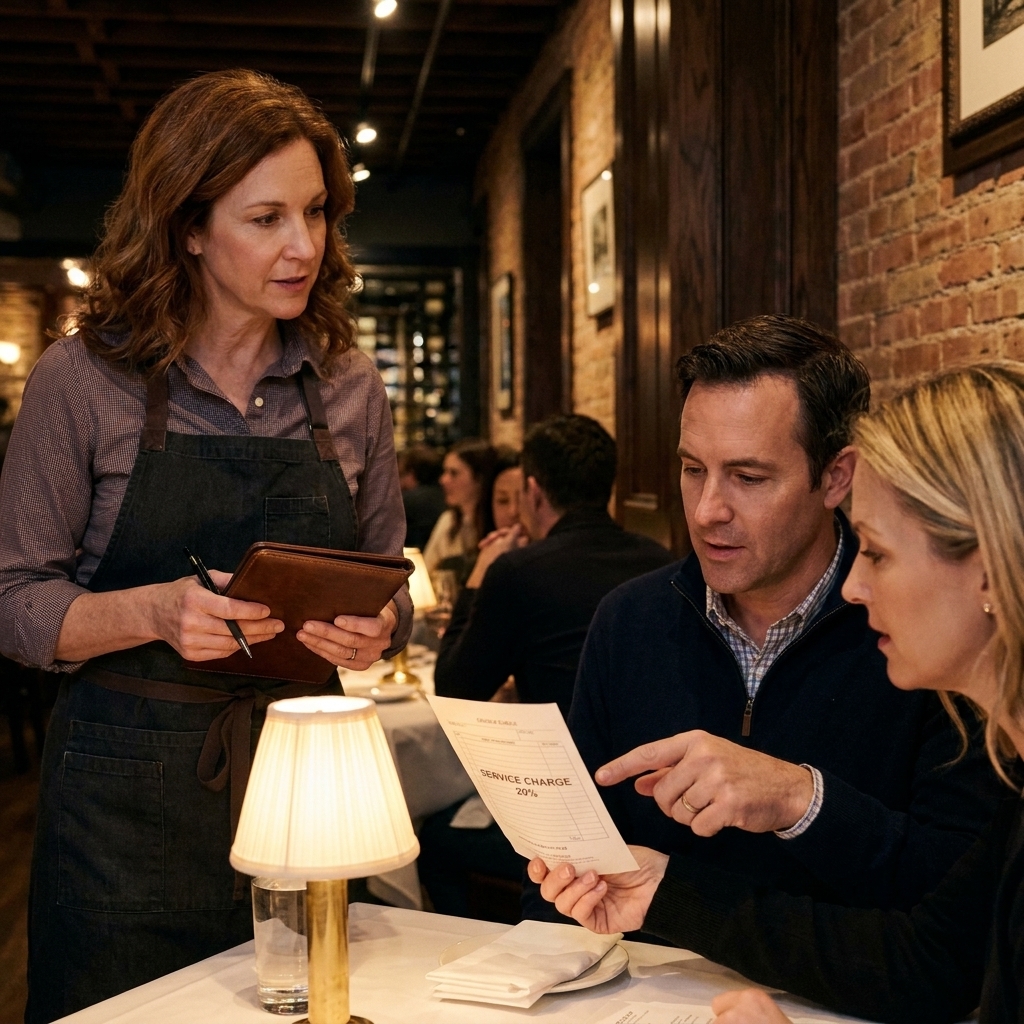
You might see a service charge, a “hospitality included” model, or traditional tipping. Read the fine print when you book, and if you are unsure, ask. It is not awkward. It is responsible. If you travel a lot, remember norms vary by region and by restaurant model, even within the same city.
Dress codes
Most places have relaxed compared to a decade ago. Still, fine dining is a close-quarters experience. Clean, comfortable, and respectful goes a long way. If it is a counter, skip the bulky sleeves and jangly bracelets that will knock into your neighbor’s personal space.
Quick FAQ
Is omakase always sushi?
No. In most U.S. cities, sushi is the most common format, but “omakase” can show up across Japanese dining as a “leave it to the chef” approach. You will also see kaiseki-style meals with cooked seasonal courses.
Is kaiseki the same as omakase?
Not exactly. Kaiseki is a traditional, seasonal multi-course format with its own structure and philosophy. Omakase is the act of leaving choices to the chef. In real life, restaurants sometimes blend the ideas, which is why you will hear phrases like “kaiseki-style omakase.”
Is a tasting menu the same as prix fixe?
Not always. Prix fixe can be a limited set of choices (pick one starter, one main). A tasting menu is usually a sequence of smaller courses designed to be eaten in order.
Can I do omakase if I do not like raw fish?
Sometimes, but it depends on the restaurant. Some counters can steer you toward more cooked bites, but if raw fish is a hard no, a Western tasting menu or a kaiseki-style meal may be a better fit.
Which is more expensive?
They can be comparable. The bigger cost swing usually comes from beverage pairings, luxury supplements, and whether you are dining at a small, high-demand counter with very limited seats.
The bottom line
Omakase is like pulling up a stool and letting a master work in real time. A tasting menu is like watching a full ensemble performance where every plate is a scene change. Neither is automatically “better.” The better choice is the one that matches your appetite, your budget, your dietary reality, and the kind of night you want to remember on the ride home.
If you are still torn, here is my bartender answer: pick the format that makes you feel most taken care of. That is the whole point of premium dining in the first place.