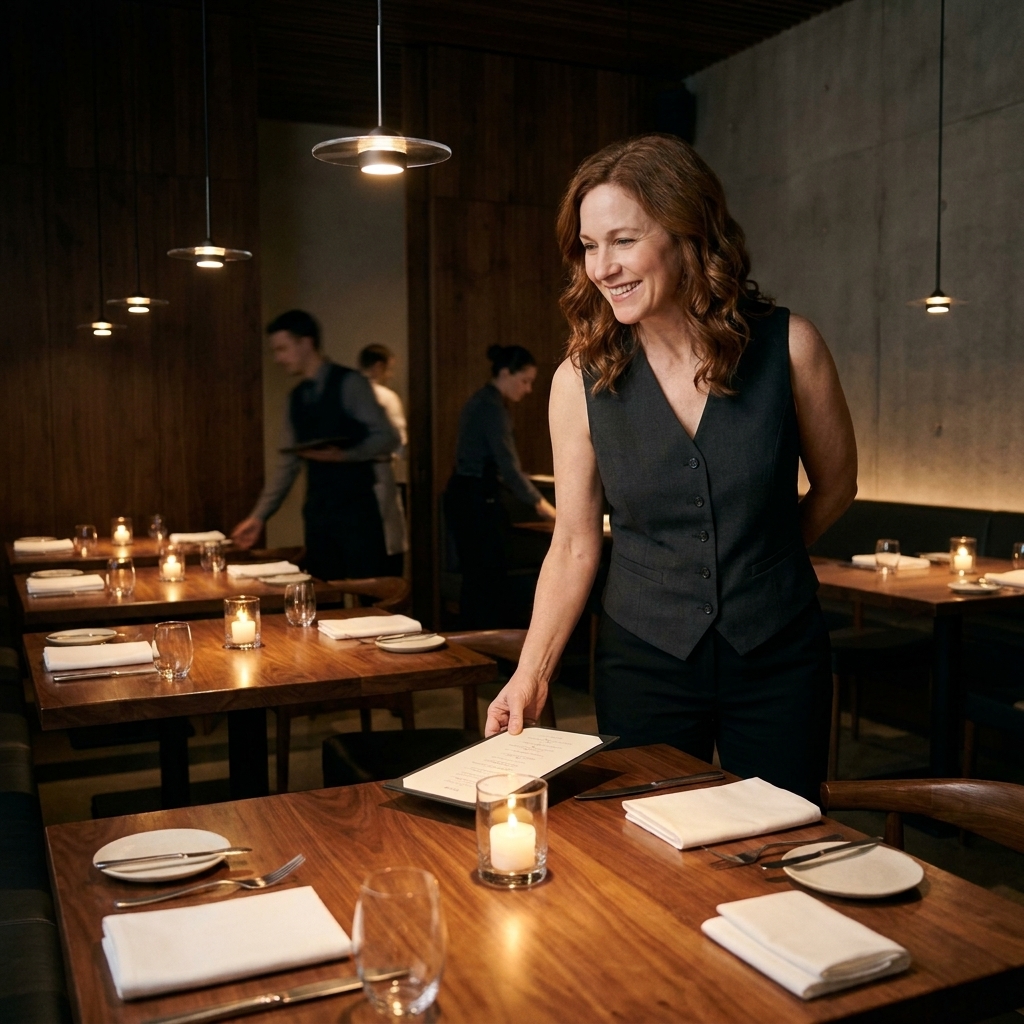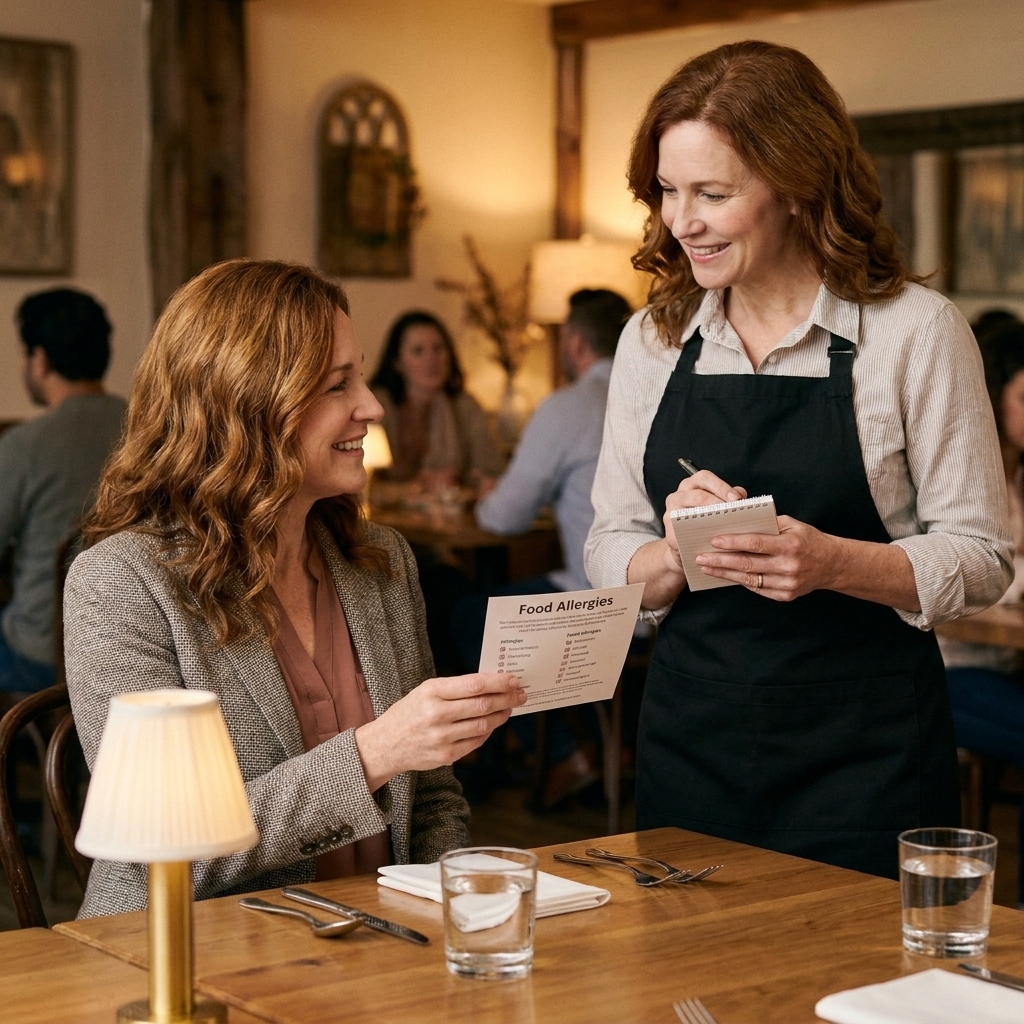
In restaurants, I can tell when a cultural shift is real because it shows up as a quiet change in how people order. Fewer steaks, more “let’s split the veg apps,” and a lot of questions that start with, “Is this plant-based, or at least lighter?” The packaged food world is seeing the same thing, only faster and louder, because grocery carts are data and every scan gets counted.
Flexitarian eating, the habit of choosing plant-forward meals some of the time without swearing off meat forever, has become a kind of middle path for modern consumers. It is less about purity and more about momentum. And it is reshaping CPG from ingredient sourcing to label language, from freezer doors to snack shelves.
Why people are eating less meat, not none
Most flexitarians are not trying to join a club. They are trying to solve a daily puzzle: how to eat in a way that feels responsible, affordable, and enjoyable, without turning dinner into a moral referendum.
The environmental math is increasingly mainstream
Consumers do not need to memorize climate reports to absorb the headline. Life-cycle analyses consistently show that livestock, especially beef, tends to carry a heavier greenhouse gas footprint than most plant proteins. For a growing number of shoppers, “cutting back” feels like a realistic lever they can actually pull. Not everyone wants to go vegan. Many people do want to feel like Tuesday night’s dinner is not making everything worse.
Health motivations are less about dieting and more about outcomes
Plant-forward eating is often framed as weight loss, but the flexitarian story at shelf level is more practical: more fiber, less saturated fat, and a sense of balance. There is also a quieter layer of nutrition nuance showing up in shopping behavior: protein quality, sodium, and added fats. People want to feel better, not just eat “good.” It is the same reason non-alcoholic cocktails took off. They are chasing how they want to feel the next day, not a gold star for restraint.
Cost and convenience matter, especially now
Food budgets are tight, and meat is often the most expensive line item on a plate. Beans, lentils, tofu, and grains are reliable. When CPG brands can turn those staples into convenient meal components, shoppers will meet them there, even if they still buy chicken for the weekend.
Identity has shifted from “label” to “pattern”
One of the biggest changes in food culture is that people are less interested in declaring themselves one thing forever. They are willing to be inconsistent if it means being sustainable over time. Flexitarian is not a badge. It is a rhythm.
How CPG is pivoting to serve the middle
CPG used to treat plant-based as a specialty aisle. Now it is a strategy, and not just for meat alternatives. Brands are building products for shoppers who still want familiar flavors and formats, just with less animal content and more plants.
1) Reformulation: “plants inside” instead of “plants only”
Some of the strongest momentum is showing up in hybrid thinking. Brands are adding mushrooms, legumes, and grains to familiar foods to reduce meat content while keeping taste and texture approachable. Think blended burgers, veggie-forward frozen meals, and sauces that bring protein from lentils or peas.
- Blended proteins: beef plus mushrooms, chicken plus cauliflower, pork plus beans.
- Plant-forward comfort: mac and cheese with chickpea pasta, chili built on beans and veg with optional meat.
- Protein upgrades: oats, cereals, and snacks fortified with plant proteins for satiety (with quality varying widely by brand and formula).
2) Texture and flavor R&D is a major focus
Early plant-based CPG sometimes leaned on novelty and virtue. Today, repeat purchases depend heavily on one thing: does it taste good on a random Wednesday when you are tired? Price, availability, and nutrition matter too, but flavor is still the admission ticket. Companies are investing in fat systems, fermentation, and better seasoning profiles to close the gap between “good for plant-based” and “good, period.”
3) Packaging language is getting less ideological
Flexitarians do not want a lecture. They want dinner. That is why you are seeing more packaging that emphasizes flavor, convenience, and function, with plant-based benefits as supporting cast.
- Less: sanctimony, hard-line identity cues, niche jargon.
- More: “high protein,” “ready in 10 minutes,” “family favorite,” “crispy,” “smoky,” “comforting.”
4) Merchandising is moving beyond the “special diet” corner
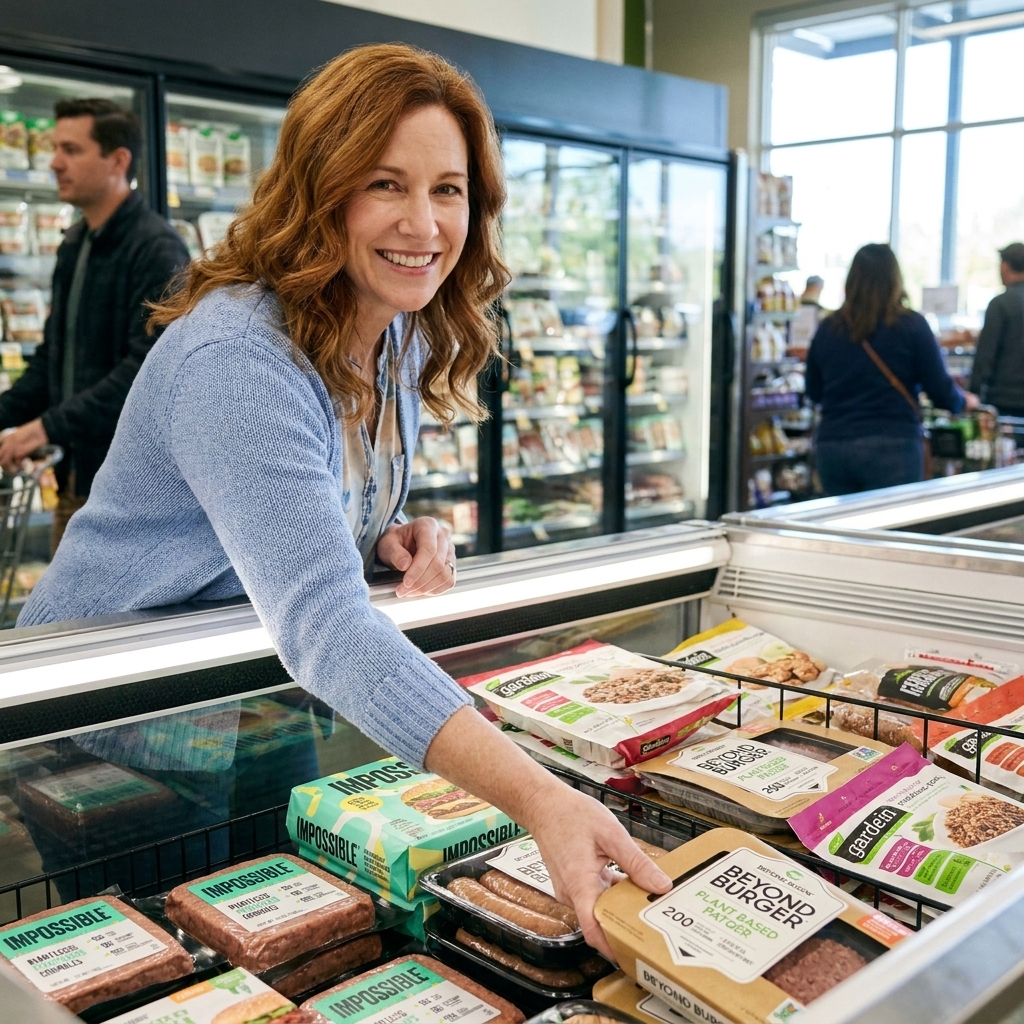
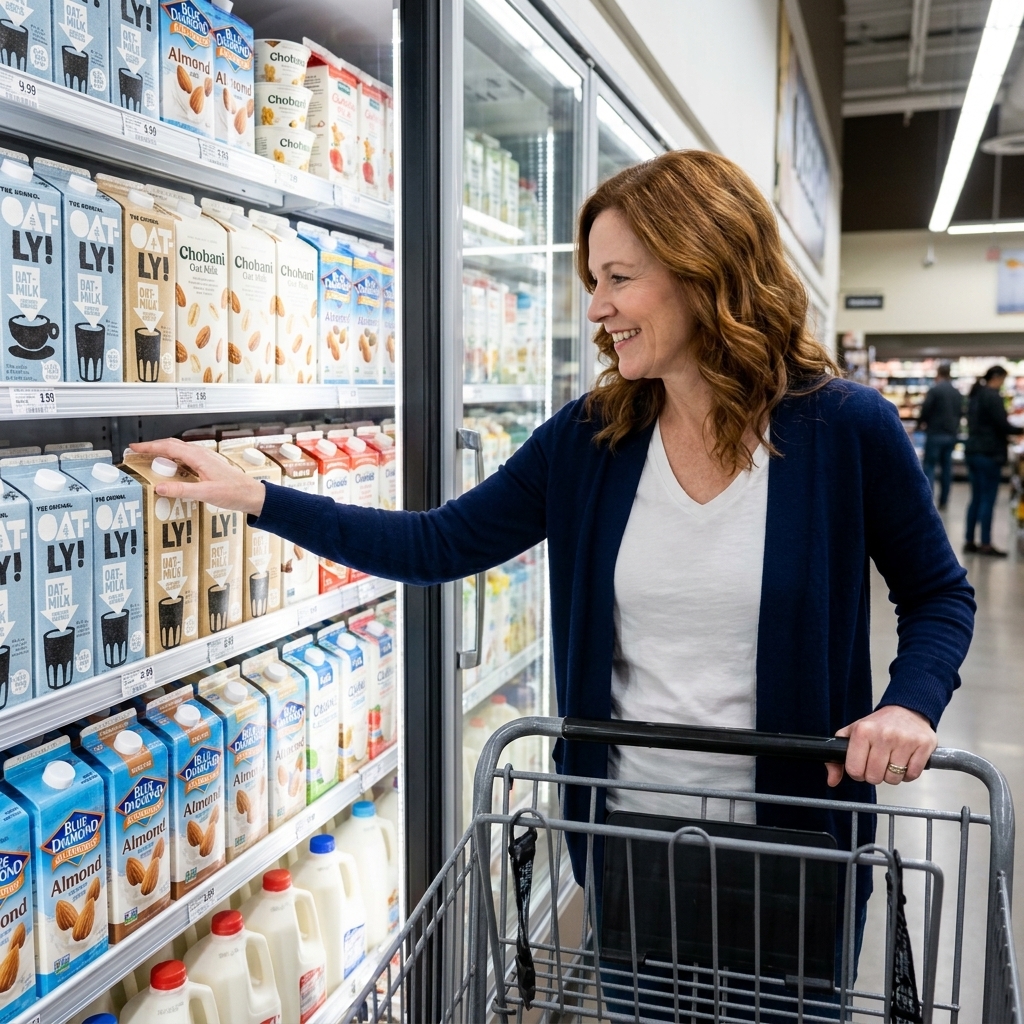
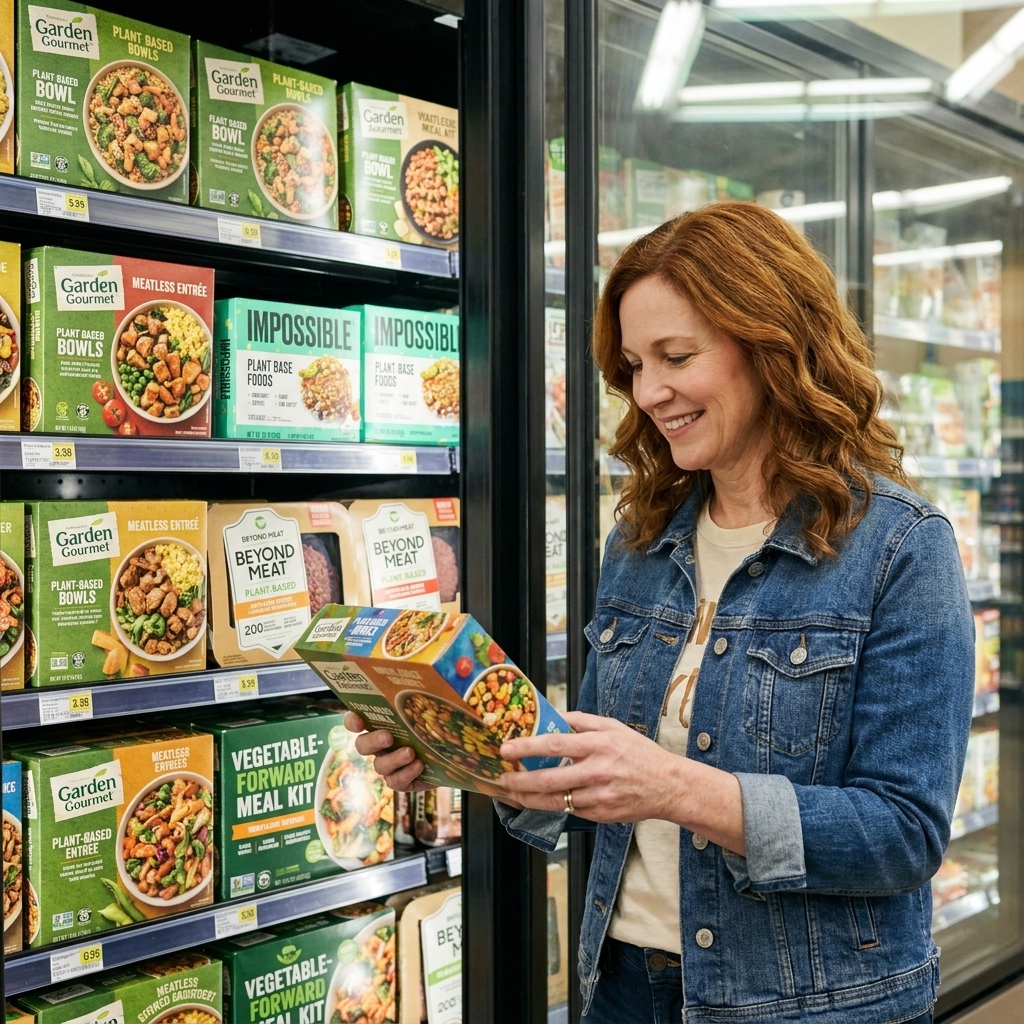
Placement matters. When plant-forward items live only in a separate section, they signal “for someone else.” As flexitarian eating spreads, retailers and brands are integrating products into the conventional set: plant-based nuggets next to chicken nuggets, oat milk in the dairy case, meatless crumbles in the same door as ground turkey.
The flexitarian product map
If you want to understand where CPG is headed, follow the categories where flexitarian behavior is easiest. People rarely start by reinventing the whole plate. They start with swaps that do not feel like sacrifices.
Frozen meals and shortcuts
Frozen is having a moment because it solves the real problem: time. Plant-forward bowls, stir-fry kits, and meatless comfort classics are becoming weeknight staples for shoppers who might still grill burgers on Saturday.
Snacks with “quiet protein”
Protein bars were the gateway, but now it is chips made from legumes, roasted chickpeas, and seed-based crackers. The flexitarian shopper is not always looking for a meat substitute. Sometimes they just want an afternoon snack that does not leave them starving at 5 p.m.
Dairy alternatives that hold up
Milk alternatives are mainstream in many grocery channels, and the innovation has moved into creamers, yogurts, and ice creams where texture matters. For many consumers, this is the easiest flex: swap the latte base, keep the rest of life intact.
Condiments, sauces, and “flavor infrastructure”
Here is the restaurant truth: sauce is the bridge. CPG brands that nail dressings, marinades, and simmer sauces make plant-forward cooking feel less like a project. A great chili crisp or a smoky taco sauce can turn roasted vegetables into a meal people actually crave.
What this means for the people behind the products
Flexitarian demand is not just a marketing story. It changes supply chains, labor, and how companies think about risk.
Supply chains are diversifying
More reliance on legumes, grains, nuts, and specialty ingredients means new supplier relationships and different vulnerabilities. Weather volatility hits crops. Global sourcing introduces traceability challenges. Brands that can build resilient sourcing for peas, chickpeas, oats, and emerging proteins will have an edge.
Allergen and dietary transparency is now table stakes
As someone who developed a severe gluten intolerance after years in the industry, I can tell you: “plant-based” does not automatically mean “safe.” Many meat alternatives and snacks lean on wheat gluten (seitan), soy, or nuts. Flexitarian shoppers include families managing allergies and intolerances, and they read labels like detectives. The brands that win will be clear, consistent, and careful about cross-contact messaging.
There is a human cost to constant innovation
In hospitality, we talk about burnout. CPG has its own version: relentless SKU launches, fast reformulations, and the pressure to chase a trend cycle. The companies that build sustainable teams, not just flashy products, will be the ones still standing when the category matures.
Where the trend gets messy
Not every plant-forward pivot lands. Flexitarian consumers are forgiving about imperfection, but they are brutal about value.
- Price gaps that feel punitive: If the plant-forward option costs significantly more, many shoppers will treat it as a sometimes food.
- Overpromising health: “Plant-based” can still mean ultra-processed. Consumers are learning to look past halos and look at sodium, added fats, and ingredient lists.
- Flavor that reads as compromise: People will try it once out of curiosity. They will only buy it again if it satisfies.
- Confusing labels: Claims need to be specific. “Meatless” is not the same as “vegan,” and “gluten-free” is not implied.
It is also worth saying out loud: parts of the plant-based market have been volatile. Some meat-alternative lines surged, plateaued, or pulled back as shoppers got pickier about price and ingredients. That is not a death sentence for flexitarian eating. It is a maturity signal. The hype phase fades, and what is left is a more grounded question: what earns a repeat buy?
How to shop flexitarian
If you are plant-curious but not trying to overhaul your whole personality, here are a few low-friction ways to build the habit using the grocery store as your training wheels.
- Start with one swap you already like: oat milk in coffee, chickpea pasta, or a veggie-forward frozen bowl.
- Use blended strategies at home: add mushrooms or lentils to taco filling or meat sauce.
- Read for what matters to you: sodium, fiber, protein, allergens, and serving size, not just front-of-pack claims.
- Build flavor first: keep a strong sauce, seasoning blend, or condiment on hand so plant-forward meals feel craveable.
FAQ
Is flexitarian eating actually better for the environment?
Generally, yes, especially when it reduces high-impact meats like beef and lamb. The biggest gains come from consistent reduction over time, not perfection. A few plant-forward meals a week can add up at scale, which is why CPG is paying attention. If you want to go deeper, look up life-cycle assessment research comparing beef to legumes, tofu, and other plant proteins.
Are plant-based packaged foods always healthier?
No. Some are nutrient-dense and high in fiber. Others are heavily processed and high in sodium or saturated fat from ingredients like coconut oil. Flexitarian shopping works best when you treat “plant-based” as a category descriptor, then still check the nutrition label like you would with any convenience food.
What should brands focus on to win flexitarians?
Flavor, price, and everyday usability. Flexitarians want products that fit into familiar routines: quick dinners, school lunches, snack breaks. Clear dietary and allergen communication helps build trust, especially for households managing restrictions.
The bottom line
The flexitarian shift is not a fad built on restriction. It is a cultural compromise built on realism. People still want burgers. They just want more ways to eat that feel aligned with their values, their budgets, and their bodies. CPG is responding by making plant-forward options less precious and more practical, which is exactly how real change sneaks into a society: one weeknight meal at a time.