For a long time, gluten-free dessert often came with a familiar mood: apology. A crumbly cookie offered like a consolation prize. A brownie that tasted faintly of compromise. If you were the person asking questions, you learned to keep your voice light, to not make it a thing, to smile while everyone else dug into the “real” pastry.
Then something shifted. Not overnight, not everywhere at once, but unmistakably. Artisanal bakeries started treating gluten-free not as a substitution problem but as a craft discipline. The best ones are no longer chasing wheat’s shadow. They are building their own pastry culture, with its own flours, textures, and signatures. And for those of us who have spent years scanning menus like we are decoding a secret message, it feels like being invited back to the table.
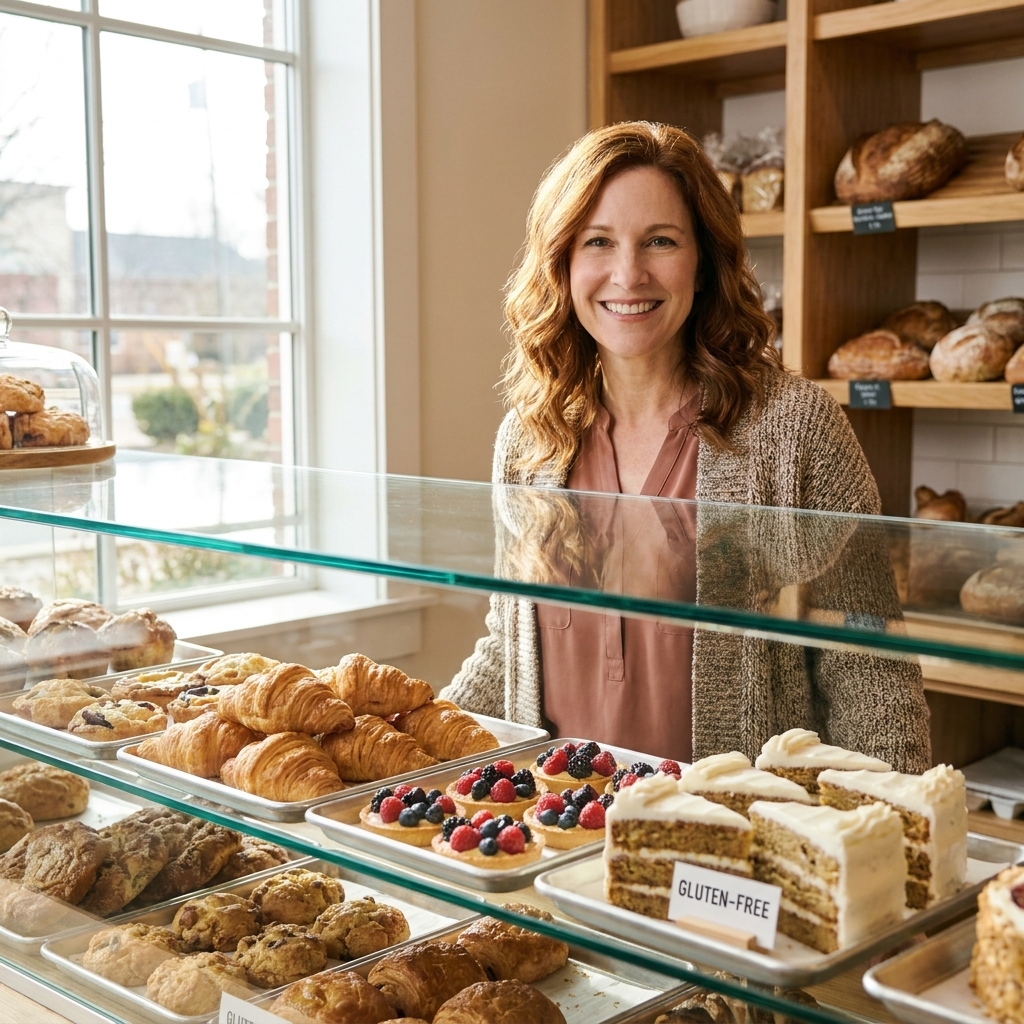
How gluten-free became craft
In the restaurant world, “gluten-free” used to live in the same mental drawer as “no fun.” Mostly because wheat is not just an ingredient. It is infrastructure. Gluten gives dough elasticity and strength, helps it stretch instead of tearing, and supports structure in everything from chewy bread to tender cake.
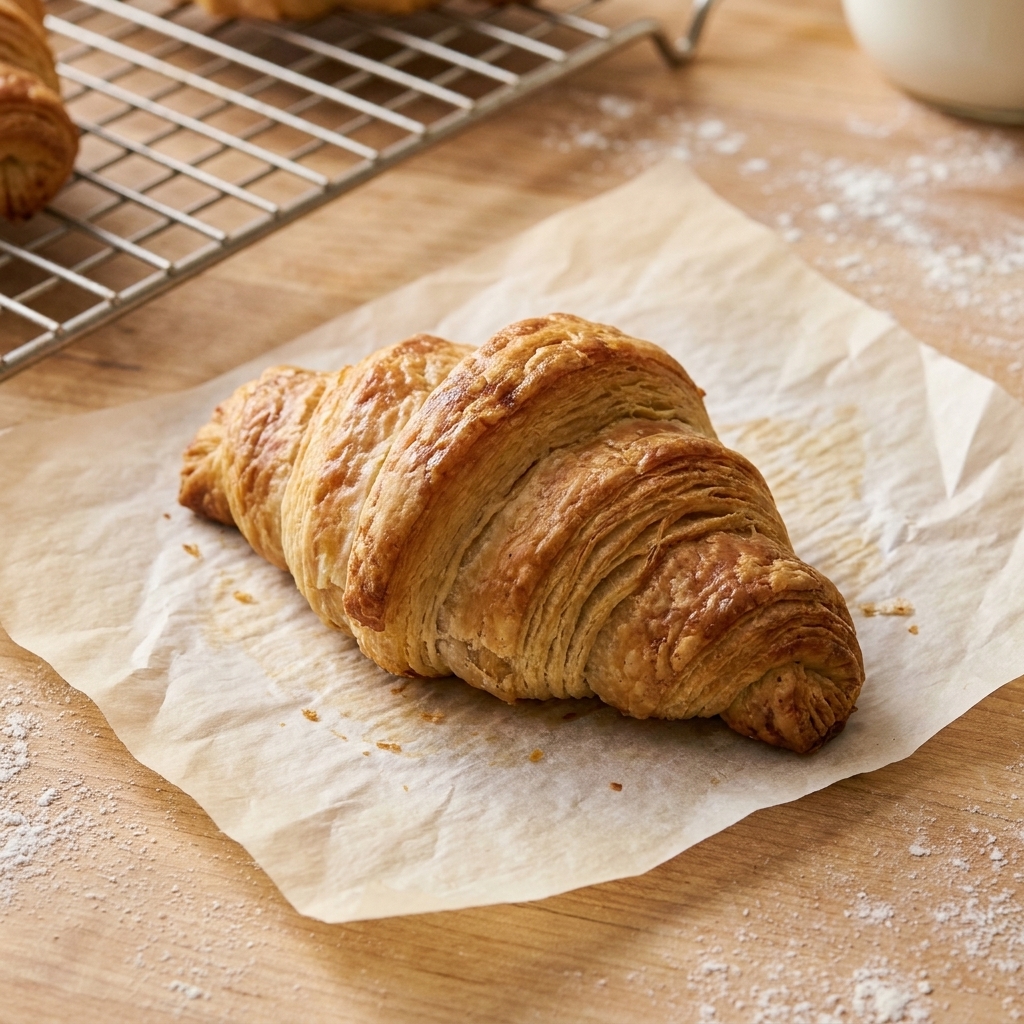
And in laminated pastry, that matters. The lift comes from steam and butter layers. Gluten’s job is to give the dough enough extensibility and backbone to hold those layers together through folds, proofing, and the oven spring without turning brittle or ragged.
What changed is that bakers stopped trying to recreate one-to-one wheat replicas with a single swap and started building systems. Think flour blends designed for a purpose, not a label. Think hydration strategies, binding choices, resting times, and fermentation that acknowledge gluten-free dough behaves differently. In other words, gluten-free pastry became a set of techniques, not a set of limitations.
There is also a cultural shift underneath it: diners got louder about accessibility, and bakeries realized the gluten-free customer is not a niche. It is families managing allergies, people with celiac disease, people with wheat allergy or non-celiac gluten sensitivity, and plenty of ingredient-aware diners who want to feel good after they eat. Demand did not just grow, it matured. Customers learned what “safe” and “serious” looks like, and the best bakeries rose to meet them.
Inside the gluten-free toolbox
If you have not tasted a great gluten-free croissant or an actually tender cupcake, it is not because gluten-free cannot do it. It is because the execution is harder, and “harder” tends to sort the hobbyists from the pros.
Flour is a playlist, not a solo
Wheat flour is one ingredient with a consistent baseline. Gluten-free baking is more like building a band. Rice flour brings structure, sorghum adds depth, millet can lighten, buckwheat adds toastiness, and oat flour brings comfort, if it is certified gluten-free. Starches like tapioca, potato, and cornstarch change chew and lift. The point is not to hide these flavors. The point is to use them with intention.
Binders without the weird aftertaste
To replace gluten’s web, bakers rely on binders such as psyllium husk, xanthan gum, guar gum, chia, flax, or combinations. The best results do not feel gummy. They feel cohesive. You should be able to tear a roll, not watch it crumble into sand.
Lamination is back
Yes, laminated pastry. Croissants, danishes, puff pastry. The modern gluten-free versions rely on smart hydration, careful temperature control, and blends that can withstand folding without shattering. When it is done well, the payoff is emotional: shattering layers, buttery aroma, the kind of pastry that makes you forget you ever had to ask for “options.”
What artisanal means here
In a wheat bakery, “artisanal” can be a vibe. In gluten-free baking, it is often an operations decision.
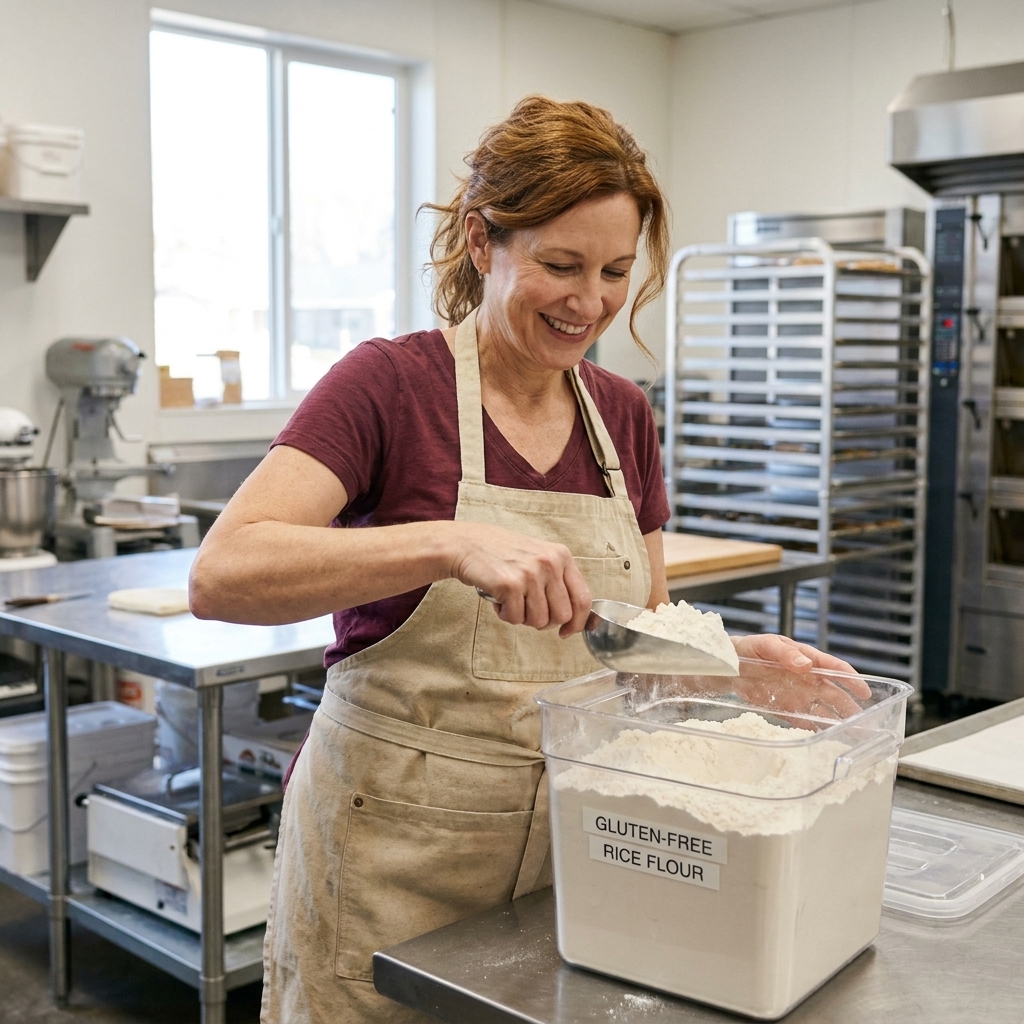
The most meaningful marker is not rustic packaging or handwritten chalkboards. It is whether a bakery has built processes that respect how serious gluten exposure can be, especially for people with celiac disease. Great gluten-free shops tend to be obsessive in ways that look boring from the outside and feel life-changing from the inside: dedicated equipment, separate storage, controlled ingredients, and staff training that is consistent even on a slammed Saturday.
When a bakery treats gluten-free like a craft, you can taste it. When it treats gluten-free like a checkbox, you can feel it.
Dedicated vs shared: read it right
Language in the dining world is slippery, and gluten-free is a perfect example. Here is the practical difference:
- Dedicated gluten-free bakery: A facility that does not handle gluten-containing ingredients or gluten-containing grains. Usually the safest bet for celiac diners because cross-contact risk is dramatically lower.
- Shared bakery with gluten-free options: Gluten-free items are made in a space that also handles wheat. This can be fine for some people, but it requires strict protocols to be reliably safe.
- “Gluten-friendly”: Often a legal or liability hedge. It may mean the recipe is wheat-free, but the environment is not controlled. Ask follow-up questions.
If you are highly sensitive, do not let a beautiful pastry case override your risk tolerance. I have been there, and I get it. But safety is the foundation of enjoyment.
How to find safe bakeries
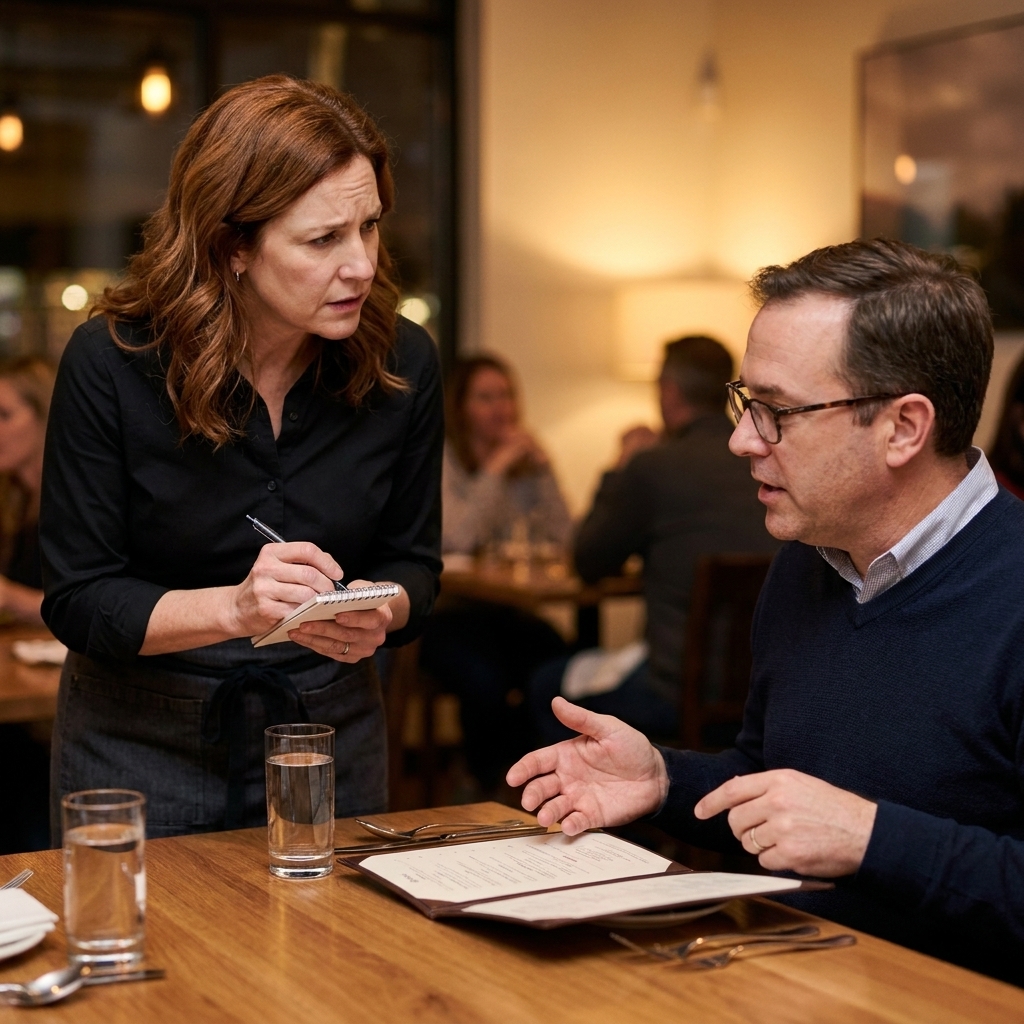
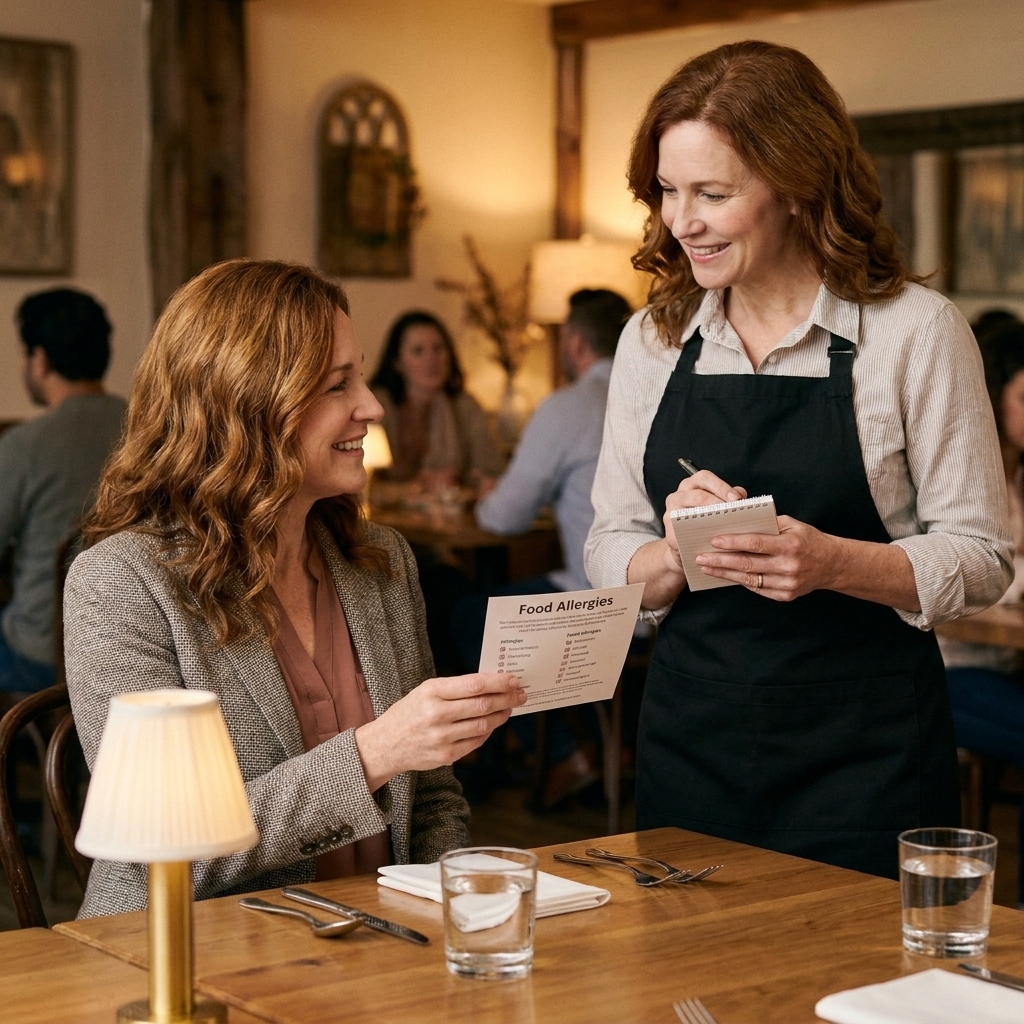
Consider this your back-pocket checklist, the one I wish every dining room offered without being asked.
Ask these questions
- Is the bakery dedicated gluten-free? If yes, great. If no, keep going.
- Do you use separate equipment and prep areas? Mixers, sheet pans, spatulas, proofing baskets, fryers. Shared equipment is where accidents happen.
- How do you prevent cross-contact from flour dust? Wheat flour can go airborne and settle on surfaces, especially during active wheat production. If they are baking baguettes and “GF muffins” in the same window of time, that is a red flag for celiac.
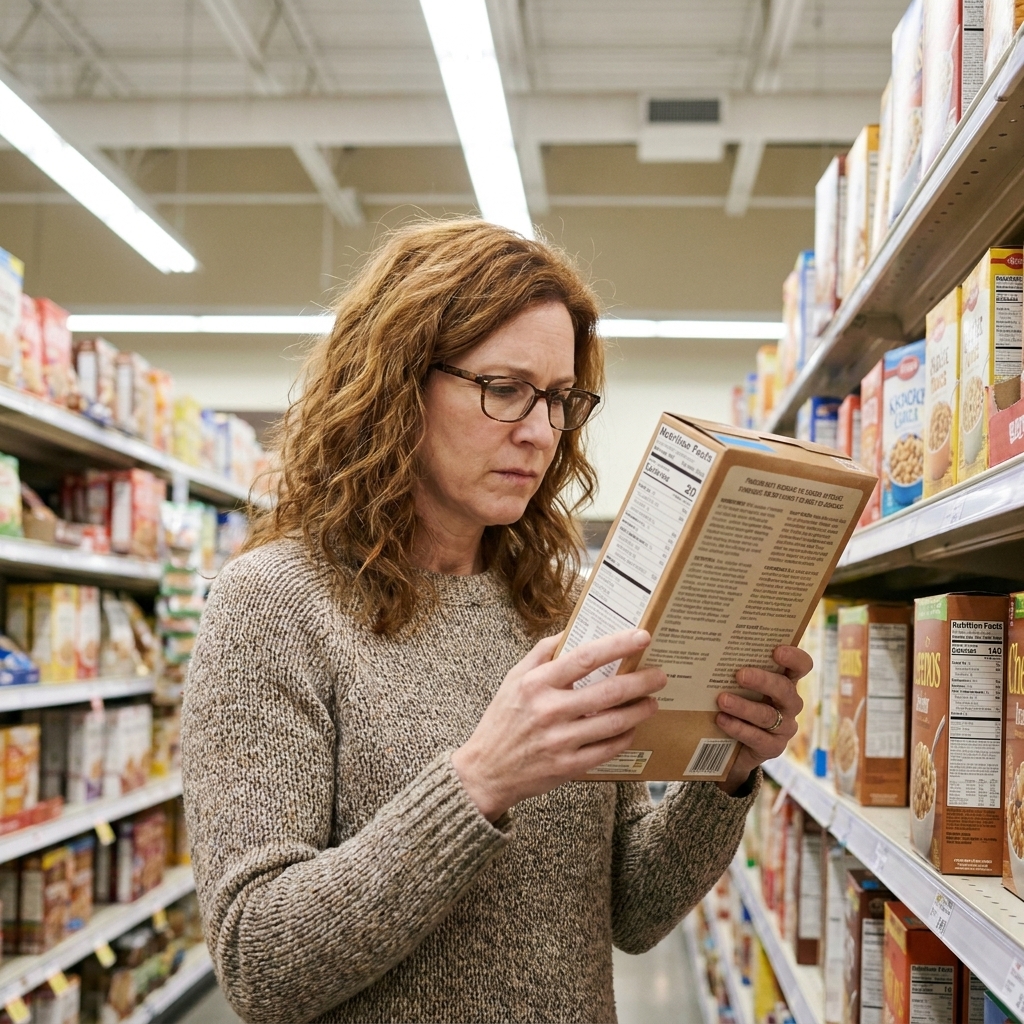
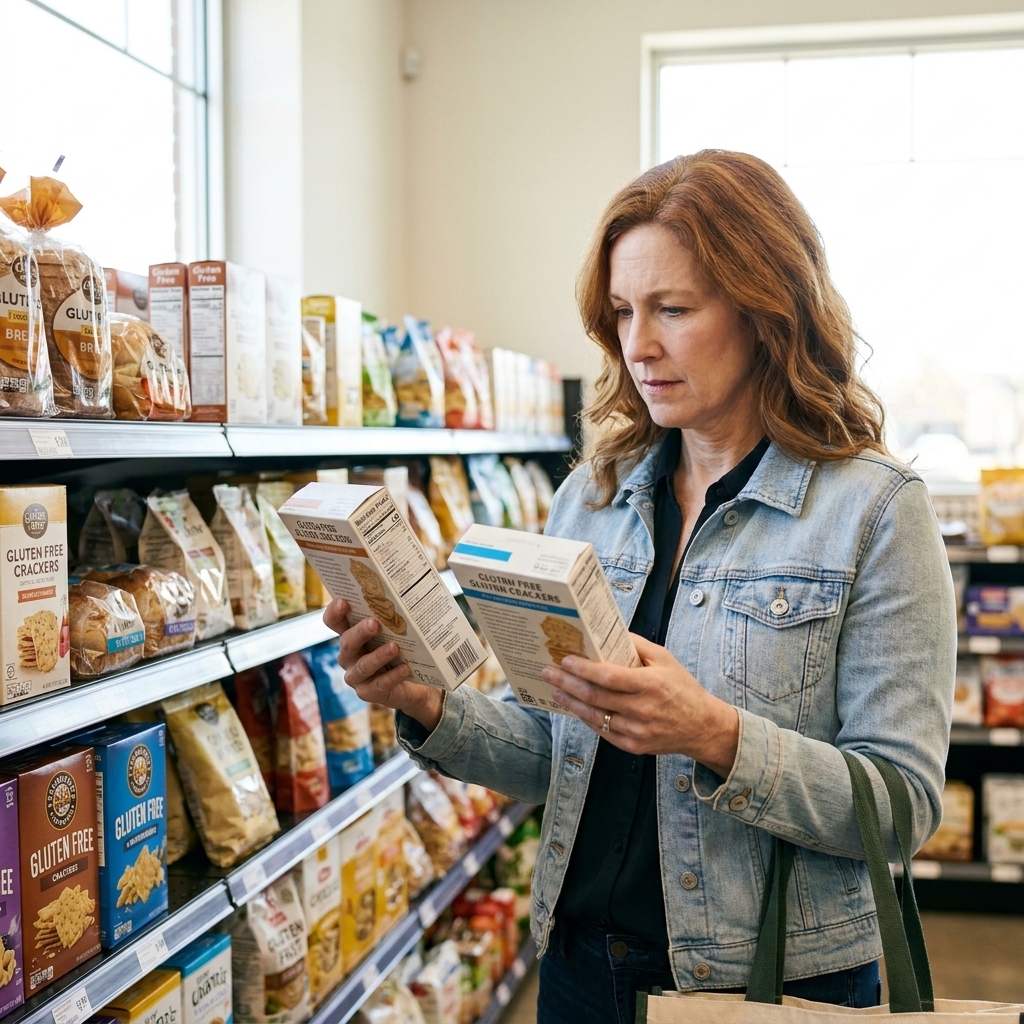
- Are your ingredients certified gluten-free? Oats, baking powder, chocolate, sprinkles, and even powdered sugar can be surprise culprits.
- Are you certified gluten-free or audited by a third party? If they are, ask which program. If they are not, ask what internal standard they follow.
- Do you test products or batches for gluten? Some bakeries do periodic testing and can speak to parts-per-million thresholds. Transparency counts.
- Do you have an allergen protocol for fulfillment and packaging? Separate pickup shelves, sealed packaging, and clear labeling matter.
Green flags
- Staff answers confidently without having to “check with the kitchen” for basic protocol questions.
- Ingredients and allergens are listed clearly, in-store or online.
- They talk about cross-contact, not just “no wheat in the recipe.”
- Packaging is sealed and labeled, especially for mixed orders.
Red flags
- “It should be fine” is the whole explanation.
- They use the same tongs for everything in the case.
- They cannot tell you what flour blend they use, or they get defensive about questions.
- They say “we can make it gluten-free” but cannot explain how.
Where it is headed
The most exciting gluten-free pastry right now is not chasing nostalgia alone. It is expanding what “pastry culture” can be when wheat is no longer the default.
Regional grains, bigger flavor
Expect more bakeries to lean into grains with personality, like buckwheat, teff, and heritage corn, and to treat them as flavor-forward, not just functional. Wheat-free does not have to mean neutral.
Better celebration cakes
We are entering a golden era of gluten-free layer cakes that feel like party cakes, not medical accommodations. Buttercream that behaves. Crumb that stays tender. Slices that hold at room temp without turning into rubble.
Better drink pairings
Pastry does not live alone. The smartest shops are pairing gluten-free pastry with serious coffee and thoughtful non-alcoholic menus: cold brew with a buckwheat chocolate chip cookie, espresso with an almond flour financier, or a botanical spritz with a citrus tart. That is not a “special diet corner.” That is hospitality.
Ordering tips
- Go early for lamination. Croissants and danishes sell out first, and they are also the most labor-intensive to execute gluten-free.
- Quality costs more. Great gluten-free pastry often costs more because ingredients, labor, and safety protocols cost more. If it is suspiciously cheap, ask yourself what corner got cut.
- Ask about storage. Some gluten-free pastries dry out faster. Many bakeries will tell you what to freeze, what to refrigerate, and what to eat same-day.
- Do not assume vegan equals gluten-free. They overlap sometimes, but they are different lanes with different risks.
- Gluten-free is not allergen-free. Many gluten-free bakeries lean on nuts, dairy, and eggs for structure and richness. If you are managing multiple allergies, ask before you fall in love with the display case.
FAQ
Is gluten-free pastry always healthier?
Not automatically. Gluten-free is about removing specific proteins found in wheat, barley, and rye. A gluten-free croissant is still a croissant. The win is access, comfort, and safety, not moral superiority.
Can a shared bakery safely make gluten-free items?
It can, but it takes serious separation and protocol. If you have celiac disease, a dedicated gluten-free facility is usually the lowest-risk option. If you are gluten intolerant, you may be comfortable with a well-run shared space. The key is transparency and consistency.
Why do some gluten-free pastries taste sandy or dry?
Often it is a flour blend issue, not enough hydration, or a recipe that relies too heavily on rice flour without balancing starches and binders. Freshness matters too. Some gluten-free items have a shorter “perfect window,” which is why bakery execution and turnover are everything.
The bottom line
The gluten-free revolution is not just about eating around a restriction. It is about reclaiming a pleasure that many of us were told would always be second best. When an artisanal bakery commits to gluten-free craft, it does more than make a great tart. It makes a statement: you deserve joy, not just an alternative.
And if you find a place that nails it, tip well, tell your friends, and become a regular. In hospitality, loyalty is a love language. In gluten-free pastry culture, it is how the good stuff keeps rising.